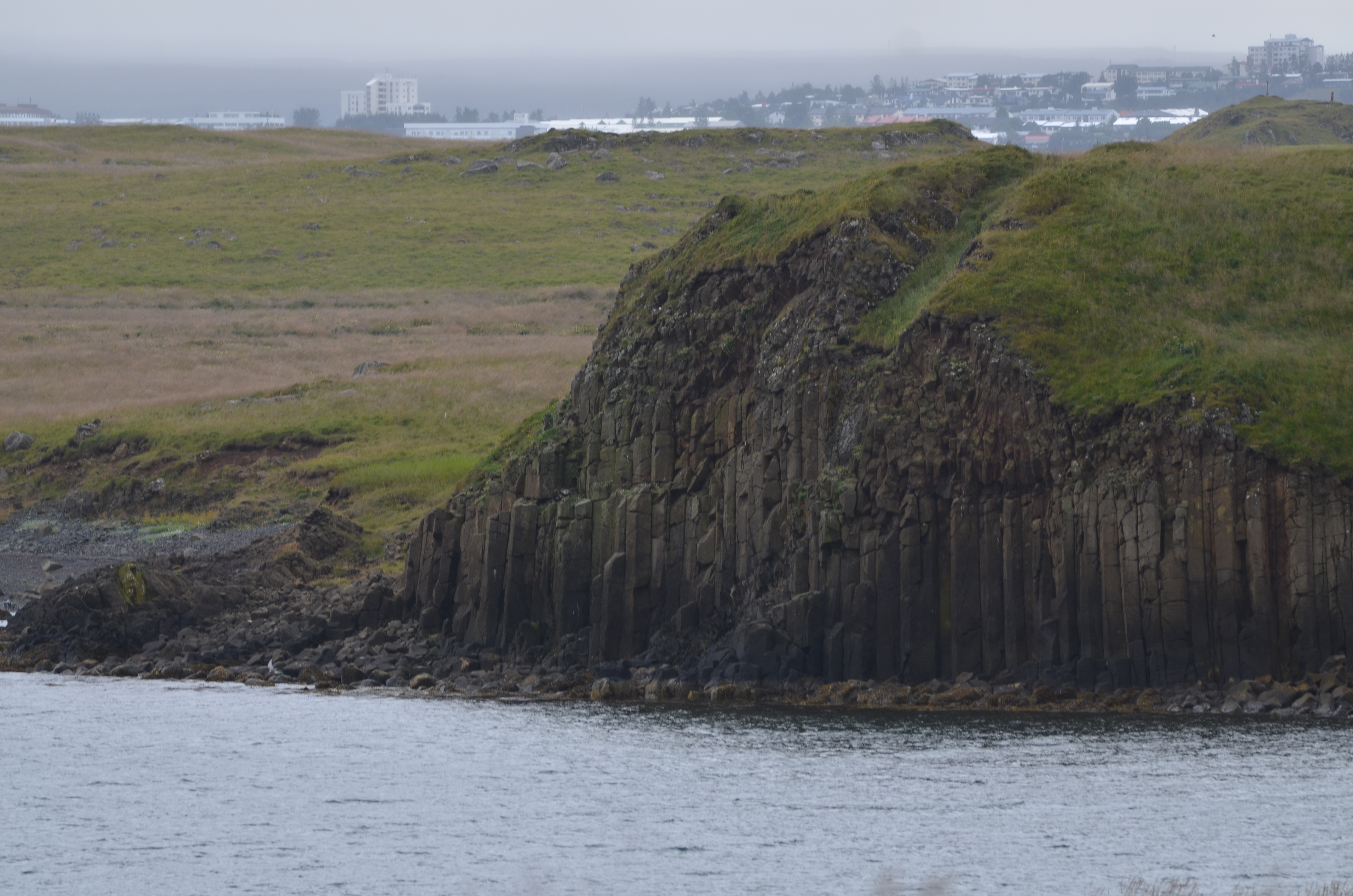
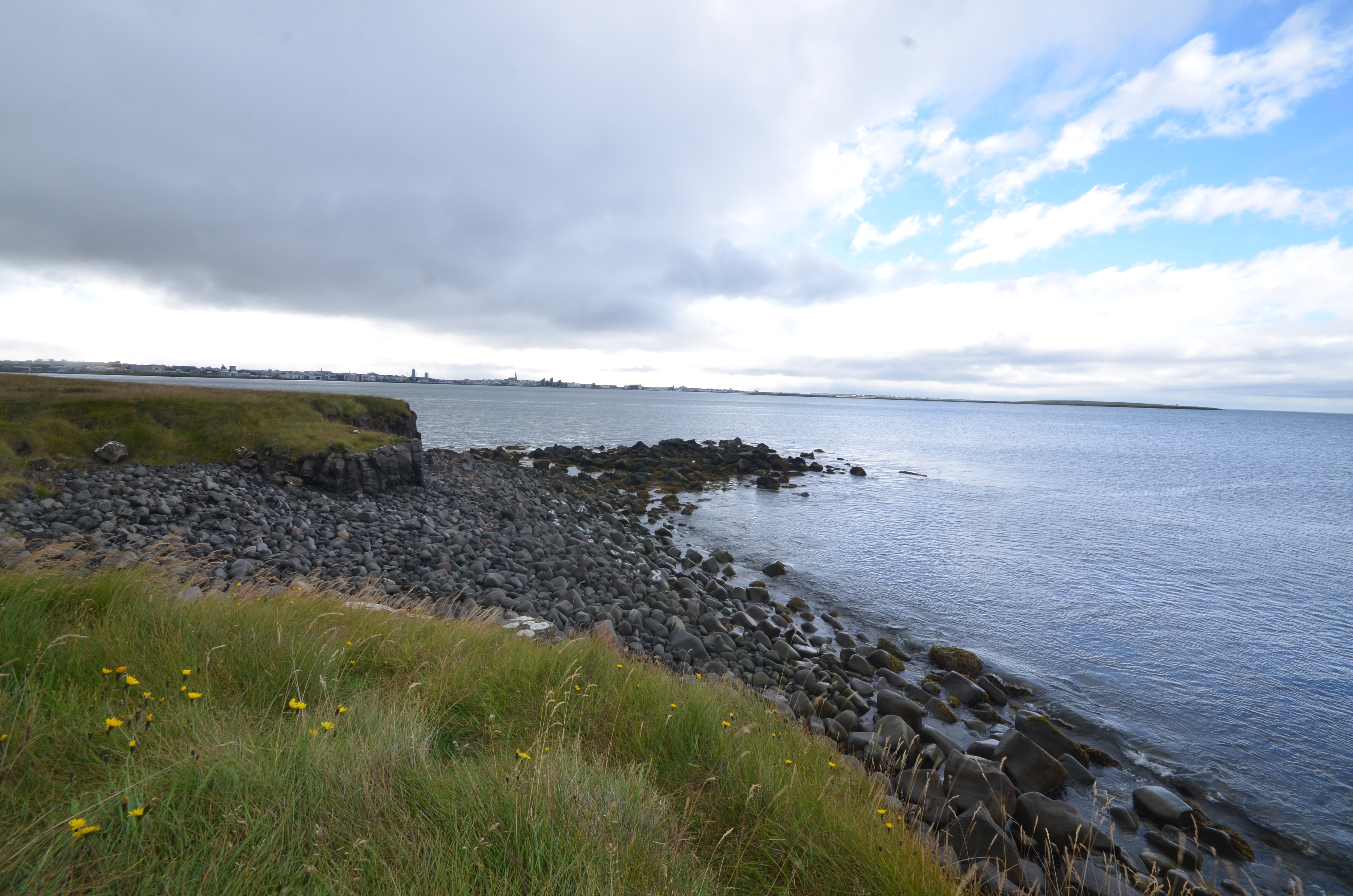
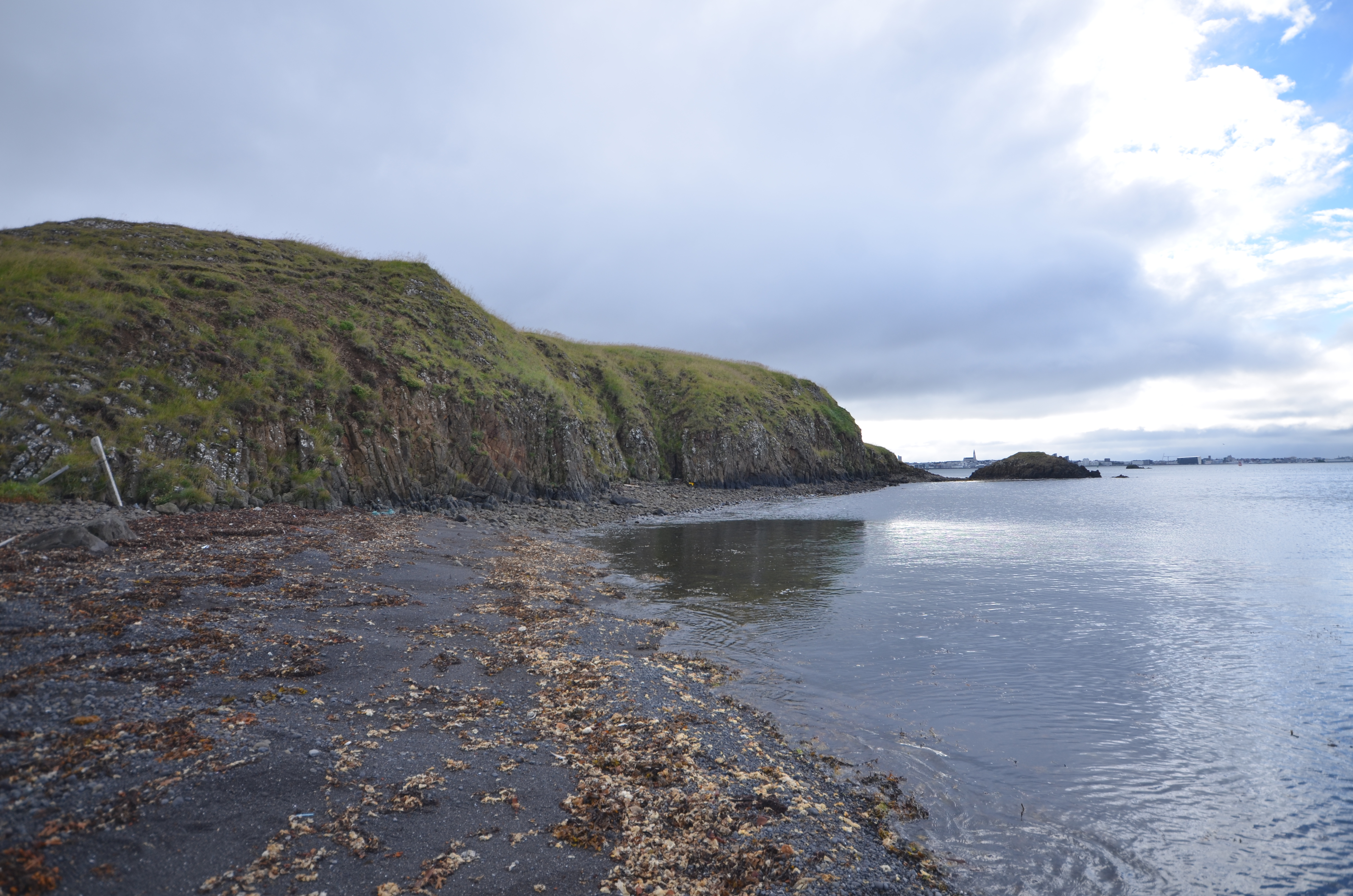
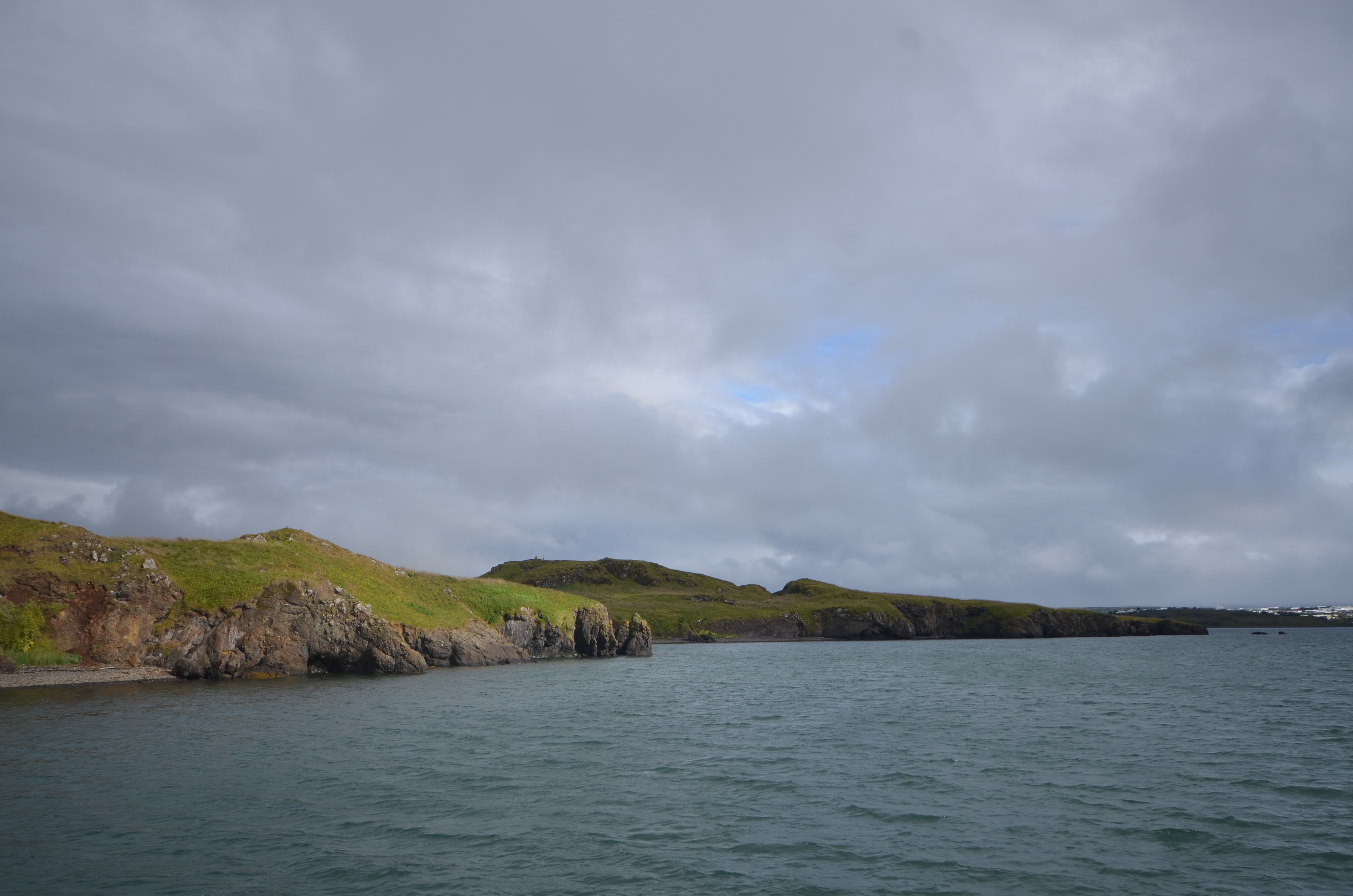
Tag Archives: History

Hakuna Matata: Zanzibar

An early morning shuttle took us to the Airport where we hopped onto a larger prop plane, headed to Zanzibar. The seatback magazine recipe for a shrimp dish kept me entertained while my seat mate took photos from their window seat.

I had packed my camera and lenses in my day pack, nestled at my feet and was able to get a couple photos with the help of my seat mate, and looked out over mainland Africa one last time before the attendant gave me my mango juice and cashews. (Definitely felt like a step up from tomato juice and peanuts.)

Our arrival into Stonetown, my group descended the staircase and crossed the tarmac into the terminal. My bag came off the carousel when rounding the conveyor corner, landing with a loud THUD. I counted my lucky stars that I transfer my lenses to my small pack for flights.

Outside the airport we joined up with another GAdventures group that had just finished climbing Kilimanjaro, and bypassed the safari segment that the crew who continued with me had done. Our trip had departed a few good people, and gained a few more. By the end of the trip I counted up that I had made 20 new acquaintances from 7 countries, and from the US from 4 other states. Talking with my guides, they both said that one of the reasons they love their jobs is the very different people they get to meet from all over, and getting to show people their little corner of the world.

Our next guide for this portion of the trip, Kombi, loaded us up into a bus and headed into the city to our first nights accomodation: The Spice Palace. To get to our hotel, the bus cannot make it down any streets in the main city. The narrow streets being from long before car transportation was a consideration in building plans. We loaded all of our bags onto a wooden cart, making a towering mound of all the luggage. A smaller older gentleman who approached and loaded it began to pull it down the alleys. We follow, stopping at the stairs at the front of our hotel, each of us claiming our bag and beginning the check in process.

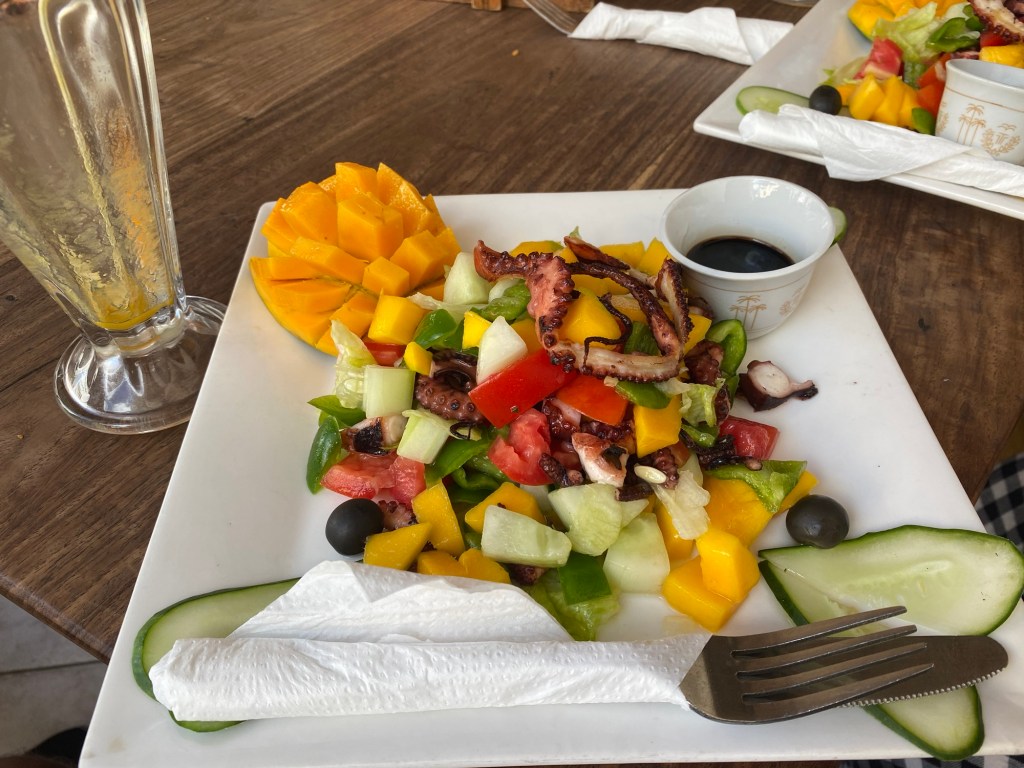
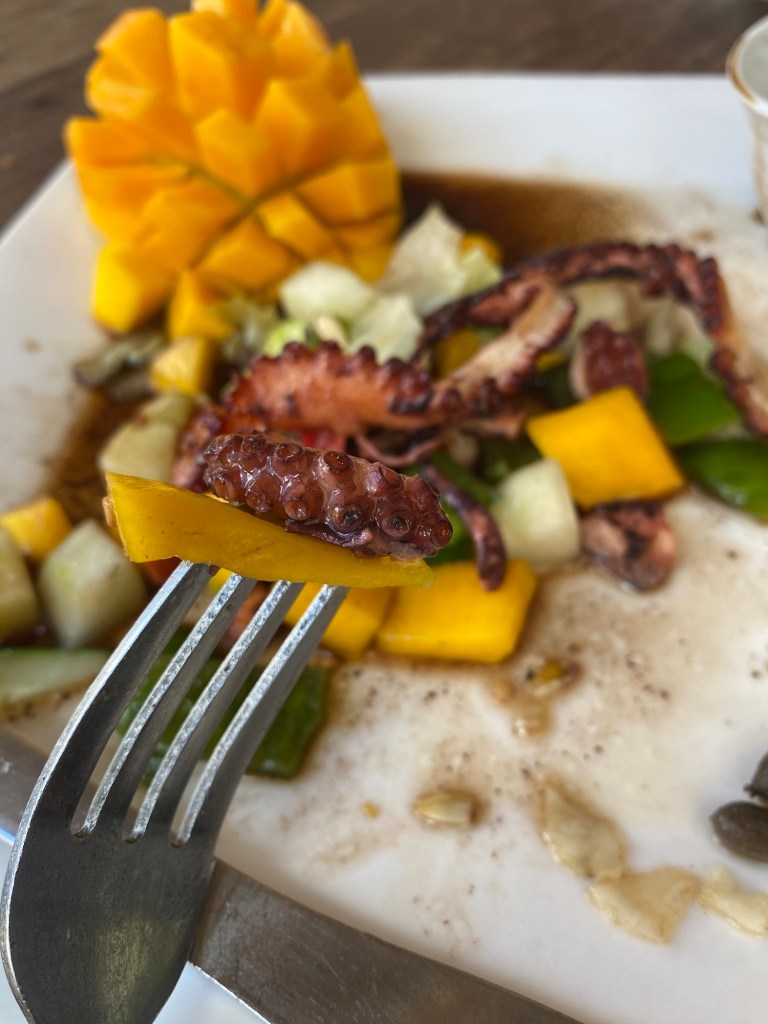
After dropping bags in our rooms, there our group gathered and made our way to lunch at a nice little place near the beach, The Silk Route. The first thing we noticed was how friendly the stray cats were to tourists. No doubt having their share of seafood from the tourists who take pity on the creatures. To that end, Its safe to say that Zanzibar probably doesn’t have a rodent problem.

After lunch we went to the historic slave market museum. Stonetown had been the major slave trade port for Arab controlled East Africa. on the historic grounds they had the ‘whipping tree’ which had been cut down, and over its place a church was built, a circle on the floor where the tree used to stand. The displays in the museum showing the evolution of the slave market, and the original holding cells for the slaves before they were loaded onto ships. It was a somber experience, but one I am glad gets visited and people learn this history.

Sample of one of the displays

We took a walking tour of the town after, learning about the ties of stone town to Queens’ Freddie Mercury, the town even hosting the Freddie Mercury Museum. A group of kids down at the sea wall were filming jumping into the bay with poster boards reading ” Welcome to Zanzibar!”, shouting ‘HAKUNA MATATA!’ and ‘WAKANDA FOREVER!’ We continued down the narrow ally ways, where doors are adorned with large spikes. The reason? People who moved into these areas were from India and would have spikes on the door to keep elephants from barging in. When they moved to this city, with streets far too narrow for elephants to ever pose a risk, the style of door came along anyway.

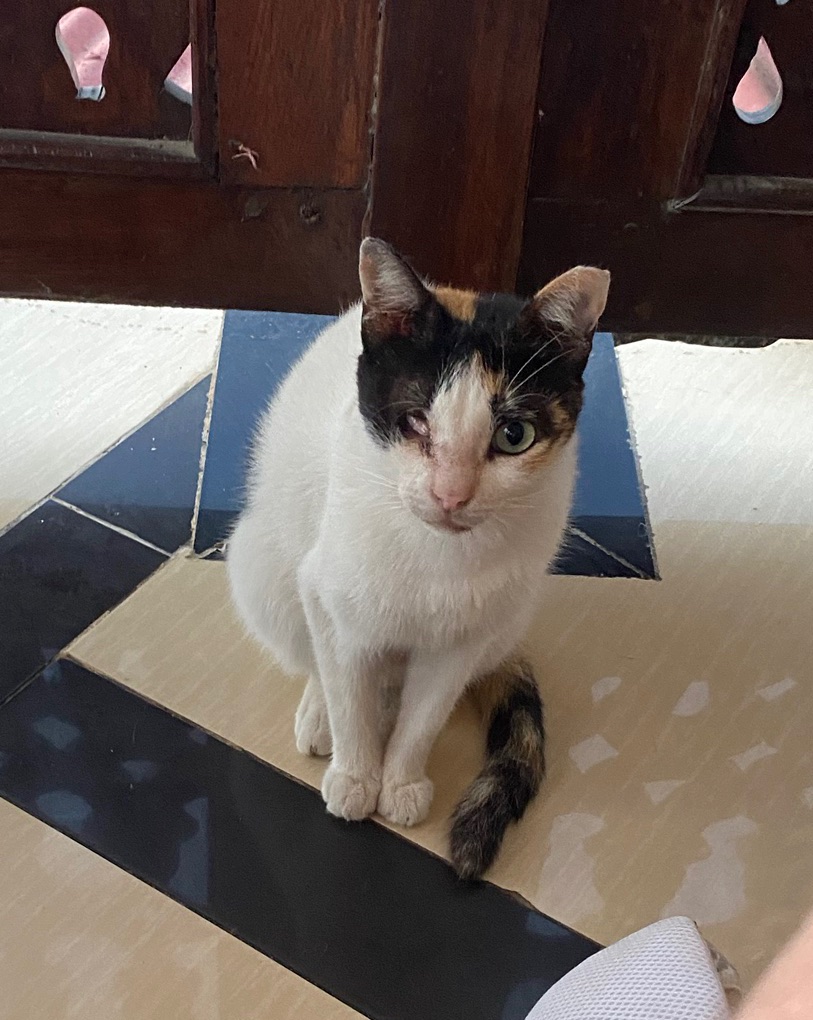
Back at the hotel, I joined the Canadians and the Aussies for a drink at the rooftop bar. The resident stray coming up when I notice he was underdeveloped and was missing an eye. My own cat at home being massive and named Sully after the Monsters Inc character, I felt it was only fitting to nickname this little guy Mike Wazowski.

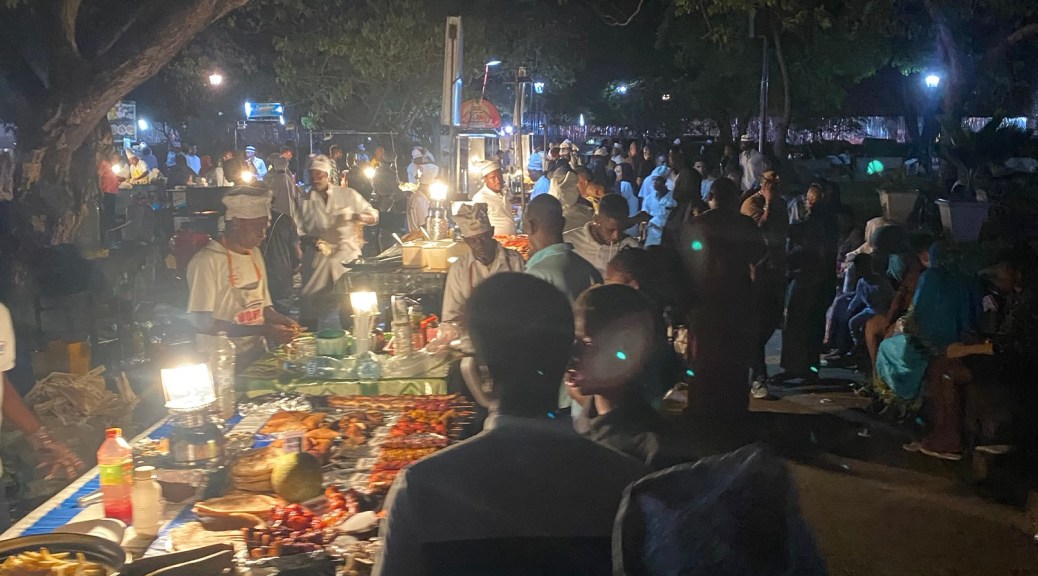
That night we all ventured off for the night markets, which was a bustling scene of food vendors and people. Our guide recommended certain foods we could try if we were feeling adventurous, but warned against others as it’s ‘laid out’ a few westerners.

Finishing up at the Freddie Mercury Bar, we dined and drank and listened to some wonderful local live music before making our way back to our hotel.

Next Time: Visiting a Spice Plantation, given the royal treatment, and get to visit my first resort.

Iceland: Fire, Ice, and Elves

The last stop on our Round-The-World-From-Scratch included a week in Iceland. Iceland Air offers a deal, when traveling from North America to Europe, to have a free stop over for up to 7 days.

Making the most of our time there, while still allowing ourselves to relax and enjoy the last of our travels, the Reykjavik city pass allows you free entry to some of the city hot pools and many of the museums, with discounts to other museums, hot pools, and restaurants. (available at the tourist info centre, by the Knitting association shop where you can pic yourself up a nice Icelandic jumper.)

dsc_4789dsc_4825dsc_4847dsc_4859
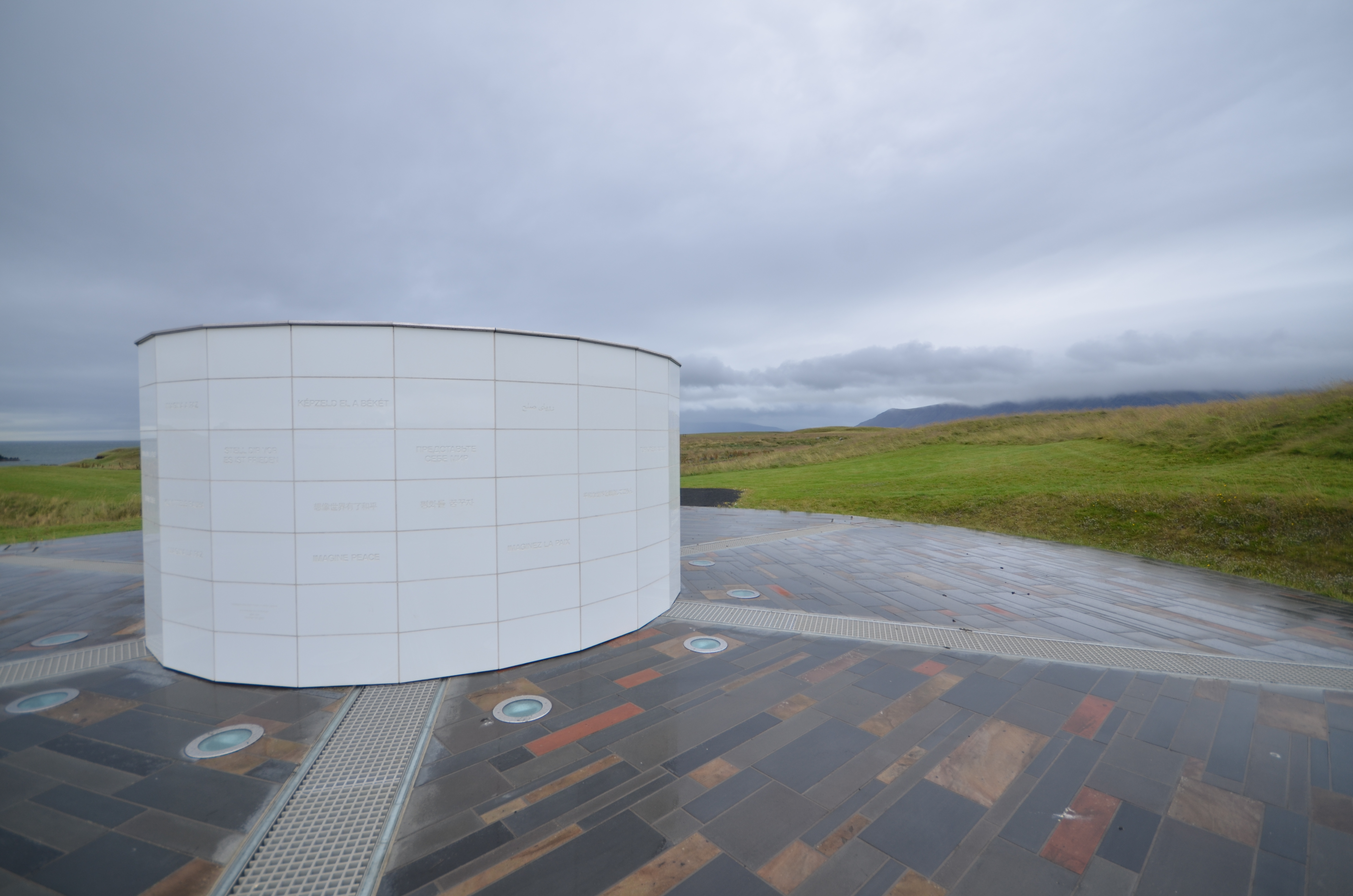
One of the free things to do is to take a ferry over to Viðey island just off Reykjavik. Once on the island, the small hiking trails take you on a maze of the small island where you can see artwork my various artists including Yoko Ono’s Imagine Peace Tower.

dsc_4779
Beyond the city, which is home to 2/3rds of the population of Iceland, remains the almost desolate expanse of green and black (the remnants of lava flows) with the occasional waterfall, (10’s of thousands just that are known by locals, not including the ones inland or away from popularly traveled routes.)

dsc_5065
The two most popular tours through many of the tour companies include the Golden Circle, And the South Coast.

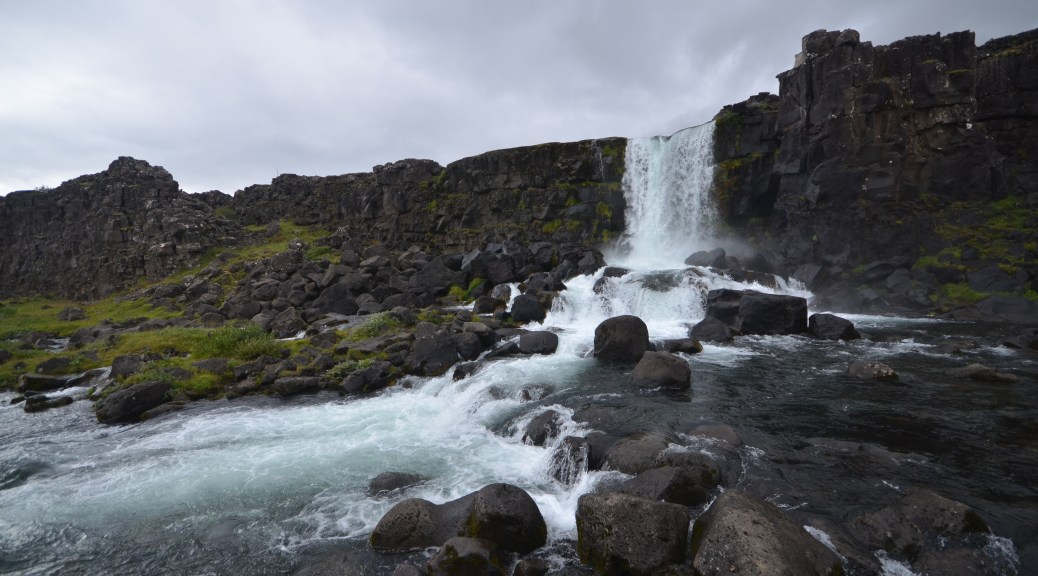
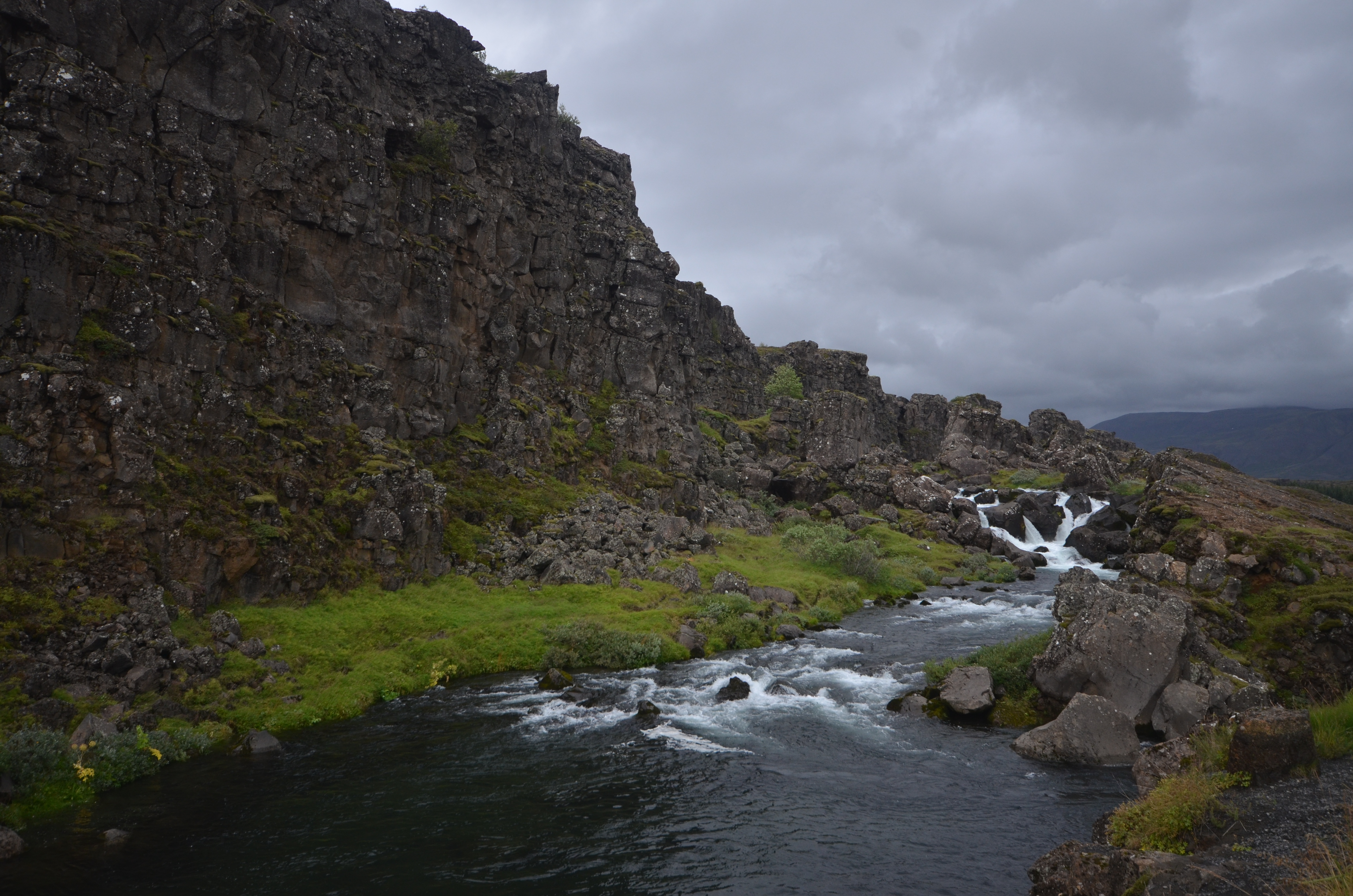
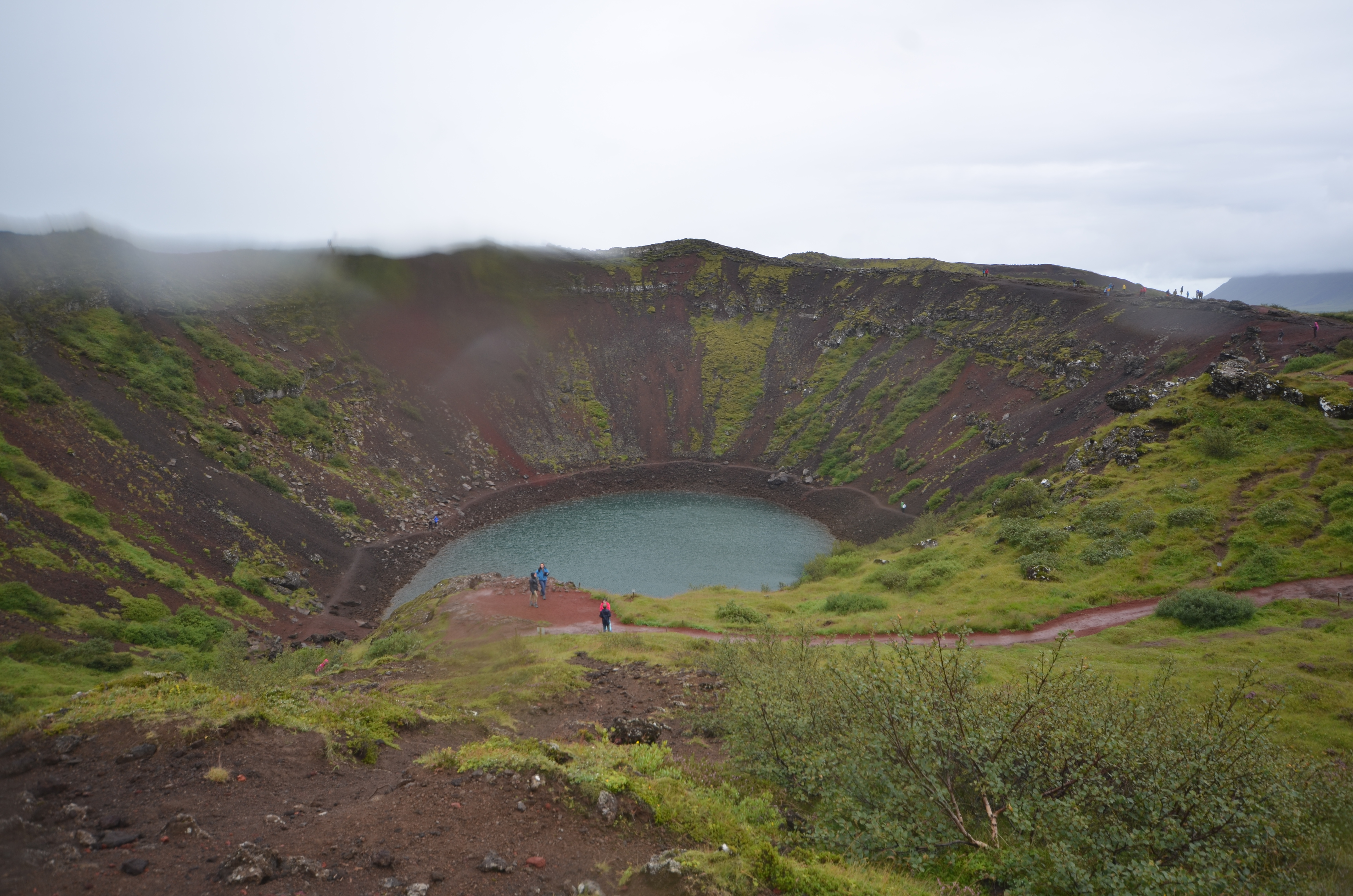
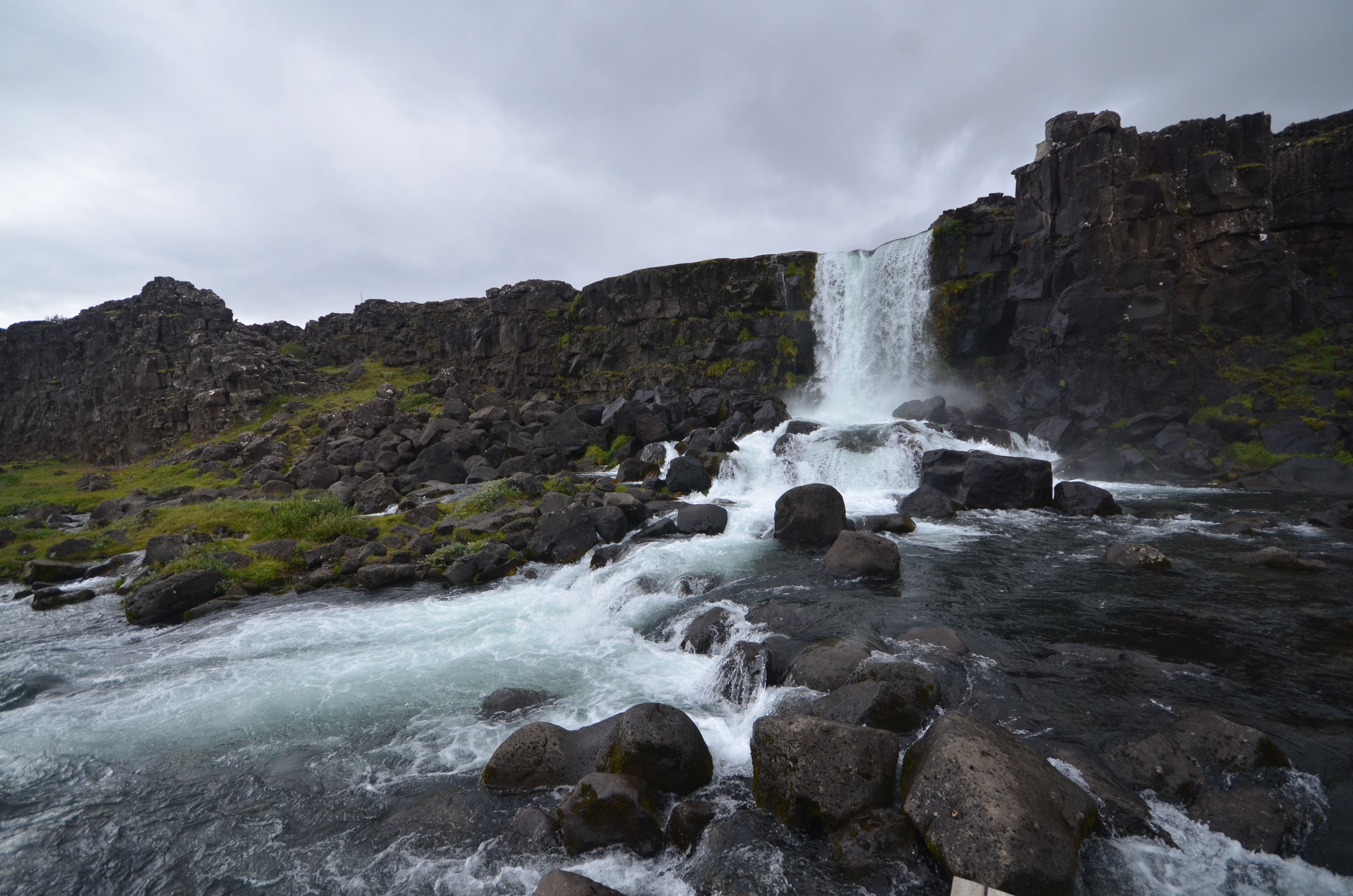
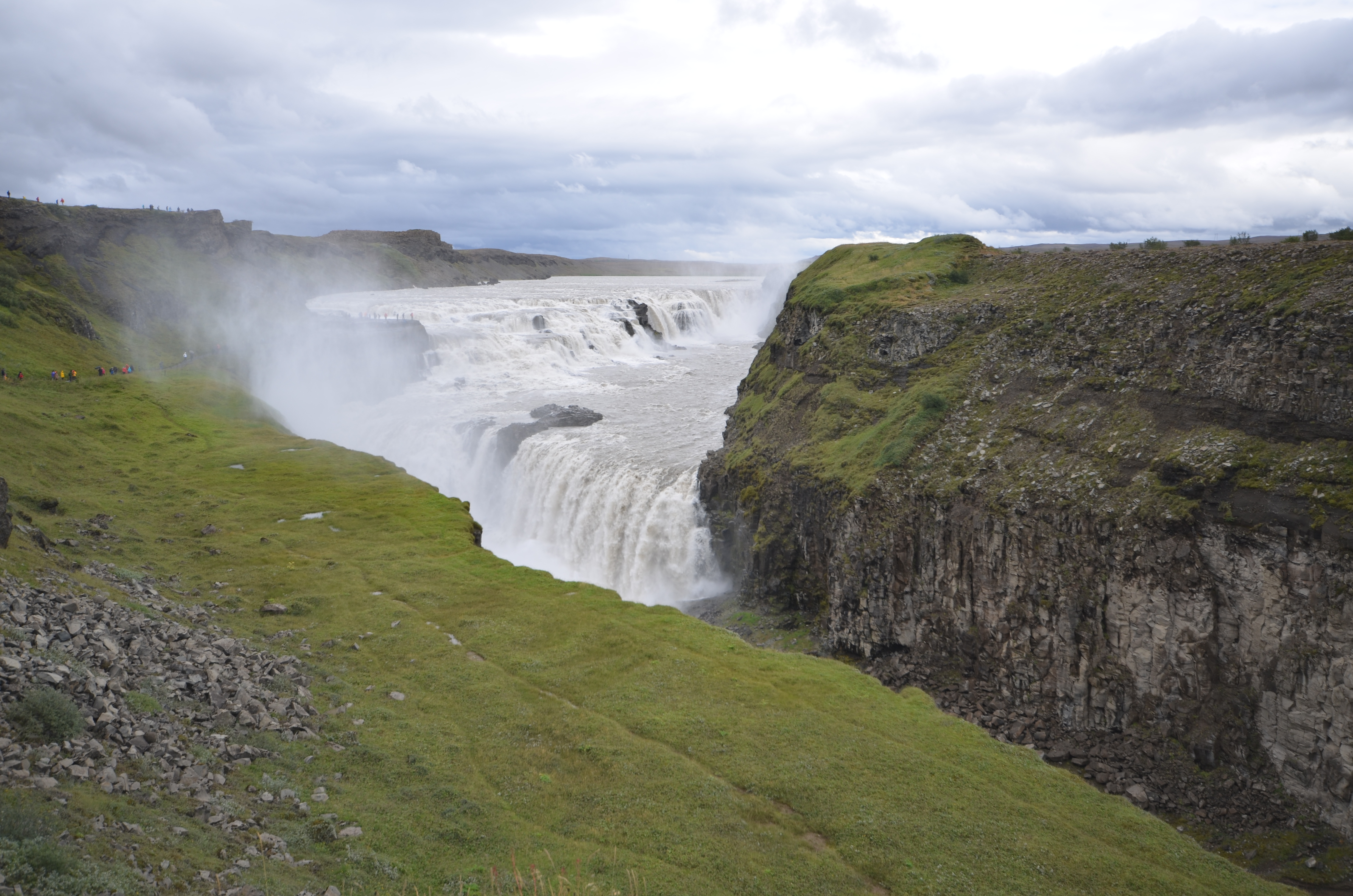
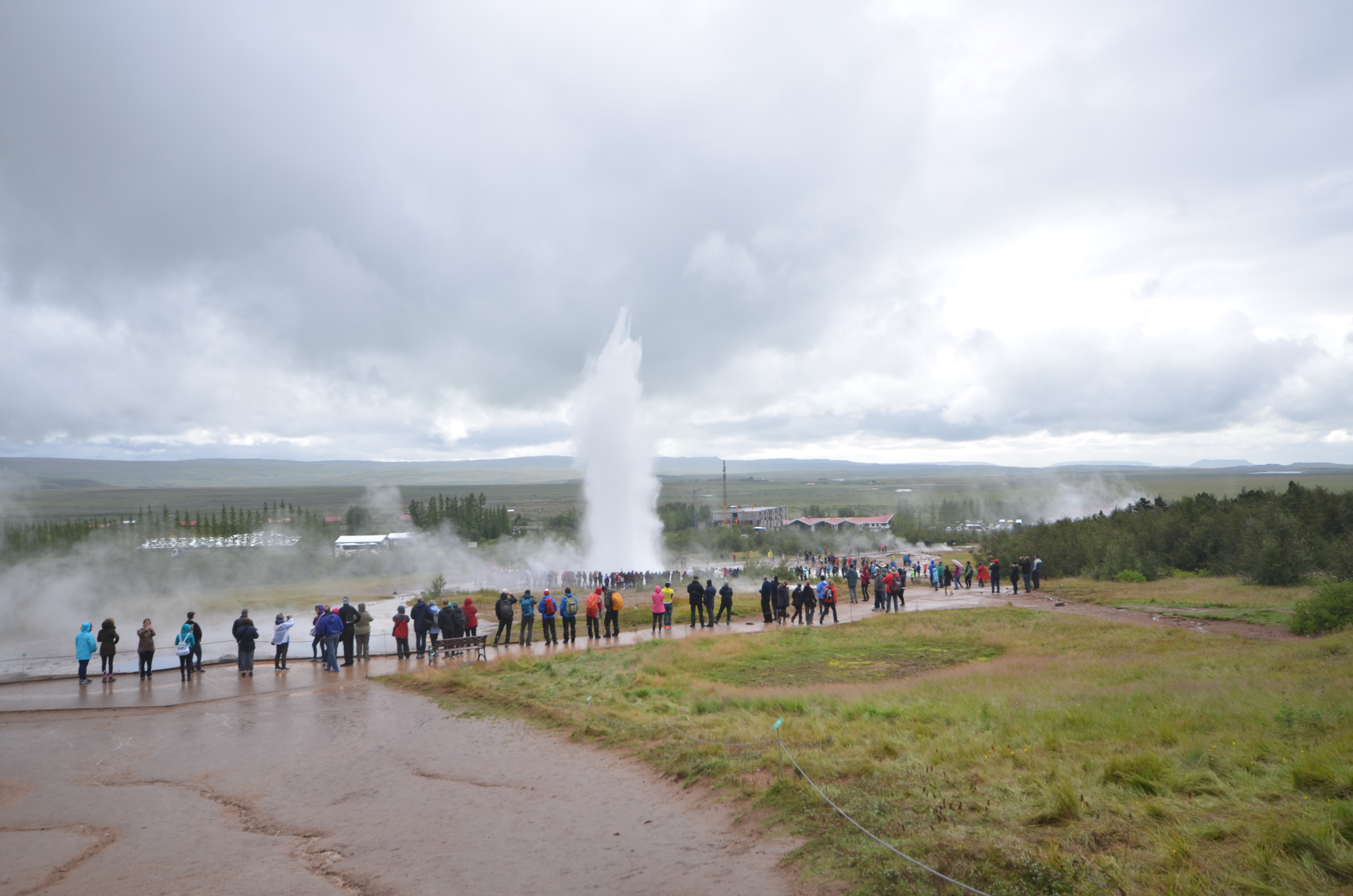
The Golden Circle journeys inland and will normally stop at the Geothermal Powerplant (which powers the nation), The National Park (the location of the first parliament, the rift between the North American and European plates, and filming location for Game of Thrones), Two of the major waterfalls, The geysers (including ‘Geyser’, the one that we got the name from,) and the crater lake in the sunk-in remains of a volcano.

dsc_4910dsc_5052dsc_4977dsc_4952
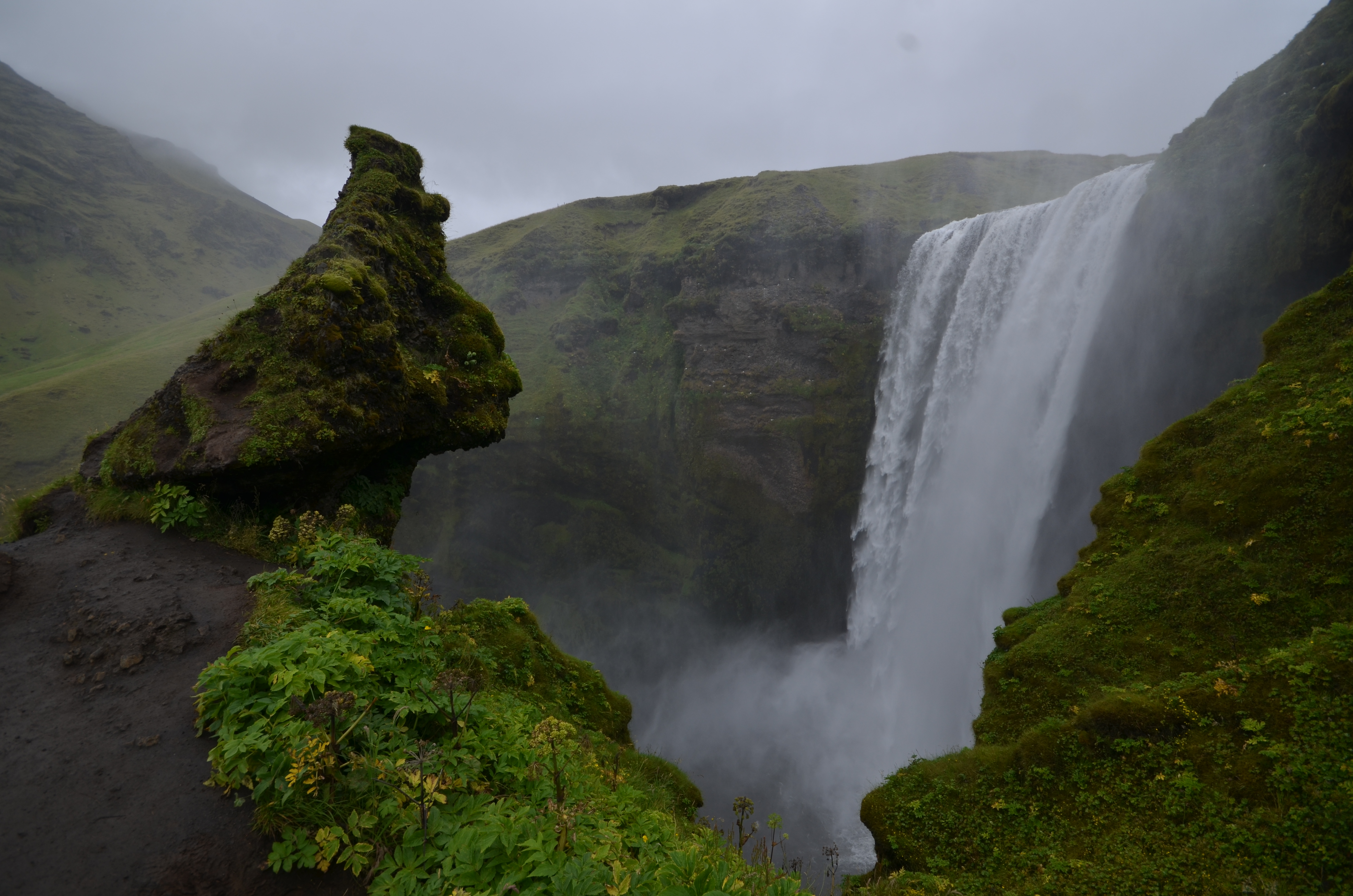
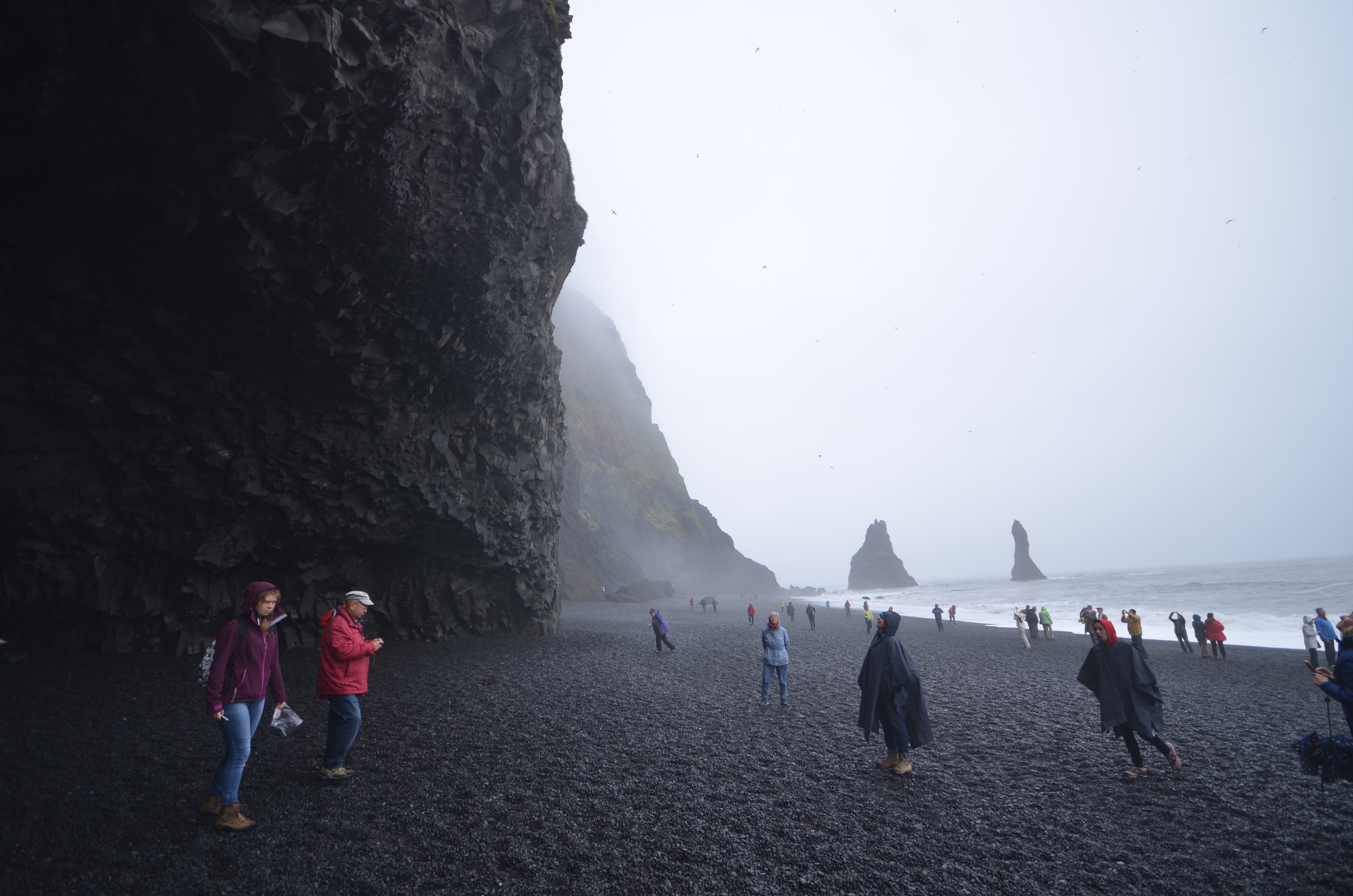
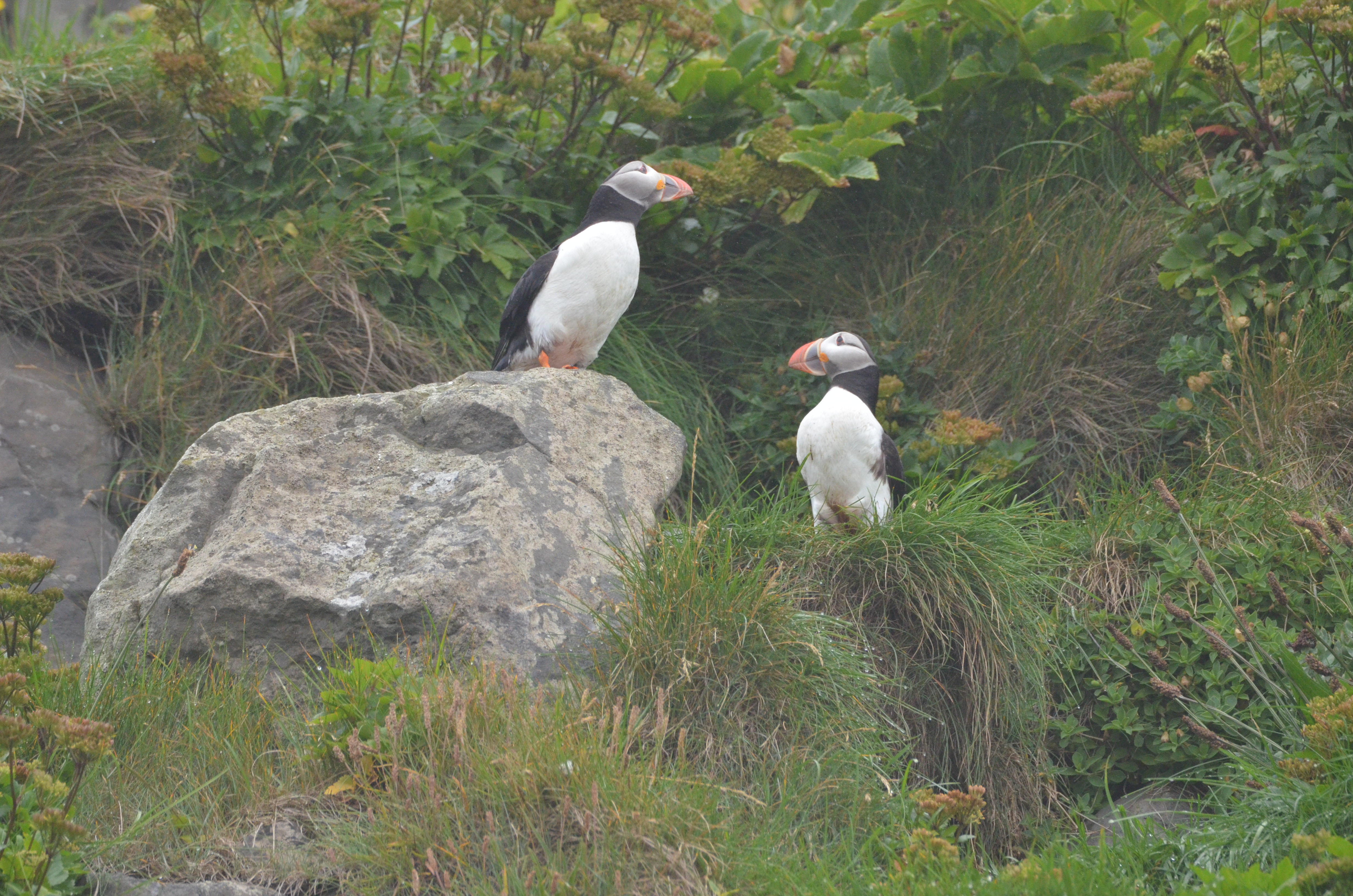
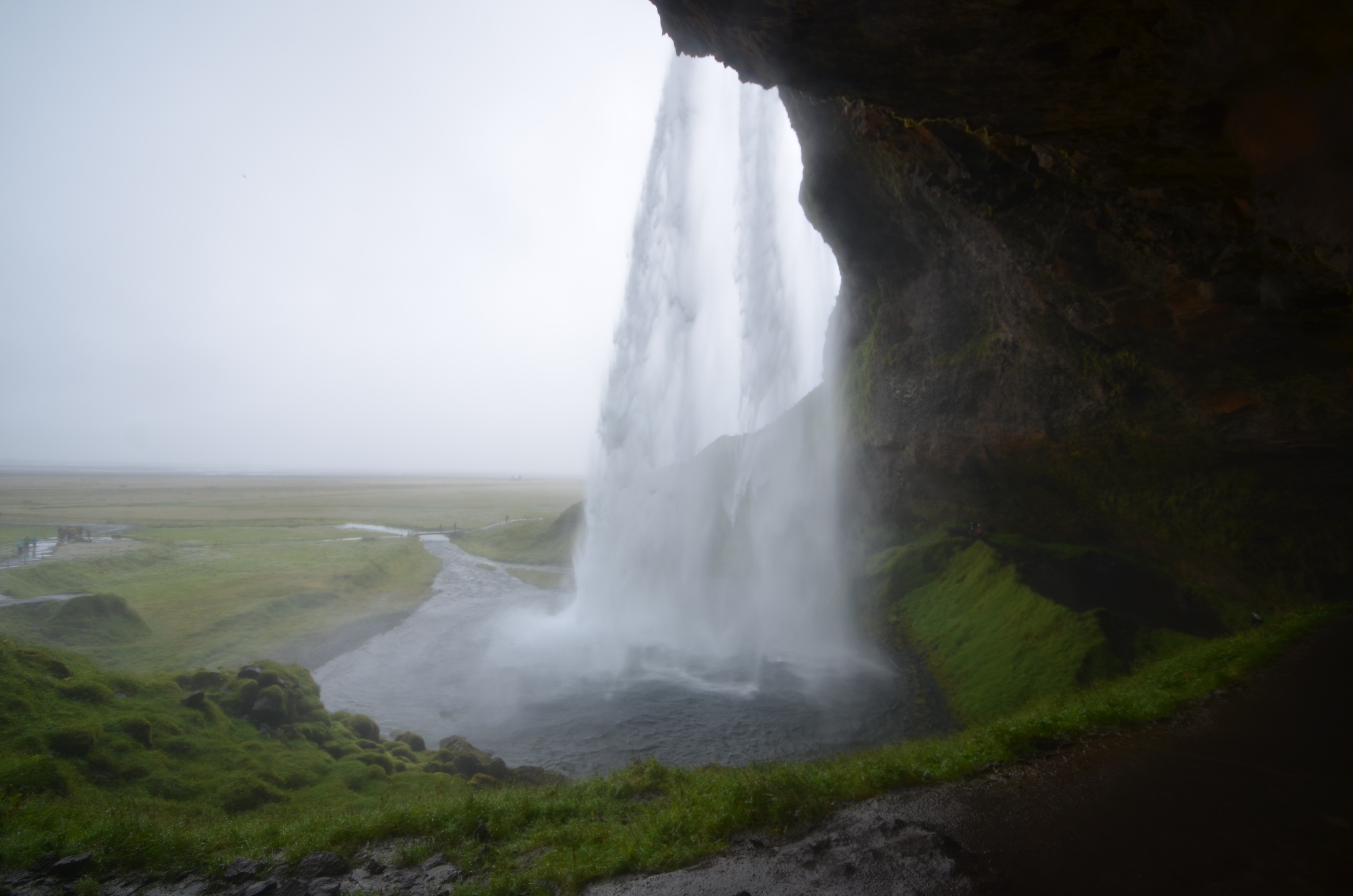
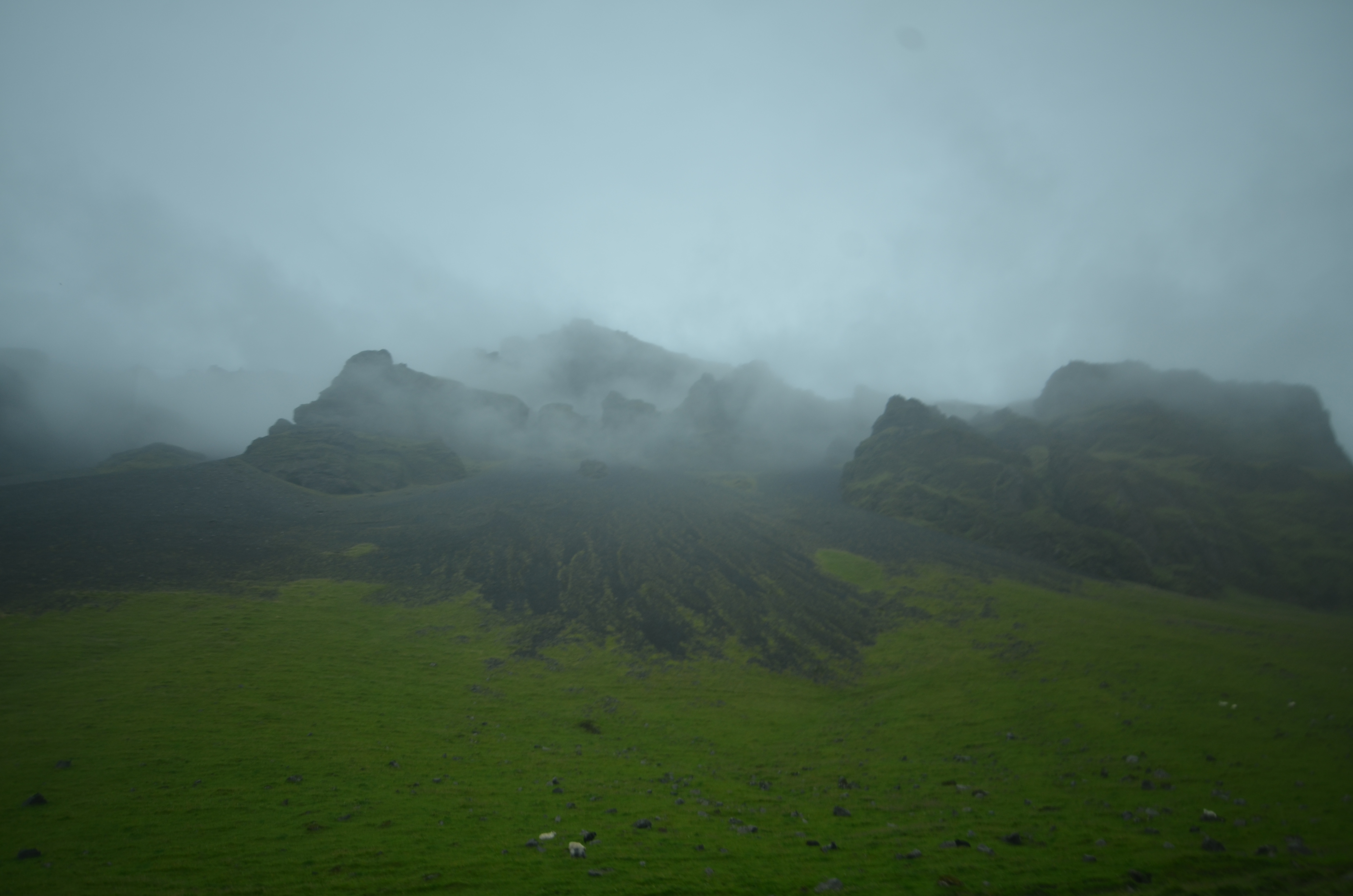
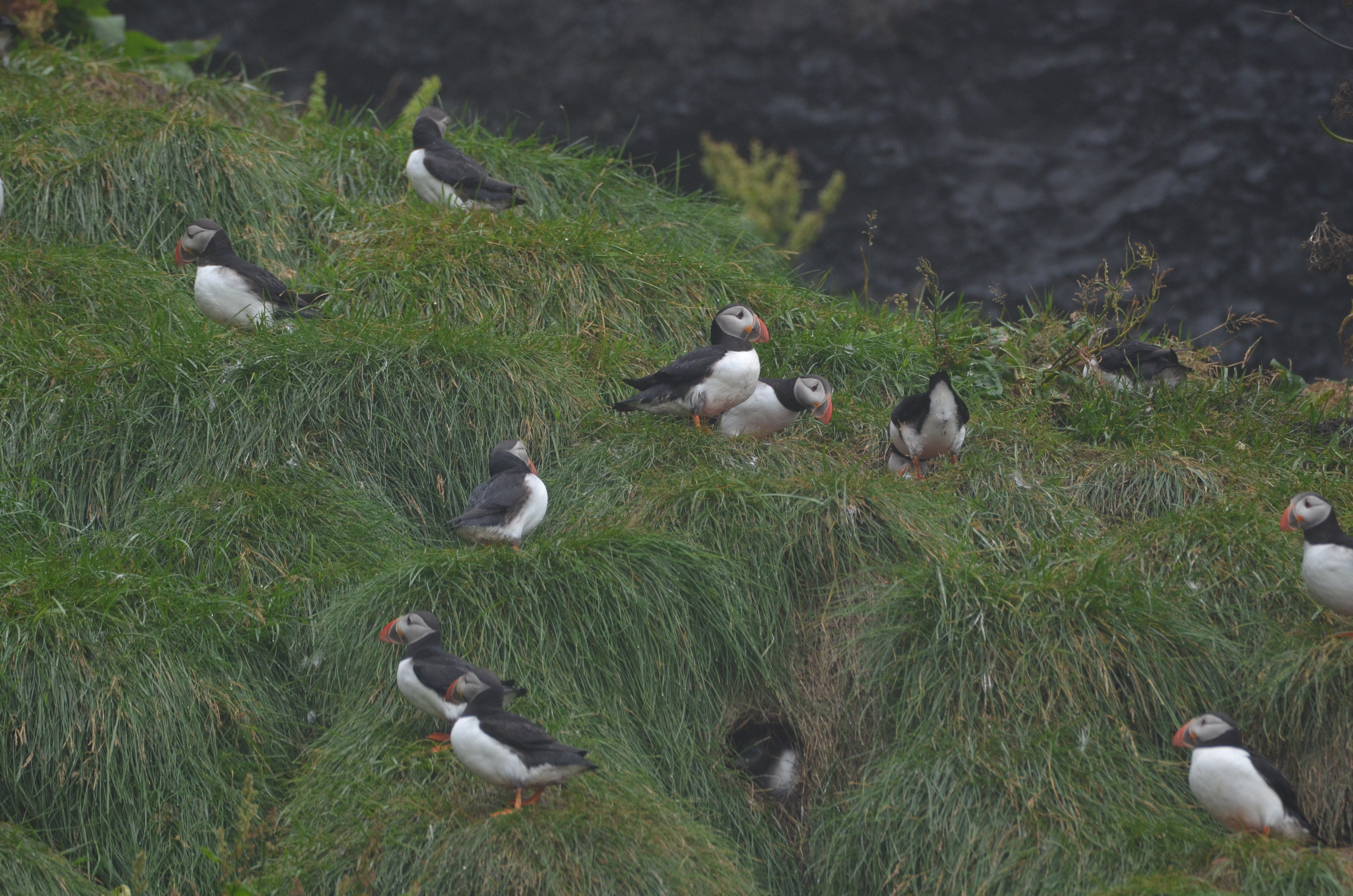
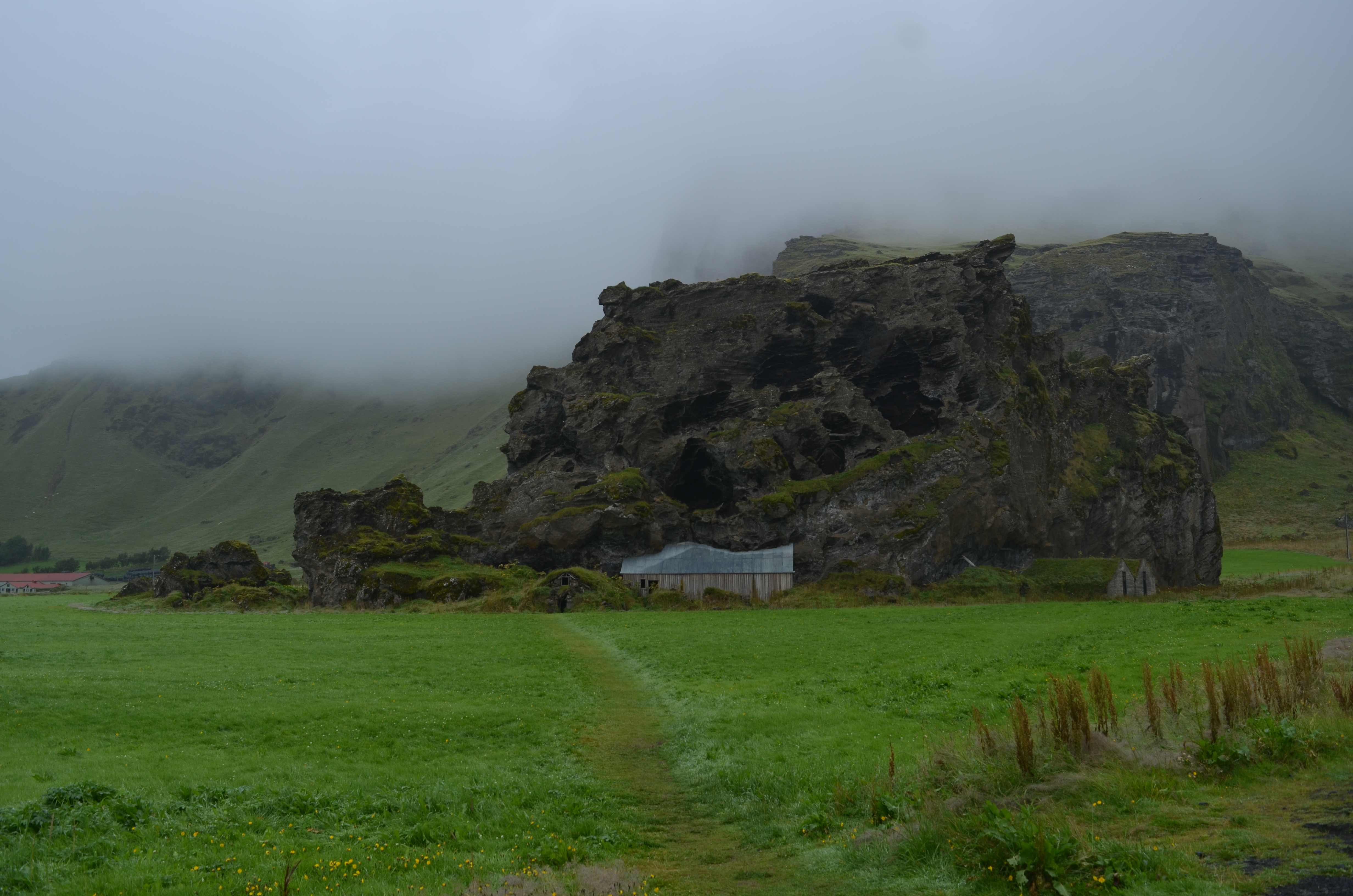
The South Coast goes, you guessed it, along the Southern coast. The Highlights include The Black Sand Beach, Eyjafjallajokull (‘ay-ya-fall-ya-yoke-ul’,  the volcano that stopped the world in 2010), Seljalandsfoss (the waterfall you can walk behind), The glacier, and Vik (a small farming town along the south coast.) We got lucky, and at the Black Sand Beach, even though it was foggy and rainy, there were more puffin than our guide had ever seen before!

dsc_5203dsc_5249dsc_5318dsc_5376dsc_5159
dsc_5293And bonus! We got to see an elf rock, and some of the Icelandic horses.

dsc_5351dsc_5424
The two tour companies we recommend are

Extreme Iceland

https://www.extremeiceland.is/en/

and Your Day Tours

http://www.yourdaytours.is

Time Traveling in Denmark: Ribe

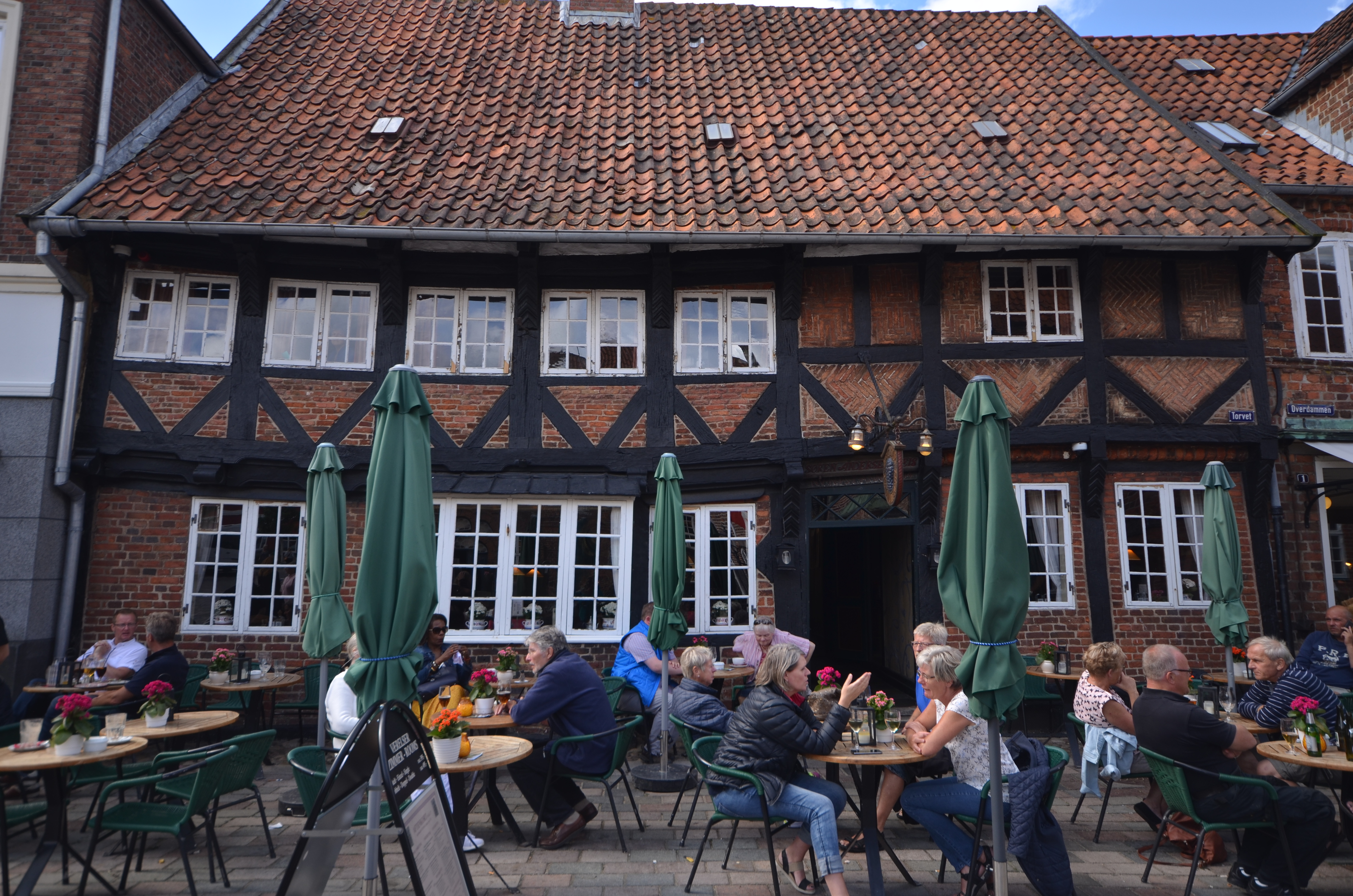
Ribe is a virtually untouched historical city that has maintained its character over the last century. Boasted as Denmark’s oldest town, Ribe (said as “Reeb”) has nightly Watchman tours that leave from the charming inn/restaurant, Weiss Stue.

DSC_3651.JPG

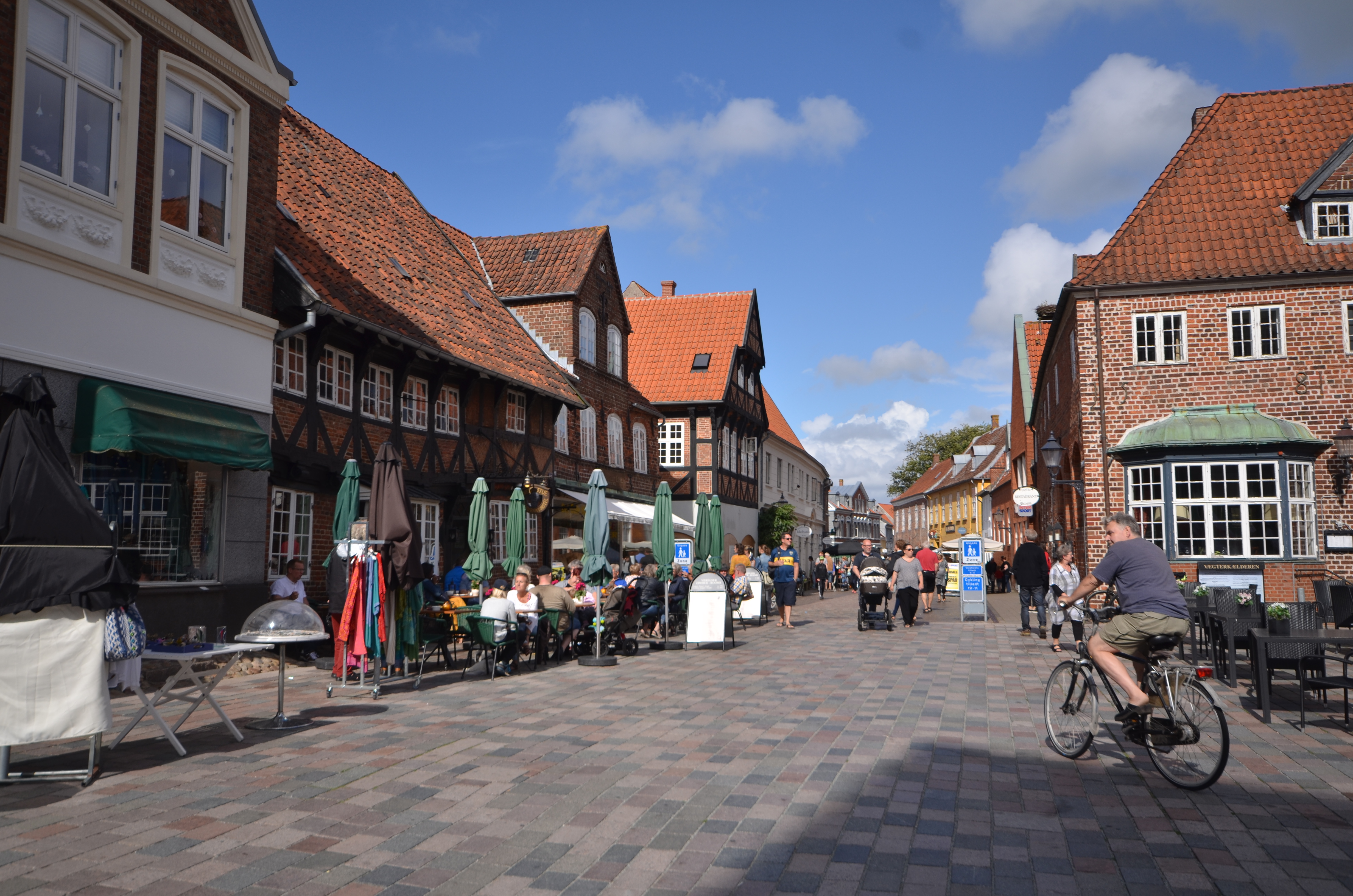
The old town hall doubles as a small city museum, with information and artefacts from the towns colourful history. Across the street from the train station is a Viking museum which explains viking burials and culture that was an active part of Ribe’s early years. While the town doesn’t have much for museums, the town is steeped in antiquity, and walking down the cobbled streets installs the feeling that you have stepped into a postcard.

DSC_3647

The small shop fronts house everything from cellphone repair, to handmade waffle cones to hold the homemade ice-cream, to art galleries. But if you take 3 right turns you’re back in the town centre. The courtyard of which, belonging to the church, had been excavated during the church renovation to reveal graves older than 5 centuries.

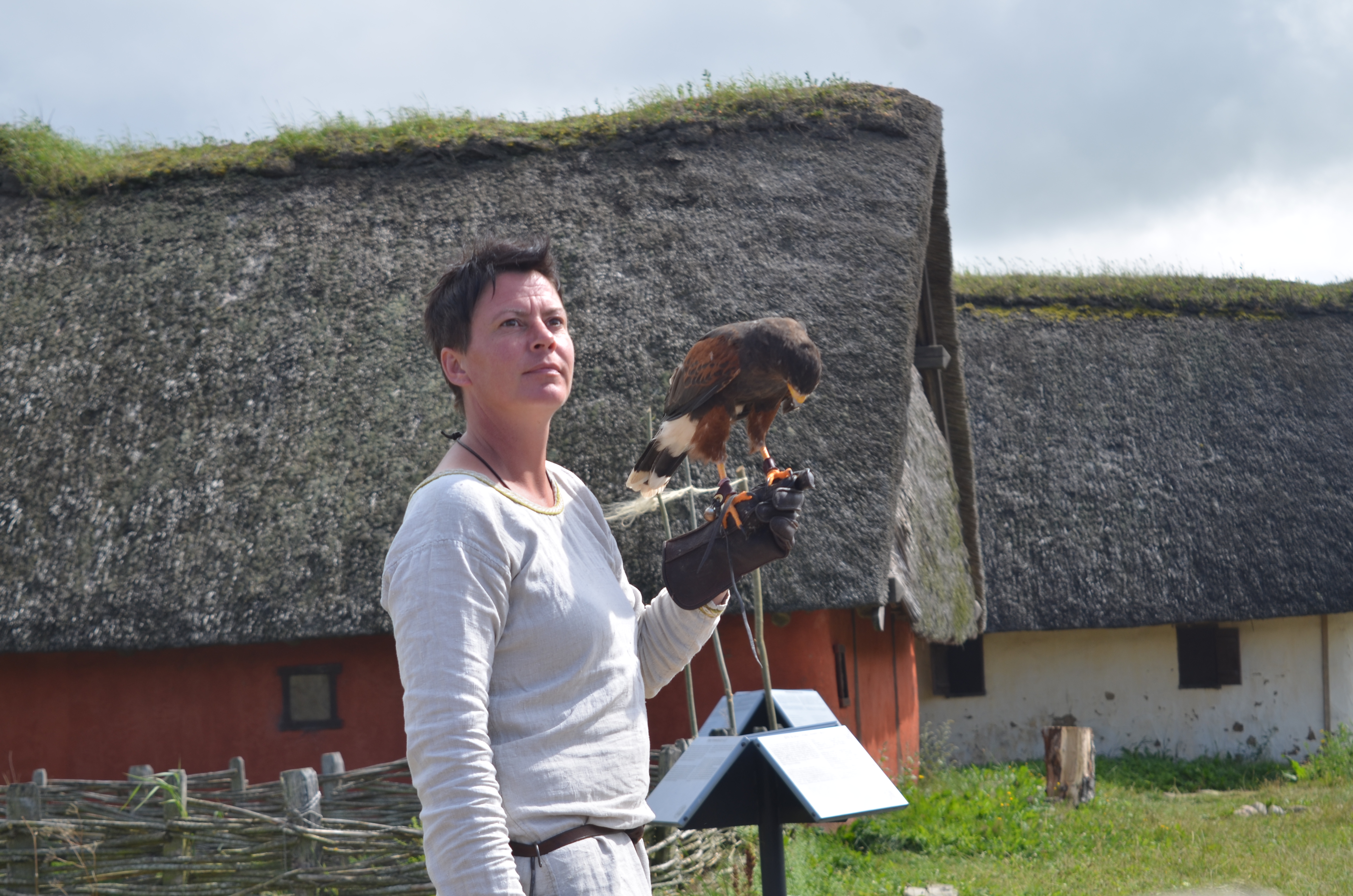
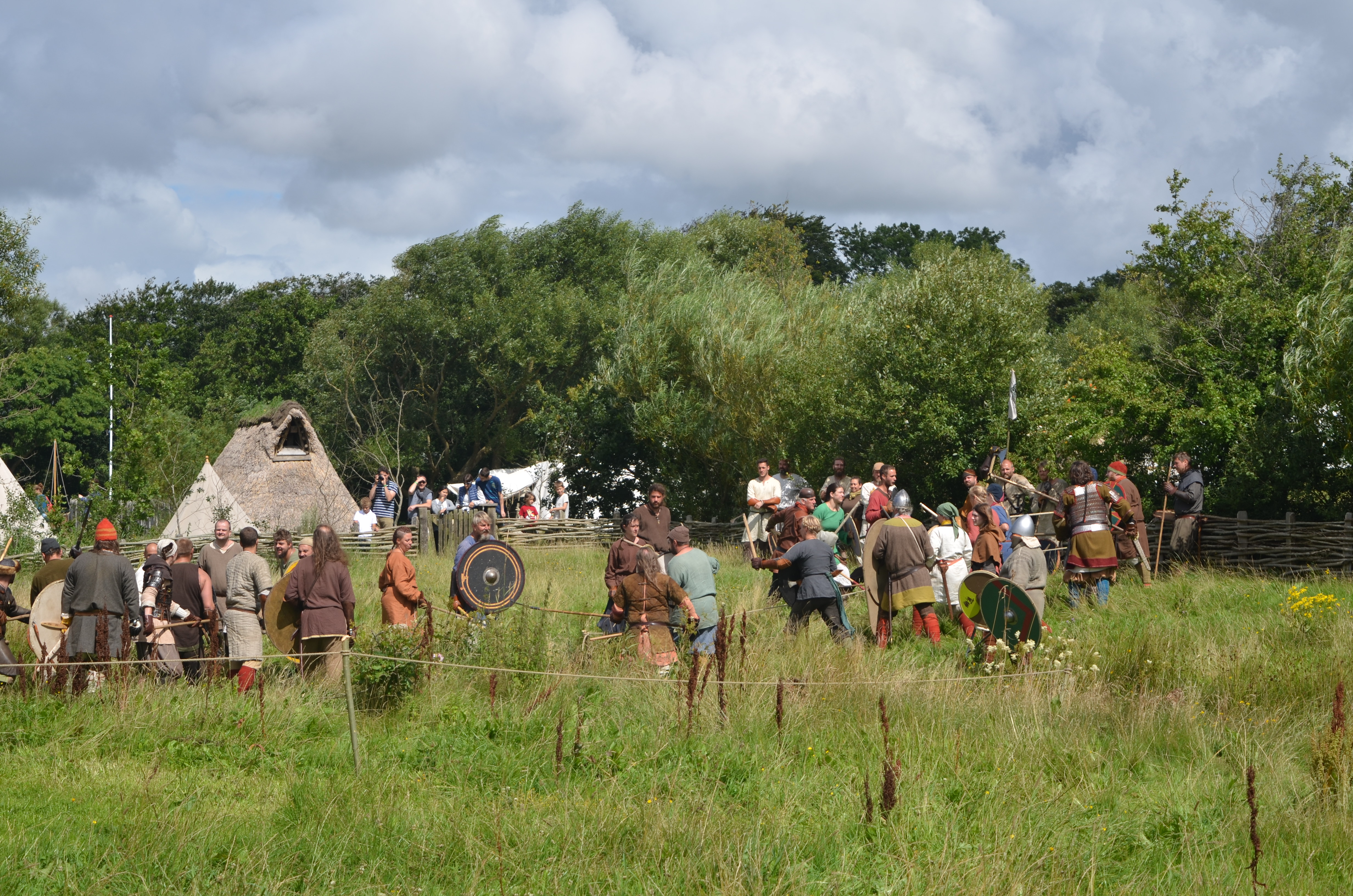
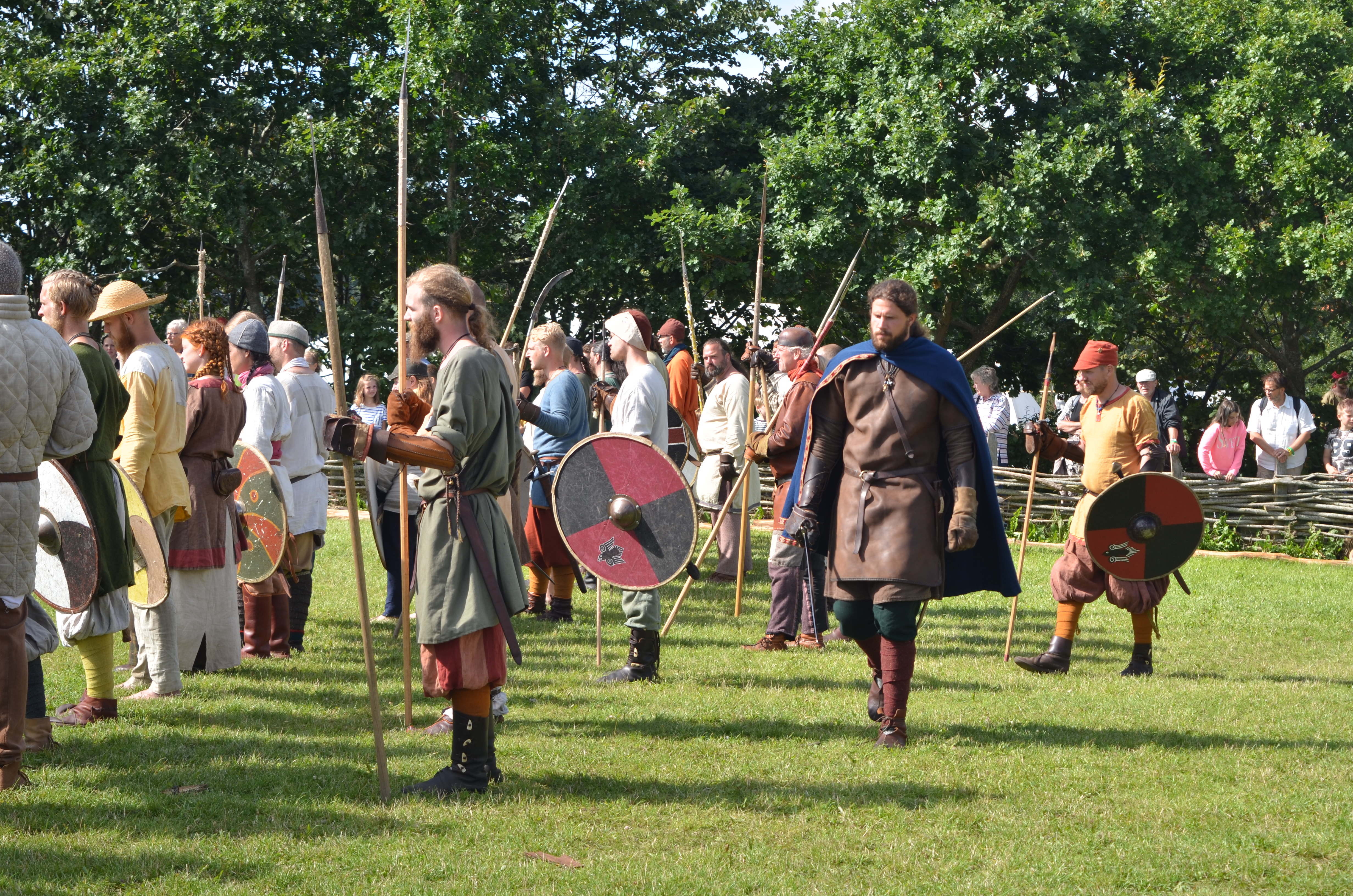
Just outside of town, accessible by a foot and bike path, is an open air museum that focuses on viking recreation archaeology, with some showmanship thrown in for good fun.

You can buy jewellery that is handcrafted with traditional methods, watch a viking battle, or ask the people about their daily lives.

DSC_3813DSC_3739DSC_3838


Time Traveling in Denmark: Roskilde and Lejre

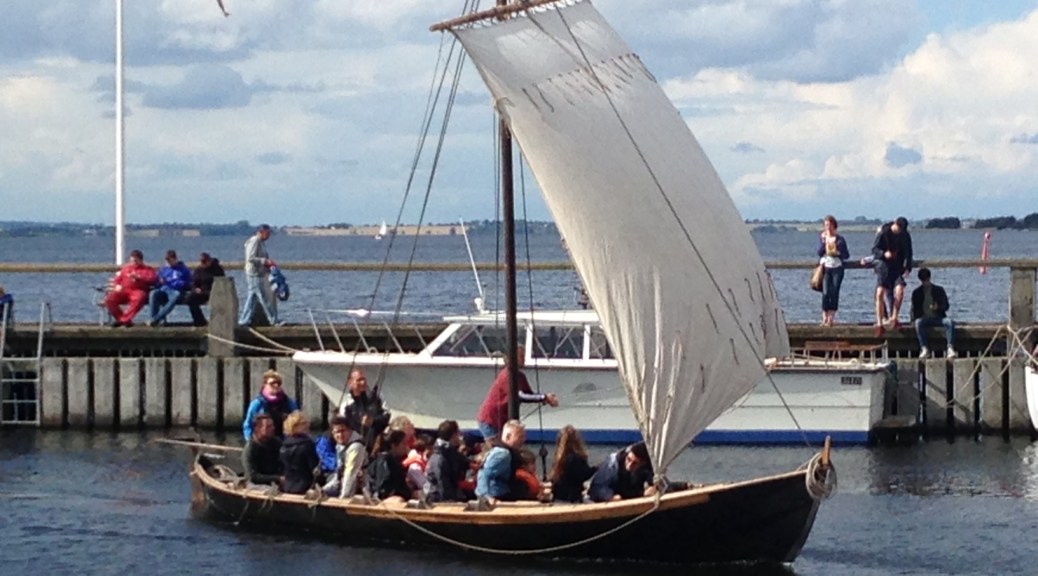
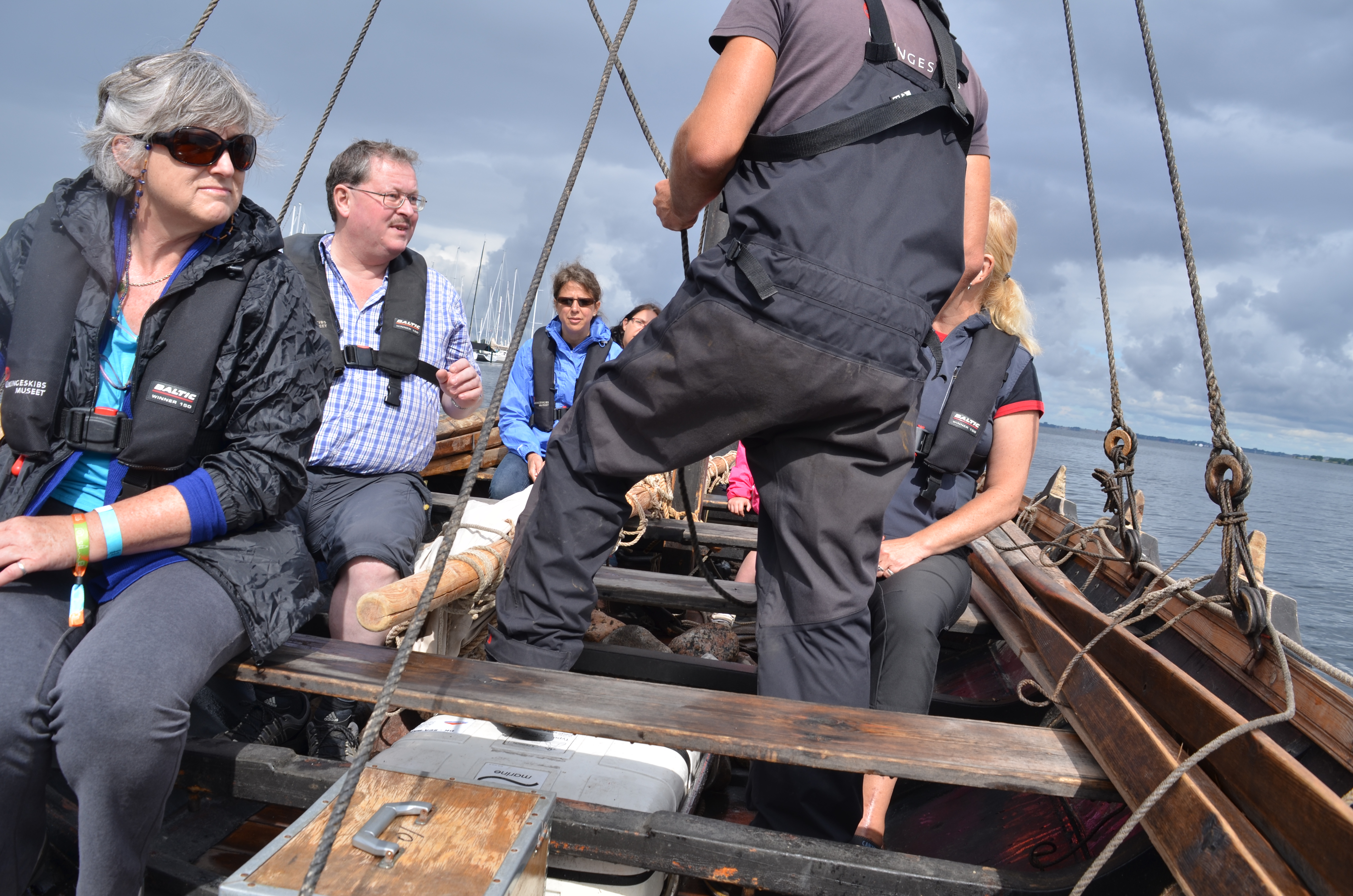
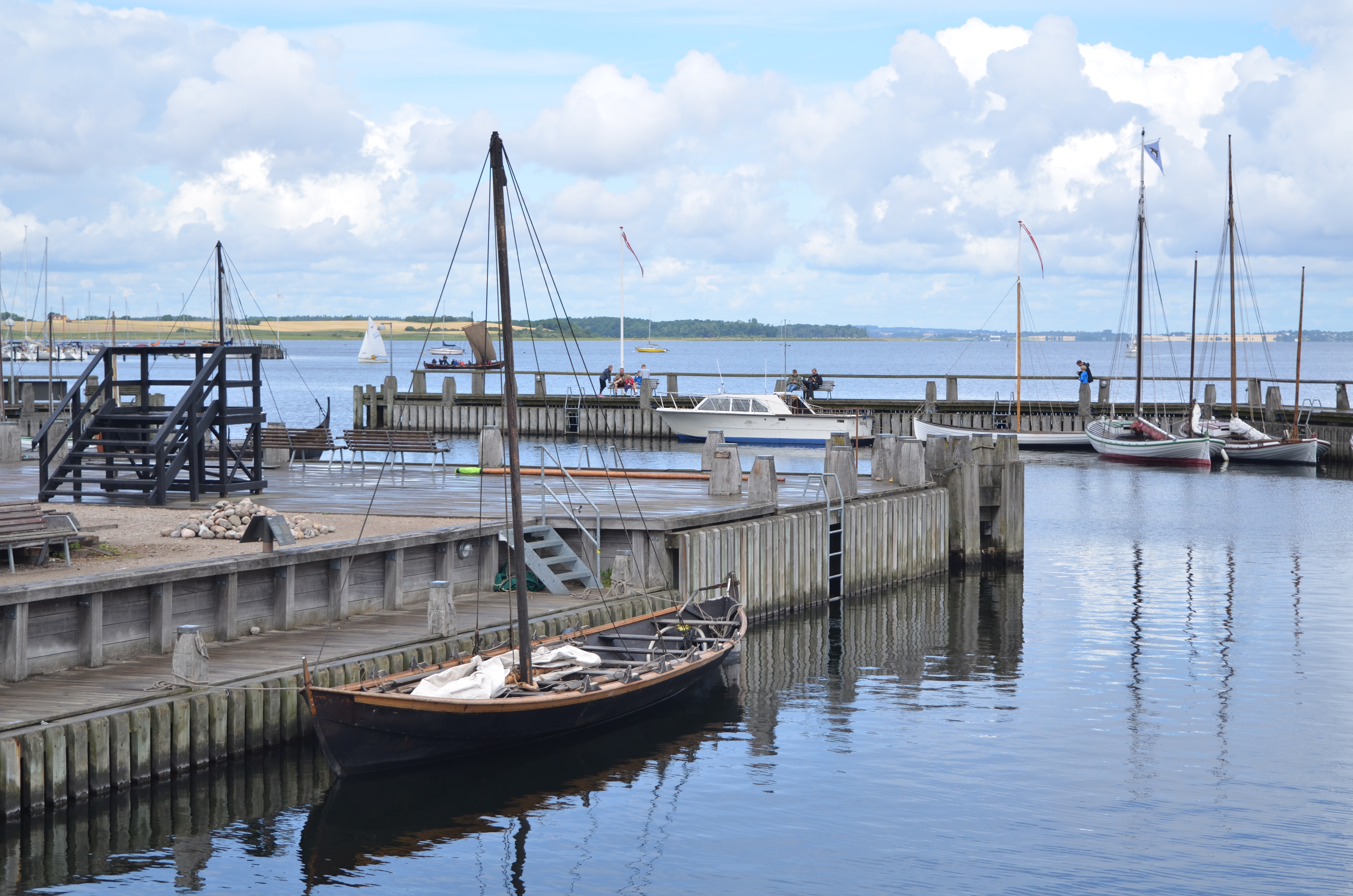
A 30 minute train from Copenhagen brings you to the quite town of Roskilde. It is easy enough to stay at your accommodation in the city and make the day trip, however we found that if we did the trip again, we would have stayed at the Danhostel in Roskide and taken a day trip to Copenhagen. The hostel, which was more of a hotel, is located about a hundred meters from the Viking Maritime Museum. The museum focuses on recreation archaeology, putting the theories about how the ancient mariners ‘did it’ to the test. for 100 danish Krona extra to the Museum ticket you can go for a sail around the fjord in a replica of one of the viking ships that they had discovered at the bottom of the fjord as a defence.

DSC_3535DSC_3537DSC_3541

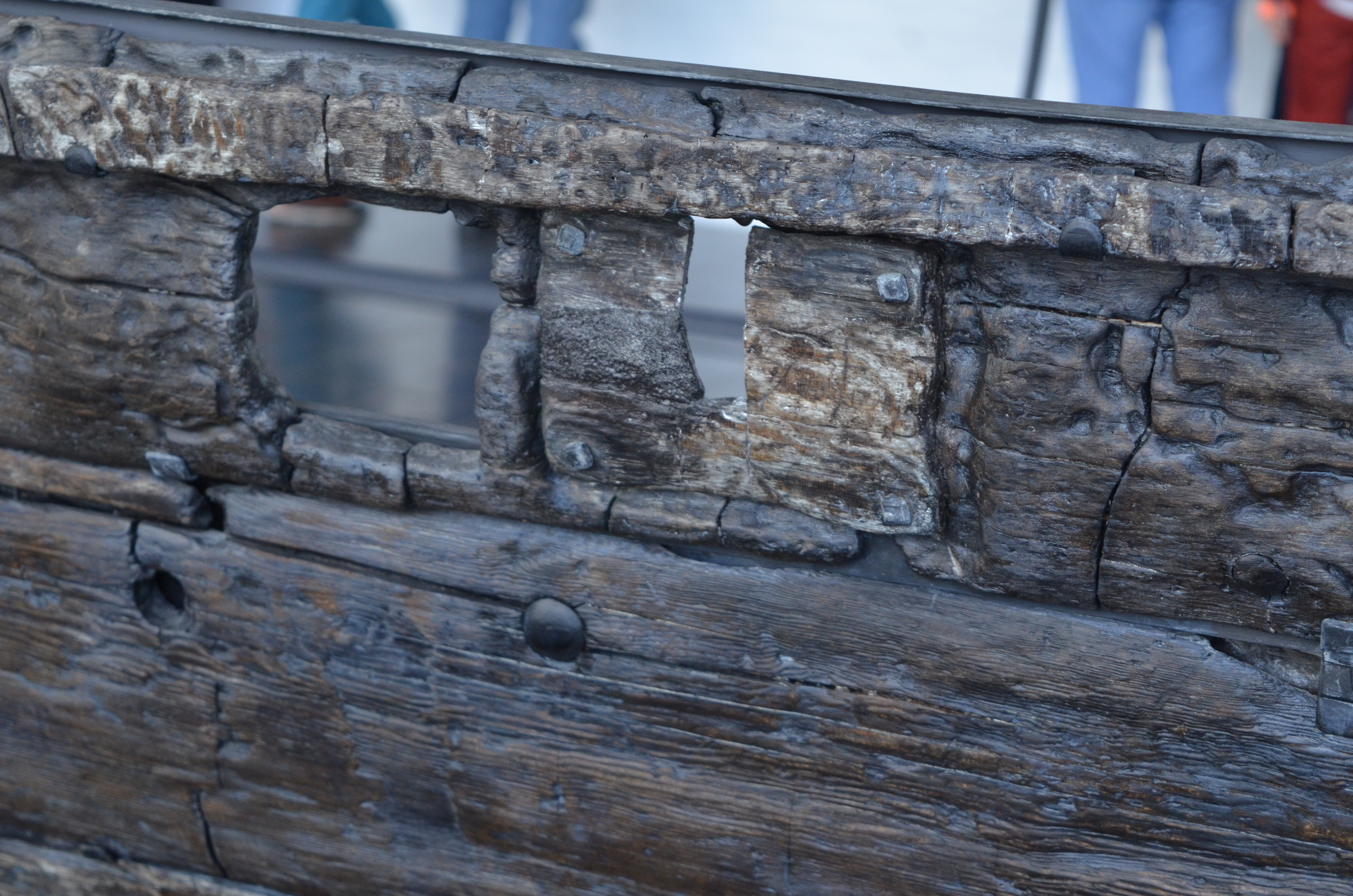
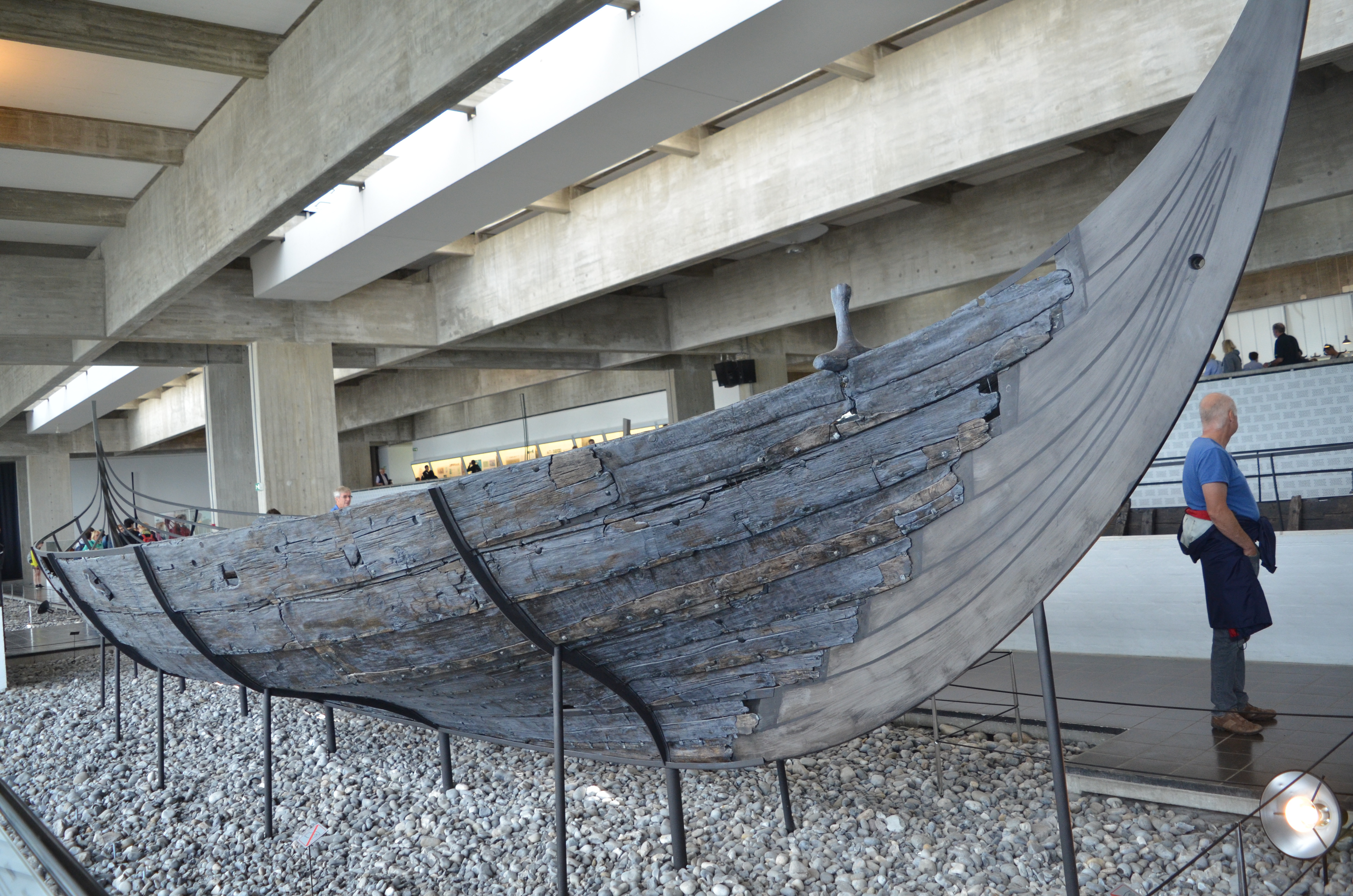
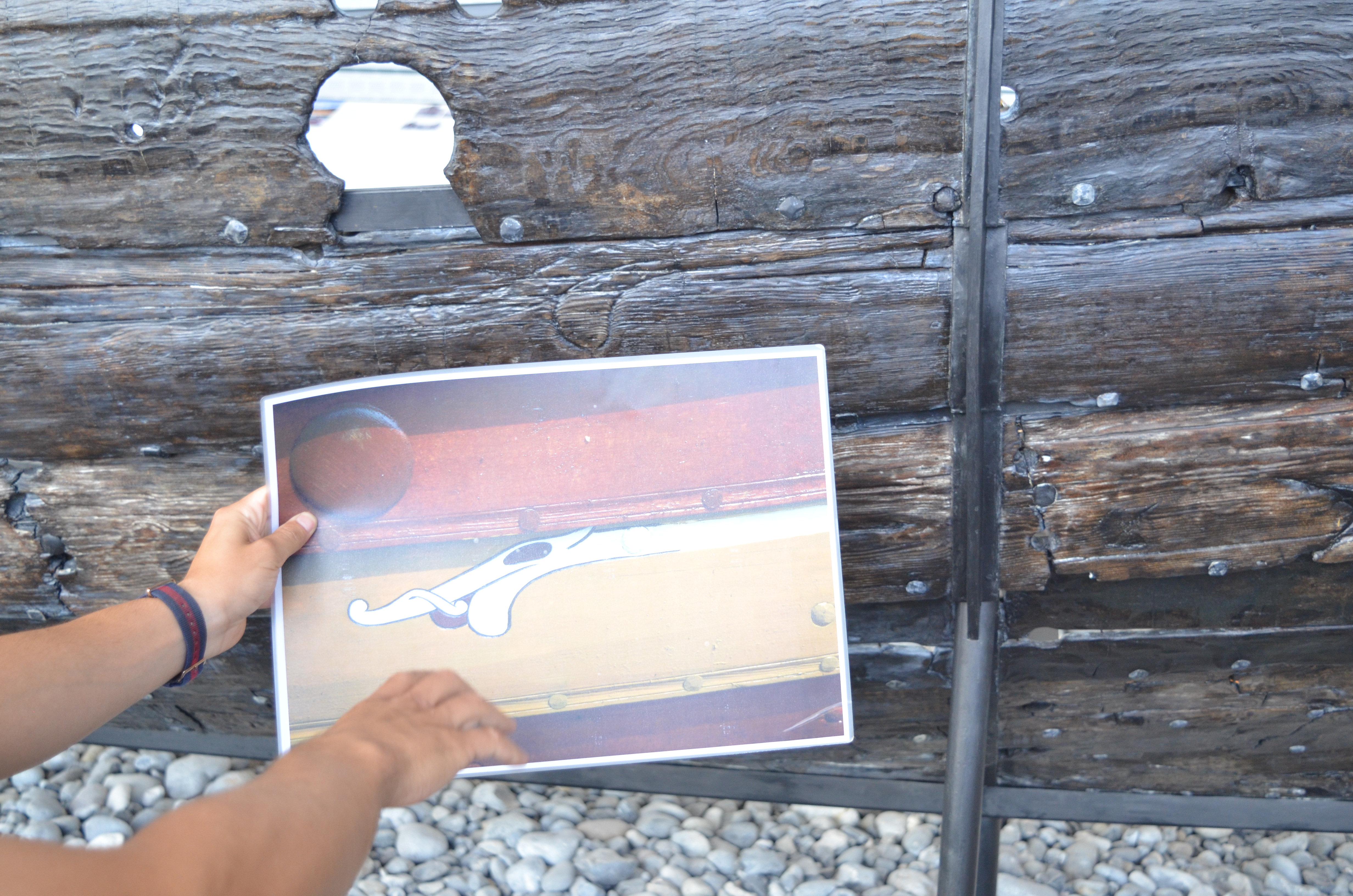
The 5 ships that were discovered had been purposely sunk, theoretically to block the deep and easy passages into the fjord, causing any ‘visitors’ (including attacking ships) to take a more risky route that would require the navigation of a local who knows the waters. The ships were brought up in the 1960’s as a large archaeological project, and were treated and now on display in the museum. (Free guided tours are available in English.) The manmade island where the viking ships sail from also hosts an open air style museum, with blacksmithing, rope making, and even the shipbuilding as in-situe recreation archaeology. In addition, if you want to get your hands dirty, you can chisel runes into a thors hammer pendant, or mint a coin in ‘ye olde’ way with a hammer and minting stamp.  if you want to join the kids table, they even have a wooden shield and sword.

DSC_3563DSC_3555DSC_3561

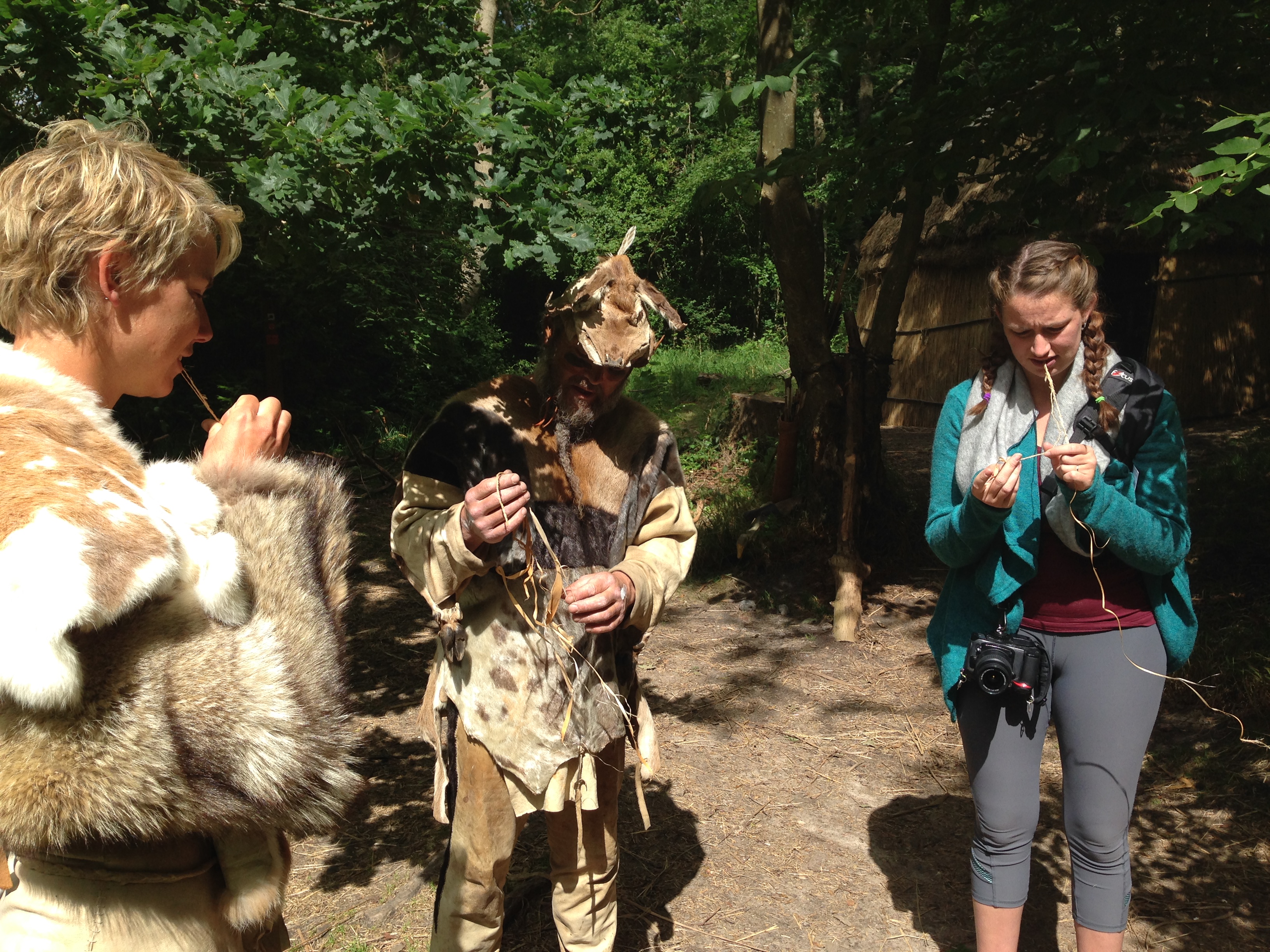
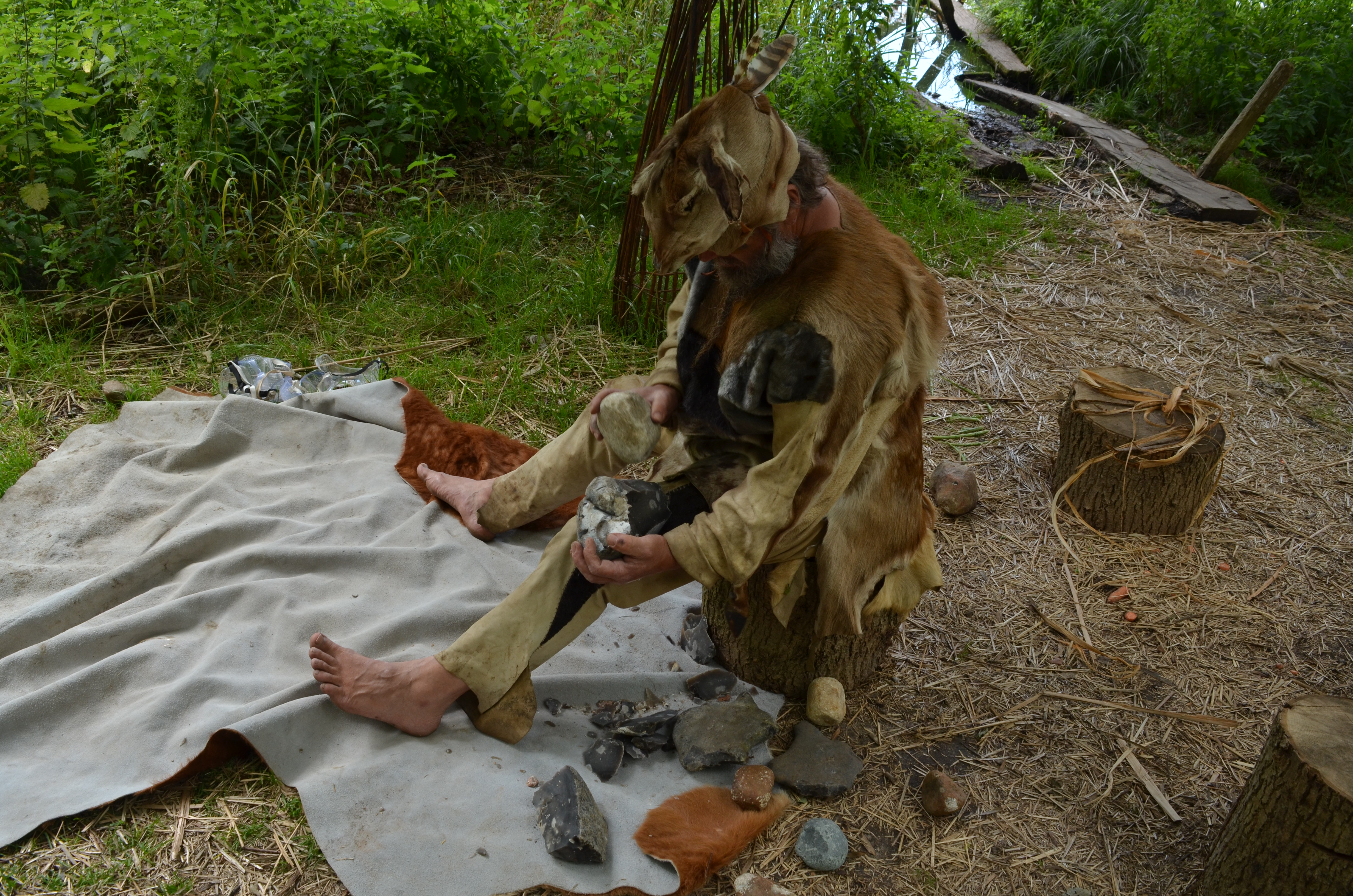
From Roskilde, taking a train to Lejre, and bus 233 from the station, you can visit ‘Land of Legends’, a open air museum dedicated to Denmarks’ history form the Stone age, through the Viking age, into the Iron and Middle Ages. The encourage getting your hands dirty and joining in the activities. learn to flake stones or make rope with the cave men, you can buy naturally died yarns from the weaver, or pots and mugs thrown by the potter. The park can be seen comfortably in 3-5 hours, longer if you participate in the settlements.

IMG_1998DSC_3624

Copenhagen

First impressions of Copenhagen, after having just left Stockholm, was a little underwhelming. Coming out of central station the litter and homeless that crowded the exit made us worried that we weren’t going to enjoy Copenhagen as much as Stockholm. Our hostel was only a few blocks away, but the feeling in the area was very different. The old buildings bright colours had faded but still looked cheerful, restaurants along the street situated couples and friends out for a night of good food and company. At dinner I ordered a beer, and mum (who doesn’t drink at all) had about half. Mum, who is allergic to additives to most alcoholic beverages, goes straight to headach and stuffy nose when drinking. I ordered a Erdinger Weissbrau, and it was great. One, amazing, additive free, glass of beer.

DSC_3422

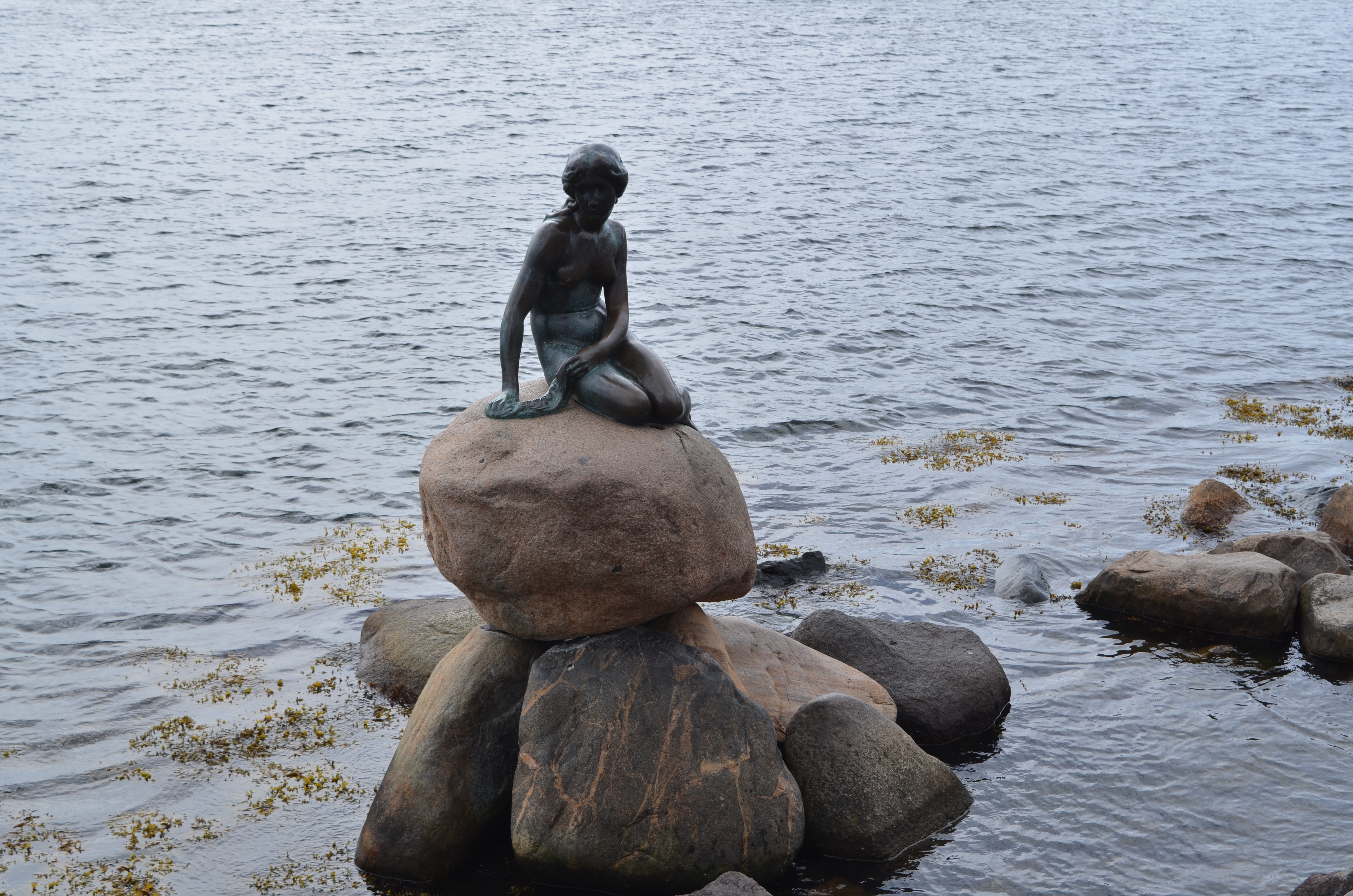
The next day we wondered around the city, stopping at a small cafe on the edge of a park no larger than a one car garage and filled with character. After some chocolate croissants and a chai we continued to visit some of the iconic sites. The Little Mermaid statue, based on the fairy tale by Hans Christain Anderson, lays along a beautiful scenic walk, marked in most guidebooks and tourist maps.

DSC_3442

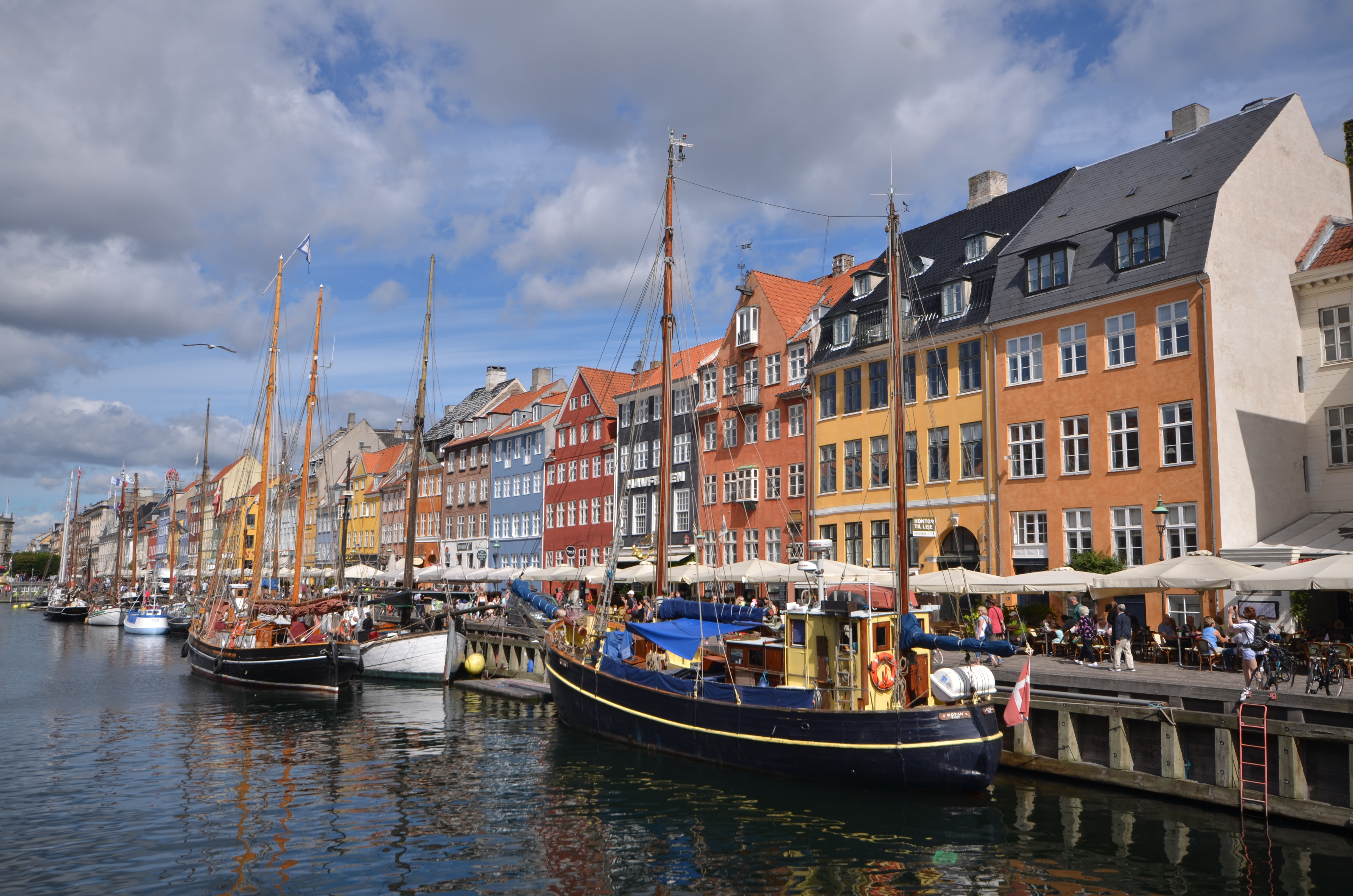
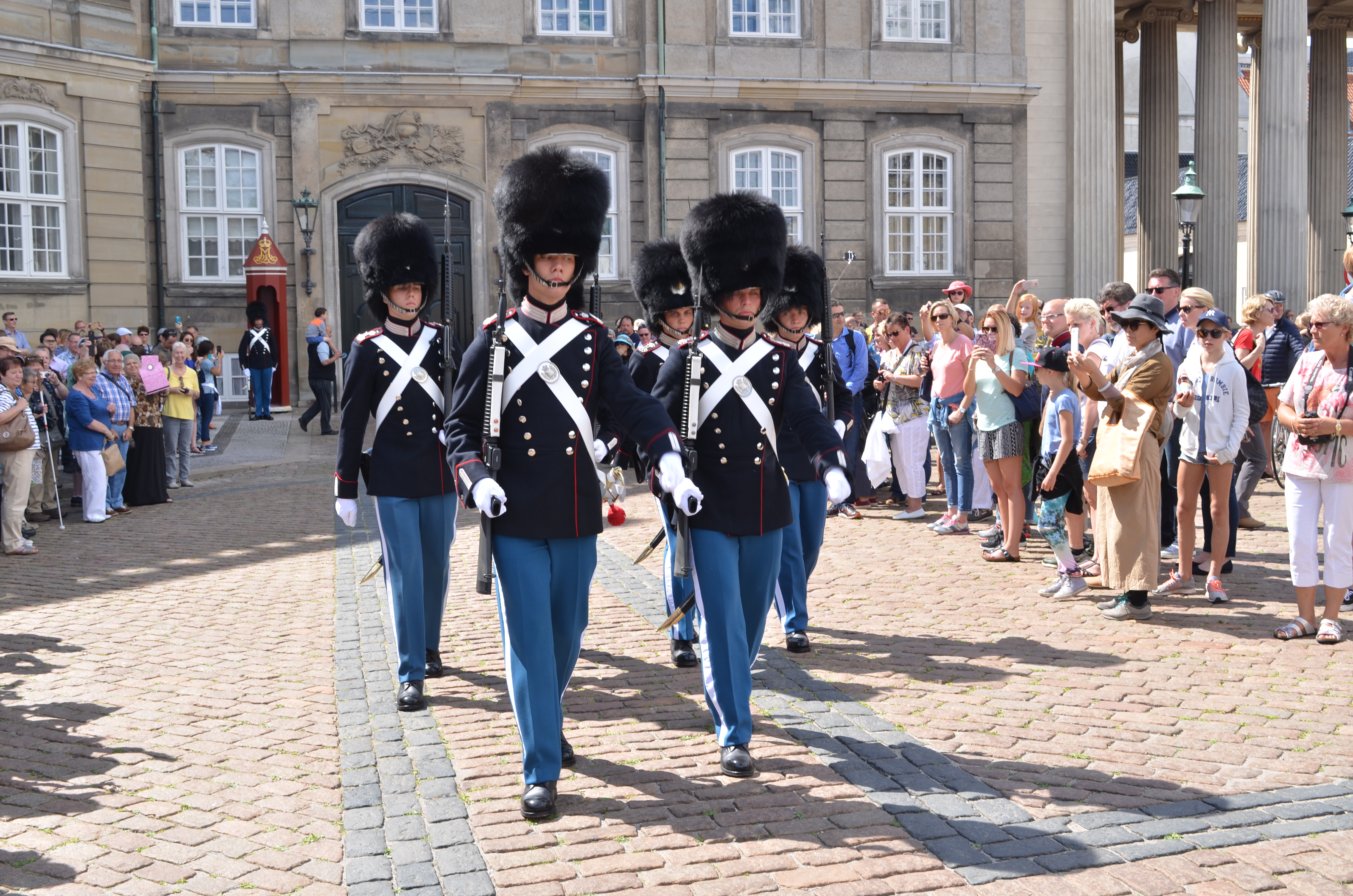
In the heart of the city, we walked along the canal that was lined with old ships and bright buildings. While wondering down random streets we came across a large square, and realised that the large building across from us must have been a government building and we arrived just in time to see the changing of the guard.

DSC_3467.JPG

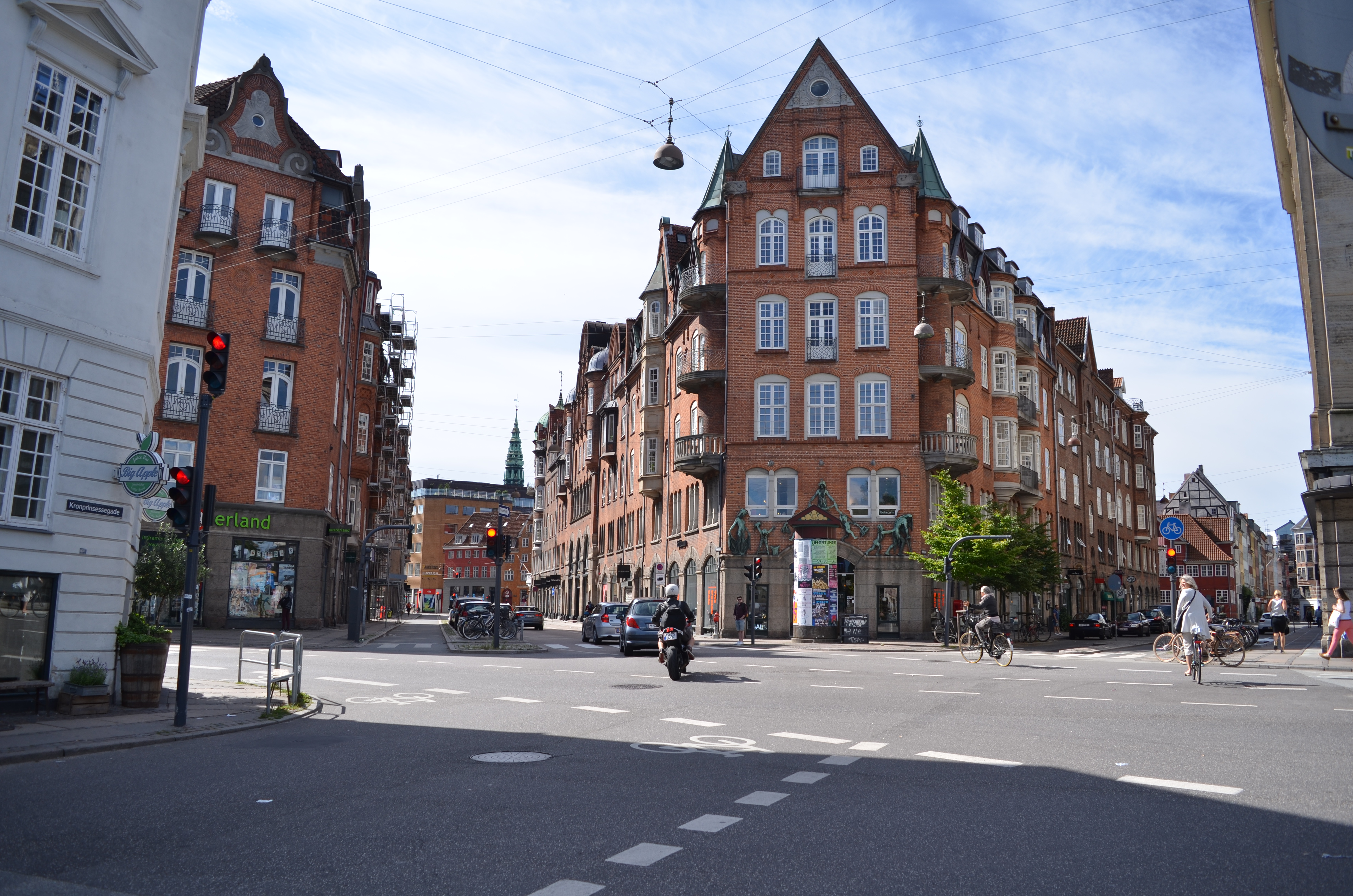
Copenhagen has a lively bike culture. The bike lanes, as wide as a cars lane, are elevated from the street. Random bikes, unicycles, family bikes, and bikes with side cars. They were in all types and everywhere. While walking around I felt that I should have been listening to a Queen song.

DSC_3410

Copenhagen is a maze of wonderful scenes, and worth the time to explore.

Visby… Or ‘Breckenridge: the Island’

In the middle of the Baltic is the isle of Gotland. The largest town, Visby, has a rich history as a trade port that used to be as important as London or Paris back in ‘ye olde times’ when trade across the baltic was best done by boat as opposed to the newer methods of trains and planes.

From Stockholm, we took the bus connection to the ferry from Nynäshamn. The trip was fairly uneventful other than the doppelgänger of Rollo from Vikings, or Brock O’Hurn, across the isle from us. Oden bless the Scandinavians.

When we arrived, we had missed the bus to the resort, and decided to keep our gear as we wondered around the narrow, winding, cobbled streets of Visby. The whole island had an air of ‘vacation’ with tourists of Sweden and foreign vacationing the island. The old buildings had been repurposed, with a church ruin playing host to a cafe’s outdoor seating.  Other ruins allowed you to walk up stairways and across catwalks, and into dark crevices of the historic structure.

The town, which is only about 20 minutes to walk across, provided plenty of sights for us to visit while lugging our bags around. Under advisement from the tourist information desk we cut through the botanic gardens and went up one of the lookout towers that remain on the old city wall that has been standing since the 13th century.

DSC_3386

When we were done poking around the town, we caught the bus to the resort south of Visby, where we stayed the night. The resort hosts two theme parks (a water park and giant ‘playground’ with mini-putt, bumper cars, and go-charts), and Pippi Longstocking’s house.

DSC_3392.JPG

The accommodation, which was cabin/camp style, was reasonable for the proximity it provided to the attractions. The tourist atmosphere felt like Breckenridge. A place that even the locals go to to vacation.

The busses don’t run as frequently to the resort, and don’t start till late morning, so if visiting overnight like we did, a taxi is an option.

Rome Day 2: wasn’t built in a day and we couldn’t see it all in a day. 

Our second day of exploring in Rome started with a trip to the Vatican, which we splurged on a tour so that we could go into the special ‘tour only’ areas. I held my breath as I walked in, didn’t burst into flames, considered myself safe, and continued on.

The Vatican City could be covered in a day on its own. The statues and art throughout were, literally, marvellous.

DSC_2992

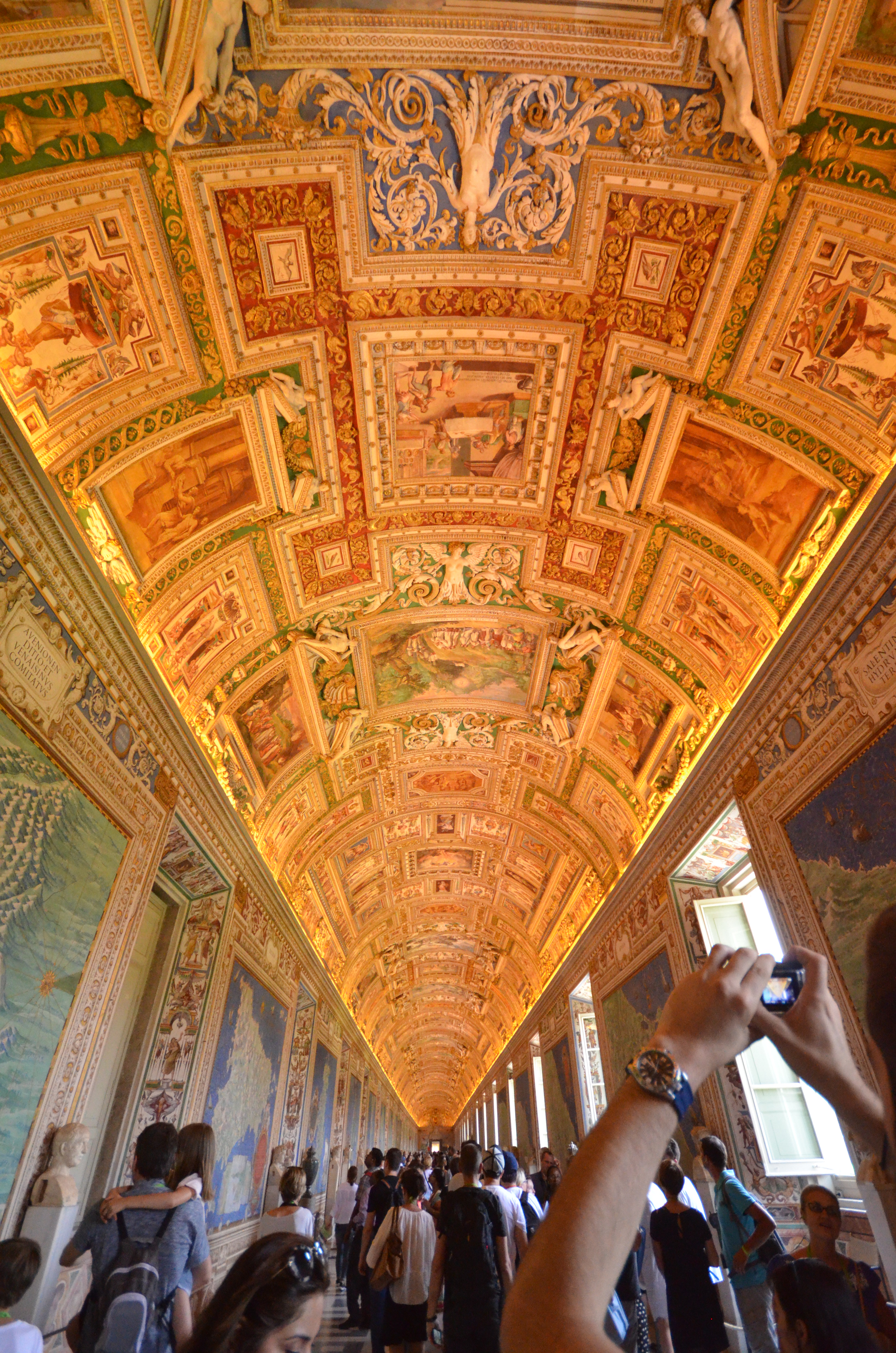
The Map room

We ran through, doing what justice we could with the tour guide, warned multiple times that the Sistine Chapel is a sacred place, and they require modest dress, silence, and no pictures. Once in the chapel there was a loud hum of the hundred plus people discussing the art around the walls, and mainly the pinnicle, Michaelangelos famous painting of God creating Adam on the cealing. The guards had to announce ‘Silence!’ At least 3 times just while we were in the room, and there were countless cameras going off. I’m sure by now they are sick of tourists.

DSC_3073

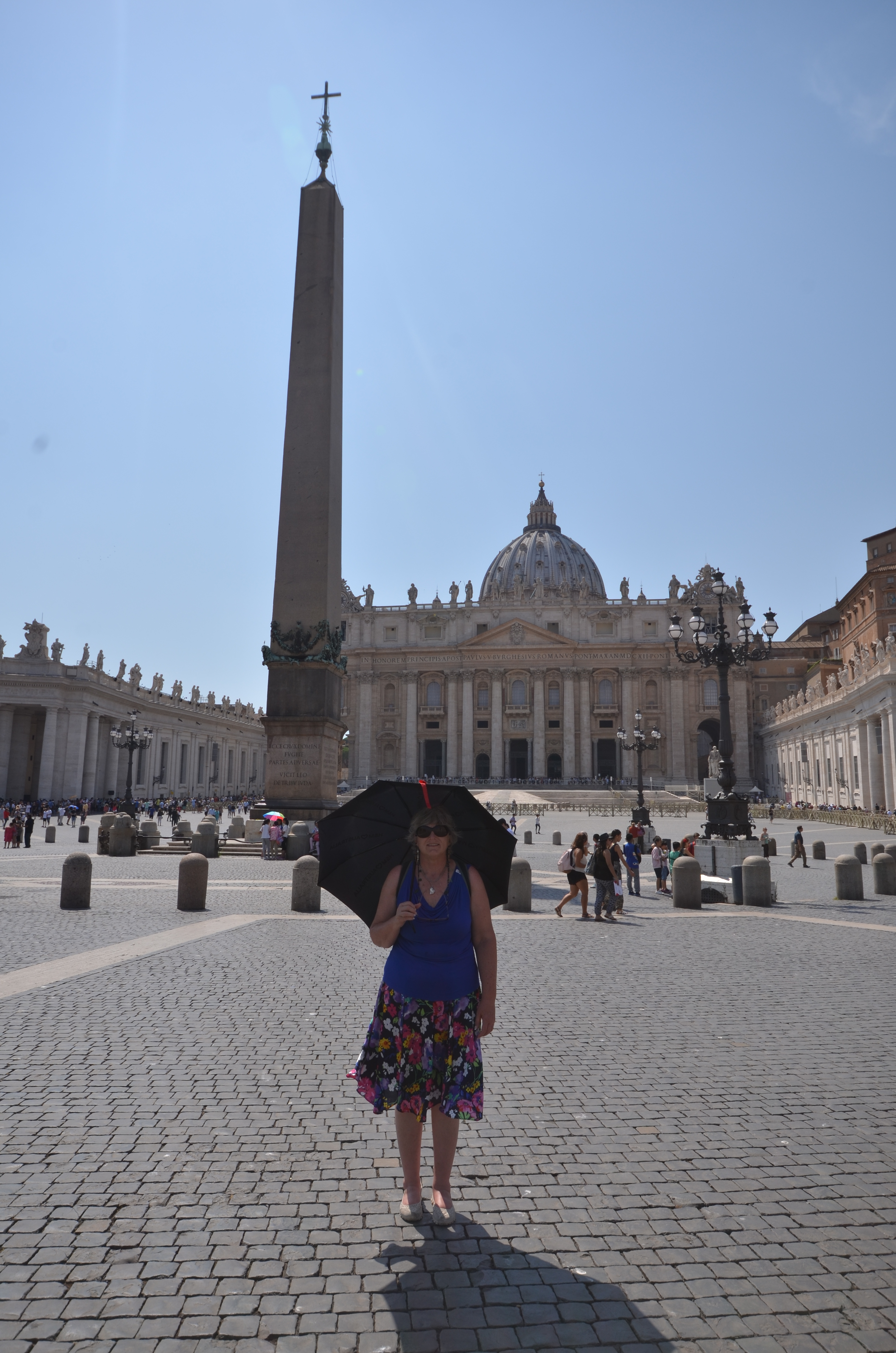
Mum in front of the Vatican. Really we were looking out for Ewan McGregor.

The tour gave us the ability to exit the Sistine chapel and visit the sarcofogi of the previous popes, exiting the tombs into Saint Peters Basilica.

We stopped by the gift store and I picked up a Saint Christopher charm to accompany my Maori Koru, Viking compass charm, and other cultural “protector of travellers” pendants. Better safe than sorry, right?

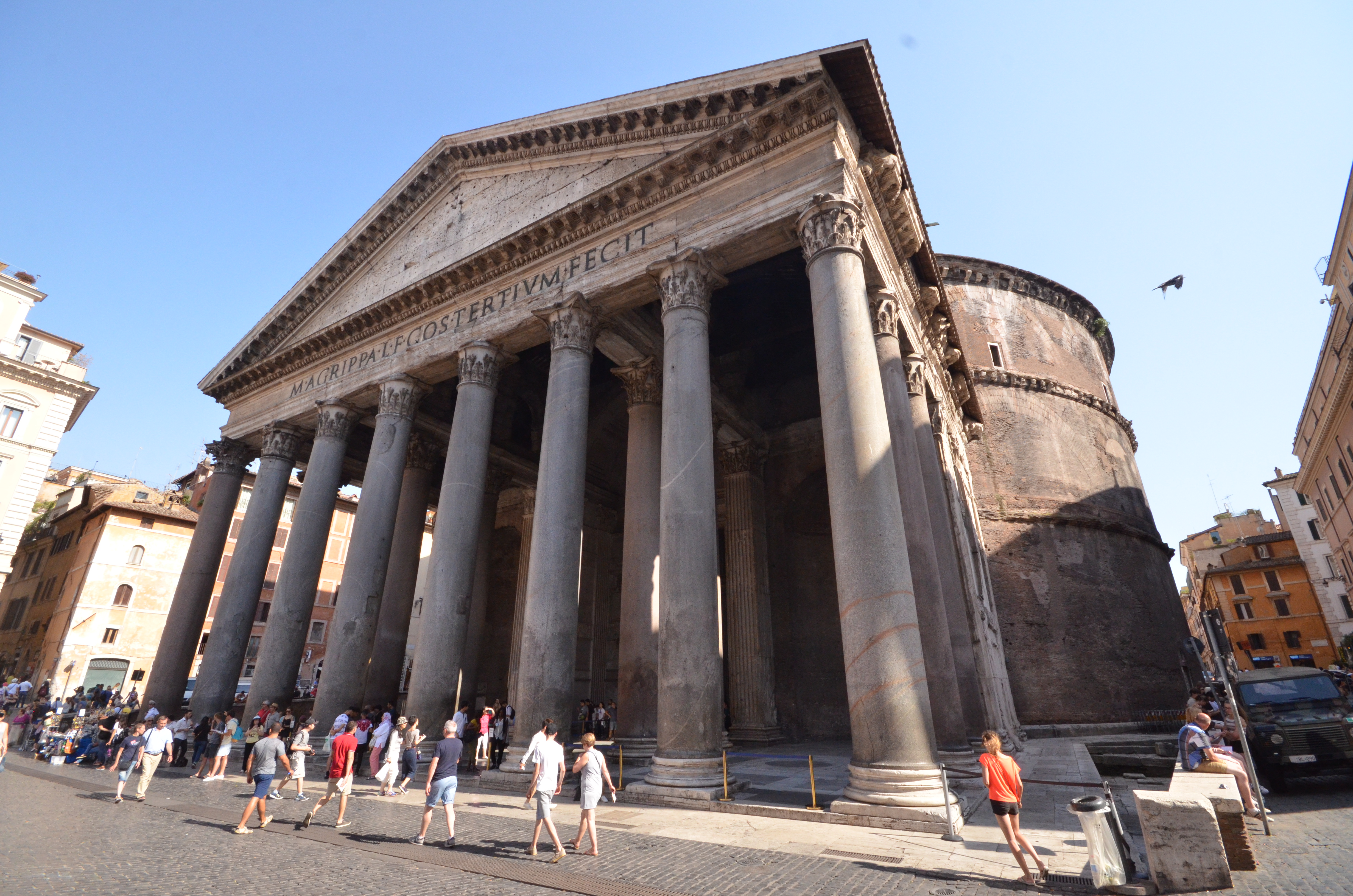
The next stop was the Pantheon. The ancient exterior contrasts from the renisaunce-style basilica interior. Once again, Epic architecture.

DSC_3087

The Pantheon

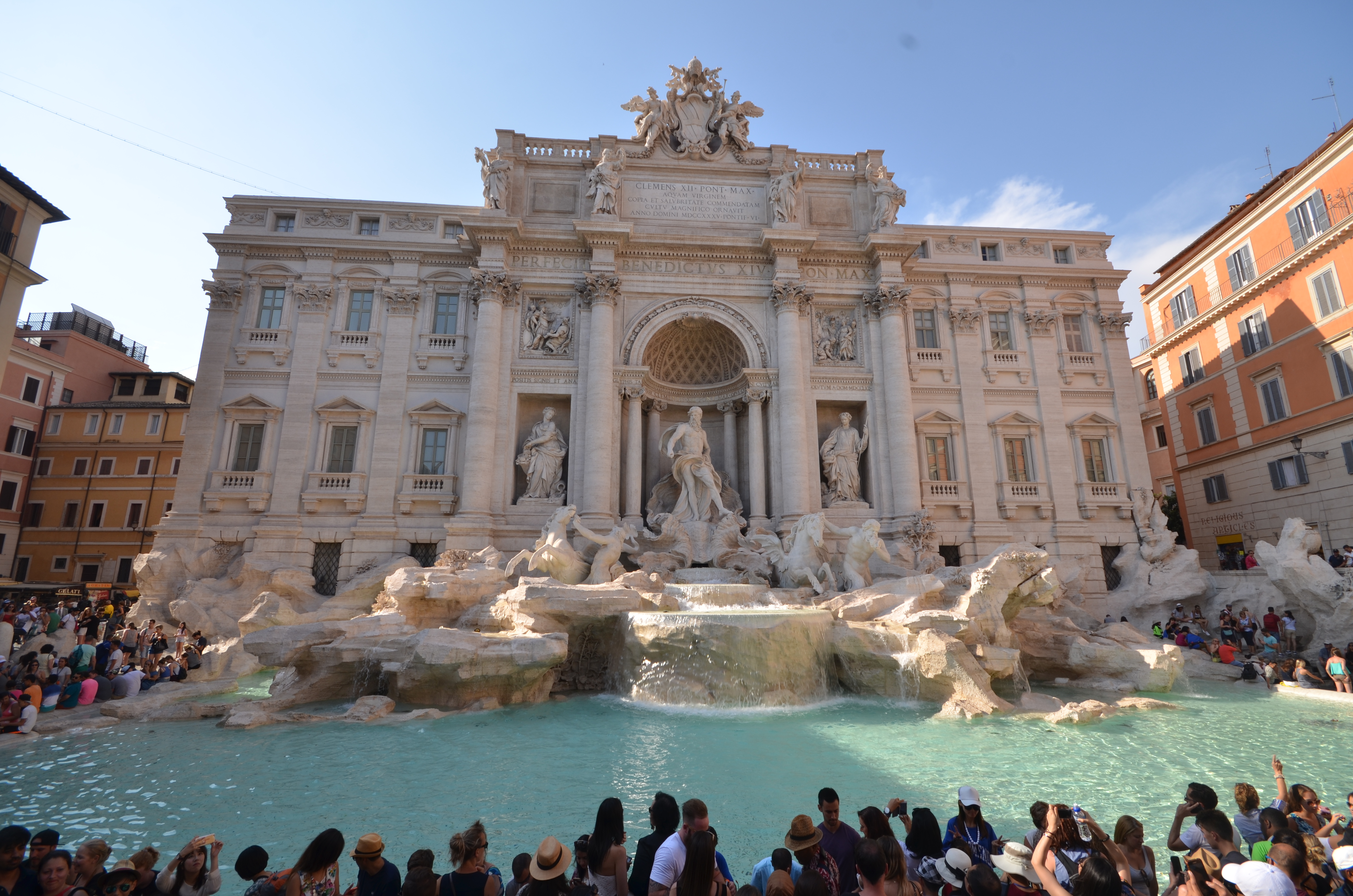
From the Pantheon, we went to the Trevi Fountain. It’s about a 7 minute walk. The fountain is beautiful. Neptune on his shell in the middle, with winged horses on either side representing the rough and calm waters of the ocean. Three words: wide angle lens. It’s much bigger than I thought it would be. We stayed for a couple minutes then continued on our marathon of Rome.

DSC_3118

The Trevi Fountain

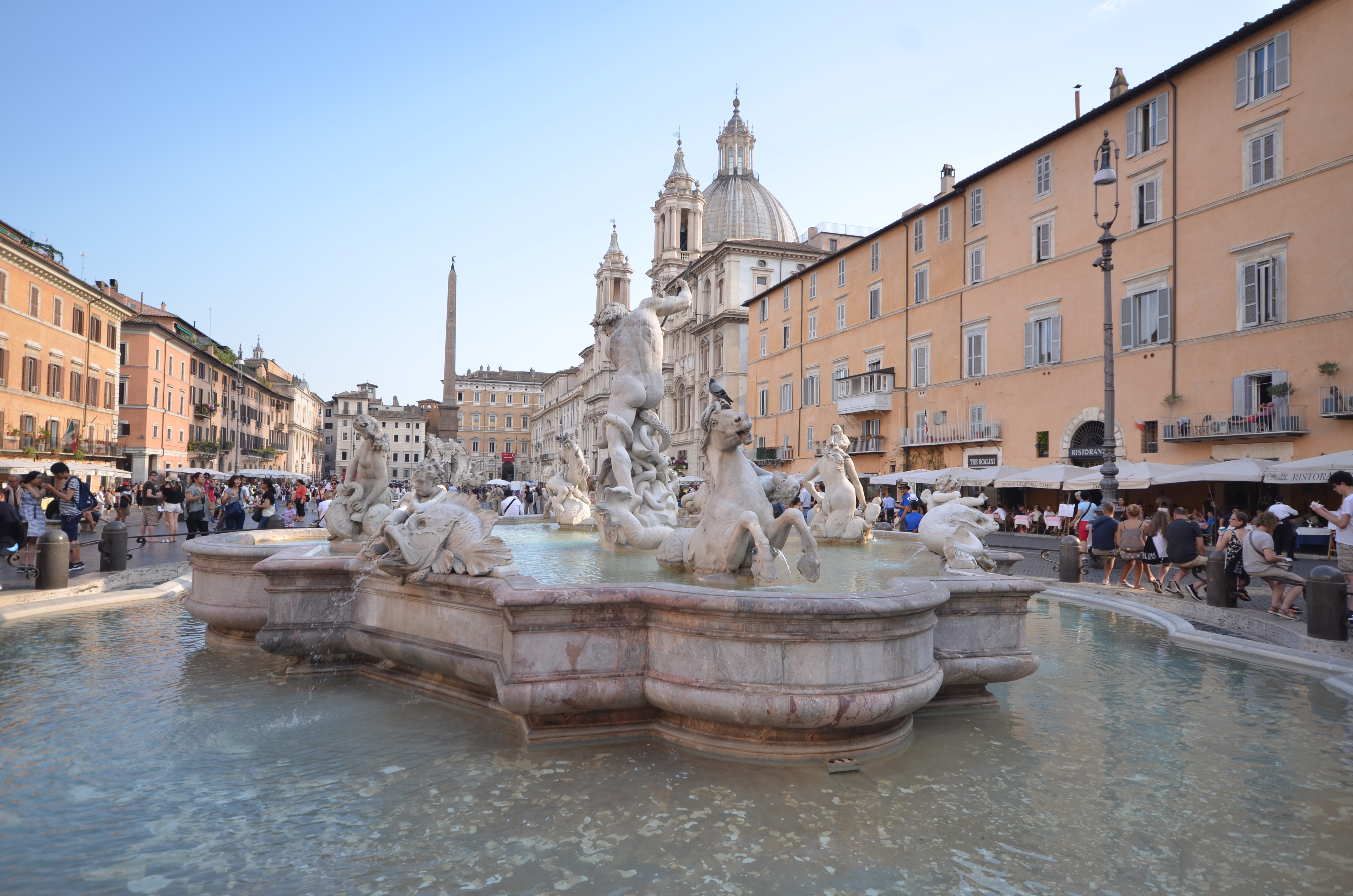
About another 15 minute walk (7 minutes beyond the pantheon in the other direction,) is the Piaza Navona with 3 fountains along a long courtyard.

DSC_3141.JPG

Piaza Navona

We finished our journey at Pizza Florida, a recommendation by a friend which I’m glad we took. The pizza has ruined me for life, and I will never be able to go back to frozen pizzas… At least not without a slight quiver.

12 Hour Pompeii (from Rome)

We made our way to the train station and grabbed our 2 round trip tickets to Naples from Rome Termini station (be warned this is the expensive part, though prices vary by the train line, times, and location on the train.) With over an hour till the next train, we grabbed some breakfast and socked up at the small grocery that is in the station. (I recommend grabbing snacks, since Pompeii does have a restaurant but its really expensive. Don’t take sandwiches because they get super soggy. Fruit and Focaccia bread pizzas are prime.) The Bullet train got us there in an hour direct where we had to change trains to the Circumvasuvio line (which is down a floor  from where the log distance trains stop.Follow the signs to get to the ticket office, where for only 2.90 Euro each way you can get a round trip ticket that is valid for any time.)

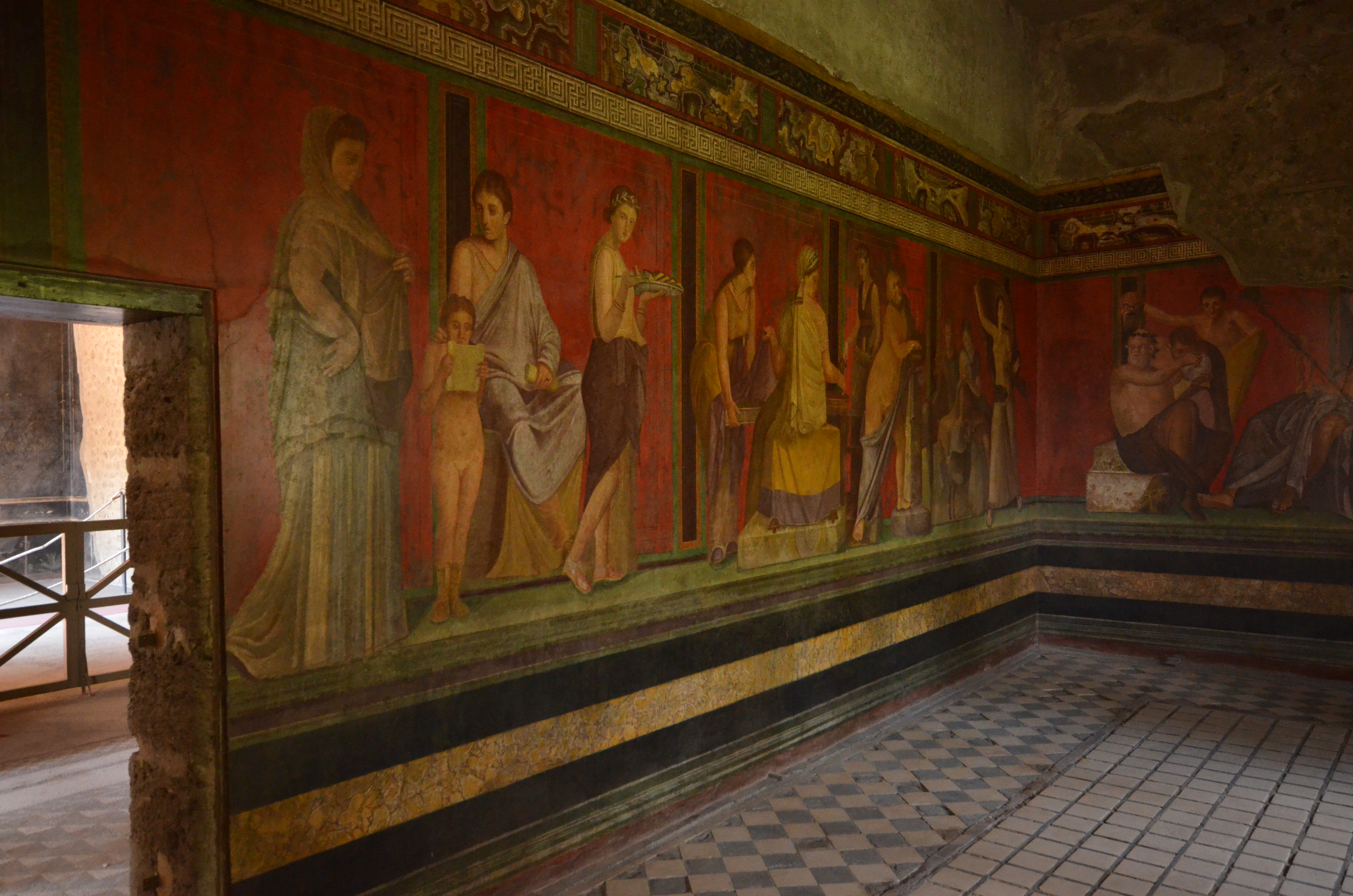
DSC_2887Villa of the Mysteries

The train, which was 15 minutes late, was preceded by three other equally late trains, which meant many of the fellow tourists that waited to be Pompeii bound with us jumped onto trains that we are still unsure where they went. Once we figured out the board, we realised that the times being posted with the train destination were the times that the train was supposed to arrive (which is how we knew it was 15 mins late). We realised this and explained it to a family that was waiting on the platform with us and had tried getting on one of the previous trains before being told it didn’t go to Pompeii.

Once on the train, the half hour ride was crowded, but offered some amazing scenery of Vesuvius and the Island of Capri before dropping you off nearly at the gate for the site of Pompeii (which is marked Pompei Scavi, you would need to keep an eye open for it, since the stops are not announced.) For us it was pretty easy to find because that is where the entire train emptied in a flood of tourists onto the platform.

DSC_2857.JPG

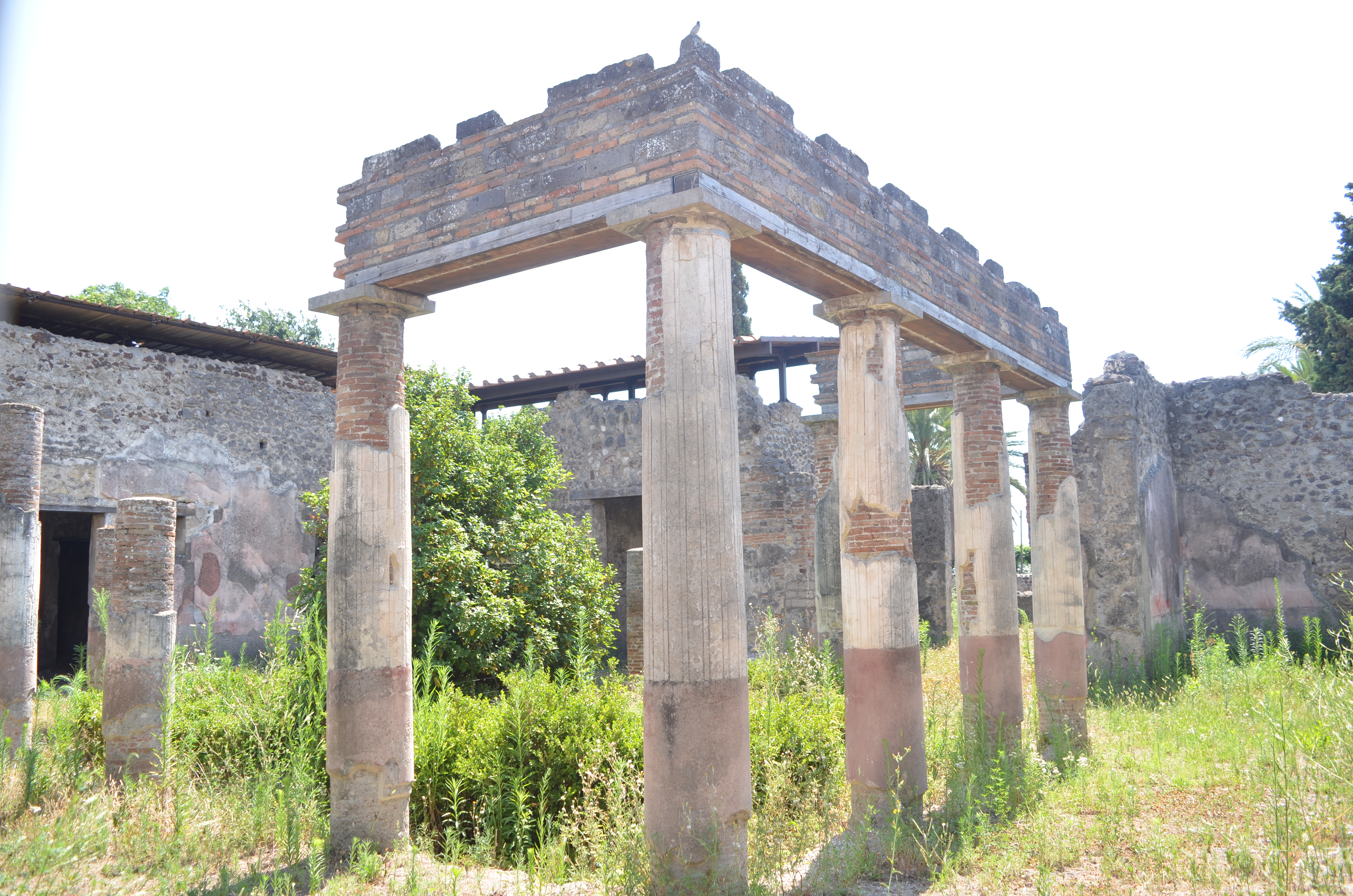
Courtyard in residence near city centre

Getting off there train, ticket offices and shops are just to the right as you get off the platform. Right away we were asked if we would want to join a group, and we thought we would just want to do an Audio guide to go at our own place and hit the places we would find most important. We bought our tickets to the site and the museum for 15 Euro, and went to look for the audio guide. In the building behind the ticket office, up a flight of stairs, is the audio guide office. The guy at the counter informed us that the audio guides were only in Finnish, and we would have to join an English speaking tour. As I turned around, I saw guidebooks. I highly recommend getting one.

The guide book, which is offered in many languages, comes with a pullout map labeled with the different attractions, which have a short paragraph that tells you about them. For 10 Euro in the guide office, this is also a wonderful souvenir.

DSC_2871

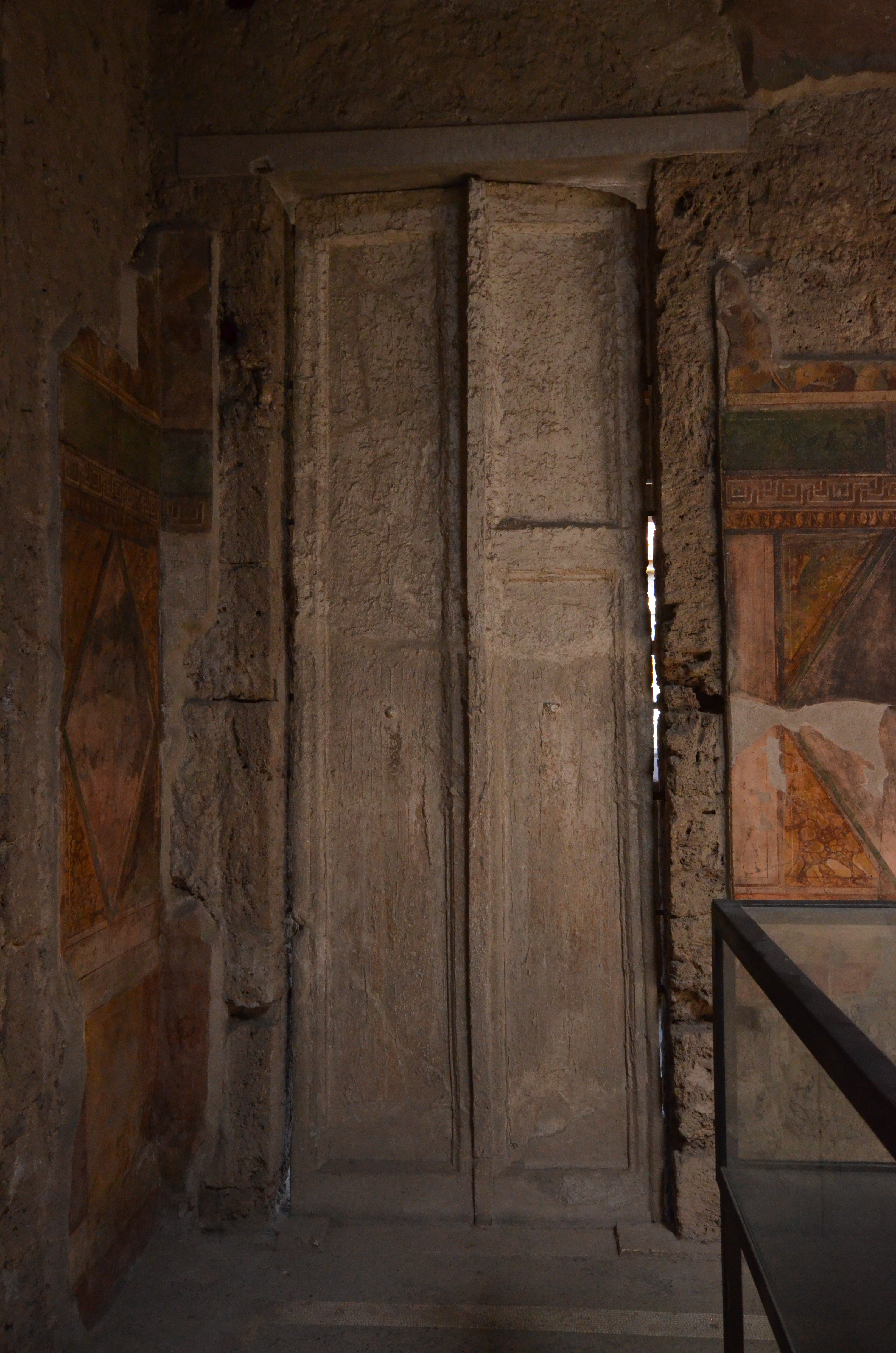
Original door in the Villa of the Mysteries

Pompeii is big. Once you’re in the site, its almost a lot to take in. Its best to have a list of about 5 things you really would like to see, and then spend the rest of the time wandering. We had little idea where to start, but I have made a list of some key places of interest

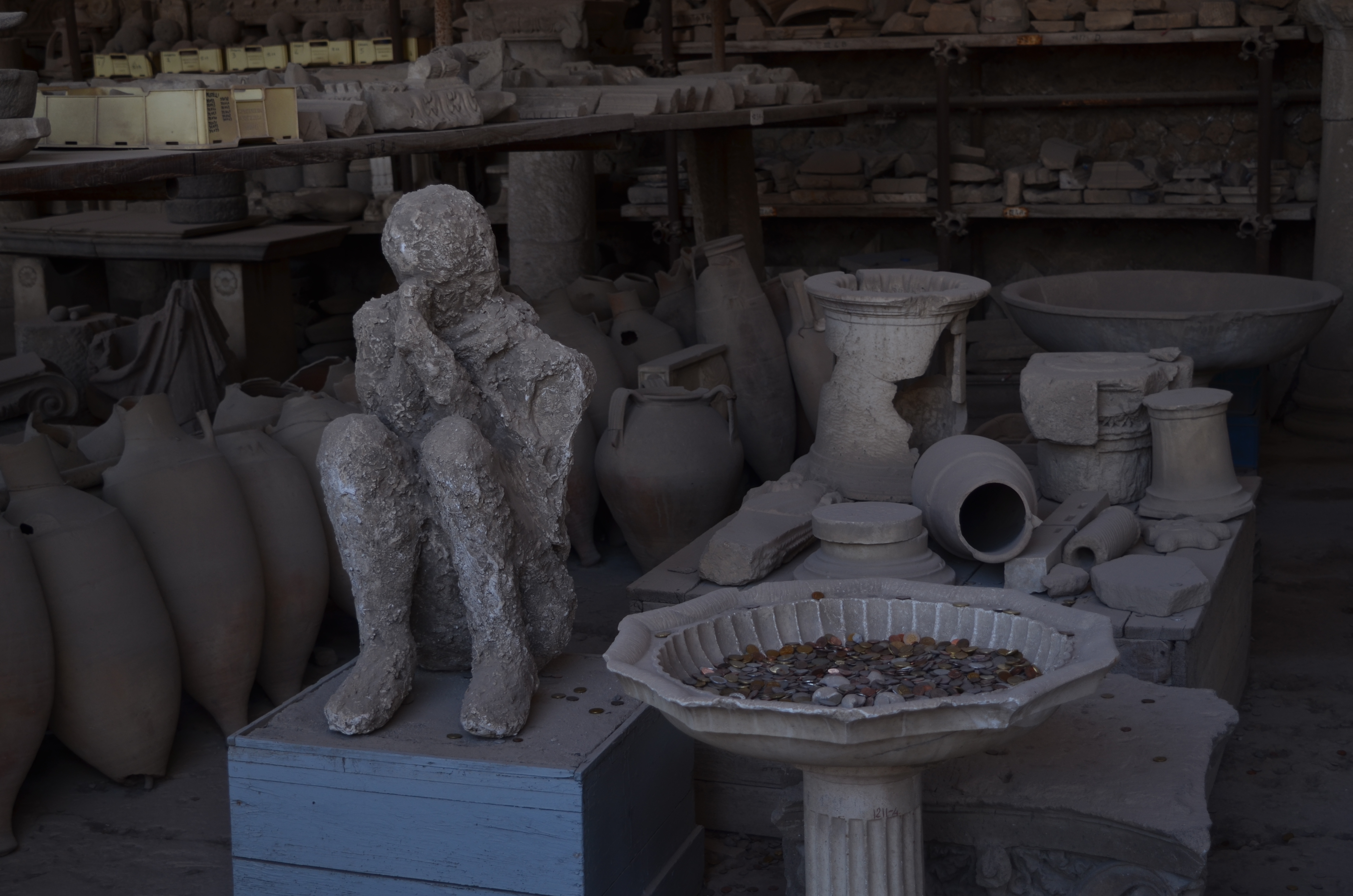
  1. Villa of the Mysteries, with a great preservation of the art on the walls and a couple bodies in the lobby.
  2. Temple of Apollo, The statues and the view. You really feel like you’re in the heart of Pompeii.
  3. Garden of the Fugitives, An example of how devastating the site was. (We were rained out in the late afternoon, and didn’t make it.)
  4. The Brothel, which has some raunchy pictures on the wall. (When we were there they were excavating that area, and it was blocked off.)

We left early because a thunderstorm rolled in, but that turned out to be a good thing.

Tip: The train to Pompeii, and the train back to Naples from Pompeii, is usually late. If you have a return ticket, it is a good idea to look at the time table, find the train that gets you to Naples before your train to Rome, and leave a train earlier.

The site is massive. We could easily have made a weekend out of it. Wear good walking shoes, bring a water bottle, and plenty of sun screen. (Mum brought the umbrella, and she recommends it.) Also, with the enormity of the structures, I recommend a wide angle lens for photography.

DSC_2844

A person praying

SE Asia in a Nutshell: Part 2

Ho Chi Minh City / Saigon

Saigon snapped me back into the mode of car dodging. The bustling city and flash night life was starting to draw on me, and the more active days with calm nights was a relief. Our first day of exploring took us into the Mekong Delta where we saw islands that were dedicated to different productions. One for coconut, one for honey, another for crafts. We were able to try fresh coconut candy, and were offered snake wine.
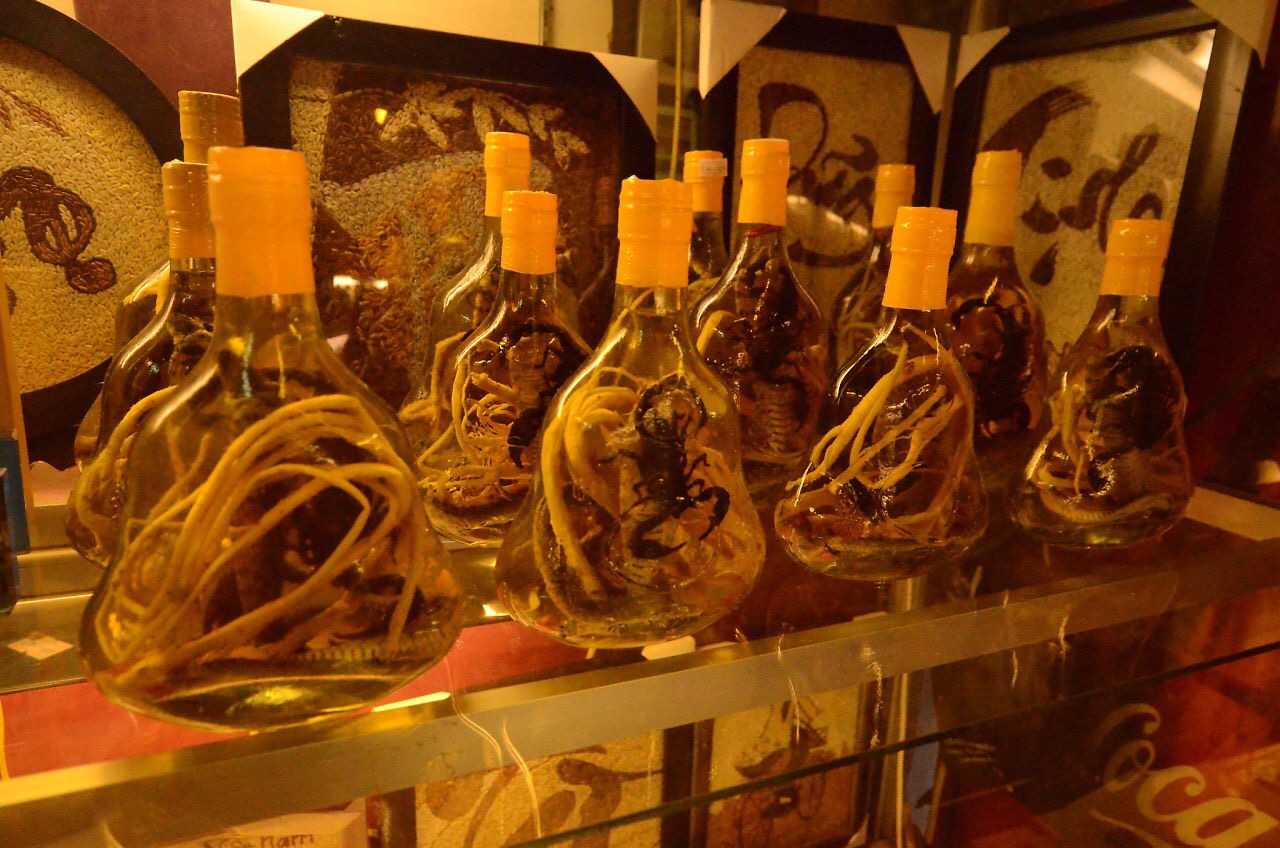
Snake wine, as some may know, is a harsh liquor that resembles cheap whisky. The triangular bottle houses bits of ginger root and a snake with a scorpion in its mouth. And it tastes exactly like what it sounds like. Sharp, spicy and strong.

Continuing on, we went to another island where we were paddled down a river in the small traditional wooden Can Tho small boats. We were making our way through the bamboo lined river when we noticed that all of the boats that were passing us in the opposite direction were waving at us and pointing to folded dong (the currency) in their hand. It took us a few boats to realise that they were signalling that we were supposed to tip our driver. If there is one thing I learned in Vietnam, nothing is free. Thankfully it’s all very cheap.

Cambodia – Phnom Penh


 We drove for about 8 hours the next day, which included the boarder crossing into Cambodia. The crossing was new for me, since we were coming in by coach and everyone on the bus had to give their passports to the bus driver who would give them to the customs official when we stopped. We had to take our valuable items off the bus and went into a large concrete ware-house looking building with the customs desks at the far end. We waited patiently as the customs official handed our passports back to our tour guide, who would call us forward and direct us to the bus that had moved forward to the buildings’ exit. I was nervous, as would anyone would be who has grown up knowing that it’s not the safest to part with your passport, especially in another country. Tom Tom, our guide, did a great job of reassuring us and definitely made the border crossing experience a quick and easy one. In Phnom Penh, we spent a day at the S21 prison and Killing fields.


Warning: the following may not be suitable for children to read. It was tough to visit. It was tough to write.


The bloody history of the Kumar Rouge regime is an unpublicised holocaust. The regime had gone around to the neighbouring areas and ‘recruited’ anyone who had a skill other than farming, knowing they would be a threat to the power of the Kumar Rouge. Trades people, and especially doctors and teachers, all brought to the prison under false pretence of jobs and a better life. Extending their reach, they decided to take whole families. After all a child could grow up to seek revenge. After being relocated to the S21 prison that was converted out of an old high school when the city of Phnom Penh had been deserted, the few remaining locals were resettled in neighbourhoods away from the school, and the screams. Millions of people were killed in that era. There were only eleven survivors; seven prisoners of the S21 prison, and four additional children who were smuggled and hiding in the kitchen. The others that were in the prison were executed quickly once the Kumar Rouge realised they were going to loose power, and took many of their prisoners the ten minute drive to the killing fields. The prison is renovated in some areas to show what it looked like before. Another area was converted to a museum area. And the last was left just as it was found, down to the occasional bloodstain. If the holocaust museum was built at Auschwitz, I imagine the tone would be close.

The killing fields, which are still not fully excavated, reveal bone and clothes after forty years. While walking along the raised boardwalk that winds through the fields, bones and bullets can be found within a foot on either side. In the middle of the field is a large memorial, where the skulls are displayed on shelves that create an encased pillar in the middle of the room, about 10X10 feet (3X3 meters).

I studied physical anthropology in my undergrad and we were able to work with bones of mummies that had been donated to the university. We learned how to determine gender, age, and certain causes of death that could be seen in bones. By the second panel of bones in the killing fields, I didn’t need to read the plaque. Adult, 25- 30, female, shot in the middle of her forehead. The next side of the pillar – children and under 20’s, some with their skulls not completely fused. After all, that only happens if you get the chance to grow up.

The history is dark, and for a few hours you feel any happiness sucked from you. Because of this repetition of history, I think if you are passing through Cambodia, you need to visit. Not because I want you to feel helpless to the carnage of the past, but because I really want people to remember, and not do insane atrocities again. At the least, the museum area has photos that the Kumar rouge had taken for records, which were the last many of the people had while they were alive. Personally, I like to learn about them so that they are not forgotten.
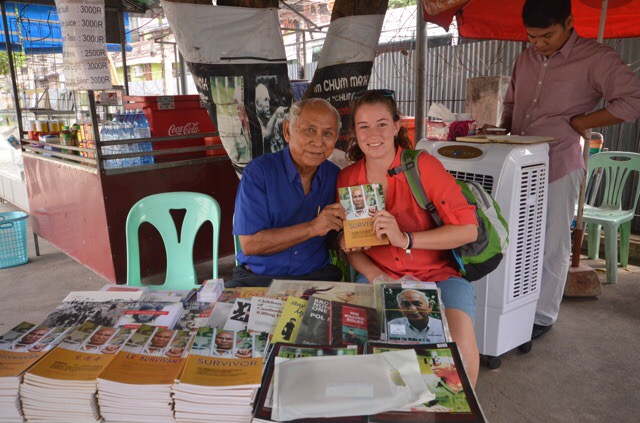
 Me with one of the 7 survivors of S21, Chum Mey, selling autographed copies of his book “survivor”.

Siem Reap


Right. Back to the fun, not-so-depressing stuff!


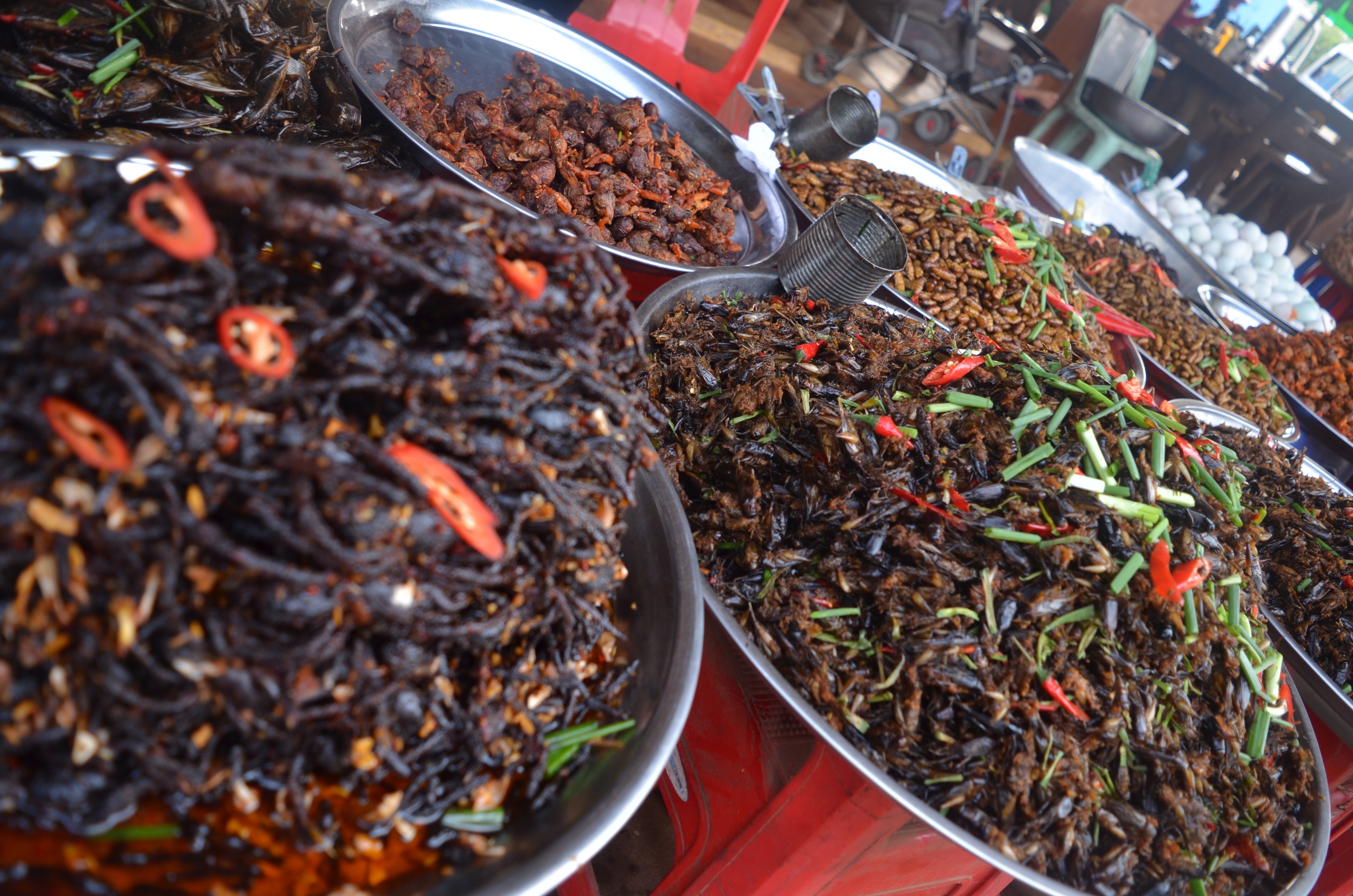
We drove in a small private bus from Phnom Penh to Siem Reap, stopping for a brief break at a roadside stand that specialized in a wide selection of deep fried creepy-crawlies. Of course, this is where my adventurous palette and I stepped up to the plate and ordered a tarantula and a few crickets. I have to say it – the tarantula tasted like chicken. It’s true. Like over fried, a little dry, crispy-breaded chicken. The crickets? Well, they just tasted like cricket. Not exciting in flavour other than the spices that it was cooked with. Just remember to take off the legs and wings, or you might find yourself with a cricket getting caught in your throat half-way down.

The next two days were spent at the Angkor Wat temple complex.

The first day we left the hotel at 4 am, clambering into the bus to go get our ticket and venture to the temple to watch the sunrise. As we made our way through the dark, I couldn’t even see the faint outline of any buildings. The new moon left the sky pitch black, with only a blanket of stars and plants to tell where – approximately – the sky ended and the horizon began. As the sun came up, the sky turned a faint pink, and the reflection created a magnificent silhouette of temple and palm trees against the dark plum of the cool morning sky.

Inside the temple walls we watched the sun rise, reflected in the small ponds that were originally built as water throughs for elephants. (Transport for the elite.)


The main temple was originally constructed with a mixture of Hindu and Buddhist architecture, and was meant as a communal worshiping place for both religions. There are monks that still practice here too.


The next temple we went to was the Bayon, also known as the face a temple. Each of the many rooftops has one face per a side, built to face the four directions. In the temple you can explore the maze of ruins, taking photos in the windows and has fewer visitors. The faces in the tops of the towers are kind of fun too.


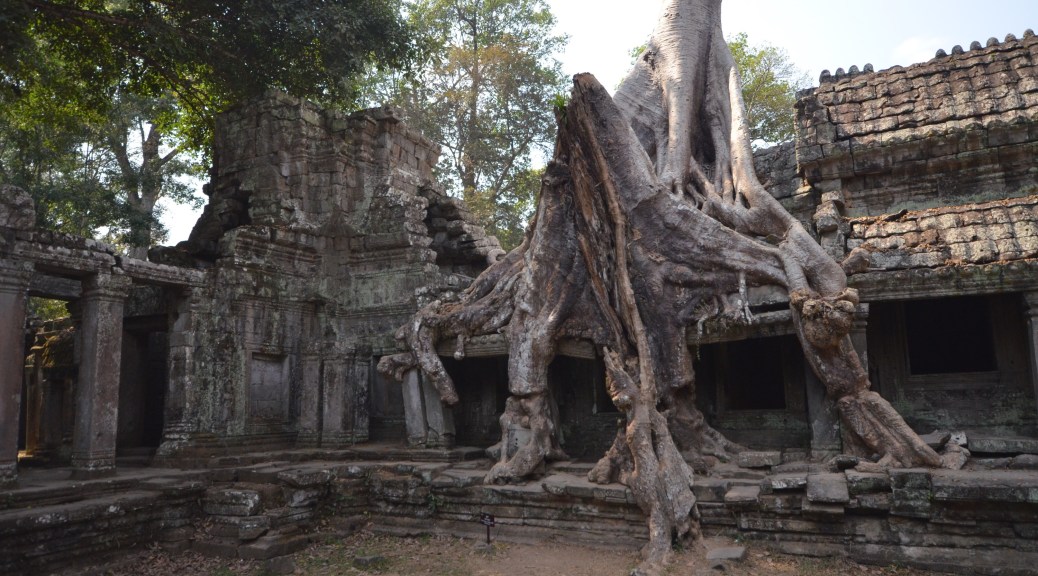
We next visited the “Tomb Raider” temple, where the film was mainly shot, but between the heat and fighting a large crowd of people to get any photos, within an hour we were ready to move on.


The last temple we visited was “the hospital”, which was on an island that could only be reached by walking along a narrow wooden boardwalk above a bog. In Ancient times, they believed that the body ran off the four elements; fire, earth, wind, and water. The ‘hospital’ was five intricately carved stone pools, four on the outside and one large one in the middle. When you were sick, a medicine man would determine which of your elements was ‘missing’ and you would be ritually bathed in the coordinating pool to make you healthy again. If you were really close to death, you would be considered missing most of your elements and would be bathed in the large pool in the canter.


Our last night in Siem Reap, as part of our tour, we were taken to dinner at the New Hope restaurant. The New Hope Restaurant was created to give women working in sex work the opportunity to learn new skills and create a new life for themselves. The foundation grew and built a school that teaches English, a required skill for all the hospitality jobs. This was something that was organised as part of our GAdventures trip, and was amazing to be able to support.


Fun fact: The elephant ponds at the main temple of the Angkor Wat complex were converted temporarily into a ‘fishing village’ in 2001 for the movie Tomb Raider. Restaurants in town still have their menus tagged with dishes that Angelina Jolie ordered when they were filming in Cambodia. The temple where they did most of the filming, the one with the trees growing into and around the buildings, is actually very small and very crowded. Be ready to have to fight your way through a crowd at any of the major temple sites.
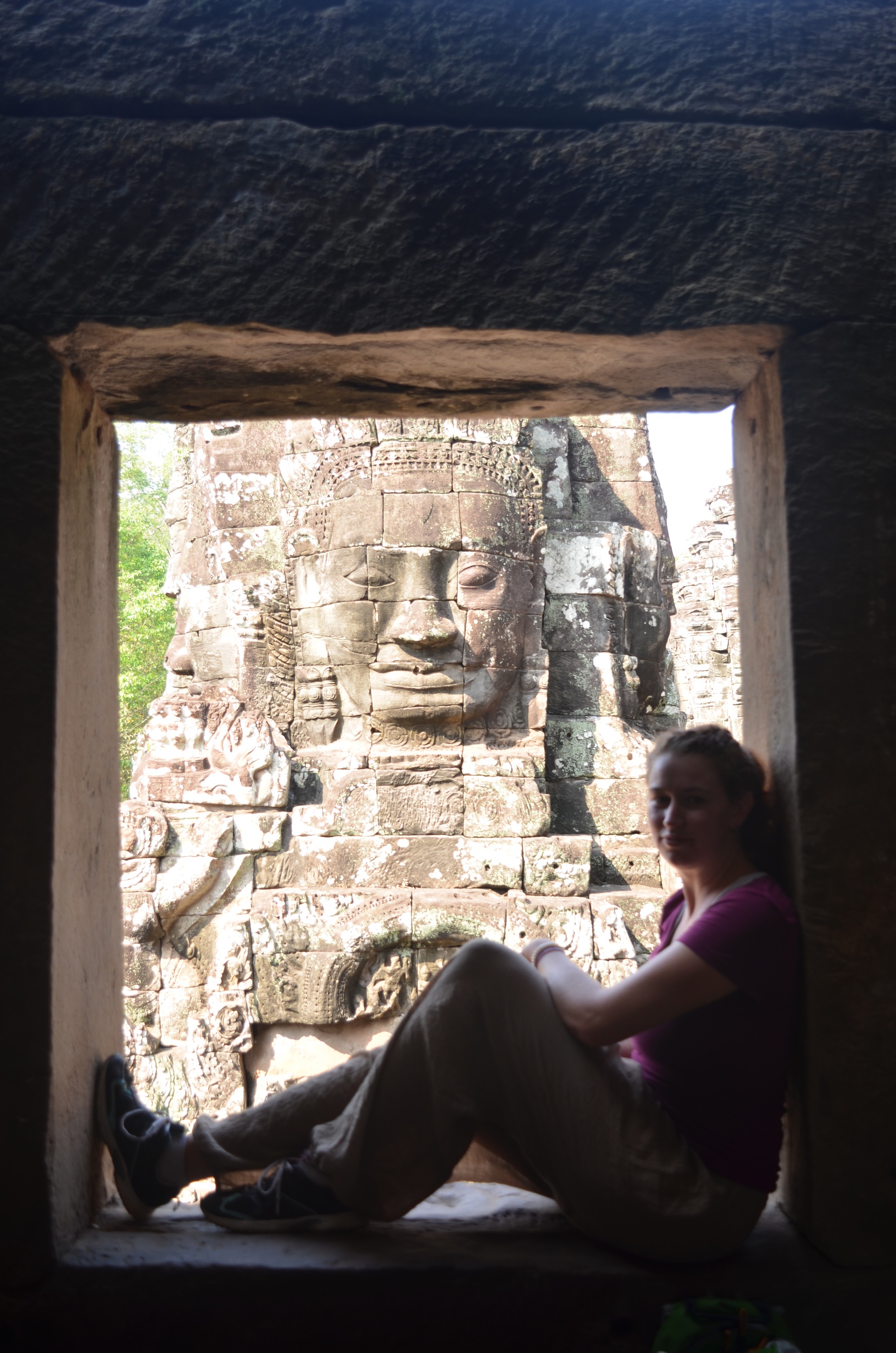
 

The smaller “face temple”, or the Bayon, is massively underrated, and really worth a visit.


Thiland – Bangkok

Bangkok provided us with our amazing race experience to the Wat Pho, the 600 foot Buddha statue.


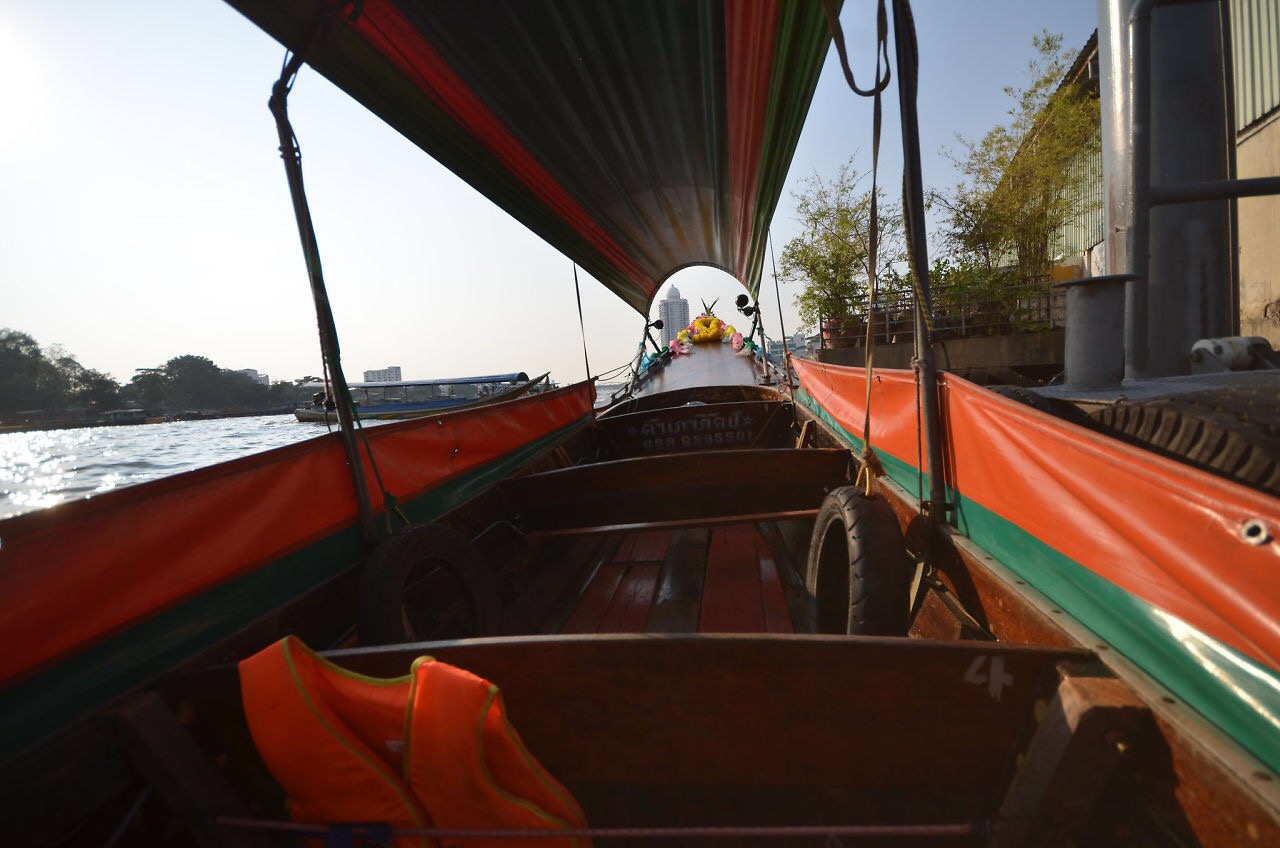
We thought it closed to the public at 5 pm. We arrived at our hotel by bus at 4, so four of us girls ran down and grabbed a tuk tuk. The guy said that he couldn’t get there because of construction and we would need to take a boat. He brought us to the ferry terminal and the boat man (who obviously knew him) waves us over and tries charging us $40 for a boat ride that we knew should have been $3 each at most. We talk him down to $7 each and then instead of taking the water bus, he flags down a “water taxi” which is one of the long skinny traditional boats. Note: It doesn’t do well on waves and every time we hit a wake I thought the boat was going to break in two. When we pull up to the dock and there is a lengthy line for the water bus that we had originally planed on. We realized that the little boat may have been the best option, as now it is 4:45 and Wat Pho closes at 5 PM, we had to hurry. There was a dock hand that was helping the long skinny boats dock then you had to pay a “docking fee” which was just another way to rip off tourists. We paid it just wanting to get out of there and get to the Wat before it closed and took off in the general direction. We made it to the main crossroads by a government building, and start to question our sense of direction. Thankfully many of the buildings in the cities are guarded by armed guards and we figured “Lets ask the men with the machine guns for directions”. They smiled and told us that it was just around the block “down and to the left”, so we took off in that direction. We reached the next corner where once again we couldn’t find Wat pho, so we ask another set of armed guards. They also tell us “Down and to the left”, so we continue on to the opposite corner of the complex from where we started, but arrived at 4:55. Frantic, we tried finding an entrance where we can get a couple pictures before getting kicked out, and I saw the open sign that displayed “hours 8am to 6pm”. We had a whole hour before it closed.

Inside the complex, there were several structures covered in a tile mosaics that made me think of something out of Willy Wonka. The big temple that houses the reclining Buddha is MASSIVE. The outside is stark white, while inside is reds and gold leaf decoration. The statue itself was gold, and hard to take in at any one location in the temple.
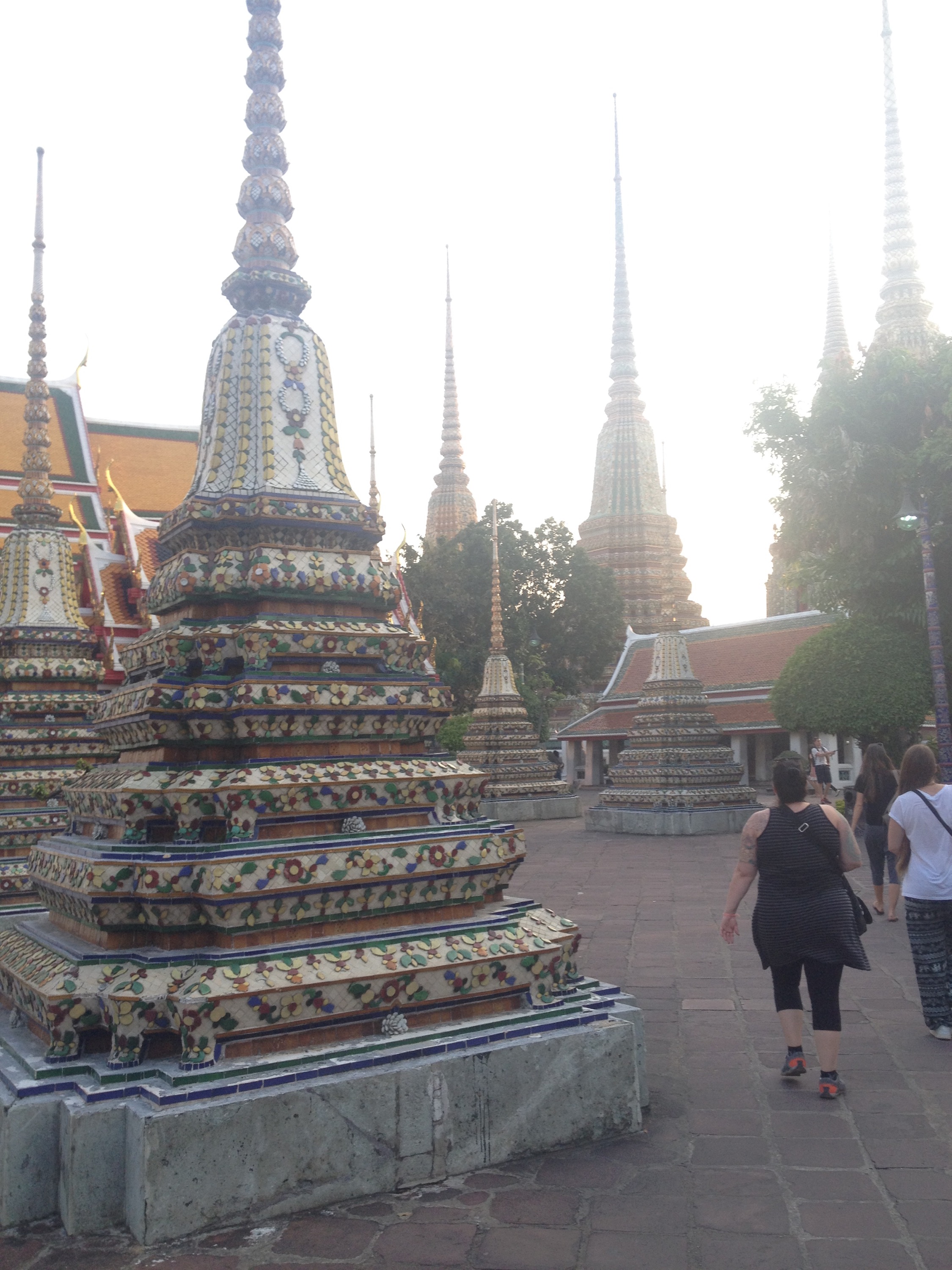

We wondered around the complex, and a group of the monks were just ending their prayers for the day and wondering around as well. When it was time to go we walked out the front door, and there was a tuk tuk that was able to bring us back to the door of our hotel… no construction to cause delays.


Chiang Mai


In Bangkok our groups parted ways. My ticket home was booked out of Chiang Mai, and I had no choice but to go look around. Still hesitant about traveling alone, I found that one of my fantastic new friends from the tour was also headed north to Chiang Mai, and we were going to meet a few days later.

While traveling through Cambodia, I discovered that Tom Tom, our guide, was from Chiang Mai and asked her for any advice about doing things and getting out on some adventures.  She told me about an Elephant riding outfit that she recommended because they take care of their elephants, saying there are cheaper programs, but she wont vouch for the treatment of the elephants. (Elephants are the SE Asian equivalent to work horses, there is still much debate about the ethics in riding them. Not to worry, there are a number of tour companies in Chiang Mai that offer elephant programs where you don’t ride the elephant, and still get to feed, bathe and pet it.) I was also advised that riding bareback is easiest on the elephants rather than riding with “saddles”, much easier for the elephants to handle and get used to, and can be trained through rewards. (FYI, They love bananas.) The program we went on took us hiking to a waterfall, where we were given samples of edible plants along the way. When the guide, had a large ant trying to bite his thumb, I pointed it out, and he shrugged casually and said “Its an ant.” And ate it. We stopped for a more substantial meal after the waterfall and had a local lunch of a yellow chicken curry on rice. Another part of the tour was to visit the Hilltribe people. They are part of the same overarching tribe as the long necks, though the practice of waring rings on their neck is dyeing out.

Originally there was the belief that members of the tribe born during a full moon would be more likely to be attacked by a tiger, and since tigers will attack the throat, tribes people originally wrapped their necks in rattan. As rattan is easy for teeth to get through, the tribes people switched to copper rings, which would offer more protection against tiger attacks. The practice is fading out because of the dwindling tiger populations, and the fading of superstition that your chances of being attacked coordinate with the lunar cycle you were born under.
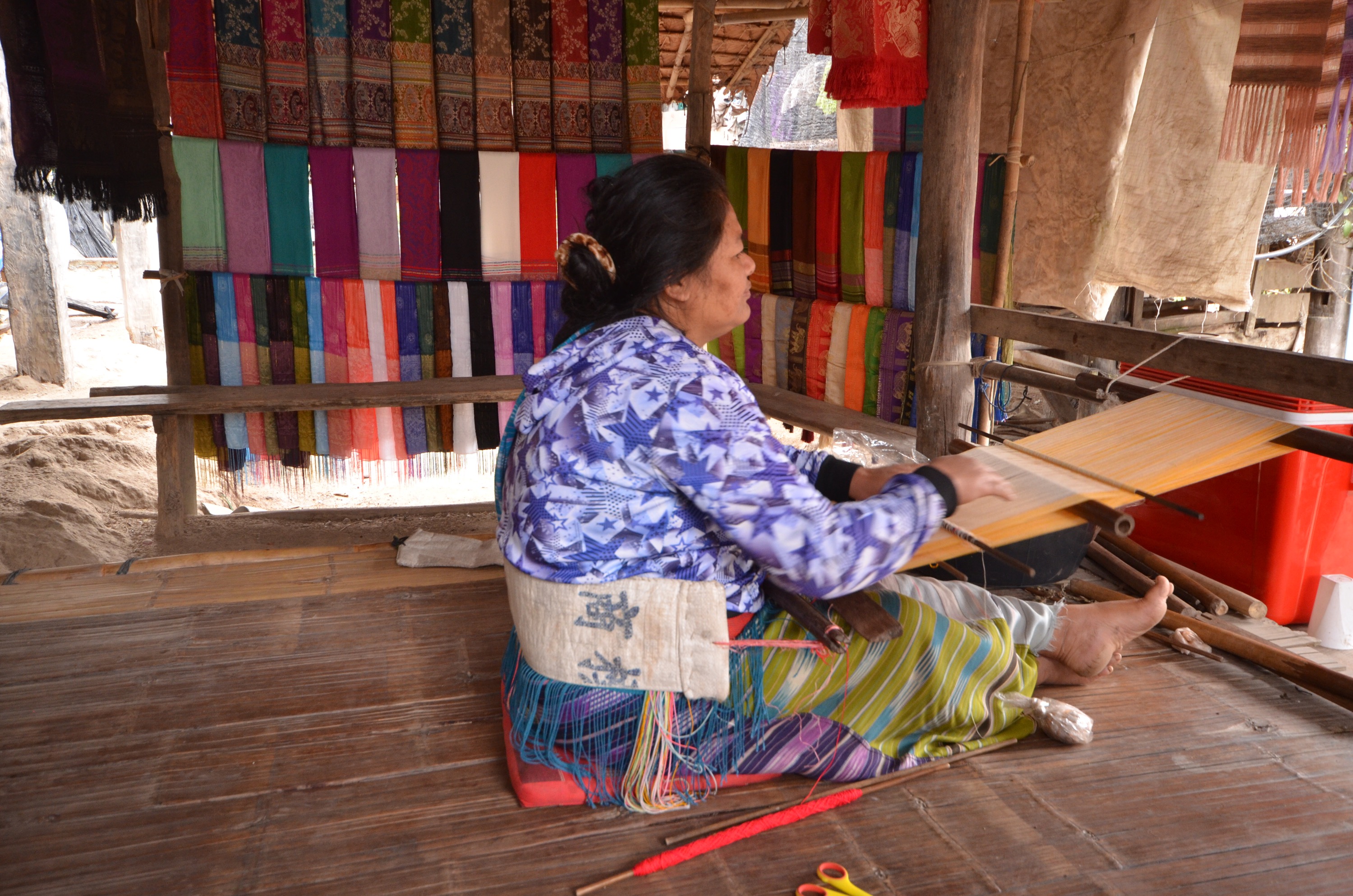
If you want to guarantee seeing the long neck tribes people, there are settlements that the Thai government established for tourism.

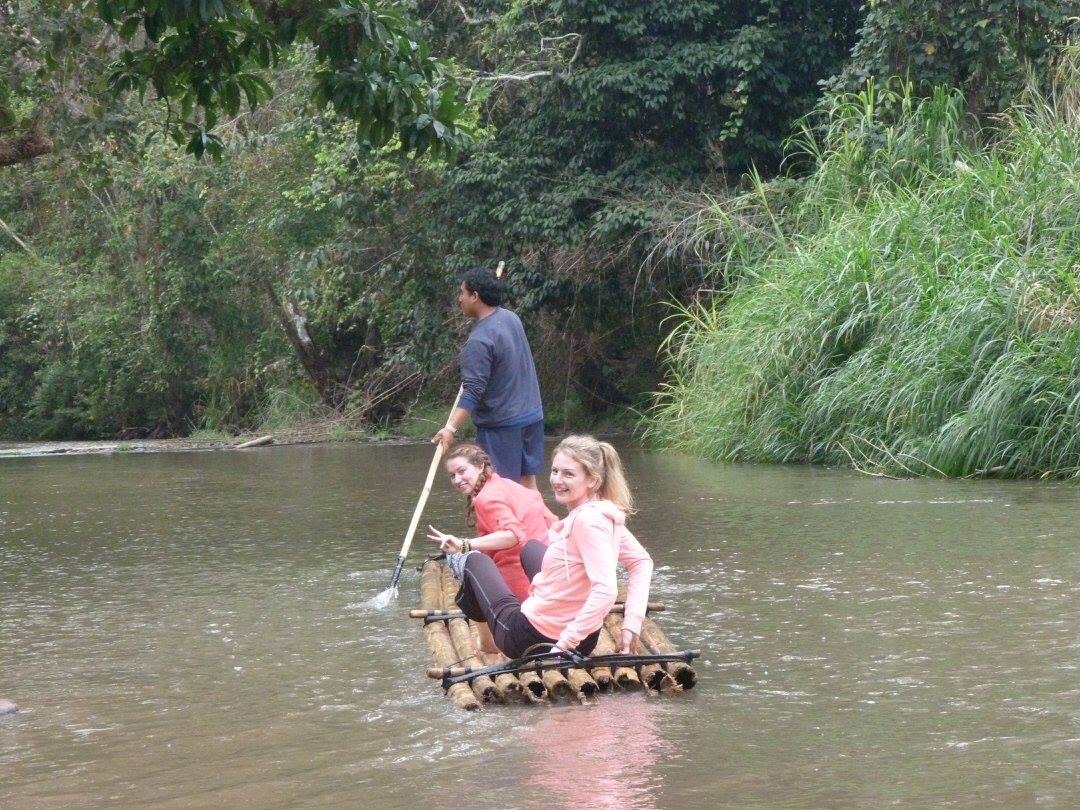
We continued into the forest to a farm where we rode elephants bareback for about an hour around the property. We walked down to the small creek where we were the elephants could swim, and then back to the farm.  Before leaving our elephants we spent some time just walking with them, feeding them bananas as treats. Finishing off the day, we did some bamboo rafting down a river that was cool, and quiet.

Another aspect of what I have found to be deemed “questionable tourism” is tiger photos. I have heard of the Tiger Temple, which is notorious for drugging and abusing its tigers. So I researched, did some asking around and homework, and found another outfit – Tiger Kingdom – which is more popular for its cub photos, because they have a lot of restrictions on who is allowed to take photos with the larger tigers. Given the size and nature, and the lack of information surrounding the larger tigers, there is speculation as to if the tigers are drugged.  The cubs however, were jumping and playing and each had 2 handlers on standby, with all of our moves guided by the handlers of what to do and when.  Since this was a bucket list item, I brought my camera and got to spend a bit of time playing with some tiger cubs. When my travel buddy and I left the enclosure, we just looked at each other and asked “did that really just happen?”

Singapore

When traveling to and to and from the field school/Chiang Mai I flew in and out of Singapore. With a 9-hour layover on the way to Vietnam, I had booked a hostel in the city, and decided I was going to use my time wisely sight-seeing.

I was sitting at my gate in the Brisbane airport when I hear a familiar voice call my name. It was one of my classmates that, I admit, I didn’t hang out with very much outside of class. She and I discover that we were on the same flights, and I invited her to join me at my hostel if she was up for the adventure. She agreed and we navigated out of customs, (thankfully for both US and Australian passports, you do not need to apply for a tourist visa,) grabbed some fast food, and caught the bus that was hostel bound.

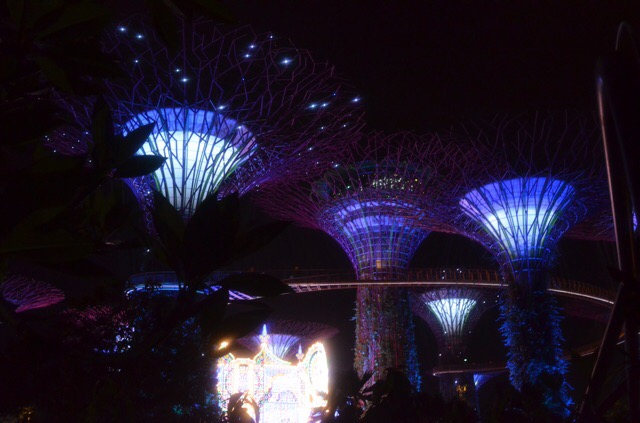
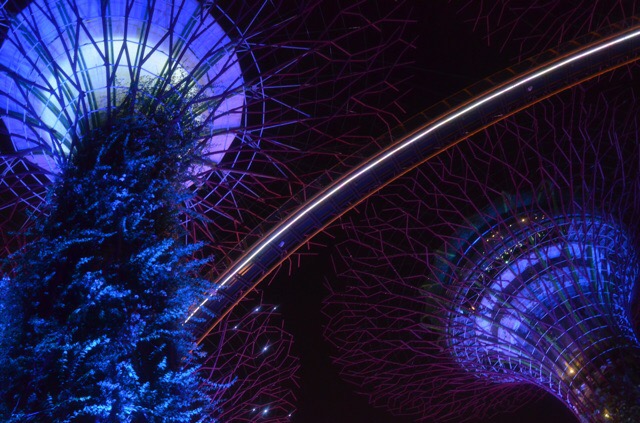
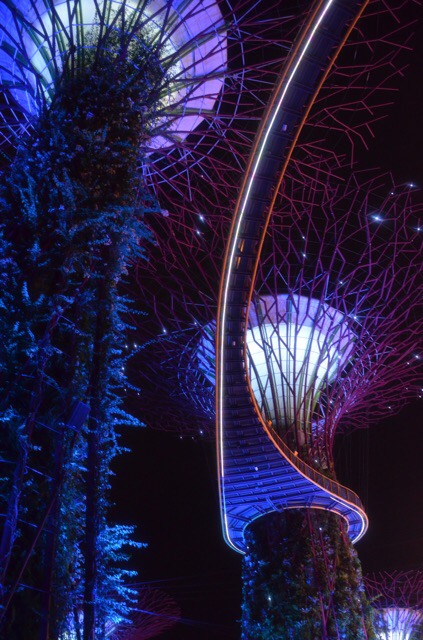
We checked in, dropped our stuff, and hailed a taxi to the Gardens by the Bay. The gardens have large greenhouse pavilions and a walkway through the manmade industrial trees, but they both close at 8 pm. We ventured along the walkways, finding an outdoor aquarium, and vantage points of the clusters of large plant-like structures. Lit in a neon blue, the structures resembled giant trees that mushroomed at the top, greenery growing up the sides, and white spots of light doted the tops like stars. A few hours of wondering around the gardens and it was time to attempt a few hours sleep before our morning flight to Vietnam.
 
On the way back from Thailand, again I had a lengthy layover. This time seven hours. Singapore airport has won multiple awards as the “Best airport in the world”. I took the time to wonder around and find what the hype was about.

The airport has a hotel, public pool, two movie theatres, a game centre, free Internet, free massage chairs, and so much more. Gym? Yup. Butterfly garden with a waterfall? You bet. I find myself wondering if I can book an international flight back just to visit the airport.


SE Asia in a Nutshell: Part 1

Studying in Australia gives a few unique opportunities. For me, it included the chance to do field school through Vietnam, where we were privileged to work with some amazing people learning how the museum ‘does-what-it-does’.

However, outside of class I wasn’t expecting to see or do much, as my mental preparation had my mind thinking “business trip” rather than “vacation”. Those who know how I travel know that every moment I’m not trying to be a good student is spent exploring. (After all, I use academia as my excuse to go far away for long periods of time.) As South East Asia is in the news frequently for tourists getting in accidents, trafficking, or other not-so-pleasurable happenings, I didn’t think I would go there on my own, no matter how much solo experience I have. Two of my classmates who were also going to Vietnam agreed and the three of us decided to book a tour and continue through Cambodia and Thailand after our studies.


Vietnam – Hanoi

image

image

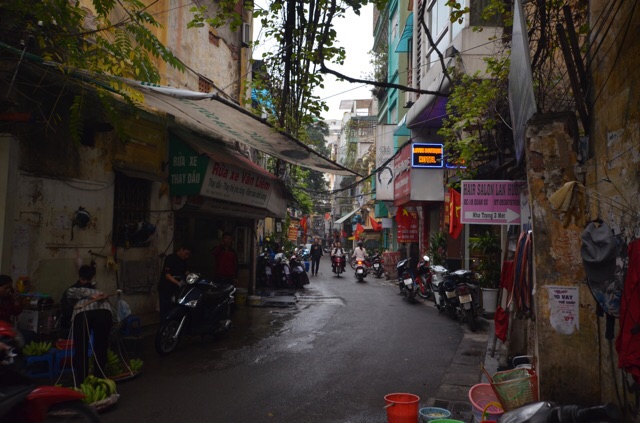
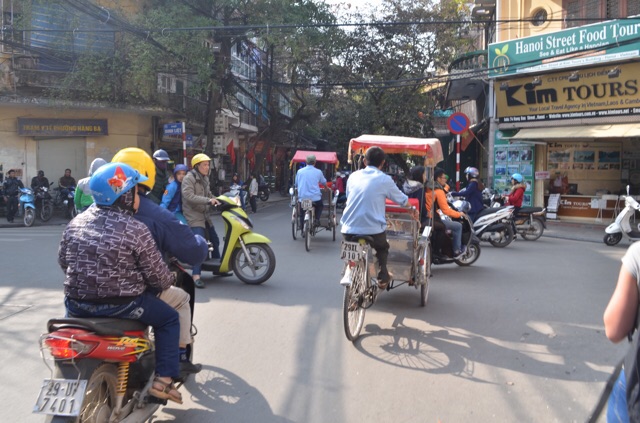
We started our two-week field school in Hanoi. The old quarter burst with life, vendors, pedestrians, and mopeds. Oh-so-many mopeds. The air was thick from humidity and exhaust in the narrow streets. The buildings, with their un-kept paint and traditional wood trimmings, towered multiple stories on either side. The ground floor housed open-front shops and restaurants with smiling and eager staff trying to wave you in for business.

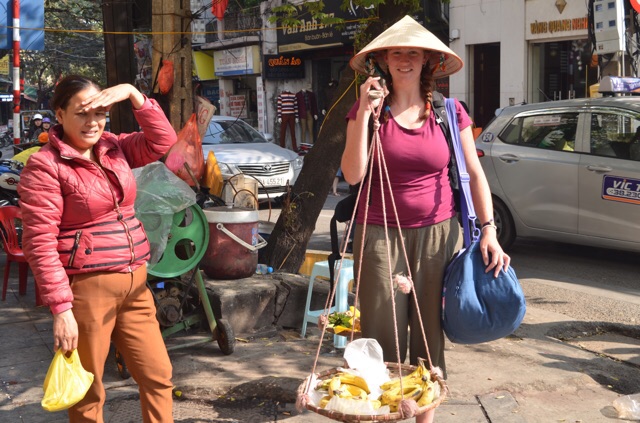
Walking along the streets, also be careful of taking pictures. We dubbed the women with the carrying baskets the “banana ladies” and developed the motto “beware of the banana ladies”. Within an hour of arriving in Hanoi I experienced my first of the photo cons. We were making our way to our hotel when a banana lady saw me taking photos and before I could get away, put her carrying stick on my shoulder and traditional hat on my head and kept pressing for me to take a picture. Me in my travellers hope that she just wanted to share her culture (after all that’s been my experience in most other third worlds) I passed my camera to my mate and had her snap the photo. As soon as the shutter snapped Banana Lady took back her gear and I thanked her and started to walk on now that she was, what I thought was obviously, done with me. That’s when she started yelling at me that I owed her 2 dollars. Ah hah! The next two weeks we had to deal with ladies following us down the street trying to put their carrying sticks on us as we would wiggle out from under them and continue on. Beware of the banana ladies.

image

Each street in Hanoi is delegated to different wares – tin, copper, glass, etc – and if there is something in particular you need, you can find shops competing on the same street.

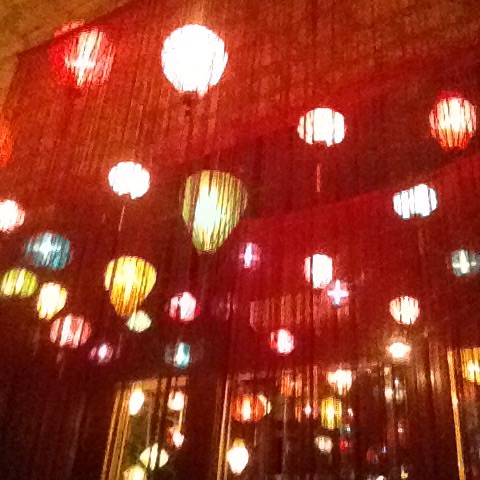
Food alley, while more expensive than the other shops that reside on another street, offers a multitude of options. In the heart of the city, the favourite of the field school was the Lantern Lounge, which could be identified easily at night by the plethora of lanterns that ornamented the face of the building. Once inside, you take of your shoes and sit traditional style at a table that is lit by many more paper lanterns draped across the ceiling. With free wifi and delicious vegetarian options in an English menu, we decided it was worth multiple visits. (When I travel I try to eat more vegetarian friendly because meat is usually harder to come by, and not always guaranteed fresh. So my rule of thumb is if you can’t read the local menu, don’t order anything unless you know what it is. I like to eat seafood in coastal towns, but since seafood can be temperamental I stay away from it if I have travelled more than two hours away from the shore.)

image

Another Hanoi specialty I highly recommend is the Egg coffee. It is the superhero of cappuccinos. A thickly whipped, sweet egg white topping layered on a cup coffee. That is a dissert in itself.

image

The Adventure to see Uncle Ho


While in Hanoi, morbid curiosity came over a few of my fellow classmates and I to visit the man we had learned so much about through our museum visits. After all, most of the museums in Vietnam display Ho Chi Minh as a larger than life demigod rather than the ruler of a country. His mausoleum is in Hanoi, and free to the public. Just remember the standard temple rule, dress modest, don’t lug giant bags in, and add that they don’t like you to take photos. That’s fine with me, I’m not too keen on photographing corpses, but the balmy heatwave in north Vietnam meant that one of my classmates and myself had worn shorts, which would have prevented us from getting past the many guards that were on the lookout for tourists that may be there to disrespect their highly regarded leader.

Once at the back of the 3 block line, we left our fellow classmates to find something to throw on over our shorts. The first shop we came across sold us a scarf to wear as a sarong and a pair of flow-y pants. We re-joined our classmates and continued through the line and past the video screens playing videos and testimony to “Uncle Ho”. When entering the mausoleum, you walk up stairs through small winding passages, designed to keep the climate-controlled room cool. Once in the room the whole experience felt surreal. The man in the open crypt in the middle of the room was stark white – no doubt due to multiple trips to be embalmed – and what interested me more than the marble looking man was the visitors that shuffled their way through with us. One older lady in front of us had streams of tears as she looked at him, and was offered tissues by who I assume was her grown daughter. Another man looked on in awe. I thought it was strange. It was strange to see how someone who has been long dead was displayed for the sake of his memory, and even stranger seeing the reactions to it. It was strange all around, but then, I’m not visiting embalmed leaders of countries every day.


Ha Long Bay

image.jpg

Though we stayed at a hotel for the duration of our field school, the trip I took to Ha Long Bay I booked a side trip through the FlipSIde Hostel. They were very friendly and if I were to do it again, I would stay there rather than our hotel. Options for Ha Long bay tours vary, but there is one for those who are just “passing through” and want a day trip to Ha Long Bay.

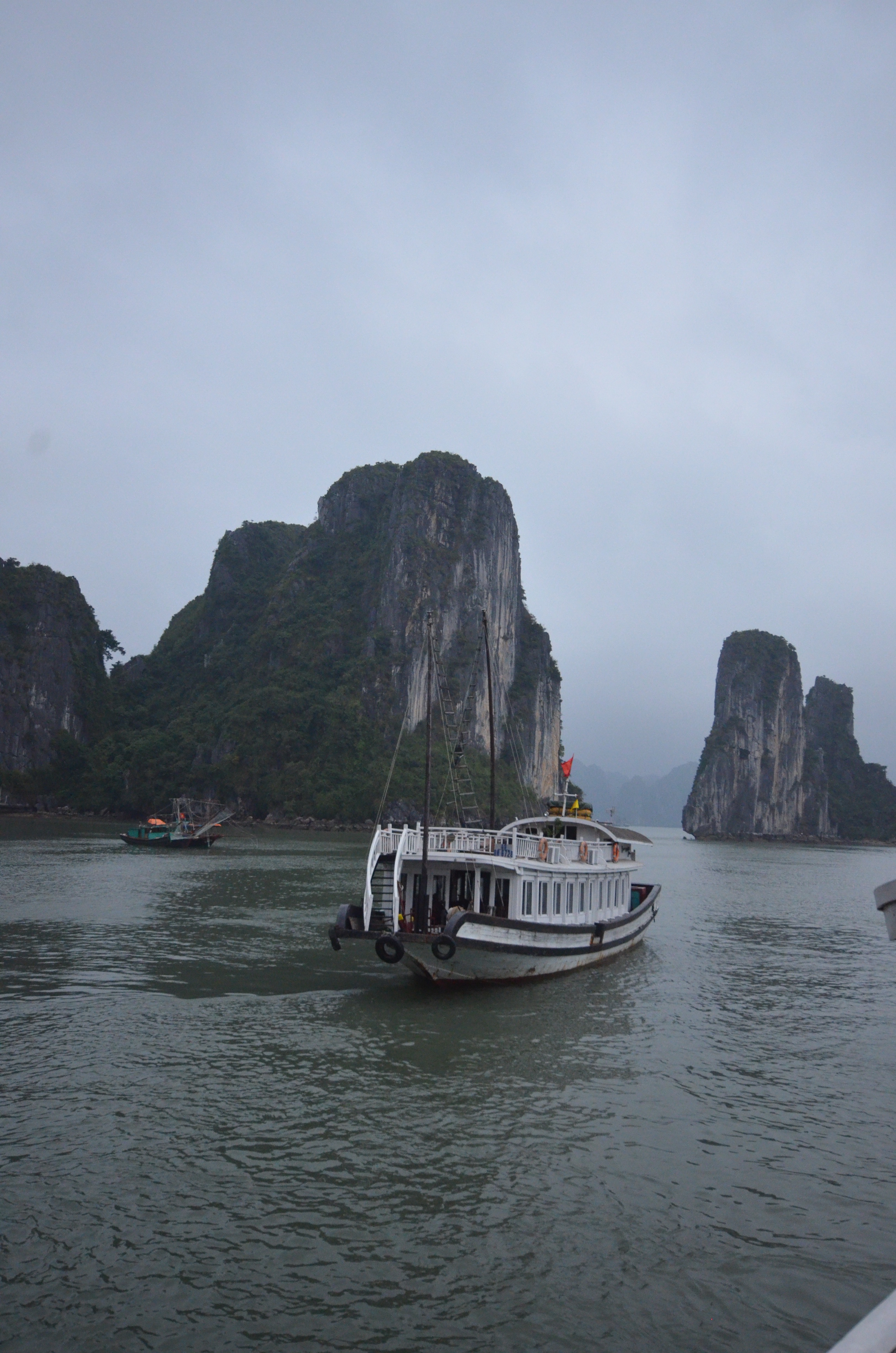
We left the hostel at 8 am, taking a small private bus about 4 hours to the bay, with a quick stop at a craft shop where all the craftwork is made by disabled locals. Once at the bay, we boarded a small motorised wooden cruise launch. A lunch spread of fresh seafood from the bay, with other additions, was provided for us to enjoy while leaving the harbour. In the bay, the sea cliffs rise straight out of the water, creating a maze of scenery.


Fun fact: James Bond “Tomorrow Never Dies” was filmed here.


Fun fact: Ha Long means ‘descending dragon in Vietnamese

image

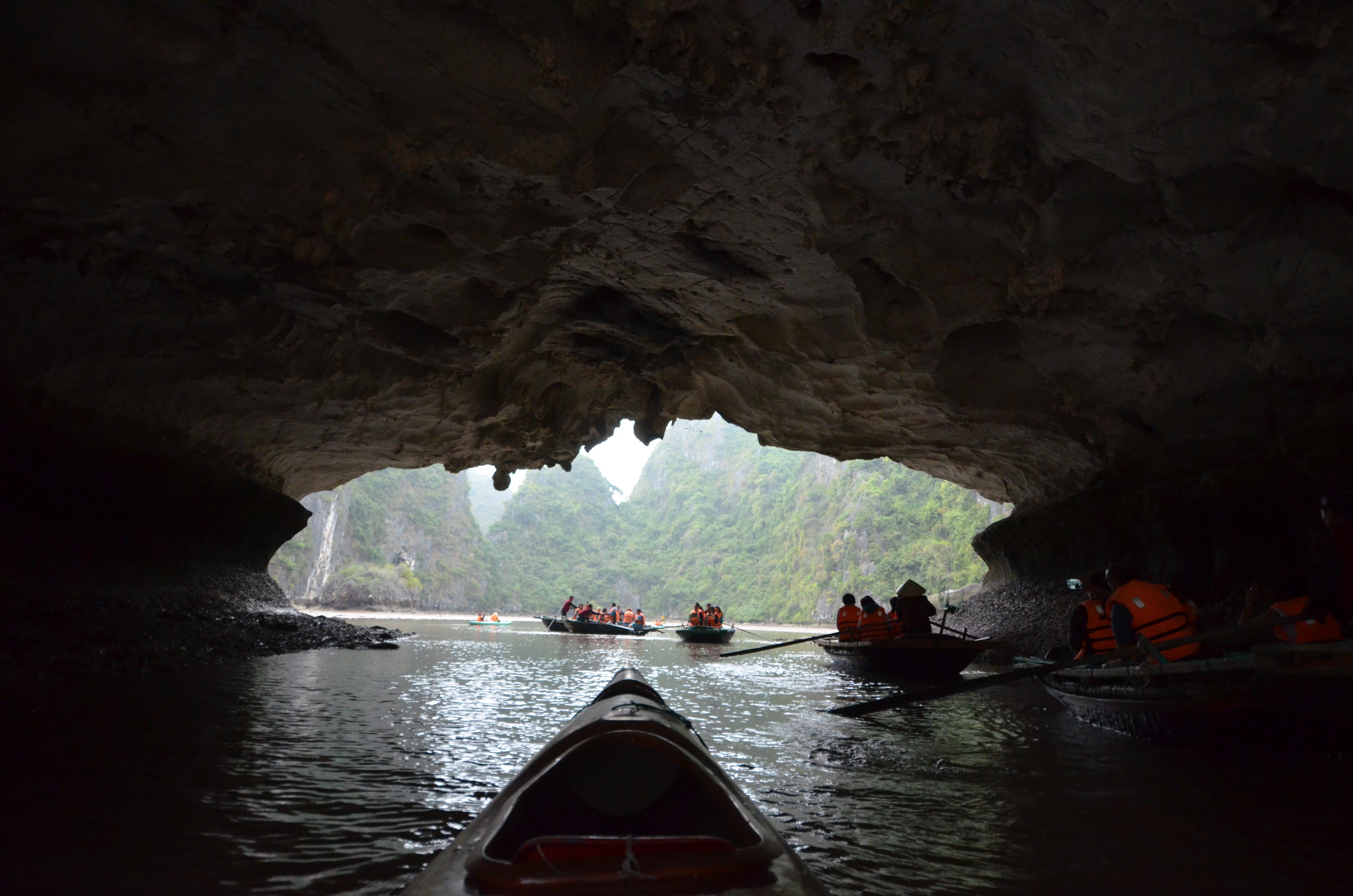
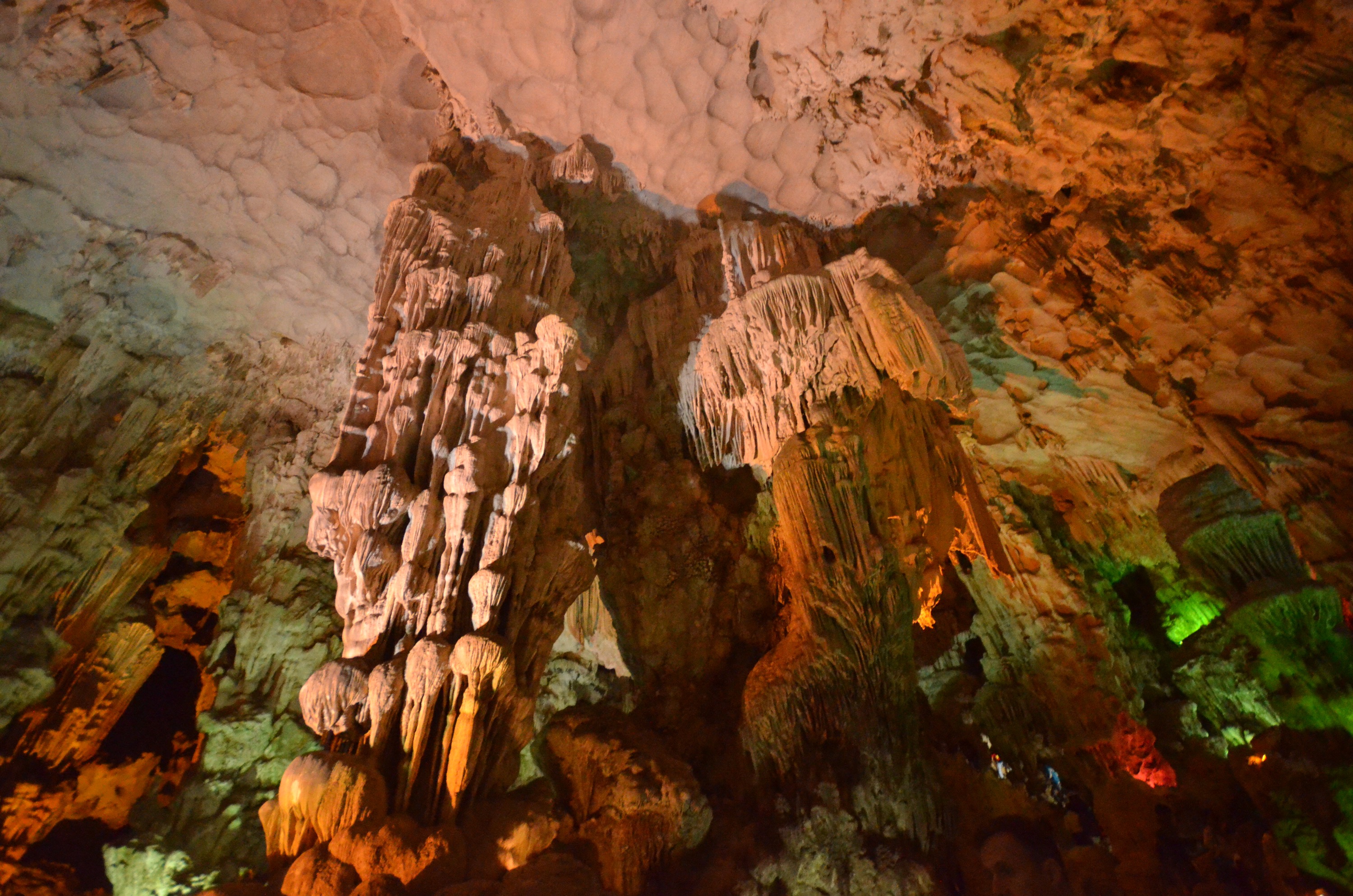
Our boat pulled into a little fishing village where we kayaked in a small bay area that connects to a couple saltwater pools via caves. After half an hour of paddling around, we made our way back to the dock in time to board the big boat again and go around the bay to a cave system that has been altered to hike through. The cave system is dressed with bright coloured lights that were put in to help show the contrast of the many layers of stalagmites and stalactites. One addition included a fountain in an existing pool. It was fun, beautiful, interesting, and no extraneous training was required to visit. But the complaint I heard most was it “looked like Ariels grotto at Disney world”, a bit cartoonish, and not authentic. In my opinion, it was an amazing day trip for less than $50. I would recommend it.


Da Nang

image

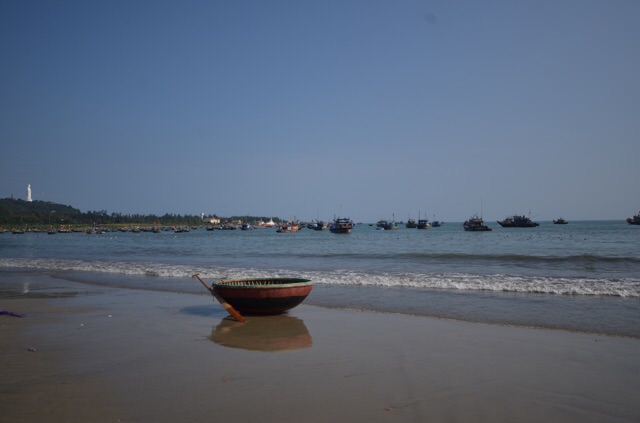
After Hanoi, we travelled to Da Nang. Da Nang has a slower pace than either Hanoi or Ho Chi Minh City /Saigon. With a beautiful river walk that exhibits local sculptures in a permanent art display, and the “dragon” bridge that shoots fire out of its mouth on the weekends, Da Nang is an amazing modern city to visit.


Hue

image

A day trip from Da Nang can land you in Hue (pronounced “way”), a wonderfully small tourist town. If you ever thought about getting something tailor made, this is the place to do it. The town is seaside, so the local specialty is oysters, and the seafood in the area is fresh from the boat.

After Da Nang, the field school was over. It was time to part ways with most of our classmates. My two companions and I went south to Saigon where we started our tour through the south of South East Asia with GAdventures.