Tag Archives: Gap Year

Hakuna Matata: Zanzibar

An early morning shuttle took us to the Airport where we hopped onto a larger prop plane, headed to Zanzibar. The seatback magazine recipe for a shrimp dish kept me entertained while my seat mate took photos from their window seat.
I had packed my camera and lenses in my day pack, nestled at my feet and was able to get a couple photos with the help of my seat mate, and looked out over mainland Africa one last time before the attendant gave me my mango juice and cashews. (Definitely felt like a step up from tomato juice and peanuts.)

Our arrival into Stonetown, my group descended the staircase and crossed the tarmac into the terminal. My bag came off the carousel when rounding the conveyor corner, landing with a loud THUD. I counted my lucky stars that I transfer my lenses to my small pack for flights.

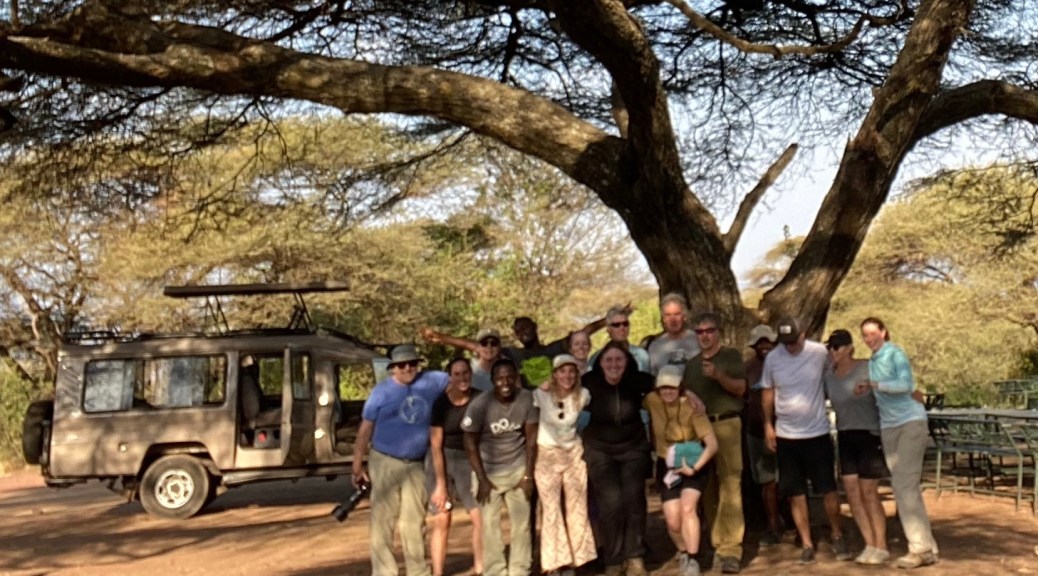
Outside the airport we joined up with another GAdventures group that had just finished climbing Kilimanjaro, and bypassed the safari segment that the crew who continued with me had done. Our trip had departed a few good people, and gained a few more. By the end of the trip I counted up that I had made 20 new acquaintances from 7 countries, and from the US from 4 other states. Talking with my guides, they both said that one of the reasons they love their jobs is the very different people they get to meet from all over, and getting to show people their little corner of the world.

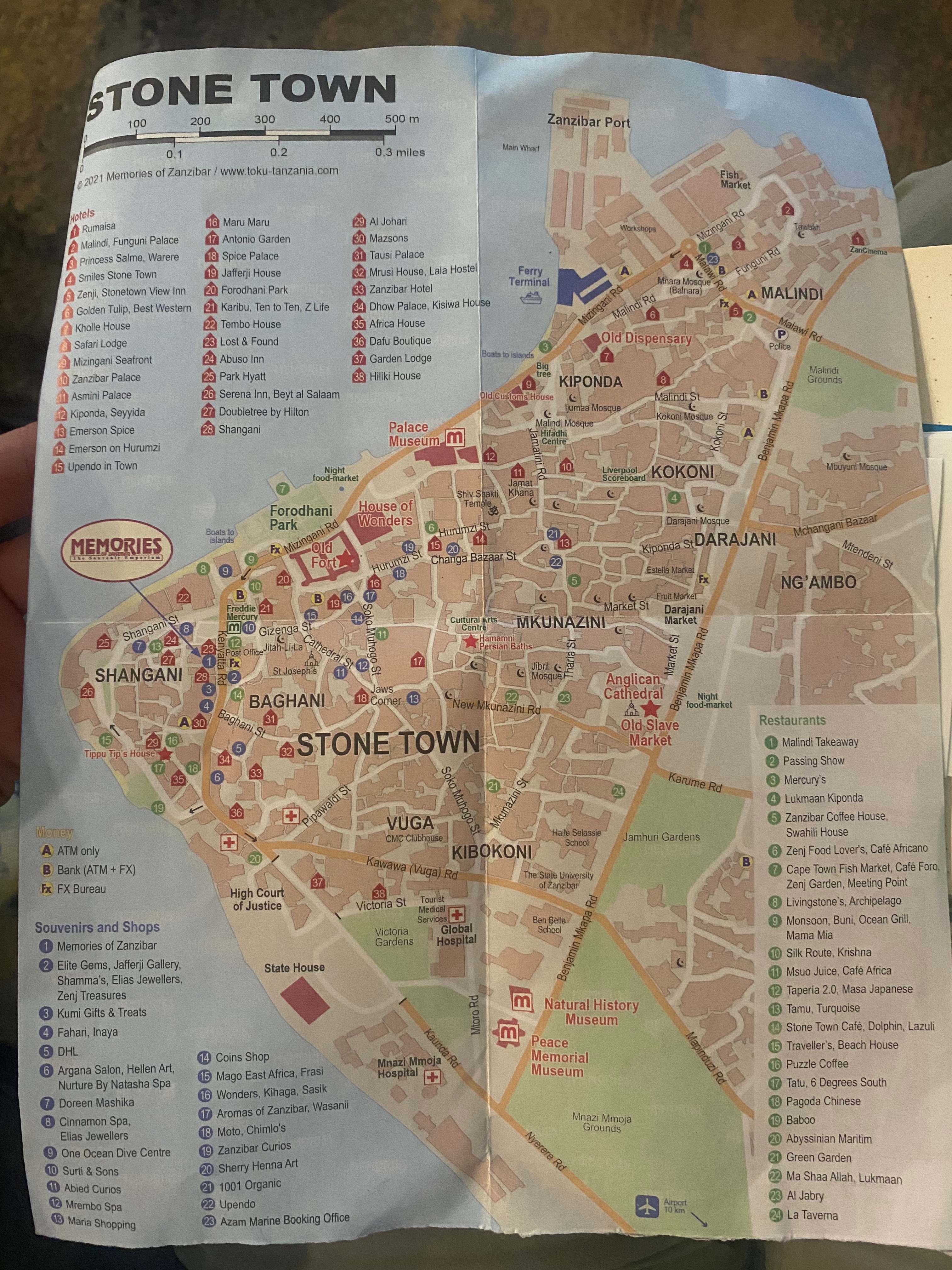
Our next guide for this portion of the trip, Kombi, loaded us up into a bus and headed into the city to our first nights accomodation: The Spice Palace. To get to our hotel, the bus cannot make it down any streets in the main city. The narrow streets being from long before car transportation was a consideration in building plans. We loaded all of our bags onto a wooden cart, making a towering mound of all the luggage. A smaller older gentleman who approached and loaded it began to pull it down the alleys. We follow, stopping at the stairs at the front of our hotel, each of us claiming our bag and beginning the check in process.

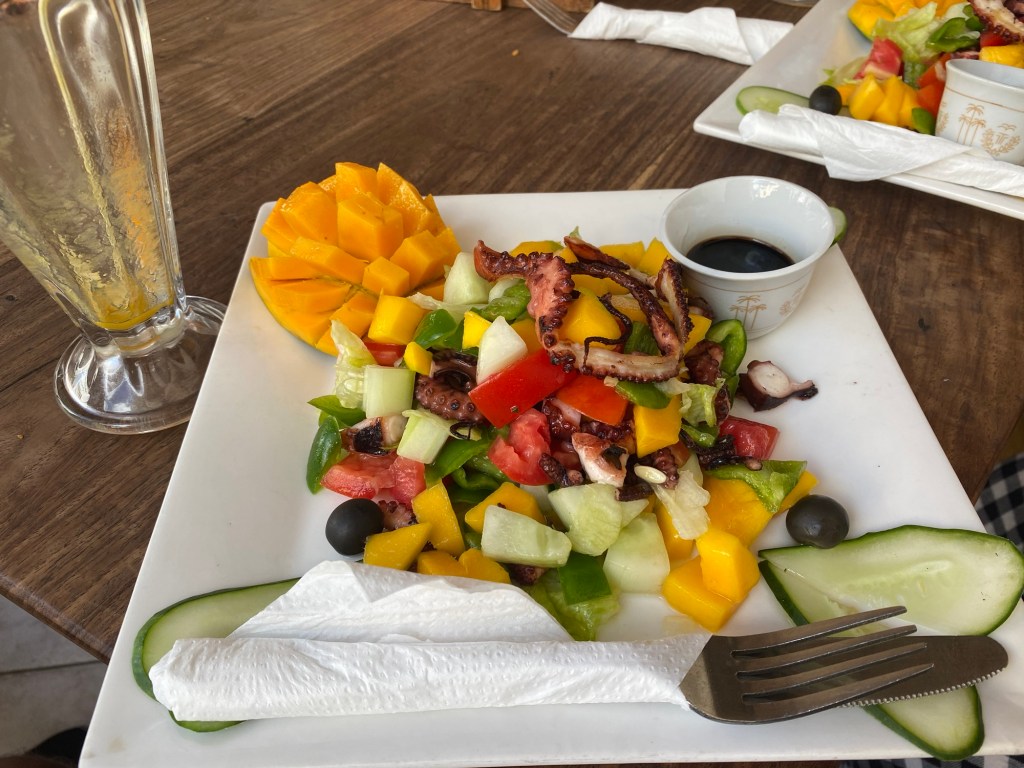
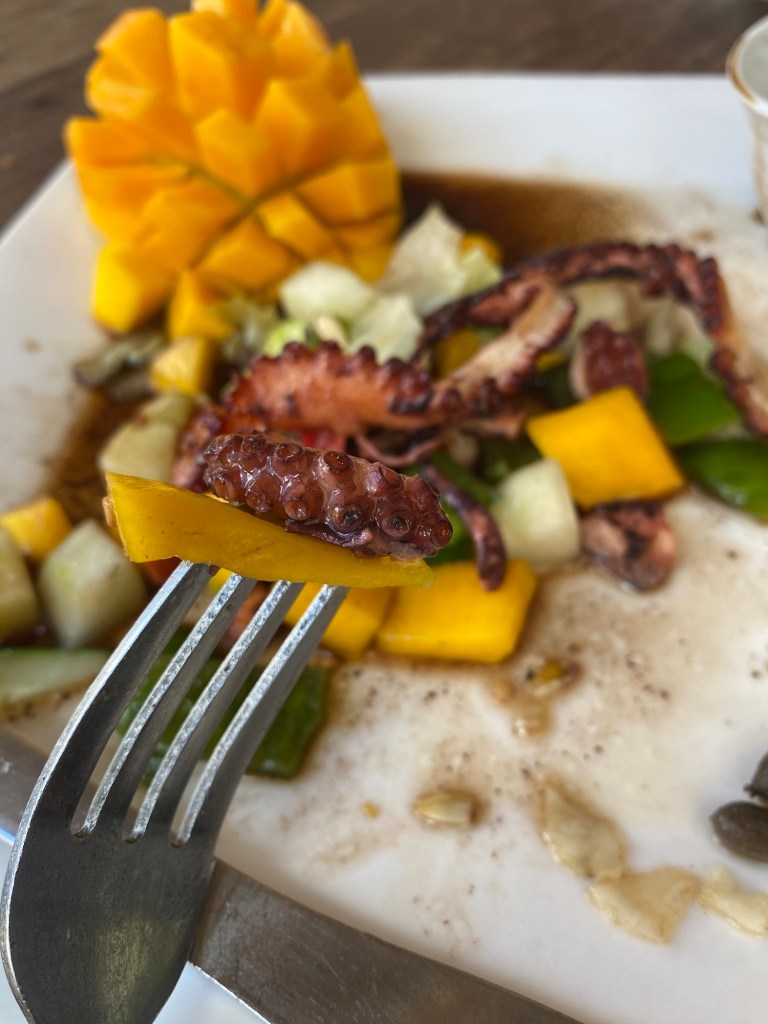
After dropping bags in our rooms, there our group gathered and made our way to lunch at a nice little place near the beach, The Silk Route. The first thing we noticed was how friendly the stray cats were to tourists. No doubt having their share of seafood from the tourists who take pity on the creatures. To that end, Its safe to say that Zanzibar probably doesn’t have a rodent problem.

After lunch we went to the historic slave market museum. Stonetown had been the major slave trade port for Arab controlled East Africa. on the historic grounds they had the ‘whipping tree’ which had been cut down, and over its place a church was built, a circle on the floor where the tree used to stand. The displays in the museum showing the evolution of the slave market, and the original holding cells for the slaves before they were loaded onto ships. It was a somber experience, but one I am glad gets visited and people learn this history.

Sample of one of the displays

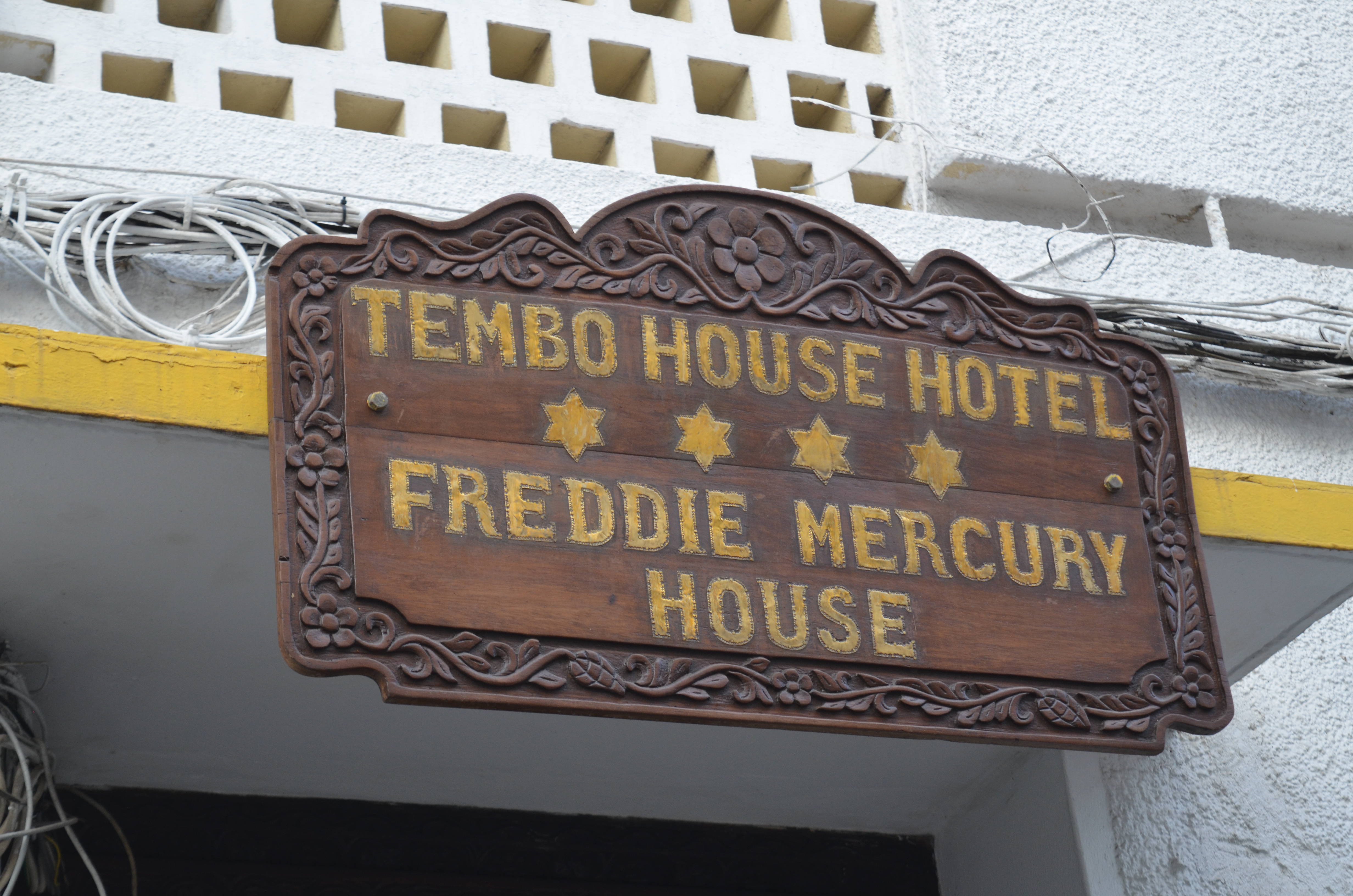
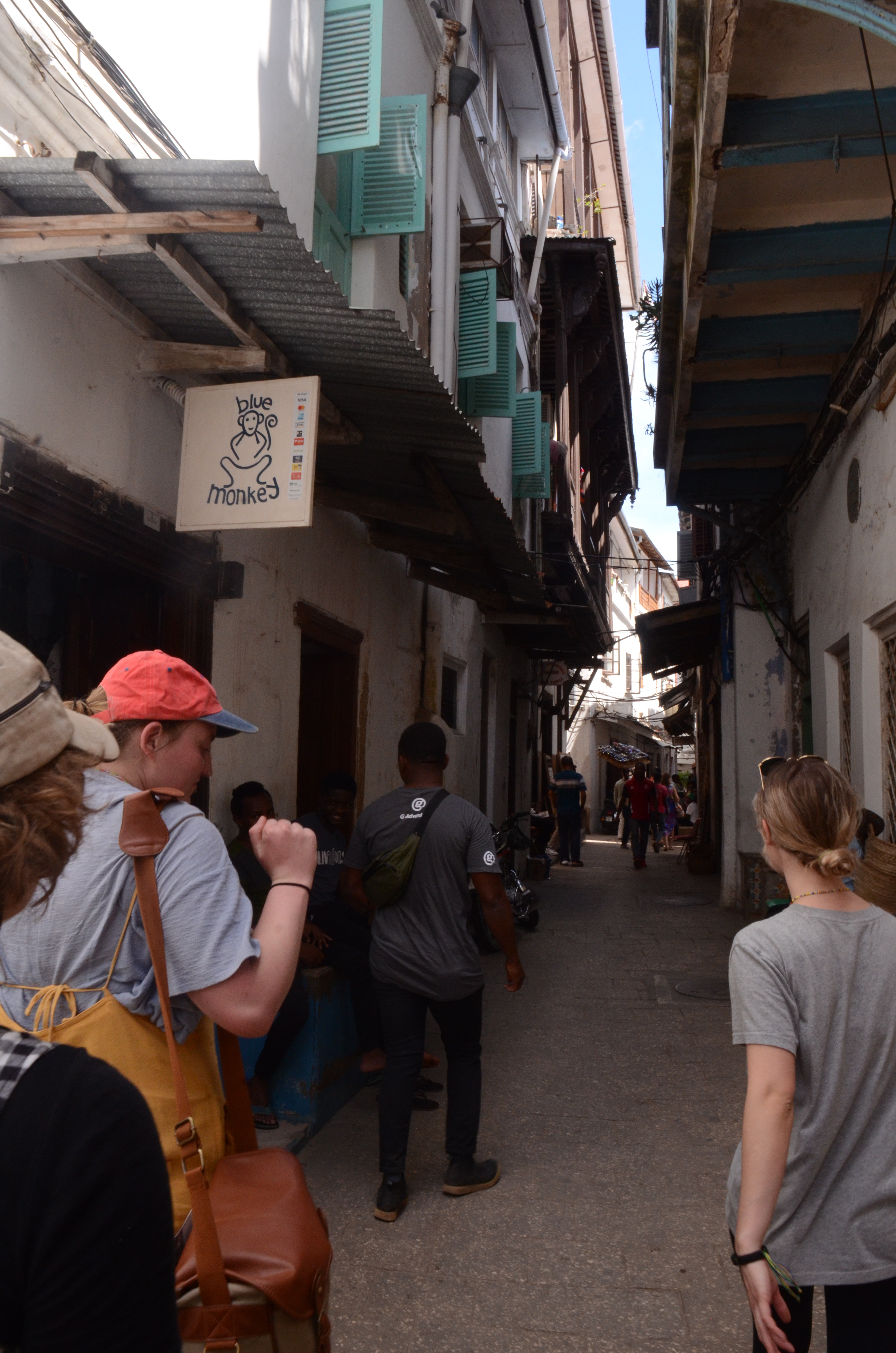
We took a walking tour of the town after, learning about the ties of stone town to Queens’ Freddie Mercury, the town even hosting the Freddie Mercury Museum. A group of kids down at the sea wall were filming jumping into the bay with poster boards reading ” Welcome to Zanzibar!”, shouting ‘HAKUNA MATATA!’ and ‘WAKANDA FOREVER!’ We continued down the narrow ally ways, where doors are adorned with large spikes. The reason? People who moved into these areas were from India and would have spikes on the door to keep elephants from barging in. When they moved to this city, with streets far too narrow for elephants to ever pose a risk, the style of door came along anyway.

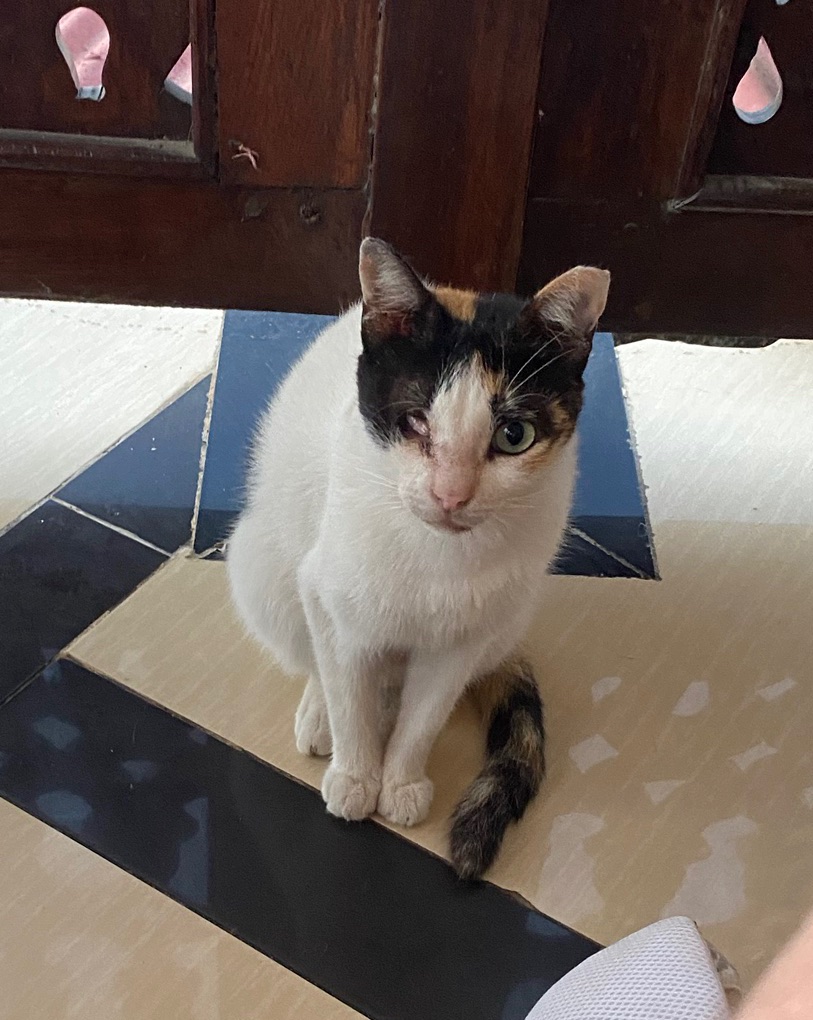
Back at the hotel, I joined the Canadians and the Aussies for a drink at the rooftop bar. The resident stray coming up when I notice he was underdeveloped and was missing an eye. My own cat at home being massive and named Sully after the Monsters Inc character, I felt it was only fitting to nickname this little guy Mike Wazowski.

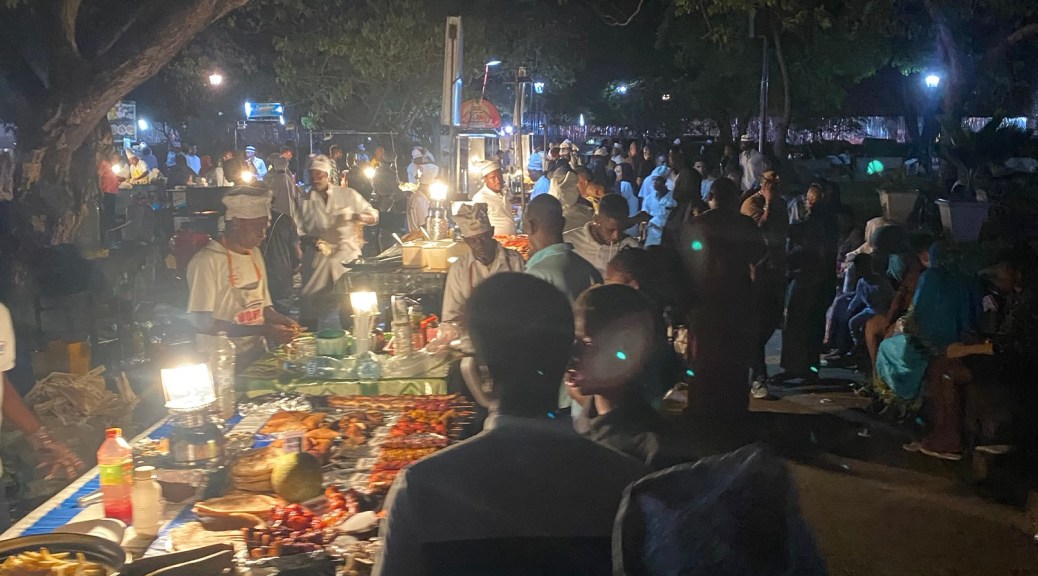
That night we all ventured off for the night markets, which was a bustling scene of food vendors and people. Our guide recommended certain foods we could try if we were feeling adventurous, but warned against others as it’s ‘laid out’ a few westerners.

Finishing up at the Freddie Mercury Bar, we dined and drank and listened to some wonderful local live music before making our way back to our hotel.

Next Time: Visiting a Spice Plantation, given the royal treatment, and get to visit my first resort.

Back to Humans: Planeterra Project and Arusha Day Tour

We left Ngorongoro early morning, the night having been warmer than I anticipated (having prepared to be cold). I had brought body warmers, large versions of hand warmers you use for skiing, and having had warmer nights in the Serengeti, I had a couple that I was able to use that night.

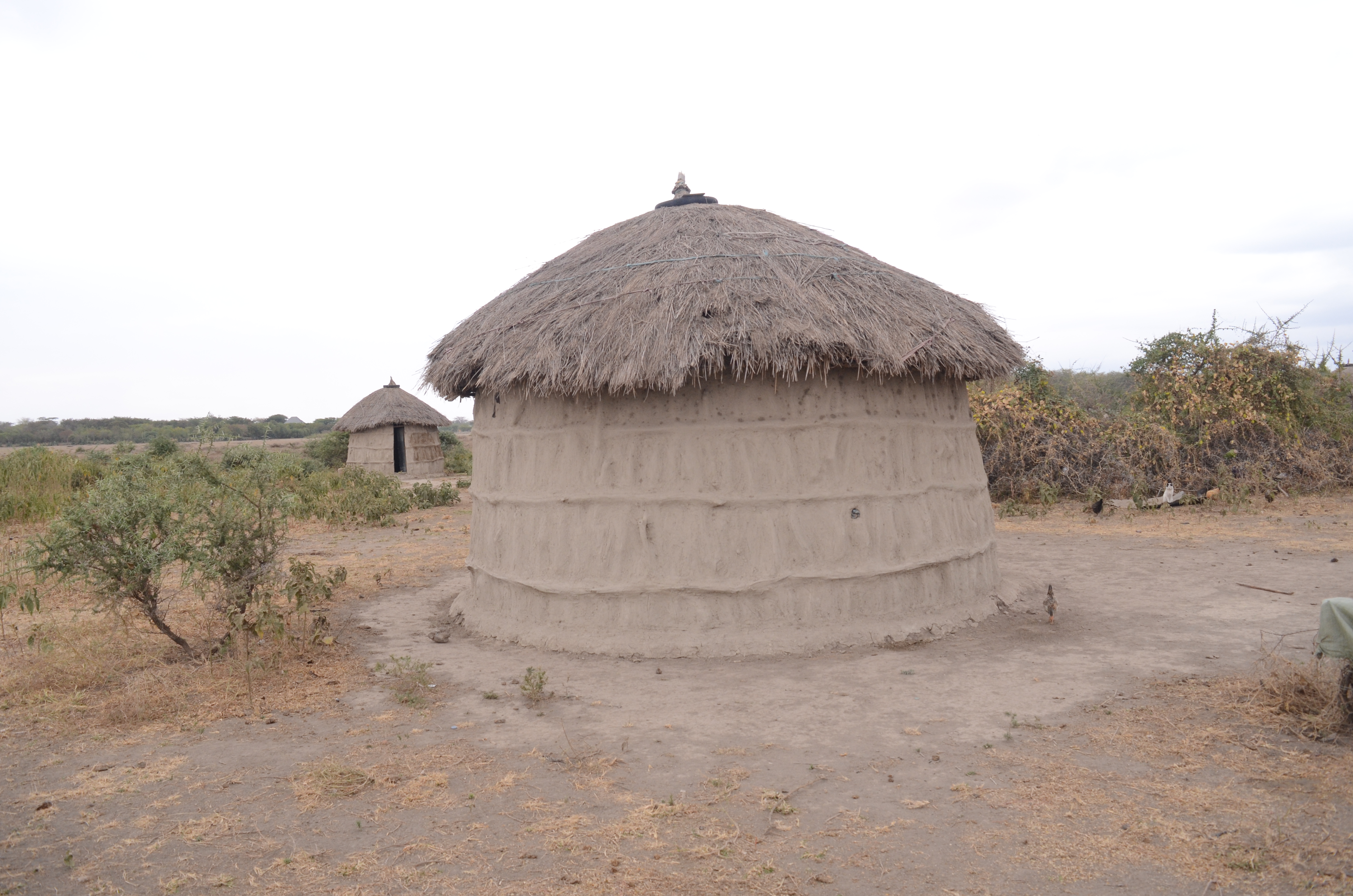
We took a break on our long drive back to Arusha at a small Masai village that is the the current site of the ongoing Planeterra Project.

One of the reasons I really like traveling with GAdventures is that they try to leave the places they (and their groups) visit better than they found it. One of these is their ripple score (how much of the funds from your tour goes back into the local community), and another is Planeterra, their foundation to make the world a bit better.

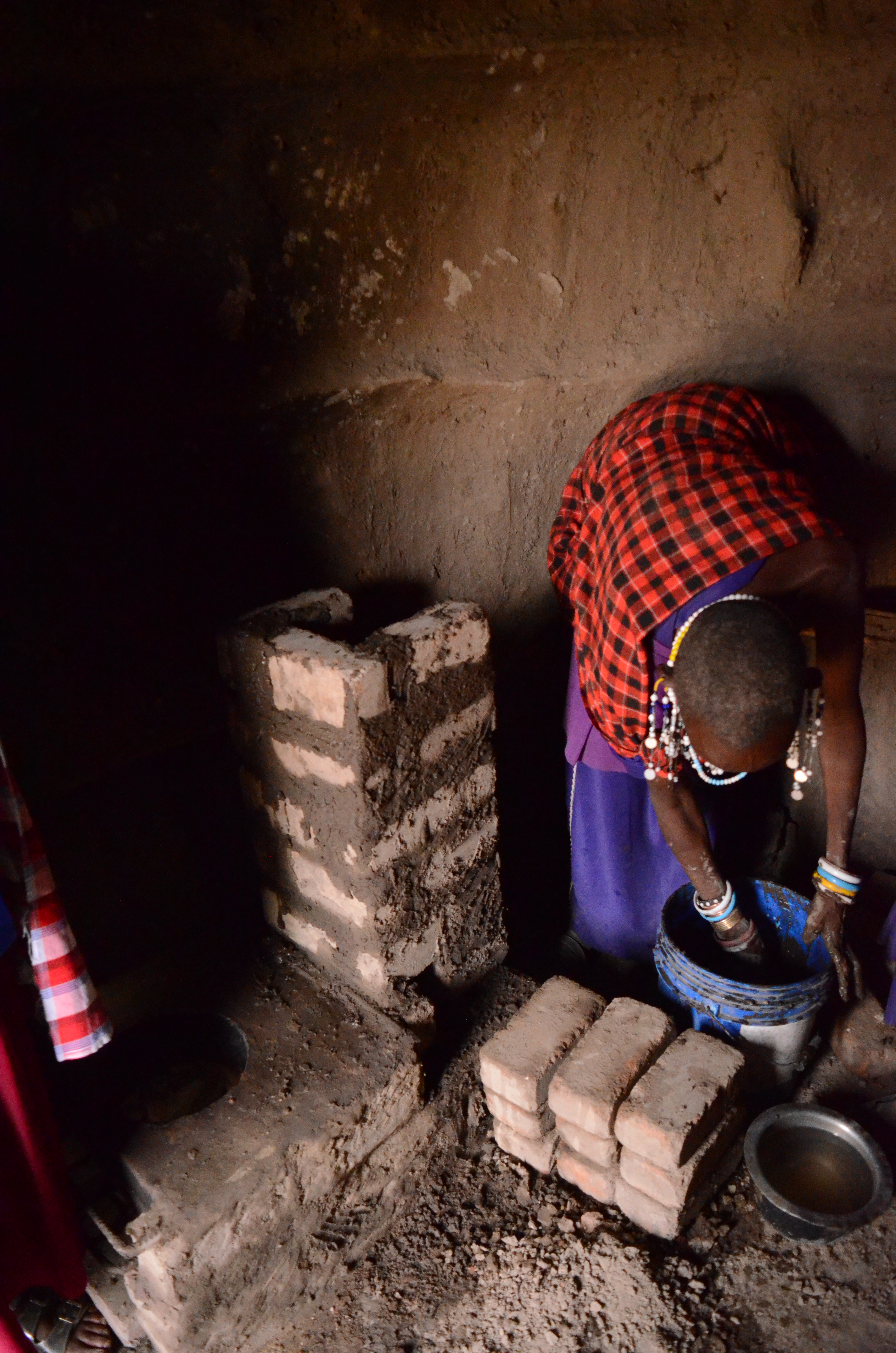
The Planeterra Clean Stove the women who are primary caretakers of their family and need a job are trained as engineers for in-home stove and chimney construction. In Masai communities, women are primarily tasked with the cooking, and it is all done over open flame inside the mud hut structure homes. Because of this, women usually have lung related illness from the lack of ventilation and ongoing exposure to smoke. With the construction of the stove with chimney, smoke is funneled outside keeping the living areas of their homes with better air quality.

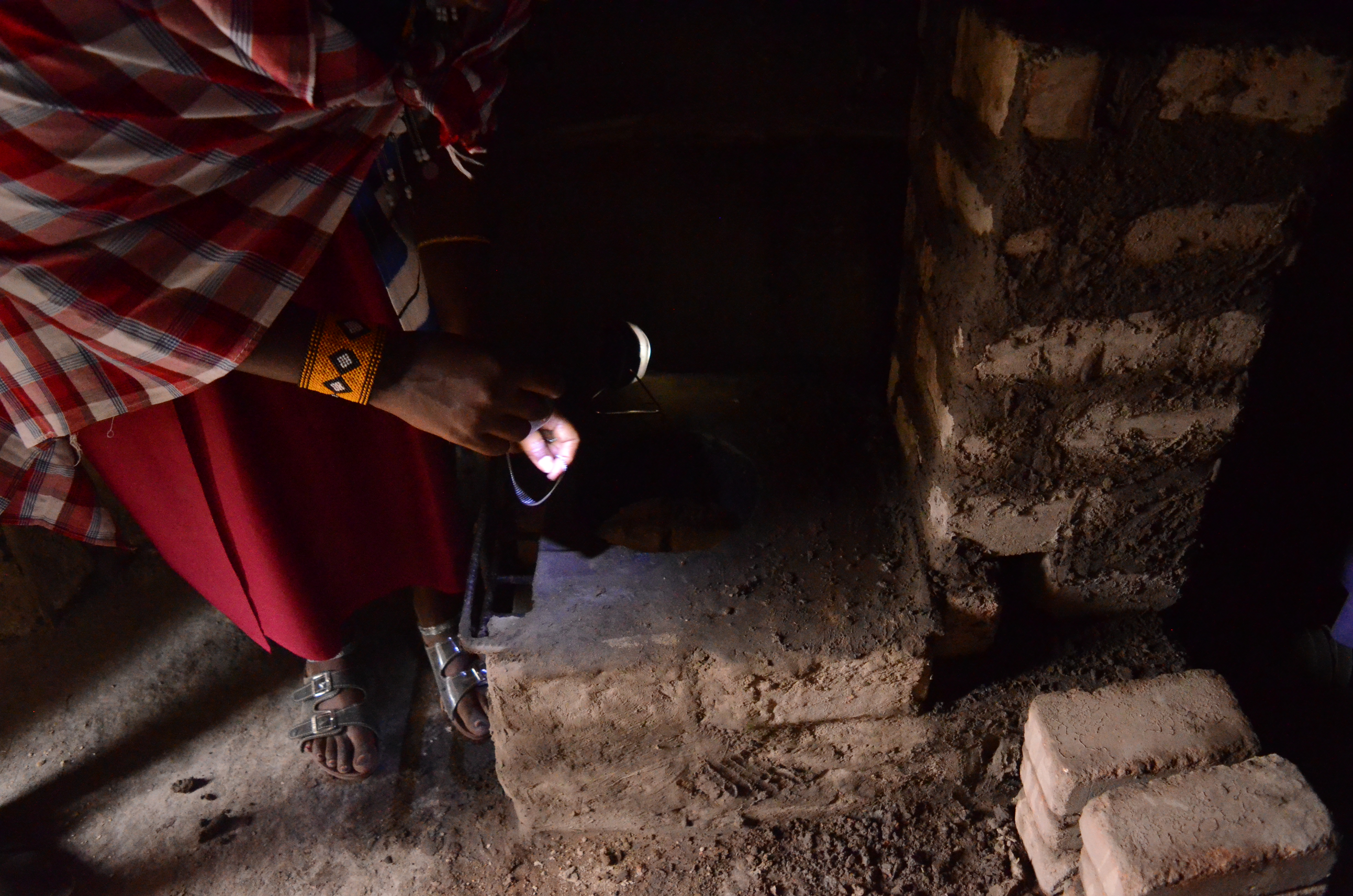
The first home that we got to see had a traditional stove, with open flame cooking. The air was so thick it had a texture. The next house had 3 women actively building a chimney. The hand made bricks being layered and mortared into place by hand. The ladies working in an assembly line, the stove being put together quickly. The last house that we got to tour had a completed stove and was impressively efficient.

These ladies were so gracious to let our group see this project in action in their homes. We learned that as of our tour the clean stove project had successfully completed 3000 stoves across Masai villages through Tanzania.

That night we got back to our Arusha accommodation, where some of our party opted for laundry service, (warning, it takes a while) while I opted to had wash my few things in the bathroom sink. I highly recommend detergent sheets cut down to fit in an tin mint container. Depending on how gnarly your clothes get, you can always add more sheets. I had to use a few, as everything from my convertible pants to my undies were caked in the dust of the Serengeti.

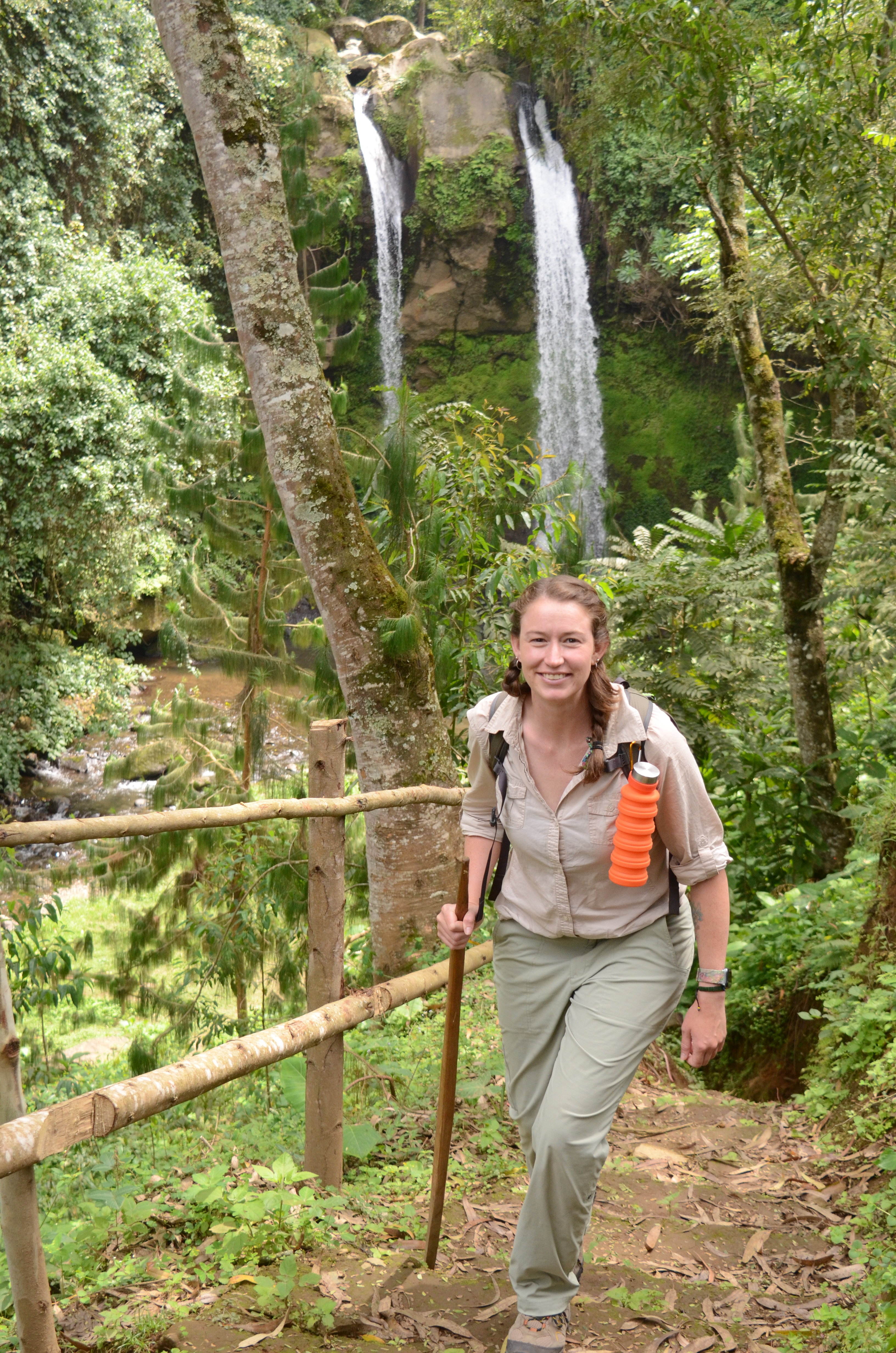
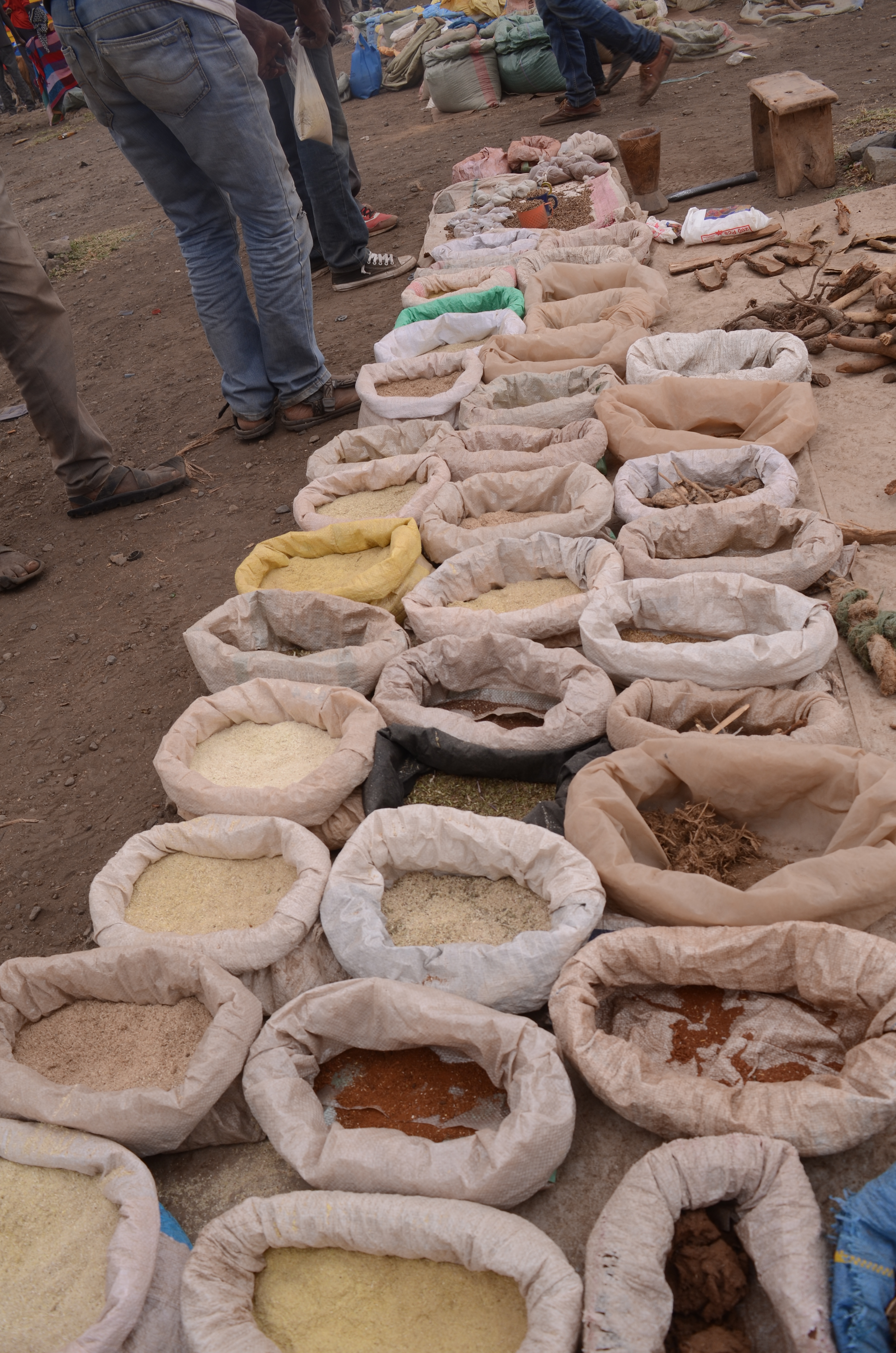
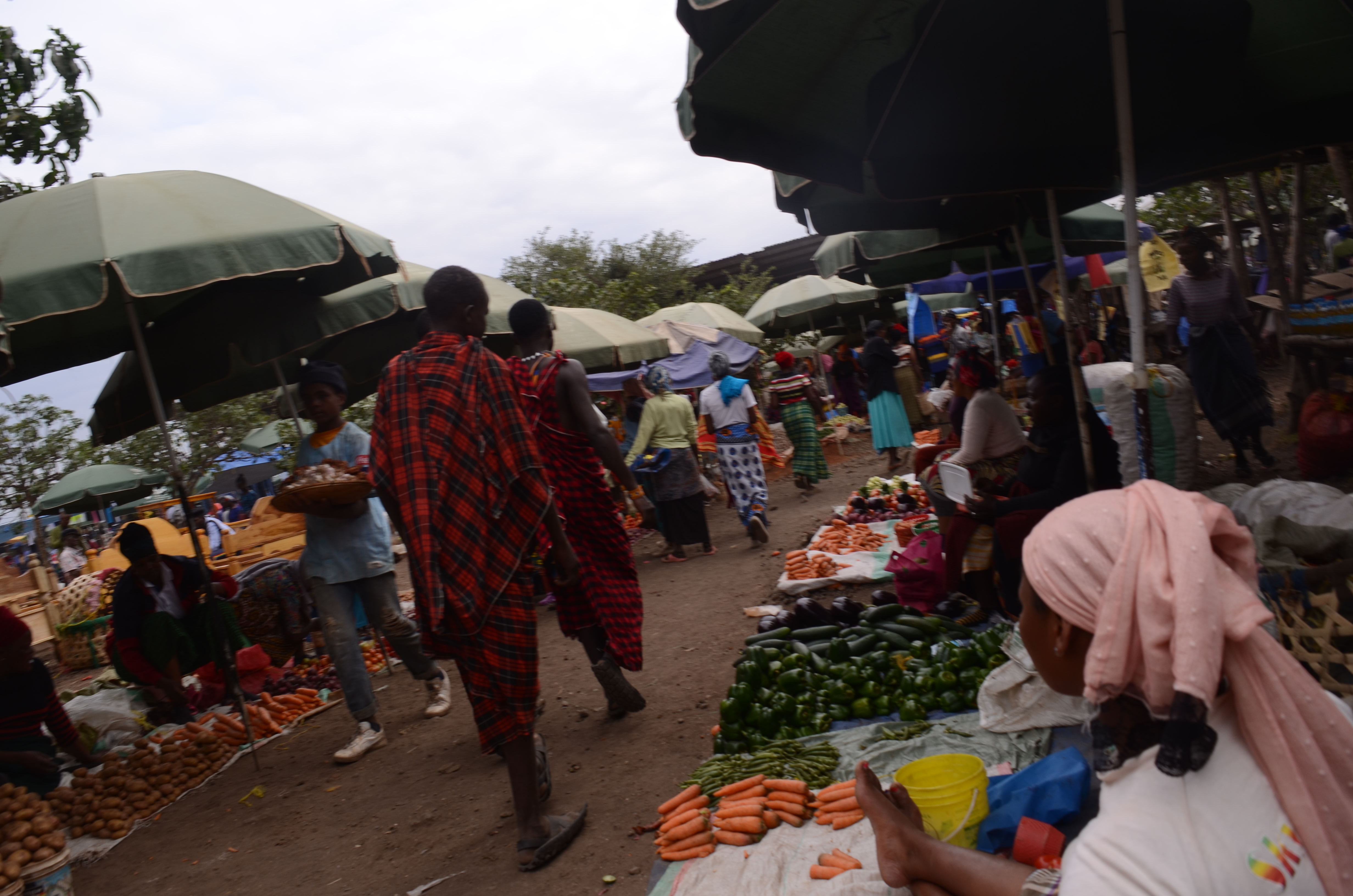
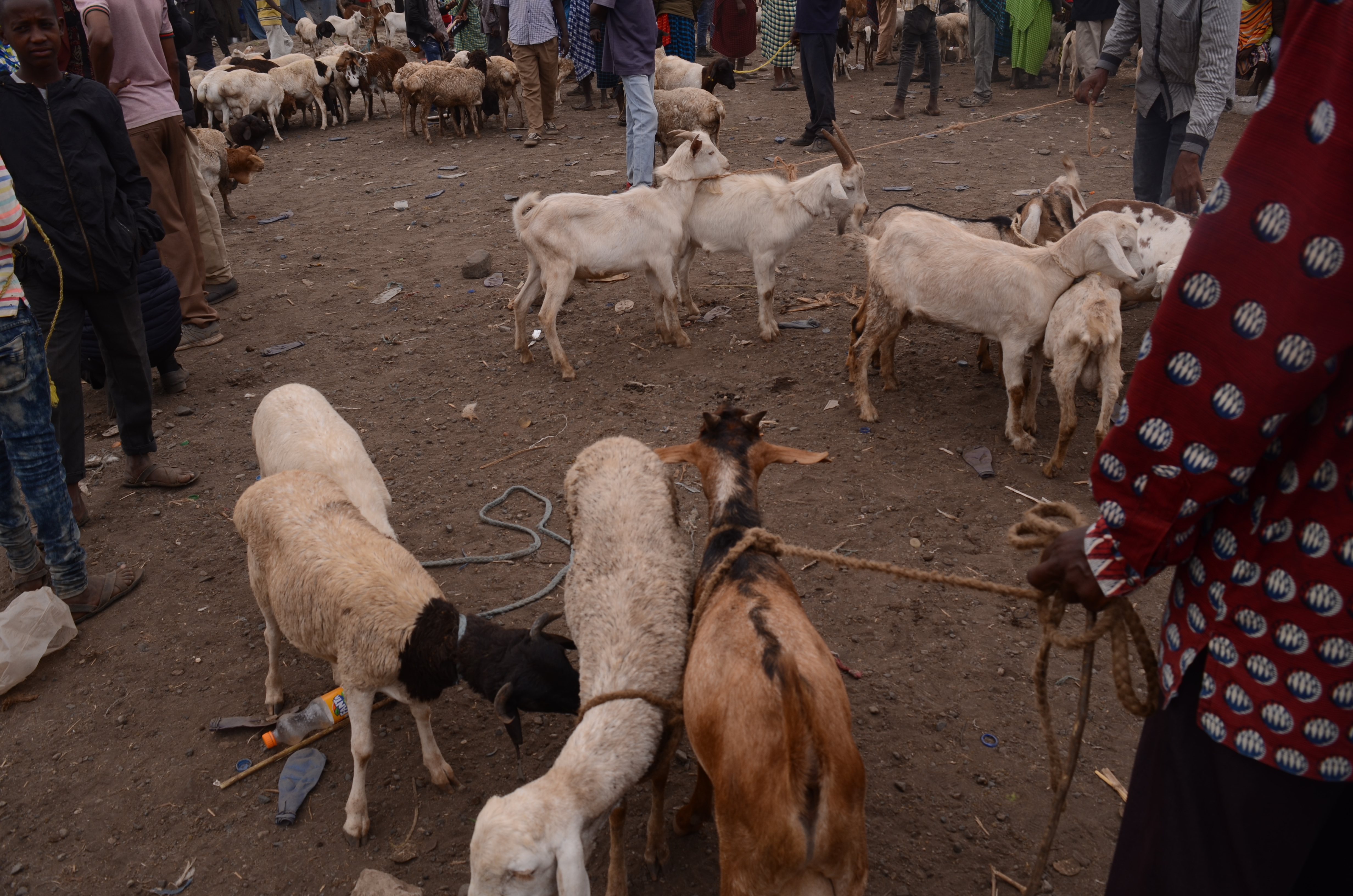
The next morning I had the opportunity to do a tour of the city of Arusha, do a hike to a waterfall, and see some local markets. Those who know me know that I live for sunsets and waterfalls. Of course I was going on the tour!

On the tour we stopped at another Art co-op where I was able to practice my haggling on my gifts for everyone back home. Once everything was wrapped up to bring home, I noticed that I was the last one in the shop of my group. I duck outside where our ride awaited for going to the waterfall.

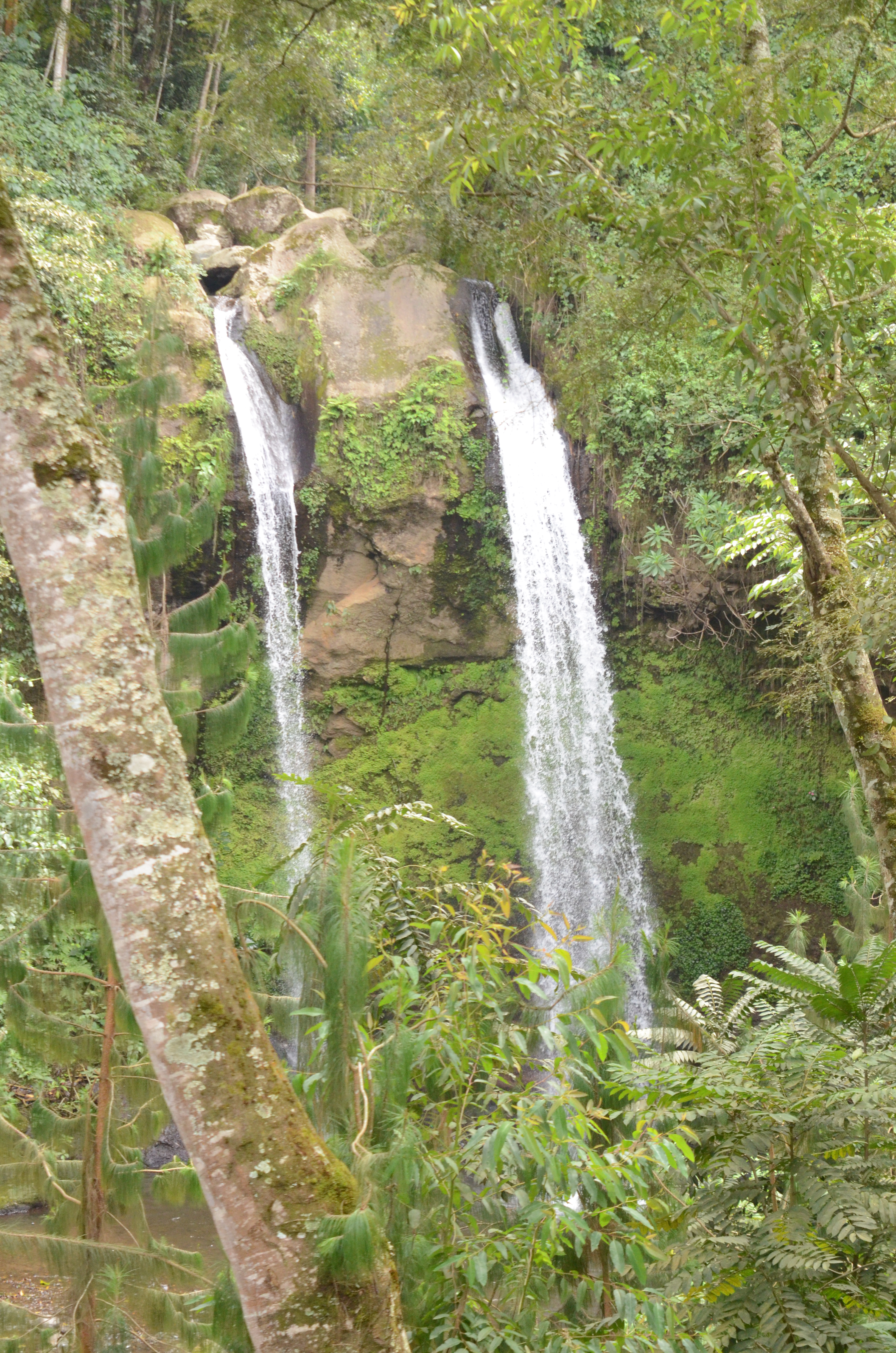
We drove outside of town, to a residence were we parked the car and our guide, John, knew the people who’s property the waterfall was on. As a working farm, different local crops were labeled in Swahili as we worked our way down the slicked dirt paths to what I would loosely call a grotto. The waterfall pouring into a small pool with an area of ground cover that we explored. John then told me that in the summer rains the waterfall is much larger, and the pool from the grotto takes up the area that we were standing.

Many pictures later and we make our way back to the car. We went to a small local restaurant for lunch, and then made our way to the market.

Remember to ask people before you take their photo. Before I left the US I wrote down translations for the basic questions, but I found “can I take your picture” to be a really refreshing question for many people. Also, I found that I was more interested in taking photos of the scenes, and would hold up my camera over my head and click the shutter. (This is what I call pulling a ‘Zach’ after an amazing photographer I know who can do this and have complete art work every time he does it.)

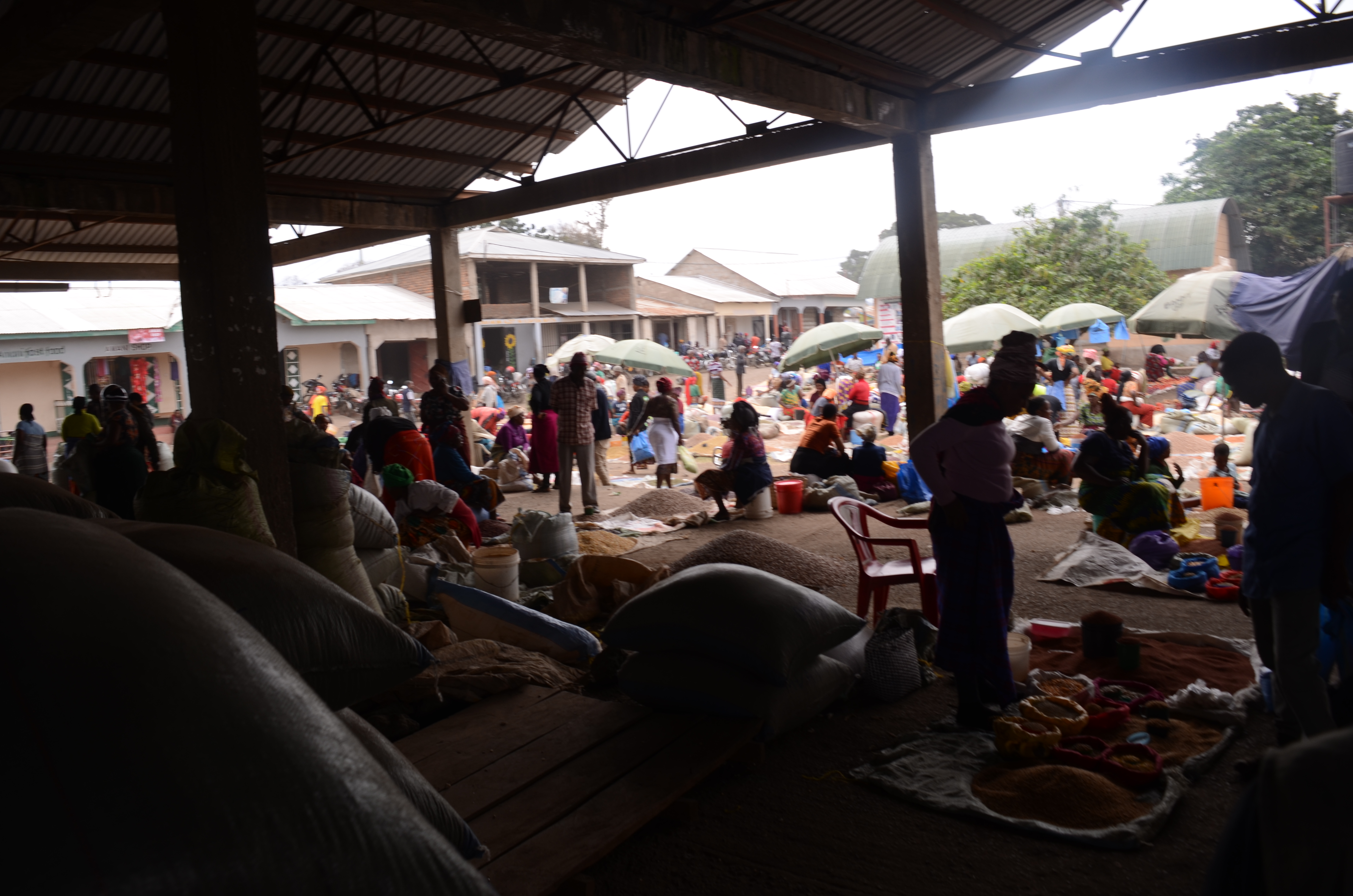
I also put my gopro on my shoulder and walked through the markets, where no one person was the subject, making a really cool insight of what the local markets look like.

Next Time: We fly to Stonetown, Zanzibar, meet new friends, eat amazing seafood, and a few more adventures!

Where the Wild Things Roam: Lake Manyara

The morning started with the sense of adventure. All my camping gear that had been in my check on was redistributed on, in and around my backpack, a blue rain cover providing a small amount of protection from the dust we were told we would be encountering on the way.

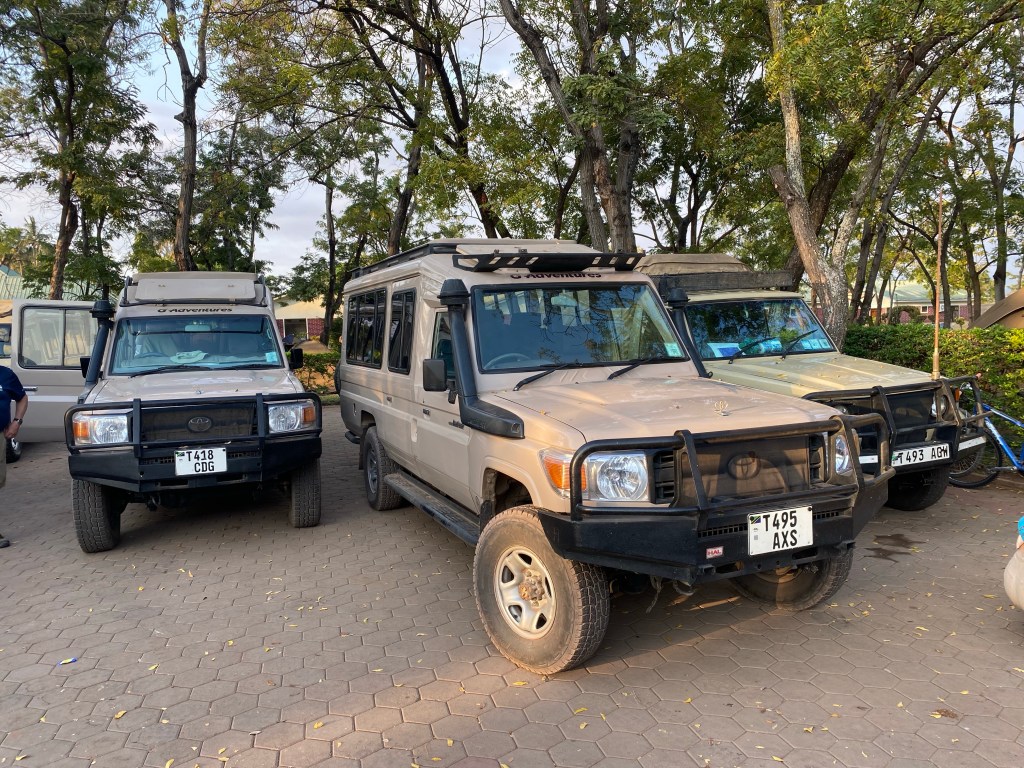
Checking out of the Outpost Lodge, our group convened in the small parking lot where two pop-top safari vehicles waited. Our drivers Valance and George greeted us and helped us load up. We split into two groups and made a quick supply run.

The local grocery had everything we could need for road-trip snacks and we loaded up with water. We were going to be camping and not able to access a lot of water for 5 days, and I figured that my own water amount was about 2 liters a day, and grabbed 3 – 2 liter jugs. My estimate was generous, and I didn’t get into the 3rd jug, but in 20/20 hindsight and a background in search and rescue, I appreciated having it to offer if anyone needed a water bottle refill towards the end of the trip.

Pro Tip: a week or so before traveling try to gauge how much water you drink normally, and then look at how much you drink the first couple days in East Africa. After being there a couple days you should get a good idea of how much water you will need to plan on.

Before setting off from the store, one of my travel companions tried the ATM to get some cash before leaving the city. The ATM ate her card. A few minutes of calling the 1-800 numbers in the states and the assistance of Hamdami in calling the bank of the ATM, and it was worked out that she would be able to pick up her card when we return to Arusha after the safari part of the trip.

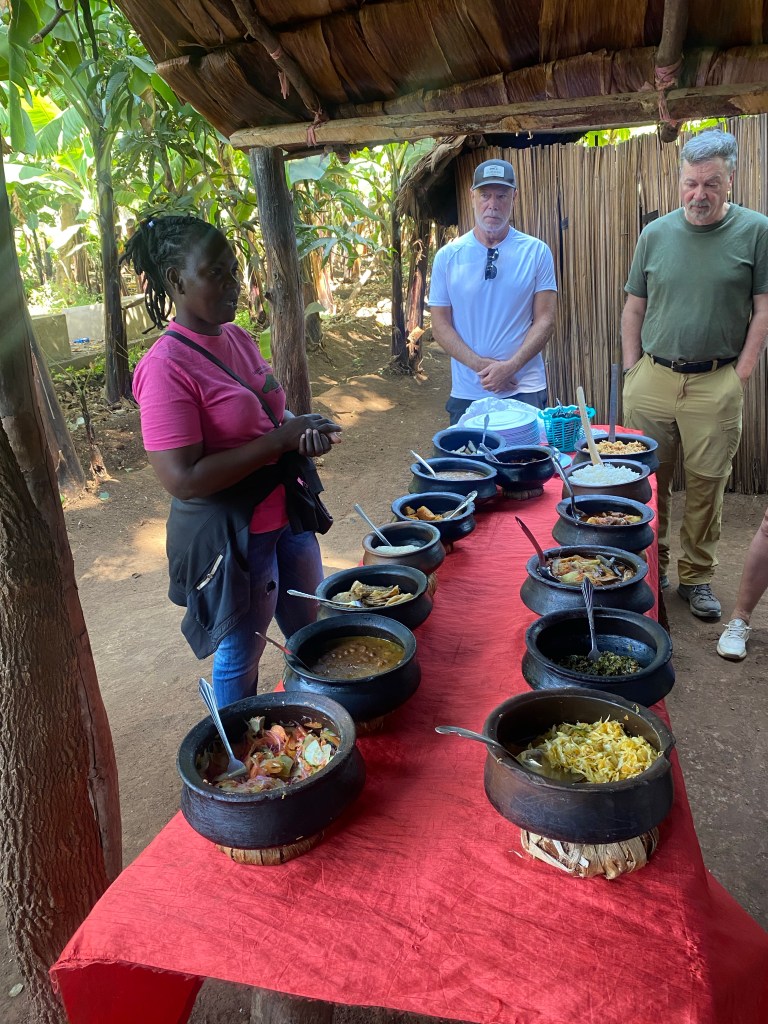
In the village of Mto Wa Mbu we visited a local art co-op, filled with a few artistic styles, and a banana plantation. Here we were treated to a lovely local meal with a diverse spread of flavours and options.

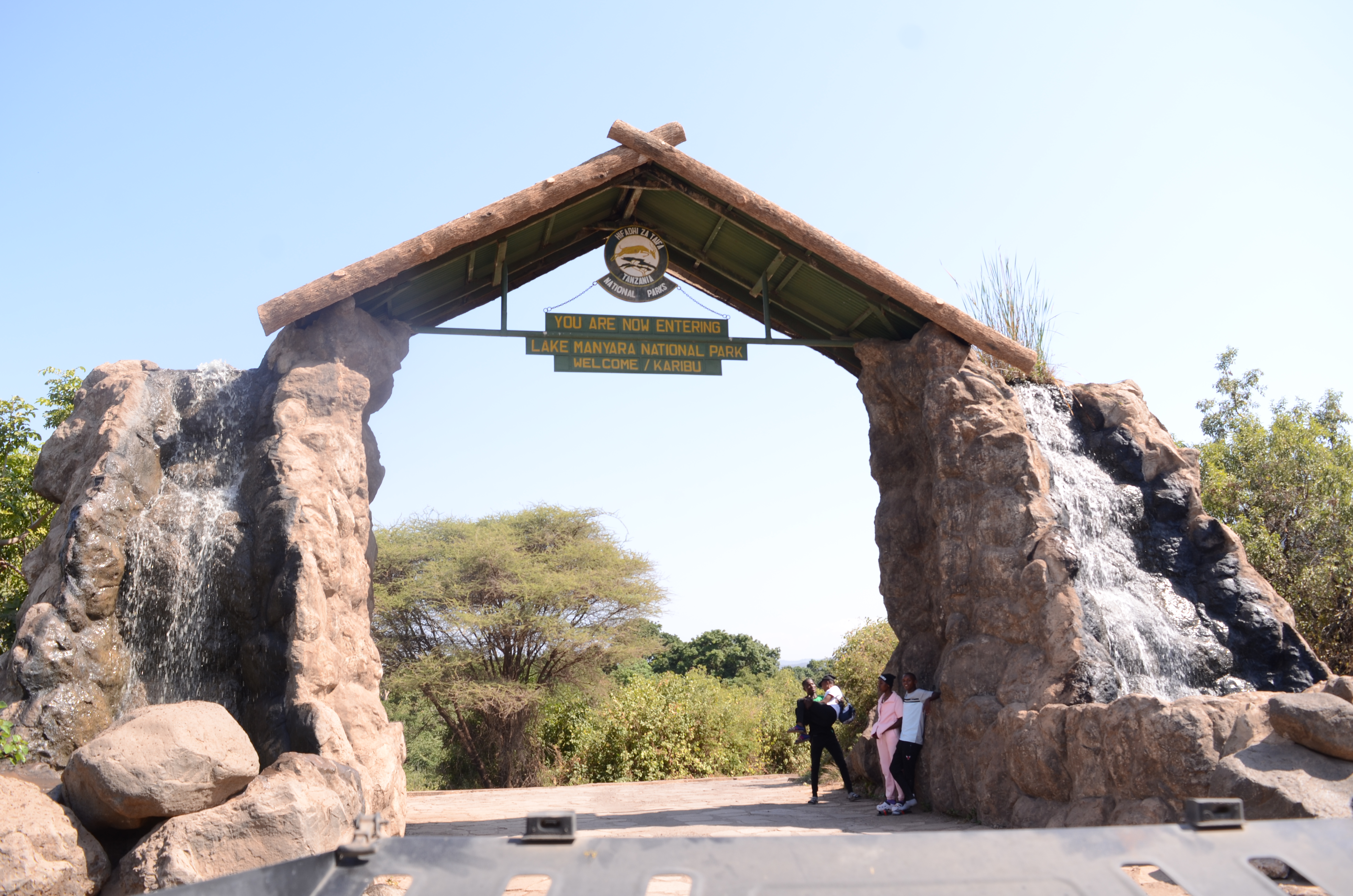
The first day of the trip we went right to Lake Manyara National Park. The entrance way was mesmerising, instantly cueing the Jurrasic Park Theme to come to mind. A magnificent archway supporting two waterfalls.

Just outside Mto Wa Mbu is Lake Manyara. Home of tree climbing lions. Though we didn’t see lions on this portion of safari, we did get an amazing experience with some of the elephants, who walked right up to, and around, our Safari vehicles.

The myriad of wildlife of the park was a fantastic kickoff to inland Tanzania. The baboons, water buffalo, and a particularly angry Zebra who had it out for a specific group of impala, gave the area a vibrant personality that, when looking back, was so unique. Neither Serengeti nor Ngorongoro Crater, yet somehow still with a sense of familiarity between the two.

While we would be traveling through the park, our supply car would beat us to the campsite and begin setup and cooking. By the time we roll in, dusty and shaken by the bouncy dirt roads, we had a little down time to freshen up and meet at the mess area for dinner.

The Twiga Campsite is a lush, secure, campground within Mto Wa Mbu. Our tents, definitely larger than some of the other groups, were spacious and we could even stand up in them. Not quite ‘glamping’, but to my outdoor experience, not ‘roughing it’ either. I would say this was a very accommodating camping experience for anyone who hasn’t been camping before, or wants the camping trip style, but the tents already set up for them ‘vacation style’. A cold shower and frequent power outages that hit the small camps added to the sense of adventure.

The camp dinners were delicious 3 course meals. Shout out to Saranne, whose birthday it was and the camp crew came out singing a birthday song, equipped with cake, unphased by the power cutting part way through their melody. Power came back, celebrations continued, and it was a wonderful night at the campground.

Before bed I spent some time in the mess area charging my camera gear and batteries. My Nikon D7000 and D500 take the same kind of battery, so having just a couple extra made it easy to switch out. I highly recommend a multi port USB charger for the safari cars, and a usb charger for all electronics, including camera batteries.

The quiet of the camp in the evening and in the early morning was magical. Brushing my teeth I would stop, wide-eyed, realizing the far off sounds of lions roaring and hyenas chattering. This… the sounds, the feeling, of being surrounded by wild. This is what I came for.

Next time….

We journey deeper into the heart of Tanzania, passing through the Ngorongoro Crater conservation area and into Serengeti National Park.

If your interested in seeing some of the posts from one of my guides? Valence has an instagram! his adventures can be followed at @vah_ley_tz

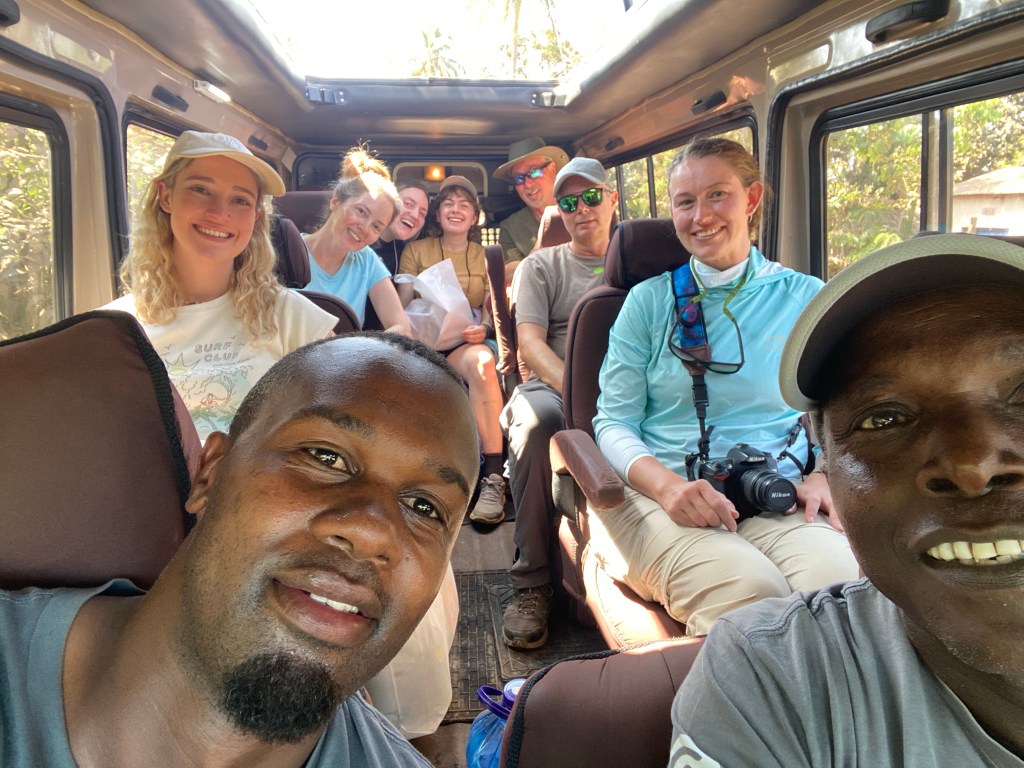
The cool kids!

Time Traveling in Denmark: Roskilde and Lejre

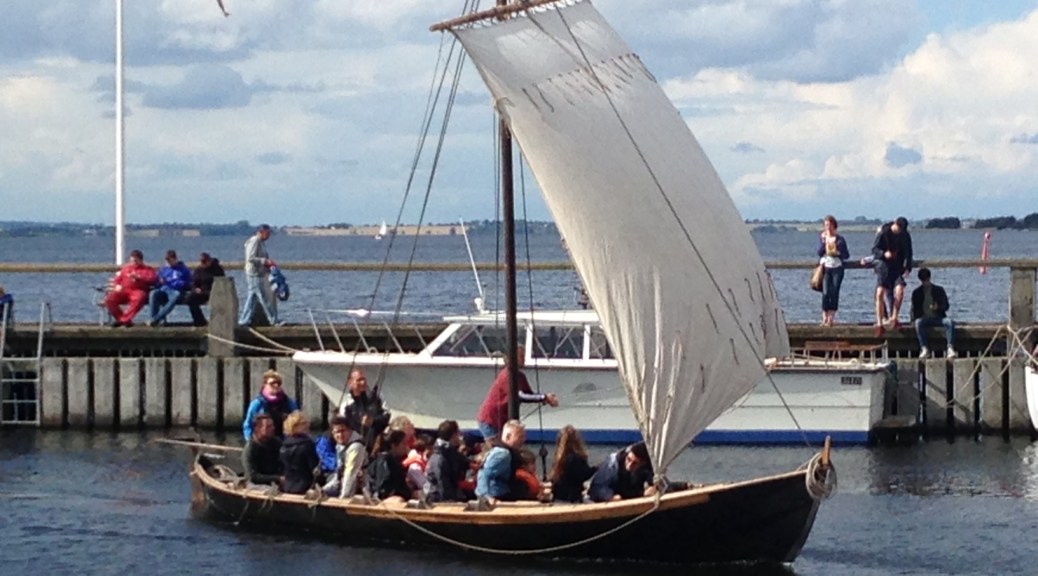
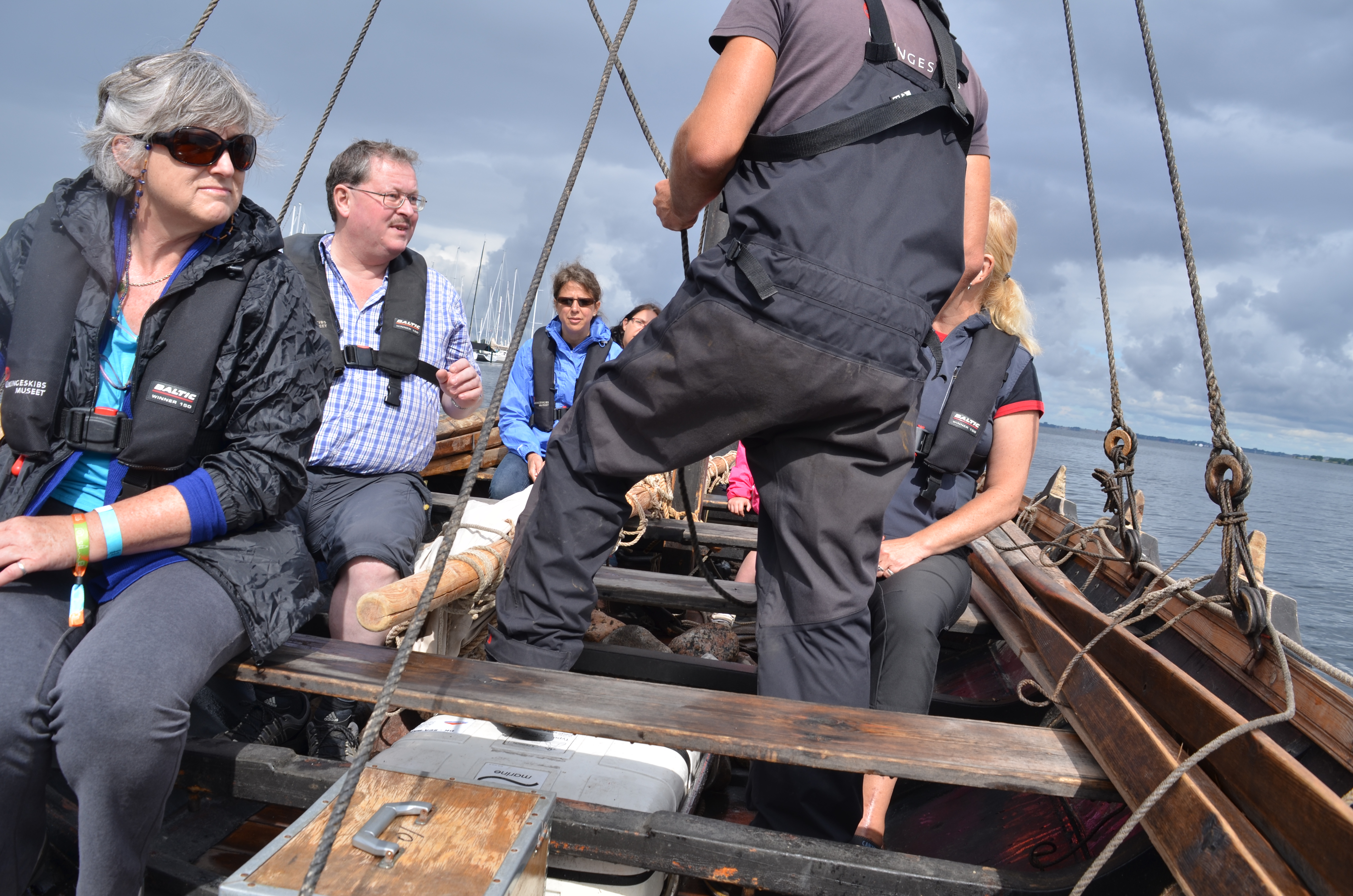
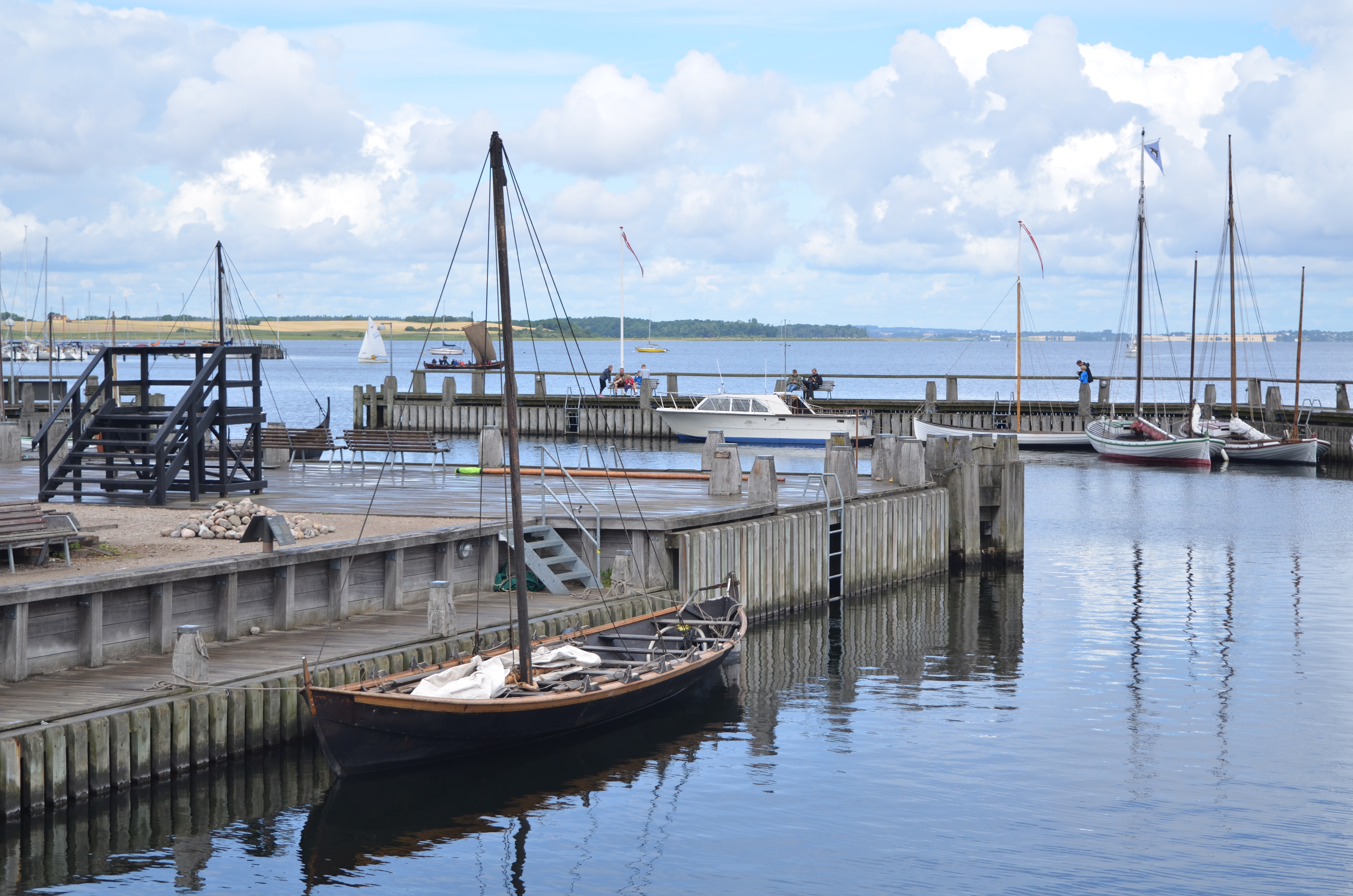
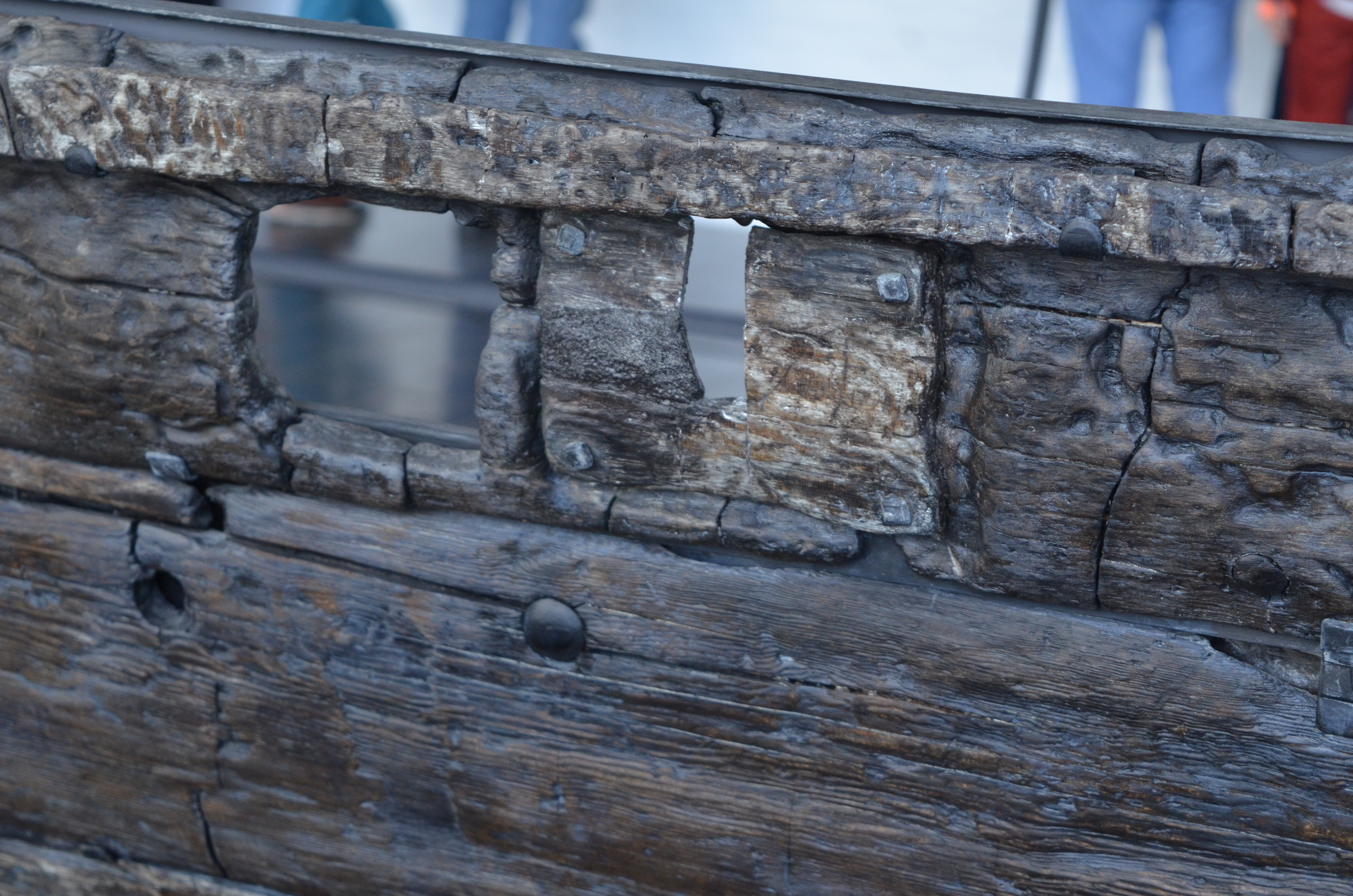
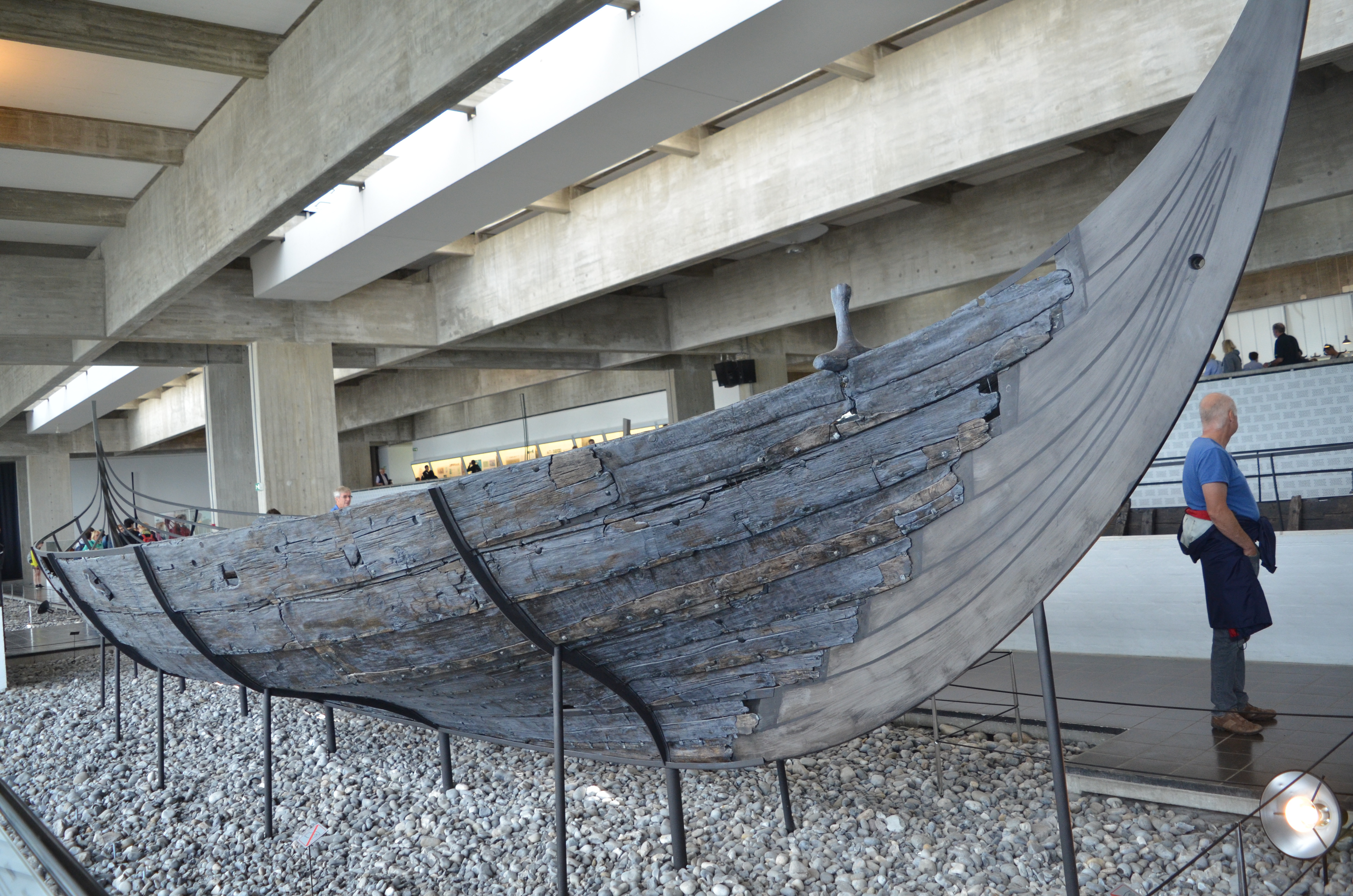
A 30 minute train from Copenhagen brings you to the quite town of Roskilde. It is easy enough to stay at your accommodation in the city and make the day trip, however we found that if we did the trip again, we would have stayed at the Danhostel in Roskide and taken a day trip to Copenhagen. The hostel, which was more of a hotel, is located about a hundred meters from the Viking Maritime Museum. The museum focuses on recreation archaeology, putting the theories about how the ancient mariners ‘did it’ to the test. for 100 danish Krona extra to the Museum ticket you can go for a sail around the fjord in a replica of one of the viking ships that they had discovered at the bottom of the fjord as a defence.

DSC_3535DSC_3537DSC_3541

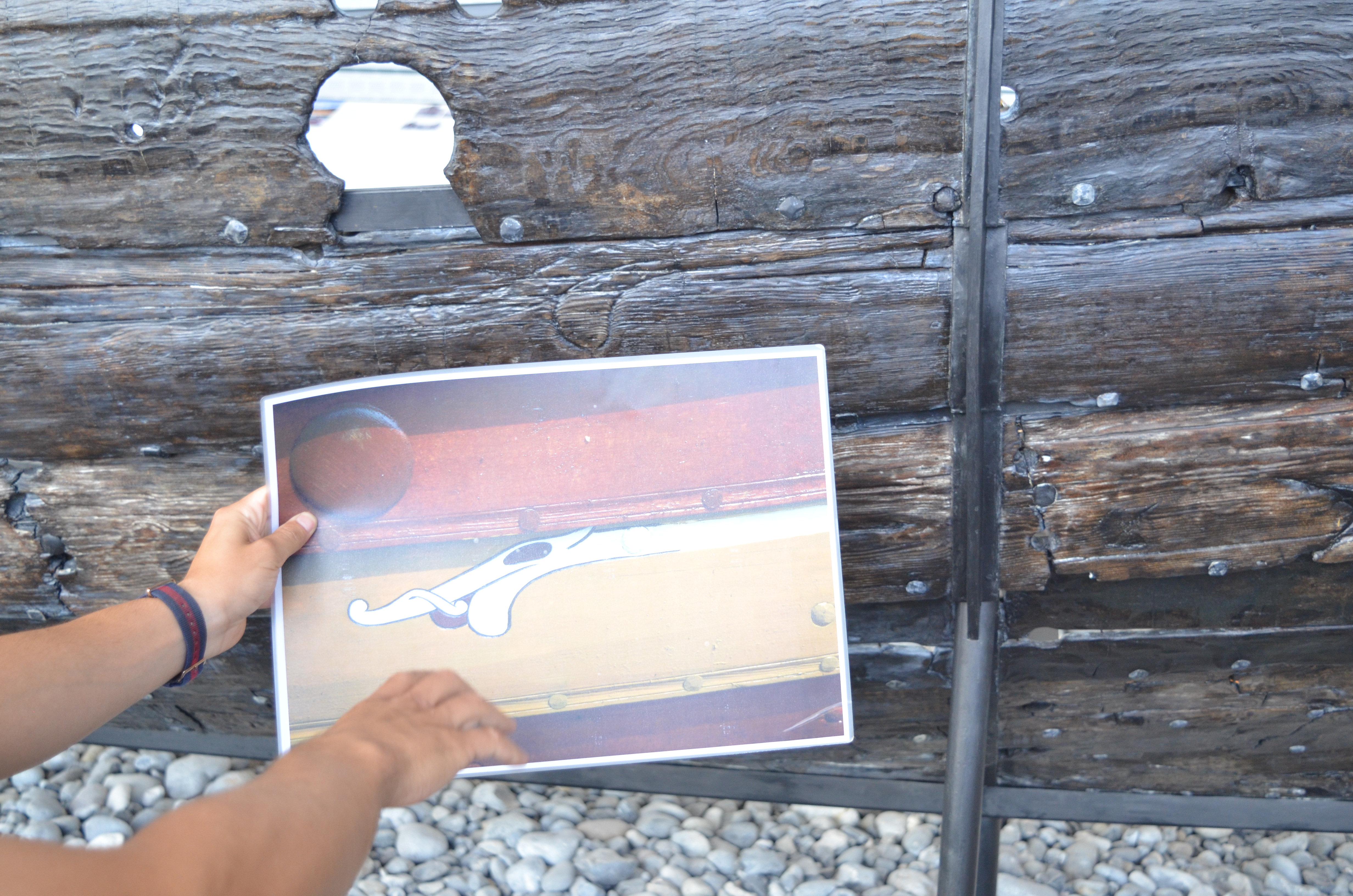
The 5 ships that were discovered had been purposely sunk, theoretically to block the deep and easy passages into the fjord, causing any ‘visitors’ (including attacking ships) to take a more risky route that would require the navigation of a local who knows the waters. The ships were brought up in the 1960’s as a large archaeological project, and were treated and now on display in the museum. (Free guided tours are available in English.) The manmade island where the viking ships sail from also hosts an open air style museum, with blacksmithing, rope making, and even the shipbuilding as in-situe recreation archaeology. In addition, if you want to get your hands dirty, you can chisel runes into a thors hammer pendant, or mint a coin in ‘ye olde’ way with a hammer and minting stamp.  if you want to join the kids table, they even have a wooden shield and sword.

DSC_3563DSC_3555DSC_3561

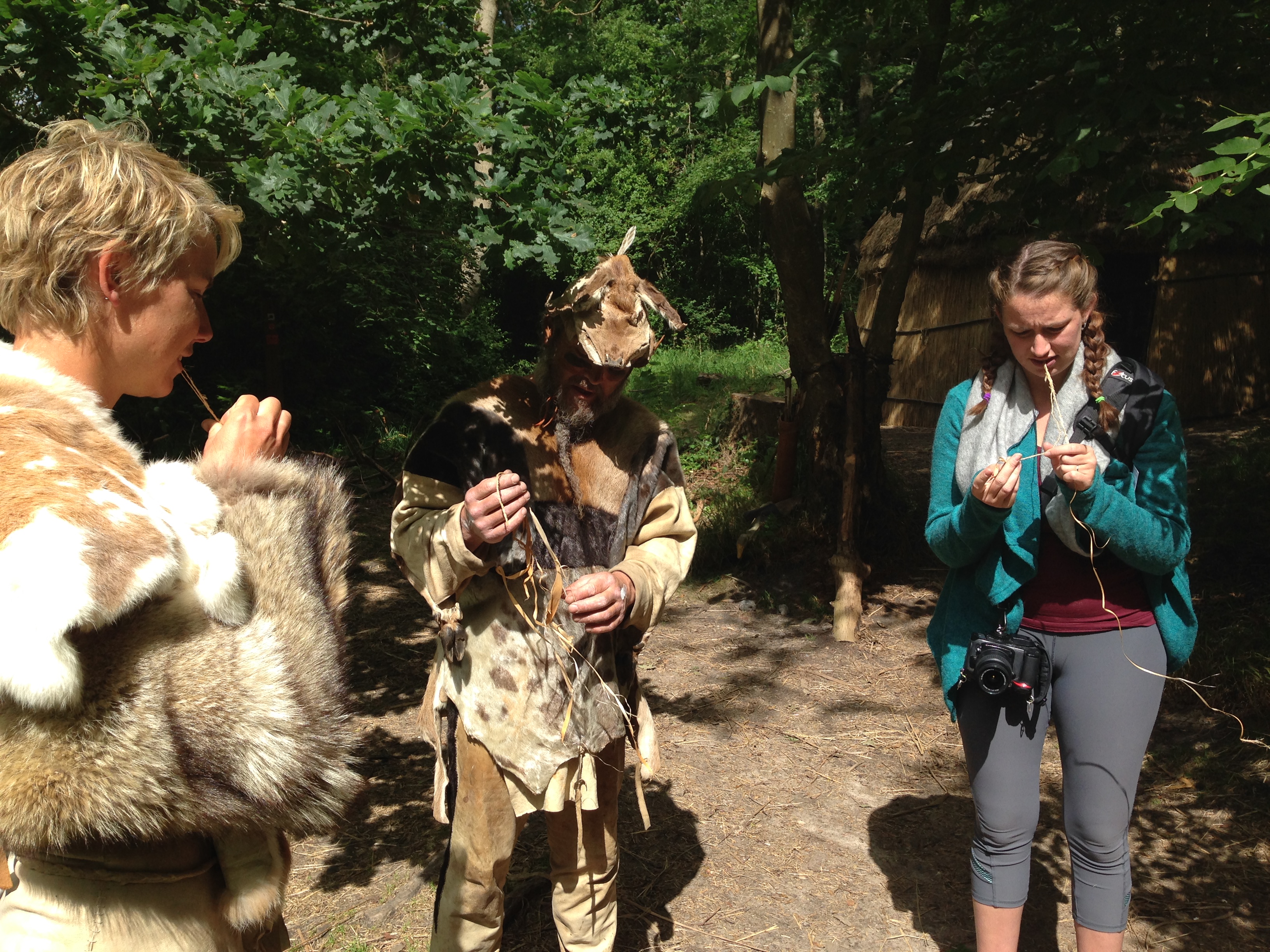
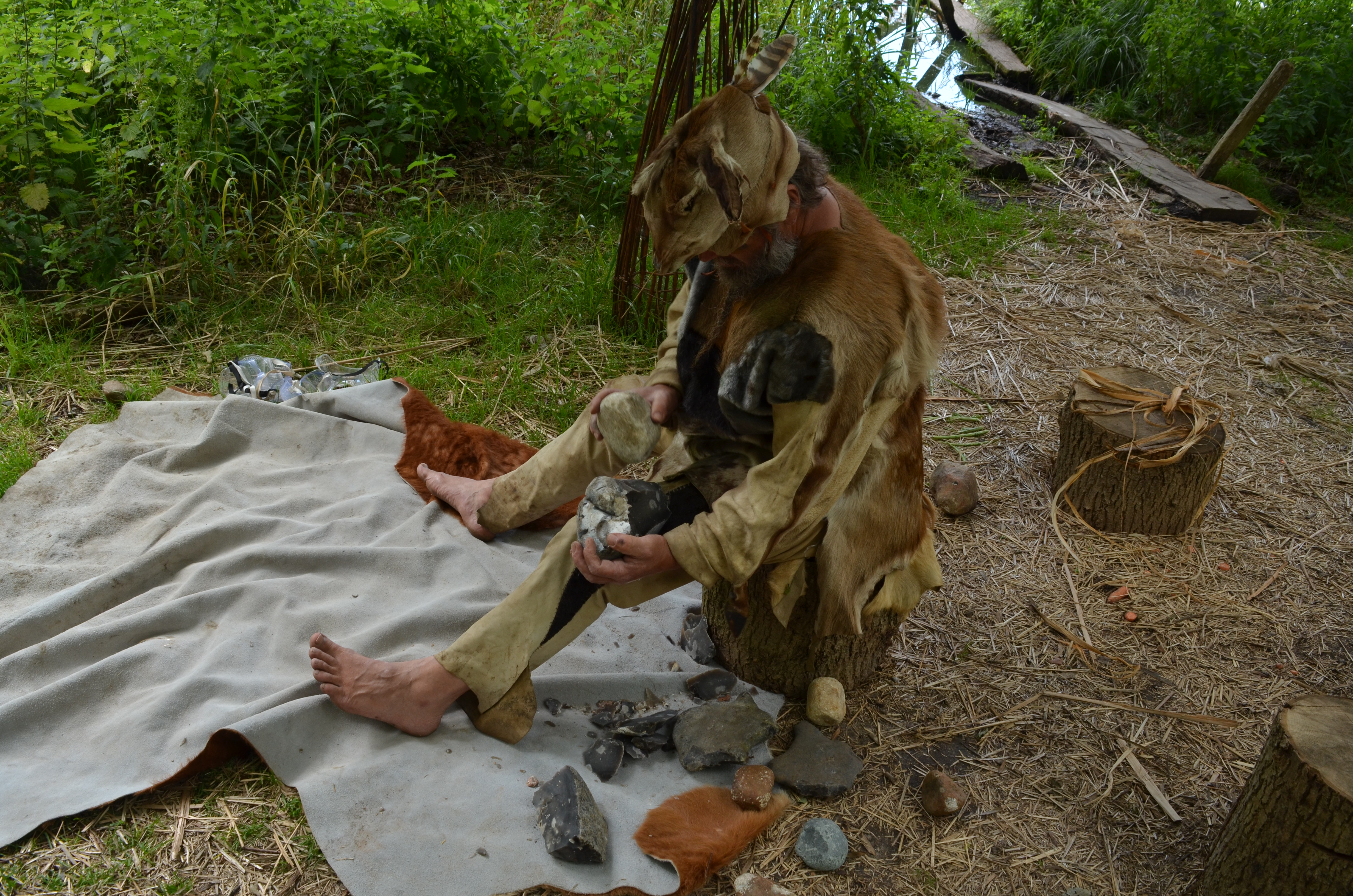
From Roskilde, taking a train to Lejre, and bus 233 from the station, you can visit ‘Land of Legends’, a open air museum dedicated to Denmarks’ history form the Stone age, through the Viking age, into the Iron and Middle Ages. The encourage getting your hands dirty and joining in the activities. learn to flake stones or make rope with the cave men, you can buy naturally died yarns from the weaver, or pots and mugs thrown by the potter. The park can be seen comfortably in 3-5 hours, longer if you participate in the settlements.

IMG_1998DSC_3624

Copenhagen

First impressions of Copenhagen, after having just left Stockholm, was a little underwhelming. Coming out of central station the litter and homeless that crowded the exit made us worried that we weren’t going to enjoy Copenhagen as much as Stockholm. Our hostel was only a few blocks away, but the feeling in the area was very different. The old buildings bright colours had faded but still looked cheerful, restaurants along the street situated couples and friends out for a night of good food and company. At dinner I ordered a beer, and mum (who doesn’t drink at all) had about half. Mum, who is allergic to additives to most alcoholic beverages, goes straight to headach and stuffy nose when drinking. I ordered a Erdinger Weissbrau, and it was great. One, amazing, additive free, glass of beer.

DSC_3422

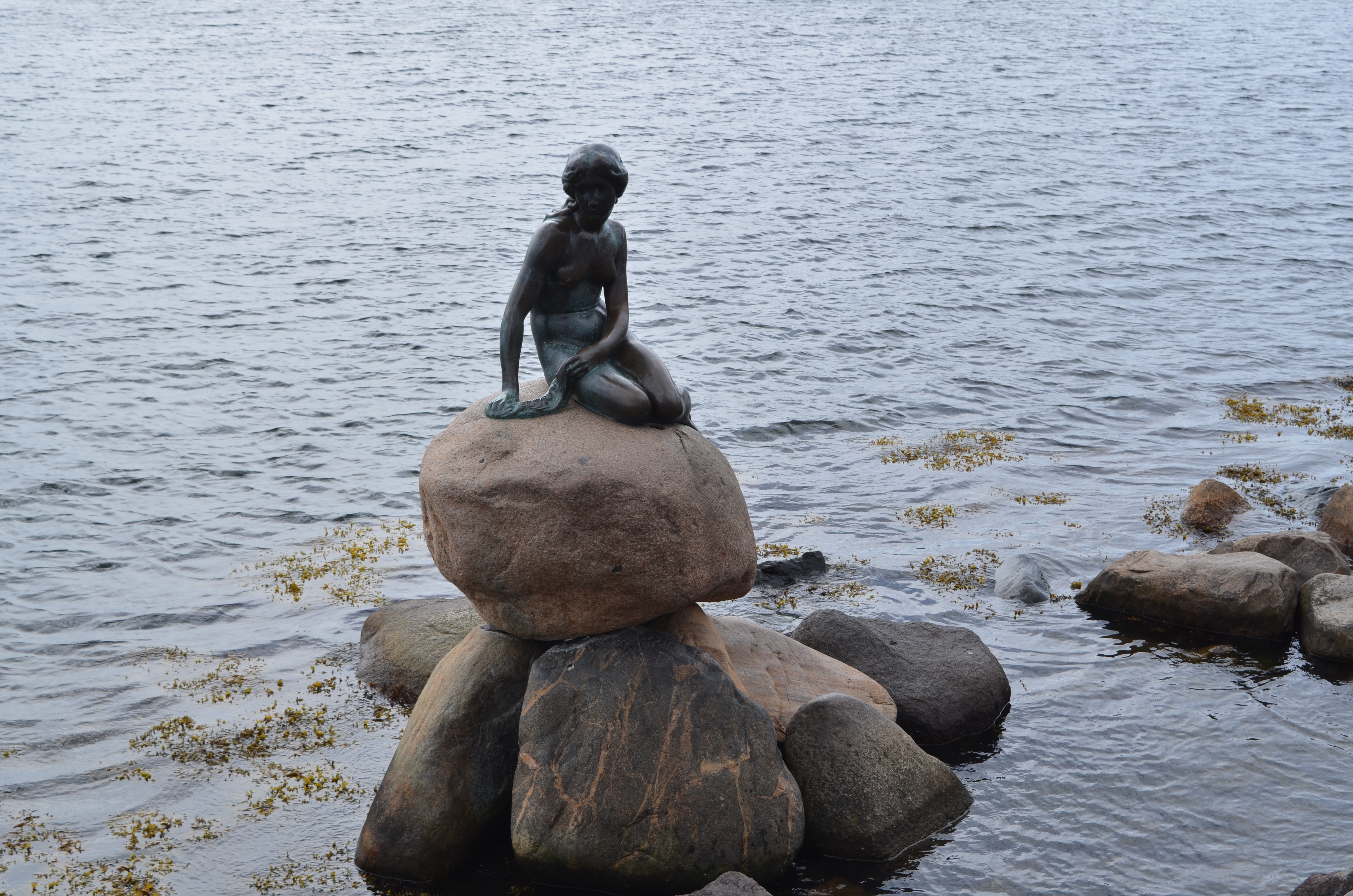
The next day we wondered around the city, stopping at a small cafe on the edge of a park no larger than a one car garage and filled with character. After some chocolate croissants and a chai we continued to visit some of the iconic sites. The Little Mermaid statue, based on the fairy tale by Hans Christain Anderson, lays along a beautiful scenic walk, marked in most guidebooks and tourist maps.

DSC_3442

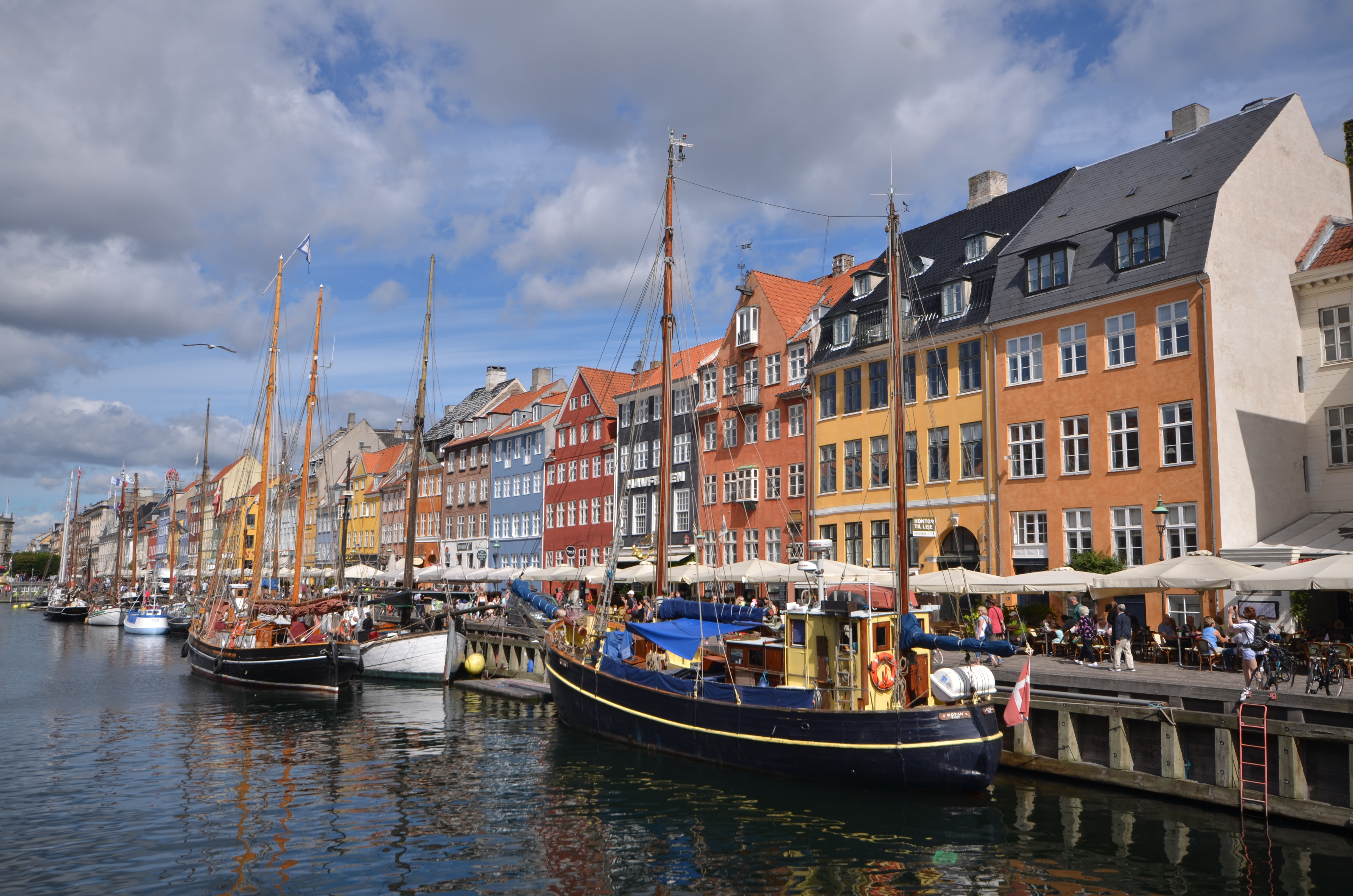
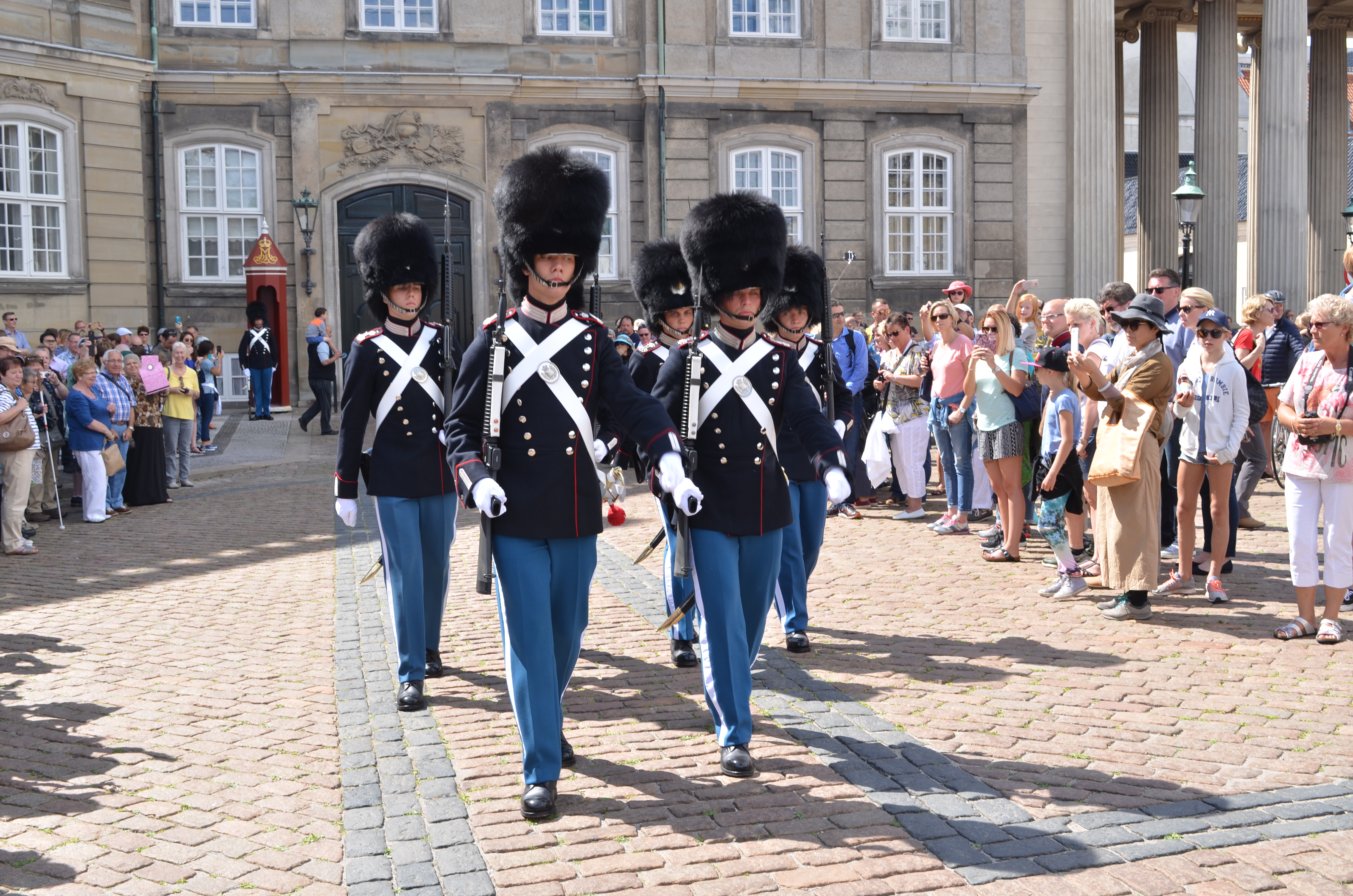
In the heart of the city, we walked along the canal that was lined with old ships and bright buildings. While wondering down random streets we came across a large square, and realised that the large building across from us must have been a government building and we arrived just in time to see the changing of the guard.

DSC_3467.JPG

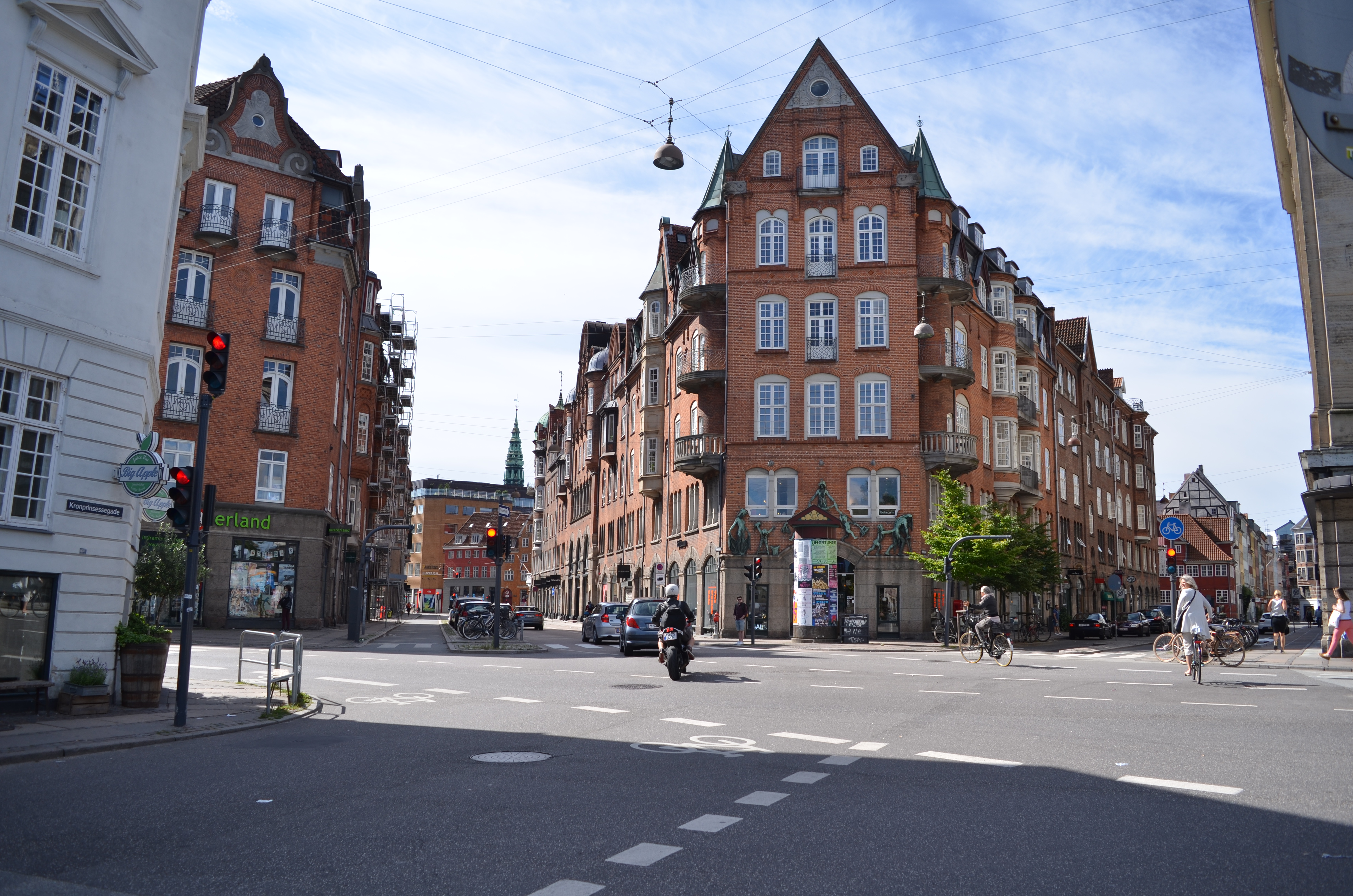
Copenhagen has a lively bike culture. The bike lanes, as wide as a cars lane, are elevated from the street. Random bikes, unicycles, family bikes, and bikes with side cars. They were in all types and everywhere. While walking around I felt that I should have been listening to a Queen song.

DSC_3410

Copenhagen is a maze of wonderful scenes, and worth the time to explore.

Visby… Or ‘Breckenridge: the Island’

In the middle of the Baltic is the isle of Gotland. The largest town, Visby, has a rich history as a trade port that used to be as important as London or Paris back in ‘ye olde times’ when trade across the baltic was best done by boat as opposed to the newer methods of trains and planes.

From Stockholm, we took the bus connection to the ferry from Nynäshamn. The trip was fairly uneventful other than the doppelgänger of Rollo from Vikings, or Brock O’Hurn, across the isle from us. Oden bless the Scandinavians.

When we arrived, we had missed the bus to the resort, and decided to keep our gear as we wondered around the narrow, winding, cobbled streets of Visby. The whole island had an air of ‘vacation’ with tourists of Sweden and foreign vacationing the island. The old buildings had been repurposed, with a church ruin playing host to a cafe’s outdoor seating.  Other ruins allowed you to walk up stairways and across catwalks, and into dark crevices of the historic structure.

The town, which is only about 20 minutes to walk across, provided plenty of sights for us to visit while lugging our bags around. Under advisement from the tourist information desk we cut through the botanic gardens and went up one of the lookout towers that remain on the old city wall that has been standing since the 13th century.

DSC_3386

When we were done poking around the town, we caught the bus to the resort south of Visby, where we stayed the night. The resort hosts two theme parks (a water park and giant ‘playground’ with mini-putt, bumper cars, and go-charts), and Pippi Longstocking’s house.

DSC_3392.JPG

The accommodation, which was cabin/camp style, was reasonable for the proximity it provided to the attractions. The tourist atmosphere felt like Breckenridge. A place that even the locals go to to vacation.

The busses don’t run as frequently to the resort, and don’t start till late morning, so if visiting overnight like we did, a taxi is an option.

Rome Day 2: wasn’t built in a day and we couldn’t see it all in a day. 

Our second day of exploring in Rome started with a trip to the Vatican, which we splurged on a tour so that we could go into the special ‘tour only’ areas. I held my breath as I walked in, didn’t burst into flames, considered myself safe, and continued on.

The Vatican City could be covered in a day on its own. The statues and art throughout were, literally, marvellous.

DSC_2992

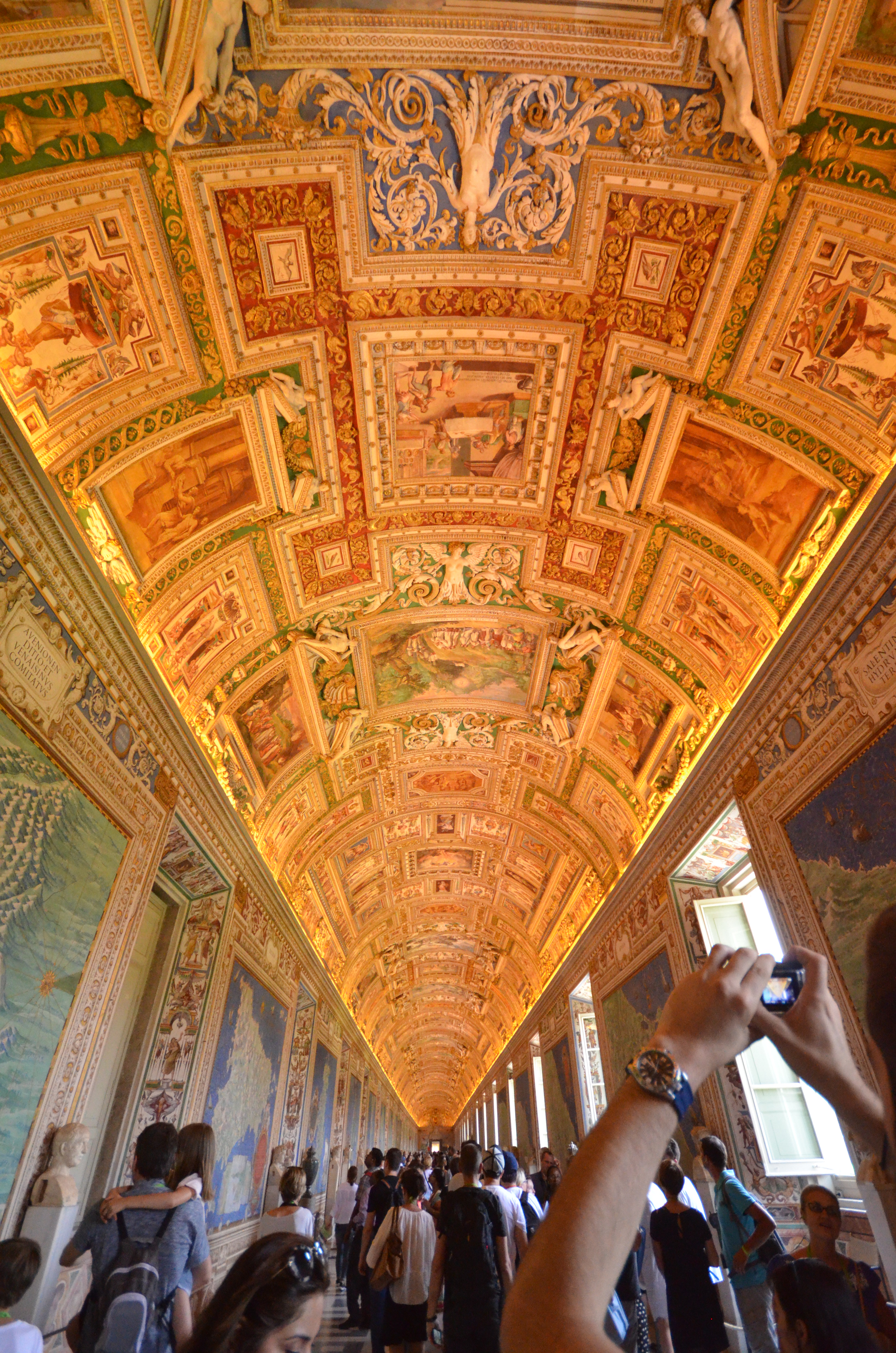
The Map room

We ran through, doing what justice we could with the tour guide, warned multiple times that the Sistine Chapel is a sacred place, and they require modest dress, silence, and no pictures. Once in the chapel there was a loud hum of the hundred plus people discussing the art around the walls, and mainly the pinnicle, Michaelangelos famous painting of God creating Adam on the cealing. The guards had to announce ‘Silence!’ At least 3 times just while we were in the room, and there were countless cameras going off. I’m sure by now they are sick of tourists.

DSC_3073

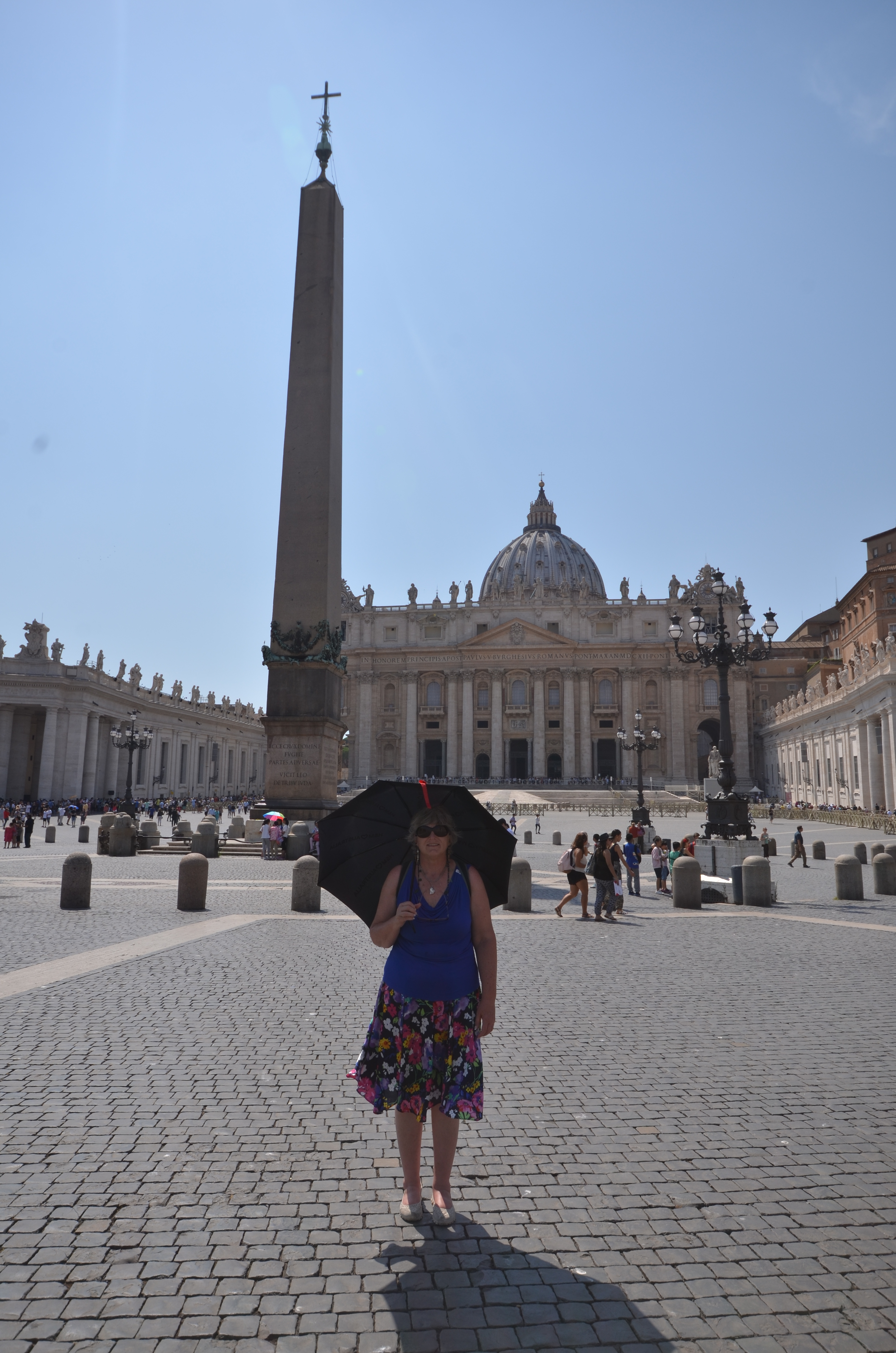
Mum in front of the Vatican. Really we were looking out for Ewan McGregor.

The tour gave us the ability to exit the Sistine chapel and visit the sarcofogi of the previous popes, exiting the tombs into Saint Peters Basilica.

We stopped by the gift store and I picked up a Saint Christopher charm to accompany my Maori Koru, Viking compass charm, and other cultural “protector of travellers” pendants. Better safe than sorry, right?

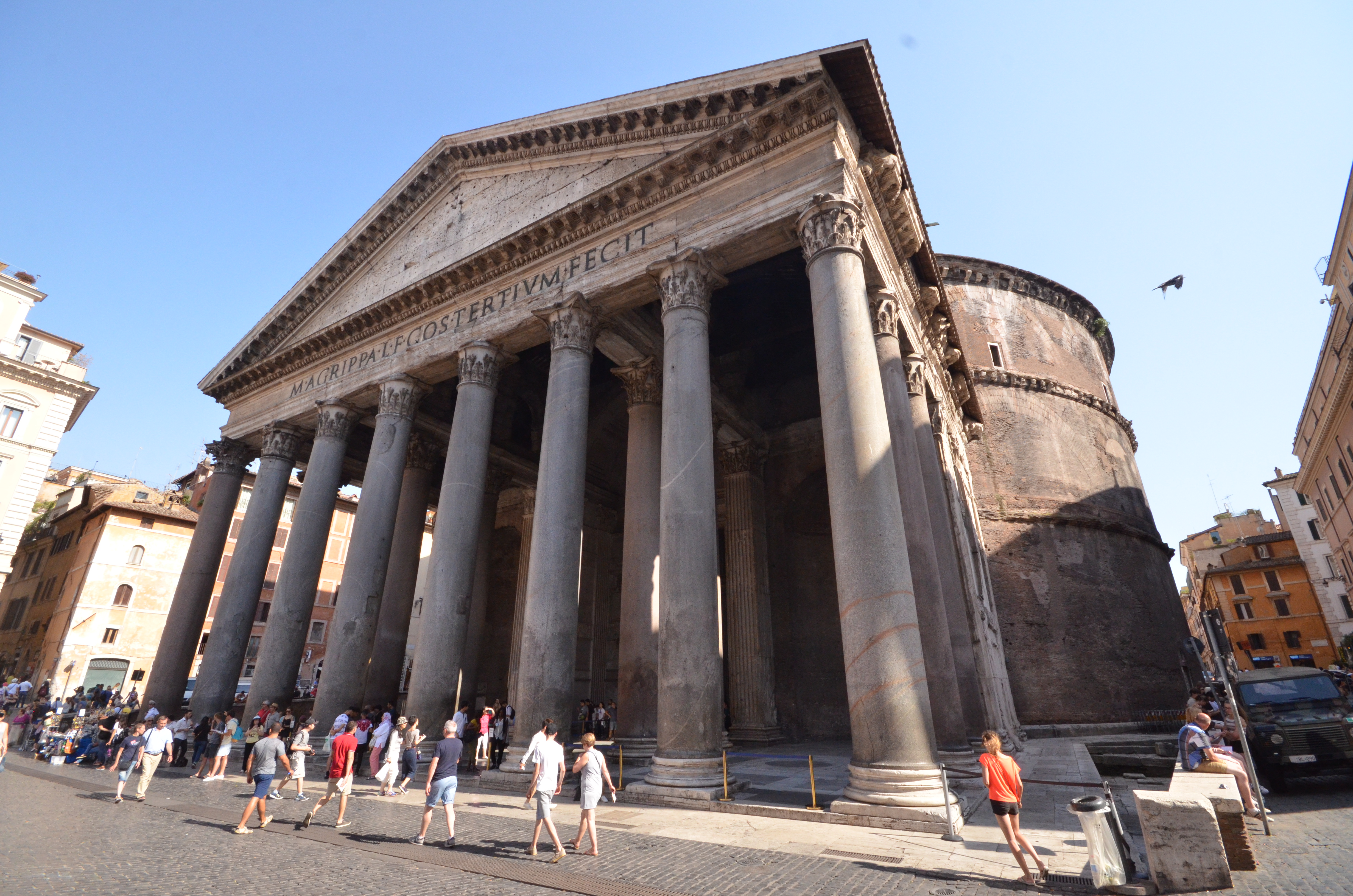
The next stop was the Pantheon. The ancient exterior contrasts from the renisaunce-style basilica interior. Once again, Epic architecture.

DSC_3087

The Pantheon

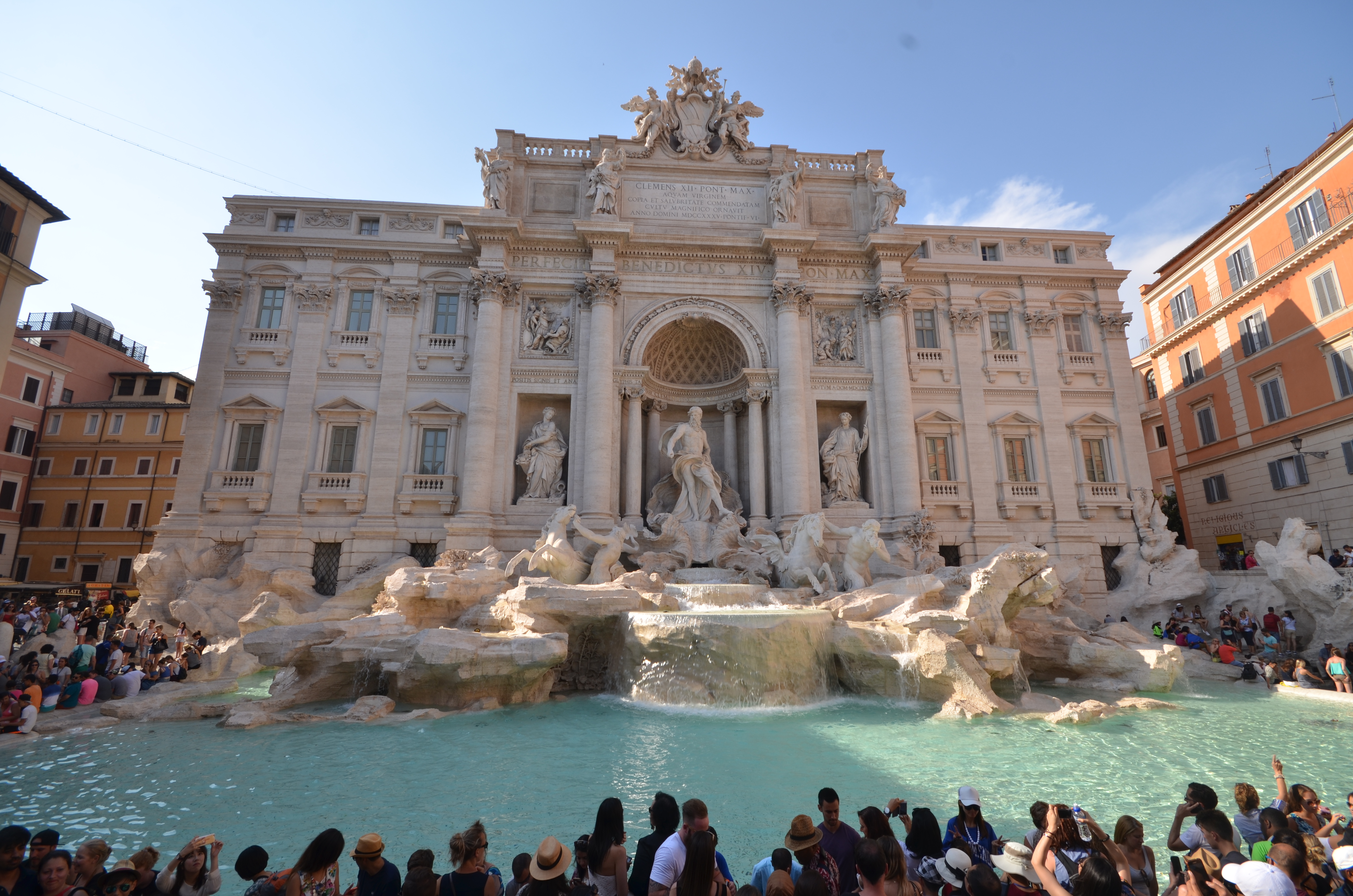
From the Pantheon, we went to the Trevi Fountain. It’s about a 7 minute walk. The fountain is beautiful. Neptune on his shell in the middle, with winged horses on either side representing the rough and calm waters of the ocean. Three words: wide angle lens. It’s much bigger than I thought it would be. We stayed for a couple minutes then continued on our marathon of Rome.

DSC_3118

The Trevi Fountain

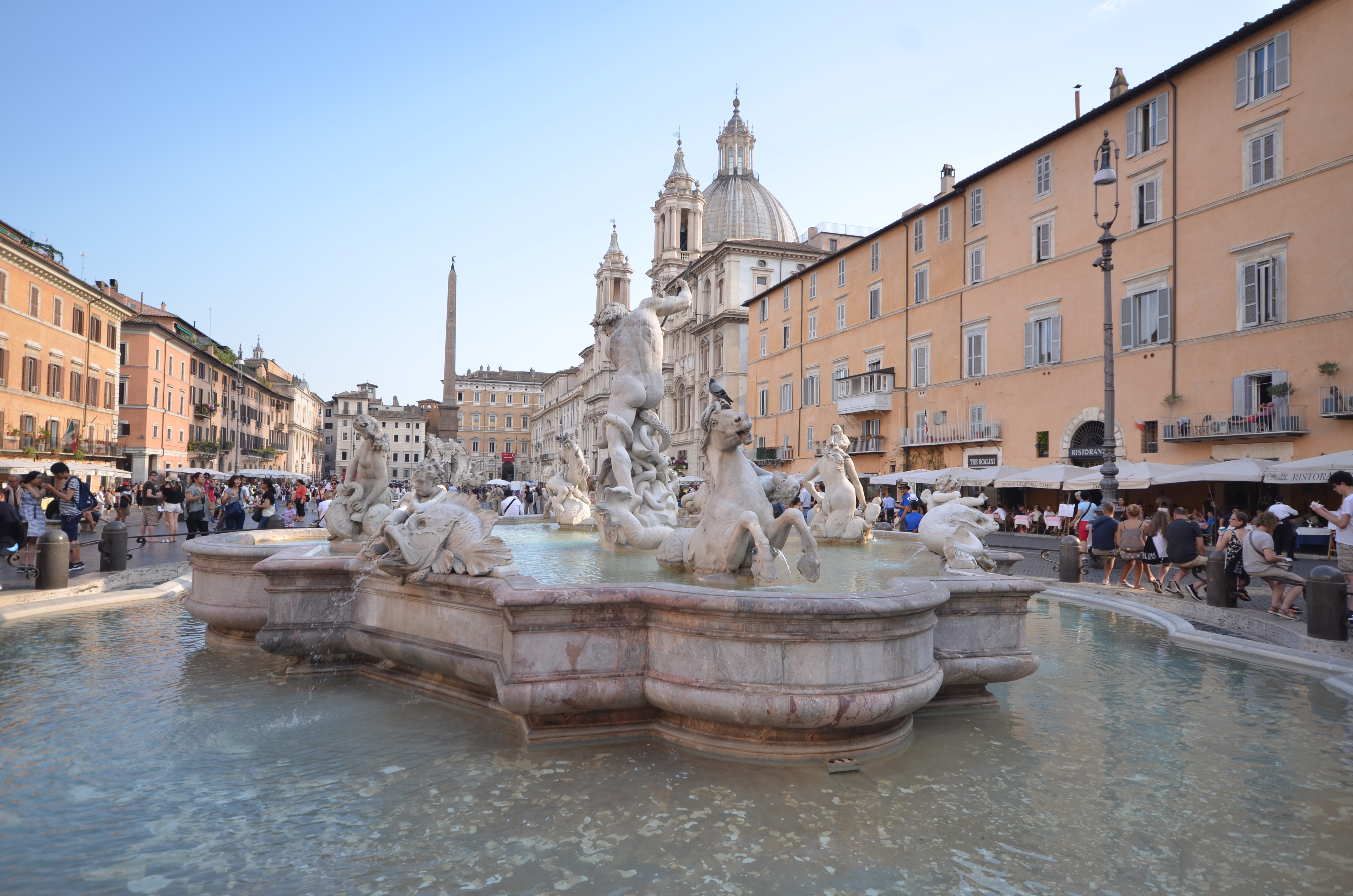
About another 15 minute walk (7 minutes beyond the pantheon in the other direction,) is the Piaza Navona with 3 fountains along a long courtyard.

DSC_3141.JPG

Piaza Navona

We finished our journey at Pizza Florida, a recommendation by a friend which I’m glad we took. The pizza has ruined me for life, and I will never be able to go back to frozen pizzas… At least not without a slight quiver.

When in Rome, do as much as possible.

For an ancient city, Rome offers plenty to see and do, no matter what you want out of traveling. The key is to have a good plan before jumping in.

DSC_2549.JPG

As we left baggage claim at the airport, a Mobile Sim card company snagged us for a sim that will work in almost all of the countries that we will be visiting along this trip. The card, which we got with both internet and phone minutes, has already helped as we wondered the back alleys around our hostel looking for our street. And if you’re carrying a internet enabled phone, Google Translate (which you can download for offline use of typed text translations) can use your phones camera to translate signs on-the-go.

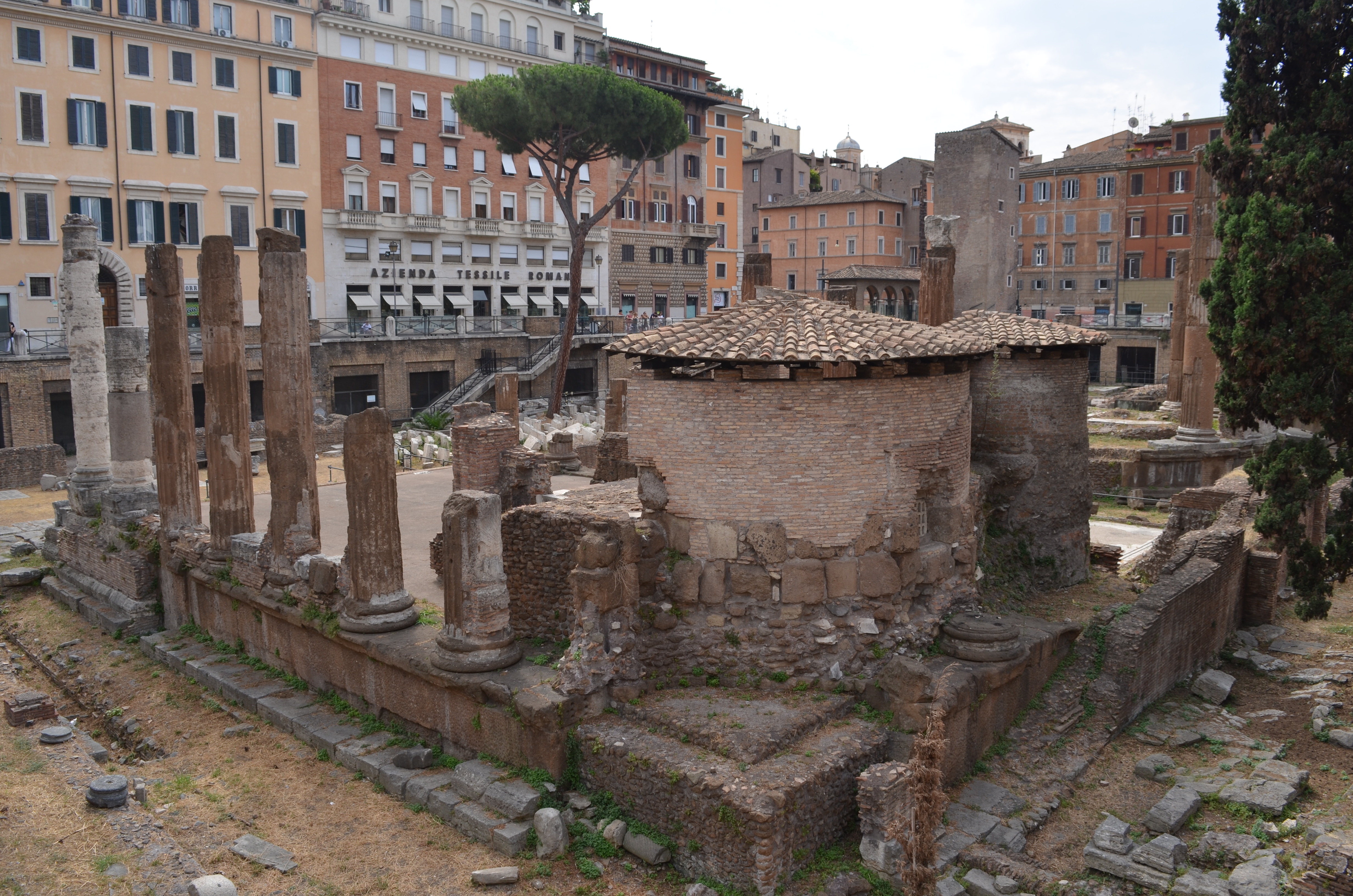
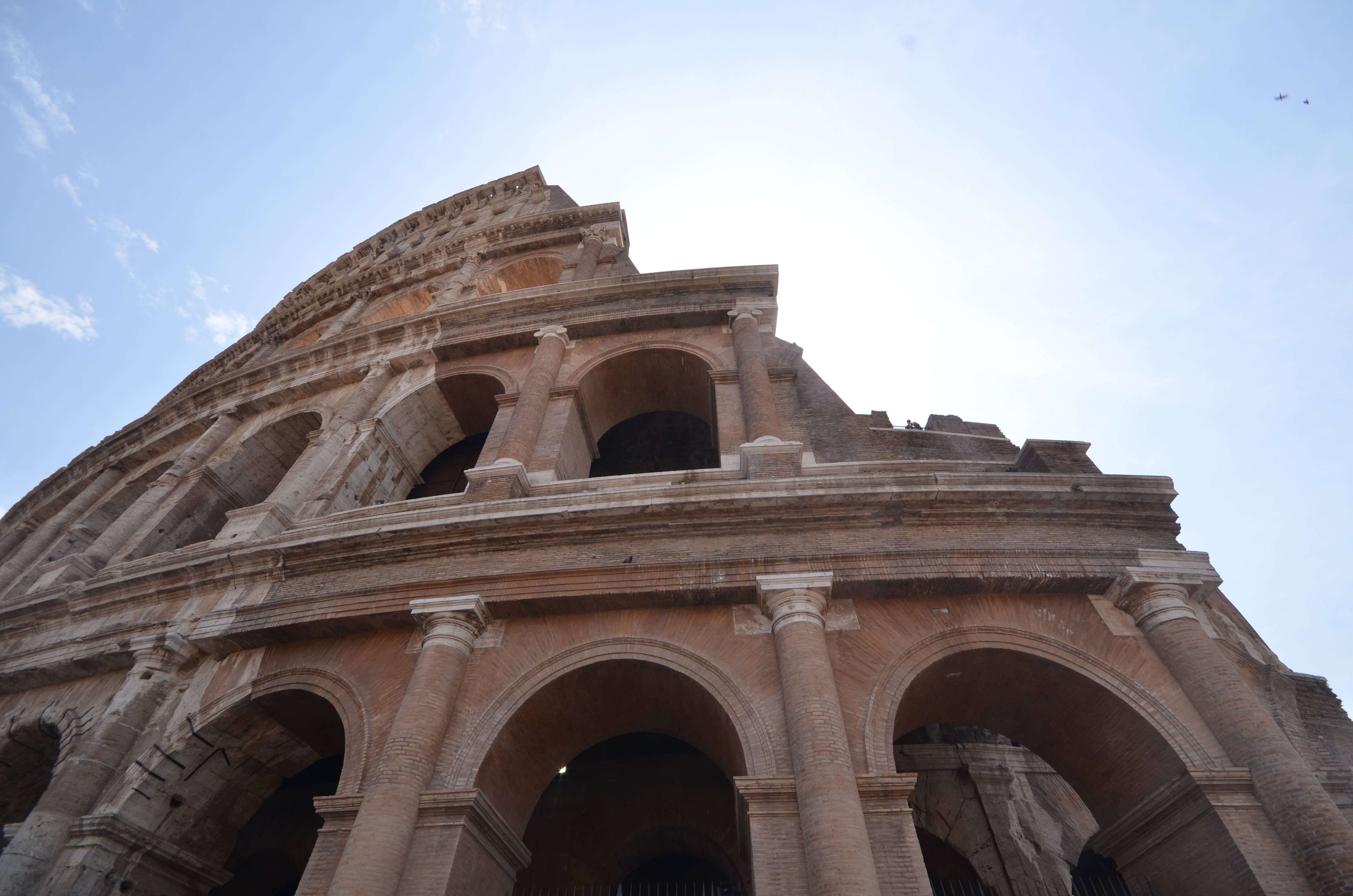
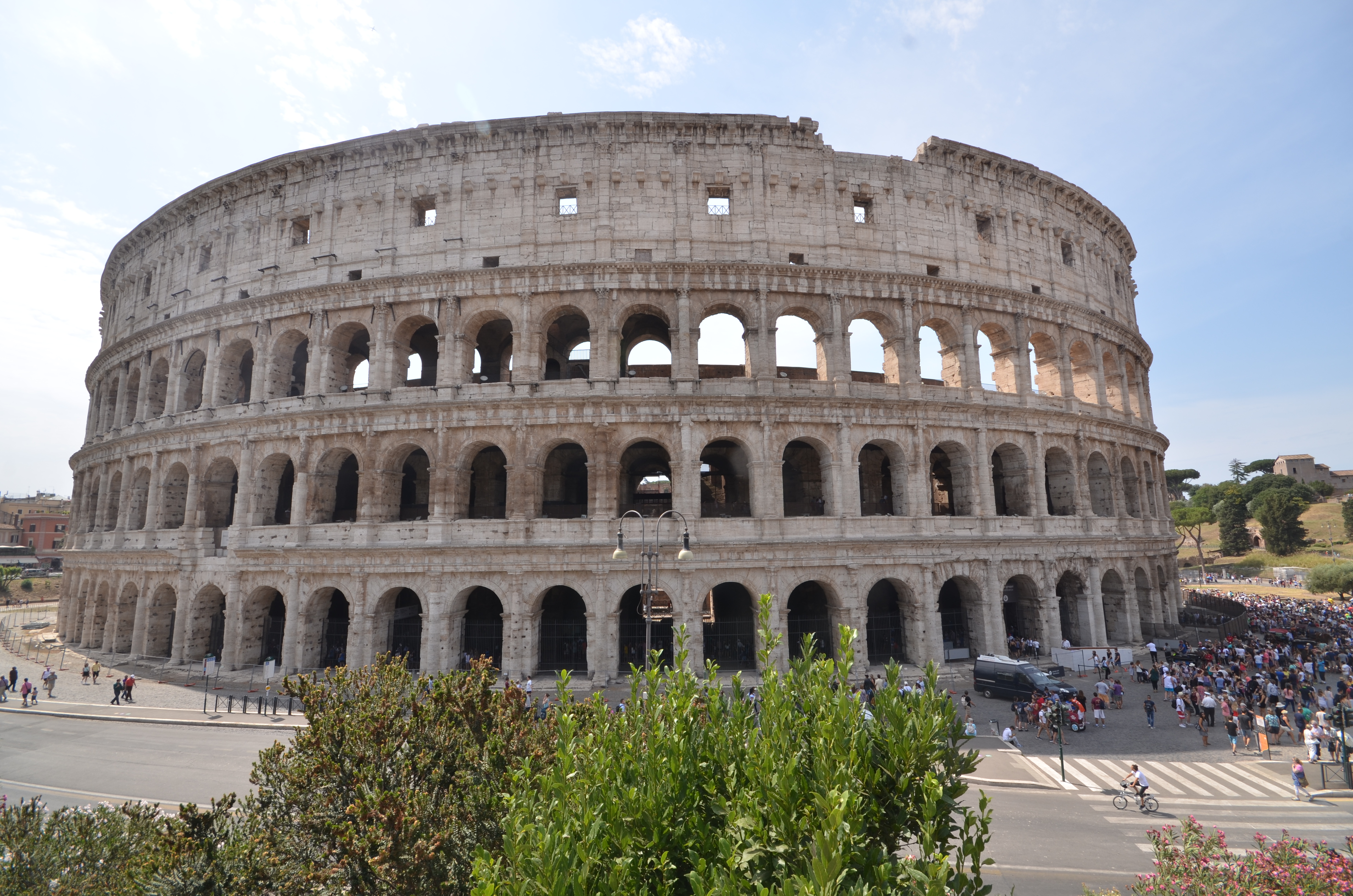
We stayed at Orsa Maggiore (for women only), which is centrally located in Rome, though got in early enough to drop our bags at the hostel and go wonder at the ancient wonders near by. The Colosseum and Roman Forum, stooping for Gelato on the way.

When approaching the Colosseum, we were stopped by numerous tour guides with the same plug trying to get us to join their tours for an additional 18 euro.

DSC_2601

My recommendation: Get a Roma Pass (the price varies by how much time you would like to keep it active for. There is a special line for both the Colosseum and Roman Forum for pass holders. While the guides were trying to convince us it would take nearly 2 hours to get through with the pass, it was really only 10-15 minutes. We also get free transportation with it, and makes the pass a worthy addition to our planning. If a tour sounds like a good idea to you, they offer audio tour devices just inside the gates into the Colosseum.

DSC_2599

When walking all over the forum, there are a couple things you will want with you. A camera, a hat/sunscreen, A water bottle (which can be refilled at one of the many water fountains in the city,) and a map/guidebook (we have the DK eyewitness Italy book, which explains a bit more about what were looking at.)


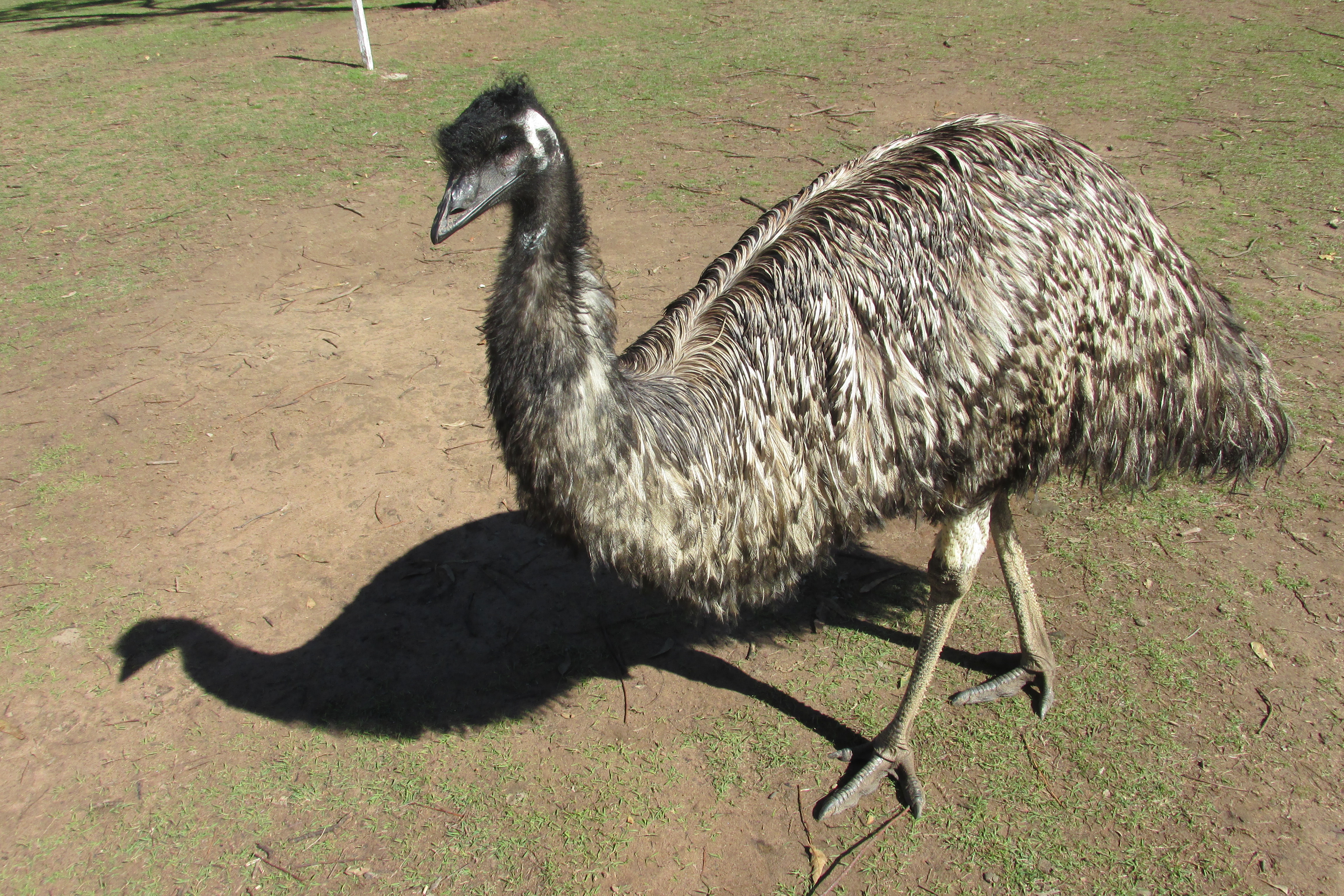
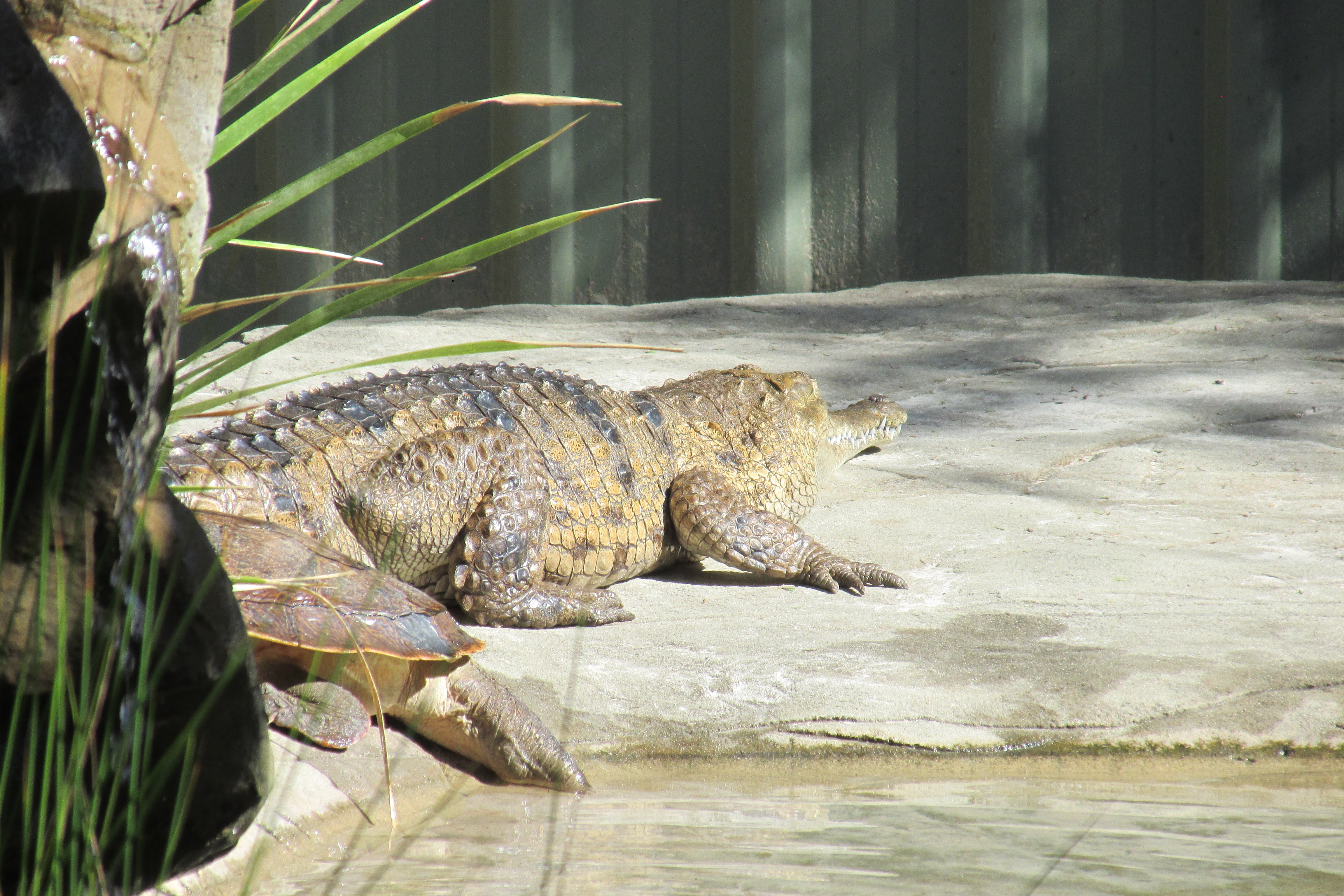
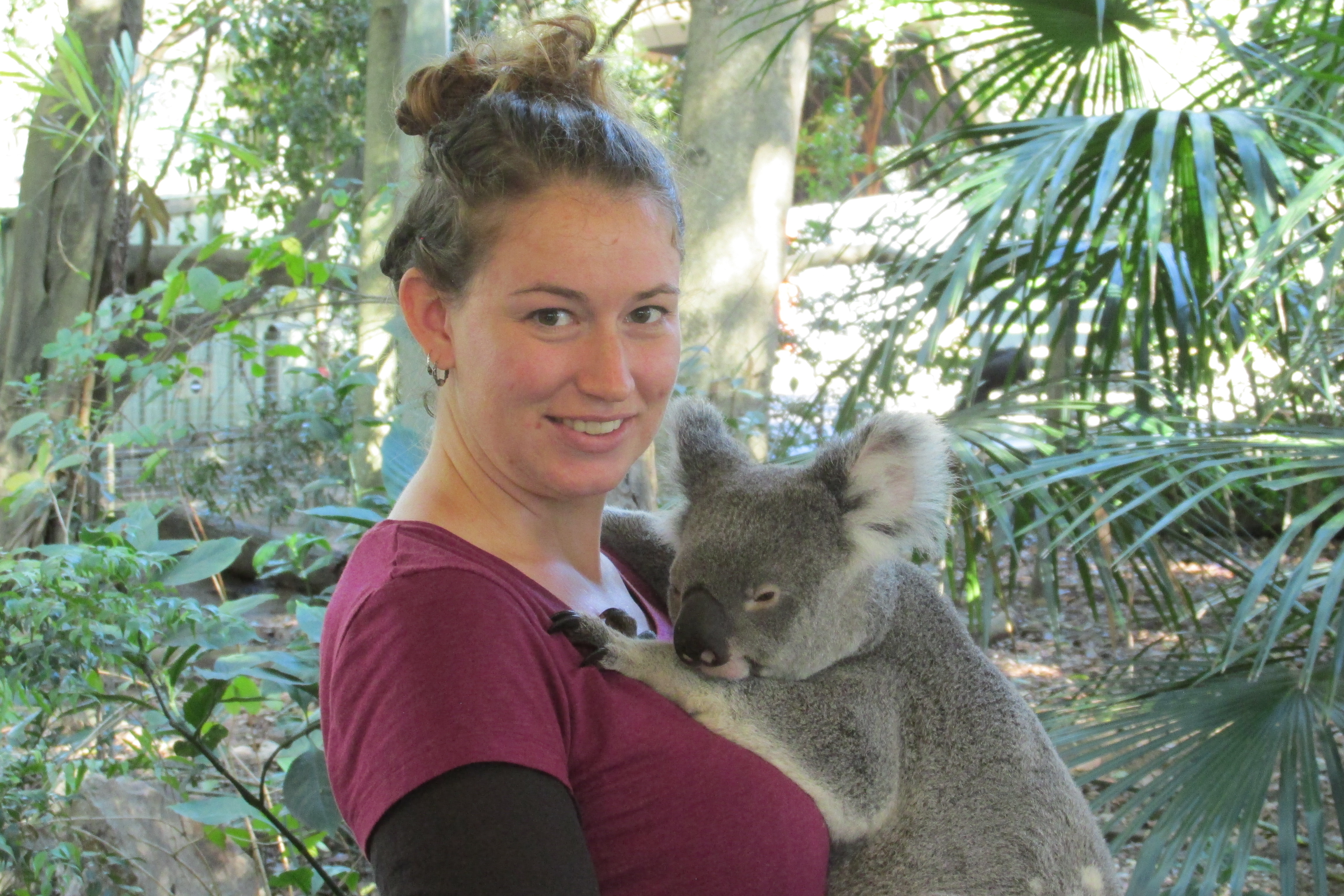
Koalas, Kangaroos, and Emus. Oh my!

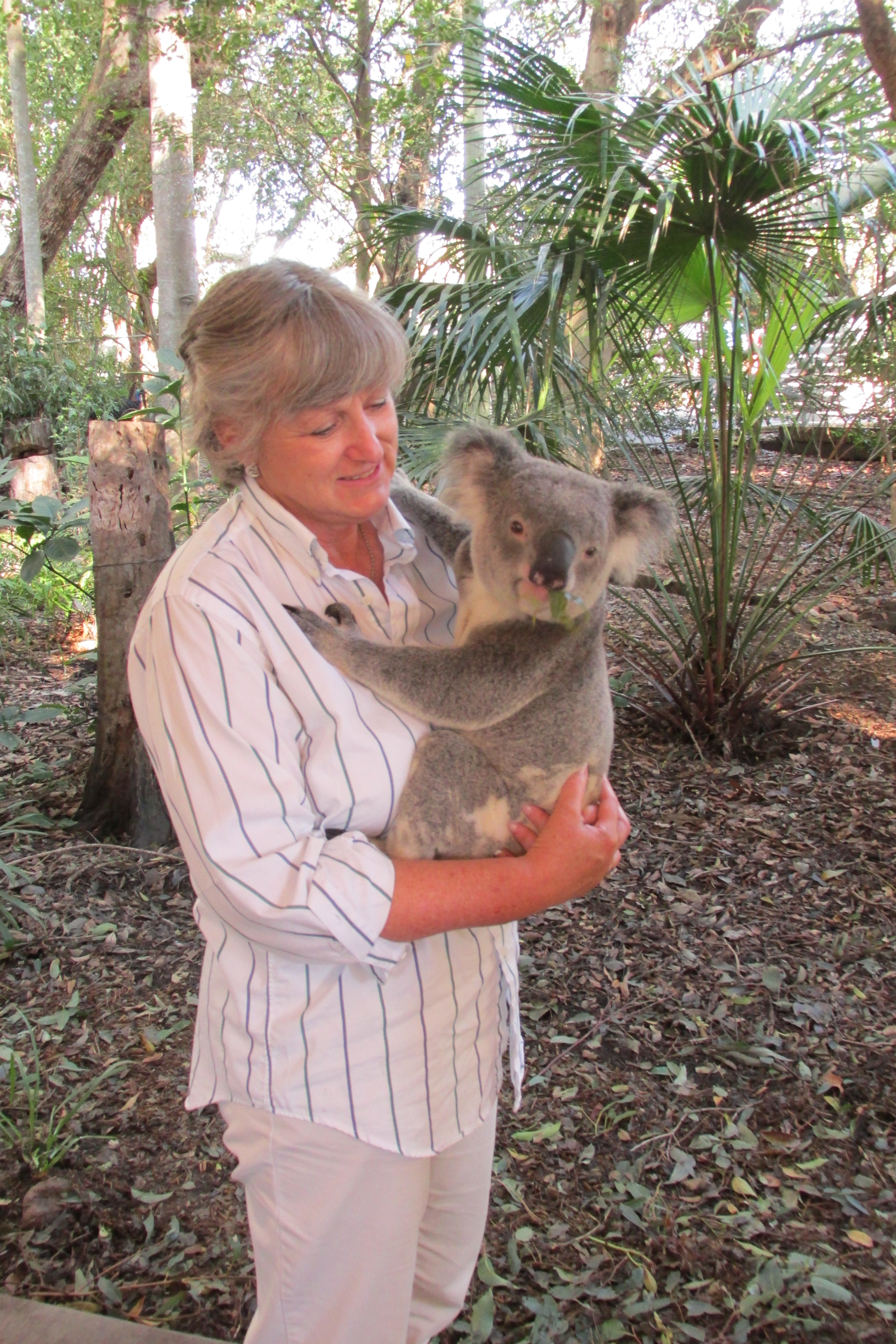
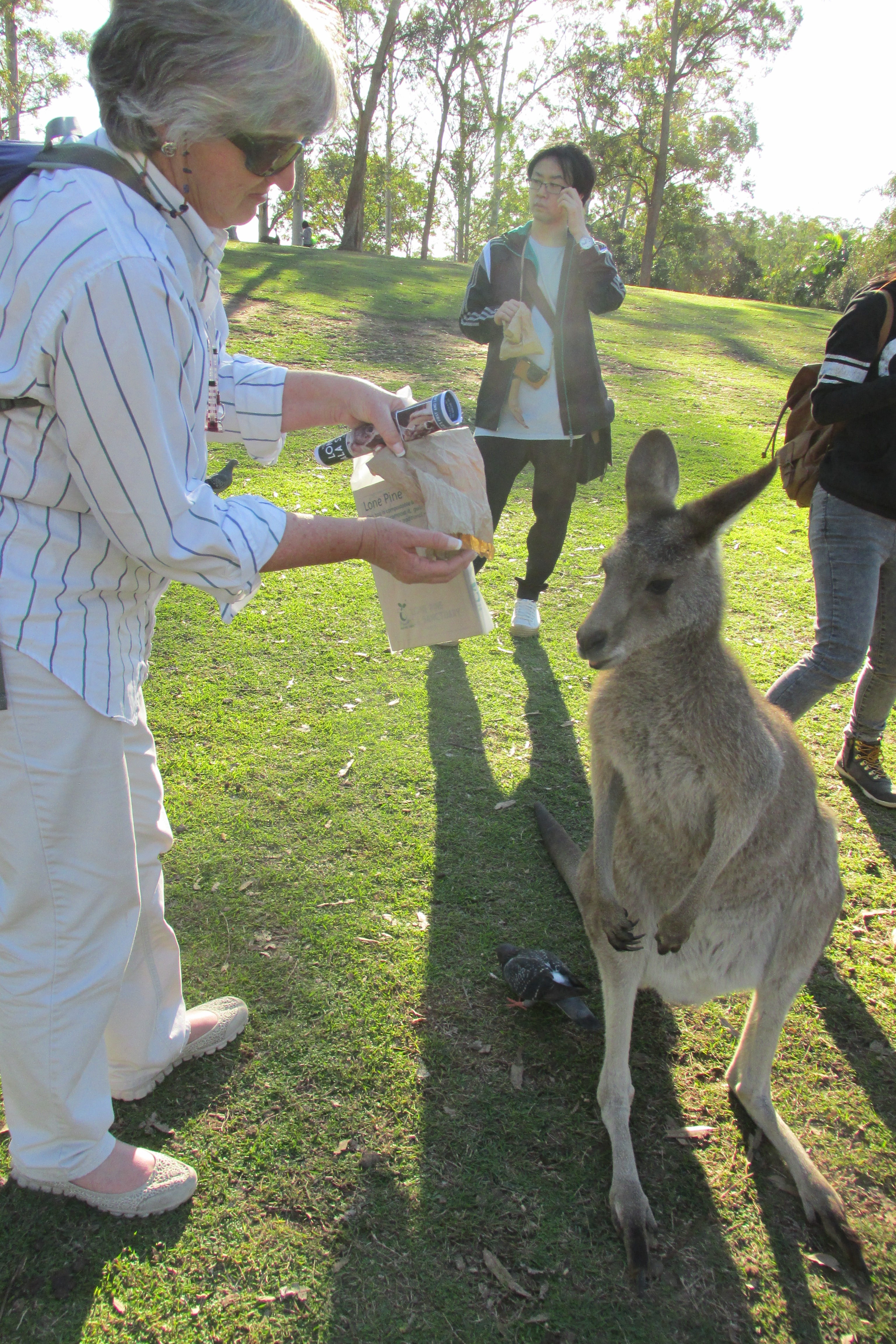
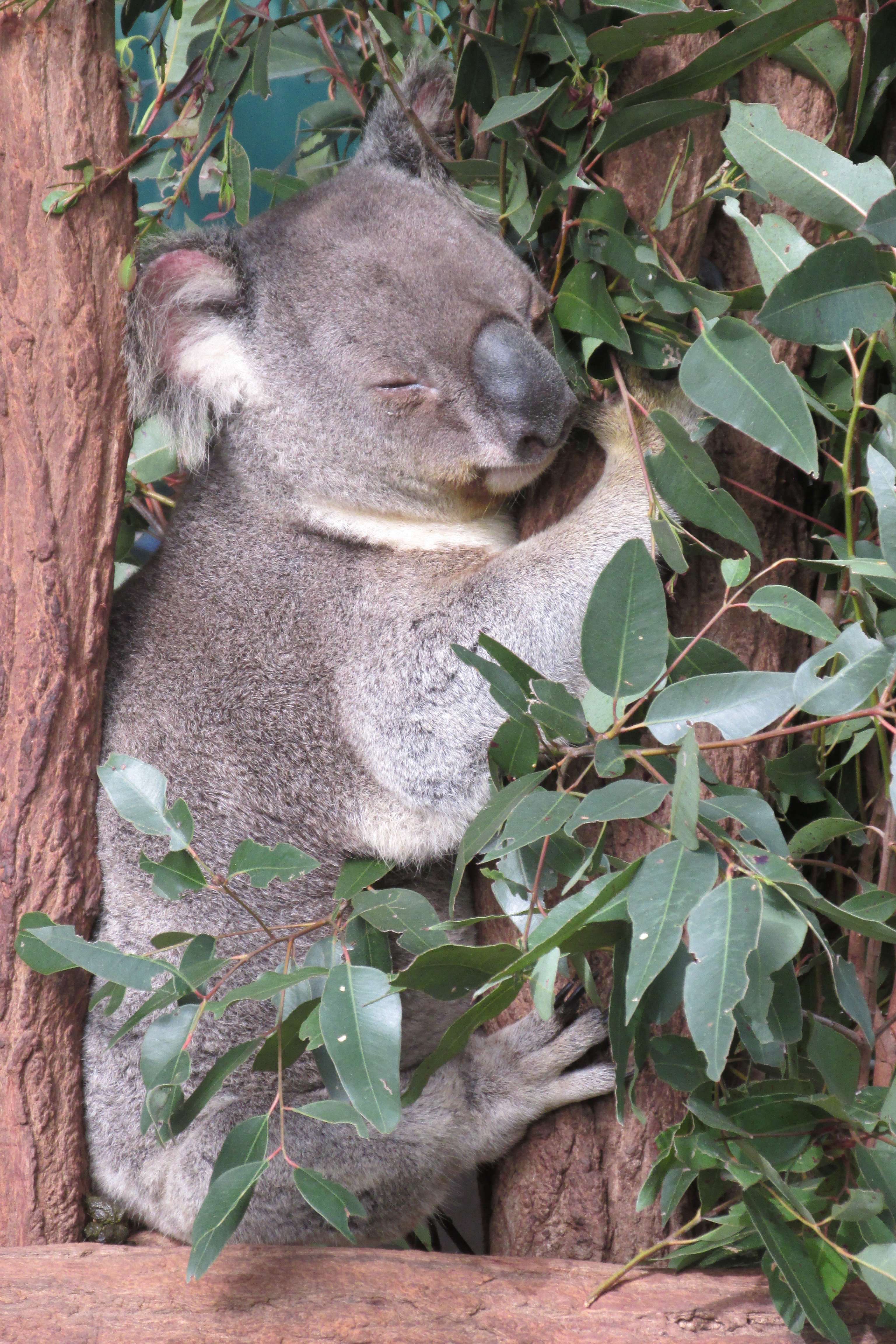
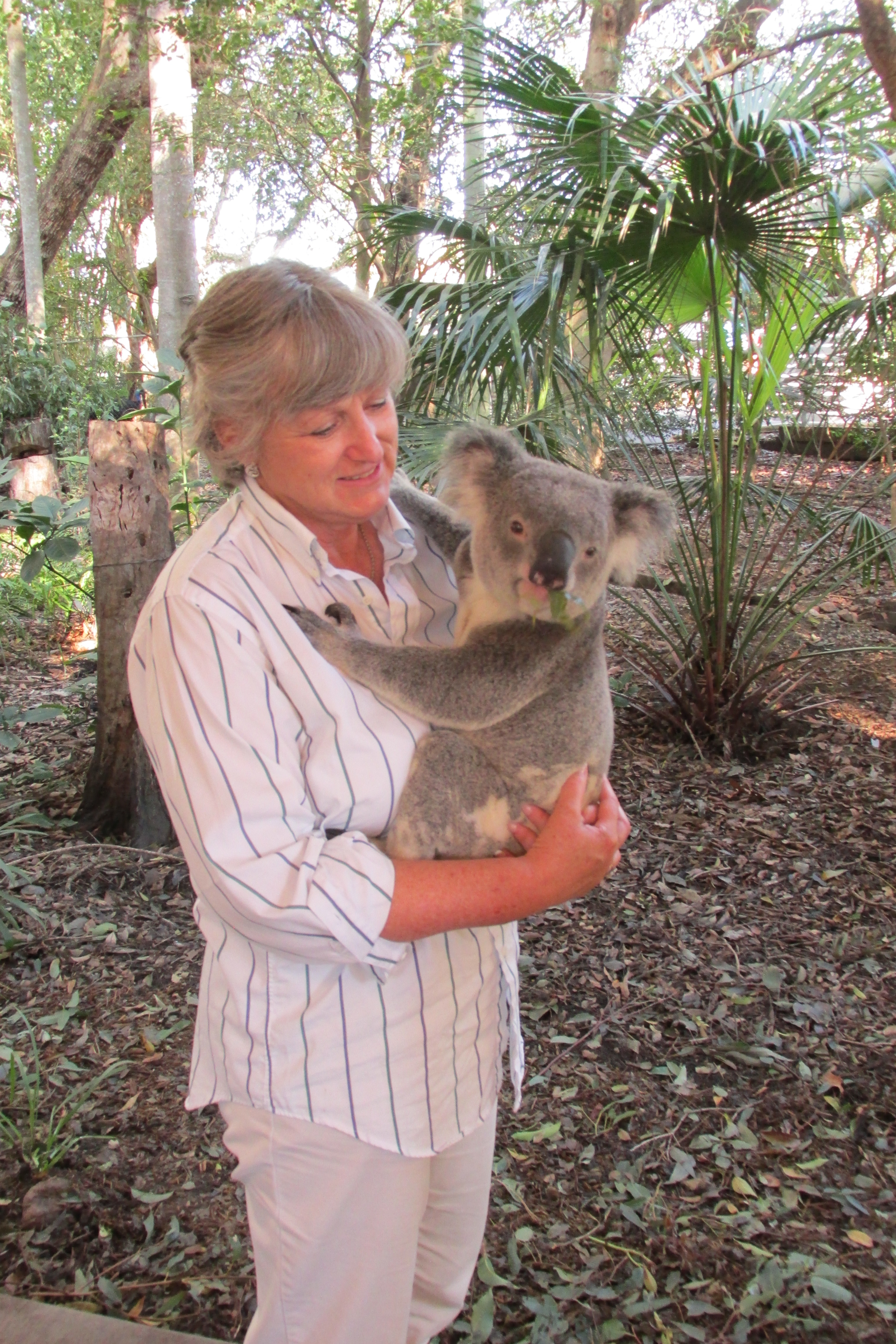
The week in Brisbane progressed with an adventure to the Lonepine Koala Sanctuary. While not as big as the Australia Zoo, the one that the Crocodile Hunter, Steve Irwin, made famous, Lonepine has a wide verity of native animals (and is easier to get to from Brisbane and a lot cheaper too.)

Daily shows include a bird of prey show, koala shows, Tasmanian devil and platypus feeding, and sheepdog/sheep shearing demonstration.

Since I was in Brisbane for a couple years, I had a season pass which also gave me a lot of ‘perks’, and made the day even better.

IMG_1268IMG_1278IMG_1294IMG_1300IMG_1340IMG_1258IMG_1300IMG_1347

Waterfalls, Cliff jumping, and the GoPro “Hero”

Down on the Gold Coast, away from the high-rises of Surfers paridise and off the path of public transportation, is Killarney Glen. The area is winding roads and farmland, and we would have probably missed the trail head if not for the line of cars parked hundreds of meters on either side of the local attraction. A swimming hole, known as the Killarney Glen waterfall, is a heart-shaped pool fed by a 6 meter waterfall, lined with spectators on a warm summer Saturday afternoon.


Spectators gathered as timid individuals gathered courage for their leap, while those who frequent the pools tried their hand at flips, all aiming for the deep water. Just off of the “jumping area” is a small grotto, which accumulated jumpers to spectate from a view they achieved from their jump. Families, twenty-somethings, teens on easter break, lined the top of the cliff faces either to watch, or when waved forward from the other side of the canyon, to jump.

I’m afraid of heights. I’ve never been graceful, and feel that standing on something tall makes me ‘kinetic energy’. In high school I would jump with my friends in Colorado into the Arkansas river. Not high, still terrifying. I would swing from our boat into the water in the Bahamas. It took me about 5 minutes of looking out 2 meters below me before I could make the jump. And to this day, as silly as it feels, I hold my nose.

Fastforward, I am standing in a dried up wash-out that juts out over the ‘deep water’, 4-5 meters below me. GoPro strapped to my wrist, though my hands were flat on the rock on either side of me for stability. The girl behind me, no more than 10 years old, comments on my shaking. Her older sister, about 12, wants to help me out by giving me a count down. At first I didn’t notice, since all I could think was ‘S#!t, this is high.’ I try to get in the zone during the second countdown, but psych myself out somewhere between “…3…” and “…2…”. Seconds later I pull myself together, ask her for one last count, and at “…1”, step off the cliff.


(Taken with a Nikon and Sigma Wide-angle lens, uploaded with eye-fi.)

I felt the rush of wind then cold water, then the feel of the strap of my GoPro slide over my small wrist. I surface and accept that the camera may have been claimed by the river gods, and briefly remember a youtube video of a GoPro that fell in a river and was found a couple years later. Oh, well.

I swim to the mermaid grotto, and attempt to slide onto the surrounding rocks, helped by a new friend, and mentioned that the camera went the way of the waterfall. The next jumper, a young blond guy was about to swim past when we asked “is there any chance of finding a GoPro over there where I jumped?” “GoPro?” The kid smiled, turned around, and dove. He surfaced seconds later to applause, with my camera in hand.

I tried to find him after to thank him, and couldn’t. He had one green eye, and one blue eye, and was kind enough to fetch a strangers camera. To you sir, if you are reading, THANK YOU!

Screen Shot 2016-03-26 at 9.00.09 pm.png

(Screenshot from the GoPro of the good samaritan)

Update: added video March 27. Keep an eye out at ~2:30.