Tag Archives: discover

Hakuna Matata: Zanzibar

An early morning shuttle took us to the Airport where we hopped onto a larger prop plane, headed to Zanzibar. The seatback magazine recipe for a shrimp dish kept me entertained while my seat mate took photos from their window seat.

I had packed my camera and lenses in my day pack, nestled at my feet and was able to get a couple photos with the help of my seat mate, and looked out over mainland Africa one last time before the attendant gave me my mango juice and cashews. (Definitely felt like a step up from tomato juice and peanuts.)

Our arrival into Stonetown, my group descended the staircase and crossed the tarmac into the terminal. My bag came off the carousel when rounding the conveyor corner, landing with a loud THUD. I counted my lucky stars that I transfer my lenses to my small pack for flights.

Outside the airport we joined up with another GAdventures group that had just finished climbing Kilimanjaro, and bypassed the safari segment that the crew who continued with me had done. Our trip had departed a few good people, and gained a few more. By the end of the trip I counted up that I had made 20 new acquaintances from 7 countries, and from the US from 4 other states. Talking with my guides, they both said that one of the reasons they love their jobs is the very different people they get to meet from all over, and getting to show people their little corner of the world.

Our next guide for this portion of the trip, Kombi, loaded us up into a bus and headed into the city to our first nights accomodation: The Spice Palace. To get to our hotel, the bus cannot make it down any streets in the main city. The narrow streets being from long before car transportation was a consideration in building plans. We loaded all of our bags onto a wooden cart, making a towering mound of all the luggage. A smaller older gentleman who approached and loaded it began to pull it down the alleys. We follow, stopping at the stairs at the front of our hotel, each of us claiming our bag and beginning the check in process.

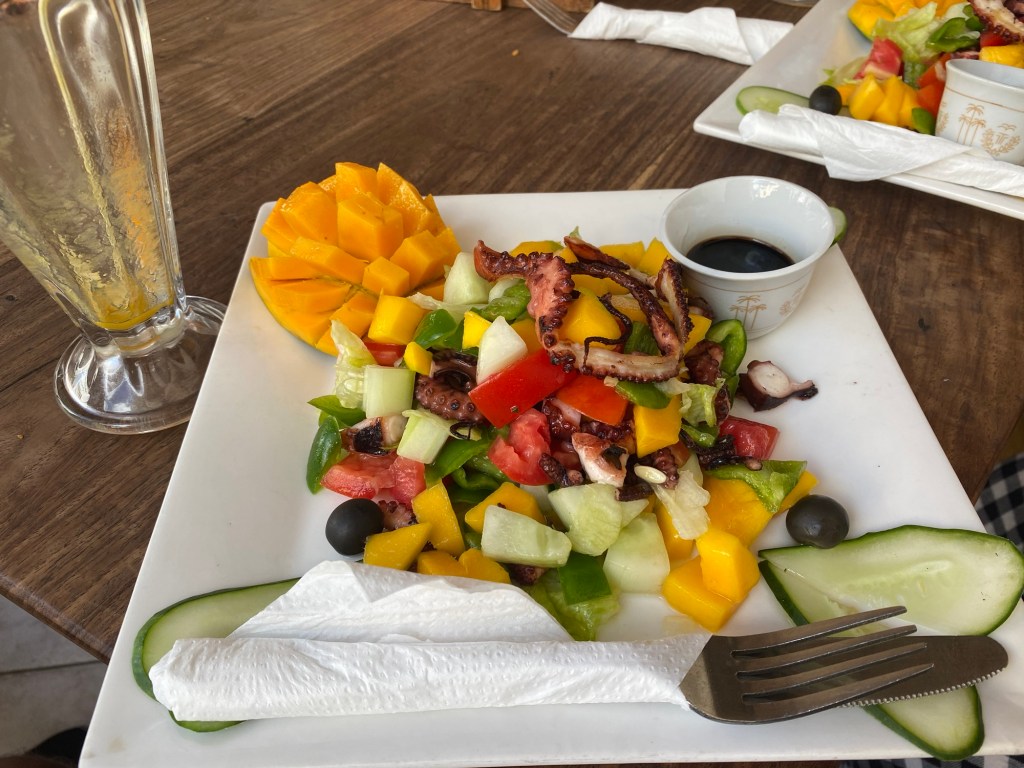
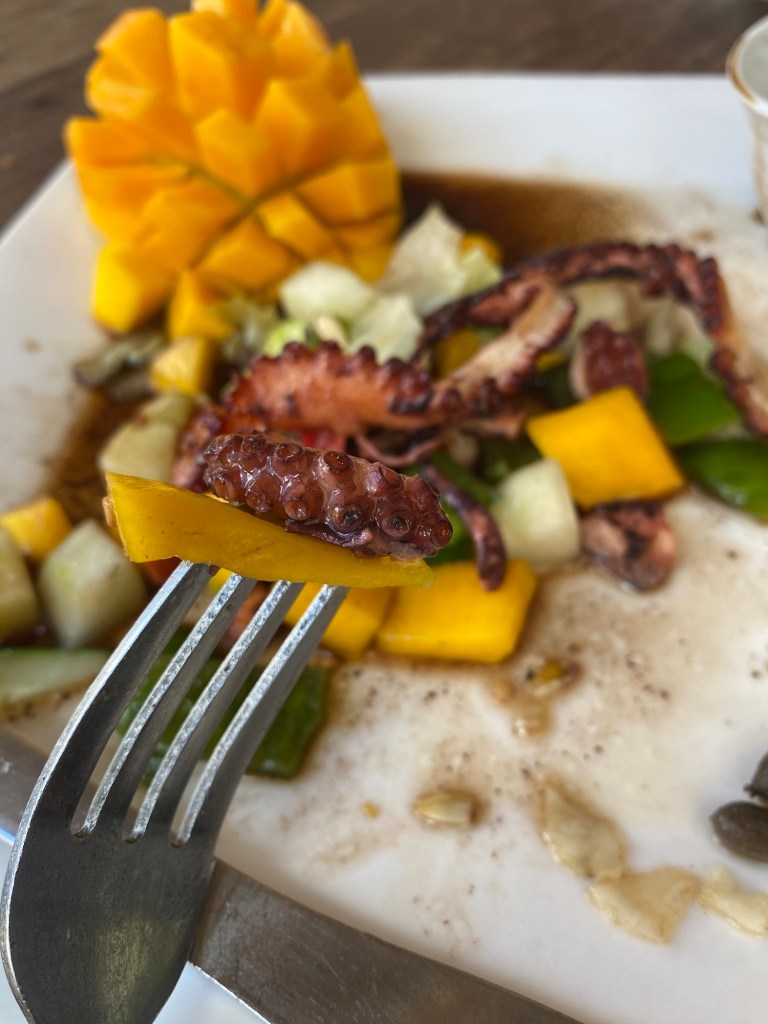
After dropping bags in our rooms, there our group gathered and made our way to lunch at a nice little place near the beach, The Silk Route. The first thing we noticed was how friendly the stray cats were to tourists. No doubt having their share of seafood from the tourists who take pity on the creatures. To that end, Its safe to say that Zanzibar probably doesn’t have a rodent problem.
After lunch we went to the historic slave market museum. Stonetown had been the major slave trade port for Arab controlled East Africa. on the historic grounds they had the ‘whipping tree’ which had been cut down, and over its place a church was built, a circle on the floor where the tree used to stand. The displays in the museum showing the evolution of the slave market, and the original holding cells for the slaves before they were loaded onto ships. It was a somber experience, but one I am glad gets visited and people learn this history.

Sample of one of the displays

We took a walking tour of the town after, learning about the ties of stone town to Queens’ Freddie Mercury, the town even hosting the Freddie Mercury Museum. A group of kids down at the sea wall were filming jumping into the bay with poster boards reading ” Welcome to Zanzibar!”, shouting ‘HAKUNA MATATA!’ and ‘WAKANDA FOREVER!’ We continued down the narrow ally ways, where doors are adorned with large spikes. The reason? People who moved into these areas were from India and would have spikes on the door to keep elephants from barging in. When they moved to this city, with streets far too narrow for elephants to ever pose a risk, the style of door came along anyway.

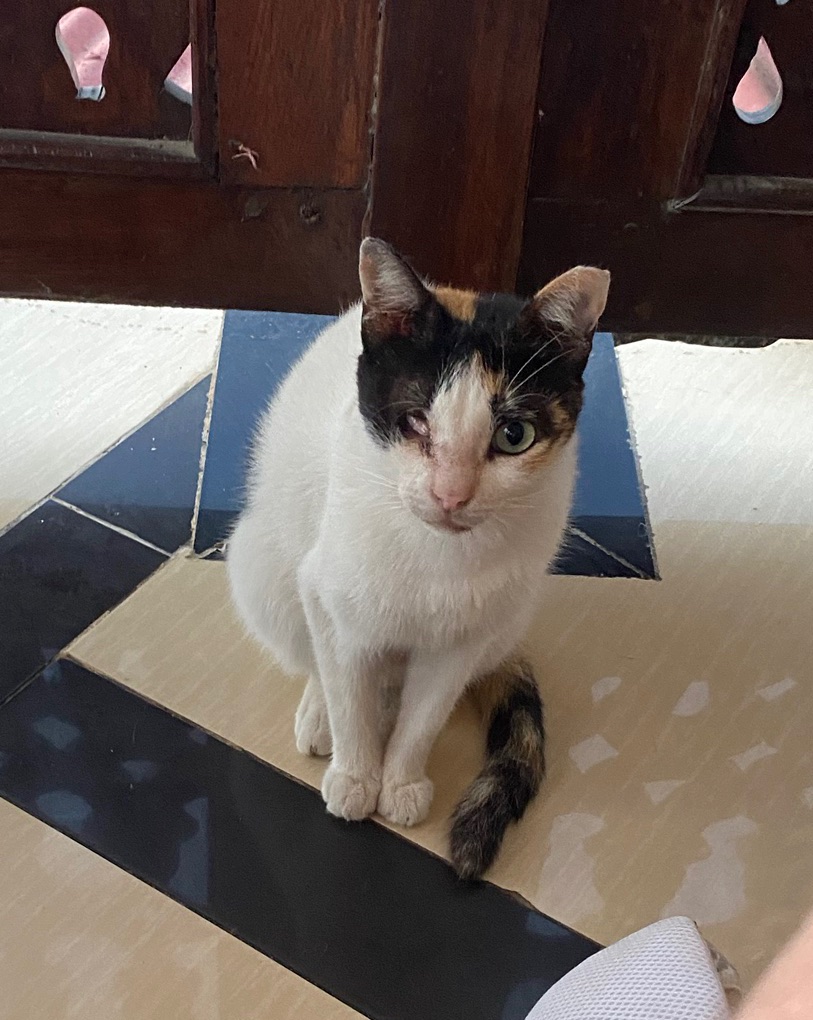
Back at the hotel, I joined the Canadians and the Aussies for a drink at the rooftop bar. The resident stray coming up when I notice he was underdeveloped and was missing an eye. My own cat at home being massive and named Sully after the Monsters Inc character, I felt it was only fitting to nickname this little guy Mike Wazowski.
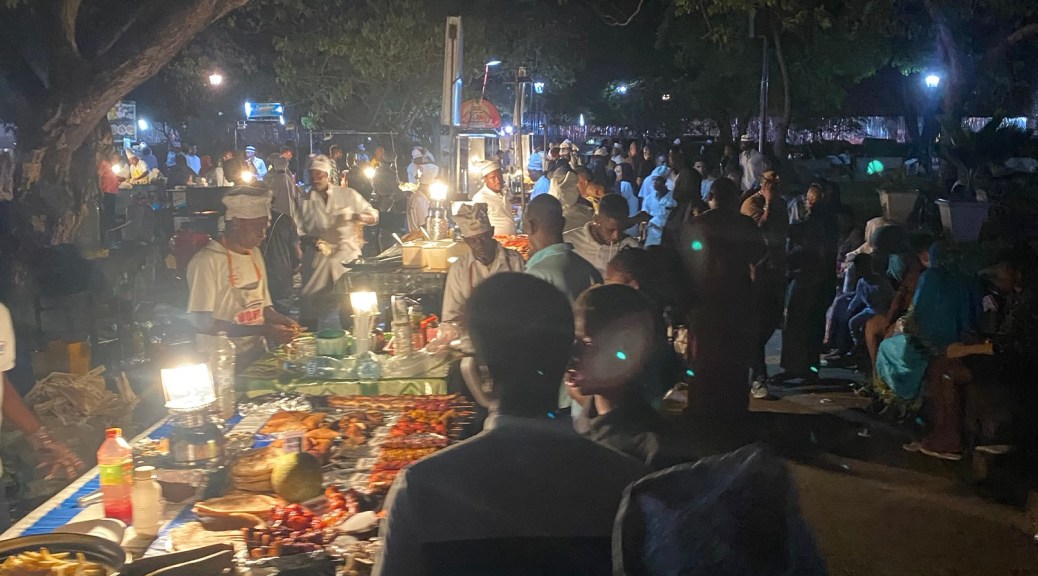
That night we all ventured off for the night markets, which was a bustling scene of food vendors and people. Our guide recommended certain foods we could try if we were feeling adventurous, but warned against others as it’s ‘laid out’ a few westerners.

Finishing up at the Freddie Mercury Bar, we dined and drank and listened to some wonderful local live music before making our way back to our hotel.

Next Time: Visiting a Spice Plantation, given the royal treatment, and get to visit my first resort.
Time Traveling in Denmark: Roskilde and Lejre

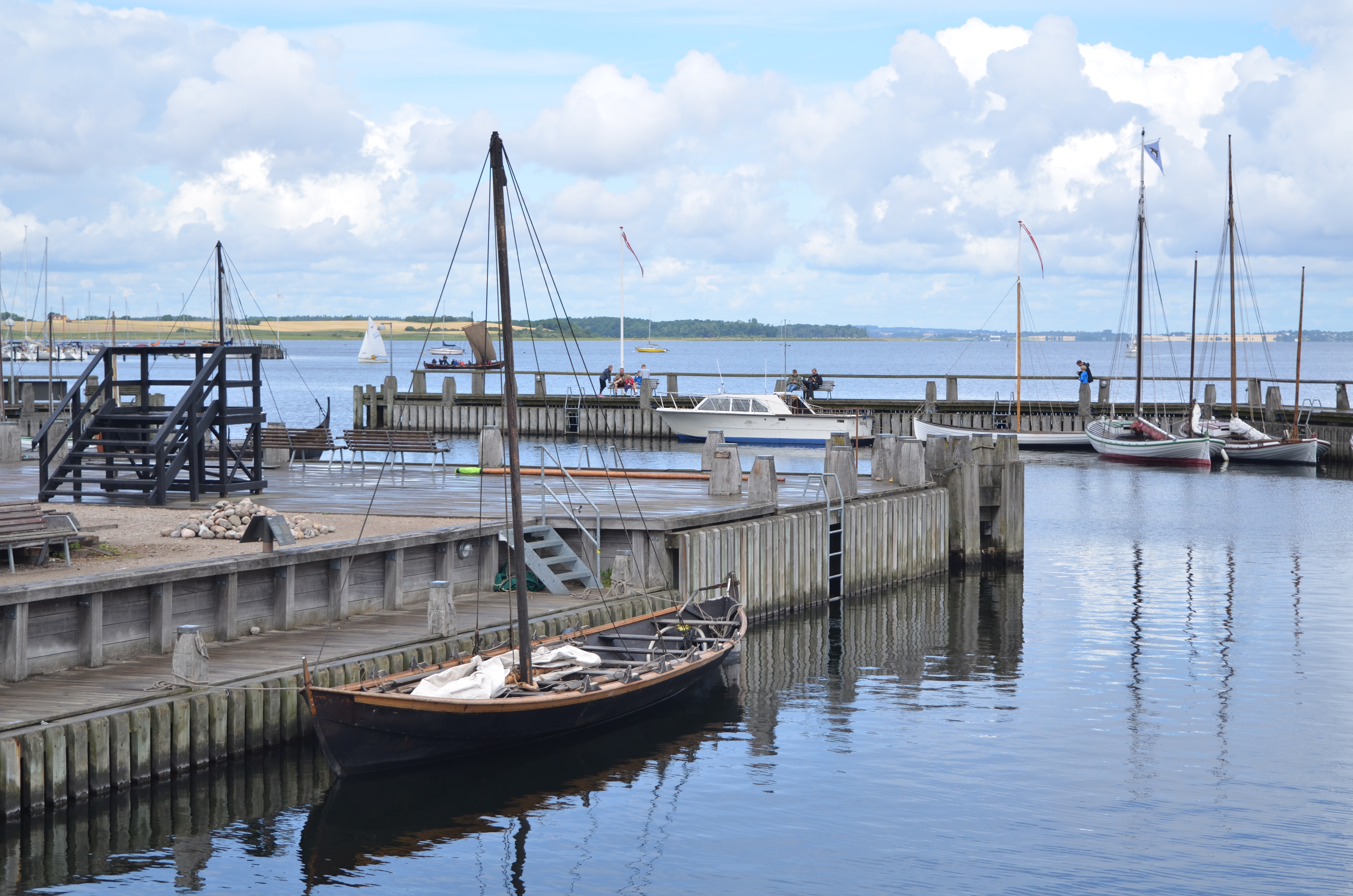
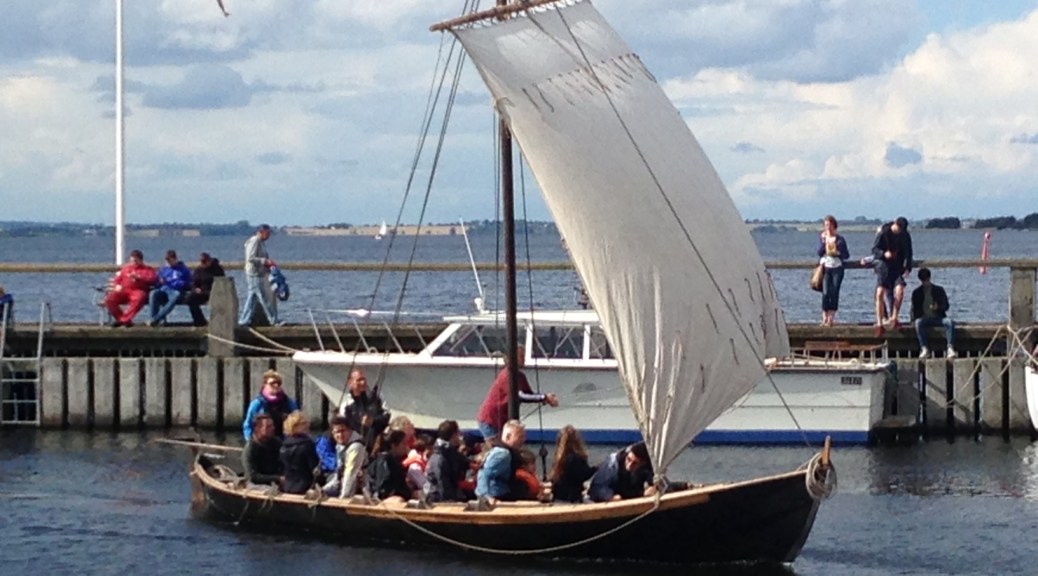
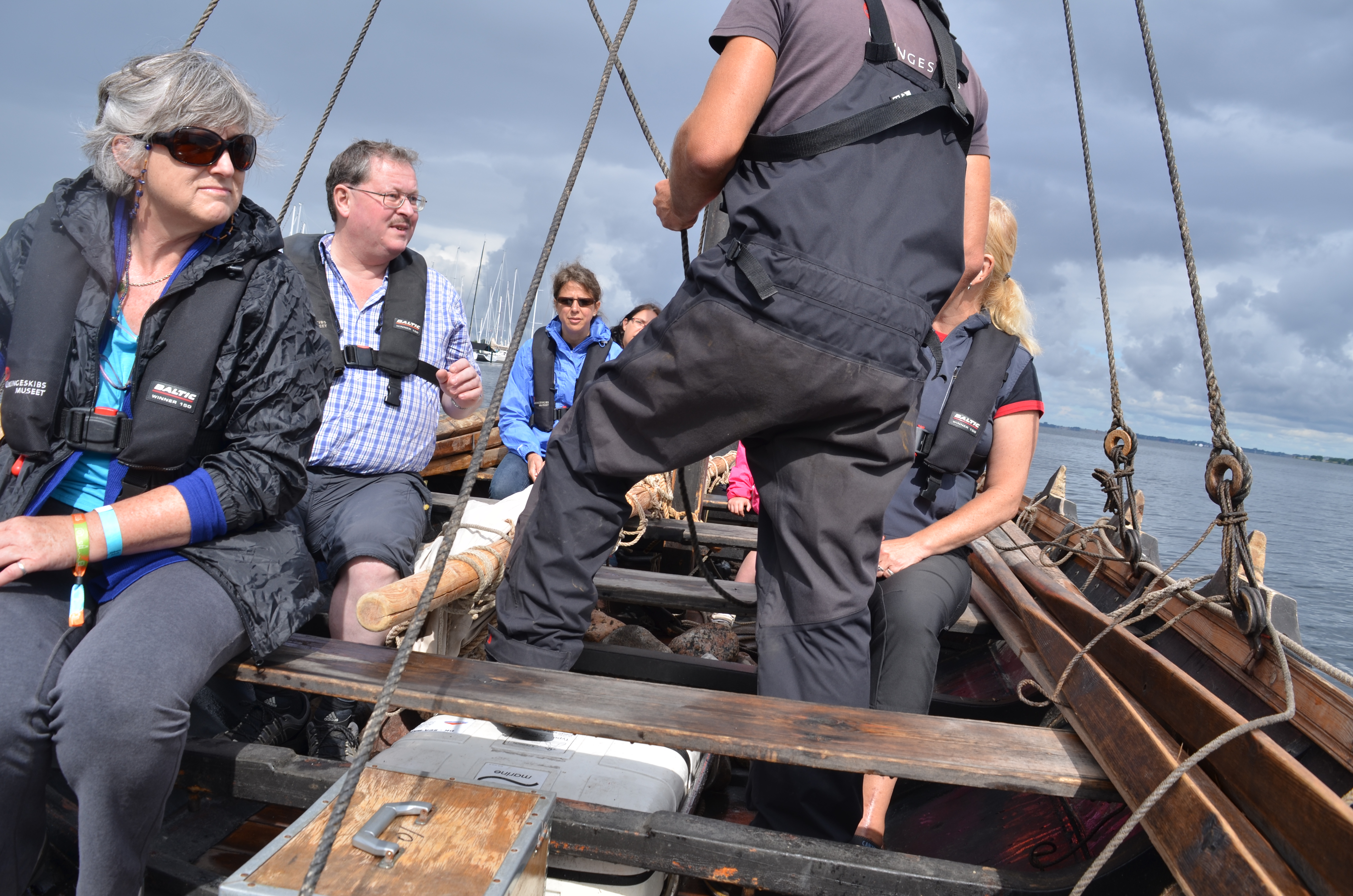
A 30 minute train from Copenhagen brings you to the quite town of Roskilde. It is easy enough to stay at your accommodation in the city and make the day trip, however we found that if we did the trip again, we would have stayed at the Danhostel in Roskide and taken a day trip to Copenhagen. The hostel, which was more of a hotel, is located about a hundred meters from the Viking Maritime Museum. The museum focuses on recreation archaeology, putting the theories about how the ancient mariners ‘did it’ to the test. for 100 danish Krona extra to the Museum ticket you can go for a sail around the fjord in a replica of one of the viking ships that they had discovered at the bottom of the fjord as a defence.

DSC_3535DSC_3537DSC_3541

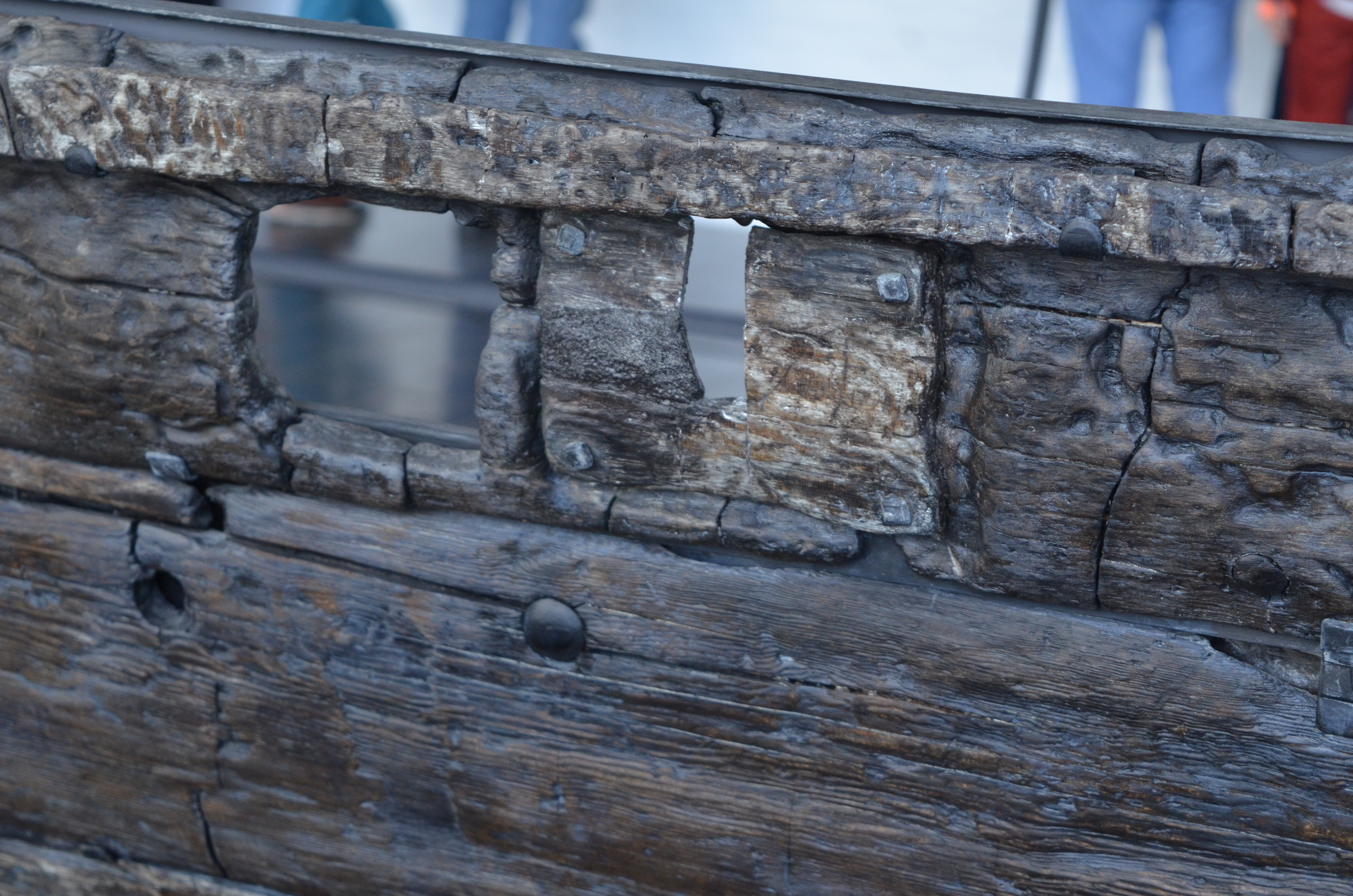
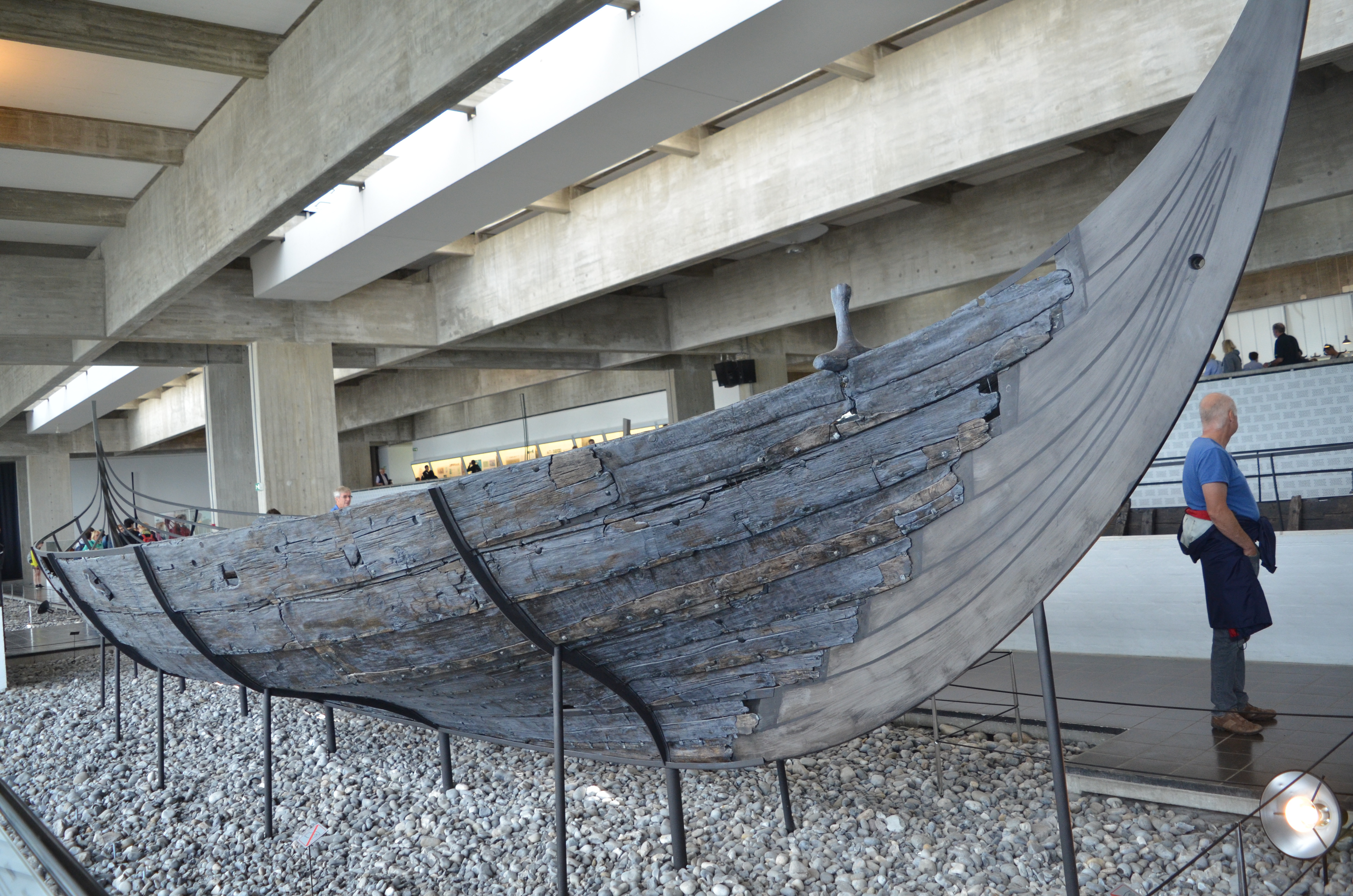
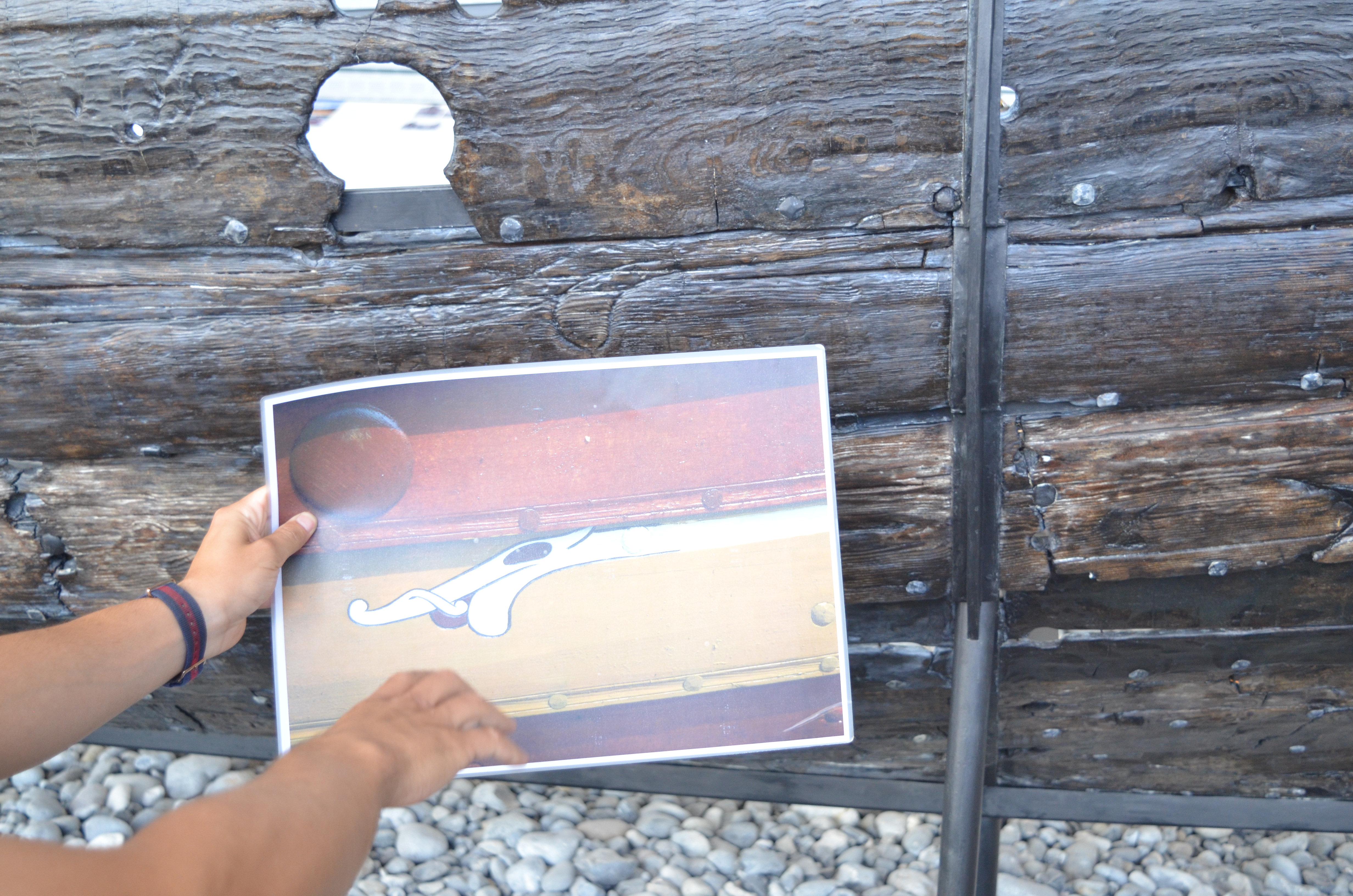
The 5 ships that were discovered had been purposely sunk, theoretically to block the deep and easy passages into the fjord, causing any ‘visitors’ (including attacking ships) to take a more risky route that would require the navigation of a local who knows the waters. The ships were brought up in the 1960’s as a large archaeological project, and were treated and now on display in the museum. (Free guided tours are available in English.) The manmade island where the viking ships sail from also hosts an open air style museum, with blacksmithing, rope making, and even the shipbuilding as in-situe recreation archaeology. In addition, if you want to get your hands dirty, you can chisel runes into a thors hammer pendant, or mint a coin in ‘ye olde’ way with a hammer and minting stamp.  if you want to join the kids table, they even have a wooden shield and sword.

DSC_3563DSC_3555DSC_3561

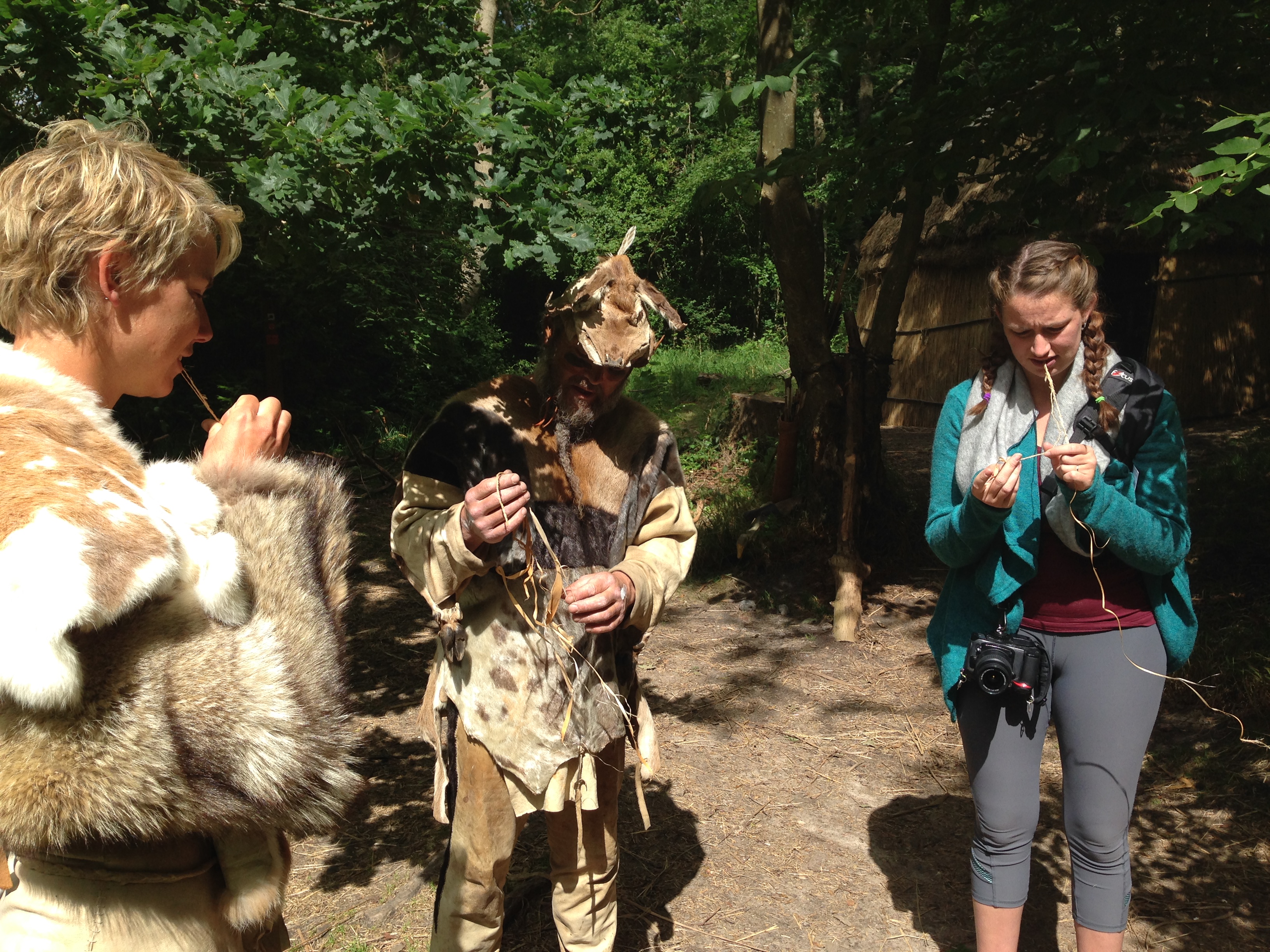
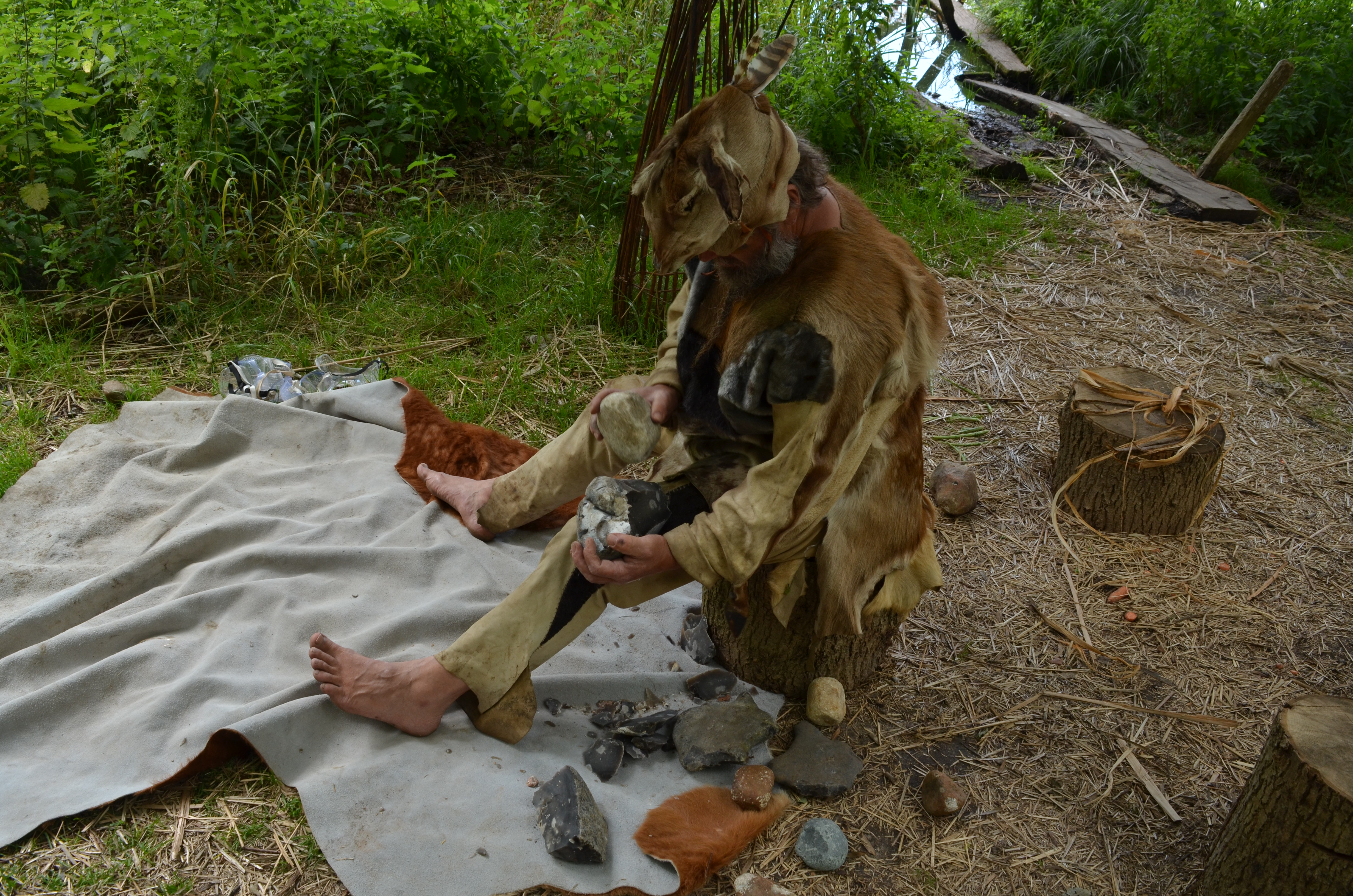
From Roskilde, taking a train to Lejre, and bus 233 from the station, you can visit ‘Land of Legends’, a open air museum dedicated to Denmarks’ history form the Stone age, through the Viking age, into the Iron and Middle Ages. The encourage getting your hands dirty and joining in the activities. learn to flake stones or make rope with the cave men, you can buy naturally died yarns from the weaver, or pots and mugs thrown by the potter. The park can be seen comfortably in 3-5 hours, longer if you participate in the settlements.

IMG_1998DSC_3624

Getting to Norway

The journey to Bergen was a 36 hour whirlwind adventure. We left Hirtshals Denmark on the “short ferry” to Kristiansand. Originally our plan was to take the overnight ferry to Bergen, and pick up there to continue traveling.

A few days early I go into the information centre and ask if the clerk can help me book some of the journey that requires booking, such as our ferry to Norway and first few trains. When I give her the dates, we find that the overnight ferry is sold out. Rather than continuing booking for another ferry (which we had our backup in mind) she throws her hands up and says that she can’t do it because it has to do with Norway and she doesn’t know their system. So mum and I book our ferry separately, giving up the discount that we should have gotten for our Eurail pass, but hey, at least we get the buffet on our crossing.


A few trains and many hours later, mum and I roll into Hirtshals, and lug our bags the 1.5 km to the ferry terminal. It was overcrowded and we thought we were waiting in line for check in, really, a family had decided to wait for the ferry right in front of the check in. A really nice kid who knew English told us that there wasn’t a line and we weaved our way around the crowds and checked in. The crowd was for another ferry and cleared out a few minutes later, leaving the terminal virtually to ourselves. When we boarded the ferry, we were seated in the buffet section and joined the people at our assigned table to start on the buffet before leaving dock. That turned out to be a really good thing, since once out of the harbour the waves had built to 4-6 m. It was enough to make the ferry roll, sway, and pitch with just enough force to get a good portion of the passengers seasick. The poor cabin crew, who were so lovely, would be constantly reminding people to get to the lower deck if they didn’t feel well. I, however, felt like suave as I pulled out my sea legs and was able to walk the 30 m to the toilets without stumbling as most everyone else was. (I even noticed a few admiring glances. Not at me, but more the fact I could walk.) The rough North Sea added an hour to our commute, but our accommodation was wonderfully close. We went straight there, as our train to Oslo, then on to Bergen was set for 4:45 am.


When it came time to wait at the train platform, however, we noticed all the boards said that the train didn’t depart until 10 am, which would make us late for our connection. Google maps had been giving us the departure time for Sunday… And Monday. (Fun fact: that additional time they list is not labeled with a date.)

Now remember, when we were in Denmark the lady wouldn’t make our bookings for us for Norway. Mum and I were planning on using our layover to book the rest of our journey in Norway. The next best thing was google maps said there was an early morning bus. It would get us into Oslo 45 mins before the train we needed to take to Bergen. The drive was great. The different shades of green that blanketed a rocky mountainside was picturesque. When we arrive at Oslo, we aim straight for the ticket counter to get our tickets for the next week. I ended up talking to two ladies, the first a bit grumpy, I asked for two tickets for the twelve oh three to Bergen, and she doesn’t miss a beat before saying “that’s impossible”. The second lady explains that the train is booked full (though the Eurail planner does not show that reservations are even an option) and that getting on now would be up to the conductor.

As the train pulls into the station, I go to the head of the train to meet with the conductor, and I notice a guy right behind me. Ryan had been told the same thing, and we went in search of the conductor. The conductor that checks tickets got off, and Ryan and I met him on the platform and explained our situation. He told us where to hang around on the train, and it would be up to the other conductor. We waited. We tried getting seats. People with reservations would show up. We would move. This happened a few times until we felt safest bet was the dining car. Ryan went out to check one last time and came back with 3 seat numbers we could occupy. We watched the clock. 12:01. People walking up the car as we hold our breath they aren’t looking for the seats were in. 12:02. See the occasional person on the platform, but no one getting on or off. 12:03. We ease out of the station and breath a sigh of relief. The seats were ours.

DSC_3916.JPG

The train ride was breathtaking. From fjords to glaciers to waterfalls. Ryan, who sat across the isle from us, and I talked for a while till a nice Norwegian guy came to take the seat next to him. We chatted periodically through the ride, but mostly mum and I would be pressed to the window to see the scenery.

We arrived in Bergen too late to get the tickets for the week, and went looking for our hostel. As we were leaving the train station it started to rain, then we got turned around in our directions. We decided for the 500 m to our hostel we would get a taxi and not walk in the rain with all our gear. The taxi we got was a bit too eager, which was the first red flag, then he pointed down the road and said ‘oh yeah, it’s just over there.’ And proceeded to drive THE OPPOSITE DIRECTION. The driver, who was from Somalia, pulled in front of the building, and helped us with our bag while trying to distract us with pleasantries about how much he likes America, and his fellow Somalian taxi driver had pulled up behind him. As were walking into the hostel, I hear him yelling at our taxi driver. While I could t understand the language, the meaning was universal. He was calling him out about driving us the long way, when we were only one block away from the train station.

At this point we’ve been up since 4, traveling all day, and we’re hungry. We just call it a day, grab a pizza from a local take-away, and go back to the hostel.

Now for our next trick… Getting from Bergen to Flåm on the morning train without previously booking.

When in Rome, do as much as possible.

For an ancient city, Rome offers plenty to see and do, no matter what you want out of traveling. The key is to have a good plan before jumping in.

DSC_2549.JPG

As we left baggage claim at the airport, a Mobile Sim card company snagged us for a sim that will work in almost all of the countries that we will be visiting along this trip. The card, which we got with both internet and phone minutes, has already helped as we wondered the back alleys around our hostel looking for our street. And if you’re carrying a internet enabled phone, Google Translate (which you can download for offline use of typed text translations) can use your phones camera to translate signs on-the-go.

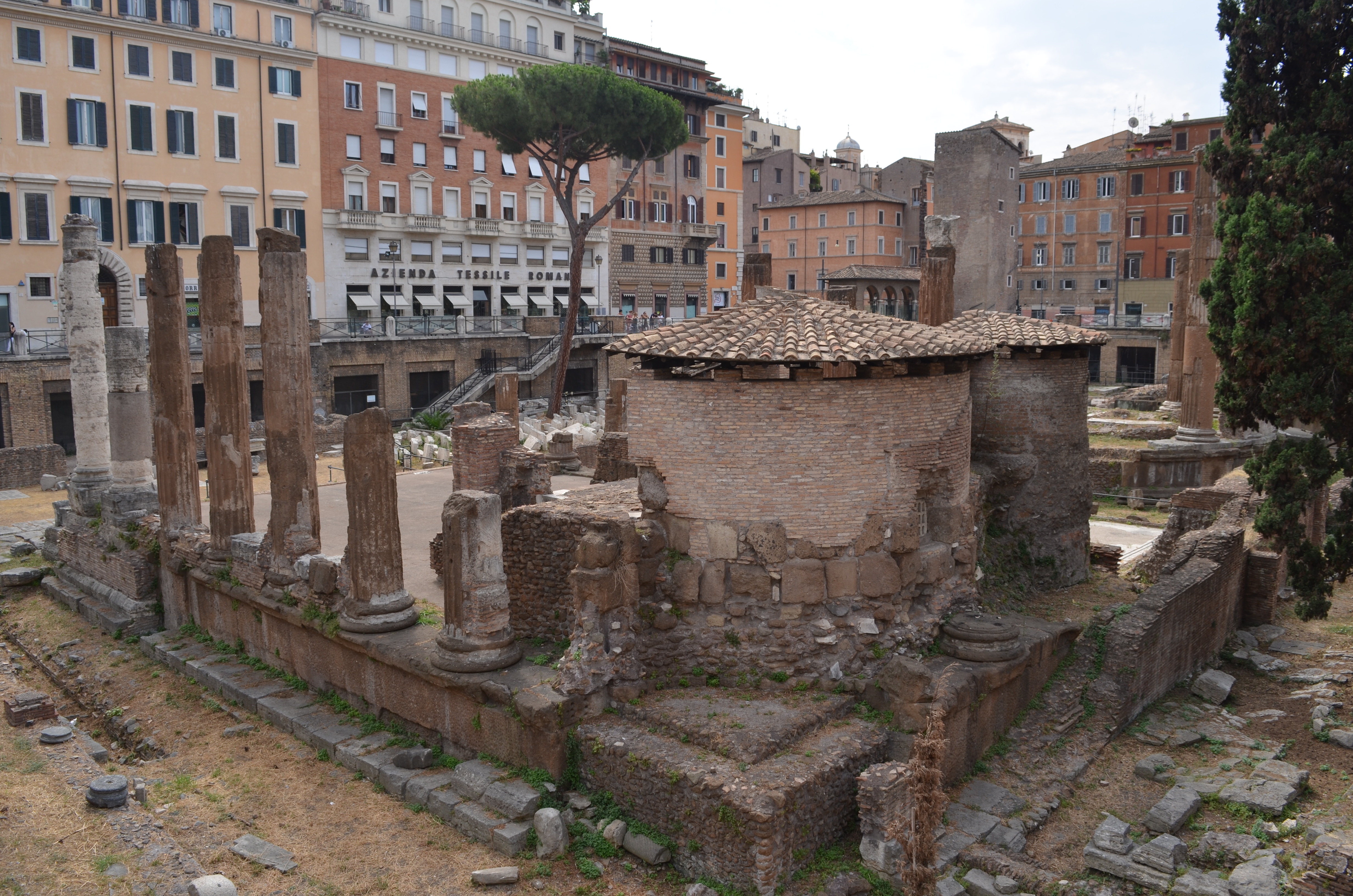
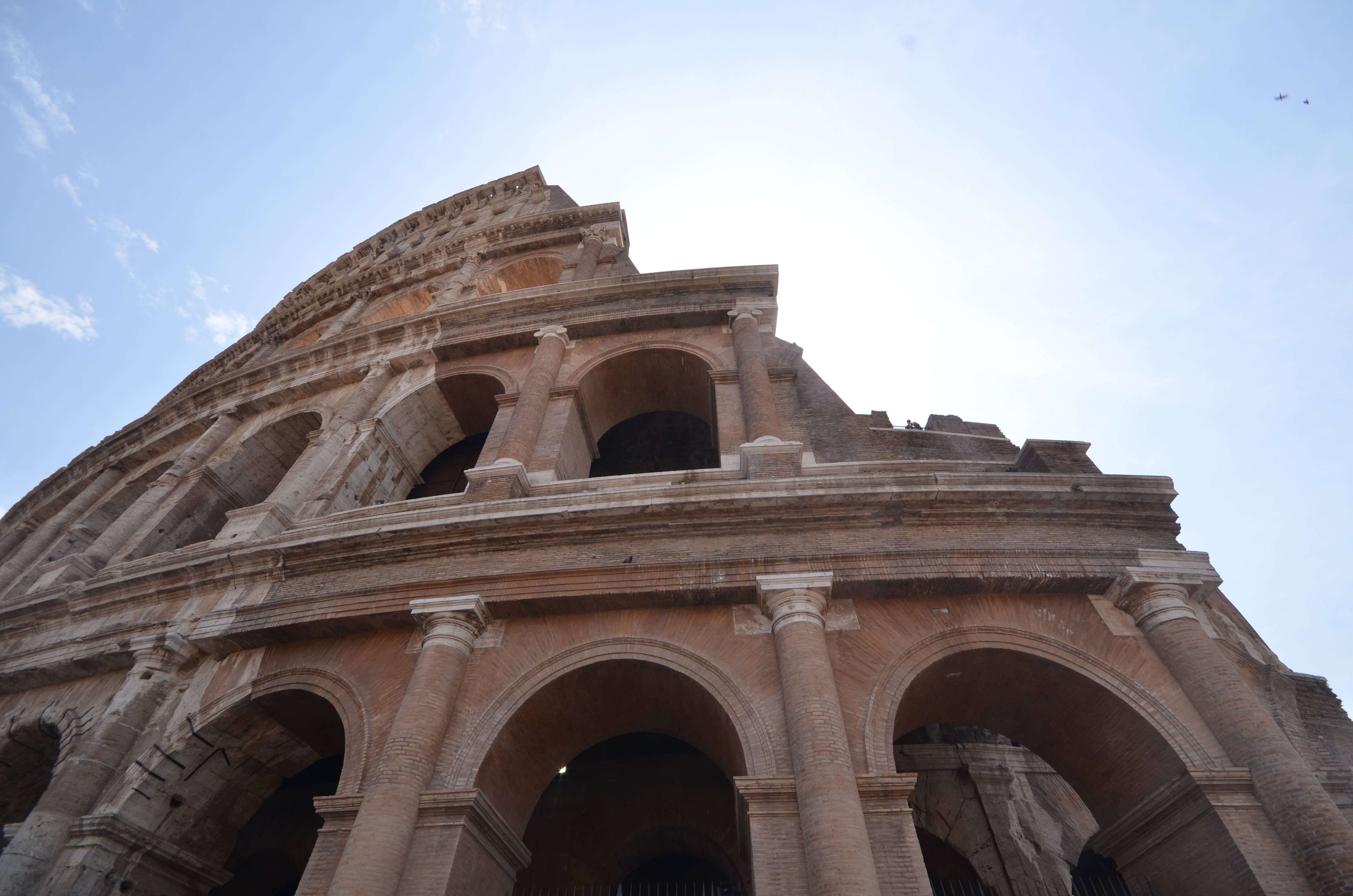
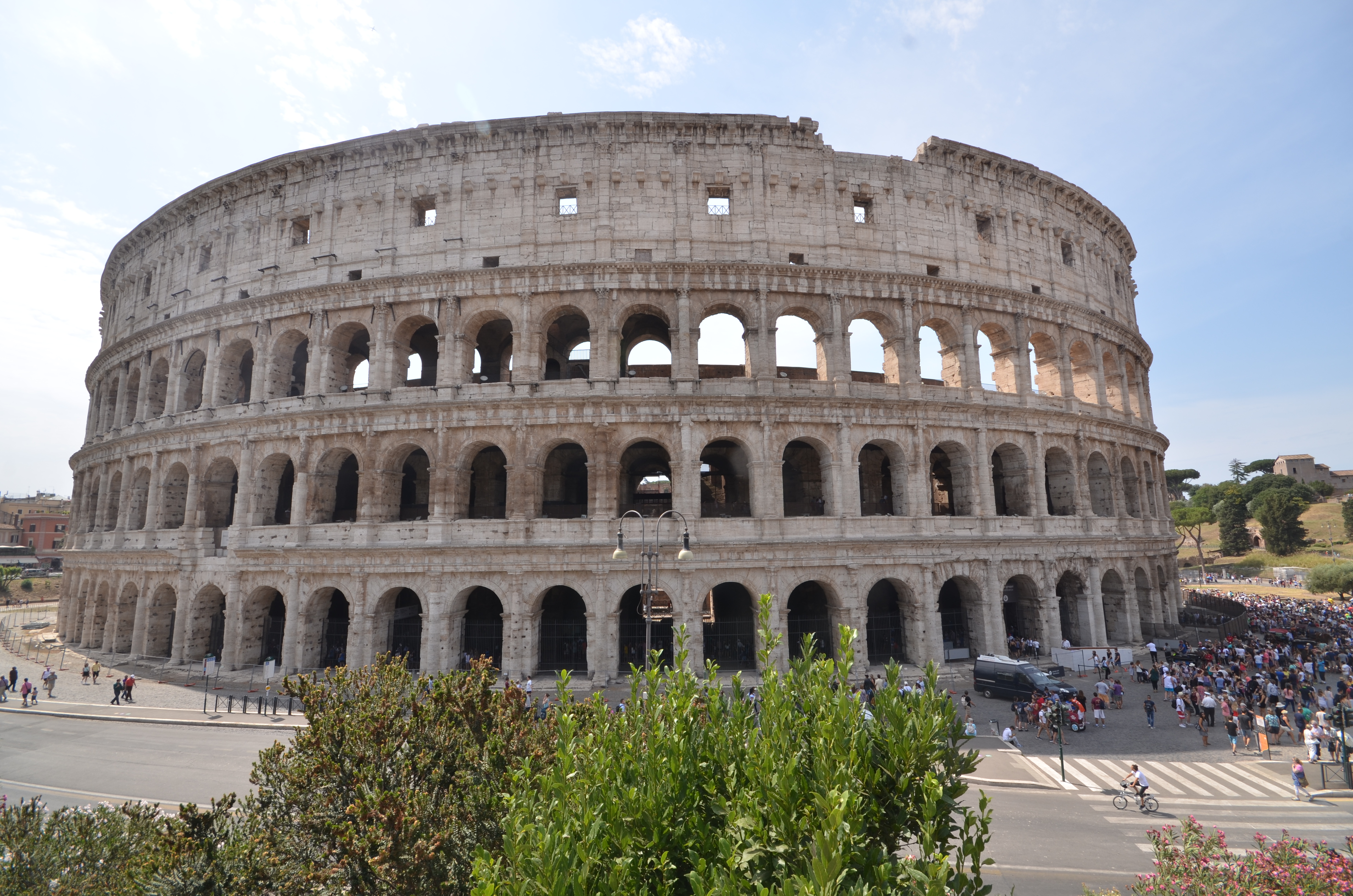
We stayed at Orsa Maggiore (for women only), which is centrally located in Rome, though got in early enough to drop our bags at the hostel and go wonder at the ancient wonders near by. The Colosseum and Roman Forum, stooping for Gelato on the way.

When approaching the Colosseum, we were stopped by numerous tour guides with the same plug trying to get us to join their tours for an additional 18 euro.

DSC_2601

My recommendation: Get a Roma Pass (the price varies by how much time you would like to keep it active for. There is a special line for both the Colosseum and Roman Forum for pass holders. While the guides were trying to convince us it would take nearly 2 hours to get through with the pass, it was really only 10-15 minutes. We also get free transportation with it, and makes the pass a worthy addition to our planning. If a tour sounds like a good idea to you, they offer audio tour devices just inside the gates into the Colosseum.

DSC_2599

When walking all over the forum, there are a couple things you will want with you. A camera, a hat/sunscreen, A water bottle (which can be refilled at one of the many water fountains in the city,) and a map/guidebook (we have the DK eyewitness Italy book, which explains a bit more about what were looking at.)


Koalas, Kangaroos, and Emus. Oh my!

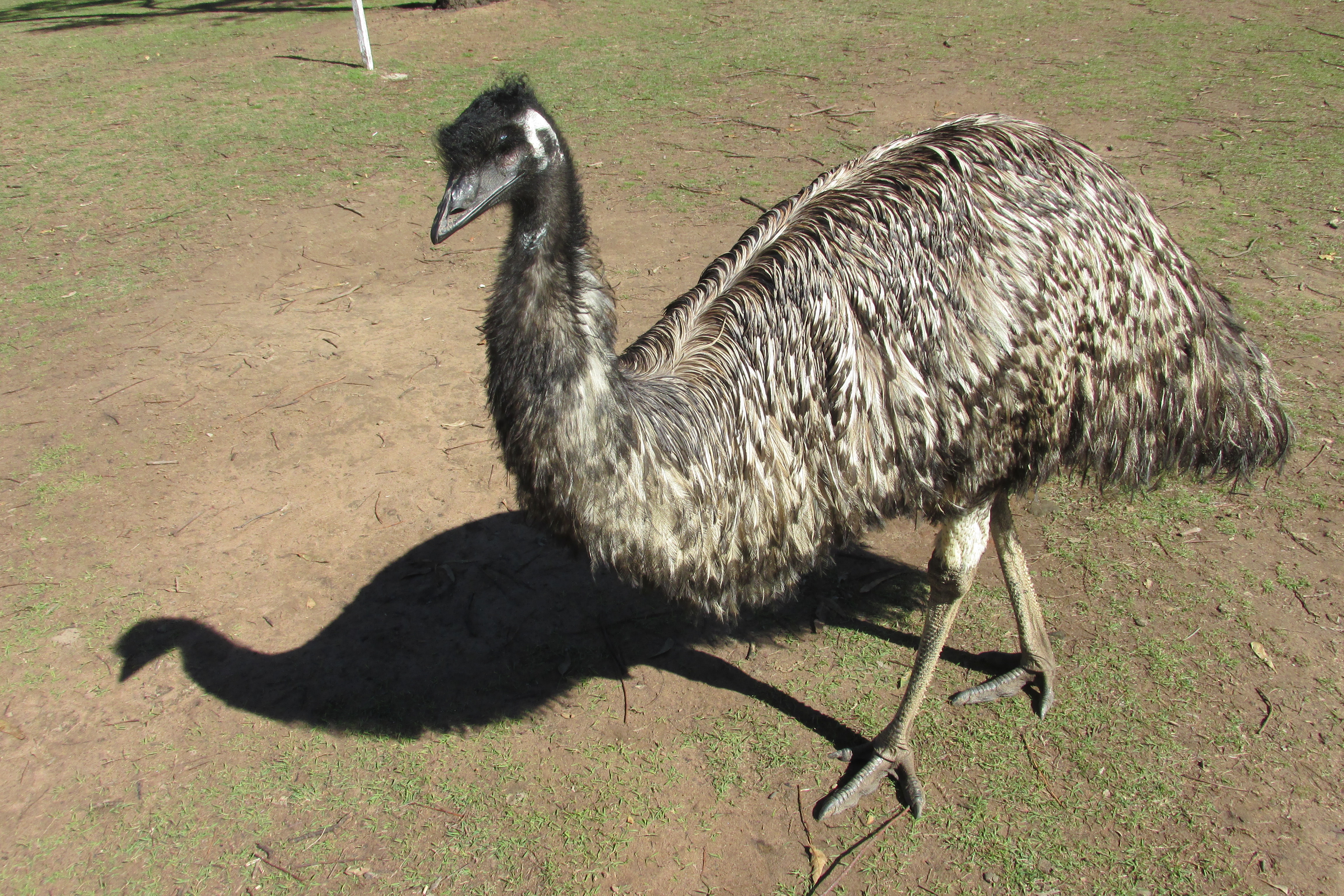
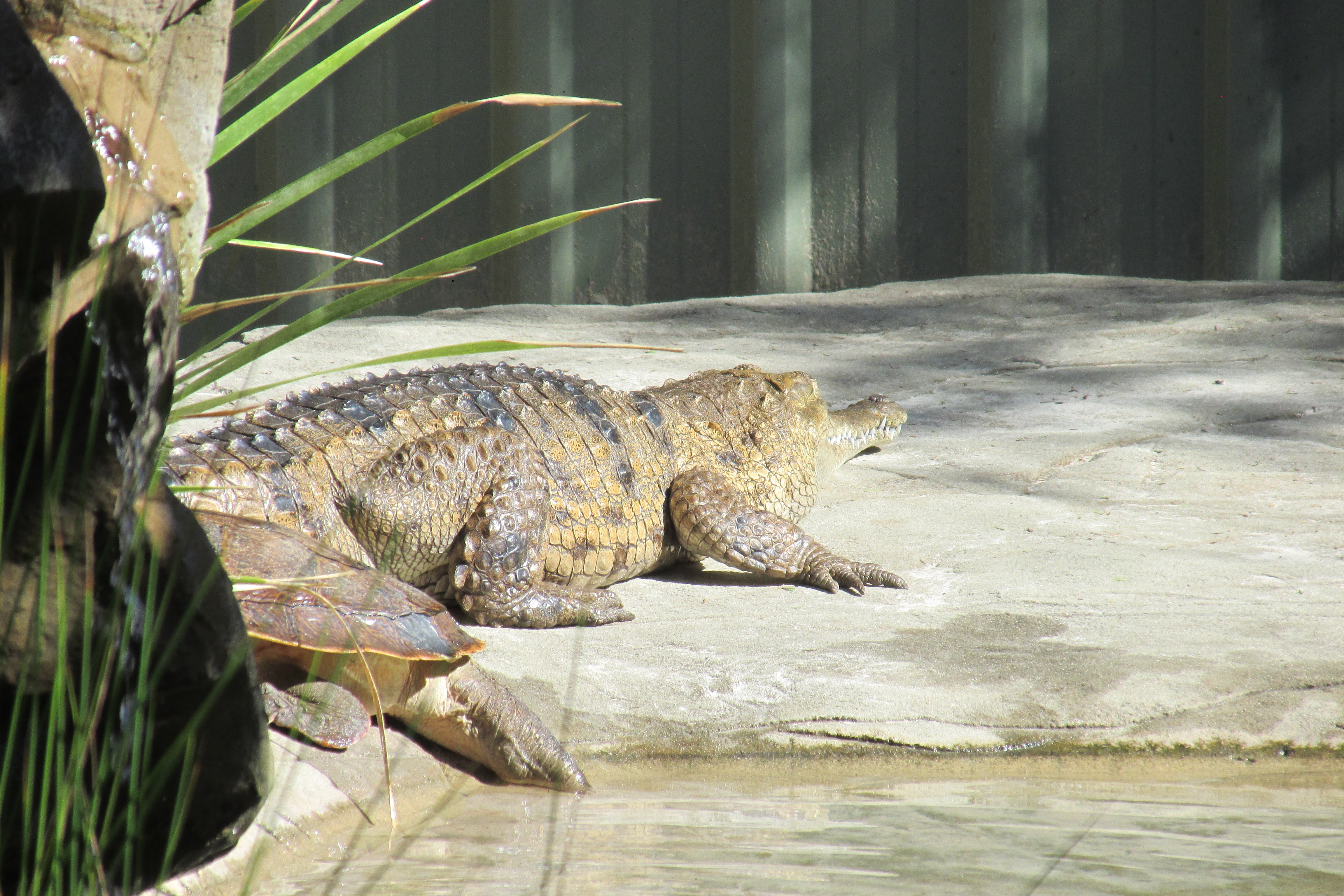
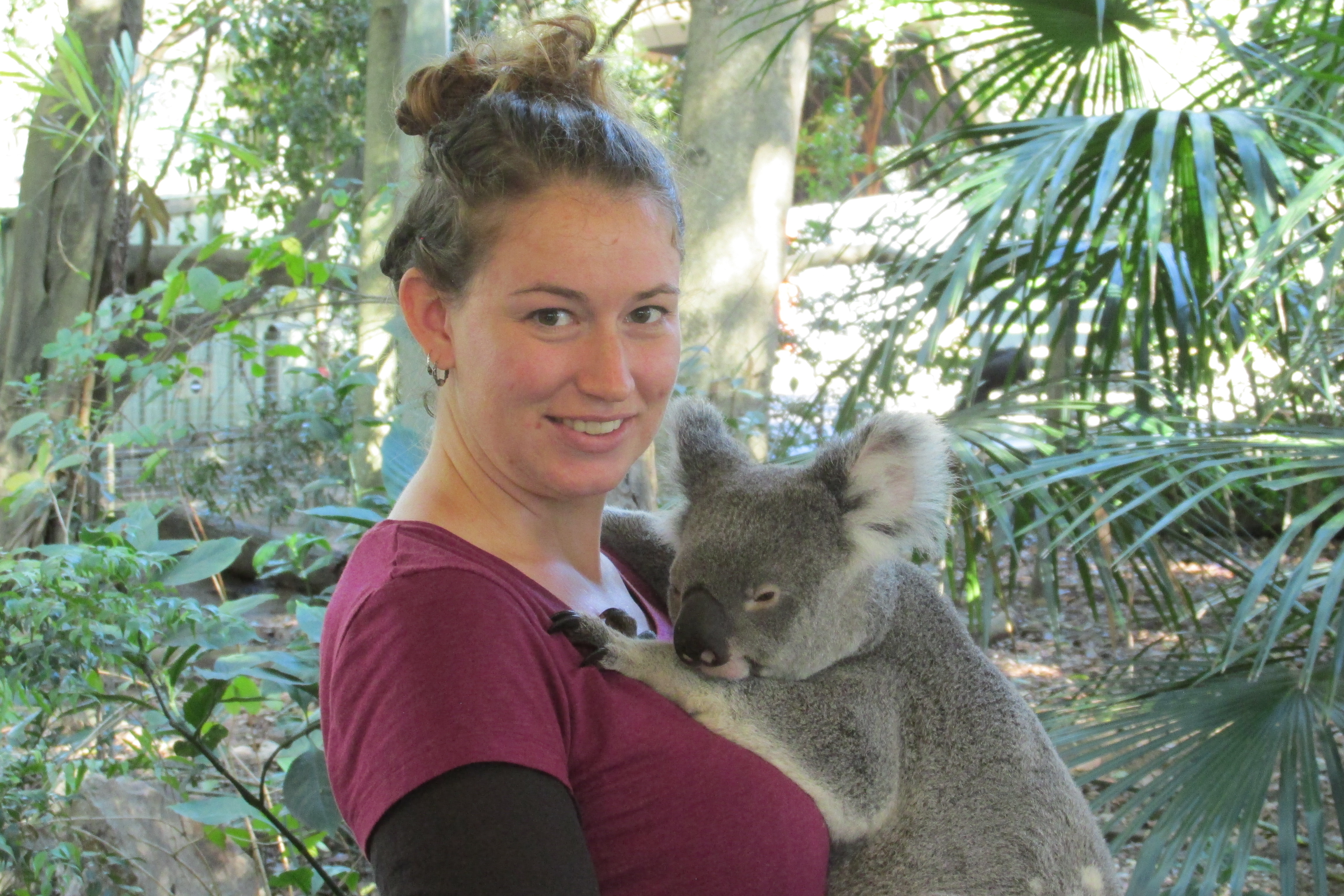
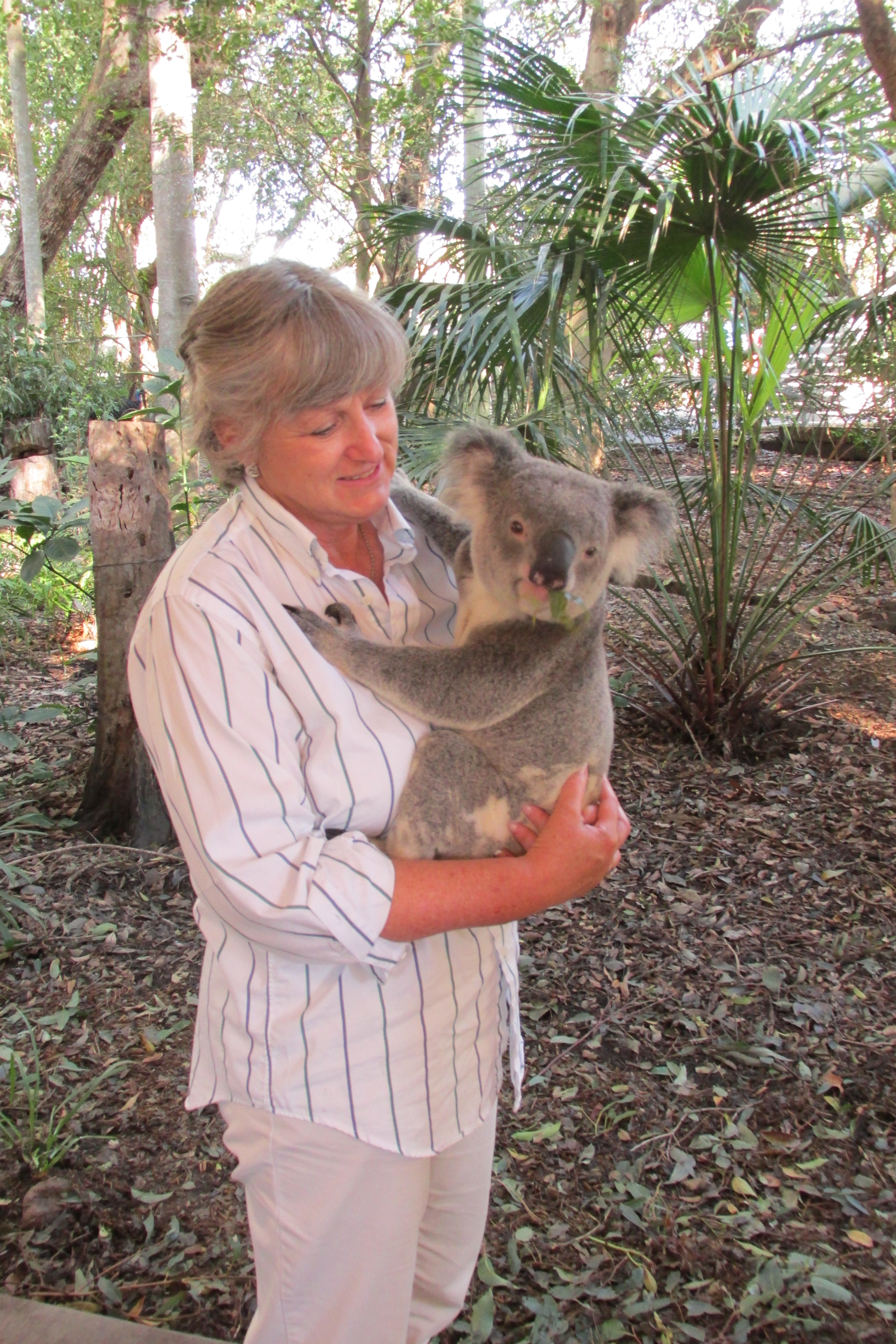
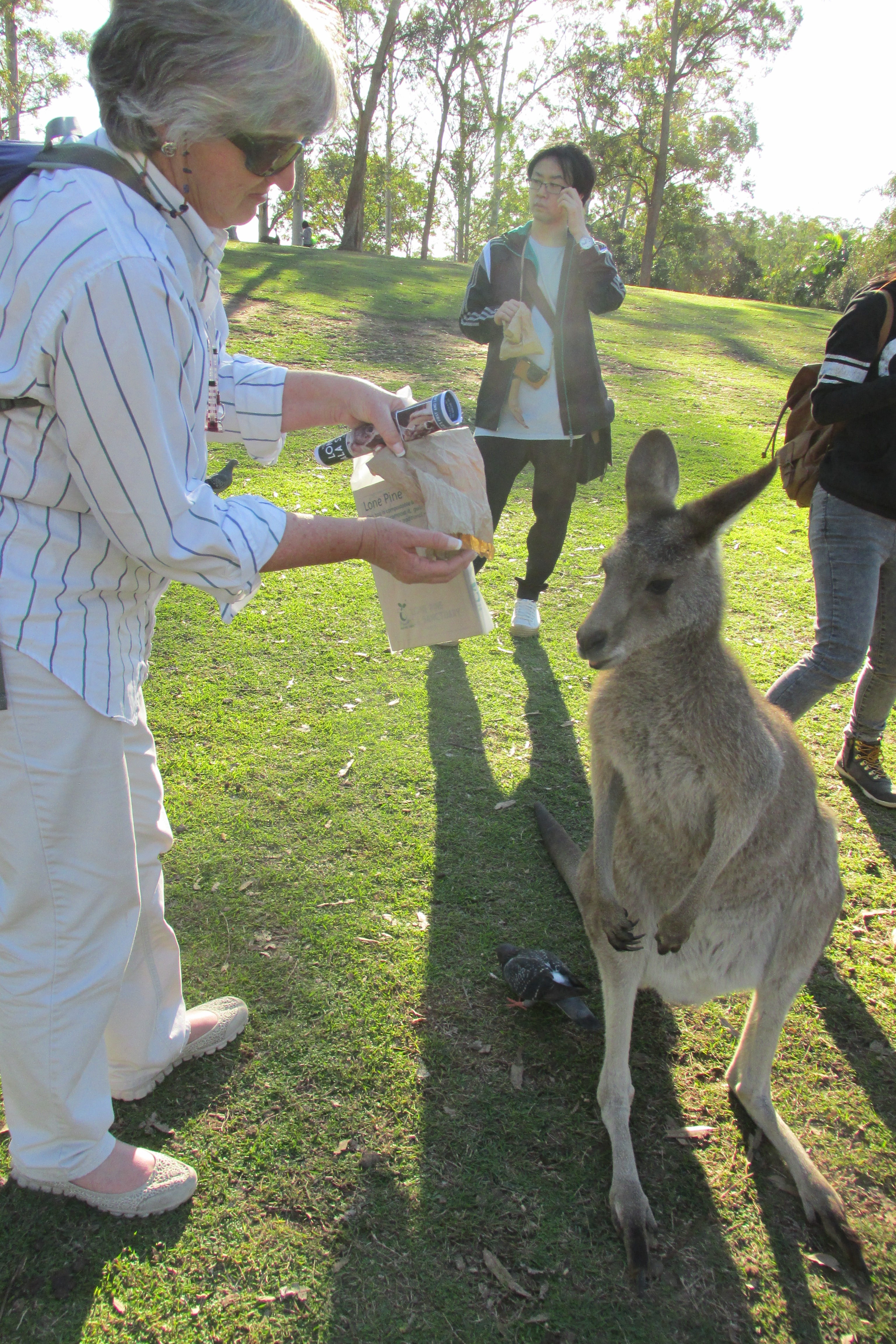
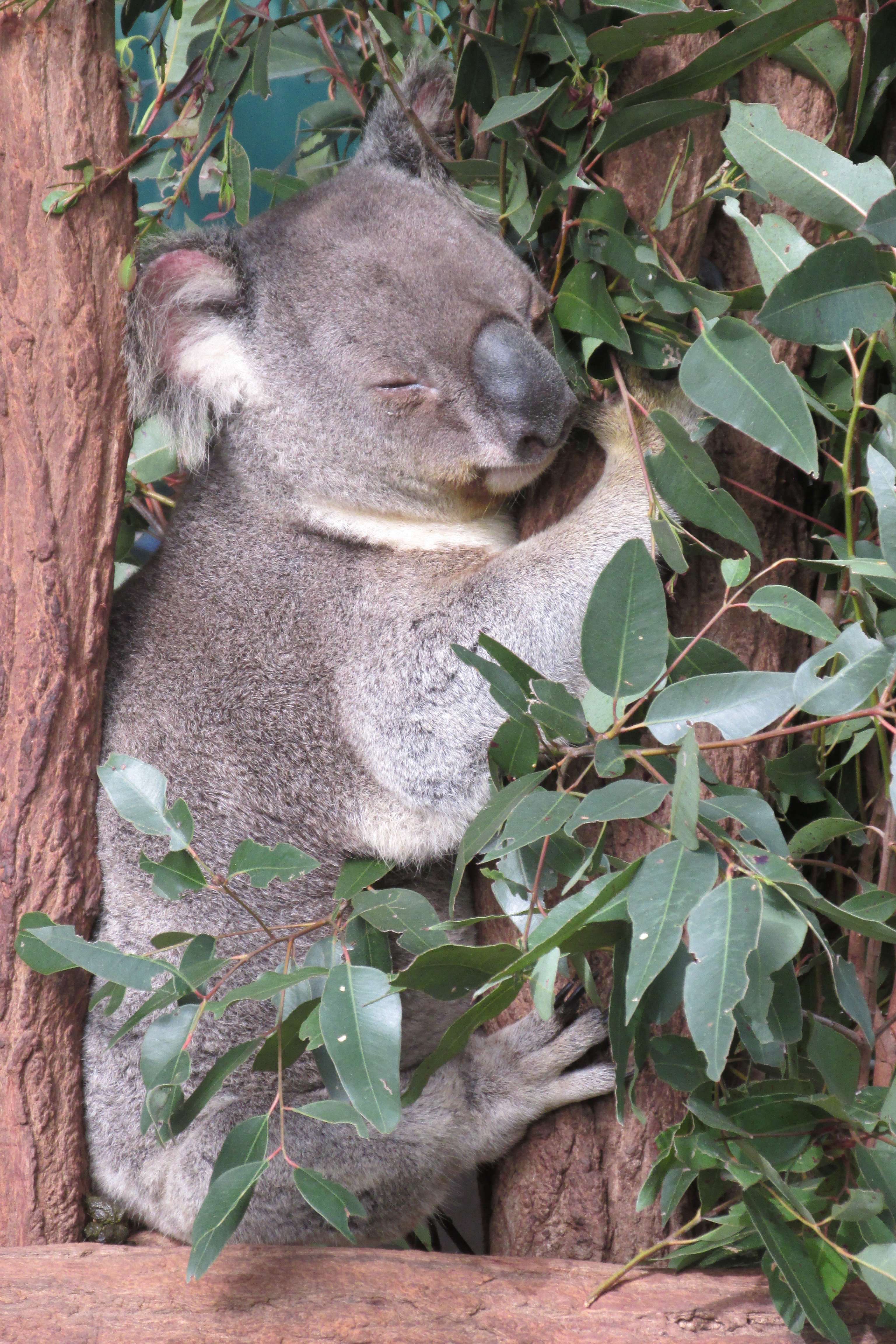
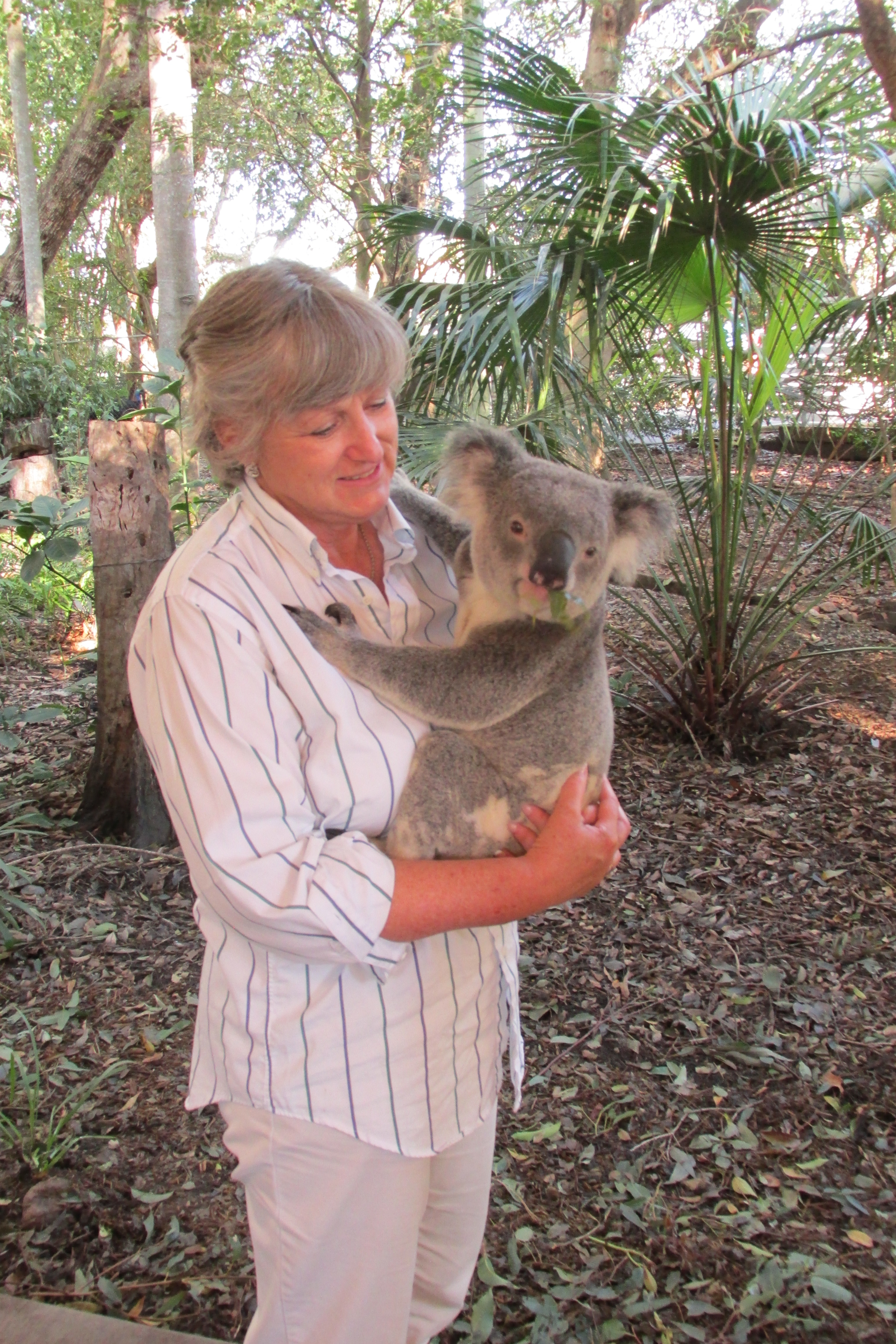
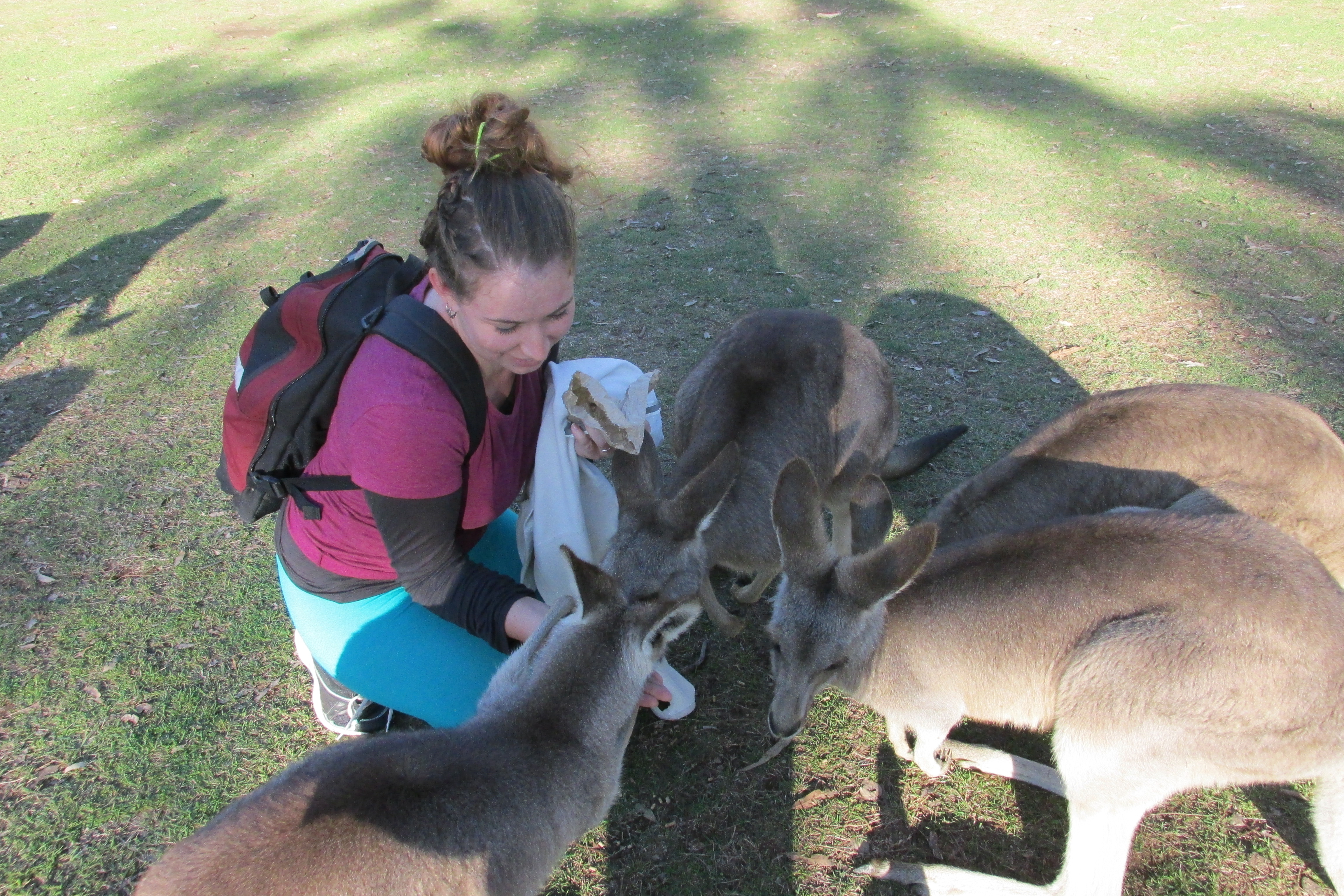
The week in Brisbane progressed with an adventure to the Lonepine Koala Sanctuary. While not as big as the Australia Zoo, the one that the Crocodile Hunter, Steve Irwin, made famous, Lonepine has a wide verity of native animals (and is easier to get to from Brisbane and a lot cheaper too.)

Daily shows include a bird of prey show, koala shows, Tasmanian devil and platypus feeding, and sheepdog/sheep shearing demonstration.

Since I was in Brisbane for a couple years, I had a season pass which also gave me a lot of ‘perks’, and made the day even better.

IMG_1268IMG_1278IMG_1294IMG_1300IMG_1340IMG_1258IMG_1300IMG_1347

Waterfalls, Cliff jumping, and the GoPro “Hero”

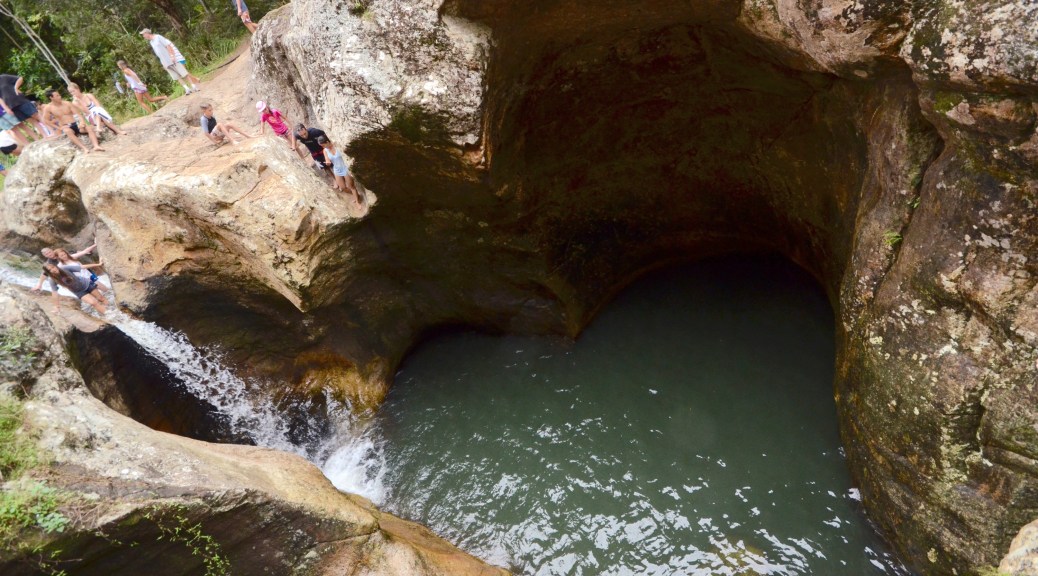
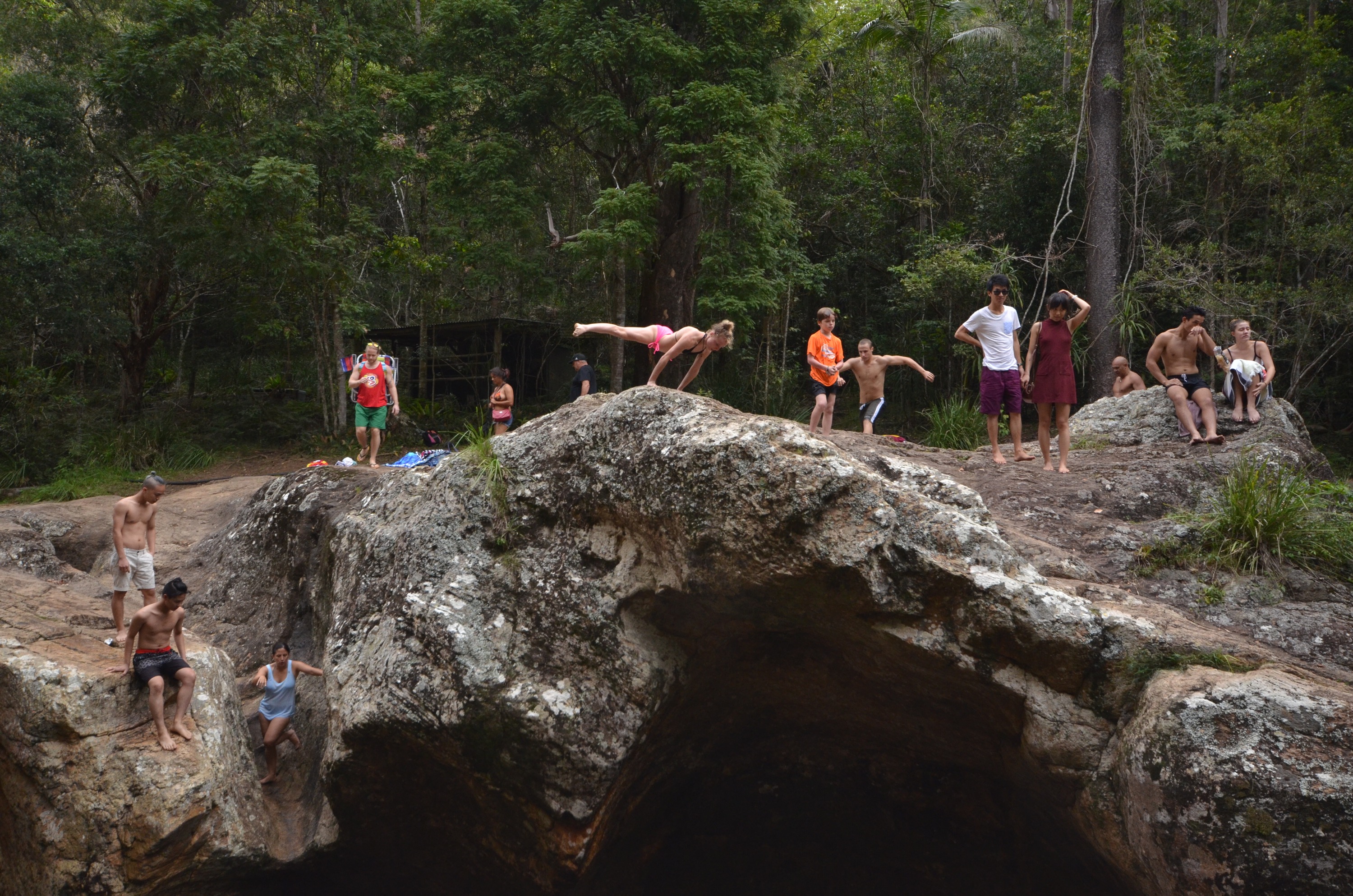
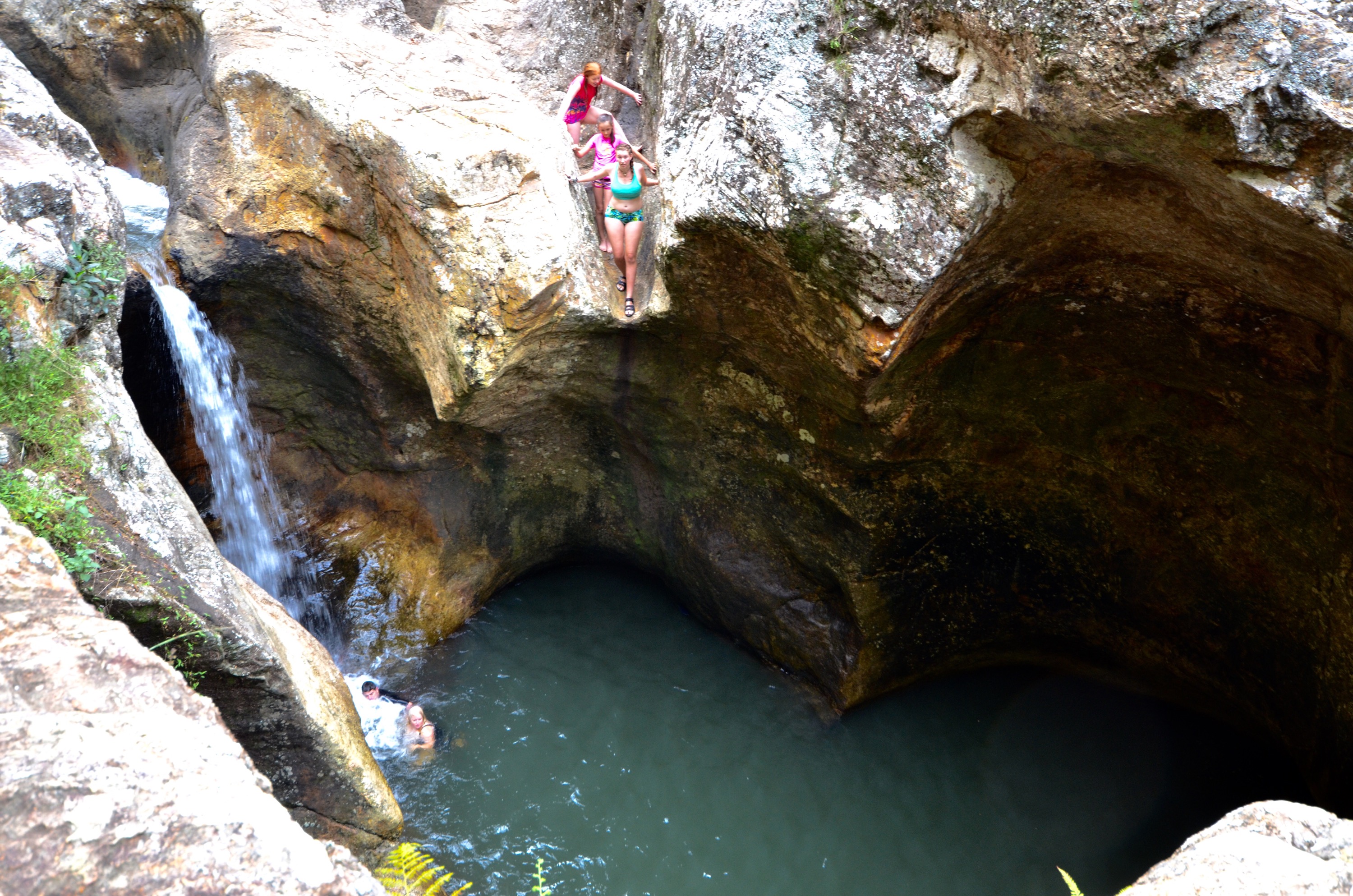
Down on the Gold Coast, away from the high-rises of Surfers paridise and off the path of public transportation, is Killarney Glen. The area is winding roads and farmland, and we would have probably missed the trail head if not for the line of cars parked hundreds of meters on either side of the local attraction. A swimming hole, known as the Killarney Glen waterfall, is a heart-shaped pool fed by a 6 meter waterfall, lined with spectators on a warm summer Saturday afternoon.


Spectators gathered as timid individuals gathered courage for their leap, while those who frequent the pools tried their hand at flips, all aiming for the deep water. Just off of the “jumping area” is a small grotto, which accumulated jumpers to spectate from a view they achieved from their jump. Families, twenty-somethings, teens on easter break, lined the top of the cliff faces either to watch, or when waved forward from the other side of the canyon, to jump.

I’m afraid of heights. I’ve never been graceful, and feel that standing on something tall makes me ‘kinetic energy’. In high school I would jump with my friends in Colorado into the Arkansas river. Not high, still terrifying. I would swing from our boat into the water in the Bahamas. It took me about 5 minutes of looking out 2 meters below me before I could make the jump. And to this day, as silly as it feels, I hold my nose.

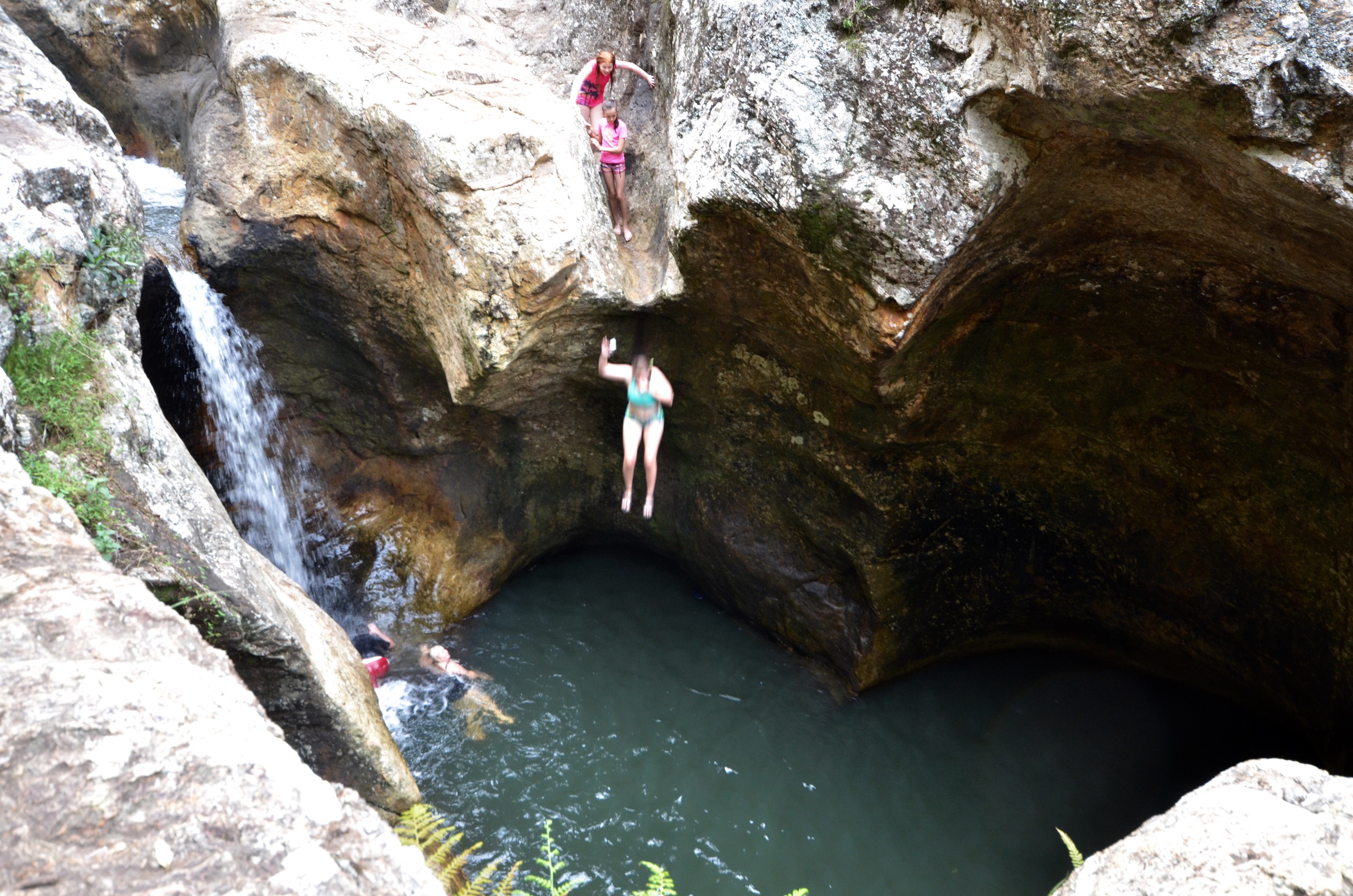
Fastforward, I am standing in a dried up wash-out that juts out over the ‘deep water’, 4-5 meters below me. GoPro strapped to my wrist, though my hands were flat on the rock on either side of me for stability. The girl behind me, no more than 10 years old, comments on my shaking. Her older sister, about 12, wants to help me out by giving me a count down. At first I didn’t notice, since all I could think was ‘S#!t, this is high.’ I try to get in the zone during the second countdown, but psych myself out somewhere between “…3…” and “…2…”. Seconds later I pull myself together, ask her for one last count, and at “…1”, step off the cliff.


(Taken with a Nikon and Sigma Wide-angle lens, uploaded with eye-fi.)

I felt the rush of wind then cold water, then the feel of the strap of my GoPro slide over my small wrist. I surface and accept that the camera may have been claimed by the river gods, and briefly remember a youtube video of a GoPro that fell in a river and was found a couple years later. Oh, well.

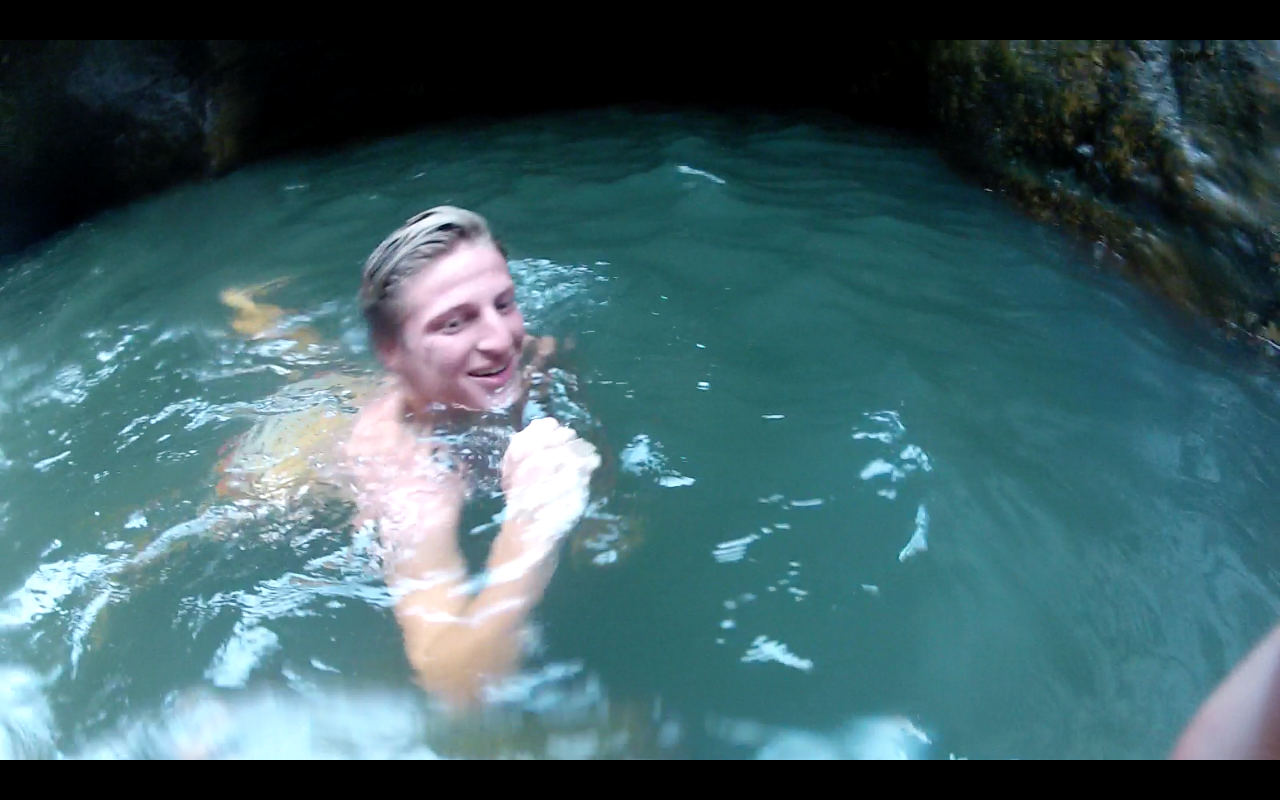
I swim to the mermaid grotto, and attempt to slide onto the surrounding rocks, helped by a new friend, and mentioned that the camera went the way of the waterfall. The next jumper, a young blond guy was about to swim past when we asked “is there any chance of finding a GoPro over there where I jumped?” “GoPro?” The kid smiled, turned around, and dove. He surfaced seconds later to applause, with my camera in hand.

I tried to find him after to thank him, and couldn’t. He had one green eye, and one blue eye, and was kind enough to fetch a strangers camera. To you sir, if you are reading, THANK YOU!

Screen Shot 2016-03-26 at 9.00.09 pm.png

(Screenshot from the GoPro of the good samaritan)

Update: added video March 27. Keep an eye out at ~2:30.

New TravelGypSea podcast!

Hey everyone,

Its been way too long since I have had the chance to sit down to write, so I’m going to try something very new… A podcast. I have never done them am excited for this idea, since Im going to get other travelers I know to help with the making of it. This will be a weekly thing, where I pull in old info from past blogs, new info that could potentially be a new blog, and things that I just saw floating around the internet.

This week is Episode 1- General travel, where Natalie and I will be talking about some ideas for an upcoming trip. She has never solo traveled before and wanted some info for how to get started.

Podcast: Travelgypsea › Embed Code — Podbean

travelgypsea.wordpress.com

https://izi.travel/en/app

http://www.myisic.com

https://www.gapyear.com

Episode MMXV: Return of the Gypsy

With a month left before I journey back to the land down under, my busy schedule hasn’t allowed for much video editing. So here it is: TravelGypsea’s Japan, Episode 2. Im doing this one a bit different with an article to narrate, and instead of photos, a video to accompany.

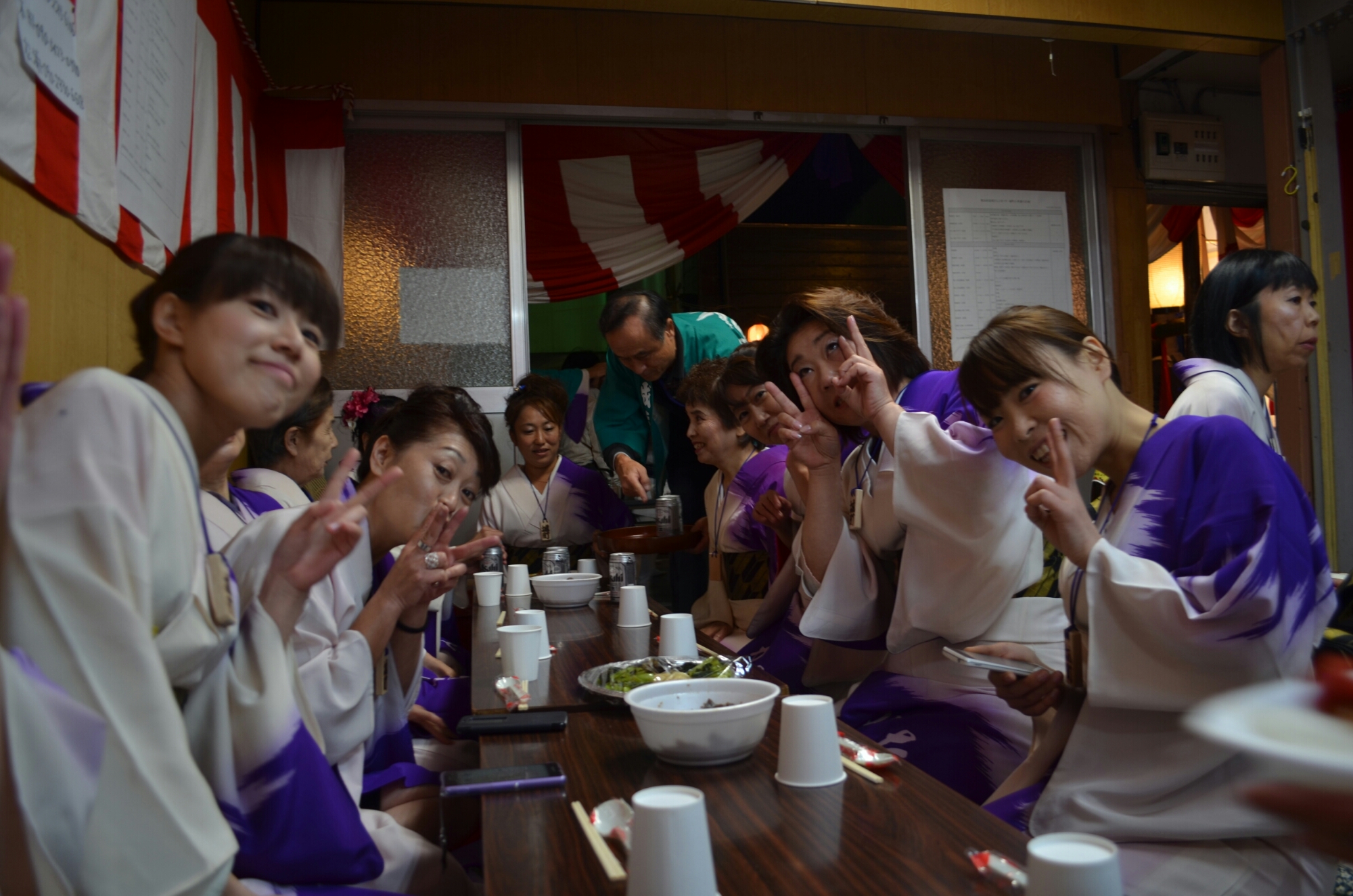
At the end of last year my Japanese class that I have been taking arranged a small Christmas party and had a Christmas lunch of Mexican food for me on Christmas morning. At the Christmas party, many more students who attend the Thursday night class came. The girls from Singapore serenaded us with carols, and some of the ladies dawned their Hawaiian dresses for a hula which then taught to us. (Yes, I did ware a big poofy-skirt and lei. It was wonderful.)

About a week later, I had the opportunity to go to Nagano for a couple days to ski and see the snow monkeys. (I wrote a previous blog on the adventure.)

Last week my Japanese sensei’s surprised me again with arranging for a tea ceremony master/teacher to come in and perform a tea ceremony for us. Not only did I learn how the ceremony is conducted, but she taught me how to do it!

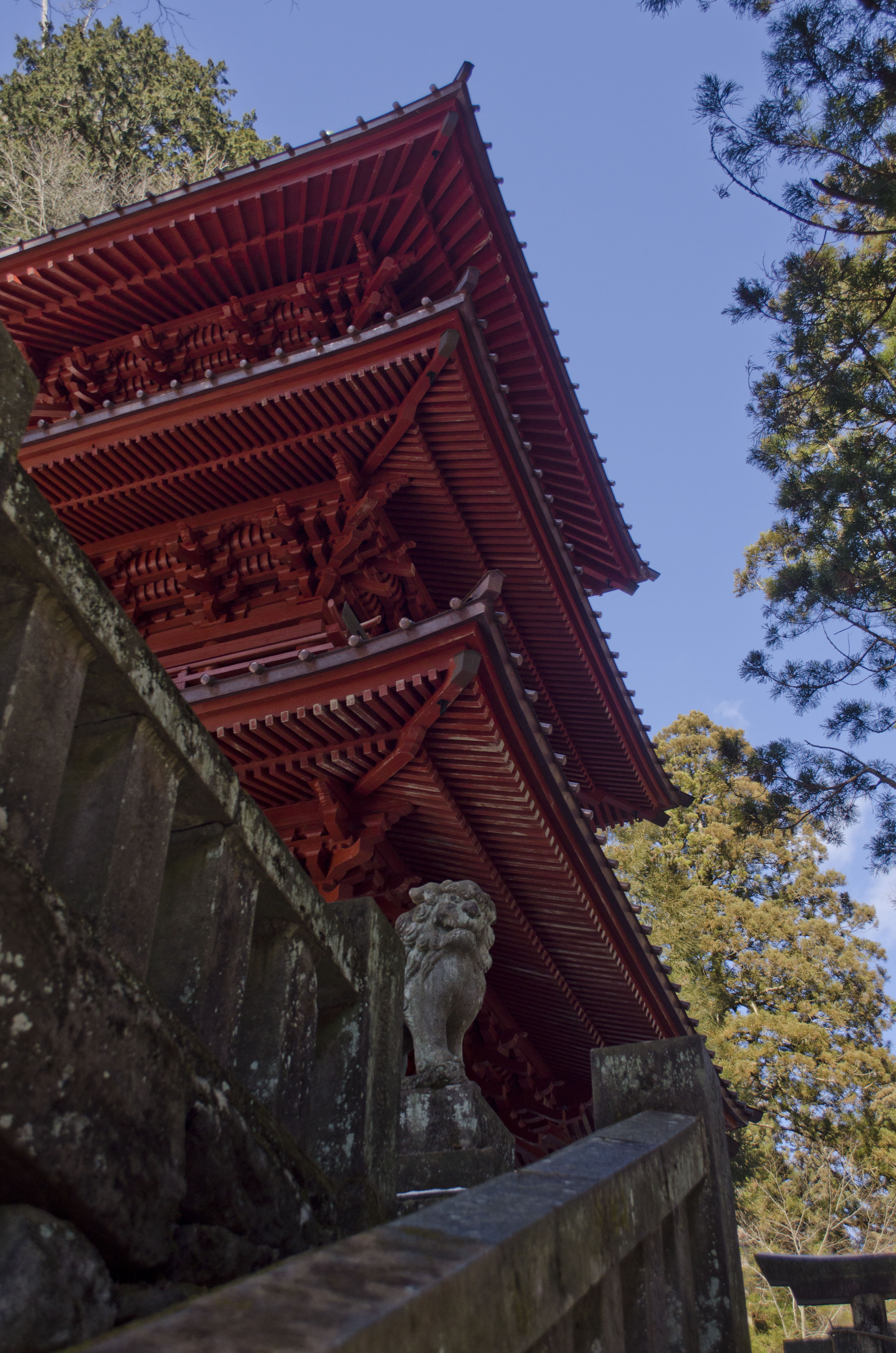
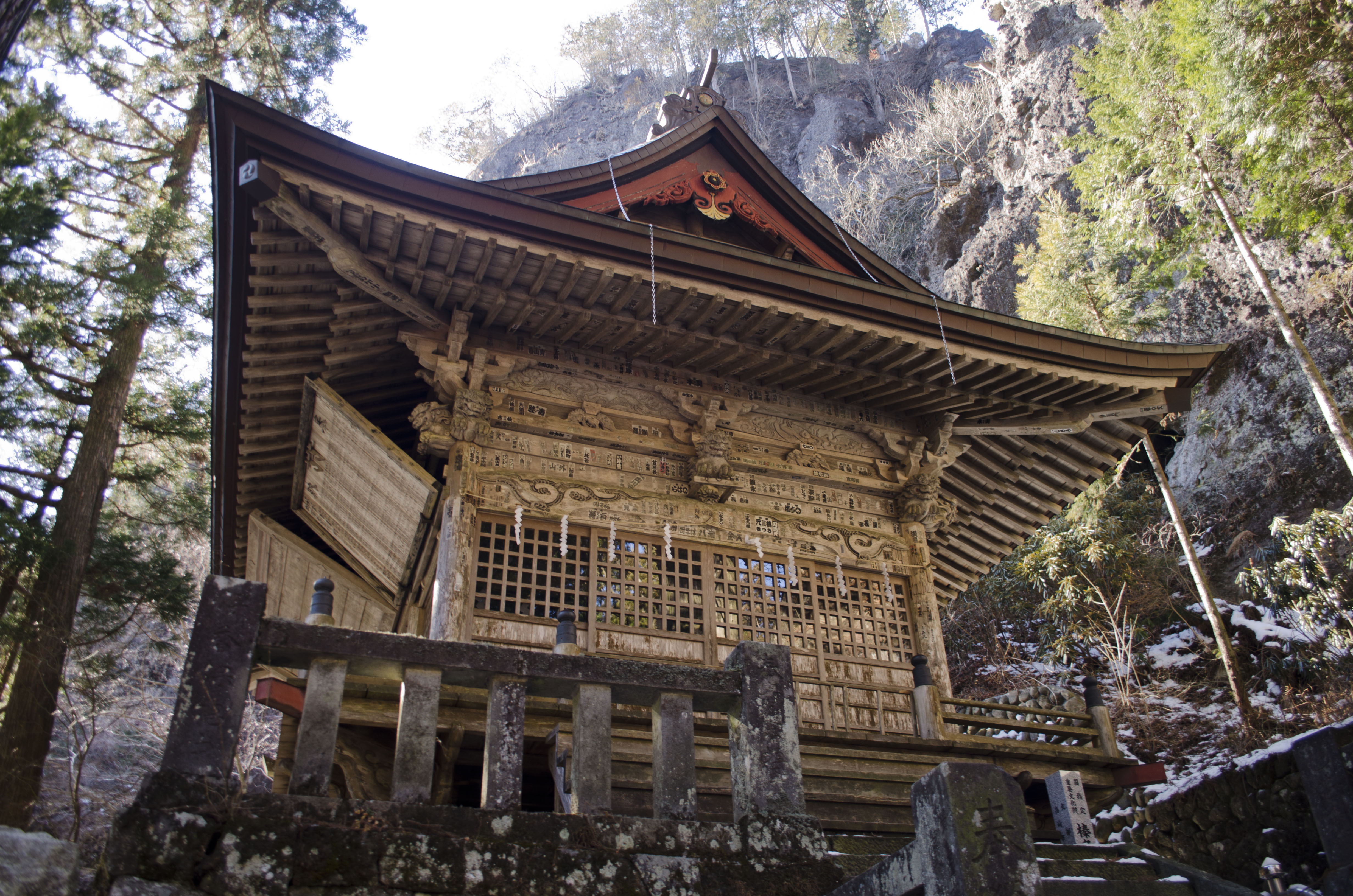
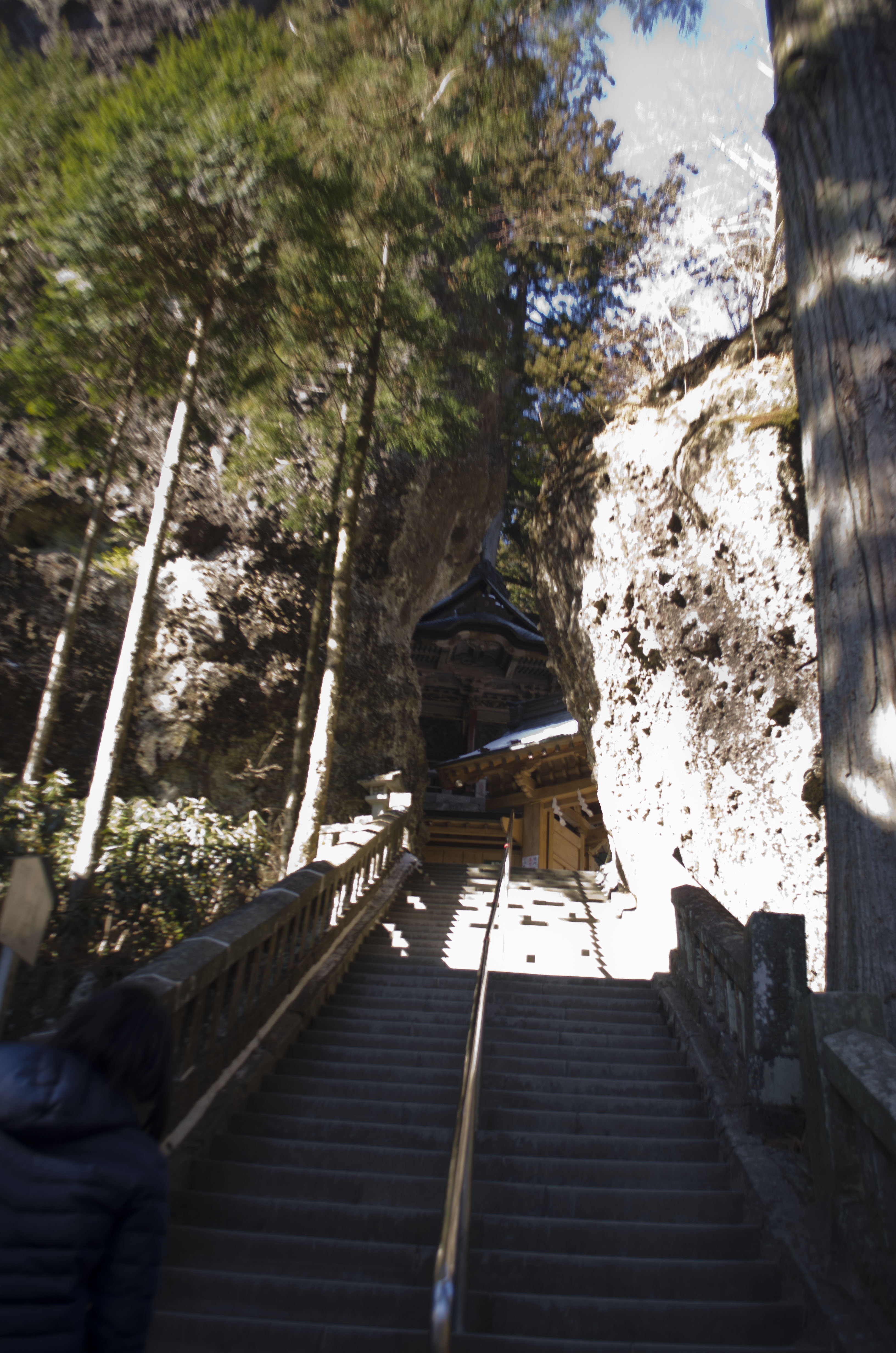
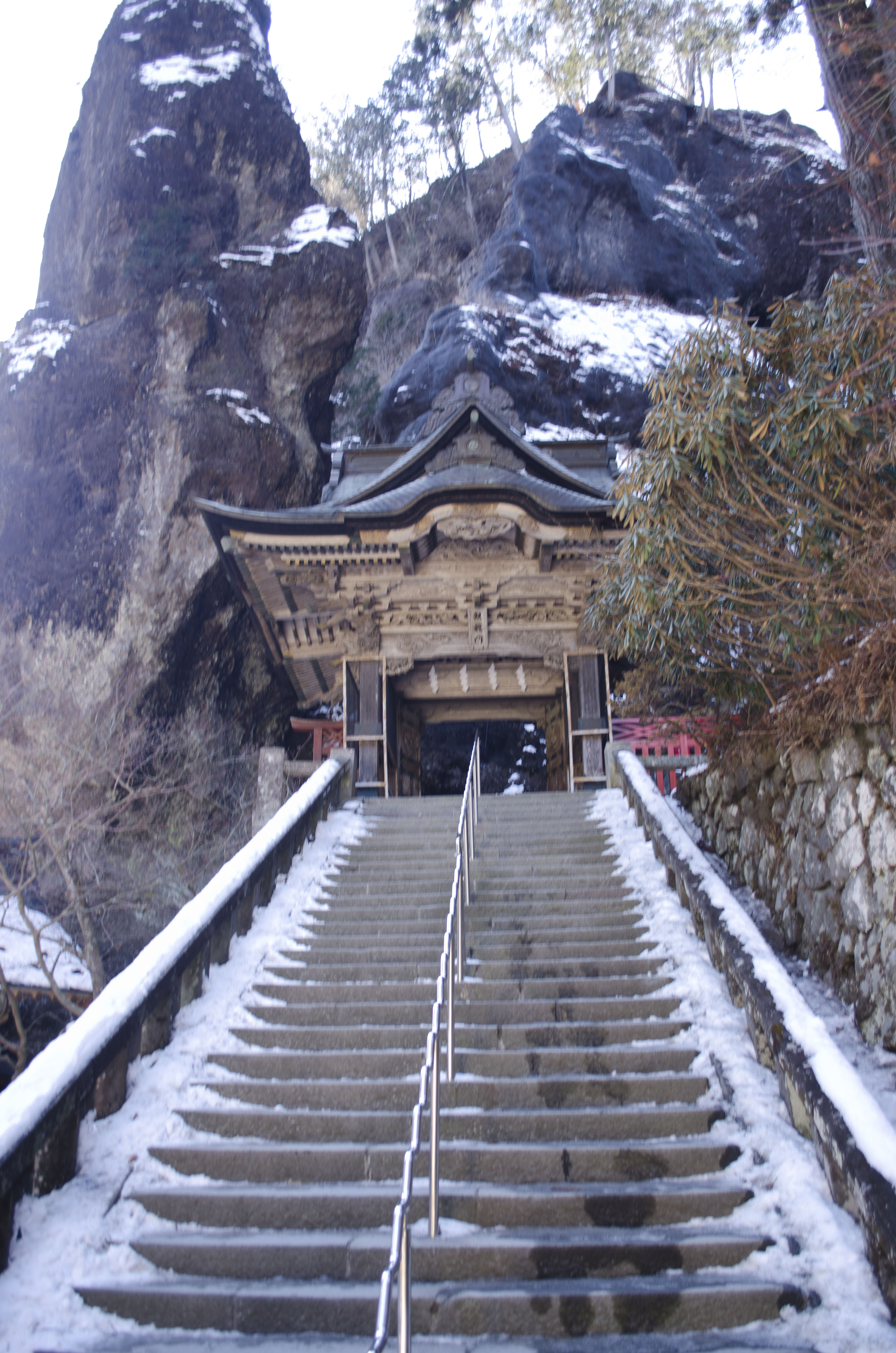
My adventures have continued with a wonderful photographic tour with a good friend and her little brother who both speak English. We went to two temples around the Takasaki area, and a wonderful lake. The recent snow that had detoured people from the outdoor sights created some breathtaking views and a magical photographers playground.

DSC_5371 DSC_5375 DSC_5416

DSC_5417 DSC_5418 DSC_5440 DSC_5443DSC_5517 DSC_5622

Like my facebook page for more photos and updates! http://www.facebook.com/kikilathropphotography

The Monkeyless Monkey Expedition

DSC_4345

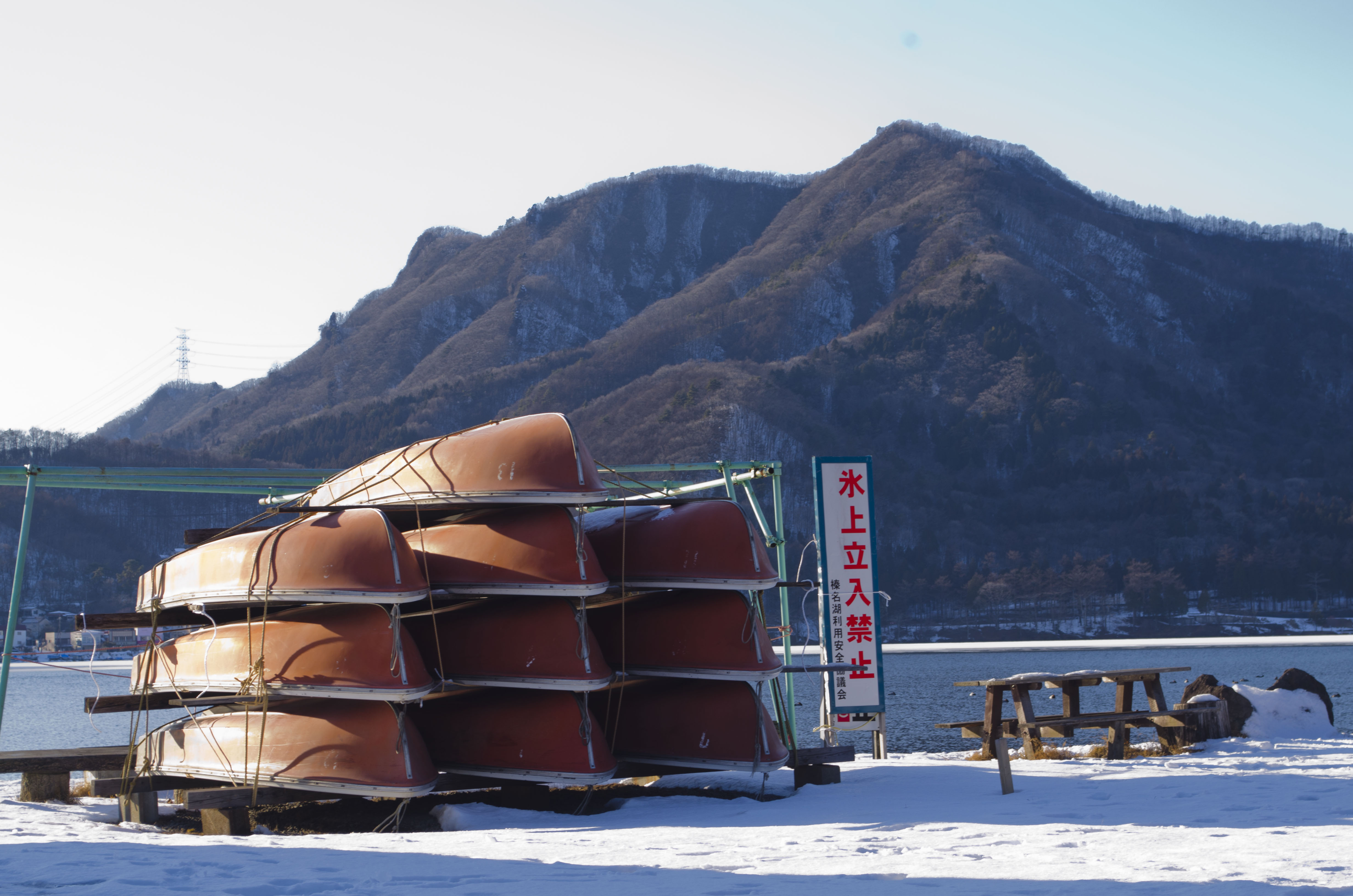
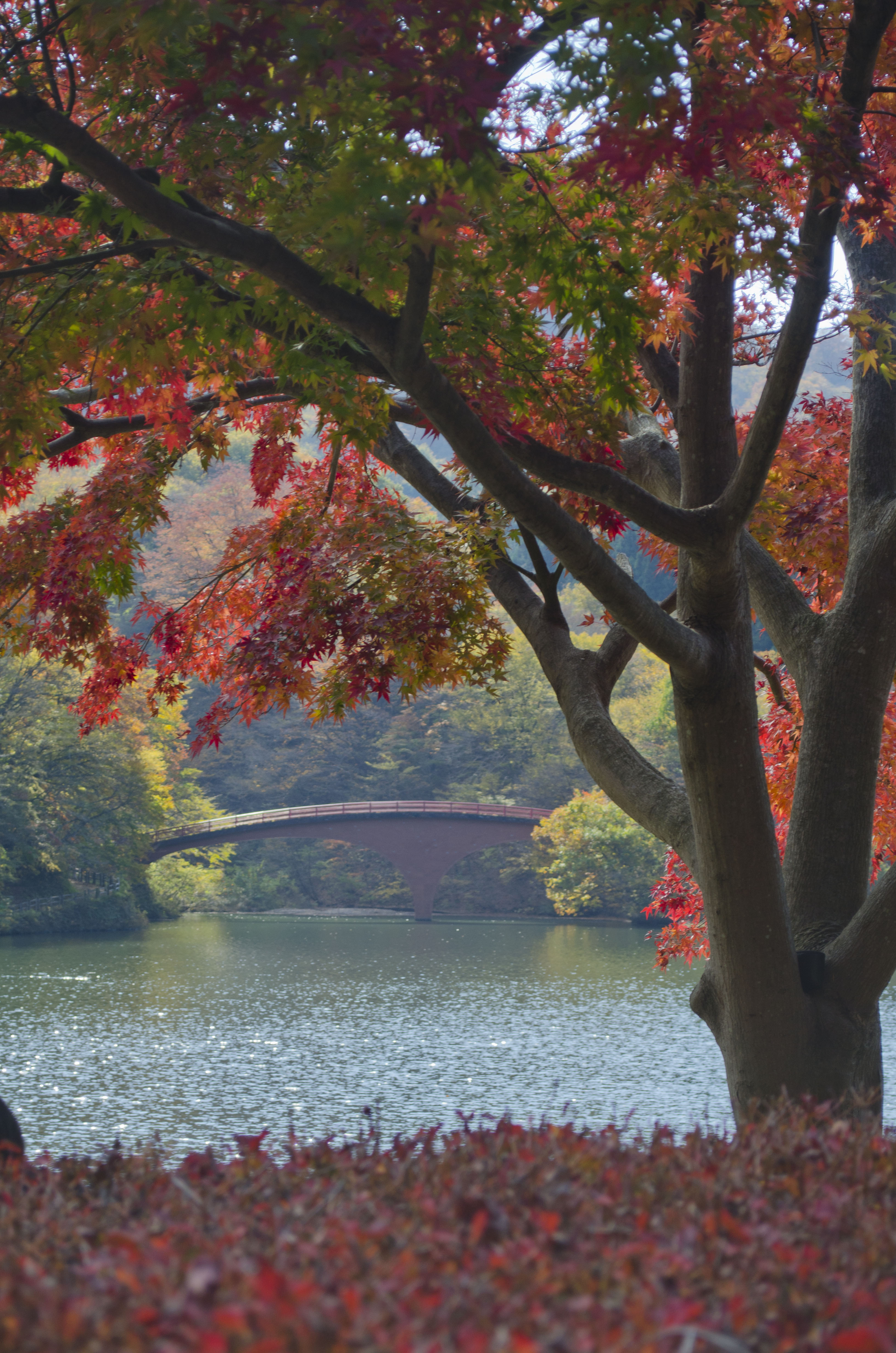
As you can imagine, both as a photographer and an anthropologist, the idea of my first sighting of wild primates had me excited all last week. The previous week there had been a family of just under a dozen spotted in a tree of a lakeside parking lot. My co-worker who had seen the fuzzy gang offered to take me to the distant lake this last weekend, in hopes that the band would be visiting again. Sadly, as we pulled in there was no sign of the monkeys, nor did they show for the rest of the day. What we did see was an amazing change of color from the trees that surrounded the lake, the bright red, yellow and green of the trees, and the blue of the water and sky. Usui lake, which is located a short drive from Tomioka, is surrounded in postcard scenery and and historic culture. The old railroad that ran beside the lake has long since been deserted, and was converted into a walking trail. The long, dark, hand built tunnels echo with the shuffling feet, with the ash stained roof overhead as a reminder of its original use. Along the path is the large railroad bridge, and the final stop of the trail is the old station.

When leaving the trail, you pass a visitors center/shop on the main highway. the shop houses a small food court that offers a rice dish that is comprised of many of japans cuisine staples. From shiitake mushrooms, to Japanese pickles, to the hard boiled quails egg, the sensation can only be described as a rush of flavors. (You even get to keep the ceramic pottery rice-cooking bowl, stamped with the station name in Kanji, when you are finished.)

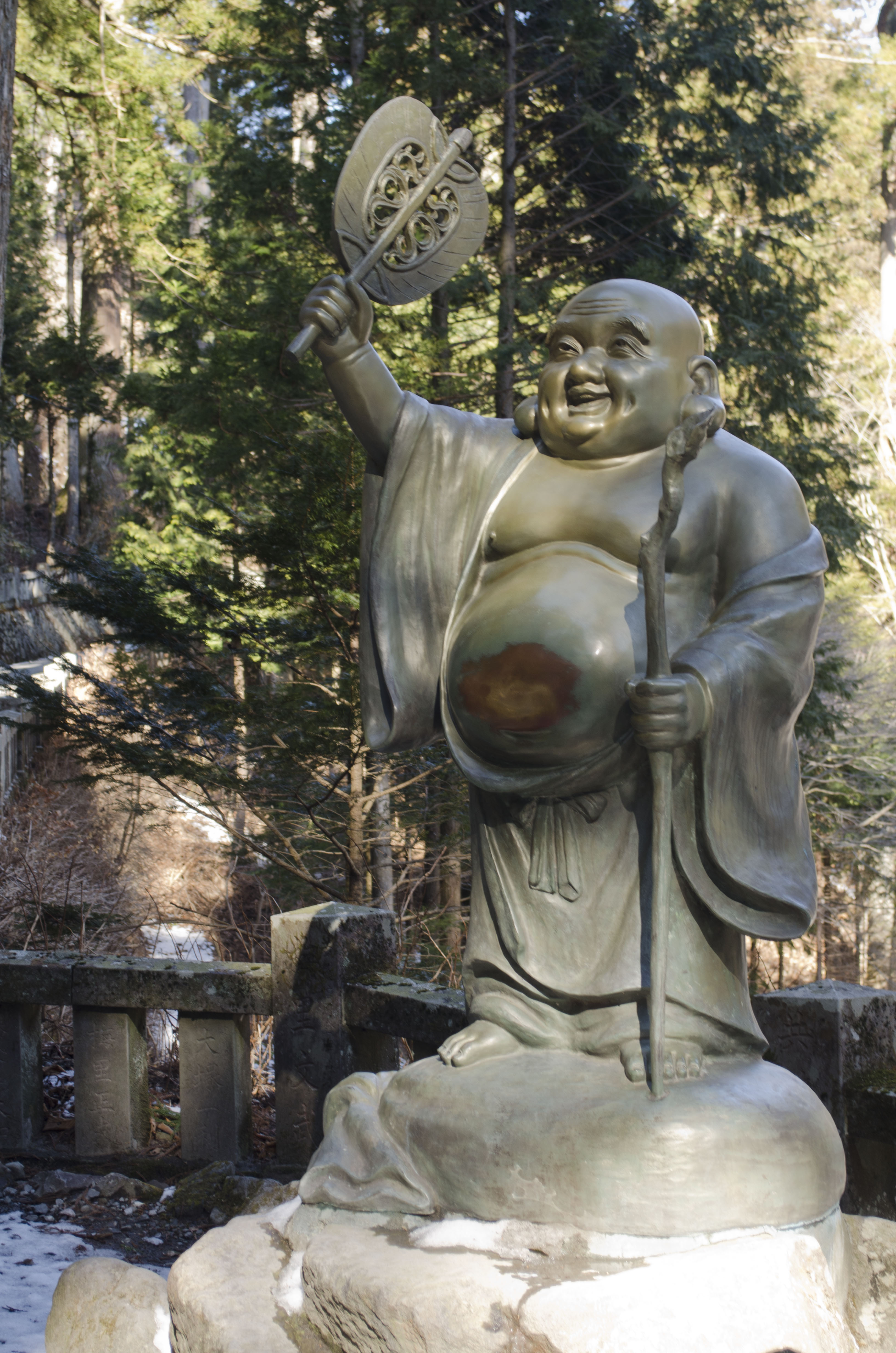
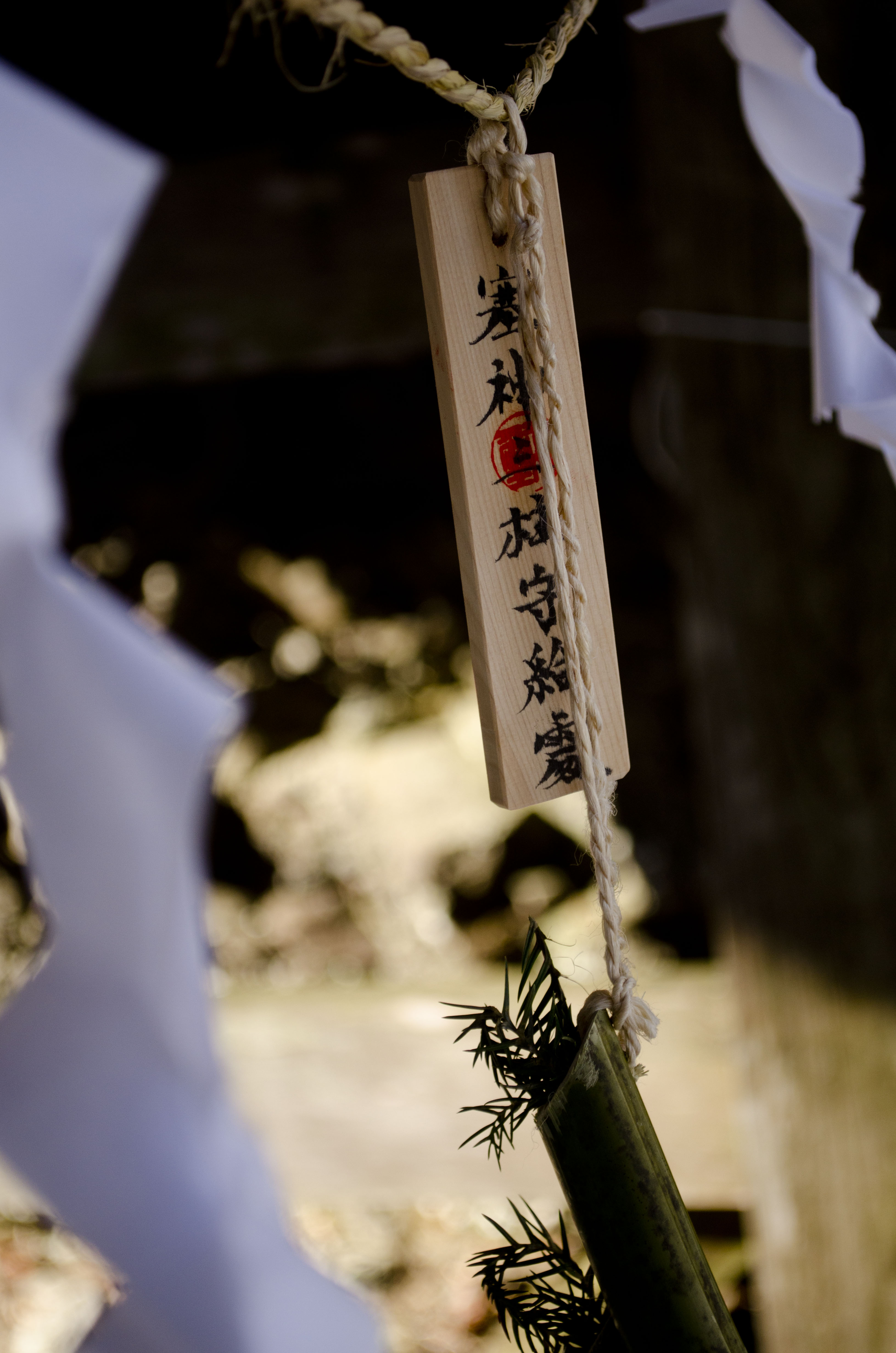
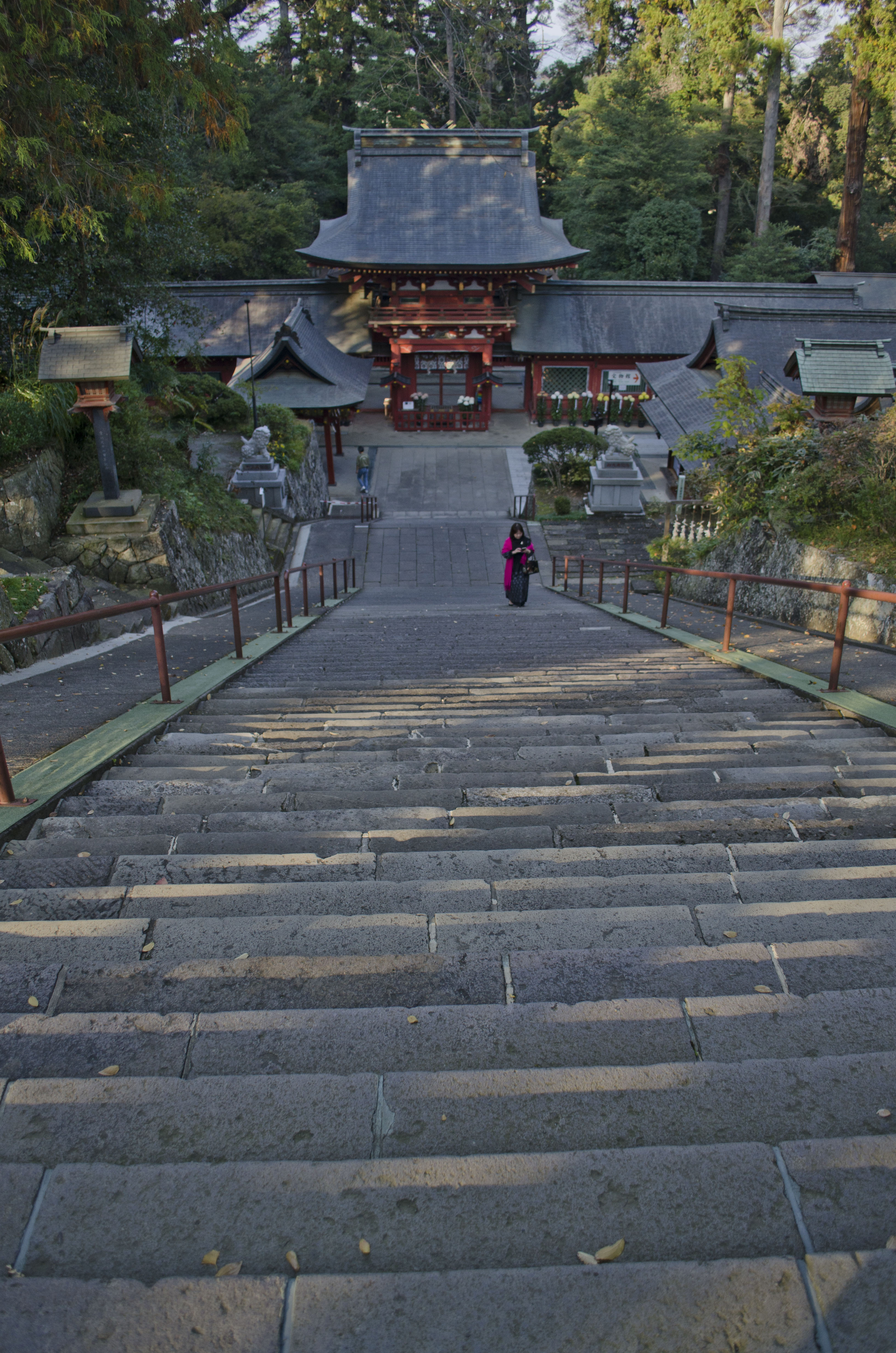
After lunch, we ventured to some of the shrines, where my co-worker (and acting guide) taught me some of the customs of shrine etiquette, explained the telepathic relationship of the A-Um (‘ah-oom’, the two statues that protect the shrine. The open mouthed ‘A’ statue and the closed mouthed ‘Um’ ‘don’t need to speak to communicate. They understand each other.’) By the entrance to the shrine, are three large cedars that are designated a ‘power center’. wrapped around the trees was a cord with strips of paper attached. Those pieces of paper are fortunes, and when you are done reading your fortune, you tie it onto the cord.

Each temple has different gods that it is dedicated to, and since we were there, I was taught how to pray to the gods of health and well-being. At the entrance to the shrine, there is a wash basin, where you wash your hands and rinse out your mouth before approaching the shrine. standing in front of the shrine, you bow twice, clap your hands twice, silently say your prayer, then bow a last time.

At the last shrine we visited, there was a small girl dressed in a Kimono getting her photo taken in front of the shrine. My co-worker explained that there is a celebration that is held here for girls who are 3 and 7, and boys who are 5, to get dressed up and visit as many shrines as they can and take a photo.

DSC_4397

10 Food Wonders from the Japanese World

image

We have all heard that dream from the avid travel bug-bitten nomad; “I want to eat my way through [insert far away country here]”. Most of the time these places include the pastas of Itally, or flatbreads of France, or in my case, the unusual dishes of Japan.

I hope this sparks some interest in the culinary marvels of Japan, and inspires you to try a few new dishes.

Here are 10 uniquely Japanese foods I tried;

  1. Sushi

Sushi isn’t only available in “raw fish”. Sushi, which says more about the style the food is presented in, is the wrapping of the contents in seaweed. It is the ever popular seaweed wrapped rice that the culture is famous for. Available with a wide array of fillings from eel to octopus, the contents of these bite-sized delights are diverse. But don’t get this mixed up with Sashimi. THIS is raw fish. With fish markets available in nearly every town, the custom of eating raw fish is still a large part of the culture. I have even found places where you can get a bowl of the delicacy, douse with some soy sauce, and enjoy.

2. Dango

This rice based desert is a rice-paste balls, dressed in a syrup like topping, and served on a stick.

  1. Miso Soup

The broth-y soup is rich from the flavors of the Japanese mushroom and Dankom, (a potato like vegetable, whose sliced form resembles swiss cheese in look.) often served as a form of “noodle soup”, it reminds me of a chicken noodle soup, if chicken noodle soup was made with strange (yet delicious) veggies.

  1. Yakisoba

Yakisoba has become a staple of my diet. The fried noodle dish was introduced to me at a festival, but is available at most grocery stores. (Out of al the places I have been, Japan has had the best street food so far.) The pasta, turned brown with the strong, aromatic, sauce, is mixed with cabbage and carrot and seasoned with a garnish of pickled ginger.

  1. Takayaki

Think ‘Octopus fritter’, (a ball of dough mixed with cooked octopus, and baked til perfection.) This, like the Yakisoba were introduced to me through festival street food. The one-and-a- half inch diameter balls are served with a glaze that could be compared to that of a barbeque sauce with a teriyaki ‘essence’.

  1. Kaki

Kaki, which resembles a peach on a tree, but when picked looks closer to a not-yet-ripe-tomato, is a small fruit that tastes a bit like a melon mixed with a peach.

  1. Taiyaki

Named after the fish shape that it is cooked in, Taiyaki is a waffle like breading filled with Hashi, a sweet bean that is commonly eaten for desert, and eaten for desert. This same fish shape is also used for icecream sandwiches.
  1. Yatsuhashi

Kyoto is known for its Yatsuhashi and it is common in gift stores and packaged to pick up for you souvenir needs. The type that I tried was in small, doughy triangles, unflavored, and flavored with green tea. Inside, they contained a dollop of Hashi, for the sweet, soft texture.

9. Nato

This smelly bean dish, which is easy to come by and acquired in taste, may not make the list of all time favorite foods, but I would classify it as “interesting”. The beans were sticky and smelled ripe, but with the addition of soy sauce, mustard and spring onion, it was a truly unique texture, with an almost ‘cheese’ flavor.

10.Umeboshi

A fomented, sweetened plumb ‘candy’ that comes in two types; a firm small plum that is salted and has a texture of a pickled olive, and a soft, (almost mushy) sickly strong, plumb. I tried both, and in all my adventures with cuisine (and I am NOT a picky eater) I still had troubles swallowing that 2nd one.

Authors edit – Orriginally #9 was Meat on a stick (posted below) but was changed after the very recent addition of Nato, which was further from anything I had back in western culture. Meat on a stick, at 2nd glance, is a little more widespread, and I felt it would be worth substituting for a more significantly cultural dish.

  1. Meat on a stick

I am not sure why, but there is a large amount of fried chicken on a shish-kabob spear at every festival I go to. Here in Tomioka, their signature cuisine is a fried slab if fish, battered and shish-kabobed, usually with some form of entrails.