Tag Archives: culture

Copenhagen

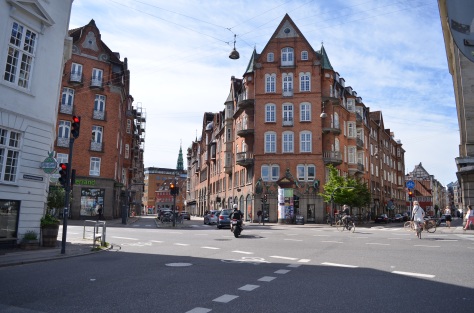
First impressions of Copenhagen, after having just left Stockholm, was a little underwhelming. Coming out of central station the litter and homeless that crowded the exit made us worried that we weren’t going to enjoy Copenhagen as much as Stockholm. Our hostel was only a few blocks away, but the feeling in the area was very different. The old buildings bright colours had faded but still looked cheerful, restaurants along the street situated couples and friends out for a night of good food and company. At dinner I ordered a beer, and mum (who doesn’t drink at all) had about half. Mum, who is allergic to additives to most alcoholic beverages, goes straight to headach and stuffy nose when drinking. I ordered a Erdinger Weissbrau, and it was great. One, amazing, additive free, glass of beer.

DSC_3422

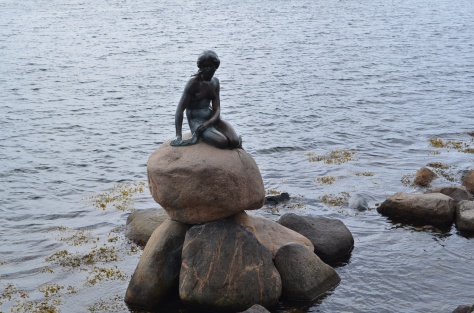
The next day we wondered around the city, stopping at a small cafe on the edge of a park no larger than a one car garage and filled with character. After some chocolate croissants and a chai we continued to visit some of the iconic sites. The Little Mermaid statue, based on the fairy tale by Hans Christain Anderson, lays along a beautiful scenic walk, marked in most guidebooks and tourist maps.

DSC_3442

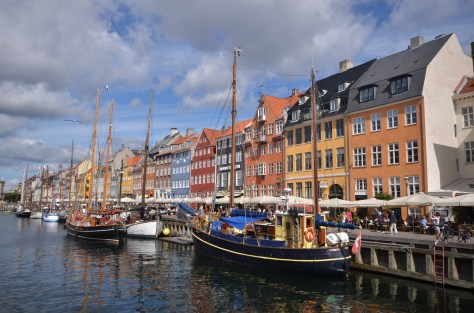
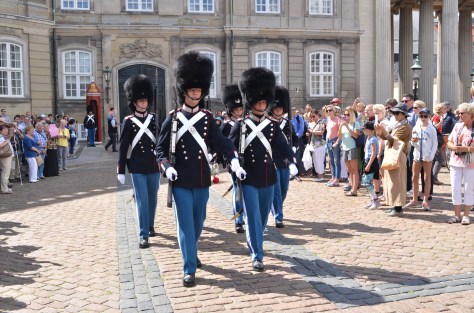
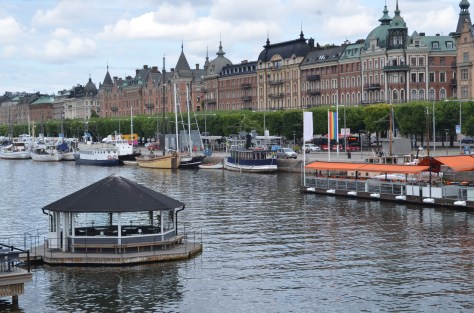
In the heart of the city, we walked along the canal that was lined with old ships and bright buildings. While wondering down random streets we came across a large square, and realised that the large building across from us must have been a government building and we arrived just in time to see the changing of the guard.

DSC_3467.JPG

Copenhagen has a lively bike culture. The bike lanes, as wide as a cars lane, are elevated from the street. Random bikes, unicycles, family bikes, and bikes with side cars. They were in all types and everywhere. While walking around I felt that I should have been listening to a Queen song.

DSC_3410

Copenhagen is a maze of wonderful scenes, and worth the time to explore.

Visby… Or ‘Breckenridge: the Island’

In the middle of the Baltic is the isle of Gotland. The largest town, Visby, has a rich history as a trade port that used to be as important as London or Paris back in ‘ye olde times’ when trade across the baltic was best done by boat as opposed to the newer methods of trains and planes.

From Stockholm, we took the bus connection to the ferry from Nynäshamn. The trip was fairly uneventful other than the doppelgänger of Rollo from Vikings, or Brock O’Hurn, across the isle from us. Oden bless the Scandinavians.

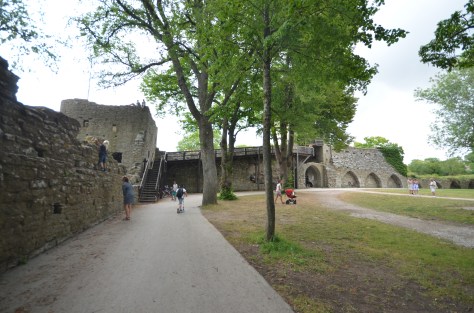
When we arrived, we had missed the bus to the resort, and decided to keep our gear as we wondered around the narrow, winding, cobbled streets of Visby. The whole island had an air of ‘vacation’ with tourists of Sweden and foreign vacationing the island. The old buildings had been repurposed, with a church ruin playing host to a cafe’s outdoor seating.  Other ruins allowed you to walk up stairways and across catwalks, and into dark crevices of the historic structure.

The town, which is only about 20 minutes to walk across, provided plenty of sights for us to visit while lugging our bags around. Under advisement from the tourist information desk we cut through the botanic gardens and went up one of the lookout towers that remain on the old city wall that has been standing since the 13th century.

DSC_3386

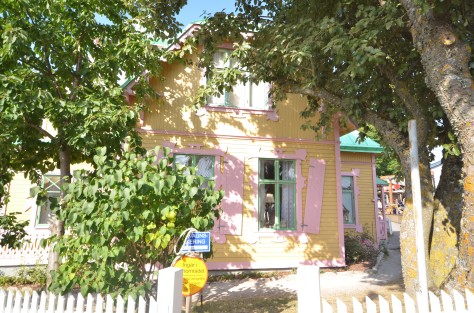
When we were done poking around the town, we caught the bus to the resort south of Visby, where we stayed the night. The resort hosts two theme parks (a water park and giant ‘playground’ with mini-putt, bumper cars, and go-charts), and Pippi Longstocking’s house.

DSC_3392.JPG

The accommodation, which was cabin/camp style, was reasonable for the proximity it provided to the attractions. The tourist atmosphere felt like Breckenridge. A place that even the locals go to to vacation.

The busses don’t run as frequently to the resort, and don’t start till late morning, so if visiting overnight like we did, a taxi is an option.

If it’s Thursday, this must be Stockholm

We spent 2 nights in Stockholm so that we could spend the day at 2 of the iconic museums in the city, the Vasa museum, and the Skansen Open Air Museum.

The Vasa Museum houses the best preserved historic shipwreck, the Vasa, which sank not far from birth on its maiden voyage. The harbour, being low in salinity, doesn’t provide the habitat for wood eating creatures that would normally destroy the ships structure. The lack of organisms means that after 333 years the ship is so well preserved, the bones of the crew, fabric of their clothes, and items in their chests and barrels, were very well preserved. The museum displays these alongside the ship, including the recoverable skeletons laid out in a display with facial recreations to humanise them. The sculptures, still with detail adorn the ship, and the ship is 98% original from the 15th century ship.

DSC_3238

When entering the museum, there is an information rack with guidelines to download a free audio guide for the museum. English tours are every 30 minutes on the hour and half hour, and last 25 minutes. The exhibits are informative for adults, and interactive for the kids (or the kids within the adults.) The museum has 7 levels, with 3 housing exhibitions, 3 as galleries, and the main lobby/exit. I recommend planning 3-5 hours to looking around.

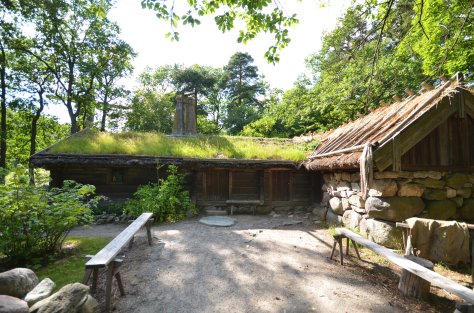
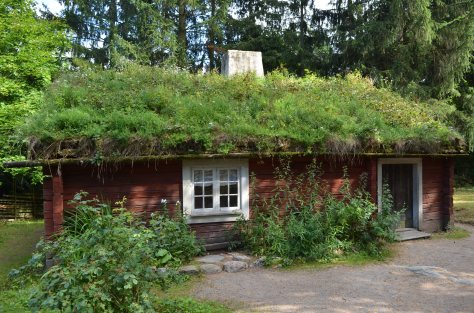
The Skansen Open Air Museum is a living museum, where buildings have been donated and kept running. Part living heritage, and part zoo, the museum covers how Swedes have lived since the Viking age, animals native to Scandinavia, and a slew of activities for all ages. In the center of the park, by a large red tower, is a restaurant/café with potato pancakes with a seafood salad (cream cheese with salmon and lobster,) I highly recommend it! It would be easy to spend a whole day wondering the park.

DSC_3341DSC_3336

Both of these museums are about a 20 minute walk from the STF skepsholmen and af Chapman, an older square rig ship that has been converted into a hostel. There are rooms available on the shore, and the bar on the deck of the Chapman is open to the public. (Check the board for specials and deals!)

DSC_3172

Rome Day 2: wasn’t built in a day and we couldn’t see it all in a day. 

Our second day of exploring in Rome started with a trip to the Vatican, which we splurged on a tour so that we could go into the special ‘tour only’ areas. I held my breath as I walked in, didn’t burst into flames, considered myself safe, and continued on.

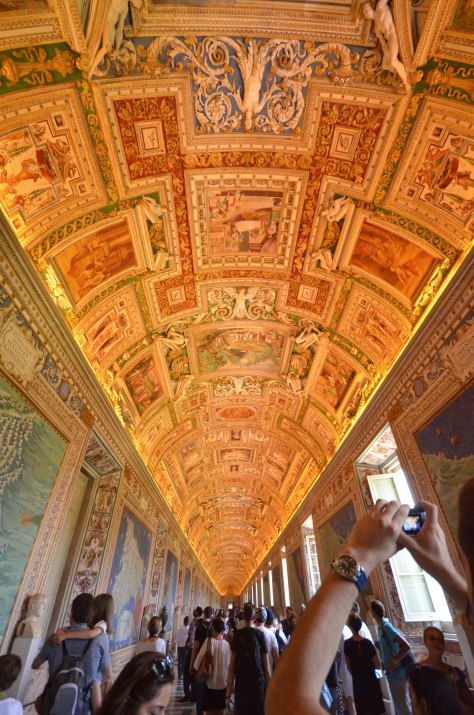
The Vatican City could be covered in a day on its own. The statues and art throughout were, literally, marvellous.

DSC_2992

The Map room

We ran through, doing what justice we could with the tour guide, warned multiple times that the Sistine Chapel is a sacred place, and they require modest dress, silence, and no pictures. Once in the chapel there was a loud hum of the hundred plus people discussing the art around the walls, and mainly the pinnicle, Michaelangelos famous painting of God creating Adam on the cealing. The guards had to announce ‘Silence!’ At least 3 times just while we were in the room, and there were countless cameras going off. I’m sure by now they are sick of tourists.

DSC_3073

Mum in front of the Vatican. Really we were looking out for Ewan McGregor.

The tour gave us the ability to exit the Sistine chapel and visit the sarcofogi of the previous popes, exiting the tombs into Saint Peters Basilica.

We stopped by the gift store and I picked up a Saint Christopher charm to accompany my Maori Koru, Viking compass charm, and other cultural “protector of travellers” pendants. Better safe than sorry, right?

The next stop was the Pantheon. The ancient exterior contrasts from the renisaunce-style basilica interior. Once again, Epic architecture.

DSC_3087

The Pantheon

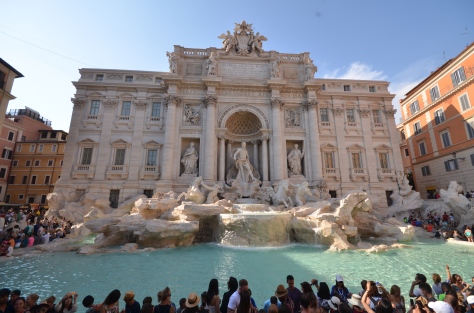
From the Pantheon, we went to the Trevi Fountain. It’s about a 7 minute walk. The fountain is beautiful. Neptune on his shell in the middle, with winged horses on either side representing the rough and calm waters of the ocean. Three words: wide angle lens. It’s much bigger than I thought it would be. We stayed for a couple minutes then continued on our marathon of Rome.

DSC_3118

The Trevi Fountain

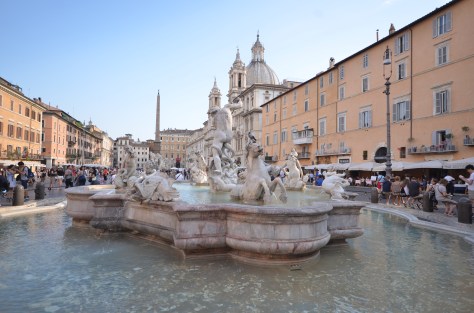
About another 15 minute walk (7 minutes beyond the pantheon in the other direction,) is the Piaza Navona with 3 fountains along a long courtyard.

DSC_3141.JPG

Piaza Navona

We finished our journey at Pizza Florida, a recommendation by a friend which I’m glad we took. The pizza has ruined me for life, and I will never be able to go back to frozen pizzas… At least not without a slight quiver.

12 Hour Pompeii (from Rome)

We made our way to the train station and grabbed our 2 round trip tickets to Naples from Rome Termini station (be warned this is the expensive part, though prices vary by the train line, times, and location on the train.) With over an hour till the next train, we grabbed some breakfast and socked up at the small grocery that is in the station. (I recommend grabbing snacks, since Pompeii does have a restaurant but its really expensive. Don’t take sandwiches because they get super soggy. Fruit and Focaccia bread pizzas are prime.) The Bullet train got us there in an hour direct where we had to change trains to the Circumvasuvio line (which is down a floor  from where the log distance trains stop.Follow the signs to get to the ticket office, where for only 2.90 Euro each way you can get a round trip ticket that is valid for any time.)

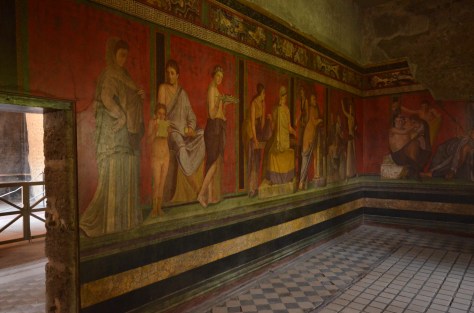
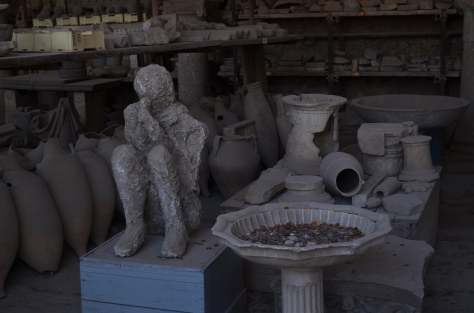
DSC_2887Villa of the Mysteries

The train, which was 15 minutes late, was preceded by three other equally late trains, which meant many of the fellow tourists that waited to be Pompeii bound with us jumped onto trains that we are still unsure where they went. Once we figured out the board, we realised that the times being posted with the train destination were the times that the train was supposed to arrive (which is how we knew it was 15 mins late). We realised this and explained it to a family that was waiting on the platform with us and had tried getting on one of the previous trains before being told it didn’t go to Pompeii.

Once on the train, the half hour ride was crowded, but offered some amazing scenery of Vesuvius and the Island of Capri before dropping you off nearly at the gate for the site of Pompeii (which is marked Pompei Scavi, you would need to keep an eye open for it, since the stops are not announced.) For us it was pretty easy to find because that is where the entire train emptied in a flood of tourists onto the platform.

DSC_2857.JPG

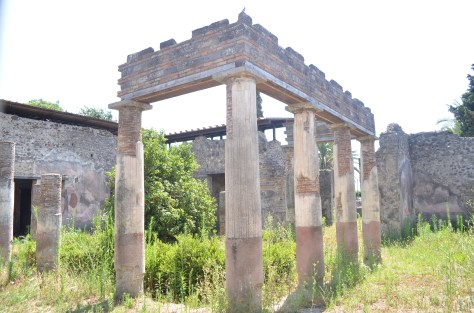
Courtyard in residence near city centre

Getting off there train, ticket offices and shops are just to the right as you get off the platform. Right away we were asked if we would want to join a group, and we thought we would just want to do an Audio guide to go at our own place and hit the places we would find most important. We bought our tickets to the site and the museum for 15 Euro, and went to look for the audio guide. In the building behind the ticket office, up a flight of stairs, is the audio guide office. The guy at the counter informed us that the audio guides were only in Finnish, and we would have to join an English speaking tour. As I turned around, I saw guidebooks. I highly recommend getting one.

The guide book, which is offered in many languages, comes with a pullout map labeled with the different attractions, which have a short paragraph that tells you about them. For 10 Euro in the guide office, this is also a wonderful souvenir.

DSC_2871

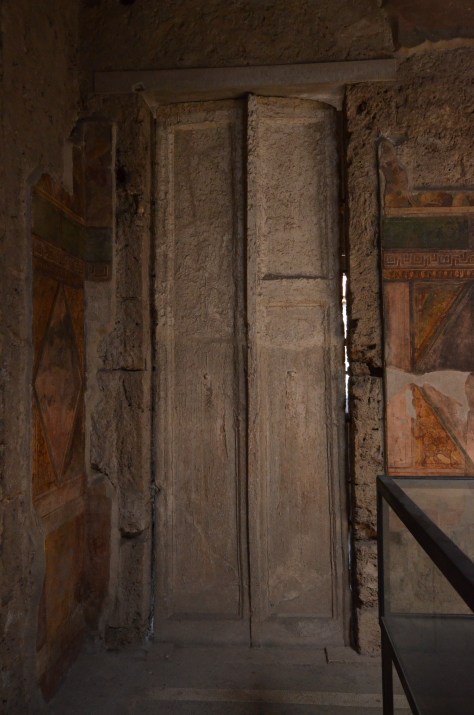
Original door in the Villa of the Mysteries
Pompeii is big. Once you’re in the site, its almost a lot to take in. Its best to have a list of about 5 things you really would like to see, and then spend the rest of the time wandering. We had little idea where to start, but I have made a list of some key places of interest

  1. Villa of the Mysteries, with a great preservation of the art on the walls and a couple bodies in the lobby.
  2. Temple of Apollo, The statues and the view. You really feel like you’re in the heart of Pompeii.
  3. Garden of the Fugitives, An example of how devastating the site was. (We were rained out in the late afternoon, and didn’t make it.)
  4. The Brothel, which has some raunchy pictures on the wall. (When we were there they were excavating that area, and it was blocked off.)

We left early because a thunderstorm rolled in, but that turned out to be a good thing.

Tip: The train to Pompeii, and the train back to Naples from Pompeii, is usually late. If you have a return ticket, it is a good idea to look at the time table, find the train that gets you to Naples before your train to Rome, and leave a train earlier.

The site is massive. We could easily have made a weekend out of it. Wear good walking shoes, bring a water bottle, and plenty of sun screen. (Mum brought the umbrella, and she recommends it.) Also, with the enormity of the structures, I recommend a wide angle lens for photography.

DSC_2844

A person praying

When in Rome, do as much as possible.

For an ancient city, Rome offers plenty to see and do, no matter what you want out of traveling. The key is to have a good plan before jumping in.

DSC_2549.JPG

As we left baggage claim at the airport, a Mobile Sim card company snagged us for a sim that will work in almost all of the countries that we will be visiting along this trip. The card, which we got with both internet and phone minutes, has already helped as we wondered the back alleys around our hostel looking for our street. And if you’re carrying a internet enabled phone, Google Translate (which you can download for offline use of typed text translations) can use your phones camera to translate signs on-the-go.

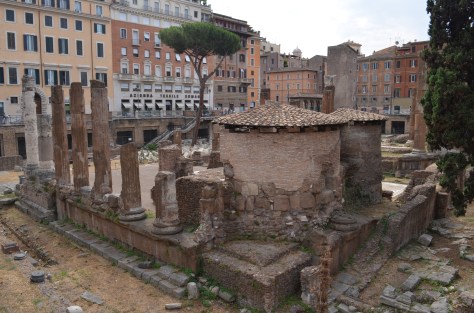
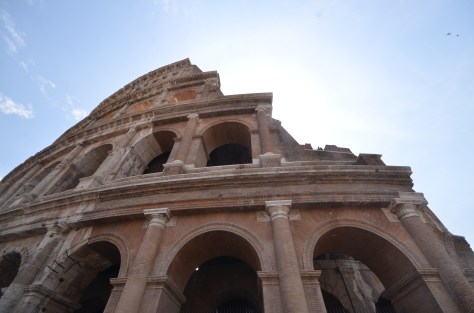
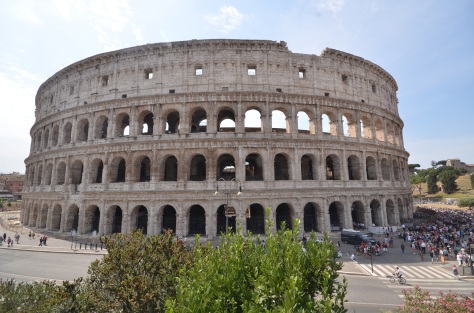
We stayed at Orsa Maggiore (for women only), which is centrally located in Rome, though got in early enough to drop our bags at the hostel and go wonder at the ancient wonders near by. The Colosseum and Roman Forum, stooping for Gelato on the way.

When approaching the Colosseum, we were stopped by numerous tour guides with the same plug trying to get us to join their tours for an additional 18 euro.

DSC_2601

My recommendation: Get a Roma Pass (the price varies by how much time you would like to keep it active for. There is a special line for both the Colosseum and Roman Forum for pass holders. While the guides were trying to convince us it would take nearly 2 hours to get through with the pass, it was really only 10-15 minutes. We also get free transportation with it, and makes the pass a worthy addition to our planning. If a tour sounds like a good idea to you, they offer audio tour devices just inside the gates into the Colosseum.

DSC_2599

When walking all over the forum, there are a couple things you will want with you. A camera, a hat/sunscreen, A water bottle (which can be refilled at one of the many water fountains in the city,) and a map/guidebook (we have the DK eyewitness Italy book, which explains a bit more about what were looking at.)


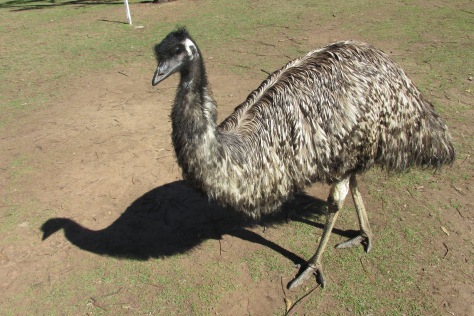
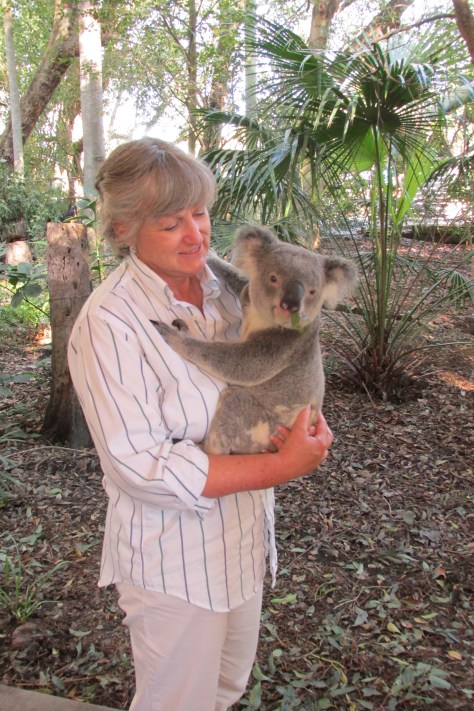
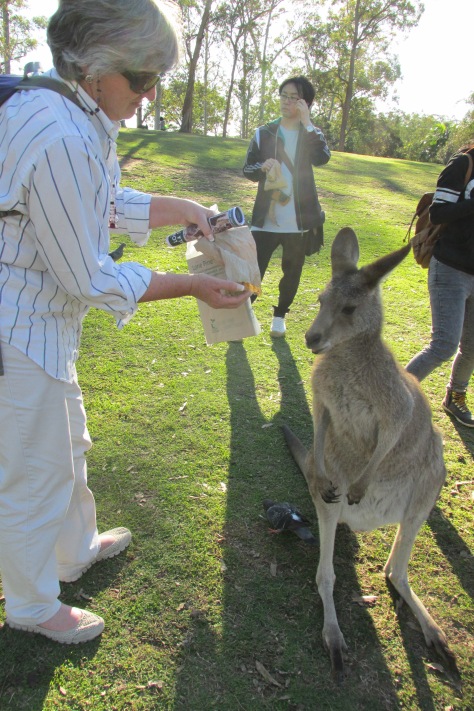
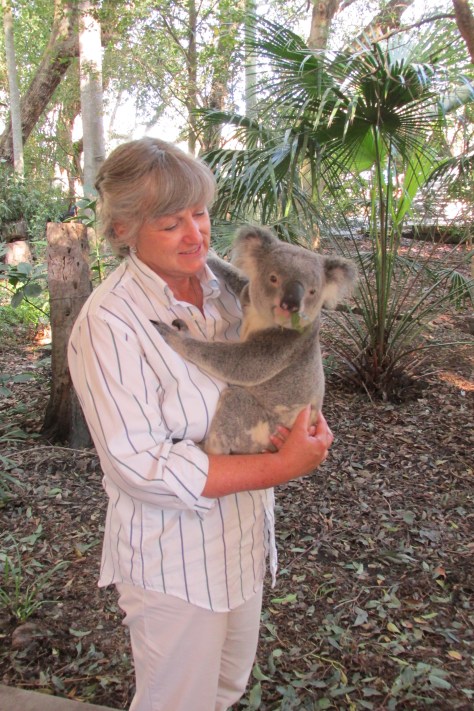
Koalas, Kangaroos, and Emus. Oh my!

The week in Brisbane progressed with an adventure to the Lonepine Koala Sanctuary. While not as big as the Australia Zoo, the one that the Crocodile Hunter, Steve Irwin, made famous, Lonepine has a wide verity of native animals (and is easier to get to from Brisbane and a lot cheaper too.)

Daily shows include a bird of prey show, koala shows, Tasmanian devil and platypus feeding, and sheepdog/sheep shearing demonstration.

Since I was in Brisbane for a couple years, I had a season pass which also gave me a lot of ‘perks’, and made the day even better.

IMG_1268IMG_1278IMG_1294IMG_1300IMG_1340IMG_1258IMG_1300IMG_1347

Waterfalls, Cliff jumping, and the GoPro “Hero”

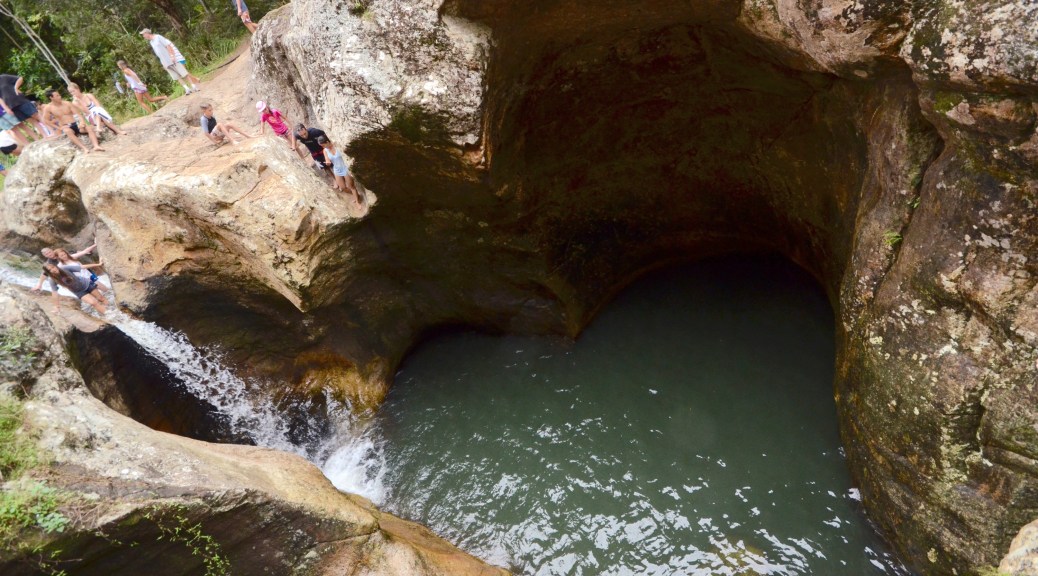
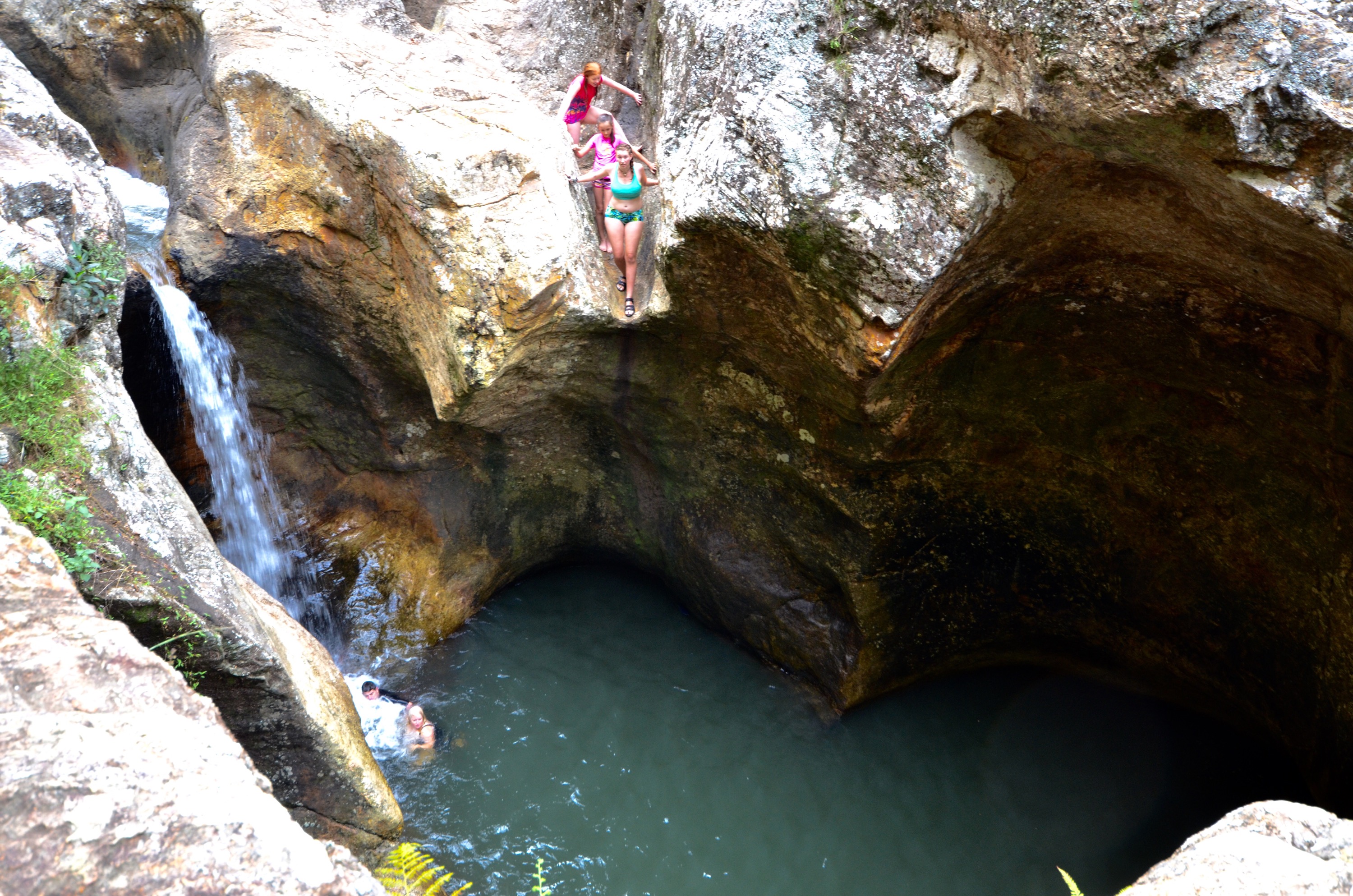
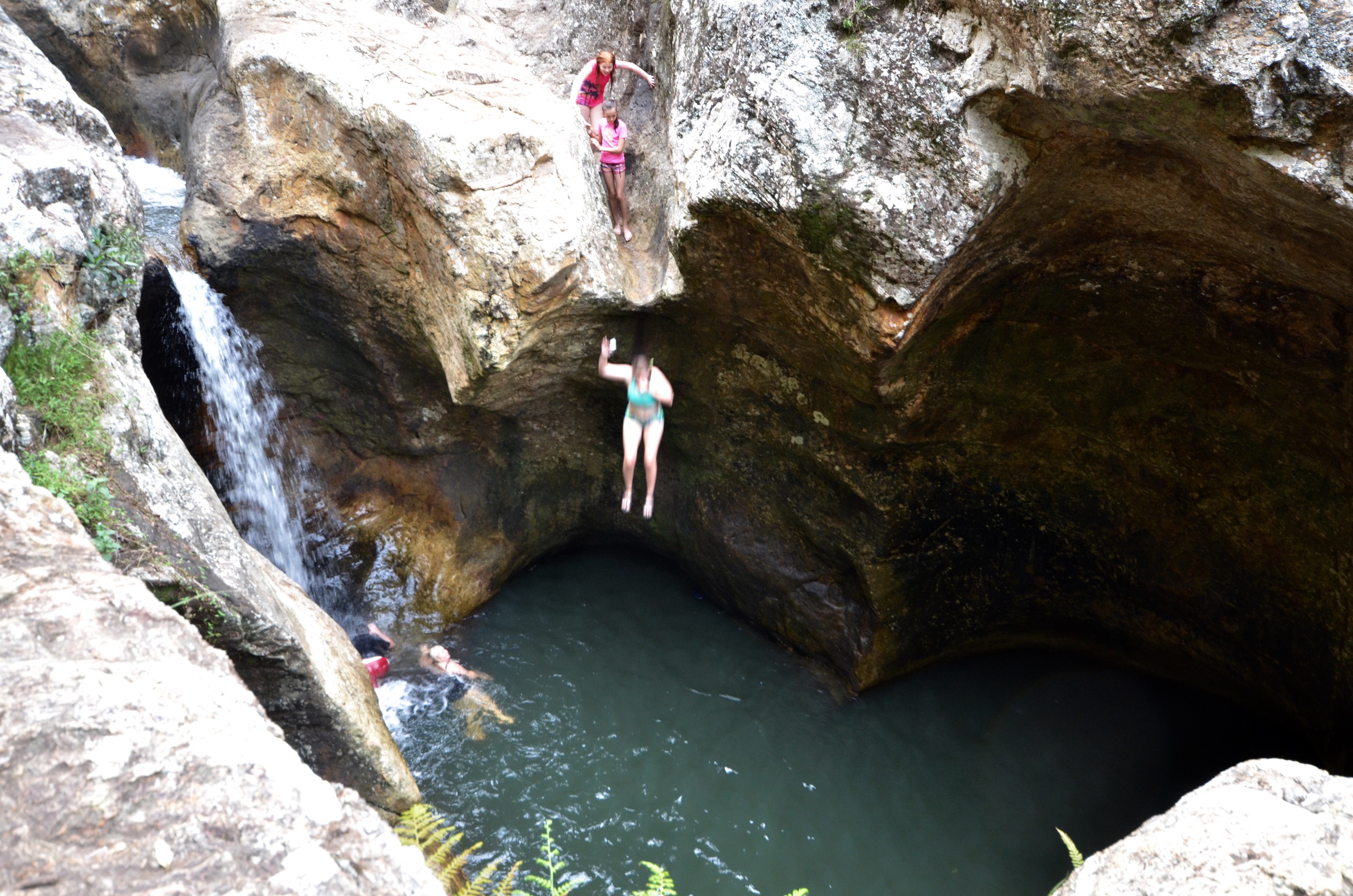
Down on the Gold Coast, away from the high-rises of Surfers paridise and off the path of public transportation, is Killarney Glen. The area is winding roads and farmland, and we would have probably missed the trail head if not for the line of cars parked hundreds of meters on either side of the local attraction. A swimming hole, known as the Killarney Glen waterfall, is a heart-shaped pool fed by a 6 meter waterfall, lined with spectators on a warm summer Saturday afternoon.


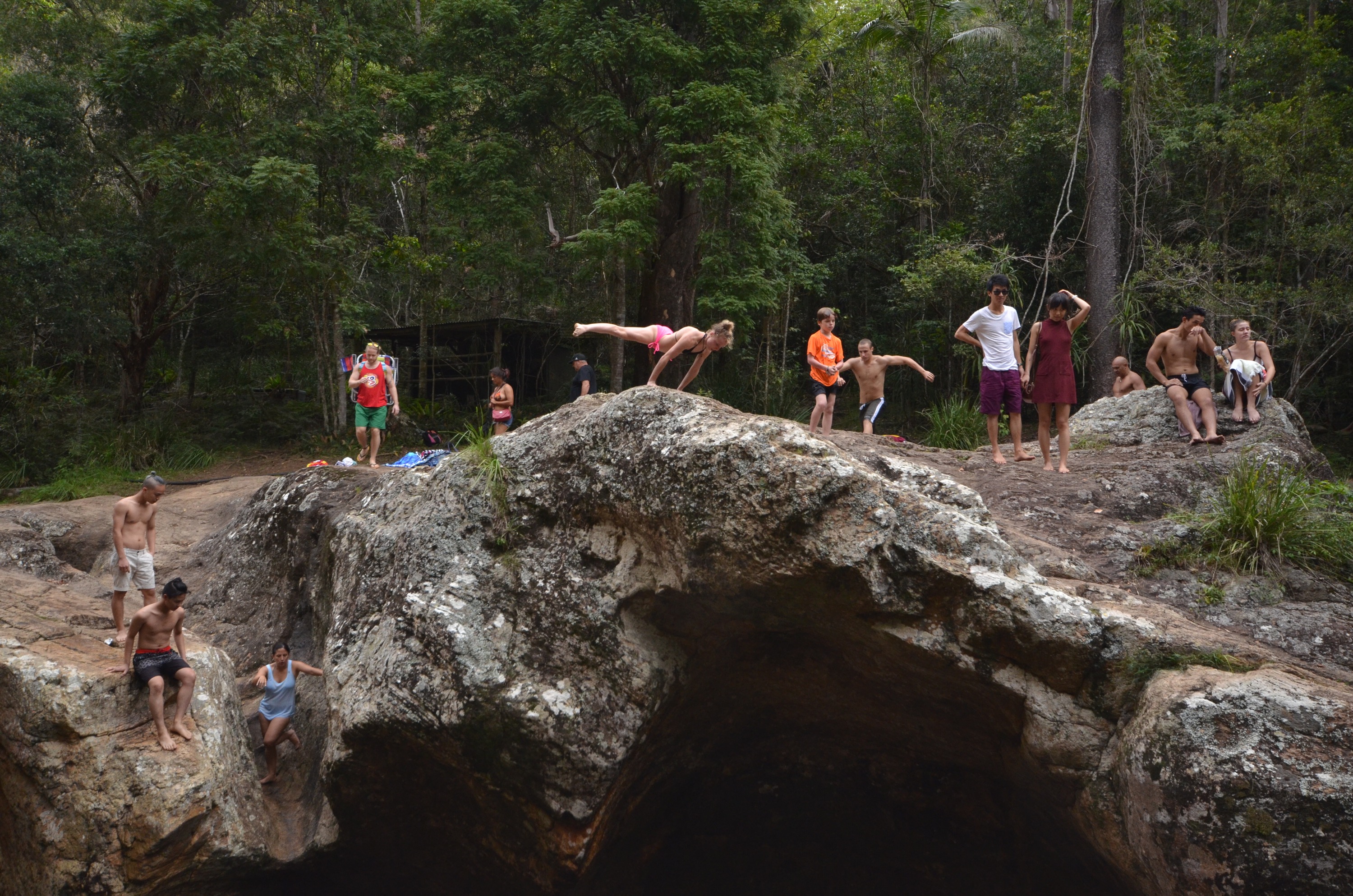
Spectators gathered as timid individuals gathered courage for their leap, while those who frequent the pools tried their hand at flips, all aiming for the deep water. Just off of the “jumping area” is a small grotto, which accumulated jumpers to spectate from a view they achieved from their jump. Families, twenty-somethings, teens on easter break, lined the top of the cliff faces either to watch, or when waved forward from the other side of the canyon, to jump.

I’m afraid of heights. I’ve never been graceful, and feel that standing on something tall makes me ‘kinetic energy’. In high school I would jump with my friends in Colorado into the Arkansas river. Not high, still terrifying. I would swing from our boat into the water in the Bahamas. It took me about 5 minutes of looking out 2 meters below me before I could make the jump. And to this day, as silly as it feels, I hold my nose.

Fastforward, I am standing in a dried up wash-out that juts out over the ‘deep water’, 4-5 meters below me. GoPro strapped to my wrist, though my hands were flat on the rock on either side of me for stability. The girl behind me, no more than 10 years old, comments on my shaking. Her older sister, about 12, wants to help me out by giving me a count down. At first I didn’t notice, since all I could think was ‘S#!t, this is high.’ I try to get in the zone during the second countdown, but psych myself out somewhere between “…3…” and “…2…”. Seconds later I pull myself together, ask her for one last count, and at “…1”, step off the cliff.


(Taken with a Nikon and Sigma Wide-angle lens, uploaded with eye-fi.)

I felt the rush of wind then cold water, then the feel of the strap of my GoPro slide over my small wrist. I surface and accept that the camera may have been claimed by the river gods, and briefly remember a youtube video of a GoPro that fell in a river and was found a couple years later. Oh, well.

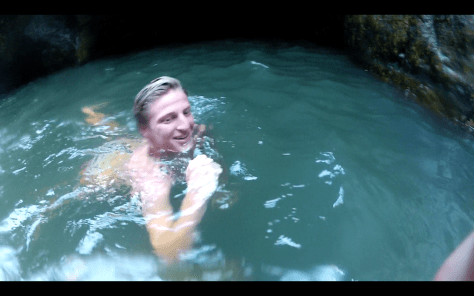
I swim to the mermaid grotto, and attempt to slide onto the surrounding rocks, helped by a new friend, and mentioned that the camera went the way of the waterfall. The next jumper, a young blond guy was about to swim past when we asked “is there any chance of finding a GoPro over there where I jumped?” “GoPro?” The kid smiled, turned around, and dove. He surfaced seconds later to applause, with my camera in hand.

I tried to find him after to thank him, and couldn’t. He had one green eye, and one blue eye, and was kind enough to fetch a strangers camera. To you sir, if you are reading, THANK YOU!

Screen Shot 2016-03-26 at 9.00.09 pm.png

(Screenshot from the GoPro of the good samaritan)

Update: added video March 27. Keep an eye out at ~2:30.

The Road to Omligot: Language apps that work

In the last couple weeks I have been fortunate to line up a future job in ESL after I graduate. The problem? It’s in Iceland, and I know nearly NOTHING in Icelandic. This doesn’t stop me though. Before moving to Japan I only knew “konichiwa” and “arigato” (which to this day only rolls through my mind to the tune of ‘domo arigato mr. Roboto’.) Otherwise my Japanese skill was limited to ordering from a sushi menu. How then, you may ask, did I survive going solo to foreign lands, and living for the better part of a year?  In addition to embracing the adventure, I learned.

About a week before flying to Tokyo, I pushed myself to learn to count to ten, say ‘yes’ and ‘no’, and the rest I would have to figure out later. After settling in to my town to teach I enrolled in free language lessons in the community centre, and was “fully emersed”.

Now, seeing the benefit of having more than a week to prepare, I have downloaded some free language learning apps to review. I will be trying to learn Icelandic, though if an app doesn’t have it, Ill give French a go.

1. DuoLingo

Pros: COMPLETELY FREE! Offers the main popular languages (German, Spanish,more challenging etc.) and even Klingon is “Hatching”. (Yes my Trekkies, you too will be able snarl with proper grammar.) When signing up for the app, you can connect to your friends from social media and challenge each other in your progress, and you can log in on their website, or the app and continue your progress. DuoLingo will send you “reminders” to do your daily lesson and stay on your streak, and you can link your language ability to your linkedin profile. Additionally, it is set up like a came, where you earn “Lingots” by completing lessons to buy a one day ‘streak freeze’, outfits for the cartoon owl, and bonus lessons (eg. how to flirt, or idioms).

Cons: limited selection of languages available. While it does help with the ability to remember vocabulary, the voice recording is not sensitive enough to tell if your pronunciation is ok, and if you fall out of your “daily streak”, you don’t feel as motivated to start again. All work has to be done online.

Languages:

(for English speakers available on app) Spanish, French, German, Italian, Portuguese, Dutch, Irish, Danish, Swedish, Turkish, Esperanto, Norwegian, Ukrainian, Russian, Polish, Welsh.

Overall ****


2. Memrise

Pros: Tracks daily progress, and lessons can be downloaded for offline learning, and the language list is extensive. As an archaeologist, I really like that it has ancient and dead languages, and there is even ASL for me to practice my signing. Pneumonic devices are suggested, and there is an emphasis on sight words. It’s a very easy program to figure out. Hints and tips for remembering words have been provided by fellow users, and give tricks for figuring out the pronunciation, which make the app feel more like a community.

Con: If you don’t do well with sight words this may be tough, as you have to remember how to spell them a short time after seeing them. The free edition has plenty of free modules to learn the basics of a language, and to get progress tracking and unlimited access to all modules you would need to subscribe. (Though its not necessary.)

Languages:

English, French, German, Italian, Japanese, Korean, Chinese, Portuguese (Brazil), Russian, Spanish, Afrikaans, Akan-Twi, Albanian, American Sign Language, Ancient Greek, Anglo-Saxon, Arabic, Armenian, +about 80 more. Has dead languages and 3 types of sign language. Creek was the only First Nation language that I saw, But I was impressed with the variety.

Overall ****


3. uTalk

Pros: Vast majority of the languages needed for traveling. (136 including variations in the same language. eg. Portuguese for Portugal vs Brazil, or US English vs UK English.) It is set up similarly to Rosetta Stone, though much cheaper.

Cons: The first module is free for all languages, then you need to purchase a module that goes beyond the “starter pack”. The starter pack just gives you a taste of the language, (“Hello”,”Goodbye”, “Help!”) though it is good to see if you want to continue on that language.

Languages: 117 common languages.

Overall: ***


4. FluentU

Pros: language learning in increments by ability. Uses video which is good for audio visual learners. Songs and videos can be downloaded to play offline.

Cons: Limited languages available.

Languages: Chinese, Spanish, English, French, German, Japanese

Overall: ***


5. Babbel

Pros: Downloadable for offline use. Uses learned language in a conversational setting.

Cons: After the initial “starter” lesson, you have to subscribe to access further lessons. The microphone for speech recognition is quick and you need to have a rhythm or you may miss it recording.

Languages: English, Spanish, French, German, Italian, Portuguese, Swedish, Polish, Dutch, Indonesian, Turkish, Danish, Norwegian, Russian

Overall: ***