Tag Archives: Backpackers

Hakuna Matata: Zanzibar

An early morning shuttle took us to the Airport where we hopped onto a larger prop plane, headed to Zanzibar. The seatback magazine recipe for a shrimp dish kept me entertained while my seat mate took photos from their window seat.

I had packed my camera and lenses in my day pack, nestled at my feet and was able to get a couple photos with the help of my seat mate, and looked out over mainland Africa one last time before the attendant gave me my mango juice and cashews. (Definitely felt like a step up from tomato juice and peanuts.)

Our arrival into Stonetown, my group descended the staircase and crossed the tarmac into the terminal. My bag came off the carousel when rounding the conveyor corner, landing with a loud THUD. I counted my lucky stars that I transfer my lenses to my small pack for flights.

Outside the airport we joined up with another GAdventures group that had just finished climbing Kilimanjaro, and bypassed the safari segment that the crew who continued with me had done. Our trip had departed a few good people, and gained a few more. By the end of the trip I counted up that I had made 20 new acquaintances from 7 countries, and from the US from 4 other states. Talking with my guides, they both said that one of the reasons they love their jobs is the very different people they get to meet from all over, and getting to show people their little corner of the world.

Our next guide for this portion of the trip, Kombi, loaded us up into a bus and headed into the city to our first nights accomodation: The Spice Palace. To get to our hotel, the bus cannot make it down any streets in the main city. The narrow streets being from long before car transportation was a consideration in building plans. We loaded all of our bags onto a wooden cart, making a towering mound of all the luggage. A smaller older gentleman who approached and loaded it began to pull it down the alleys. We follow, stopping at the stairs at the front of our hotel, each of us claiming our bag and beginning the check in process.

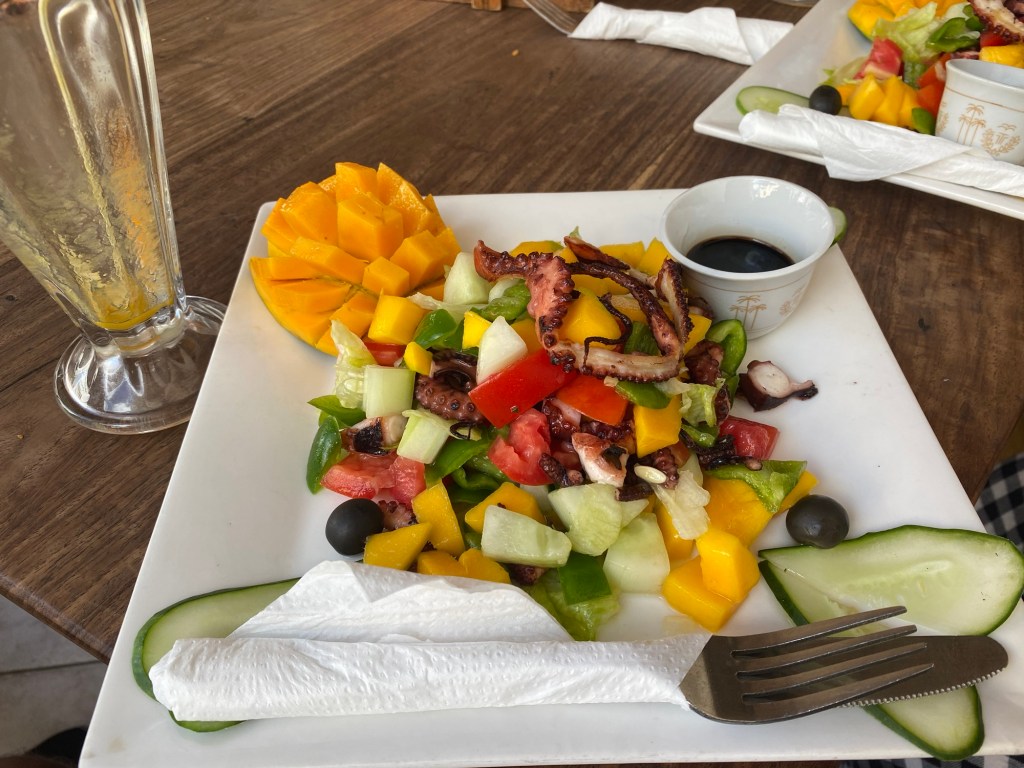
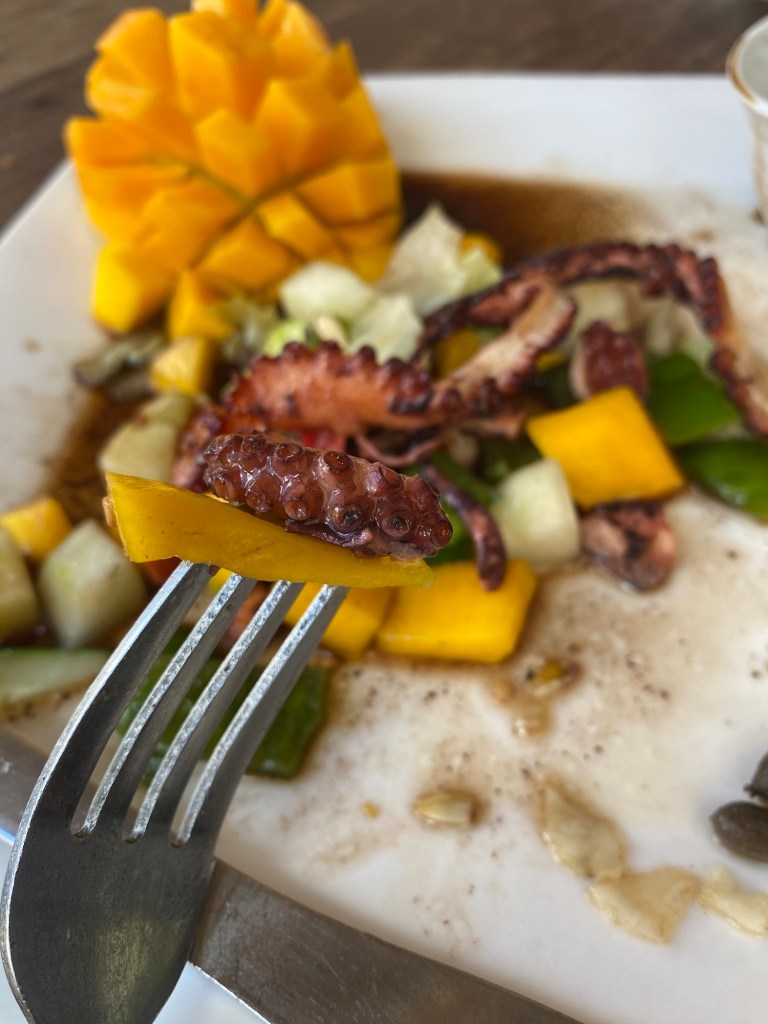
After dropping bags in our rooms, there our group gathered and made our way to lunch at a nice little place near the beach, The Silk Route. The first thing we noticed was how friendly the stray cats were to tourists. No doubt having their share of seafood from the tourists who take pity on the creatures. To that end, Its safe to say that Zanzibar probably doesn’t have a rodent problem.
After lunch we went to the historic slave market museum. Stonetown had been the major slave trade port for Arab controlled East Africa. on the historic grounds they had the ‘whipping tree’ which had been cut down, and over its place a church was built, a circle on the floor where the tree used to stand. The displays in the museum showing the evolution of the slave market, and the original holding cells for the slaves before they were loaded onto ships. It was a somber experience, but one I am glad gets visited and people learn this history.

Sample of one of the displays

We took a walking tour of the town after, learning about the ties of stone town to Queens’ Freddie Mercury, the town even hosting the Freddie Mercury Museum. A group of kids down at the sea wall were filming jumping into the bay with poster boards reading ” Welcome to Zanzibar!”, shouting ‘HAKUNA MATATA!’ and ‘WAKANDA FOREVER!’ We continued down the narrow ally ways, where doors are adorned with large spikes. The reason? People who moved into these areas were from India and would have spikes on the door to keep elephants from barging in. When they moved to this city, with streets far too narrow for elephants to ever pose a risk, the style of door came along anyway.

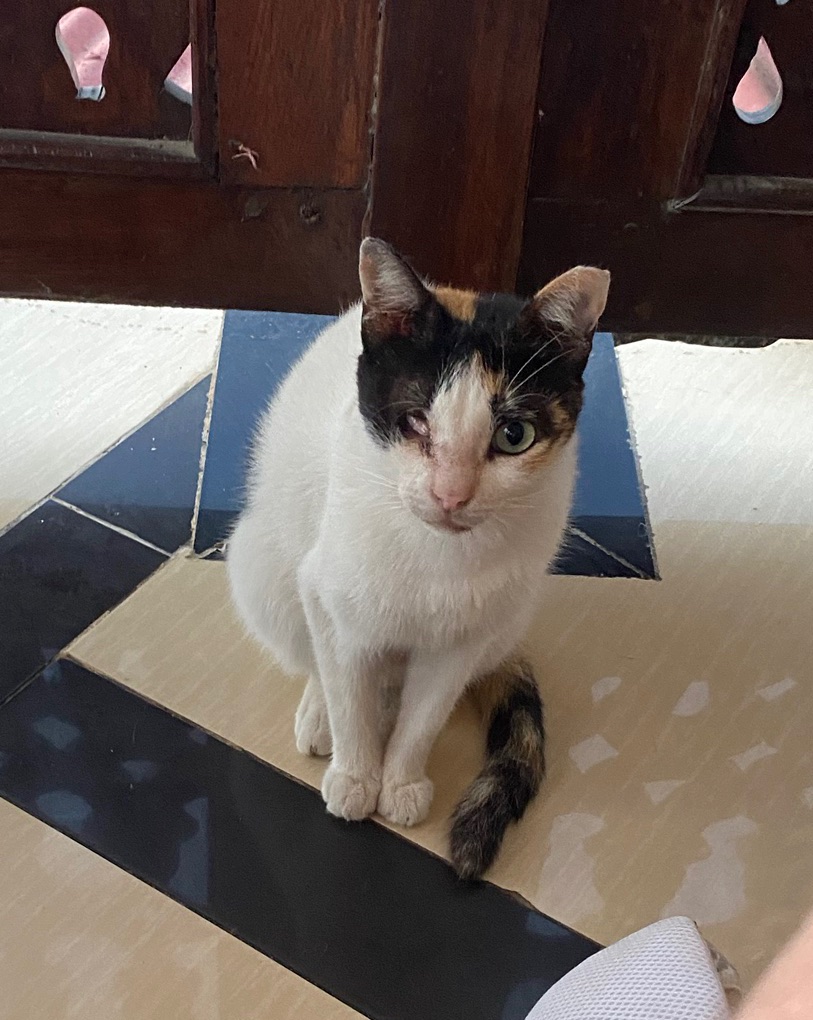
Back at the hotel, I joined the Canadians and the Aussies for a drink at the rooftop bar. The resident stray coming up when I notice he was underdeveloped and was missing an eye. My own cat at home being massive and named Sully after the Monsters Inc character, I felt it was only fitting to nickname this little guy Mike Wazowski.
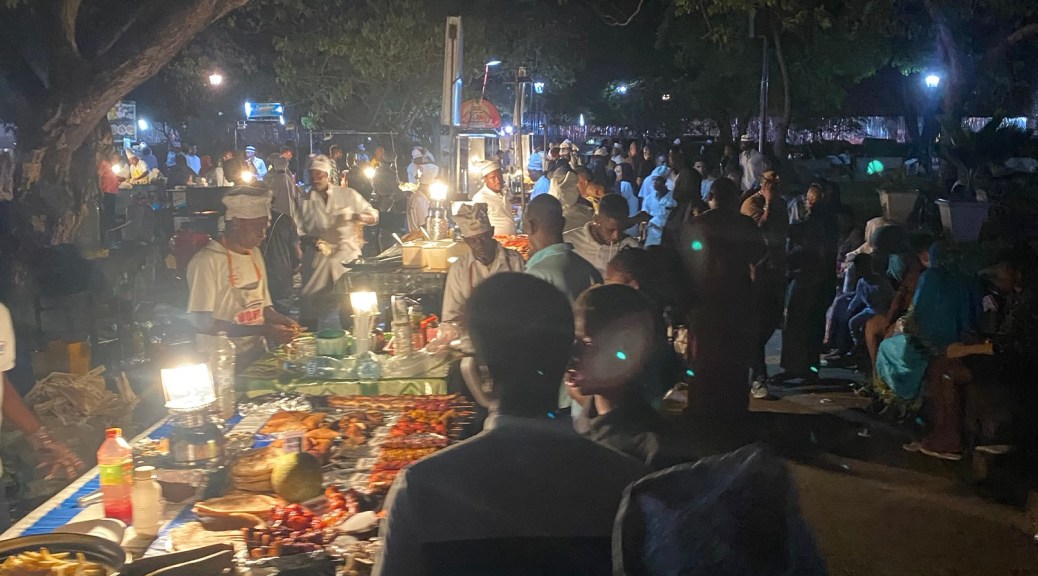
That night we all ventured off for the night markets, which was a bustling scene of food vendors and people. Our guide recommended certain foods we could try if we were feeling adventurous, but warned against others as it’s ‘laid out’ a few westerners.

Finishing up at the Freddie Mercury Bar, we dined and drank and listened to some wonderful local live music before making our way back to our hotel.

Next Time: Visiting a Spice Plantation, given the royal treatment, and get to visit my first resort.
Time Traveling in Denmark: Roskilde and Lejre

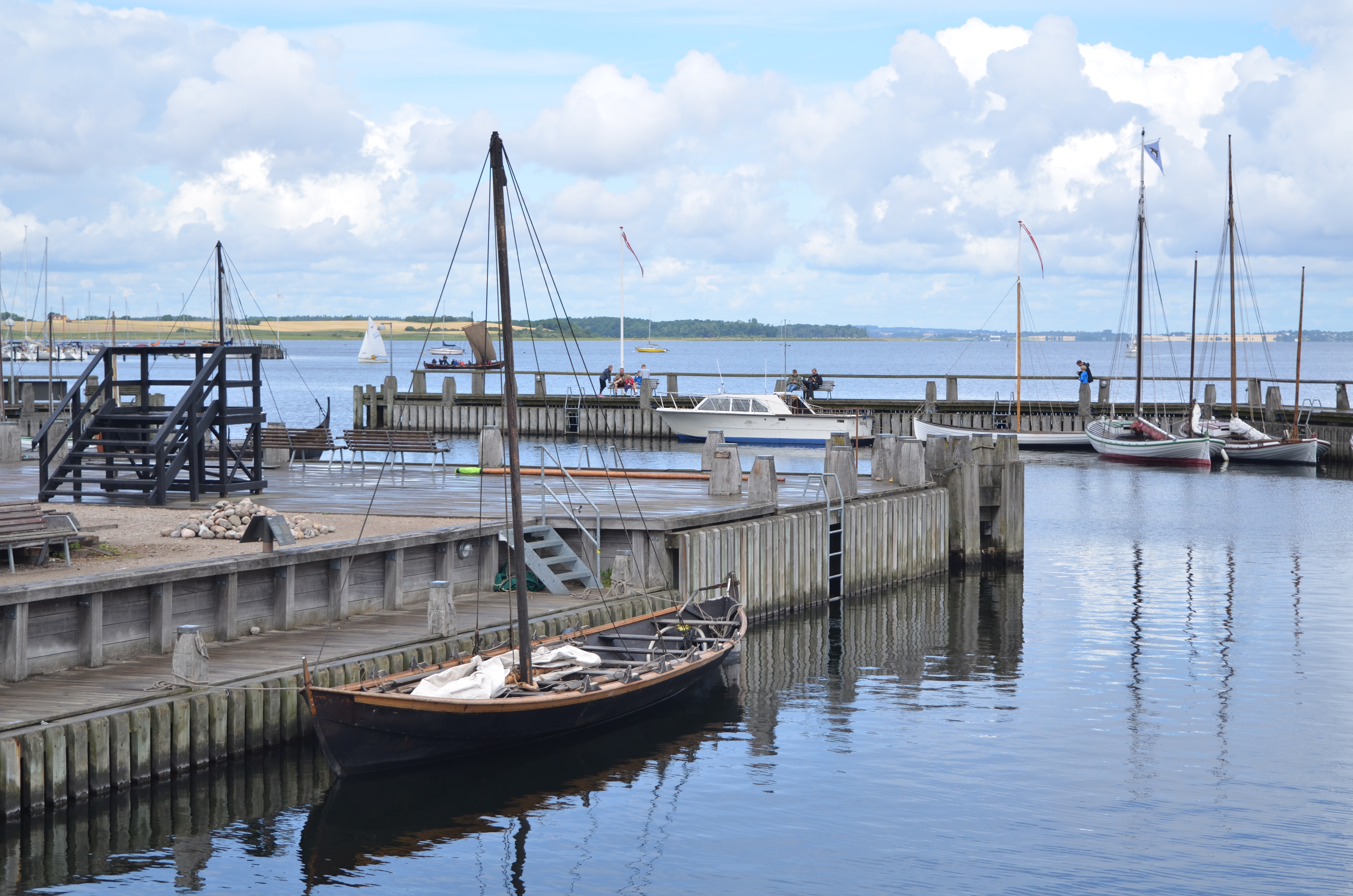
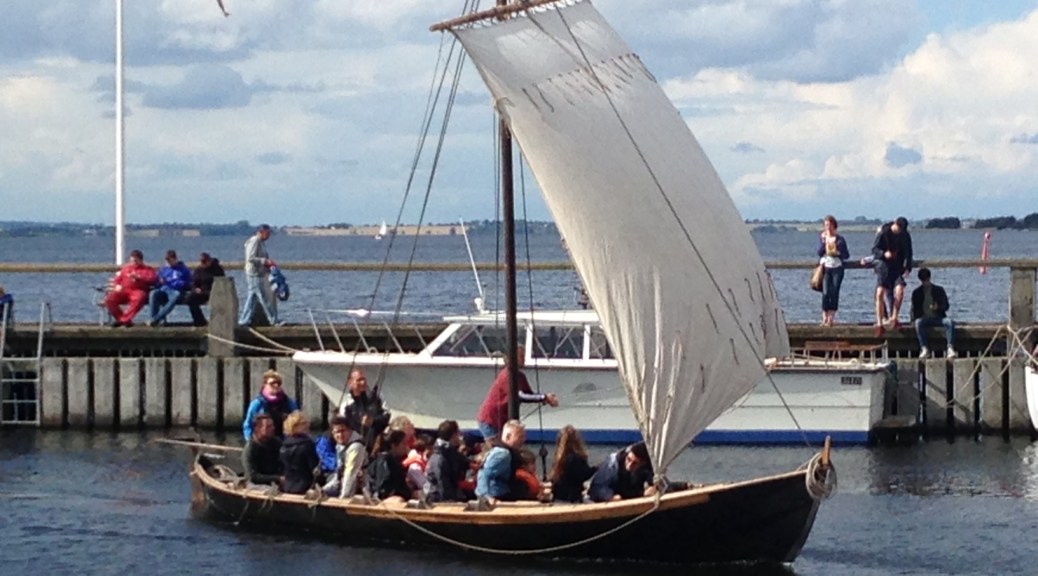
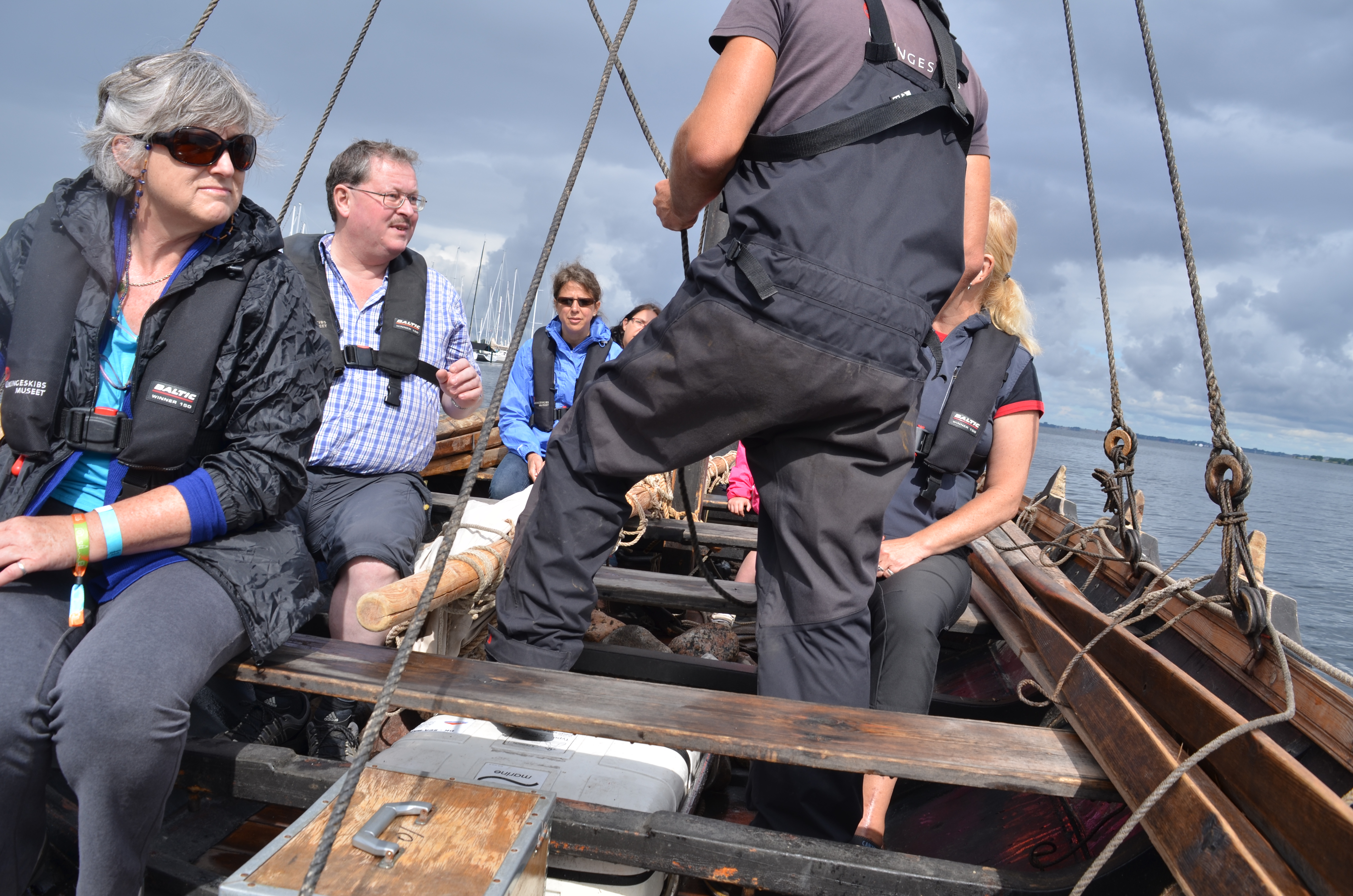
A 30 minute train from Copenhagen brings you to the quite town of Roskilde. It is easy enough to stay at your accommodation in the city and make the day trip, however we found that if we did the trip again, we would have stayed at the Danhostel in Roskide and taken a day trip to Copenhagen. The hostel, which was more of a hotel, is located about a hundred meters from the Viking Maritime Museum. The museum focuses on recreation archaeology, putting the theories about how the ancient mariners ‘did it’ to the test. for 100 danish Krona extra to the Museum ticket you can go for a sail around the fjord in a replica of one of the viking ships that they had discovered at the bottom of the fjord as a defence.

DSC_3535DSC_3537DSC_3541

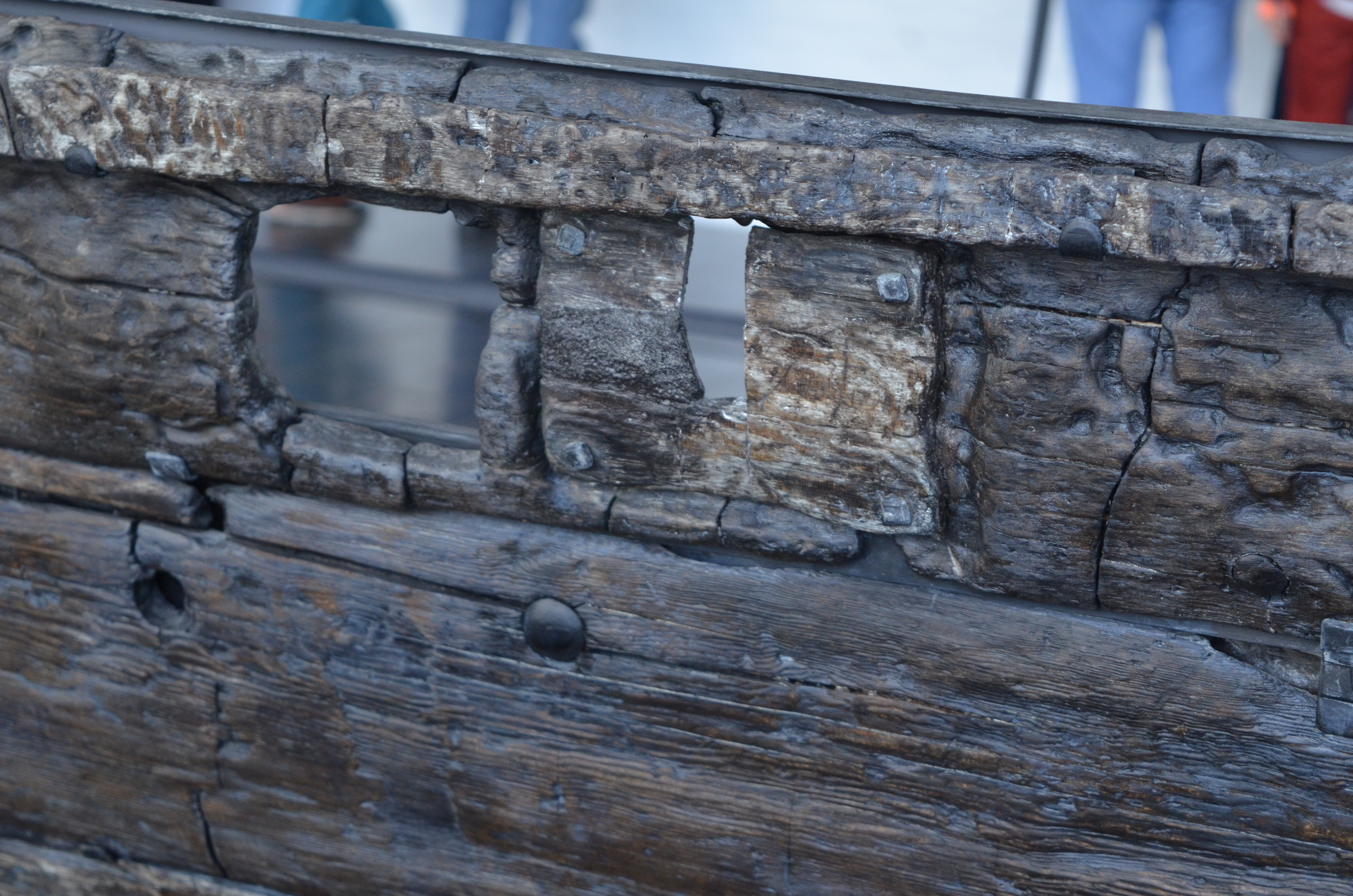
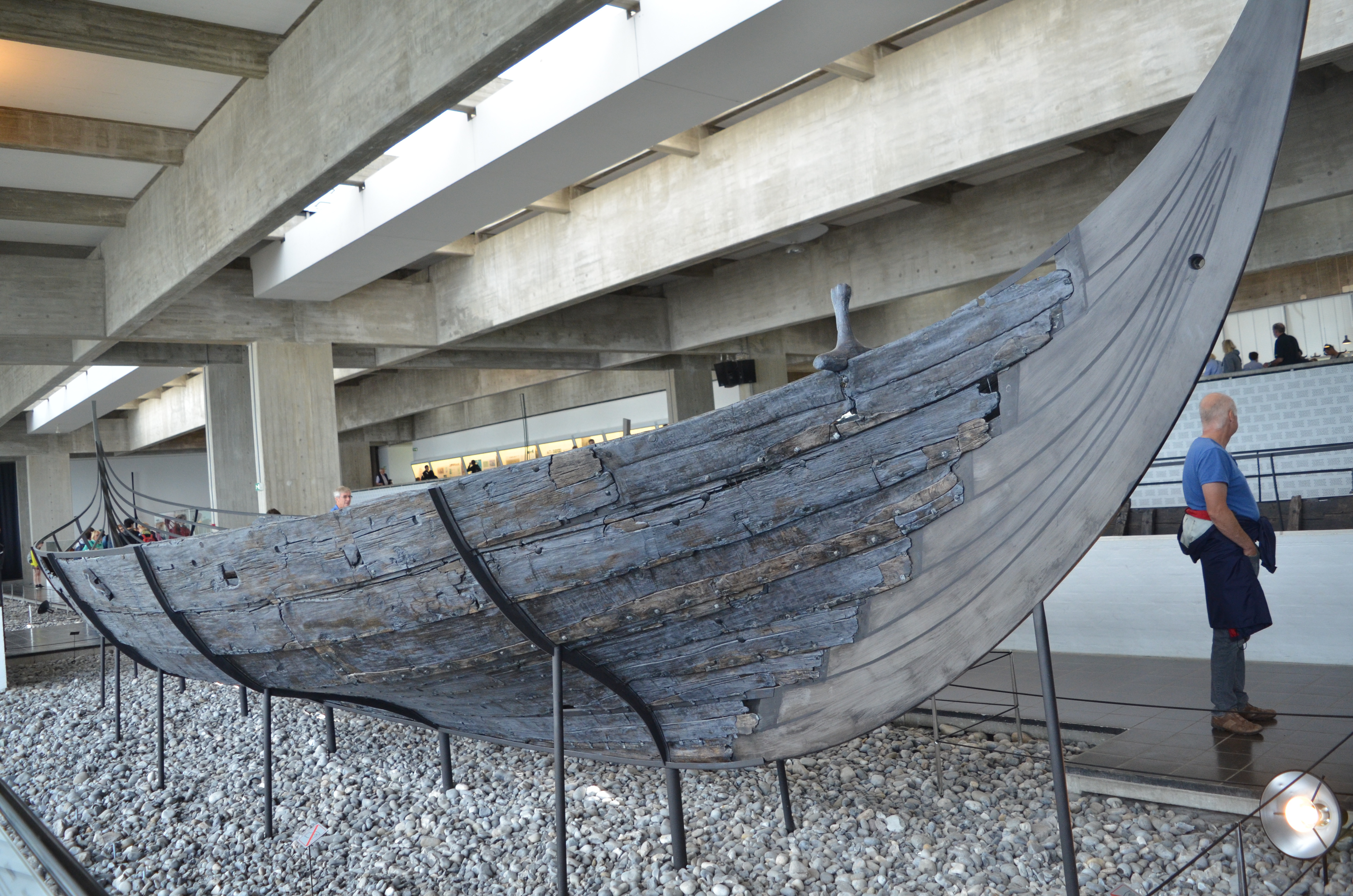
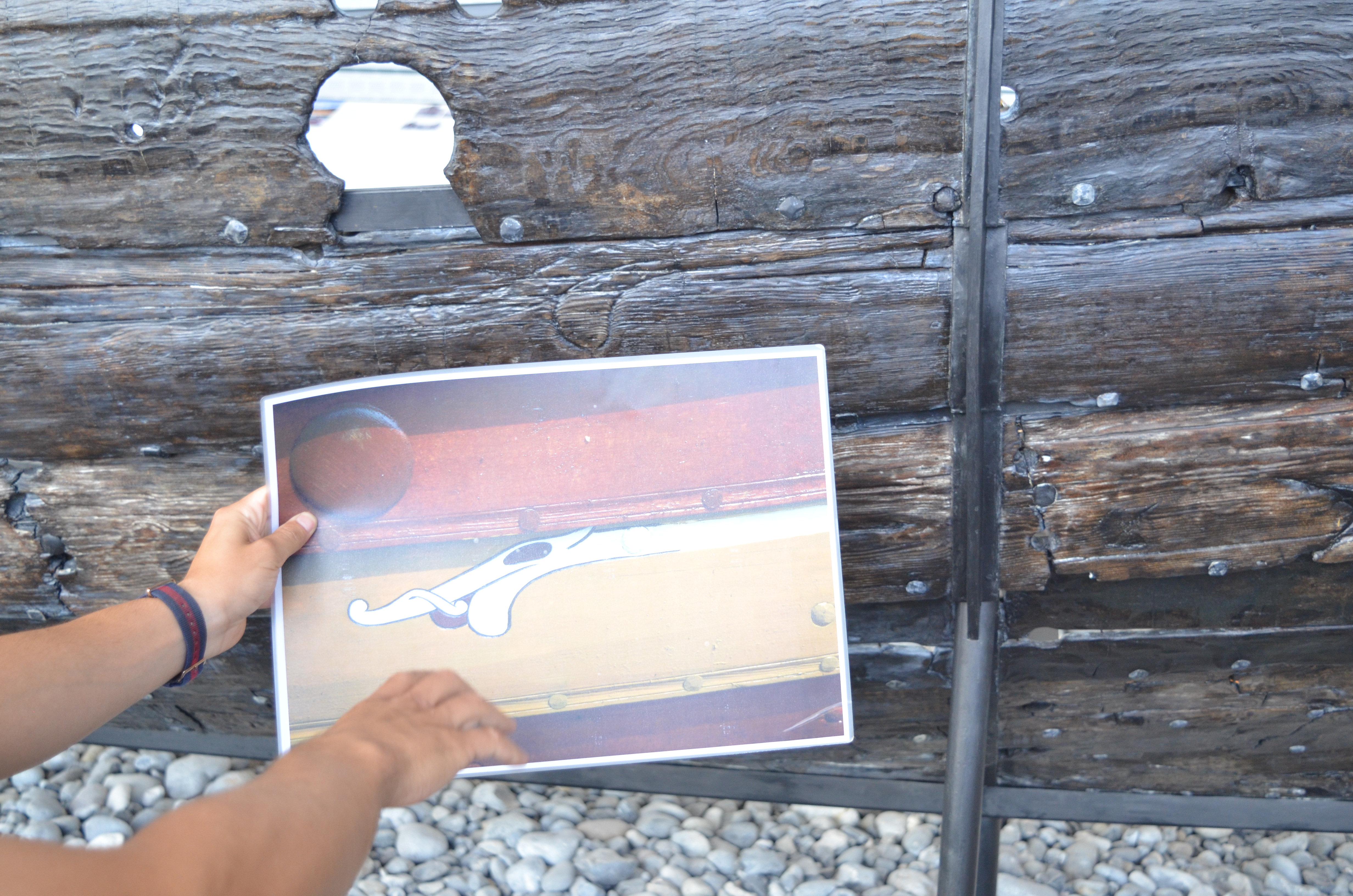
The 5 ships that were discovered had been purposely sunk, theoretically to block the deep and easy passages into the fjord, causing any ‘visitors’ (including attacking ships) to take a more risky route that would require the navigation of a local who knows the waters. The ships were brought up in the 1960’s as a large archaeological project, and were treated and now on display in the museum. (Free guided tours are available in English.) The manmade island where the viking ships sail from also hosts an open air style museum, with blacksmithing, rope making, and even the shipbuilding as in-situe recreation archaeology. In addition, if you want to get your hands dirty, you can chisel runes into a thors hammer pendant, or mint a coin in ‘ye olde’ way with a hammer and minting stamp.  if you want to join the kids table, they even have a wooden shield and sword.

DSC_3563DSC_3555DSC_3561

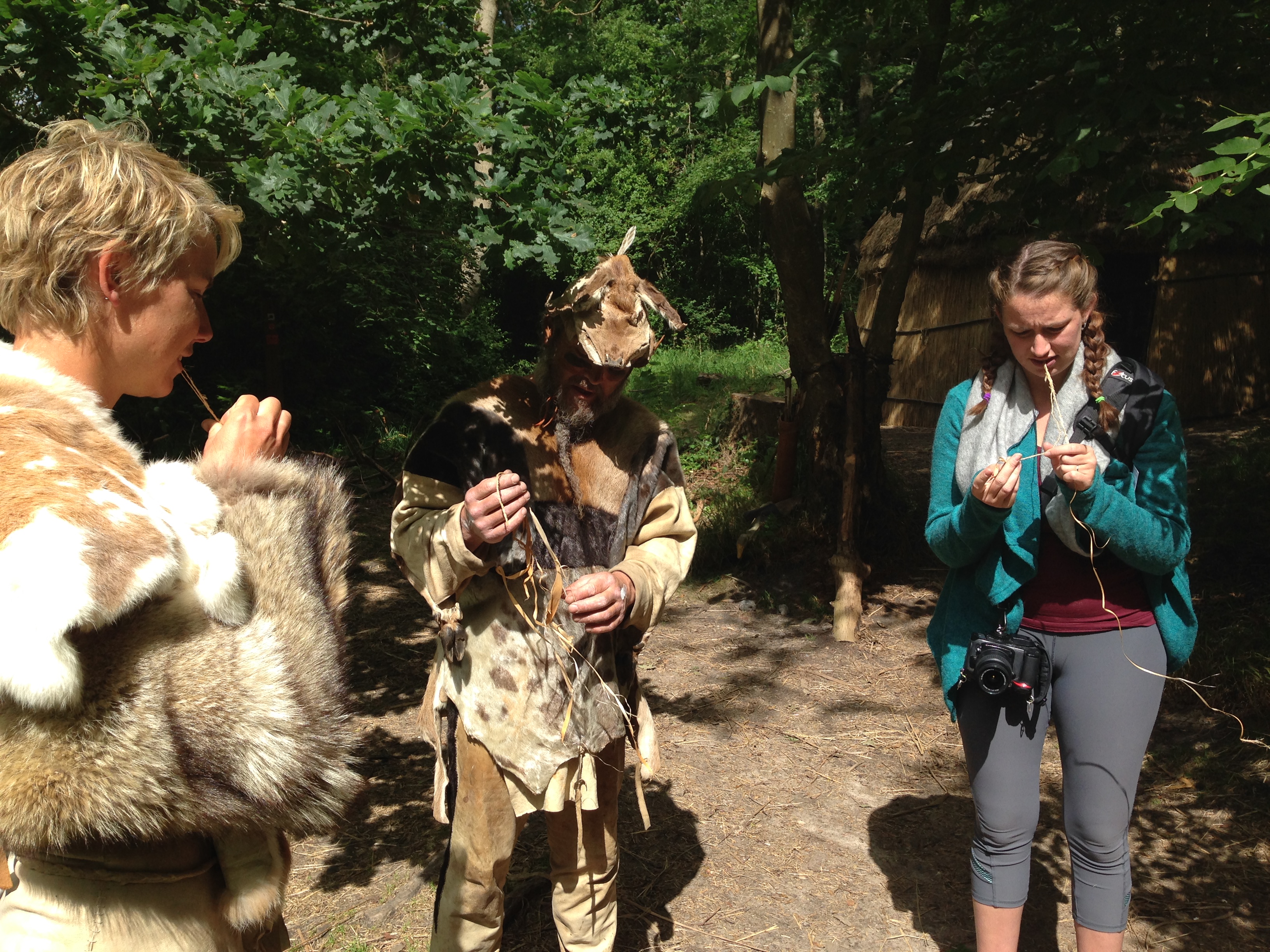
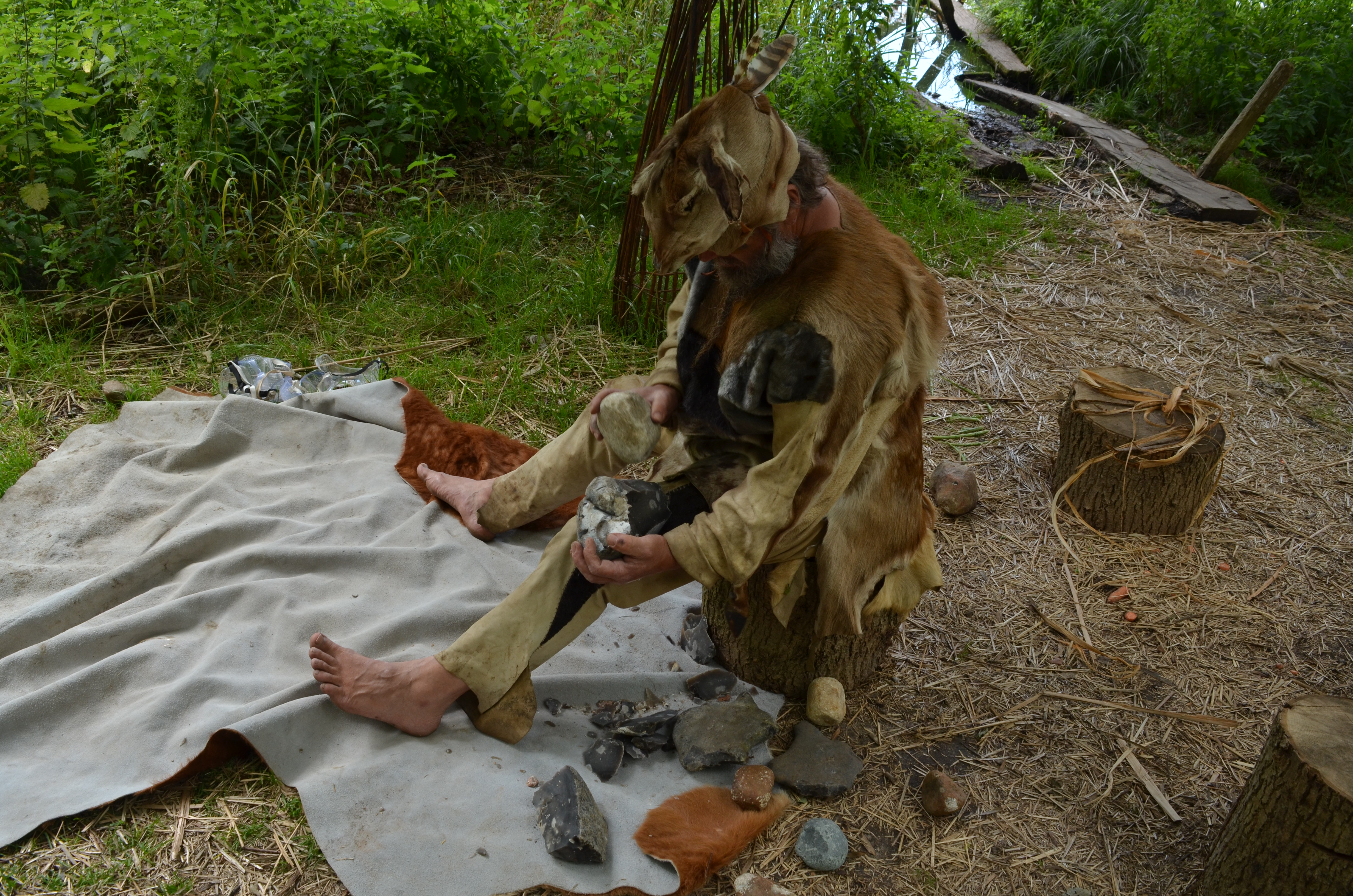
From Roskilde, taking a train to Lejre, and bus 233 from the station, you can visit ‘Land of Legends’, a open air museum dedicated to Denmarks’ history form the Stone age, through the Viking age, into the Iron and Middle Ages. The encourage getting your hands dirty and joining in the activities. learn to flake stones or make rope with the cave men, you can buy naturally died yarns from the weaver, or pots and mugs thrown by the potter. The park can be seen comfortably in 3-5 hours, longer if you participate in the settlements.

IMG_1998DSC_3624

Visby… Or ‘Breckenridge: the Island’

In the middle of the Baltic is the isle of Gotland. The largest town, Visby, has a rich history as a trade port that used to be as important as London or Paris back in ‘ye olde times’ when trade across the baltic was best done by boat as opposed to the newer methods of trains and planes.

From Stockholm, we took the bus connection to the ferry from Nynäshamn. The trip was fairly uneventful other than the doppelgänger of Rollo from Vikings, or Brock O’Hurn, across the isle from us. Oden bless the Scandinavians.

When we arrived, we had missed the bus to the resort, and decided to keep our gear as we wondered around the narrow, winding, cobbled streets of Visby. The whole island had an air of ‘vacation’ with tourists of Sweden and foreign vacationing the island. The old buildings had been repurposed, with a church ruin playing host to a cafe’s outdoor seating.  Other ruins allowed you to walk up stairways and across catwalks, and into dark crevices of the historic structure.

The town, which is only about 20 minutes to walk across, provided plenty of sights for us to visit while lugging our bags around. Under advisement from the tourist information desk we cut through the botanic gardens and went up one of the lookout towers that remain on the old city wall that has been standing since the 13th century.

DSC_3386

When we were done poking around the town, we caught the bus to the resort south of Visby, where we stayed the night. The resort hosts two theme parks (a water park and giant ‘playground’ with mini-putt, bumper cars, and go-charts), and Pippi Longstocking’s house.

DSC_3392.JPG

The accommodation, which was cabin/camp style, was reasonable for the proximity it provided to the attractions. The tourist atmosphere felt like Breckenridge. A place that even the locals go to to vacation.

The busses don’t run as frequently to the resort, and don’t start till late morning, so if visiting overnight like we did, a taxi is an option.

12 Hour Pompeii (from Rome)

We made our way to the train station and grabbed our 2 round trip tickets to Naples from Rome Termini station (be warned this is the expensive part, though prices vary by the train line, times, and location on the train.) With over an hour till the next train, we grabbed some breakfast and socked up at the small grocery that is in the station. (I recommend grabbing snacks, since Pompeii does have a restaurant but its really expensive. Don’t take sandwiches because they get super soggy. Fruit and Focaccia bread pizzas are prime.) The Bullet train got us there in an hour direct where we had to change trains to the Circumvasuvio line (which is down a floor  from where the log distance trains stop.Follow the signs to get to the ticket office, where for only 2.90 Euro each way you can get a round trip ticket that is valid for any time.)

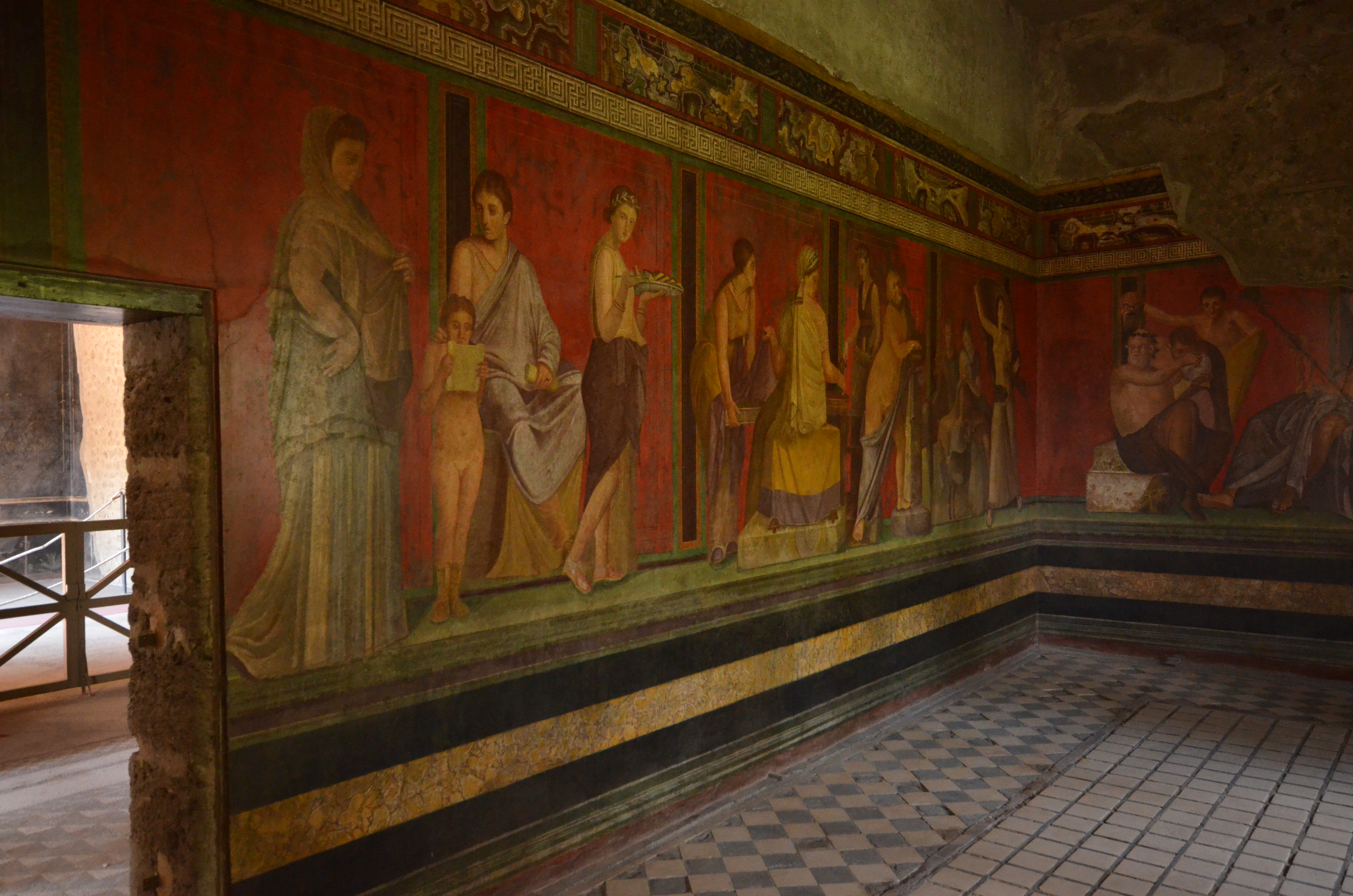
DSC_2887Villa of the Mysteries

The train, which was 15 minutes late, was preceded by three other equally late trains, which meant many of the fellow tourists that waited to be Pompeii bound with us jumped onto trains that we are still unsure where they went. Once we figured out the board, we realised that the times being posted with the train destination were the times that the train was supposed to arrive (which is how we knew it was 15 mins late). We realised this and explained it to a family that was waiting on the platform with us and had tried getting on one of the previous trains before being told it didn’t go to Pompeii.

Once on the train, the half hour ride was crowded, but offered some amazing scenery of Vesuvius and the Island of Capri before dropping you off nearly at the gate for the site of Pompeii (which is marked Pompei Scavi, you would need to keep an eye open for it, since the stops are not announced.) For us it was pretty easy to find because that is where the entire train emptied in a flood of tourists onto the platform.

DSC_2857.JPG

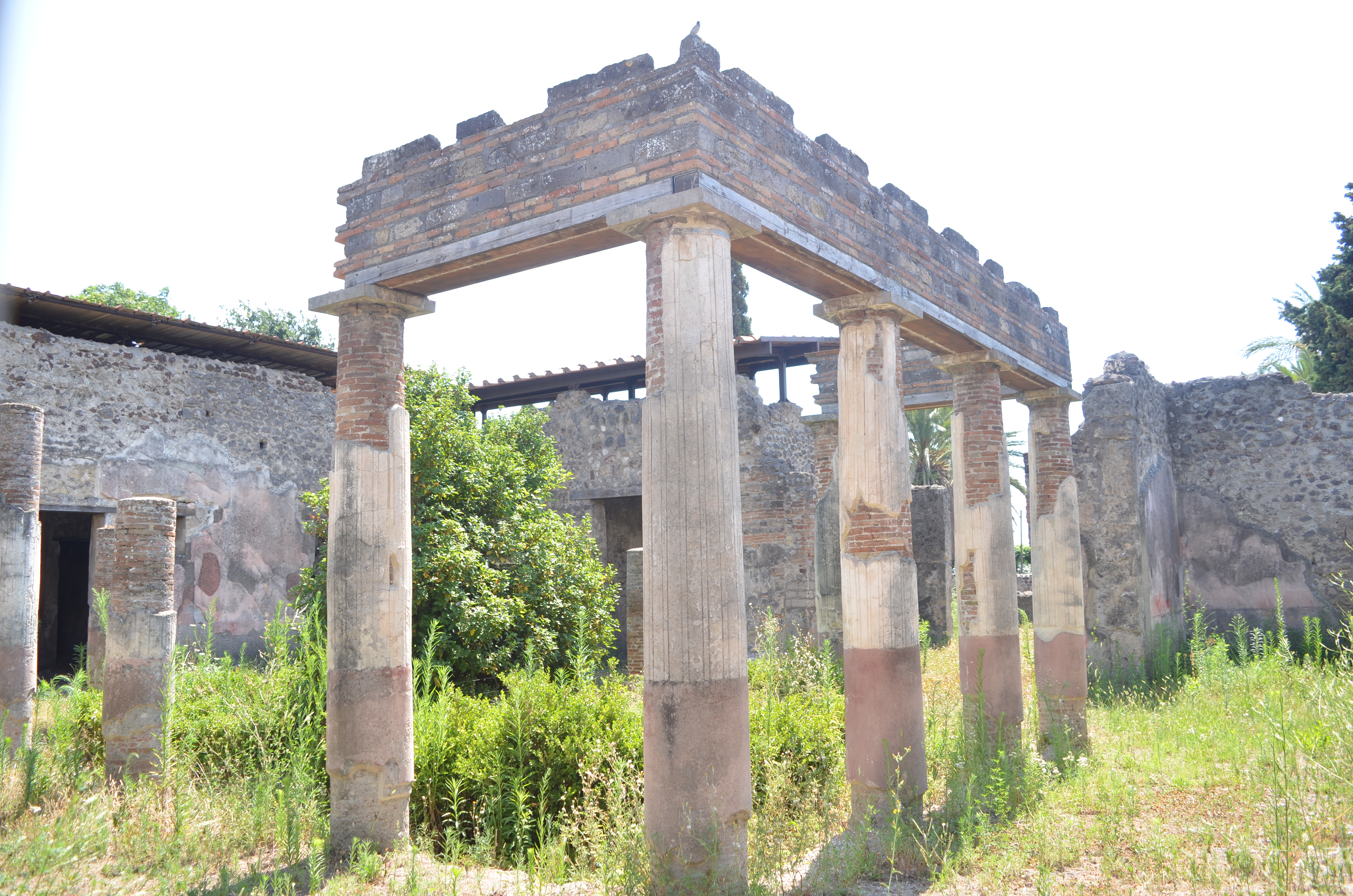
Courtyard in residence near city centre

Getting off there train, ticket offices and shops are just to the right as you get off the platform. Right away we were asked if we would want to join a group, and we thought we would just want to do an Audio guide to go at our own place and hit the places we would find most important. We bought our tickets to the site and the museum for 15 Euro, and went to look for the audio guide. In the building behind the ticket office, up a flight of stairs, is the audio guide office. The guy at the counter informed us that the audio guides were only in Finnish, and we would have to join an English speaking tour. As I turned around, I saw guidebooks. I highly recommend getting one.

The guide book, which is offered in many languages, comes with a pullout map labeled with the different attractions, which have a short paragraph that tells you about them. For 10 Euro in the guide office, this is also a wonderful souvenir.

DSC_2871

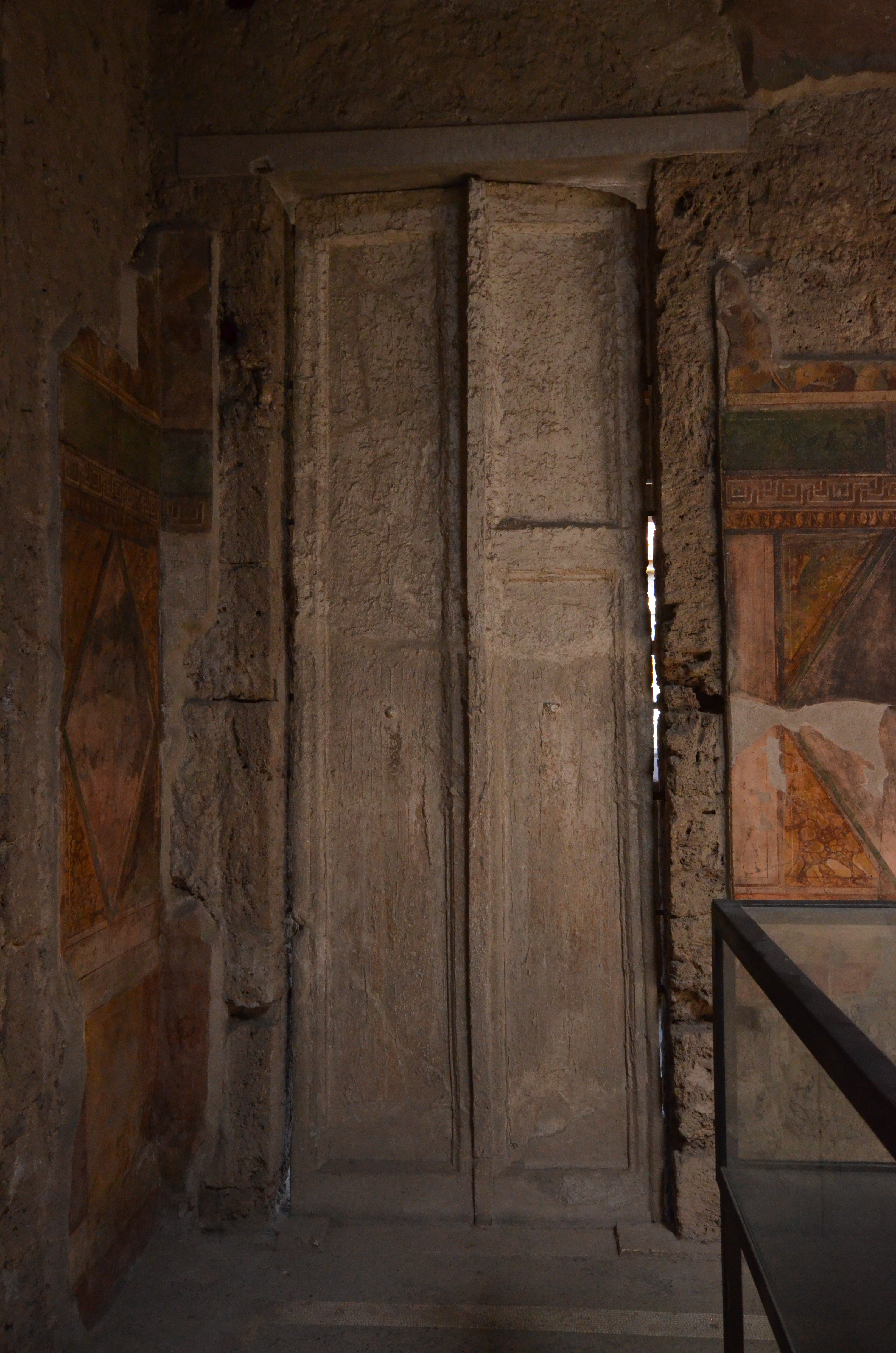
Original door in the Villa of the Mysteries
Pompeii is big. Once you’re in the site, its almost a lot to take in. Its best to have a list of about 5 things you really would like to see, and then spend the rest of the time wandering. We had little idea where to start, but I have made a list of some key places of interest

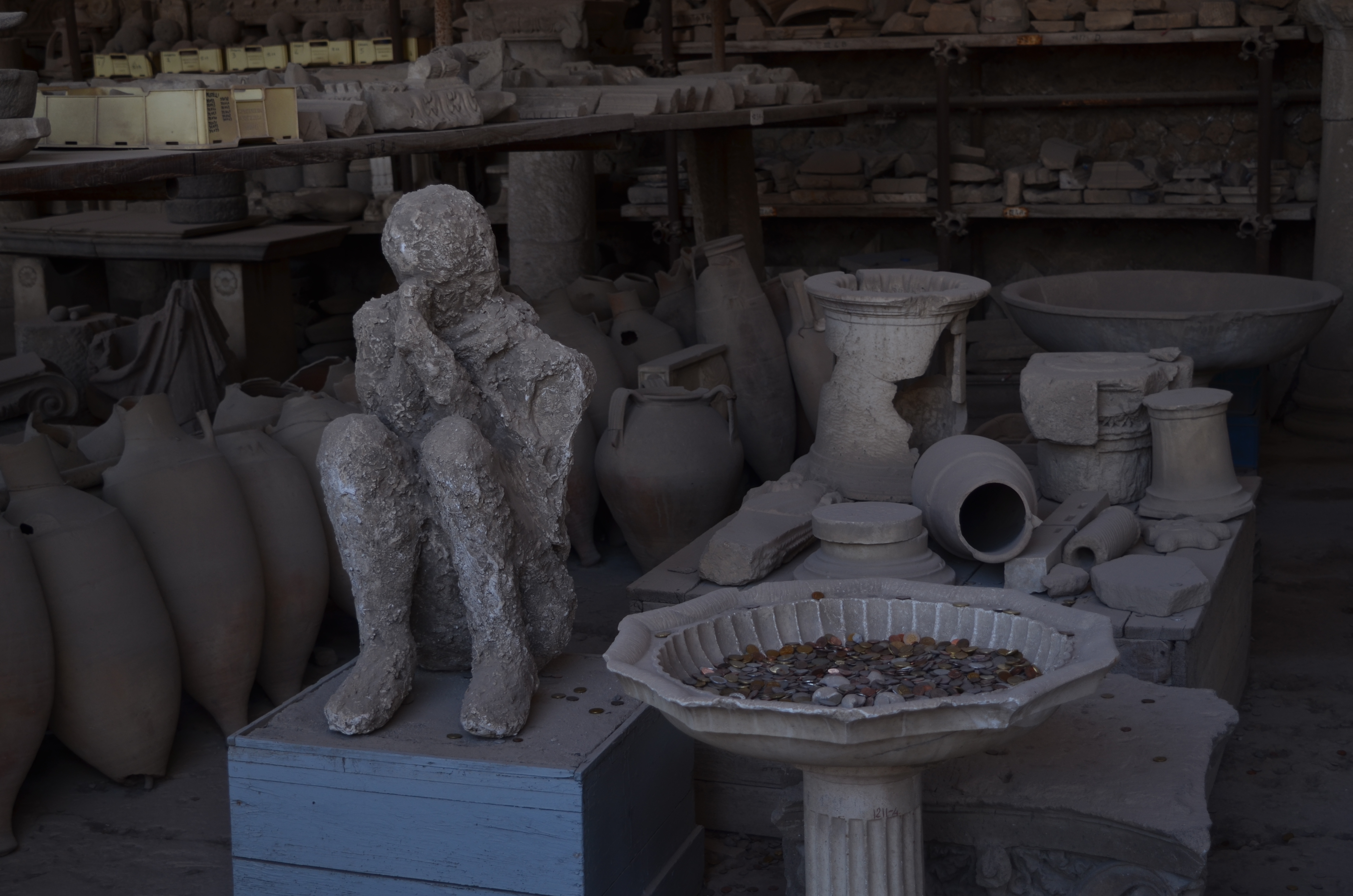
  1. Villa of the Mysteries, with a great preservation of the art on the walls and a couple bodies in the lobby.
  2. Temple of Apollo, The statues and the view. You really feel like you’re in the heart of Pompeii.
  3. Garden of the Fugitives, An example of how devastating the site was. (We were rained out in the late afternoon, and didn’t make it.)
  4. The Brothel, which has some raunchy pictures on the wall. (When we were there they were excavating that area, and it was blocked off.)

We left early because a thunderstorm rolled in, but that turned out to be a good thing.

Tip: The train to Pompeii, and the train back to Naples from Pompeii, is usually late. If you have a return ticket, it is a good idea to look at the time table, find the train that gets you to Naples before your train to Rome, and leave a train earlier.

The site is massive. We could easily have made a weekend out of it. Wear good walking shoes, bring a water bottle, and plenty of sun screen. (Mum brought the umbrella, and she recommends it.) Also, with the enormity of the structures, I recommend a wide angle lens for photography.

DSC_2844

A person praying

When in Rome, do as much as possible.

For an ancient city, Rome offers plenty to see and do, no matter what you want out of traveling. The key is to have a good plan before jumping in.

DSC_2549.JPG

As we left baggage claim at the airport, a Mobile Sim card company snagged us for a sim that will work in almost all of the countries that we will be visiting along this trip. The card, which we got with both internet and phone minutes, has already helped as we wondered the back alleys around our hostel looking for our street. And if you’re carrying a internet enabled phone, Google Translate (which you can download for offline use of typed text translations) can use your phones camera to translate signs on-the-go.
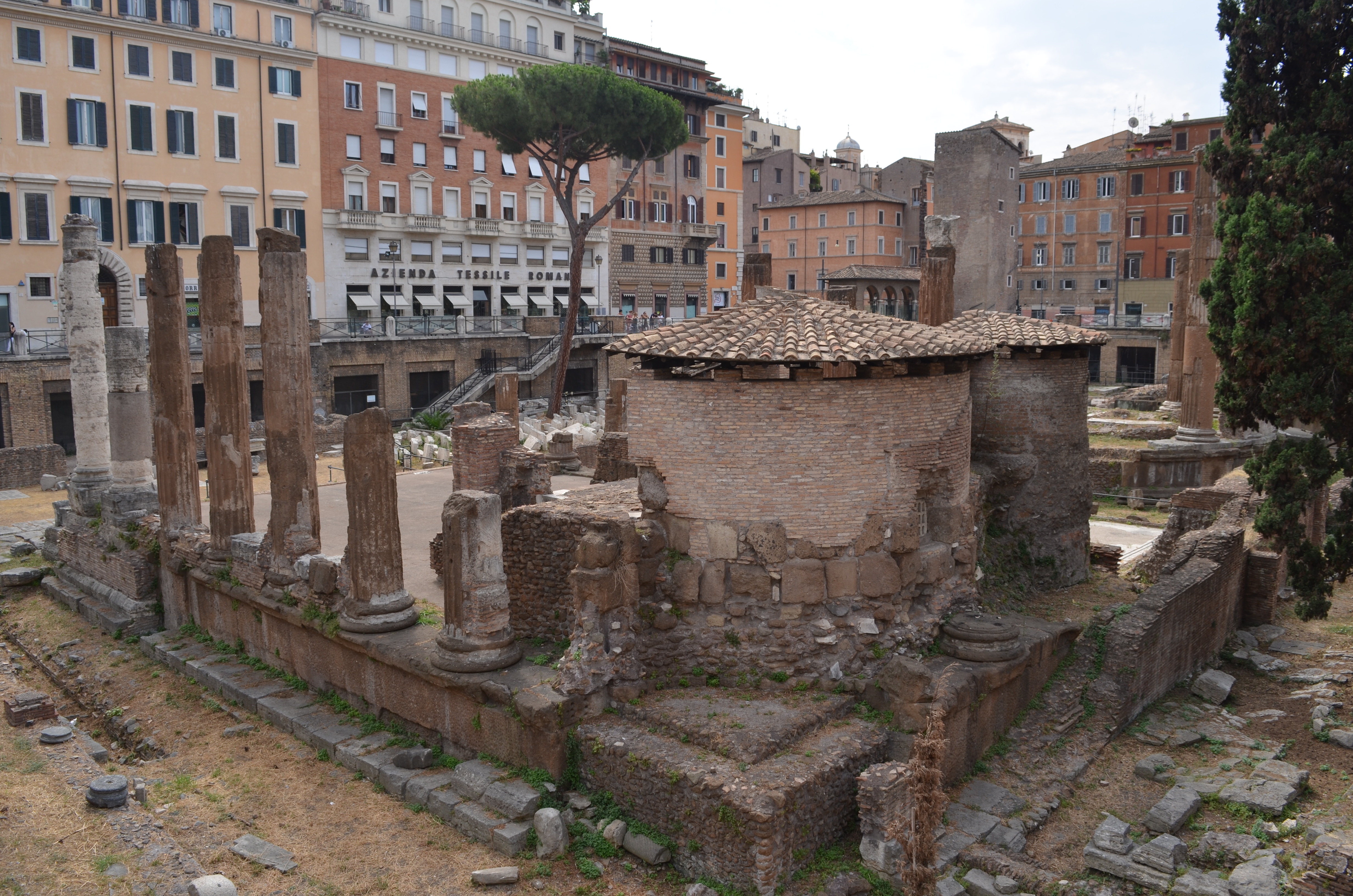
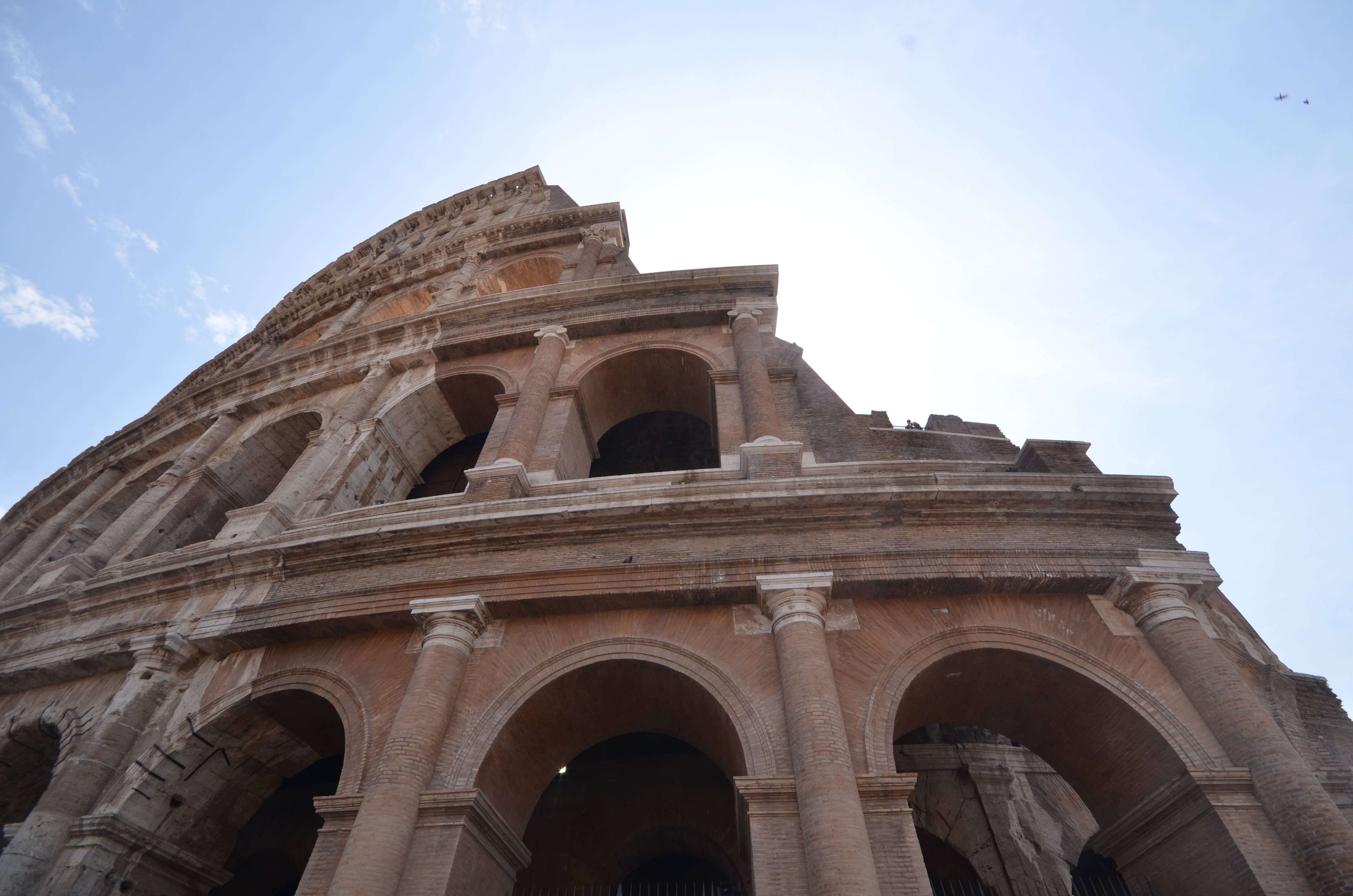
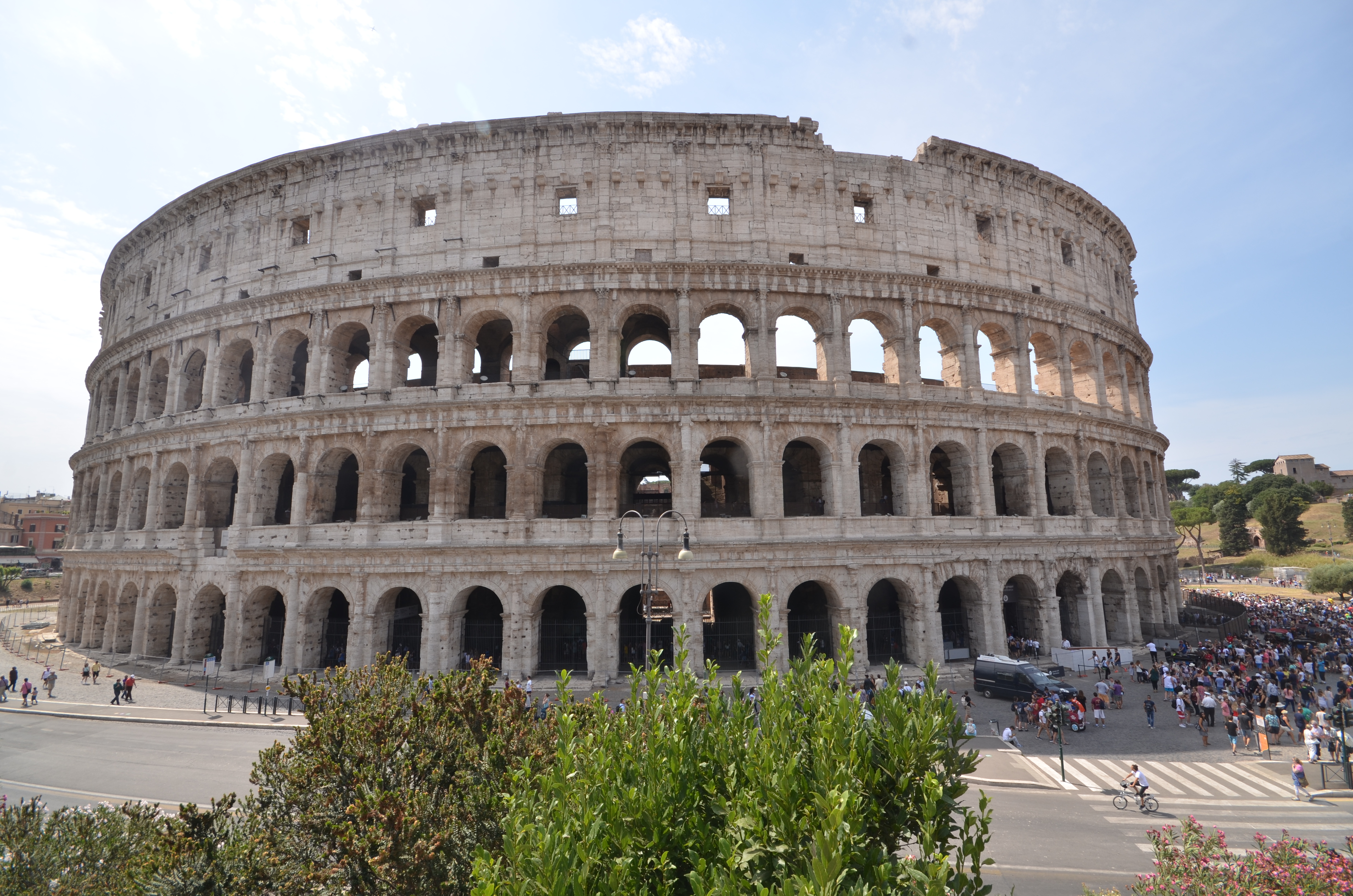
We stayed at Orsa Maggiore (for women only), which is centrally located in Rome, though got in early enough to drop our bags at the hostel and go wonder at the ancient wonders near by. The Colosseum and Roman Forum, stooping for Gelato on the way.

When approaching the Colosseum, we were stopped by numerous tour guides with the same plug trying to get us to join their tours for an additional 18 euro.

DSC_2601

My recommendation: Get a Roma Pass (the price varies by how much time you would like to keep it active for. There is a special line for both the Colosseum and Roman Forum for pass holders. While the guides were trying to convince us it would take nearly 2 hours to get through with the pass, it was really only 10-15 minutes. We also get free transportation with it, and makes the pass a worthy addition to our planning. If a tour sounds like a good idea to you, they offer audio tour devices just inside the gates into the Colosseum.
DSC_2599

When walking all over the forum, there are a couple things you will want with you. A camera, a hat/sunscreen, A water bottle (which can be refilled at one of the many water fountains in the city,) and a map/guidebook (we have the DK eyewitness Italy book, which explains a bit more about what were looking at.)


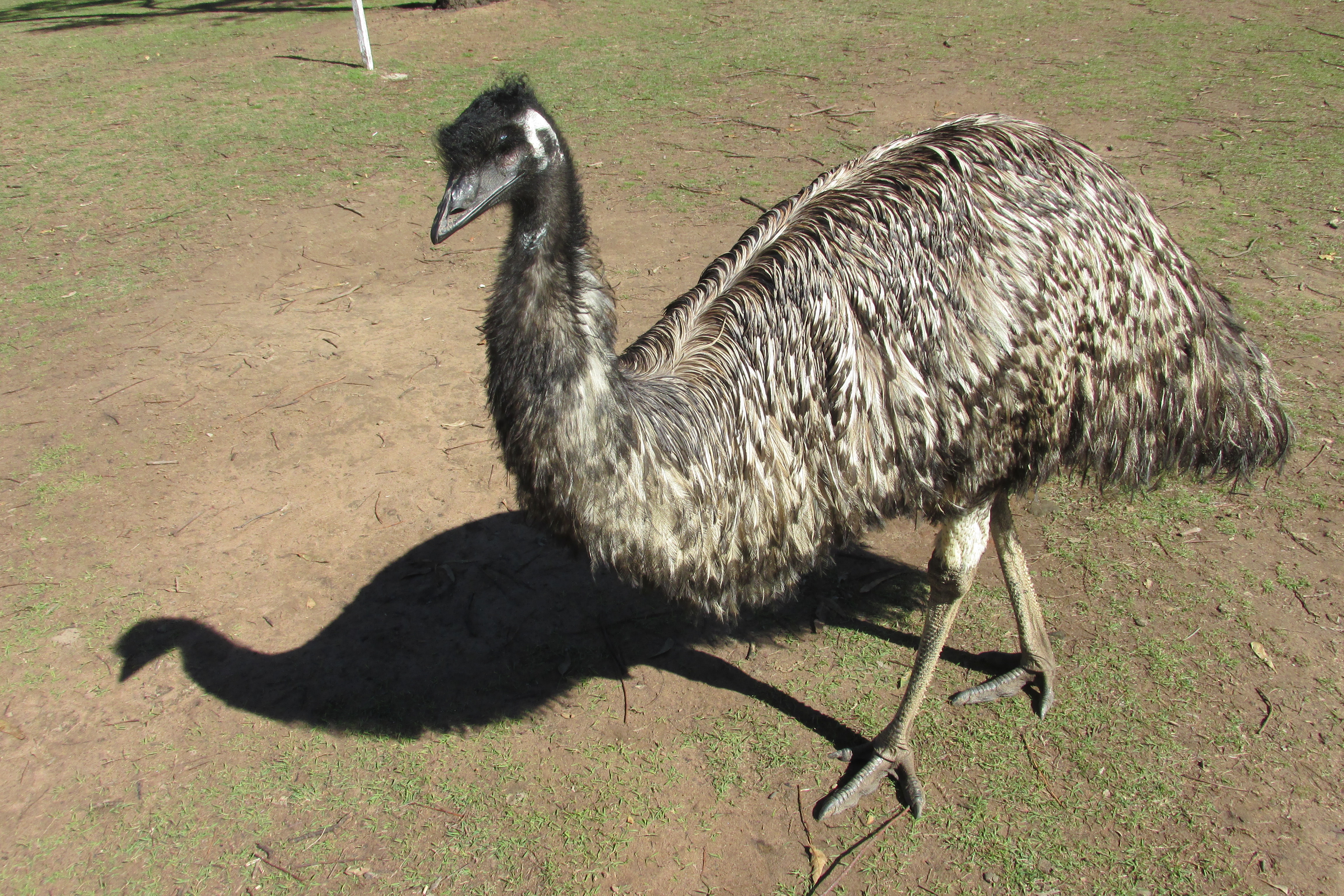
Koalas, Kangaroos, and Emus. Oh my!

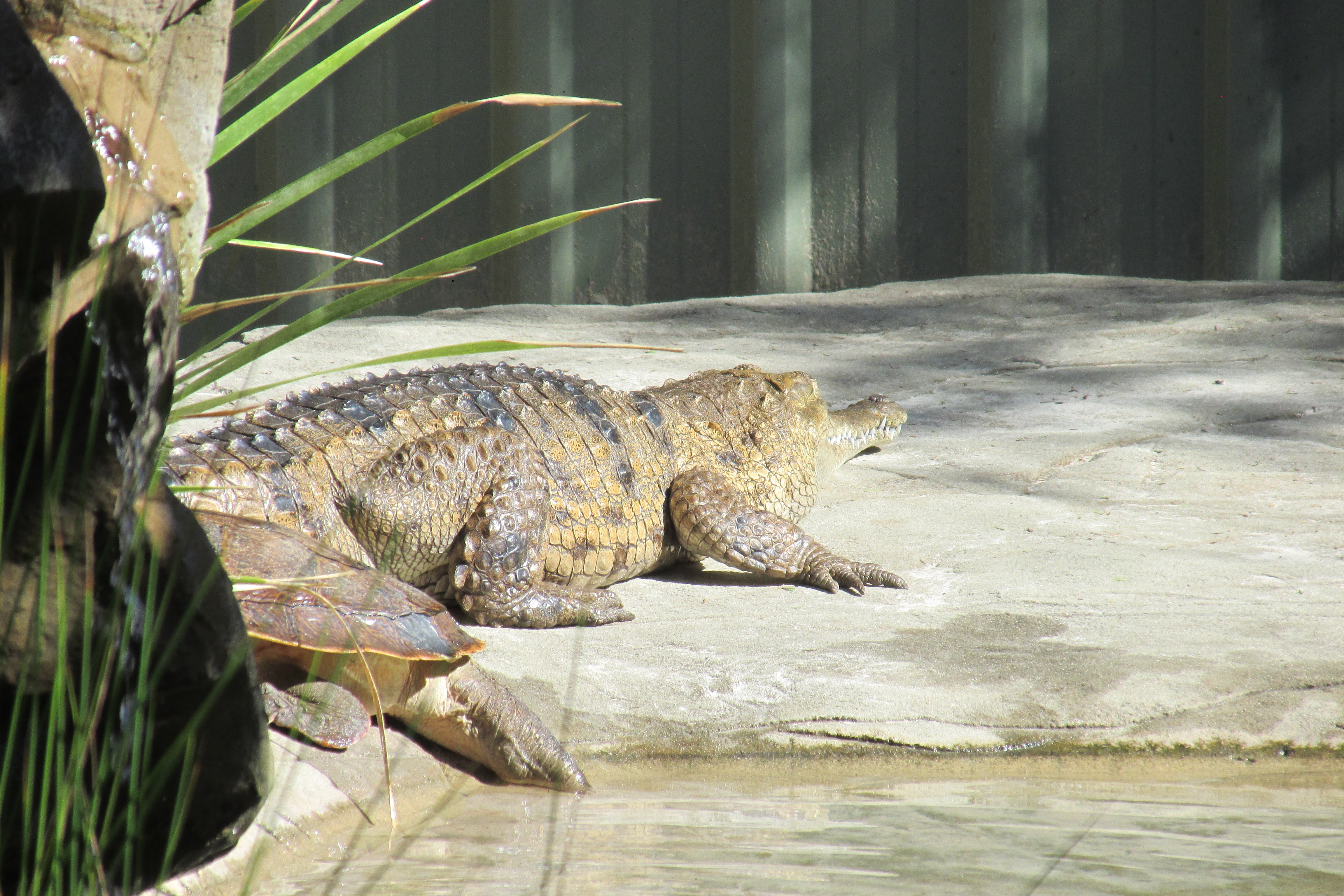
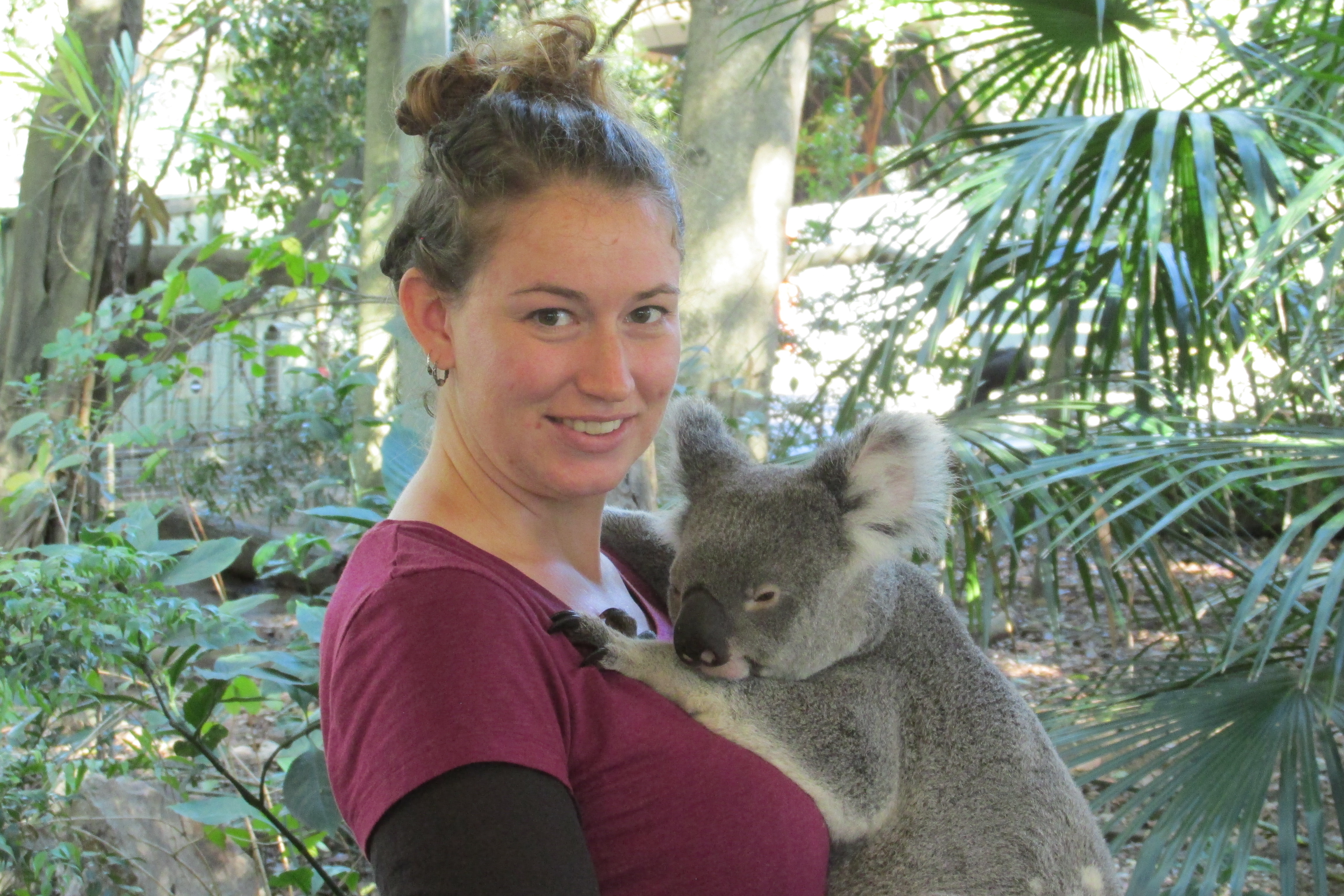
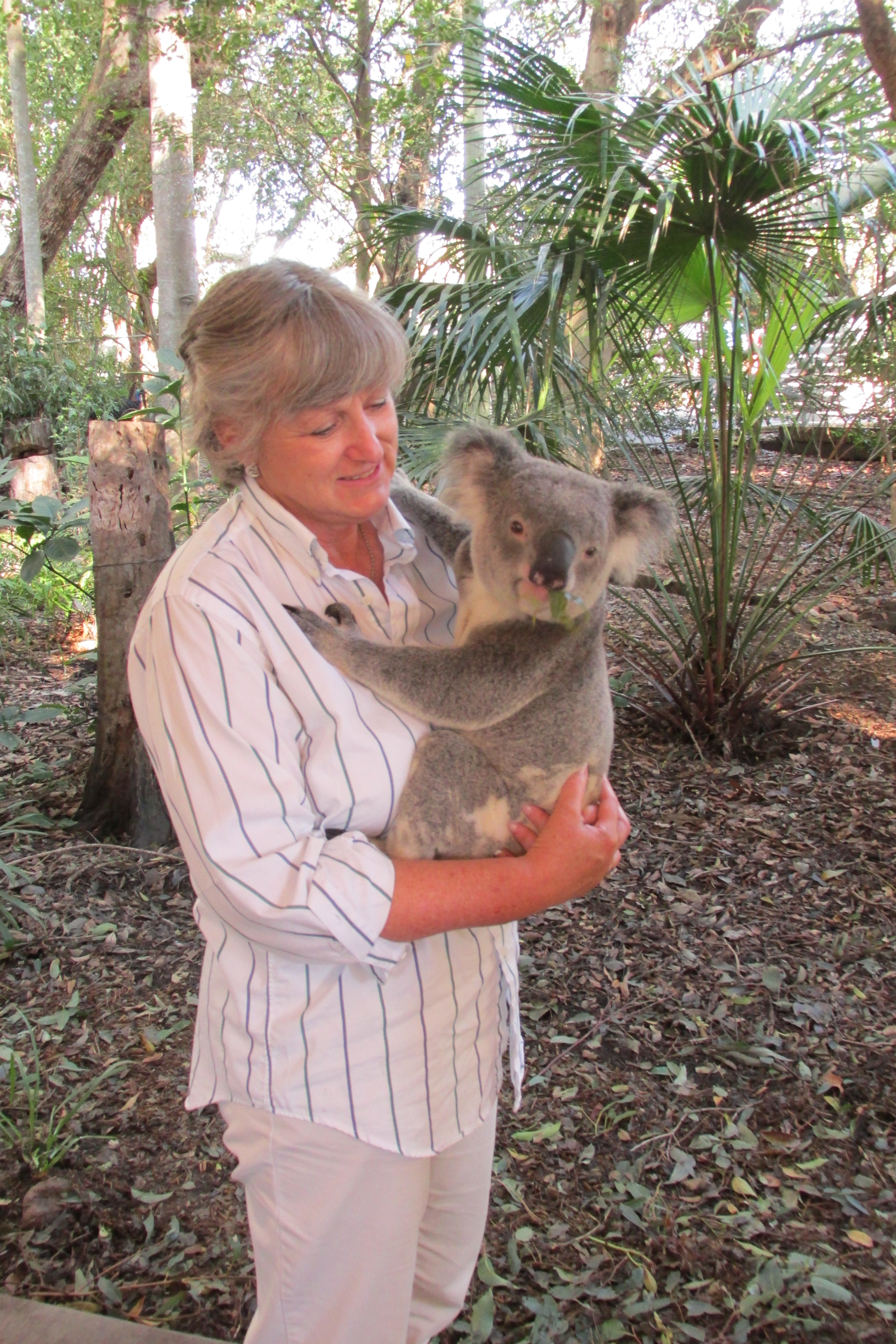
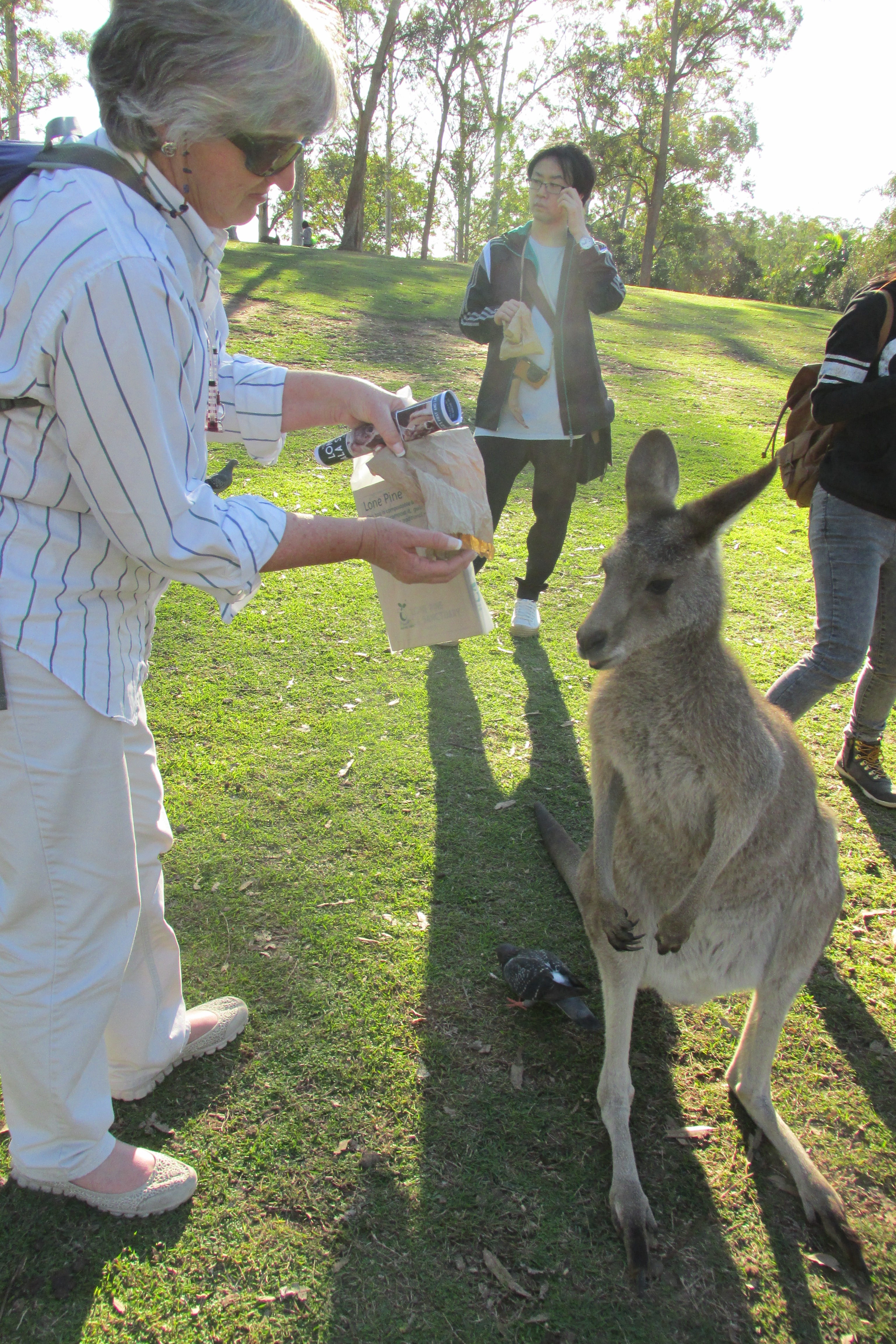
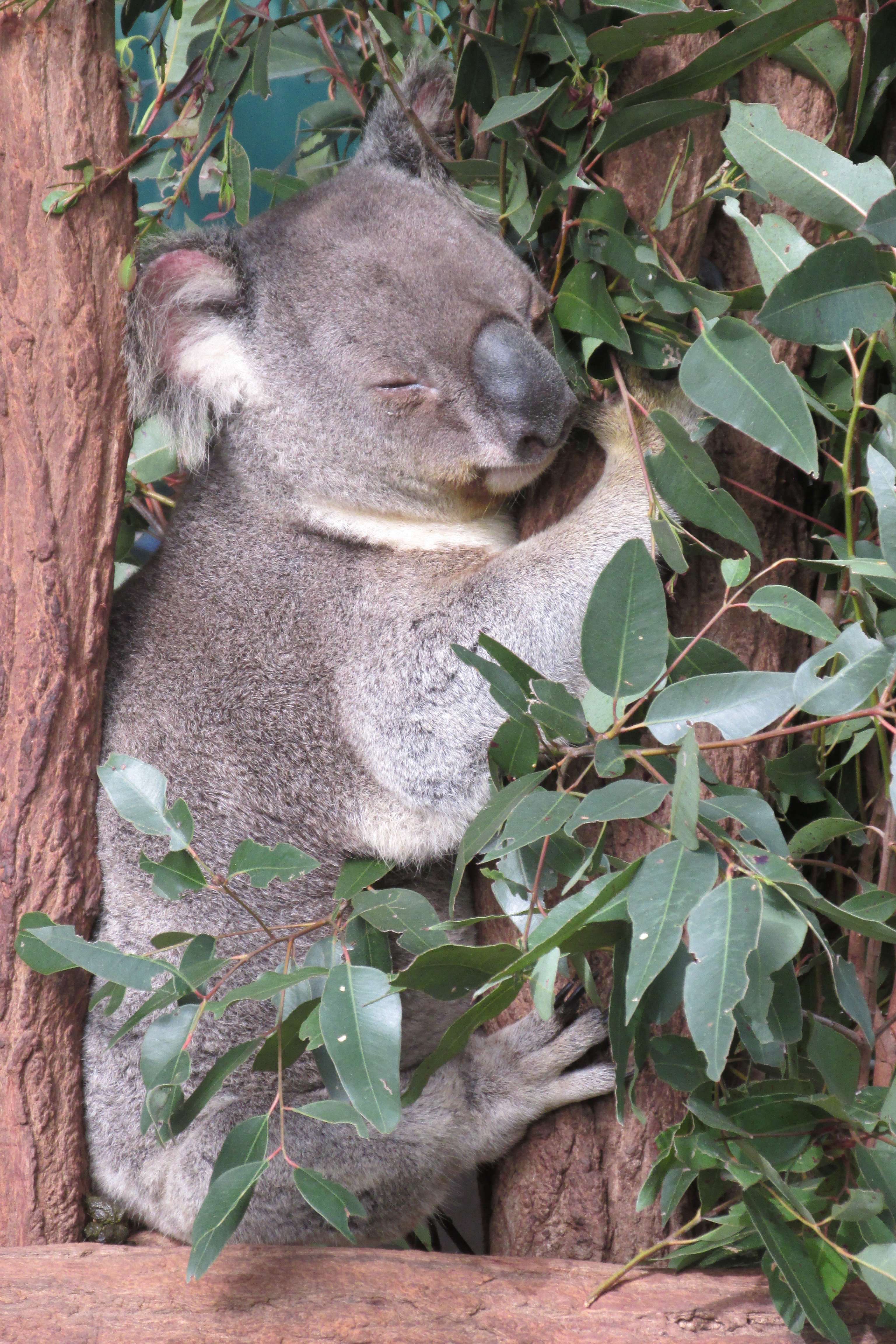
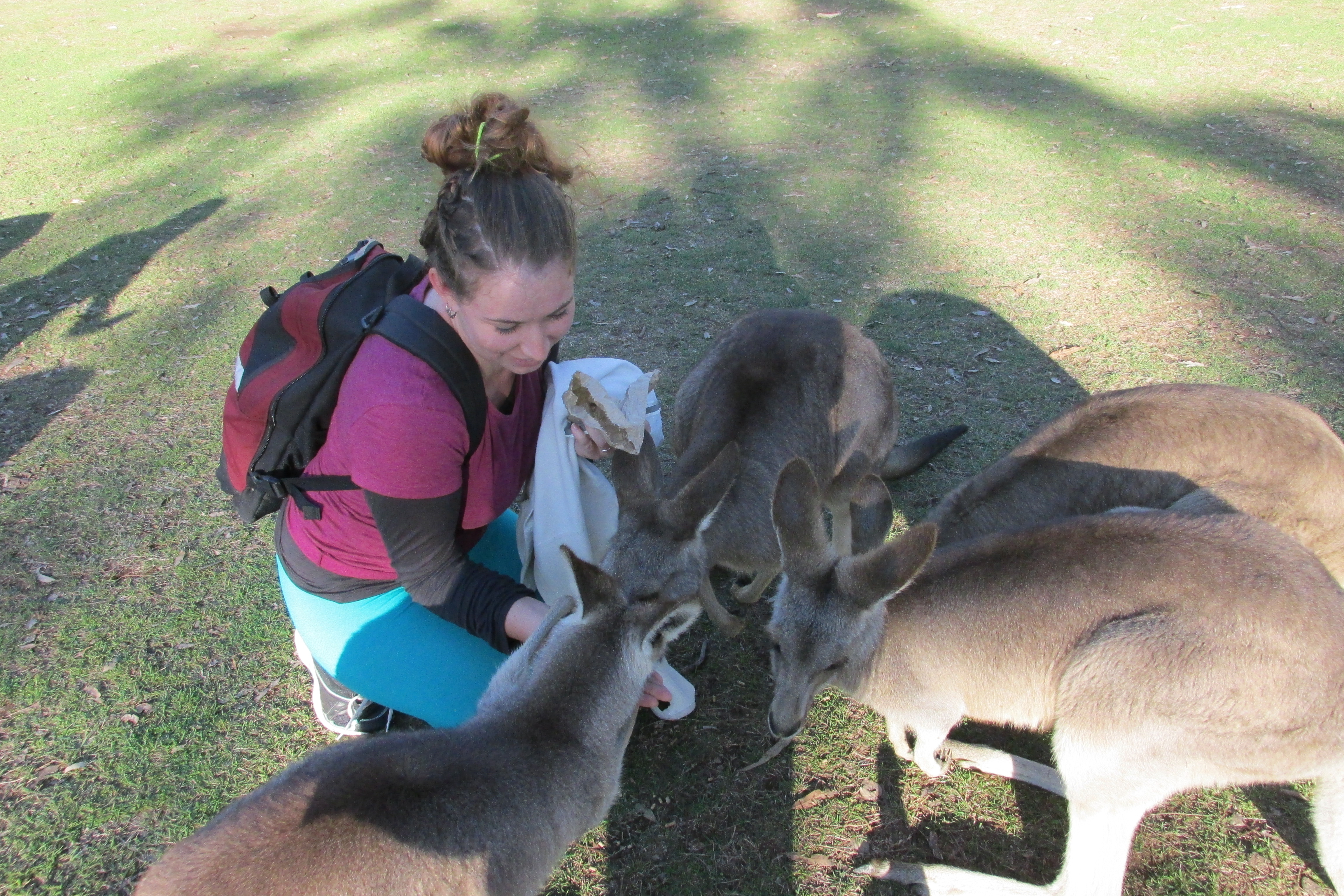
The week in Brisbane progressed with an adventure to the Lonepine Koala Sanctuary. While not as big as the Australia Zoo, the one that the Crocodile Hunter, Steve Irwin, made famous, Lonepine has a wide verity of native animals (and is easier to get to from Brisbane and a lot cheaper too.)

Daily shows include a bird of prey show, koala shows, Tasmanian devil and platypus feeding, and sheepdog/sheep shearing demonstration.

Since I was in Brisbane for a couple years, I had a season pass which also gave me a lot of ‘perks’, and made the day even better.

IMG_1268IMG_1278IMG_1294IMG_1300IMG_1340IMG_1258IMG_1300IMG_1347

SE Asia in a Nutshell: Part 1

Studying in Australia gives a few unique opportunities. For me, it included the chance to do field school through Vietnam, where we were privileged to work with some amazing people learning how the museum ‘does-what-it-does’.

However, outside of class I wasn’t expecting to see or do much, as my mental preparation had my mind thinking “business trip” rather than “vacation”. Those who know how I travel know that every moment I’m not trying to be a good student is spent exploring. (After all, I use academia as my excuse to go far away for long periods of time.) As South East Asia is in the news frequently for tourists getting in accidents, trafficking, or other not-so-pleasurable happenings, I didn’t think I would go there on my own, no matter how much solo experience I have. Two of my classmates who were also going to Vietnam agreed and the three of us decided to book a tour and continue through Cambodia and Thailand after our studies.


Vietnam – Hanoi

image

image

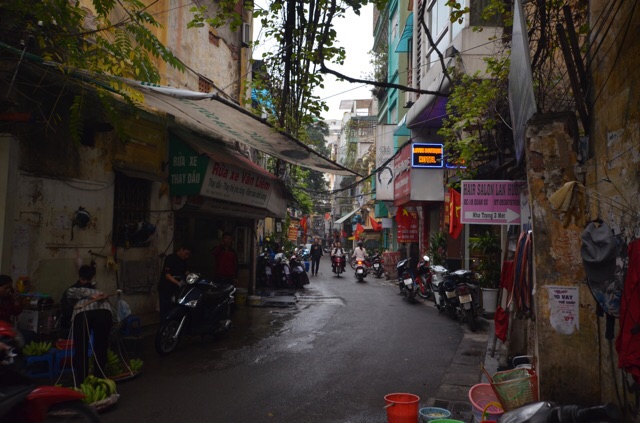
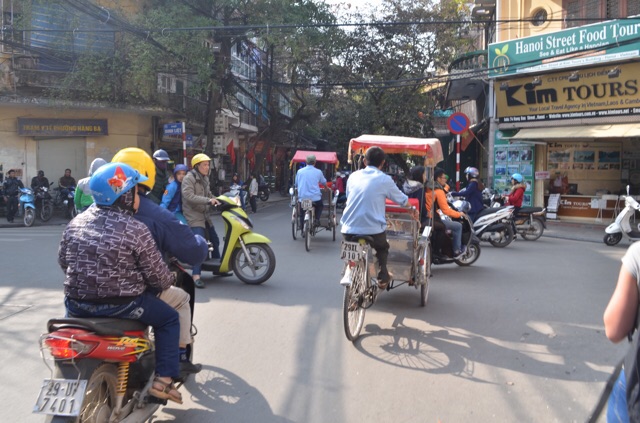
We started our two-week field school in Hanoi. The old quarter burst with life, vendors, pedestrians, and mopeds. Oh-so-many mopeds. The air was thick from humidity and exhaust in the narrow streets. The buildings, with their un-kept paint and traditional wood trimmings, towered multiple stories on either side. The ground floor housed open-front shops and restaurants with smiling and eager staff trying to wave you in for business.

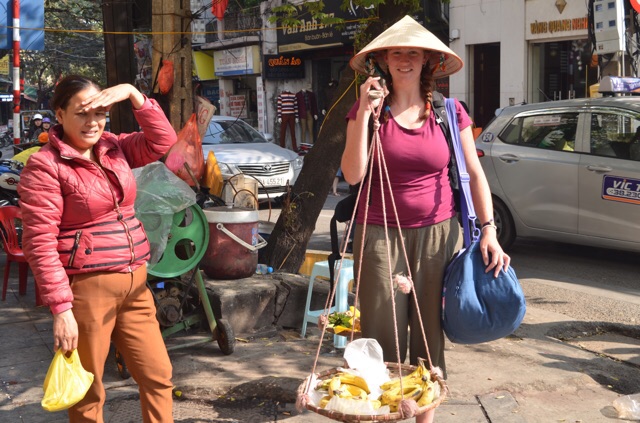
Walking along the streets, also be careful of taking pictures. We dubbed the women with the carrying baskets the “banana ladies” and developed the motto “beware of the banana ladies”. Within an hour of arriving in Hanoi I experienced my first of the photo cons. We were making our way to our hotel when a banana lady saw me taking photos and before I could get away, put her carrying stick on my shoulder and traditional hat on my head and kept pressing for me to take a picture. Me in my travellers hope that she just wanted to share her culture (after all that’s been my experience in most other third worlds) I passed my camera to my mate and had her snap the photo. As soon as the shutter snapped Banana Lady took back her gear and I thanked her and started to walk on now that she was, what I thought was obviously, done with me. That’s when she started yelling at me that I owed her 2 dollars. Ah hah! The next two weeks we had to deal with ladies following us down the street trying to put their carrying sticks on us as we would wiggle out from under them and continue on. Beware of the banana ladies.

image

Each street in Hanoi is delegated to different wares – tin, copper, glass, etc – and if there is something in particular you need, you can find shops competing on the same street.

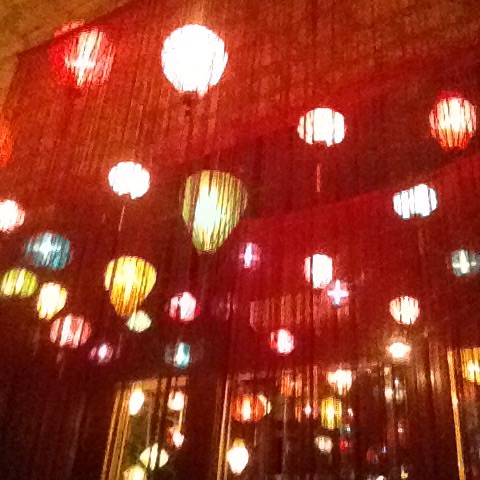
Food alley, while more expensive than the other shops that reside on another street, offers a multitude of options. In the heart of the city, the favourite of the field school was the Lantern Lounge, which could be identified easily at night by the plethora of lanterns that ornamented the face of the building. Once inside, you take of your shoes and sit traditional style at a table that is lit by many more paper lanterns draped across the ceiling. With free wifi and delicious vegetarian options in an English menu, we decided it was worth multiple visits. (When I travel I try to eat more vegetarian friendly because meat is usually harder to come by, and not always guaranteed fresh. So my rule of thumb is if you can’t read the local menu, don’t order anything unless you know what it is. I like to eat seafood in coastal towns, but since seafood can be temperamental I stay away from it if I have travelled more than two hours away from the shore.)

image

Another Hanoi specialty I highly recommend is the Egg coffee. It is the superhero of cappuccinos. A thickly whipped, sweet egg white topping layered on a cup coffee. That is a dissert in itself.

image

The Adventure to see Uncle Ho


While in Hanoi, morbid curiosity came over a few of my fellow classmates and I to visit the man we had learned so much about through our museum visits. After all, most of the museums in Vietnam display Ho Chi Minh as a larger than life demigod rather than the ruler of a country. His mausoleum is in Hanoi, and free to the public. Just remember the standard temple rule, dress modest, don’t lug giant bags in, and add that they don’t like you to take photos. That’s fine with me, I’m not too keen on photographing corpses, but the balmy heatwave in north Vietnam meant that one of my classmates and myself had worn shorts, which would have prevented us from getting past the many guards that were on the lookout for tourists that may be there to disrespect their highly regarded leader.

Once at the back of the 3 block line, we left our fellow classmates to find something to throw on over our shorts. The first shop we came across sold us a scarf to wear as a sarong and a pair of flow-y pants. We re-joined our classmates and continued through the line and past the video screens playing videos and testimony to “Uncle Ho”. When entering the mausoleum, you walk up stairs through small winding passages, designed to keep the climate-controlled room cool. Once in the room the whole experience felt surreal. The man in the open crypt in the middle of the room was stark white – no doubt due to multiple trips to be embalmed – and what interested me more than the marble looking man was the visitors that shuffled their way through with us. One older lady in front of us had streams of tears as she looked at him, and was offered tissues by who I assume was her grown daughter. Another man looked on in awe. I thought it was strange. It was strange to see how someone who has been long dead was displayed for the sake of his memory, and even stranger seeing the reactions to it. It was strange all around, but then, I’m not visiting embalmed leaders of countries every day.


Ha Long Bay

image.jpg

Though we stayed at a hotel for the duration of our field school, the trip I took to Ha Long Bay I booked a side trip through the FlipSIde Hostel. They were very friendly and if I were to do it again, I would stay there rather than our hotel. Options for Ha Long bay tours vary, but there is one for those who are just “passing through” and want a day trip to Ha Long Bay.

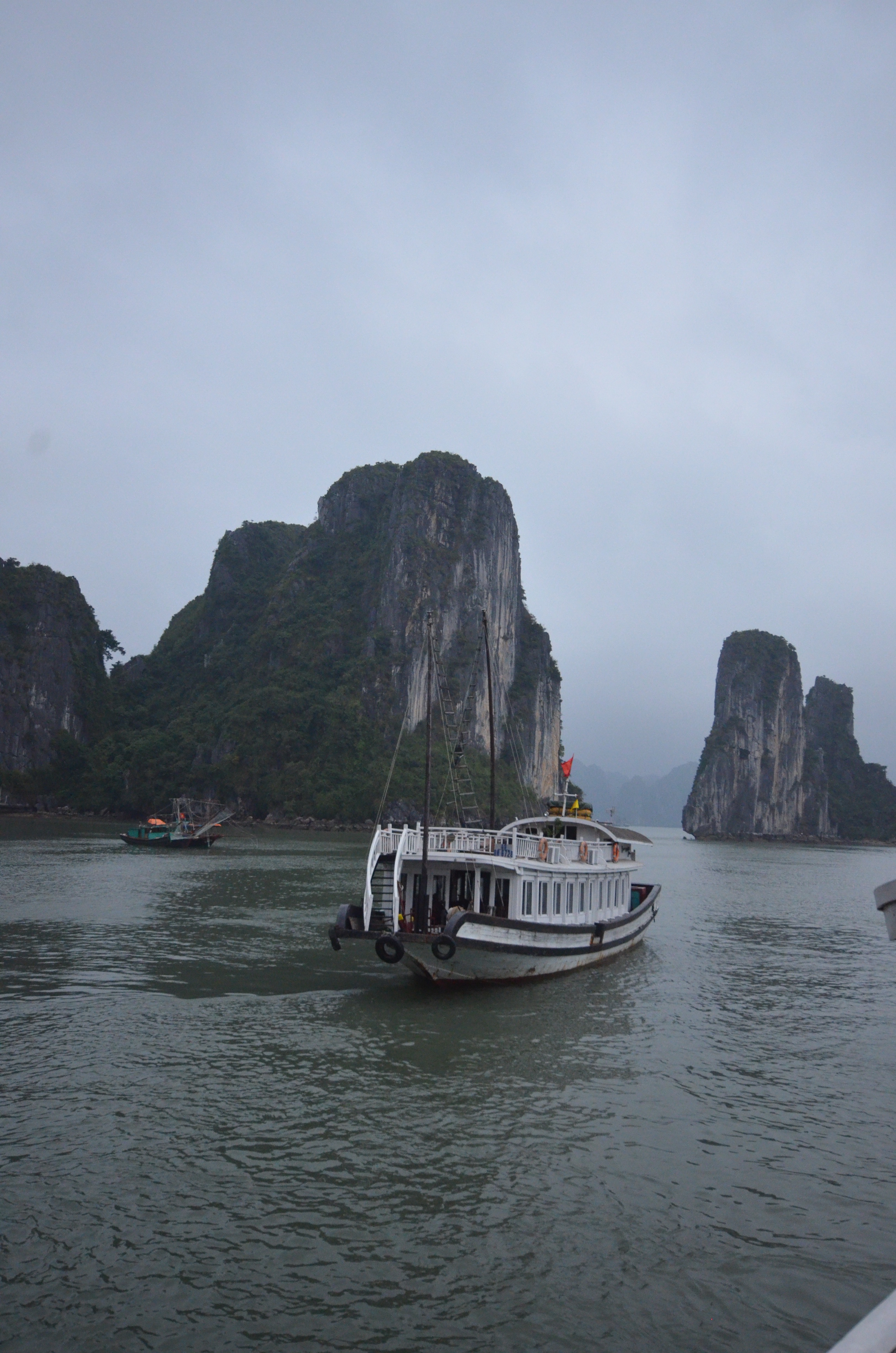
We left the hostel at 8 am, taking a small private bus about 4 hours to the bay, with a quick stop at a craft shop where all the craftwork is made by disabled locals. Once at the bay, we boarded a small motorised wooden cruise launch. A lunch spread of fresh seafood from the bay, with other additions, was provided for us to enjoy while leaving the harbour. In the bay, the sea cliffs rise straight out of the water, creating a maze of scenery.


Fun fact: James Bond “Tomorrow Never Dies” was filmed here.


Fun fact: Ha Long means ‘descending dragon in Vietnamese

image

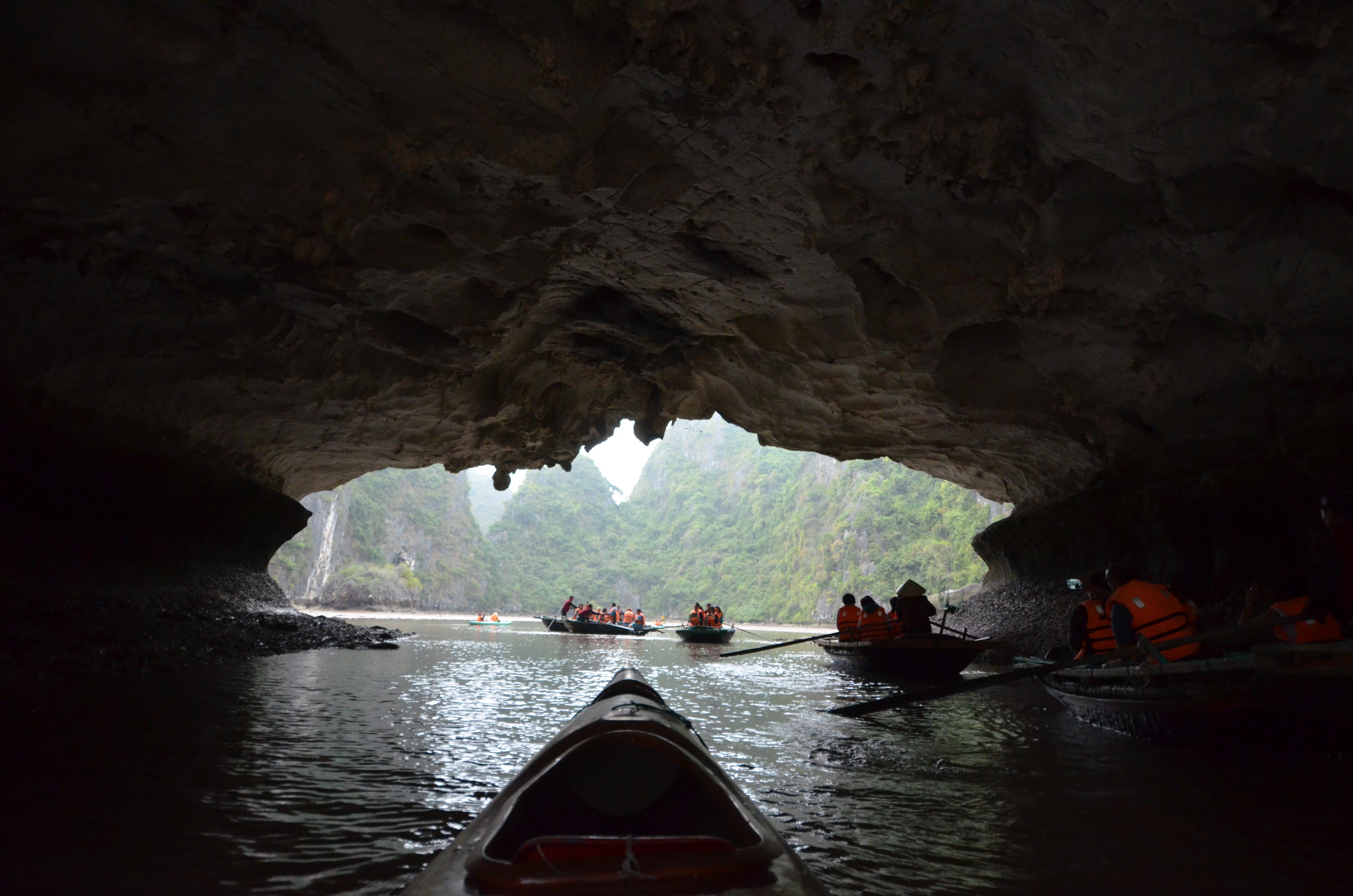
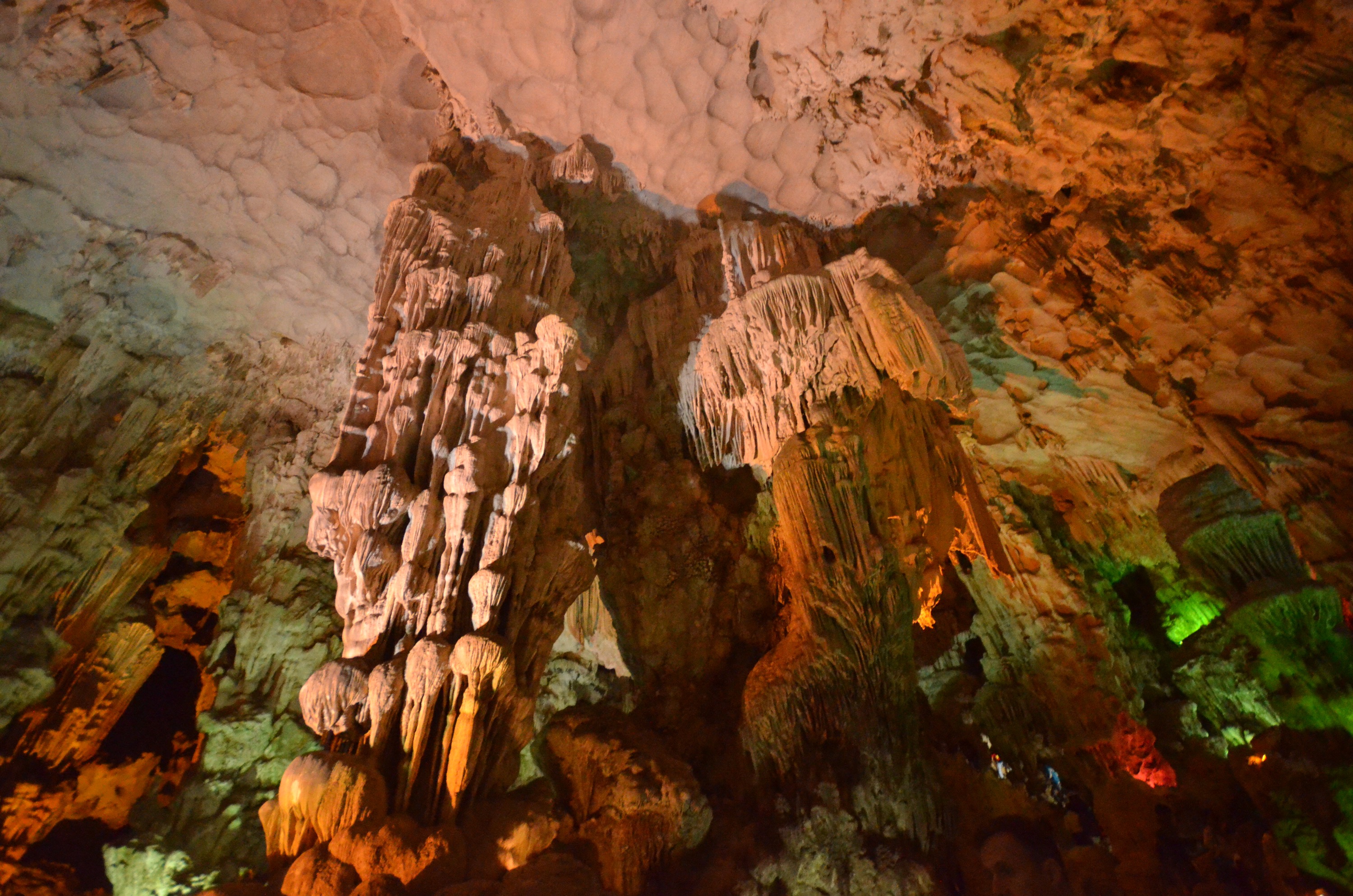
Our boat pulled into a little fishing village where we kayaked in a small bay area that connects to a couple saltwater pools via caves. After half an hour of paddling around, we made our way back to the dock in time to board the big boat again and go around the bay to a cave system that has been altered to hike through. The cave system is dressed with bright coloured lights that were put in to help show the contrast of the many layers of stalagmites and stalactites. One addition included a fountain in an existing pool. It was fun, beautiful, interesting, and no extraneous training was required to visit. But the complaint I heard most was it “looked like Ariels grotto at Disney world”, a bit cartoonish, and not authentic. In my opinion, it was an amazing day trip for less than $50. I would recommend it.


Da Nang

image

After Hanoi, we travelled to Da Nang. Da Nang has a slower pace than either Hanoi or Ho Chi Minh City /Saigon. With a beautiful river walk that exhibits local sculptures in a permanent art display, and the “dragon” bridge that shoots fire out of its mouth on the weekends, Da Nang is an amazing modern city to visit.


Hue

image

A day trip from Da Nang can land you in Hue (pronounced “way”), a wonderfully small tourist town. If you ever thought about getting something tailor made, this is the place to do it. The town is seaside, so the local specialty is oysters, and the seafood in the area is fresh from the boat.

After Da Nang, the field school was over. It was time to part ways with most of our classmates. My two companions and I went south to Saigon where we started our tour through the south of South East Asia with GAdventures.


New TravelGypSea podcast!

Hey everyone,

Its been way too long since I have had the chance to sit down to write, so I’m going to try something very new… A podcast. I have never done them am excited for this idea, since Im going to get other travelers I know to help with the making of it. This will be a weekly thing, where I pull in old info from past blogs, new info that could potentially be a new blog, and things that I just saw floating around the internet.

This week is Episode 1- General travel, where Natalie and I will be talking about some ideas for an upcoming trip. She has never solo traveled before and wanted some info for how to get started.

Podcast: Travelgypsea › Embed Code — Podbean

travelgypsea.wordpress.com

https://izi.travel/en/app

http://www.myisic.com

https://www.gapyear.com

Nagano Adventures

After a rush of work, I wanted to make the most out of my winter vacation. Thanks to some new friends, I was given the opportunity to make it over to Nagano for a mini-vacation.

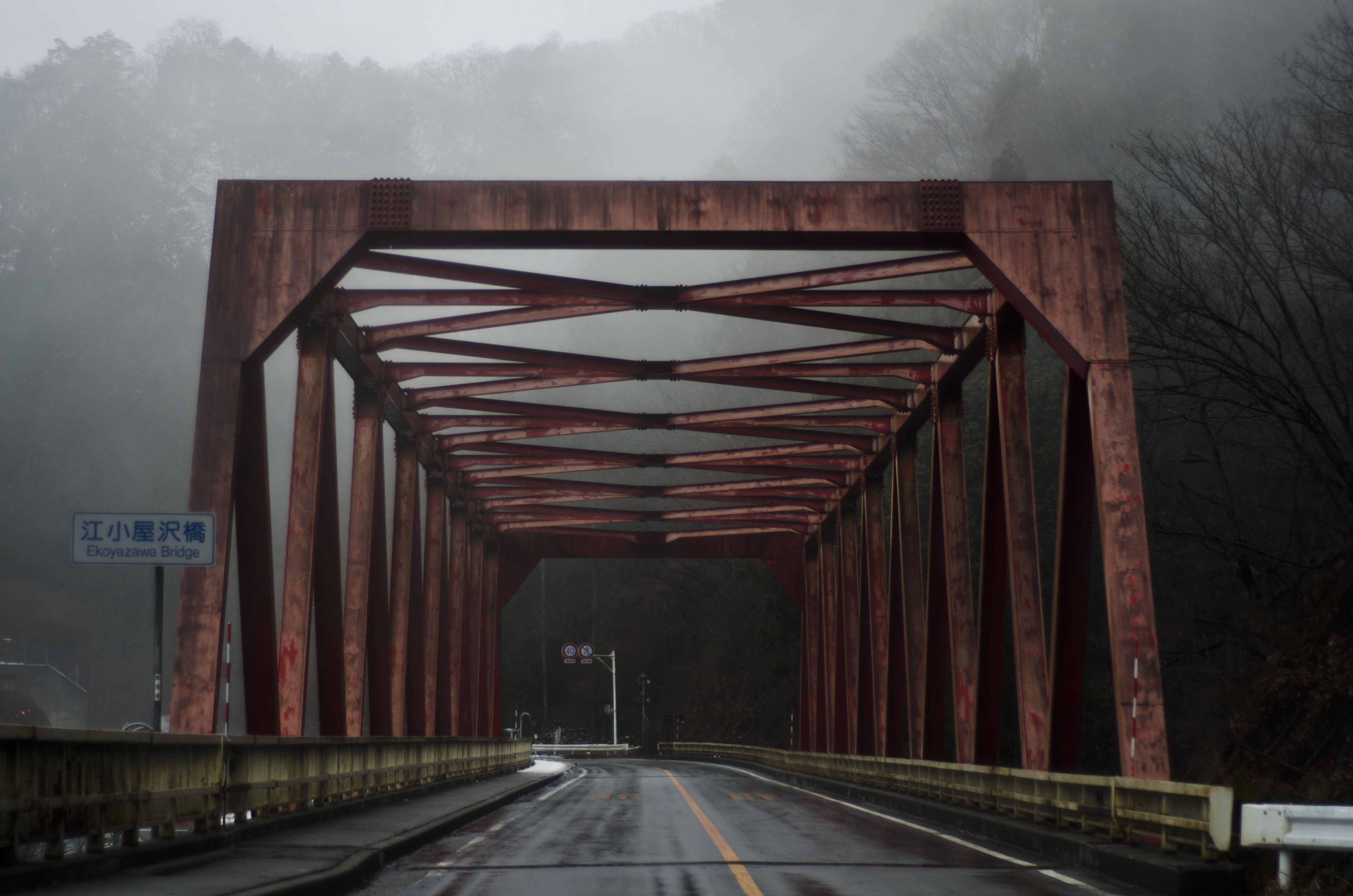
The spectacular drive from Gunma to Nagano was wonderfully scenic. The winding mountian road was flanked by misty, fog-covered mountians.

DSC_4922DSC_4900

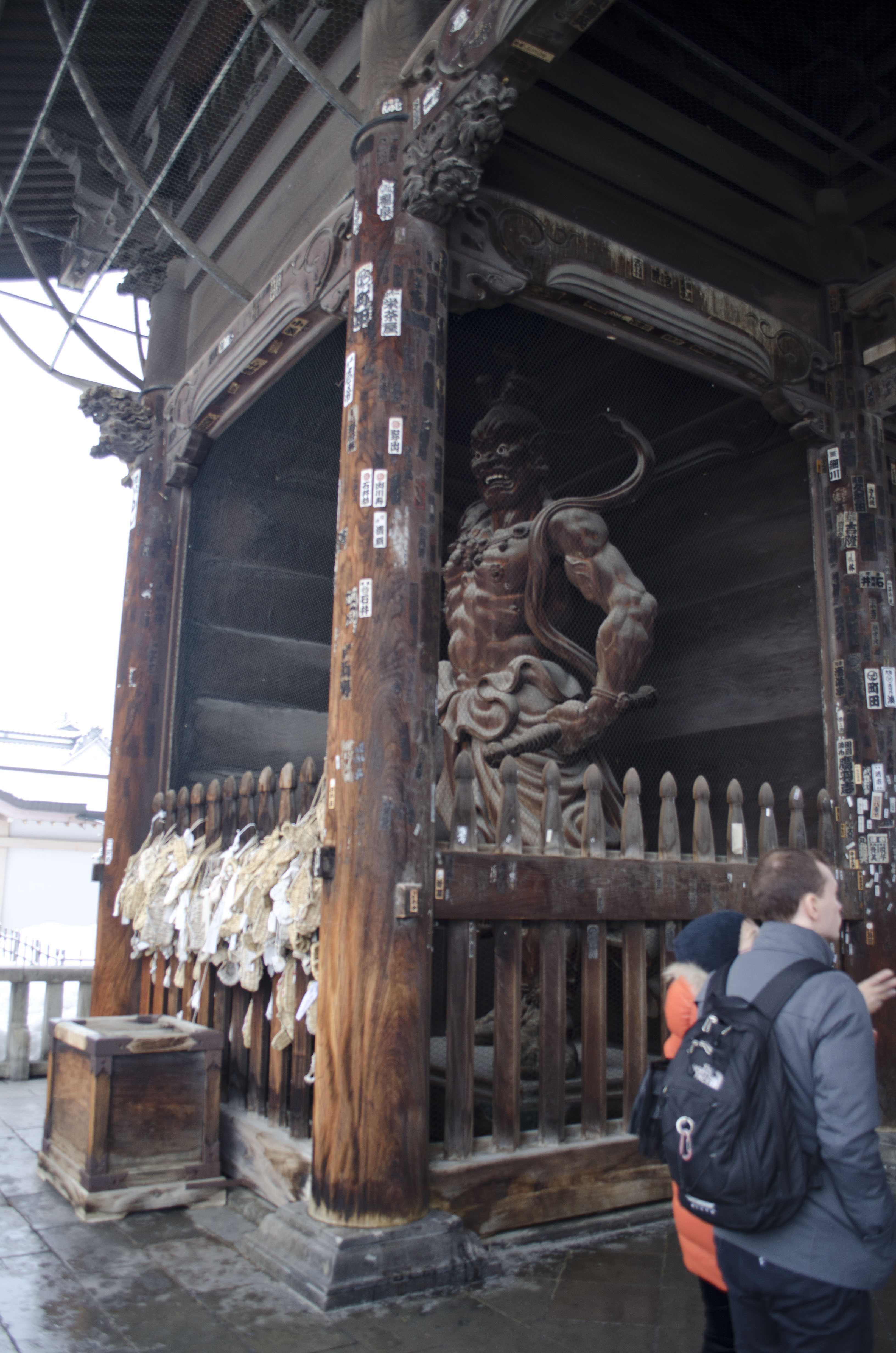
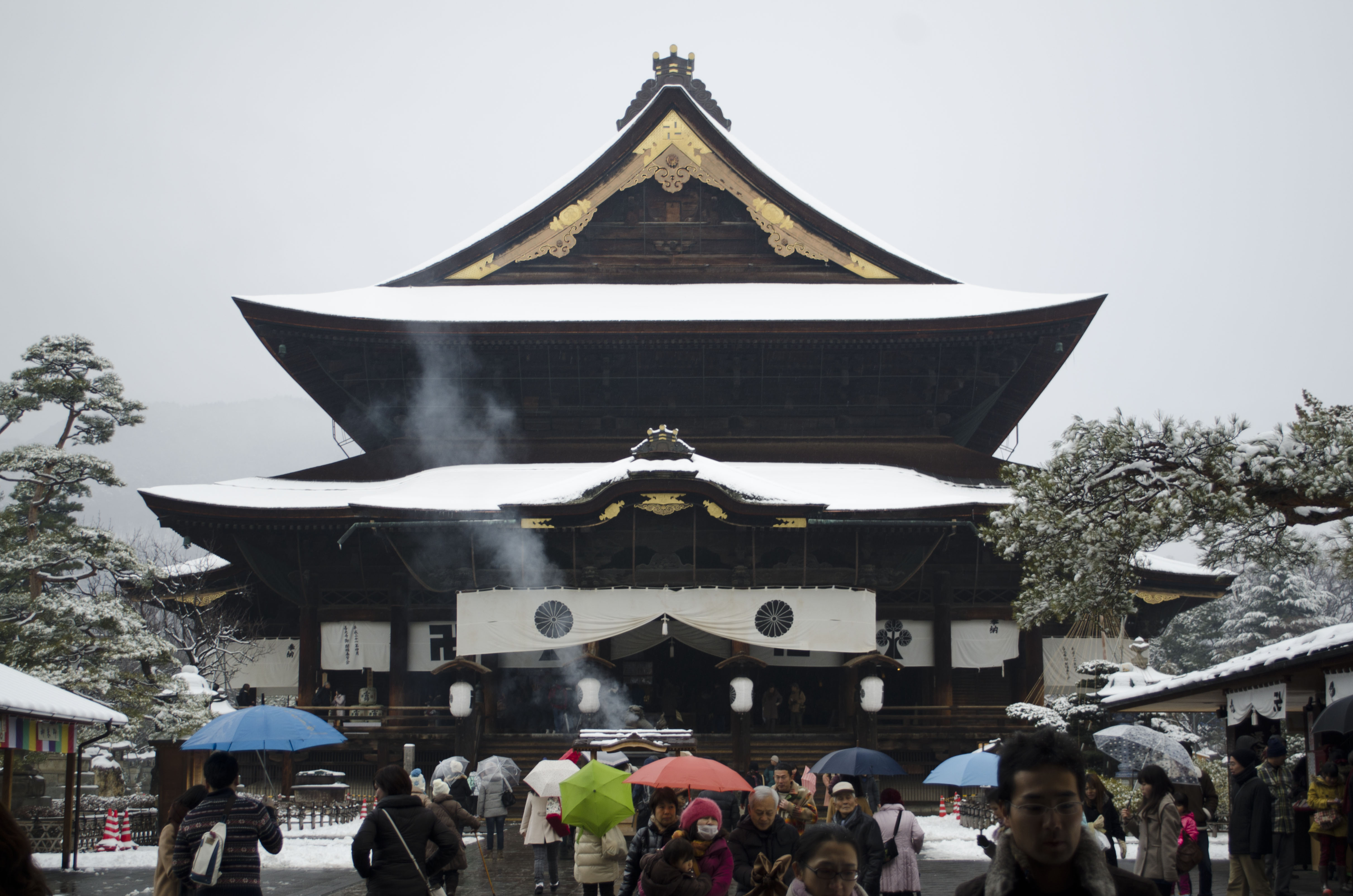
Once in Nagao, we stopped by Zenko-ji Temple, which houses one of the first wooden Buddha statues in Japan. Along the walkway to the temple, the pedestrian street is lined with souvenir stalls and small restaurants. Past these and through the Ah-um, the massive statues that protect the temple, is a large brass vessel, protected by a lion statue. This is used for ceremonial incense and for the price of 100 yen (~$1 USD), you can get a bundle of incense to put into the vessel, and use the smoke to heal any ailments you may have. Inside the temple, there are prayer areas, a statue of Buddha’s student of medicine (which you can rub for the healing of aches and pains), and what I call the “Labyrinth of darkness”. For 500 yen you can wonder the basement labyrinth of the temple. I put my shoes into the plastic bag they gave me, and made my way to the stairs. Instructed by the pamphlet that said to keep my belongings in my left hand and my right hand on the wall, I ventured into the darkness with my two new comrades and delved into the pitch black. I used to work at a planetarium, so darkness doesn’t scare me, but even at the darkest in the planetarium there were small lights that you could use for guidance. The darkness came in ‘levels’ that could guide you to where you were or needed to be. Not here. In the basement was nothing to guide me but the cold wood that trailed under my fingers as I wondered through the blackness. I noticed after bumping into my friend ahead of me a few times, even my sense of sound was off from the echoing of the wrinkling of plastic bags, the voices of people behind me and the indiscernible footsteps. But alas, I rounded the last corner to the the faint trickle of light coming down the stairs of the exit.

When leaving the temples we stopped briefly for some Soba noodles, which I flavored with the pepper spices that are the signature cuisine of Nagano.

DSC_4932 DSC_4939 DSC_4961 DSC_4964

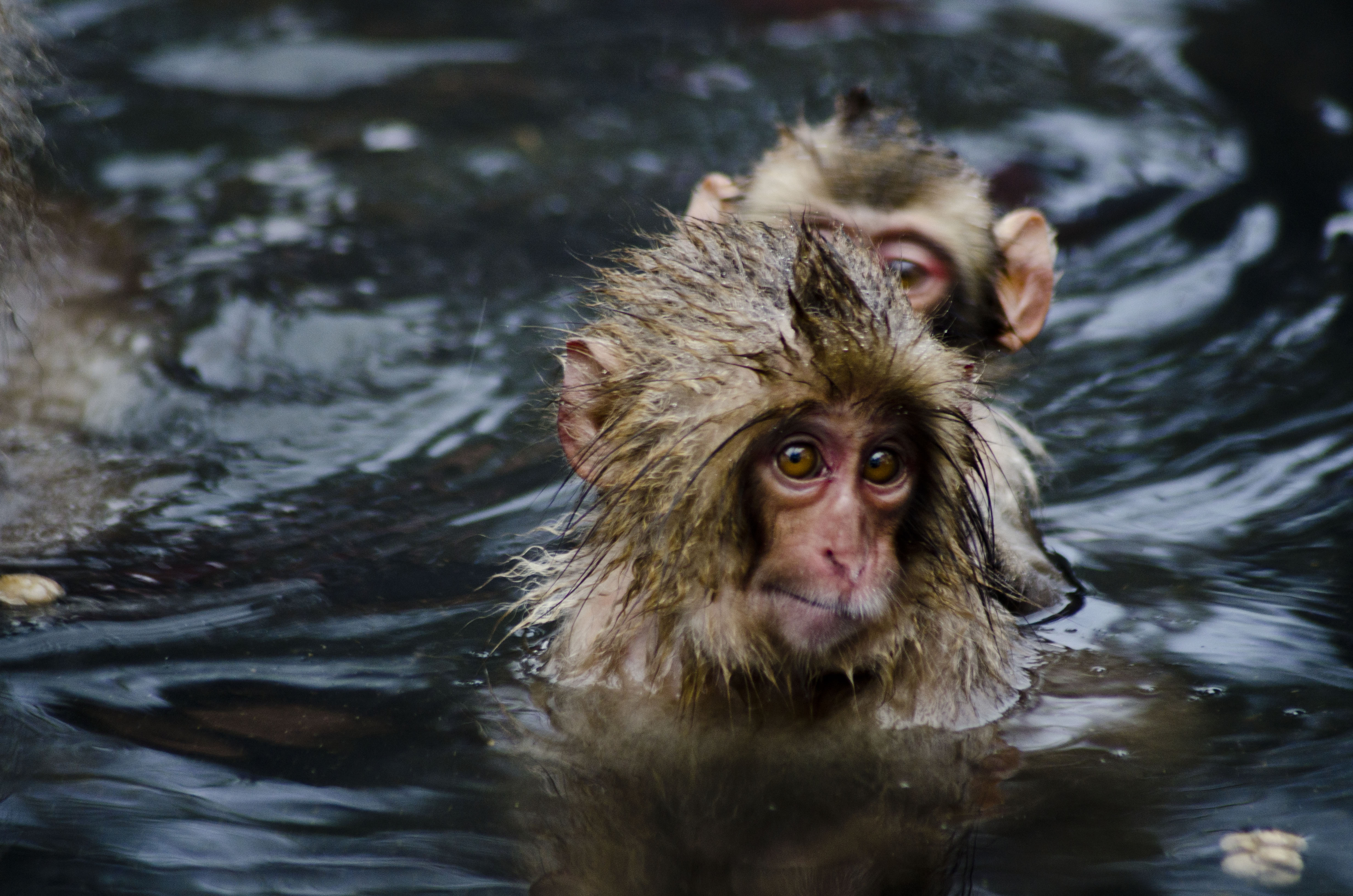
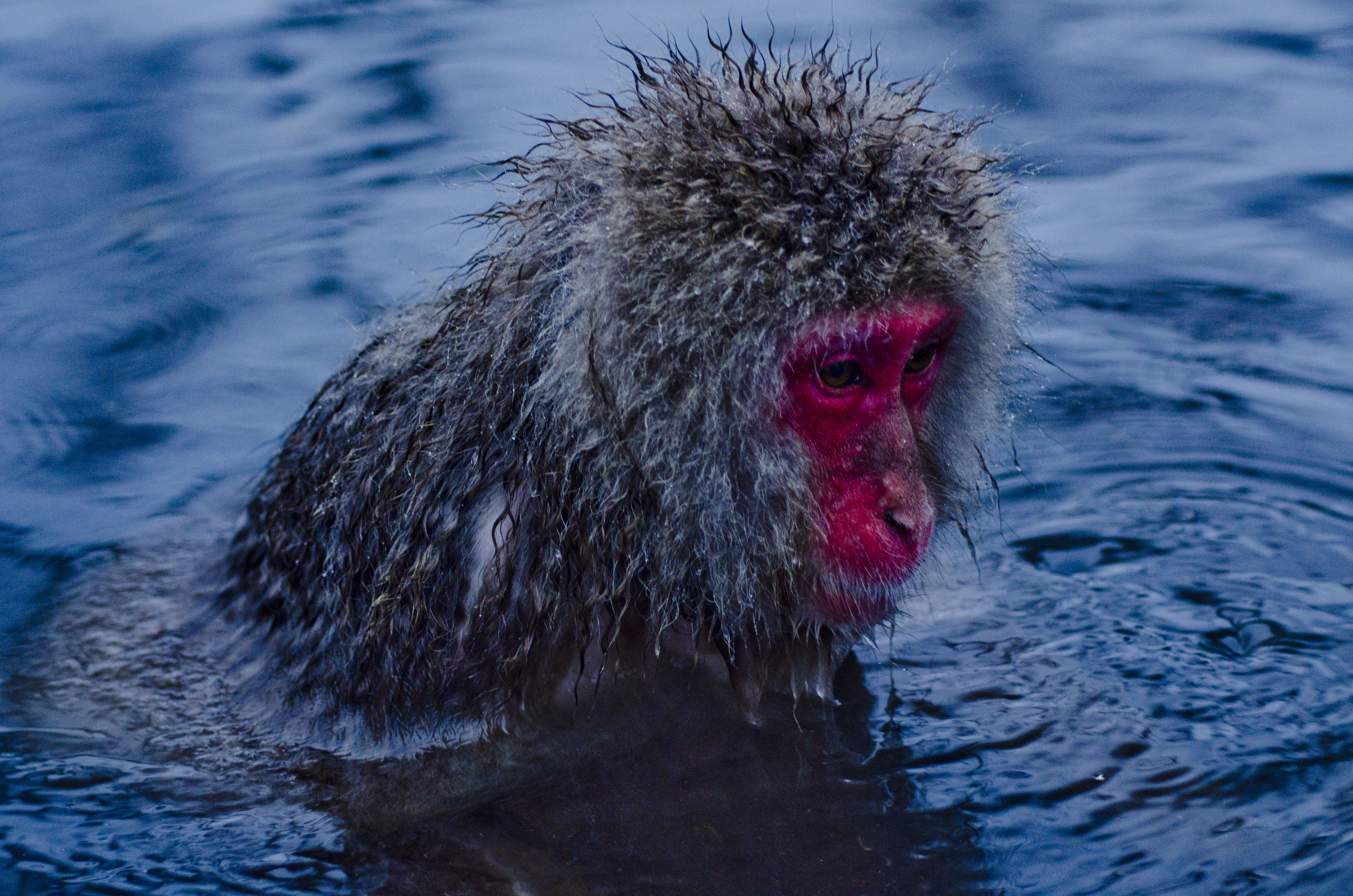
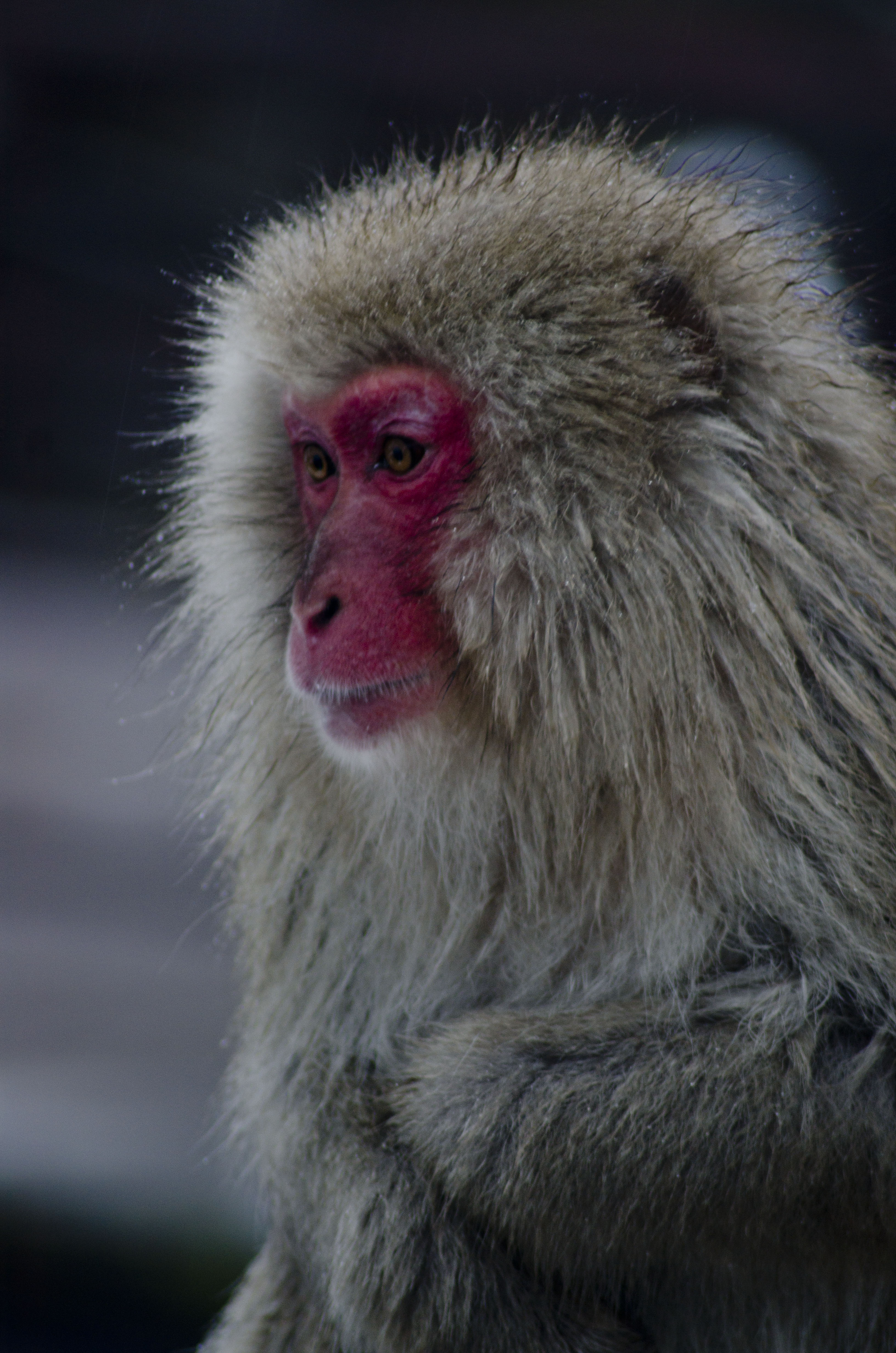
After the temple we made our way north to Nakano, which is famous for its Snow Monkey Park. The clan of 160 Japanese snow Macaques are unique for primates, as they are the only ones (other than Humans) that live at this latitude, bath in hot springs, and make snowballs to throw for fun. The Macaques have had 14 ‘bosses’, or alpha males since this clan started being observed and recoded for the park. The pictures of them can be found in the small gift shop/museum/place-to-warm-up near the onsen pools. The snow monkey park has an entrance fee of 500 yen, and it is recommended to go in winter, when the monkeys visit the pool to escape the cool air. We went in the late afternoon/early evening just before feeding time, and one of the park attendants was helping tourists take pictures with a macaque, using a call to get them to look at the camera. The first thing he said as I handed him my point-and-soot was “don’t look at him in the eye”. As an anthropologist, it think ‘duh’, but then I realize that many people probably haven’t read up on Diane Fossey and Jane Goodall, so here it is: Looking at a primate in the eye can be taken as a sign of aggression. If you challenge the wrong member of the group, it could get very dangerous very fast. With that safety tip out of the way, I highly recommend visiting this park, where it monkeys and humans walk amongst one another so easily and without fear.

DSC_5078 DSC_5163DSC_5190 OLYMPUS DIGITAL CAMERA
At the end of the day, we checked into our share house (Guest House in Sazuka, http://www.ghkura.com) which is very reasonably priced, very clean, and was wonderful to experience a traditional Japanese house. They offer free Wifi, a Cafe, Bike rental, parking, and a big garden for barbequing and tent camping. Dorm beds start at 3,000 yen and is well located for both the Zenkoji Temple and the Monkey Park. When we arrived, we were greeting by a very nice English speaking staff, and they had complementary tea waiting for us. They able to give us some good recommendation for dinner, and I had my first experience with a sushi restaurant that the sushi is served via a conveyor belt that runs by the table, and a train that comes direct from the kitchen.

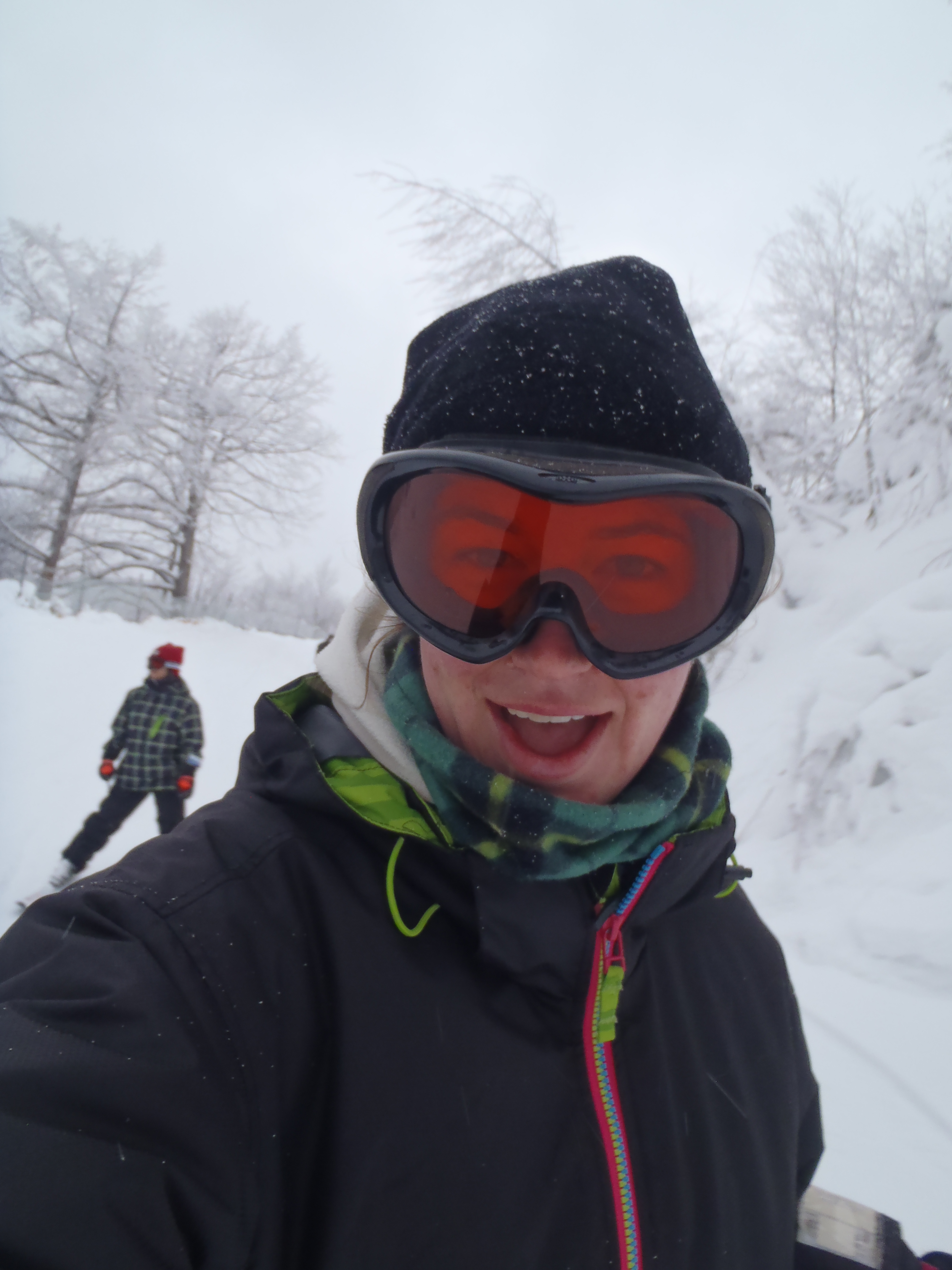
The next morning, we had a traditional breakfast at the guesthouse (300 yen) and then went to hit the slopes. In Sugadaria Kogen, the ski area of Nippon Davos (which is 3 smaller ski areas, Pine Break, Davos-Taro, and Davos) are located on the slopes of Mt. Neko-Dake (2,207m, or ~7,241 feet). A lift ticket (4,800 yen/full day) is good for all three areas, and offers an array of difficulty marked similarly to the states for easy, intermediate and difficult (green, red instead of blue, and black runs). Once we had our ski/snowboard rentals (3,800 yen/day) and all our gear to keep us warm (3,000 yen/day) we made our way to the lifts for some amazing powder, short lift lines and small crowds. To a ski junky, it was heaven.

OLYMPUS DIGITAL CAMERA

The Monkeyless Monkey Expedition

DSC_4345

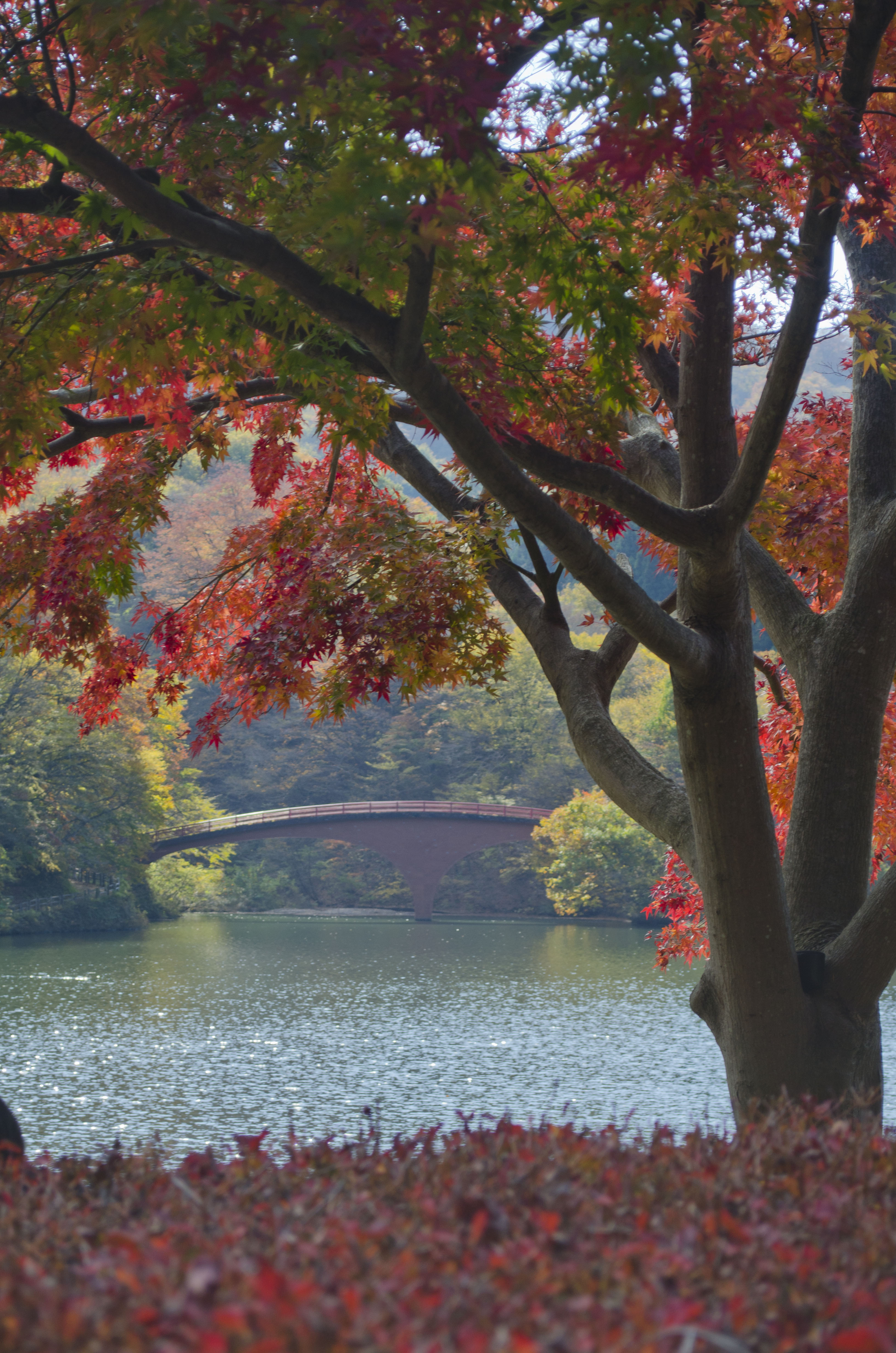
As you can imagine, both as a photographer and an anthropologist, the idea of my first sighting of wild primates had me excited all last week. The previous week there had been a family of just under a dozen spotted in a tree of a lakeside parking lot. My co-worker who had seen the fuzzy gang offered to take me to the distant lake this last weekend, in hopes that the band would be visiting again. Sadly, as we pulled in there was no sign of the monkeys, nor did they show for the rest of the day. What we did see was an amazing change of color from the trees that surrounded the lake, the bright red, yellow and green of the trees, and the blue of the water and sky. Usui lake, which is located a short drive from Tomioka, is surrounded in postcard scenery and and historic culture. The old railroad that ran beside the lake has long since been deserted, and was converted into a walking trail. The long, dark, hand built tunnels echo with the shuffling feet, with the ash stained roof overhead as a reminder of its original use. Along the path is the large railroad bridge, and the final stop of the trail is the old station.

When leaving the trail, you pass a visitors center/shop on the main highway. the shop houses a small food court that offers a rice dish that is comprised of many of japans cuisine staples. From shiitake mushrooms, to Japanese pickles, to the hard boiled quails egg, the sensation can only be described as a rush of flavors. (You even get to keep the ceramic pottery rice-cooking bowl, stamped with the station name in Kanji, when you are finished.)

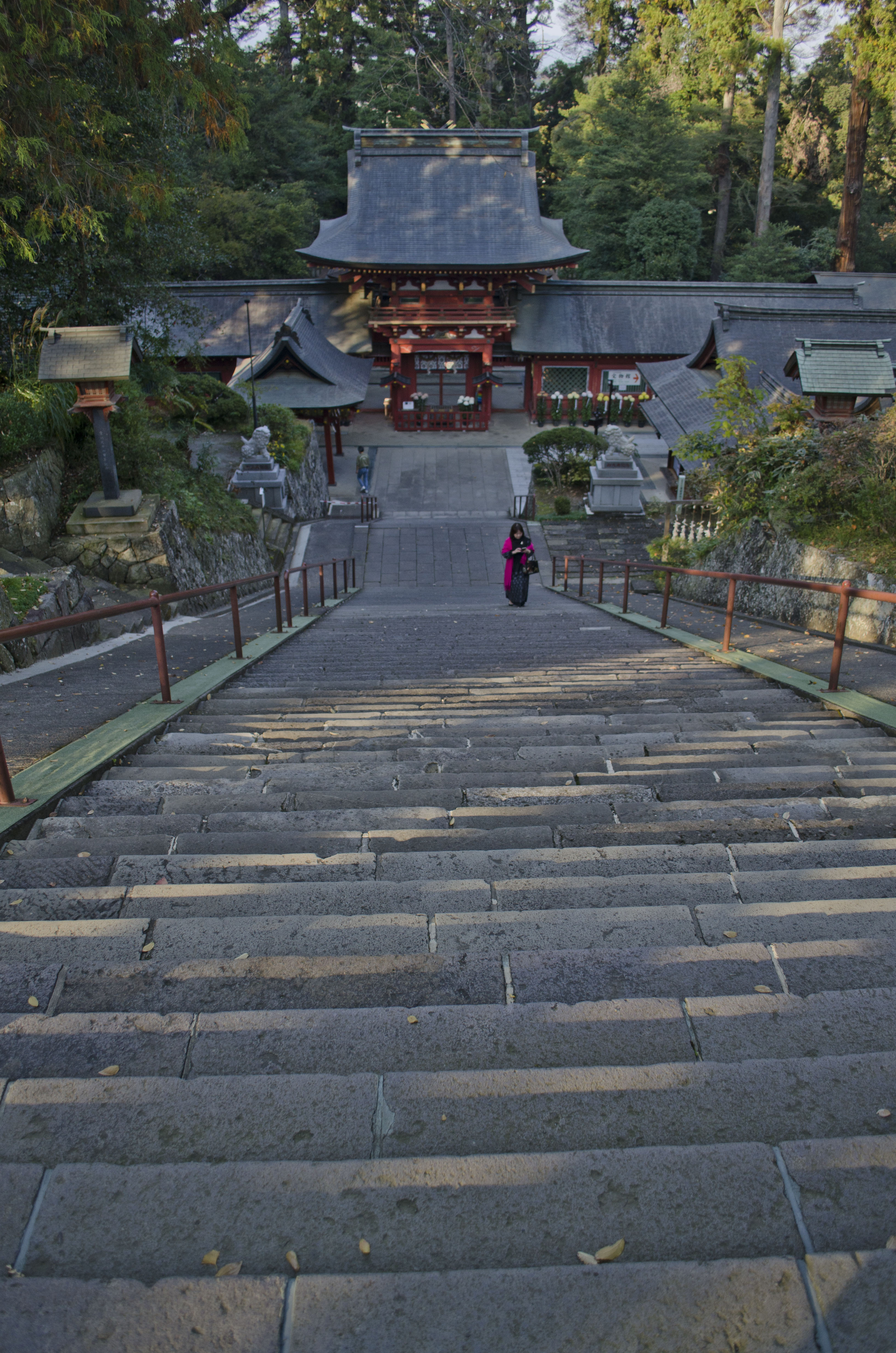
After lunch, we ventured to some of the shrines, where my co-worker (and acting guide) taught me some of the customs of shrine etiquette, explained the telepathic relationship of the A-Um (‘ah-oom’, the two statues that protect the shrine. The open mouthed ‘A’ statue and the closed mouthed ‘Um’ ‘don’t need to speak to communicate. They understand each other.’) By the entrance to the shrine, are three large cedars that are designated a ‘power center’. wrapped around the trees was a cord with strips of paper attached. Those pieces of paper are fortunes, and when you are done reading your fortune, you tie it onto the cord.

Each temple has different gods that it is dedicated to, and since we were there, I was taught how to pray to the gods of health and well-being. At the entrance to the shrine, there is a wash basin, where you wash your hands and rinse out your mouth before approaching the shrine. standing in front of the shrine, you bow twice, clap your hands twice, silently say your prayer, then bow a last time.

At the last shrine we visited, there was a small girl dressed in a Kimono getting her photo taken in front of the shrine. My co-worker explained that there is a celebration that is held here for girls who are 3 and 7, and boys who are 5, to get dressed up and visit as many shrines as they can and take a photo.

DSC_4397