Tag Archives: Backpacker

Episode MMXV: Return of the Gypsy

With a month left before I journey back to the land down under, my busy schedule hasn’t allowed for much video editing. So here it is: TravelGypsea’s Japan, Episode 2. Im doing this one a bit different with an article to narrate, and instead of photos, a video to accompany.

At the end of last year my Japanese class that I have been taking arranged a small Christmas party and had a Christmas lunch of Mexican food for me on Christmas morning. At the Christmas party, many more students who attend the Thursday night class came. The girls from Singapore serenaded us with carols, and some of the ladies dawned their Hawaiian dresses for a hula which then taught to us. (Yes, I did ware a big poofy-skirt and lei. It was wonderful.)

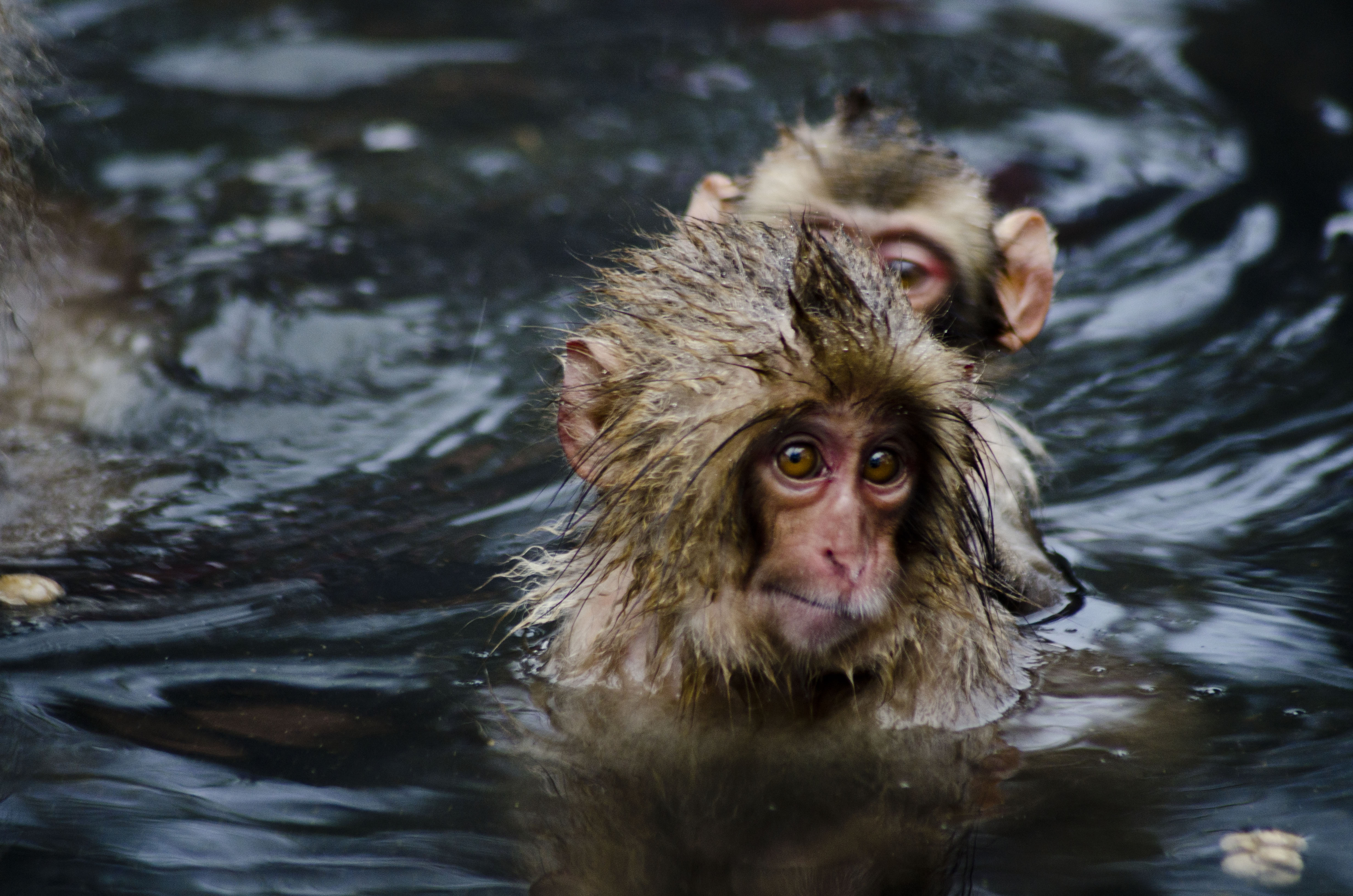
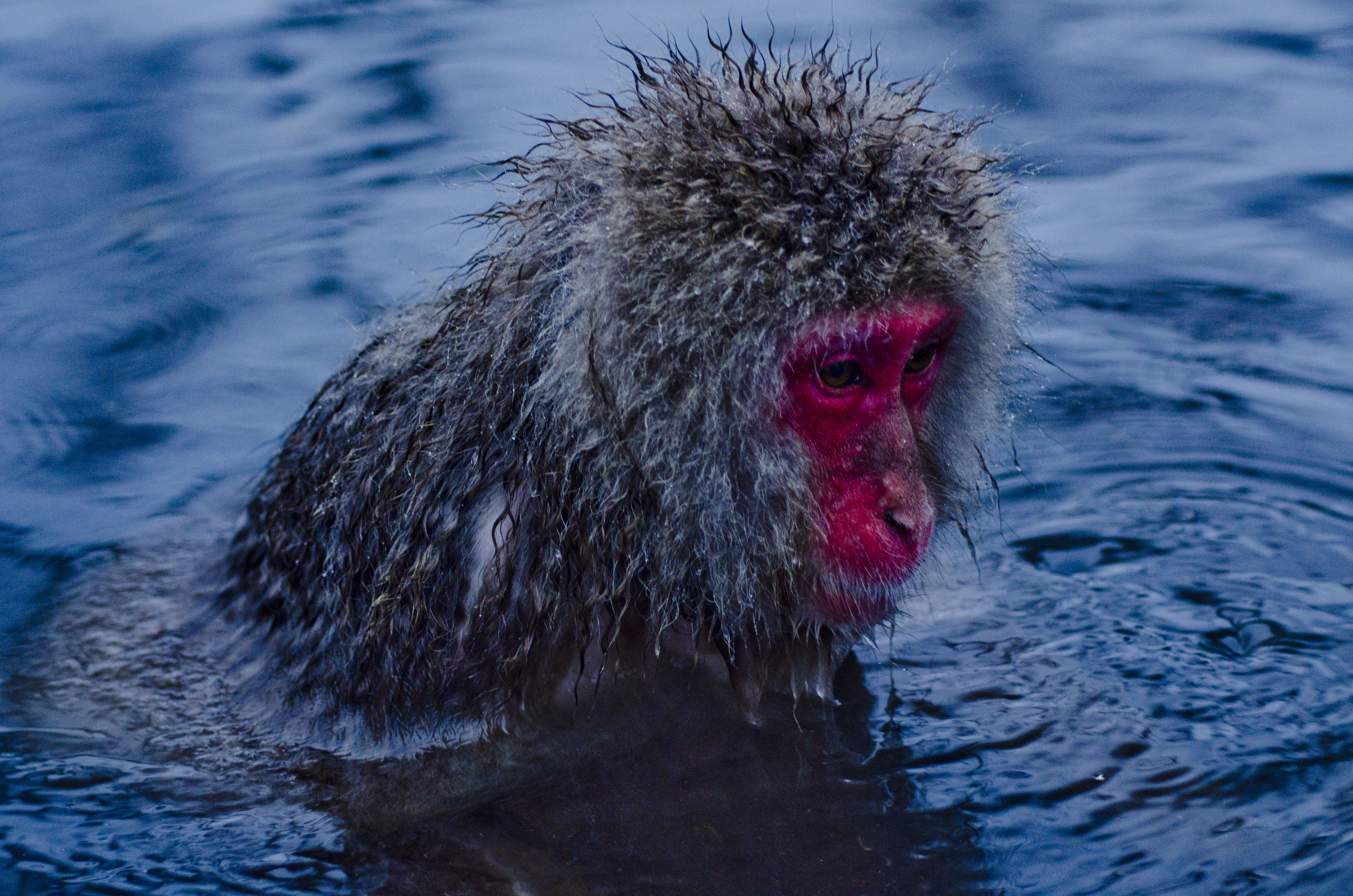
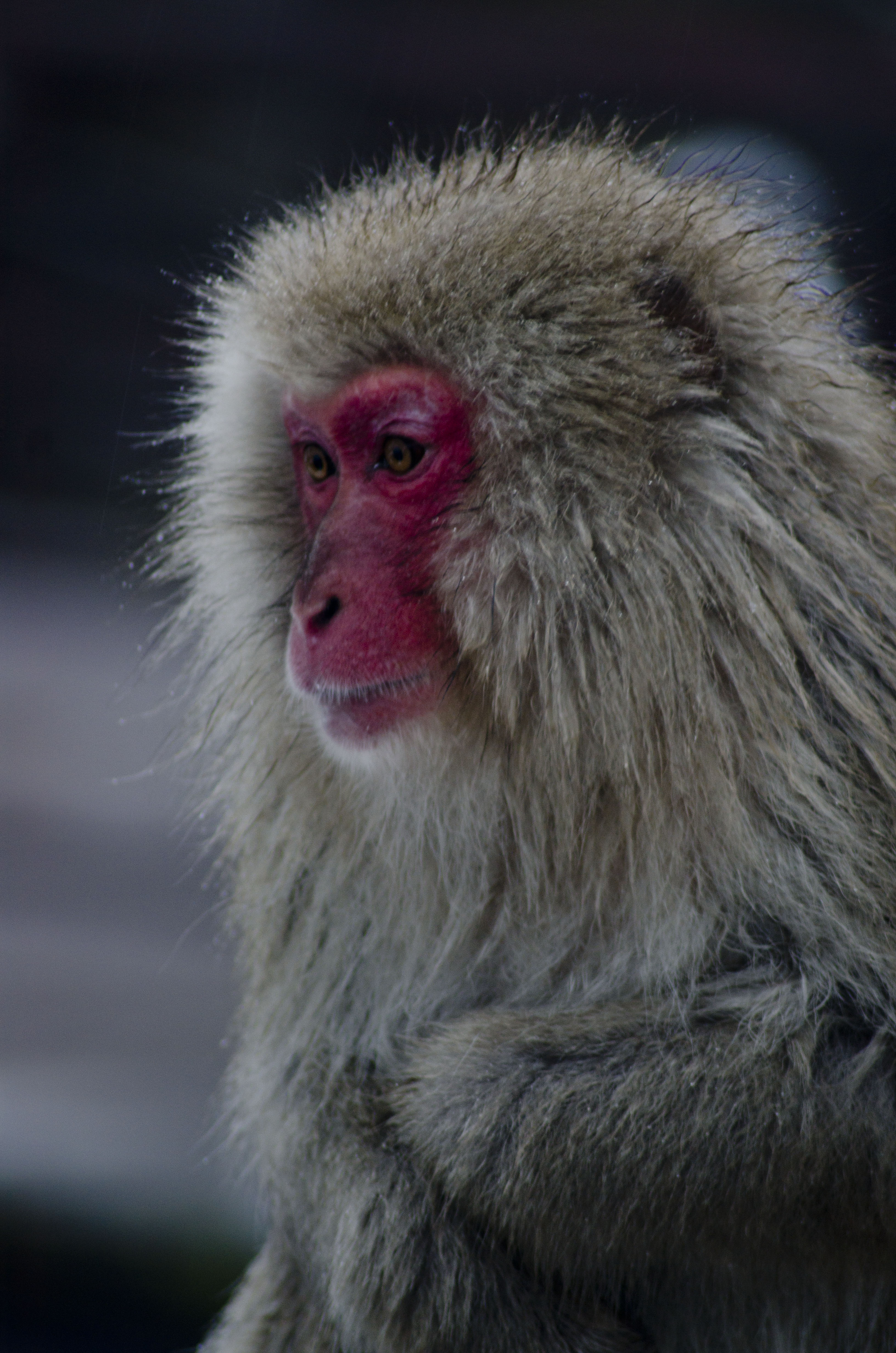
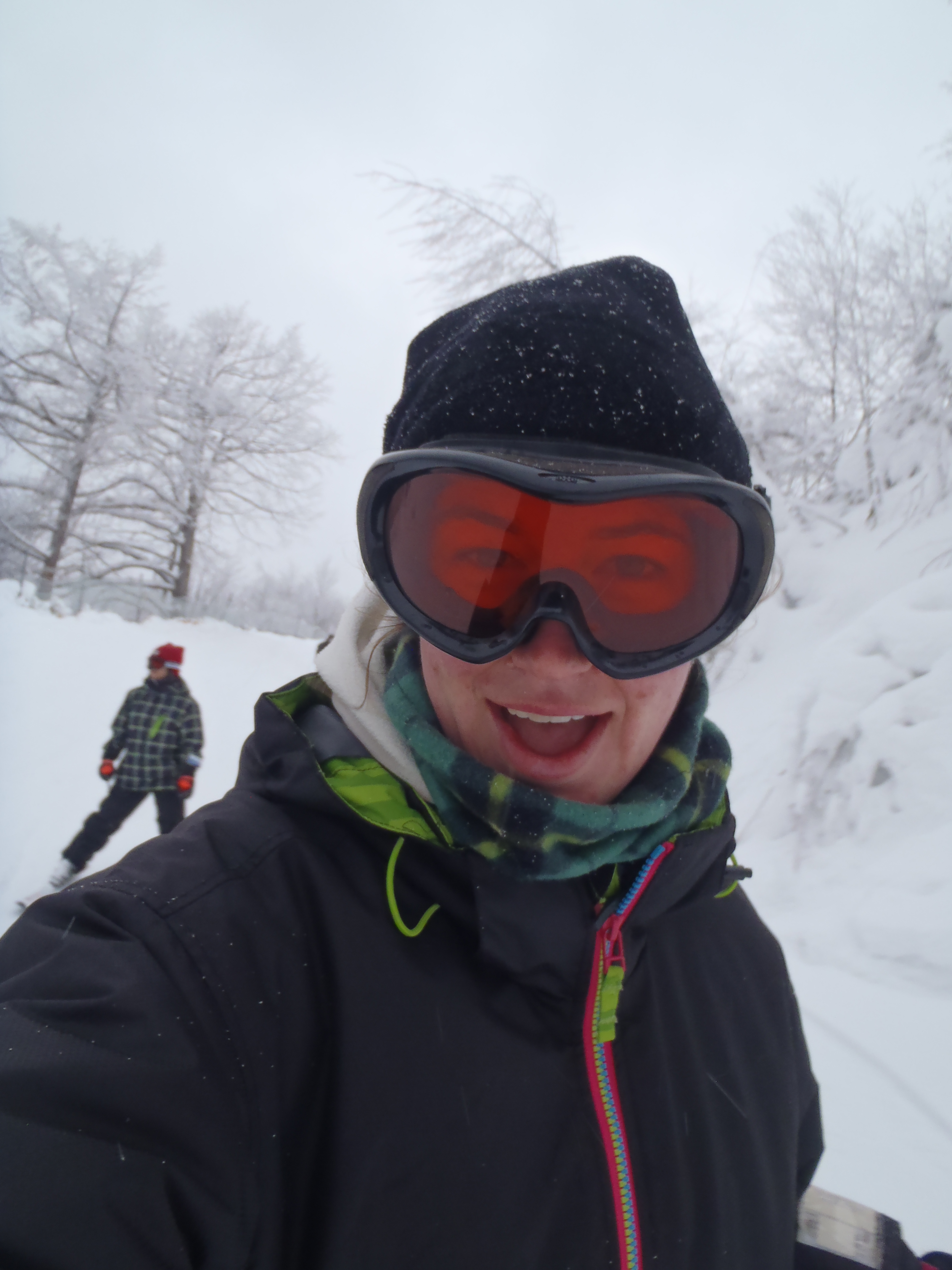
About a week later, I had the opportunity to go to Nagano for a couple days to ski and see the snow monkeys. (I wrote a previous blog on the adventure.)

Last week my Japanese sensei’s surprised me again with arranging for a tea ceremony master/teacher to come in and perform a tea ceremony for us. Not only did I learn how the ceremony is conducted, but she taught me how to do it!

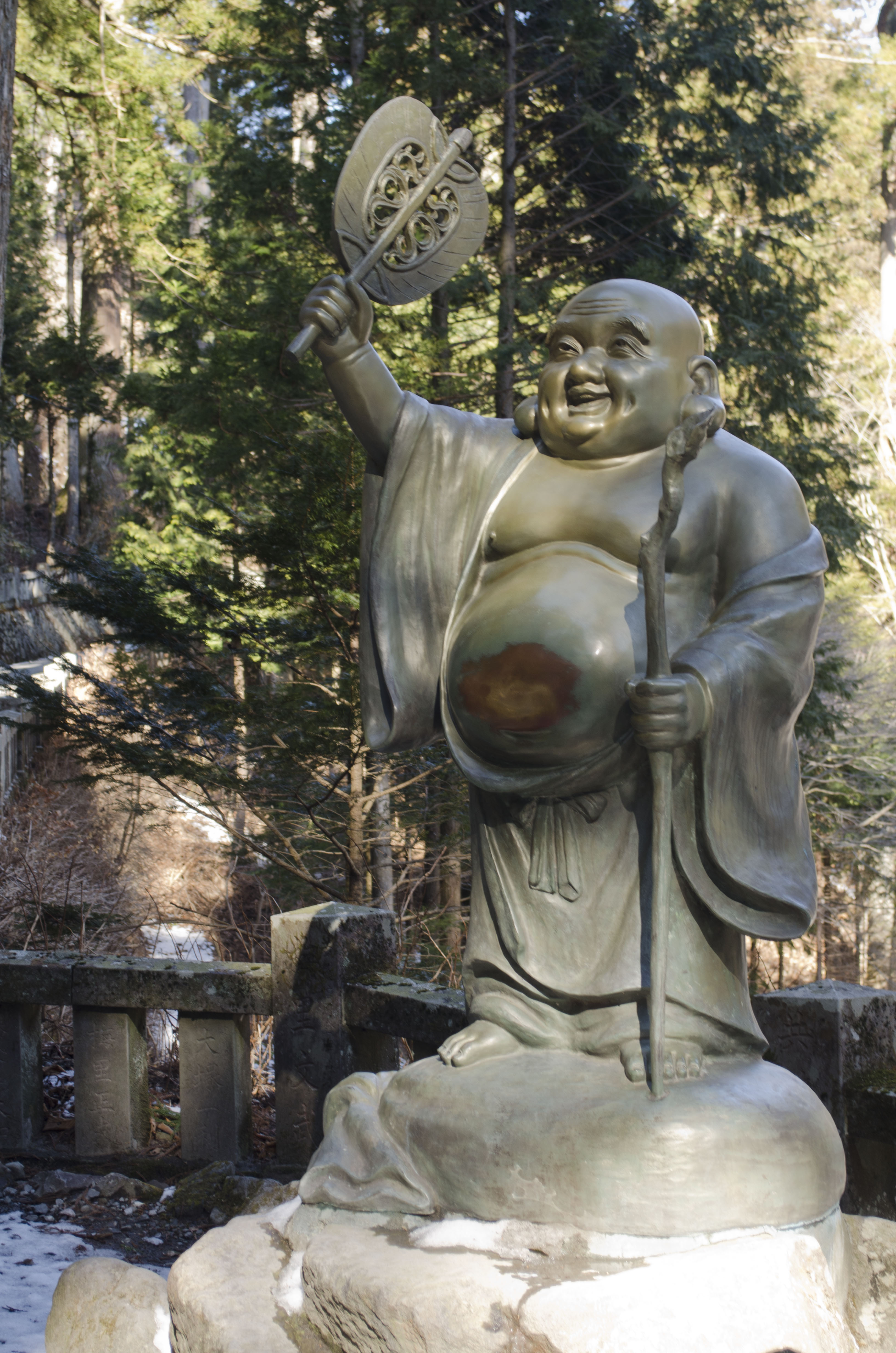
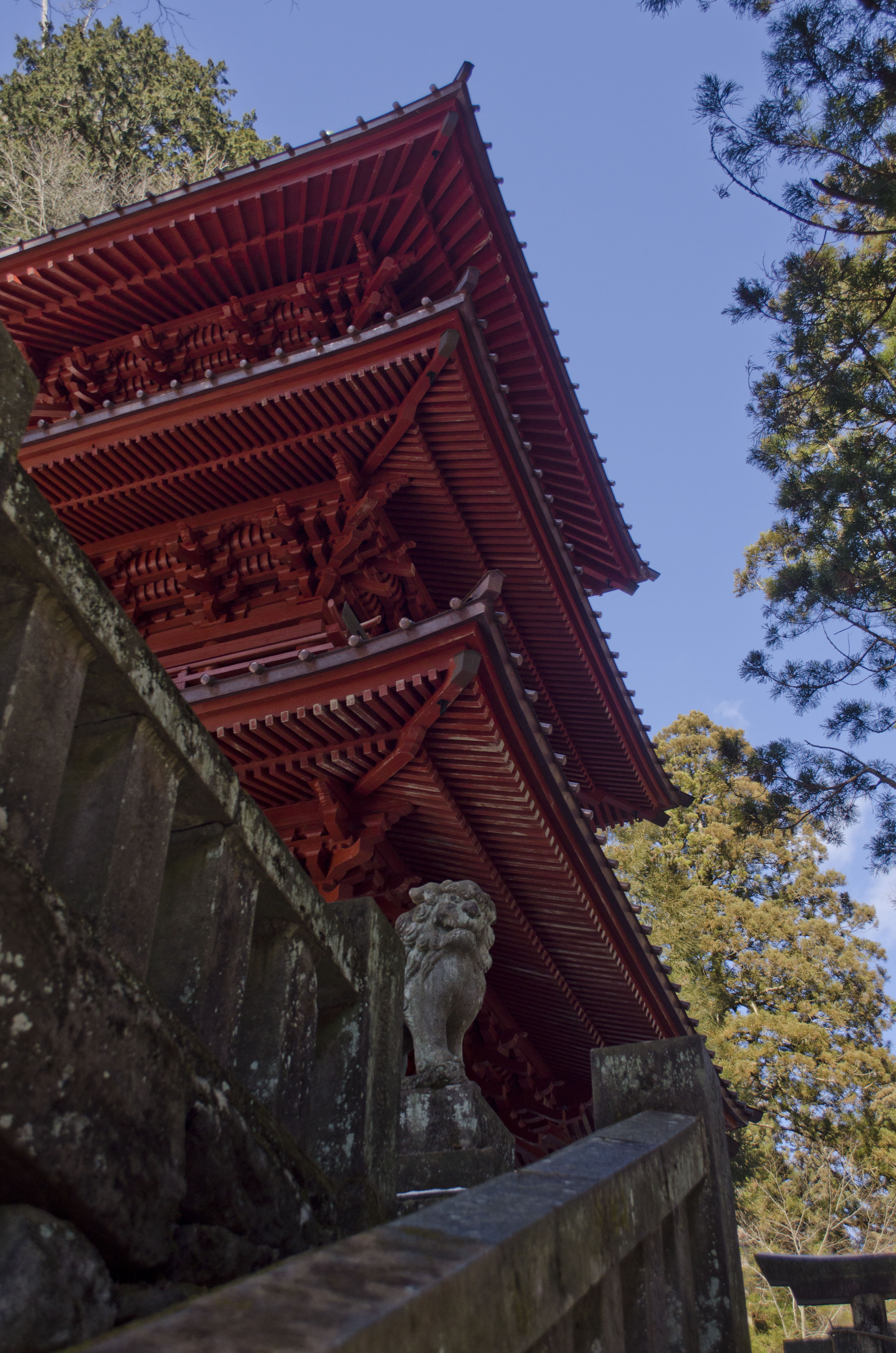
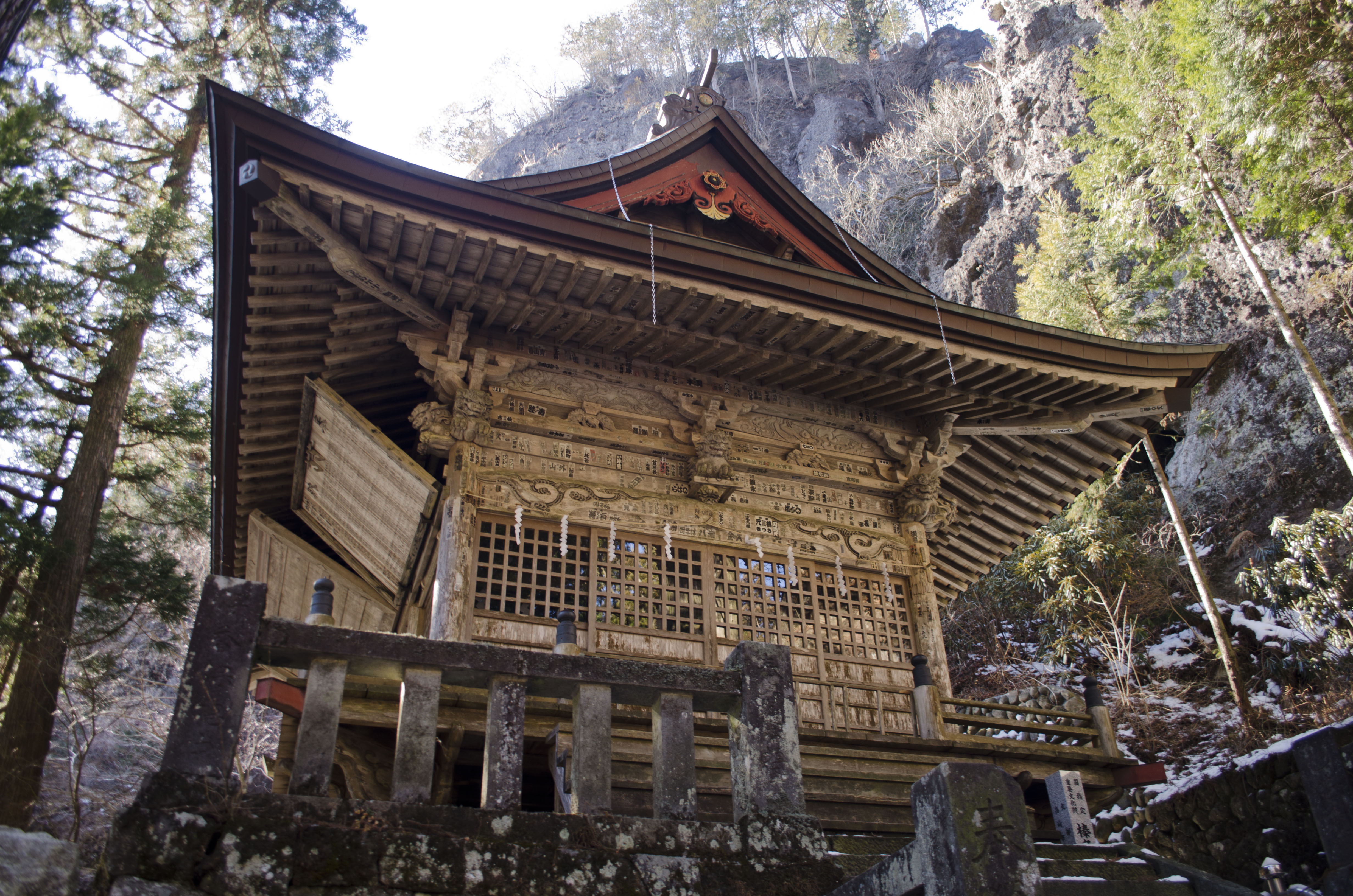
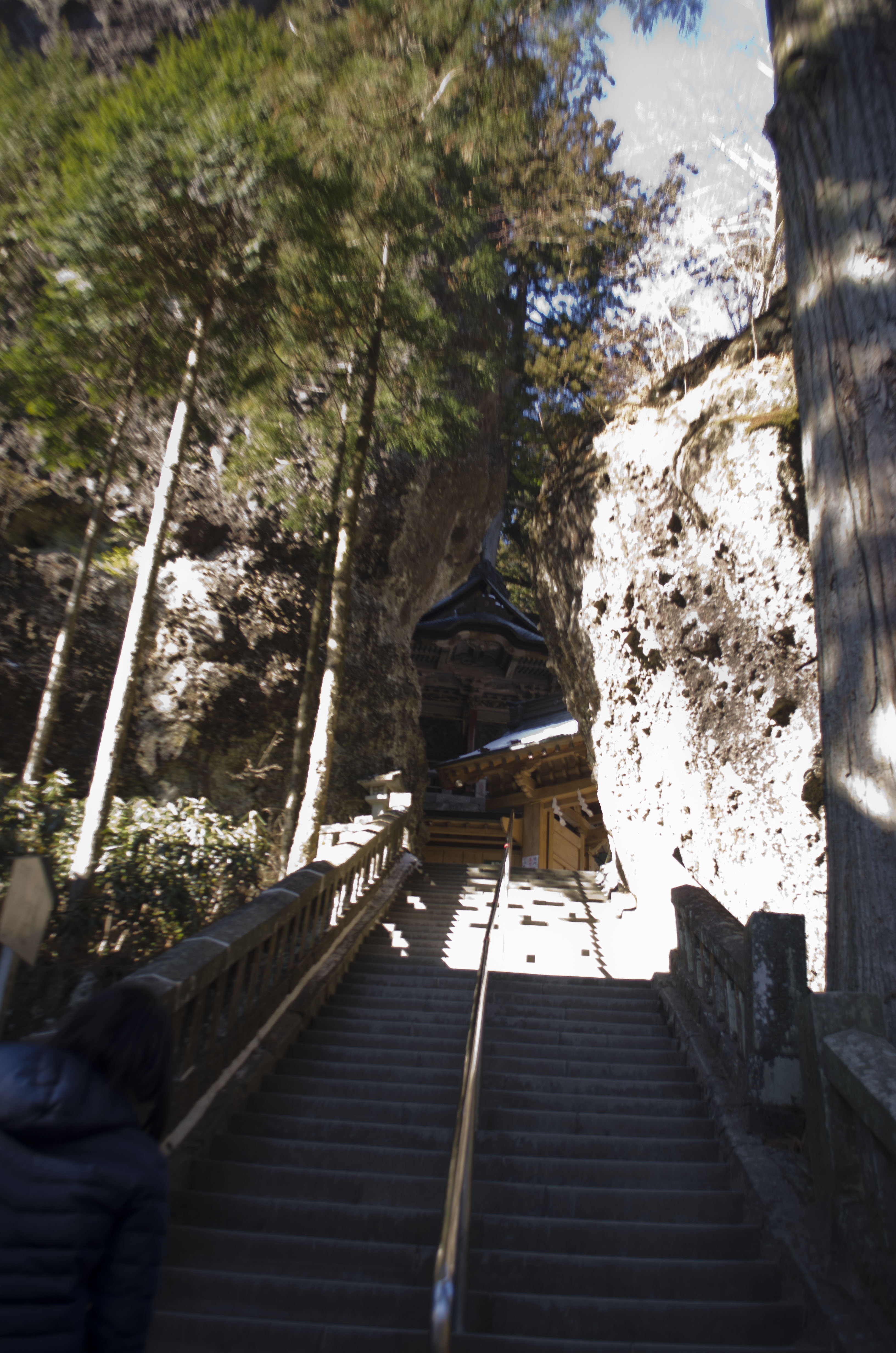
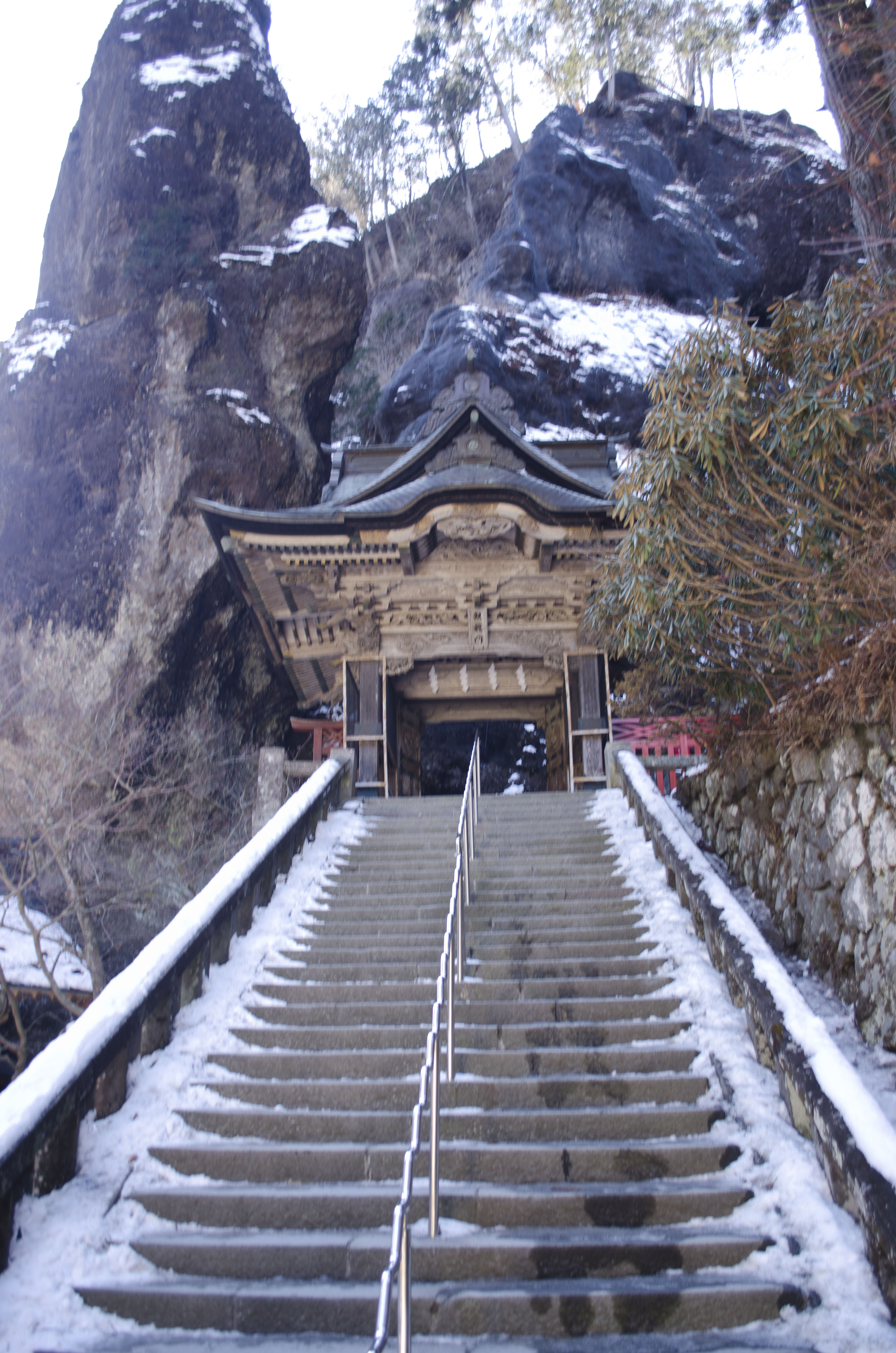
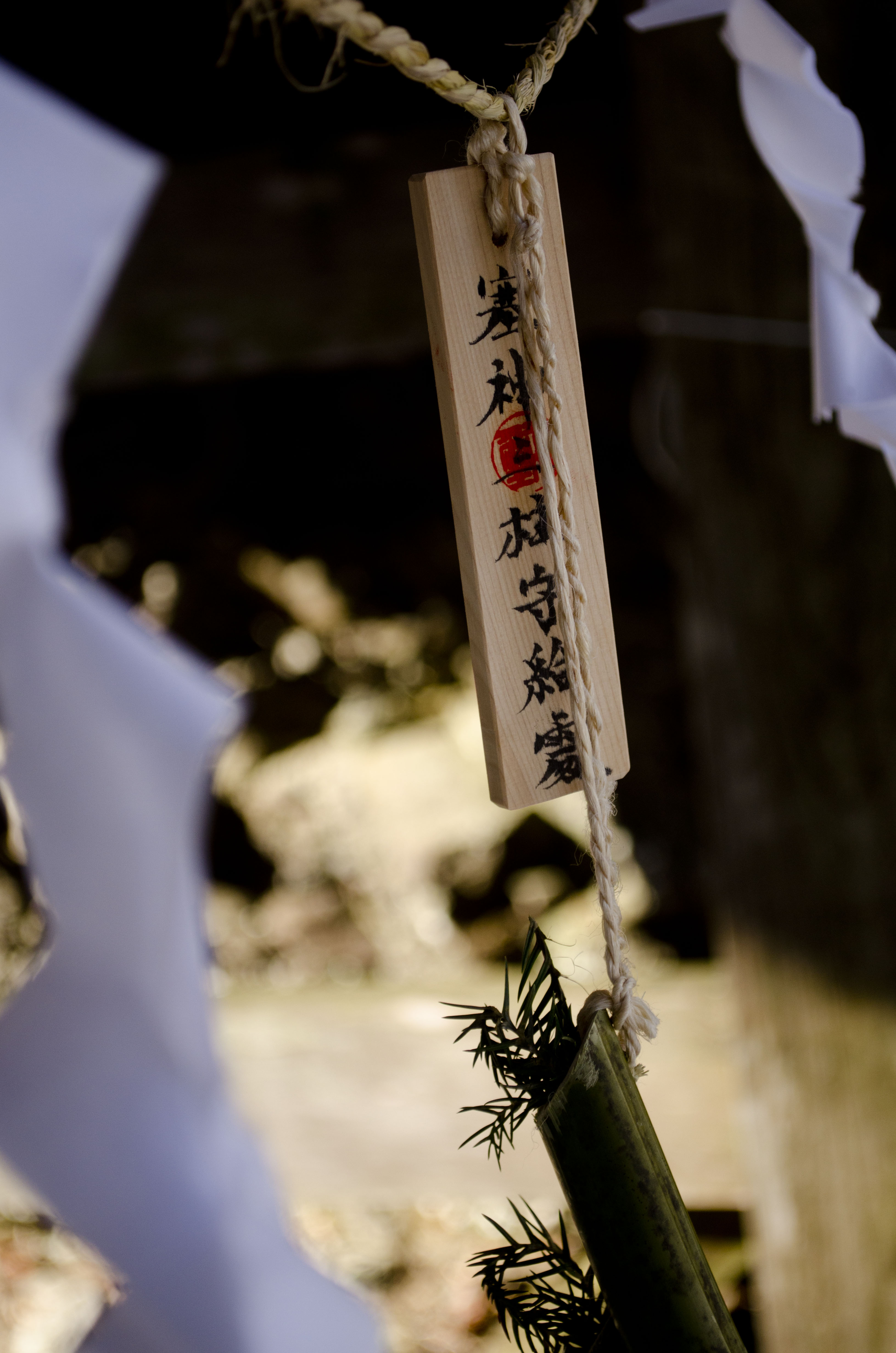
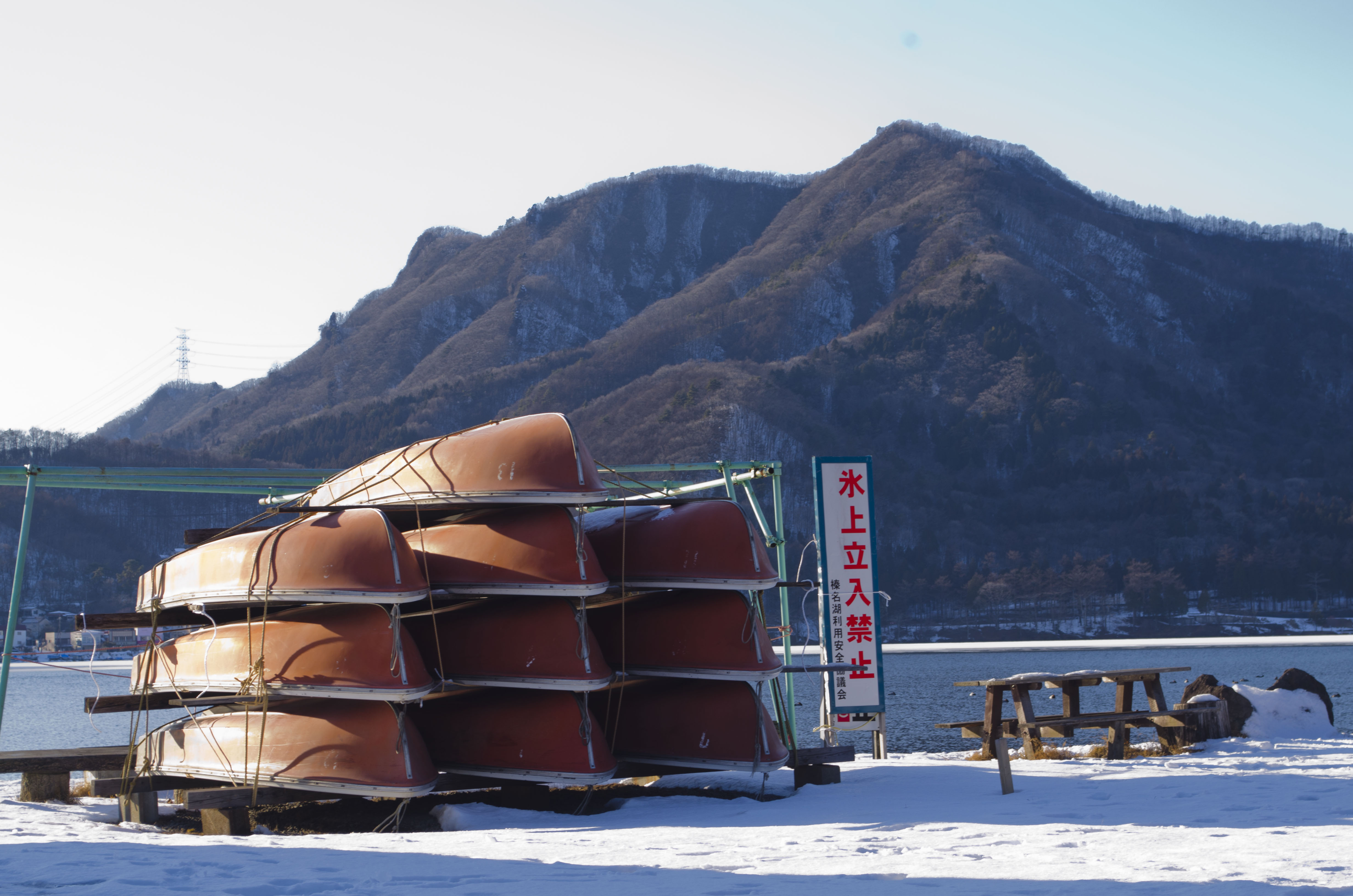
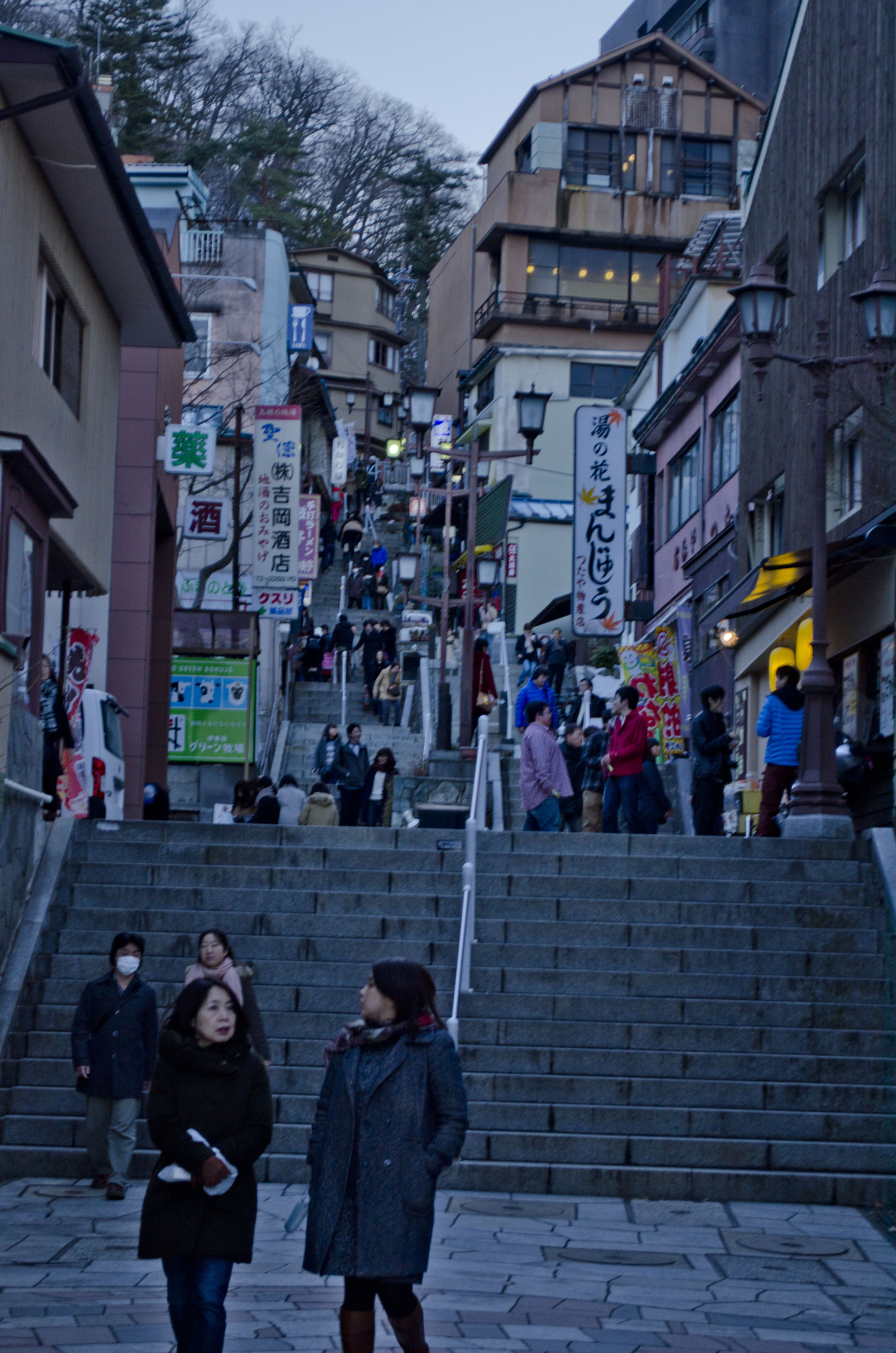
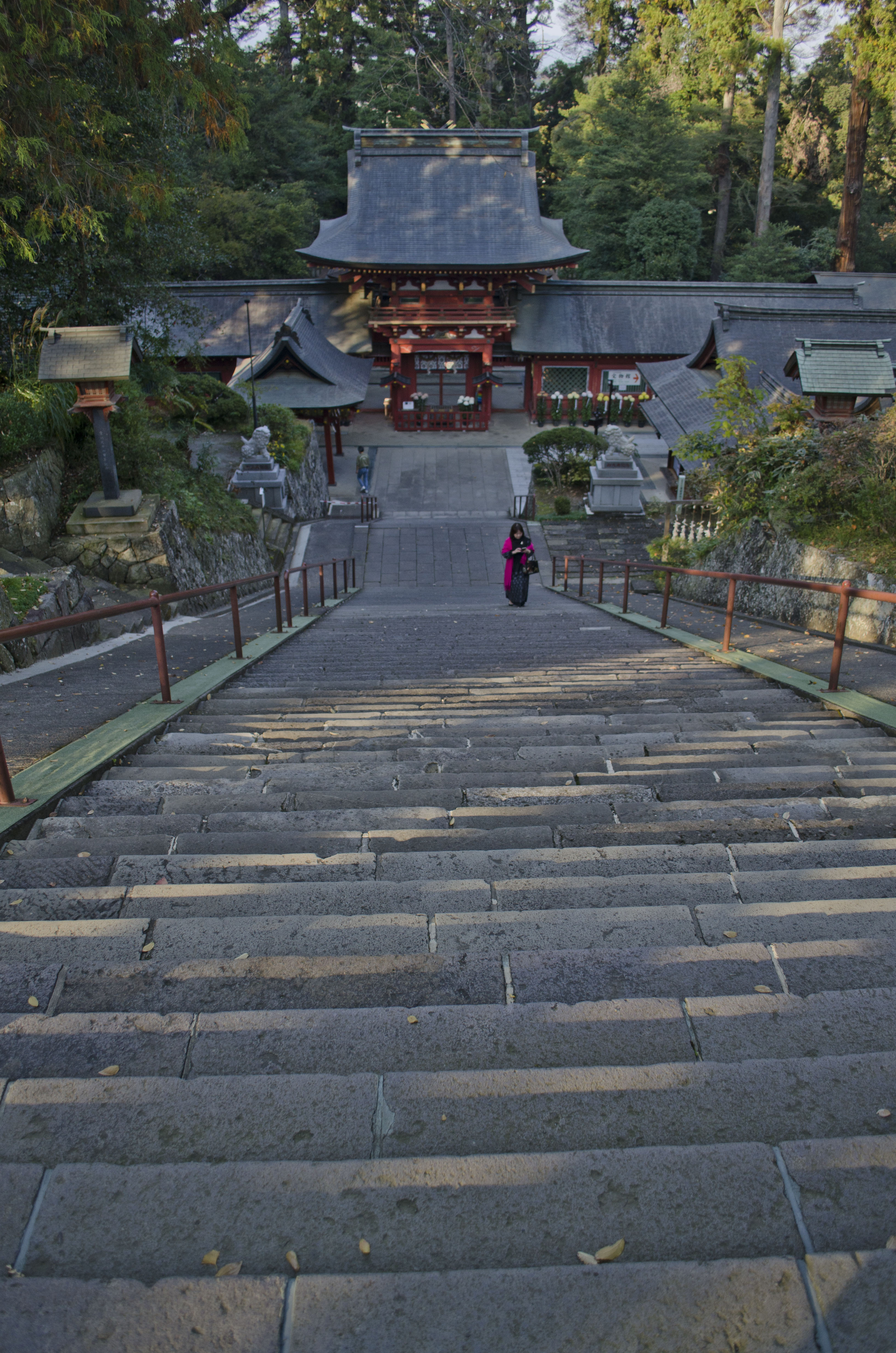
My adventures have continued with a wonderful photographic tour with a good friend and her little brother who both speak English. We went to two temples around the Takasaki area, and a wonderful lake. The recent snow that had detoured people from the outdoor sights created some breathtaking views and a magical photographers playground.

DSC_5371 DSC_5375 DSC_5416

DSC_5417 DSC_5418 DSC_5440 DSC_5443DSC_5517 DSC_5622

Like my facebook page for more photos and updates! http://www.facebook.com/kikilathropphotography

Nagano Adventures

After a rush of work, I wanted to make the most out of my winter vacation. Thanks to some new friends, I was given the opportunity to make it over to Nagano for a mini-vacation.

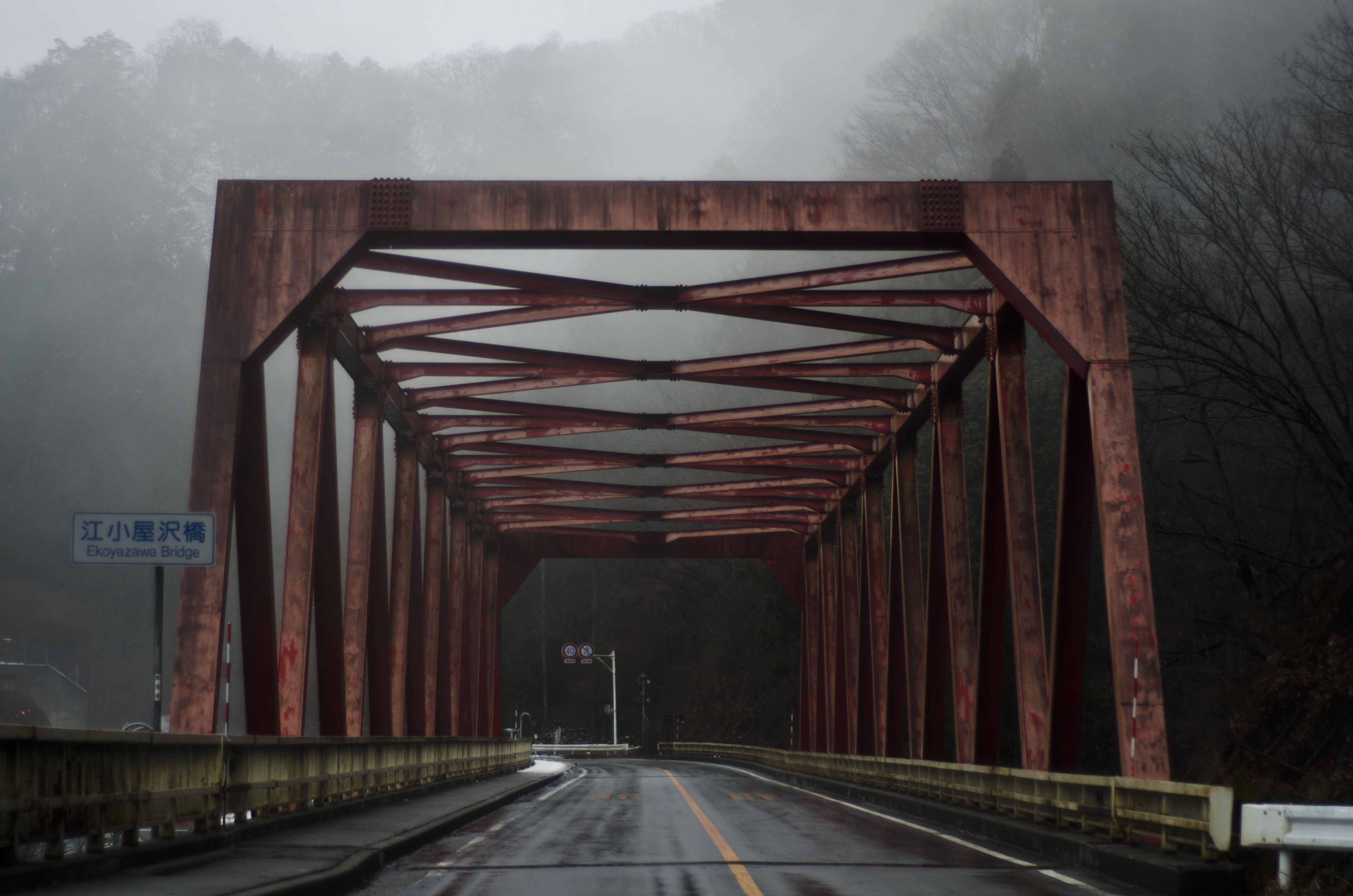
The spectacular drive from Gunma to Nagano was wonderfully scenic. The winding mountian road was flanked by misty, fog-covered mountians.
DSC_4922DSC_4900

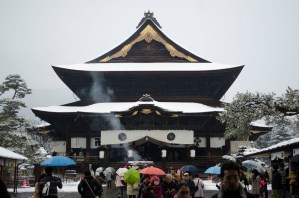
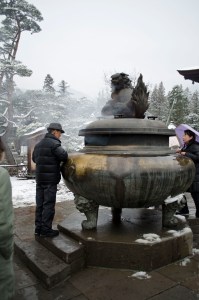
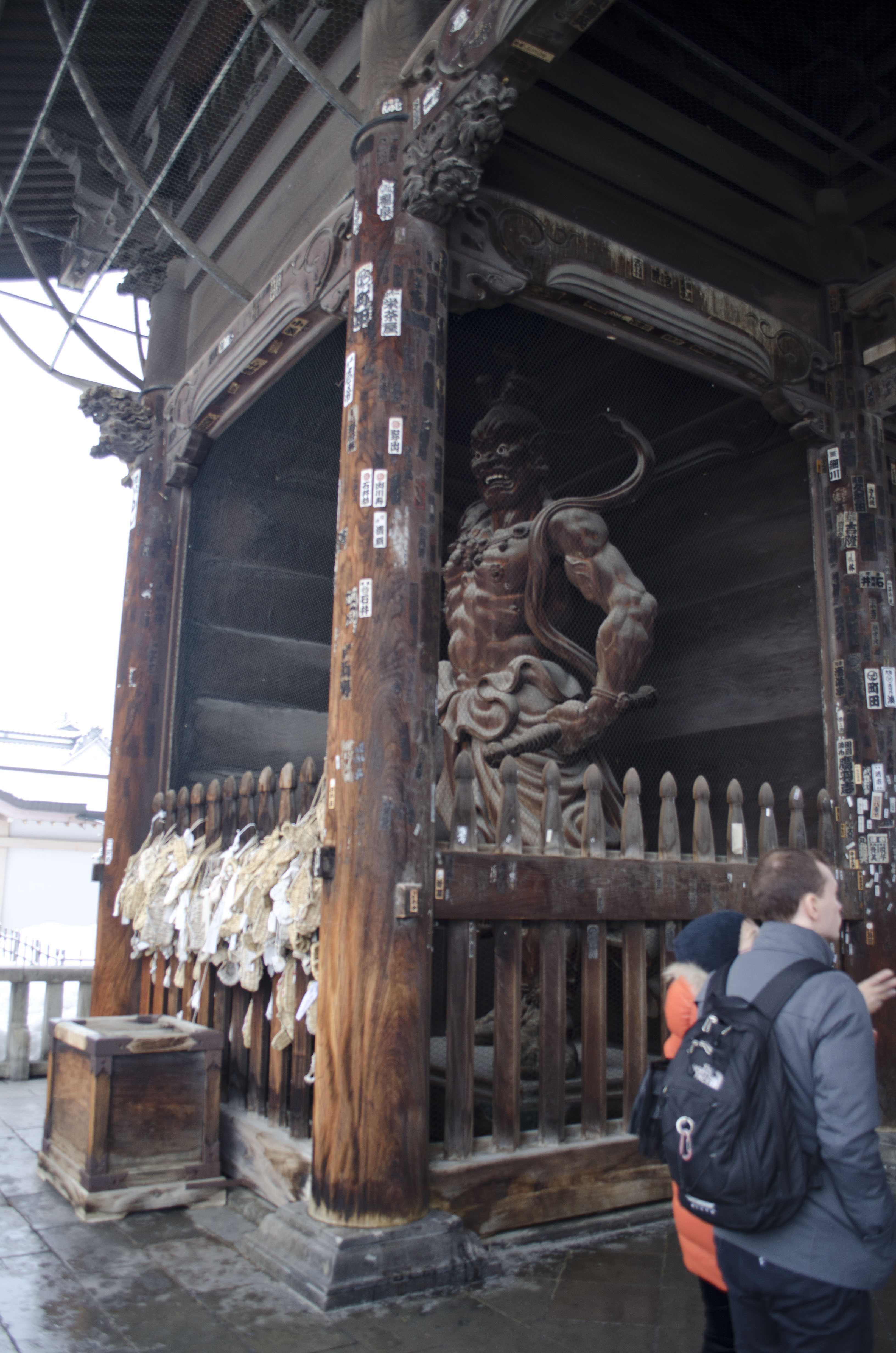
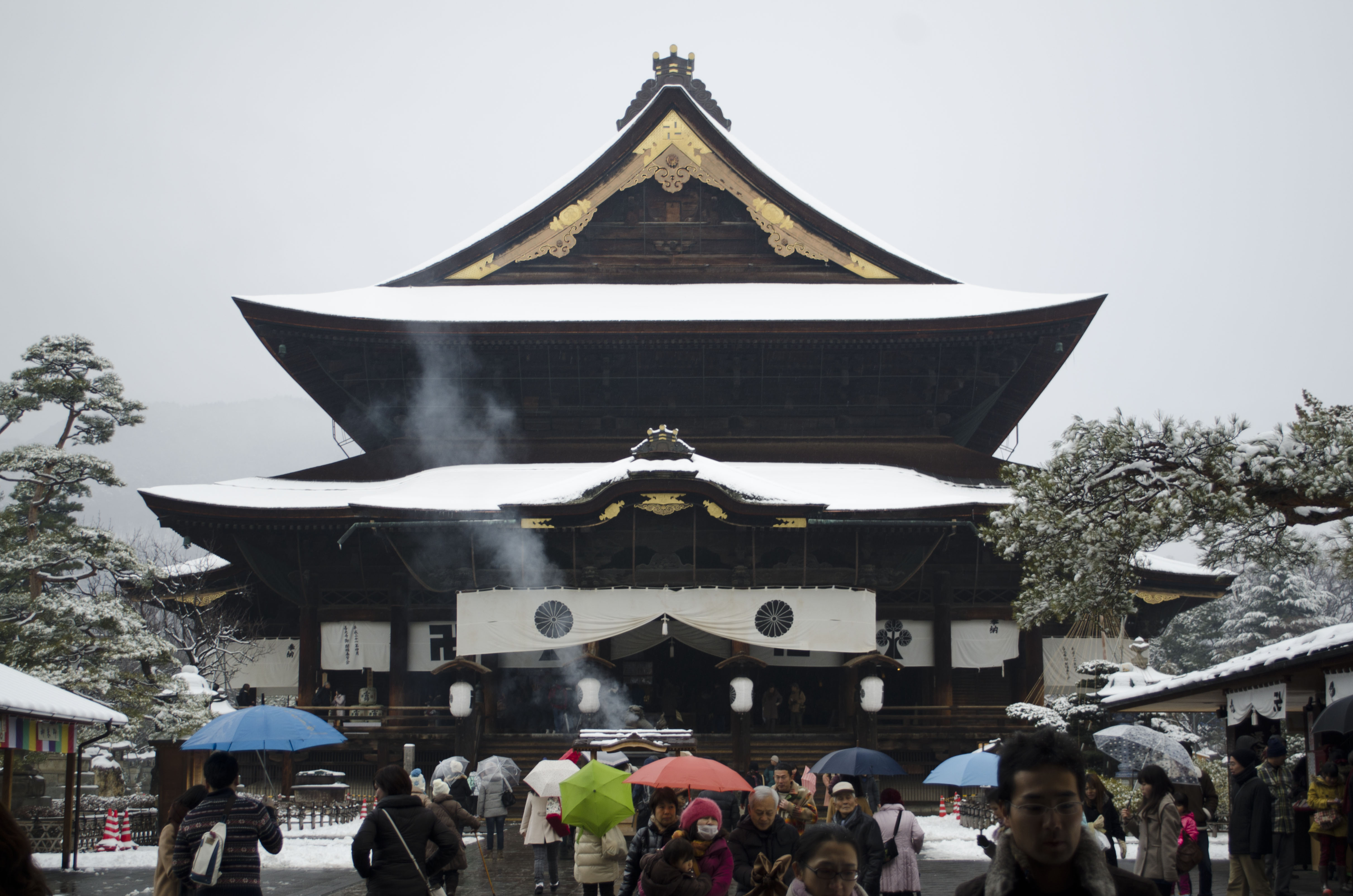
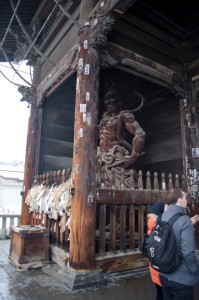
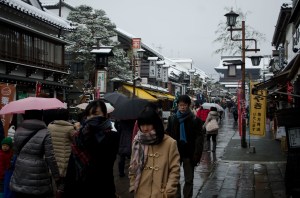
Once in Nagao, we stopped by Zenko-ji Temple, which houses one of the first wooden Buddha statues in Japan. Along the walkway to the temple, the pedestrian street is lined with souvenir stalls and small restaurants. Past these and through the Ah-um, the massive statues that protect the temple, is a large brass vessel, protected by a lion statue. This is used for ceremonial incense and for the price of 100 yen (~$1 USD), you can get a bundle of incense to put into the vessel, and use the smoke to heal any ailments you may have. Inside the temple, there are prayer areas, a statue of Buddha’s student of medicine (which you can rub for the healing of aches and pains), and what I call the “Labyrinth of darkness”. For 500 yen you can wonder the basement labyrinth of the temple. I put my shoes into the plastic bag they gave me, and made my way to the stairs. Instructed by the pamphlet that said to keep my belongings in my left hand and my right hand on the wall, I ventured into the darkness with my two new comrades and delved into the pitch black. I used to work at a planetarium, so darkness doesn’t scare me, but even at the darkest in the planetarium there were small lights that you could use for guidance. The darkness came in ‘levels’ that could guide you to where you were or needed to be. Not here. In the basement was nothing to guide me but the cold wood that trailed under my fingers as I wondered through the blackness. I noticed after bumping into my friend ahead of me a few times, even my sense of sound was off from the echoing of the wrinkling of plastic bags, the voices of people behind me and the indiscernible footsteps. But alas, I rounded the last corner to the the faint trickle of light coming down the stairs of the exit.

When leaving the temples we stopped briefly for some Soba noodles, which I flavored with the pepper spices that are the signature cuisine of Nagano.
DSC_4932 DSC_4939 DSC_4961 DSC_4964

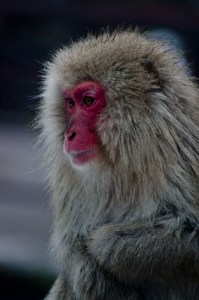
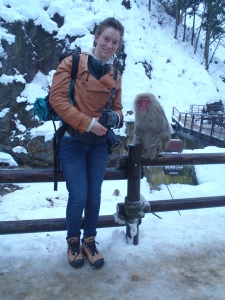
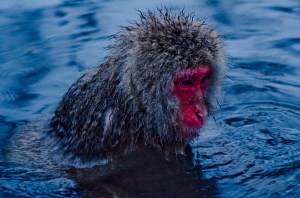
After the temple we made our way north to Nakano, which is famous for its Snow Monkey Park. The clan of 160 Japanese snow Macaques are unique for primates, as they are the only ones (other than Humans) that live at this latitude, bath in hot springs, and make snowballs to throw for fun. The Macaques have had 14 ‘bosses’, or alpha males since this clan started being observed and recoded for the park. The pictures of them can be found in the small gift shop/museum/place-to-warm-up near the onsen pools. The snow monkey park has an entrance fee of 500 yen, and it is recommended to go in winter, when the monkeys visit the pool to escape the cool air. We went in the late afternoon/early evening just before feeding time, and one of the park attendants was helping tourists take pictures with a macaque, using a call to get them to look at the camera. The first thing he said as I handed him my point-and-soot was “don’t look at him in the eye”. As an anthropologist, it think ‘duh’, but then I realize that many people probably haven’t read up on Diane Fossey and Jane Goodall, so here it is: Looking at a primate in the eye can be taken as a sign of aggression. If you challenge the wrong member of the group, it could get very dangerous very fast. With that safety tip out of the way, I highly recommend visiting this park, where it monkeys and humans walk amongst one another so easily and without fear.

DSC_5078 DSC_5163DSC_5190 OLYMPUS DIGITAL CAMERA
At the end of the day, we checked into our share house (Guest House in Sazuka, http://www.ghkura.com) which is very reasonably priced, very clean, and was wonderful to experience a traditional Japanese house. They offer free Wifi, a Cafe, Bike rental, parking, and a big garden for barbequing and tent camping. Dorm beds start at 3,000 yen and is well located for both the Zenkoji Temple and the Monkey Park. When we arrived, we were greeting by a very nice English speaking staff, and they had complementary tea waiting for us. They able to give us some good recommendation for dinner, and I had my first experience with a sushi restaurant that the sushi is served via a conveyor belt that runs by the table, and a train that comes direct from the kitchen.

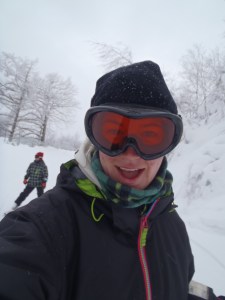
The next morning, we had a traditional breakfast at the guesthouse (300 yen) and then went to hit the slopes. In Sugadaria Kogen, the ski area of Nippon Davos (which is 3 smaller ski areas, Pine Break, Davos-Taro, and Davos) are located on the slopes of Mt. Neko-Dake (2,207m, or ~7,241 feet). A lift ticket (4,800 yen/full day) is good for all three areas, and offers an array of difficulty marked similarly to the states for easy, intermediate and difficult (green, red instead of blue, and black runs). Once we had our ski/snowboard rentals (3,800 yen/day) and all our gear to keep us warm (3,000 yen/day) we made our way to the lifts for some amazing powder, short lift lines and small crowds. To a ski junky, it was heaven.
OLYMPUS DIGITAL CAMERA

The Monkeyless Monkey Expedition

DSC_4345

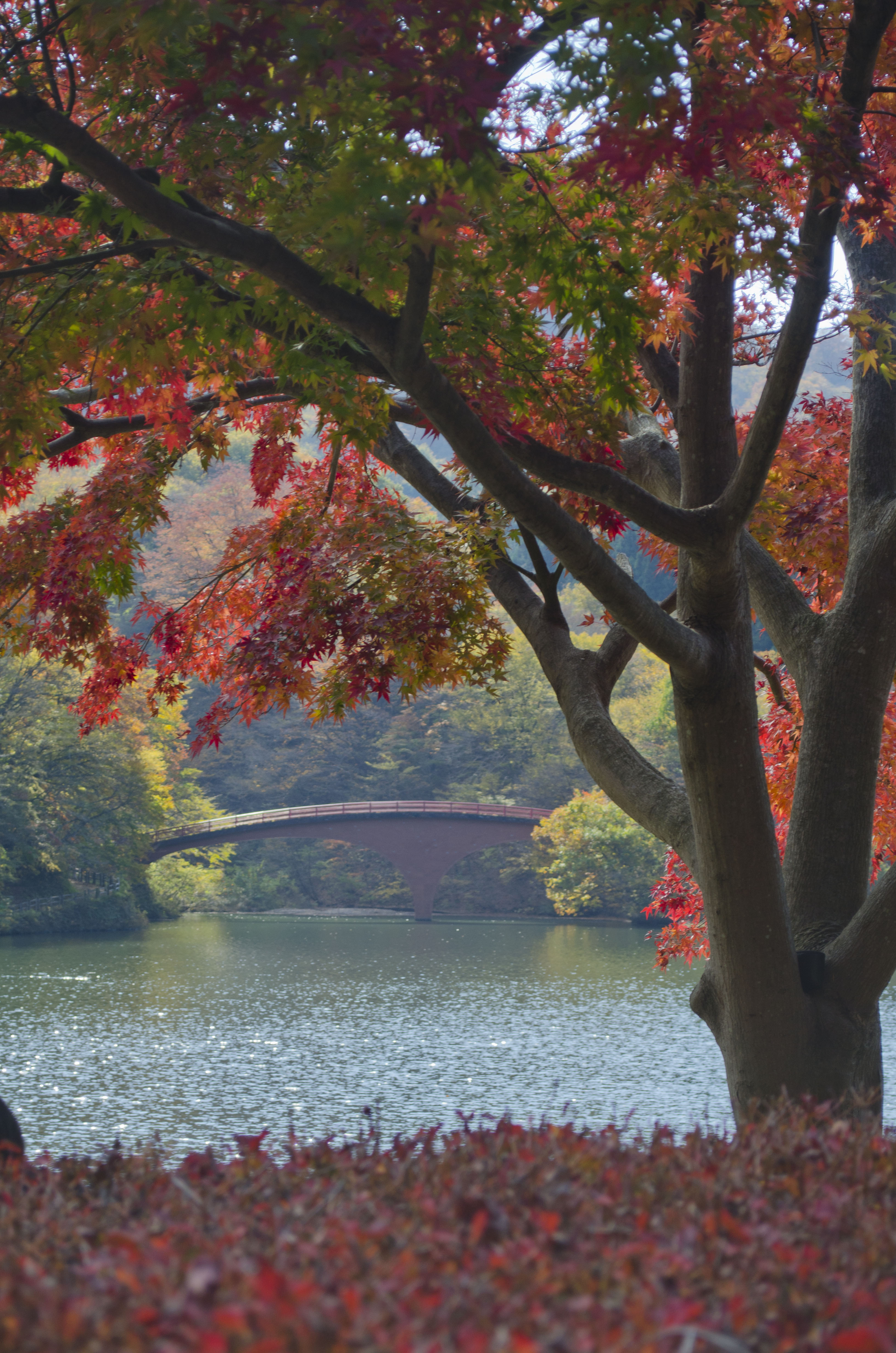
As you can imagine, both as a photographer and an anthropologist, the idea of my first sighting of wild primates had me excited all last week. The previous week there had been a family of just under a dozen spotted in a tree of a lakeside parking lot. My co-worker who had seen the fuzzy gang offered to take me to the distant lake this last weekend, in hopes that the band would be visiting again. Sadly, as we pulled in there was no sign of the monkeys, nor did they show for the rest of the day. What we did see was an amazing change of color from the trees that surrounded the lake, the bright red, yellow and green of the trees, and the blue of the water and sky. Usui lake, which is located a short drive from Tomioka, is surrounded in postcard scenery and and historic culture. The old railroad that ran beside the lake has long since been deserted, and was converted into a walking trail. The long, dark, hand built tunnels echo with the shuffling feet, with the ash stained roof overhead as a reminder of its original use. Along the path is the large railroad bridge, and the final stop of the trail is the old station.

When leaving the trail, you pass a visitors center/shop on the main highway. the shop houses a small food court that offers a rice dish that is comprised of many of japans cuisine staples. From shiitake mushrooms, to Japanese pickles, to the hard boiled quails egg, the sensation can only be described as a rush of flavors. (You even get to keep the ceramic pottery rice-cooking bowl, stamped with the station name in Kanji, when you are finished.)

After lunch, we ventured to some of the shrines, where my co-worker (and acting guide) taught me some of the customs of shrine etiquette, explained the telepathic relationship of the A-Um (‘ah-oom’, the two statues that protect the shrine. The open mouthed ‘A’ statue and the closed mouthed ‘Um’ ‘don’t need to speak to communicate. They understand each other.’) By the entrance to the shrine, are three large cedars that are designated a ‘power center’. wrapped around the trees was a cord with strips of paper attached. Those pieces of paper are fortunes, and when you are done reading your fortune, you tie it onto the cord.

Each temple has different gods that it is dedicated to, and since we were there, I was taught how to pray to the gods of health and well-being. At the entrance to the shrine, there is a wash basin, where you wash your hands and rinse out your mouth before approaching the shrine. standing in front of the shrine, you bow twice, clap your hands twice, silently say your prayer, then bow a last time.

At the last shrine we visited, there was a small girl dressed in a Kimono getting her photo taken in front of the shrine. My co-worker explained that there is a celebration that is held here for girls who are 3 and 7, and boys who are 5, to get dressed up and visit as many shrines as they can and take a photo.

DSC_4397

Kanra; The hidden gem of Gunma

Kanra:

The area holds onto its history as the safe-haven for samurai after they were ‘disbanded’. Coming from Tokyo, Osaka, and Kyoto, they were able to use the rural environment to continue on with their horses and arts, which has made the area very rich for authenticity.To this day, the area embraces its martial arts of Judo, Kyudo (archery), Kendo (staff fighting) and Kendu (sword).

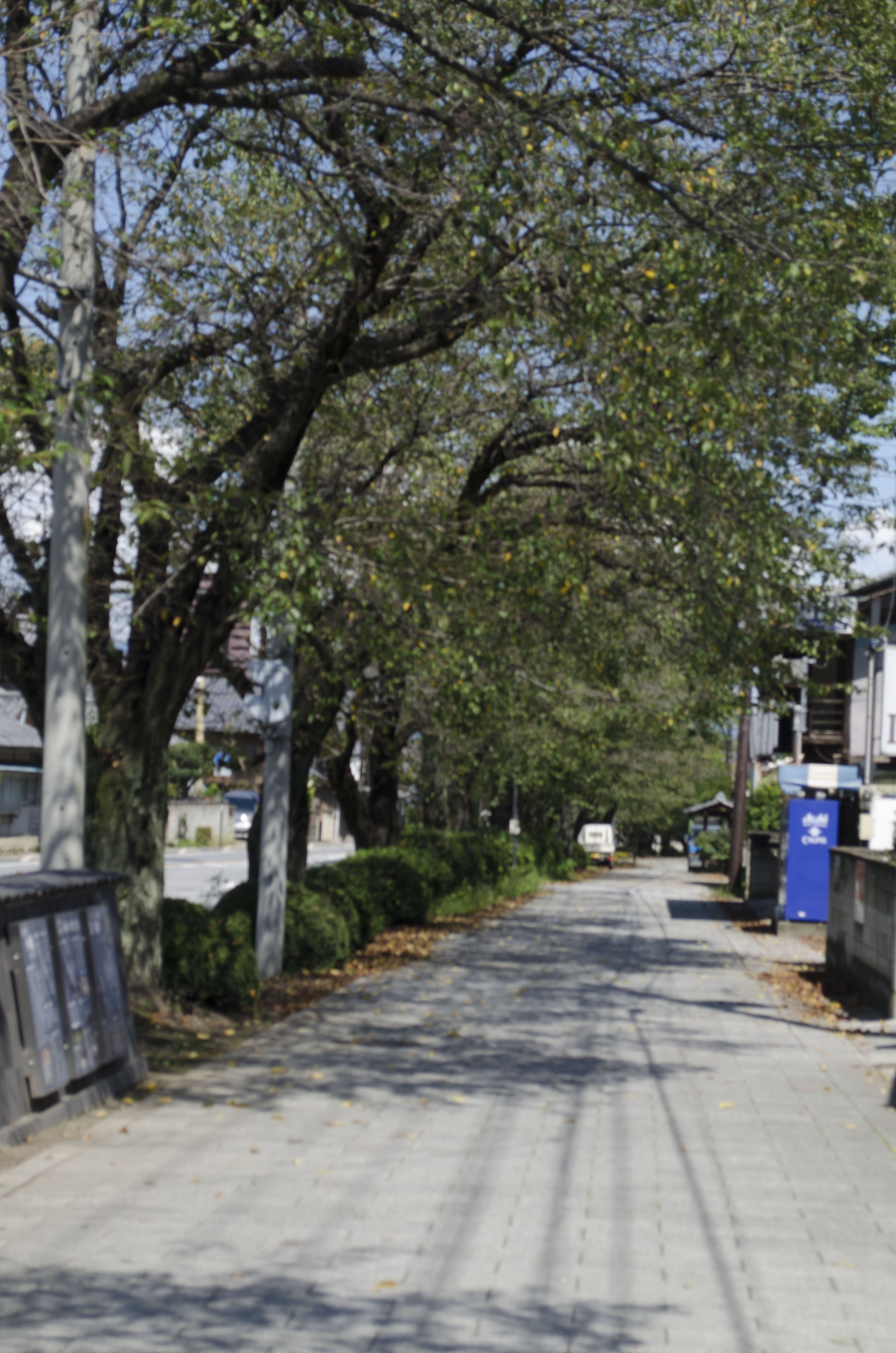
About a 30 minute bike ride from Tomioka is the small town of Kanra. Shougun (a Samurai chief), had lived in the small town, and his old house is marked with a plaque outside the front gate.  In the spring, during cherry blossom season, there is the Kanra samurai parade. This free event is held along the main road, flanked by cherry blossoms, and contains the authentic view of the samurai. Participants will dress to-the-nines in their samurai garb, women will dawn kimonos and paint their faces, and they will take to the cherry blossom lined road.

DSC_2752

Cherry blossom trees line the sidewalk in Kanra.

Kanra also houses many temples, shrines and gardens that are not to be missed. When my co-worker brought me into the small town, our first stop was a large temple that we saw as we entered the town. Hiking upto the building, we ventured up an over gown path to the top of the mountain behind the temple. Capped with a small seating area, stage and a few tree’s lining a meadow, the lush overlook provided a wonderful view of the surrounding towns and mountains.

DSC_2768A sample of the view.

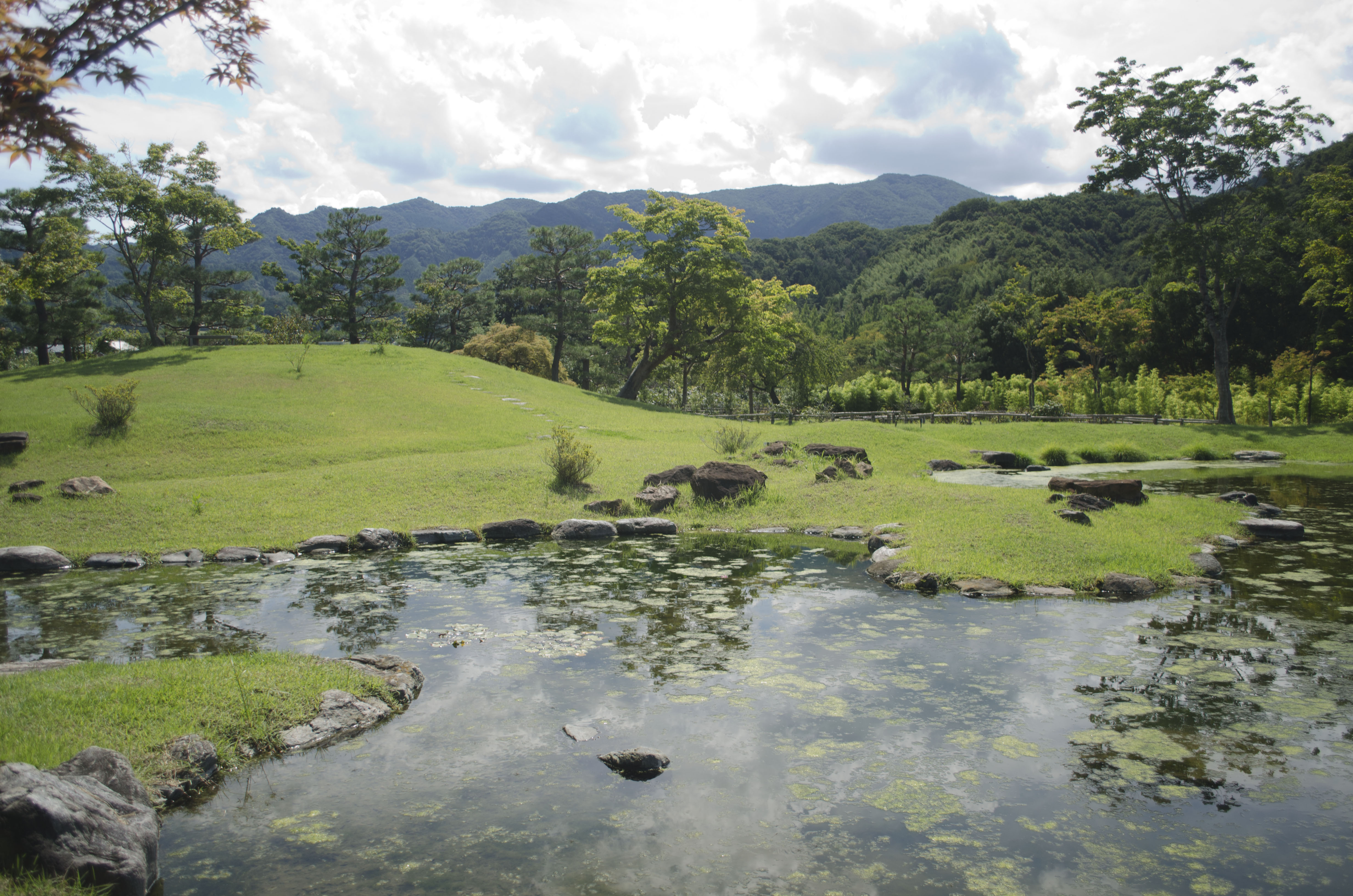
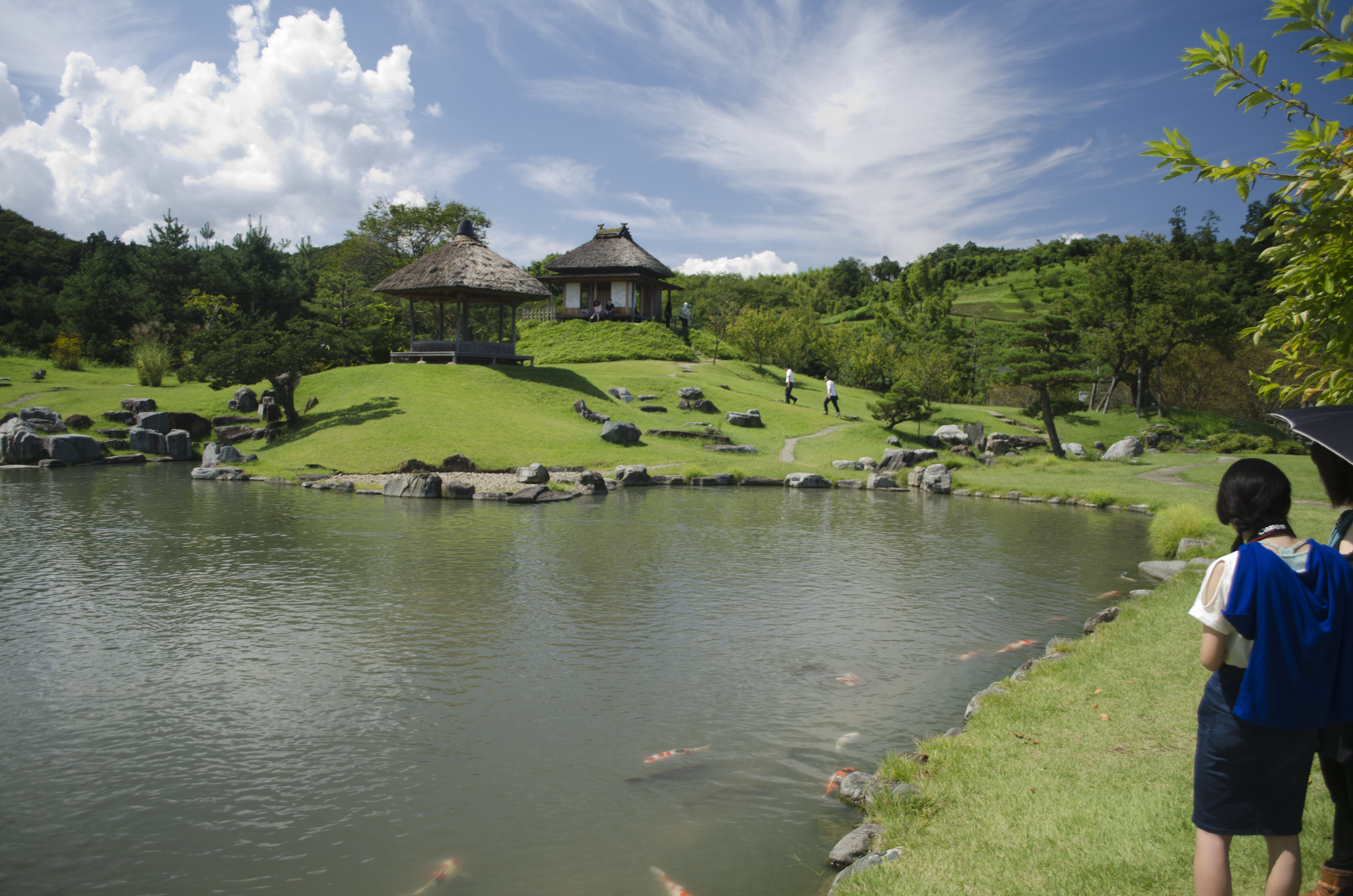
Our next stop was the gardens in the center of Kanra. The 300 yen ($3) entry price is well worth it to see the rolling green hills, and lounge pond side to large Koi fish. In the adjacent museum that shows what the Samurai houses used to look like, you can buy a bag of Koi food for 100 yen ($1). I highly recommend doing this.

DSC_2793 DSC_2789

The gardens in Kanra.

Wondering around the garden, we came across the local Kyudo club in their practice. On the other side of the garden from the museum is an archery range, which at the time was filled with archers dressed in traditional clothing, practicing their technique.

DSC_2972DSC_2975

Kyudo, unlike western archery, draws the arrow behind the head to sight down the arrow shaft.

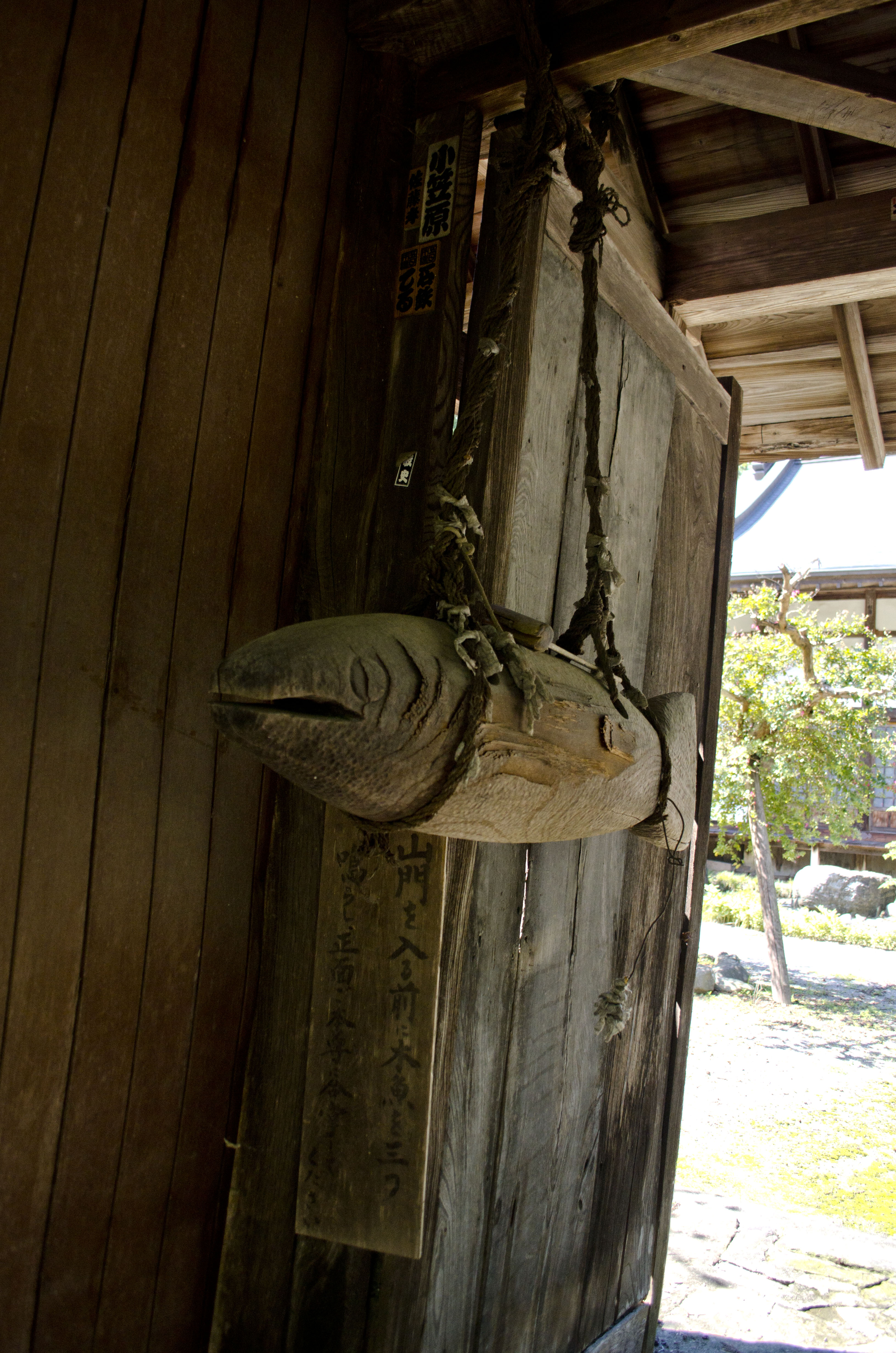
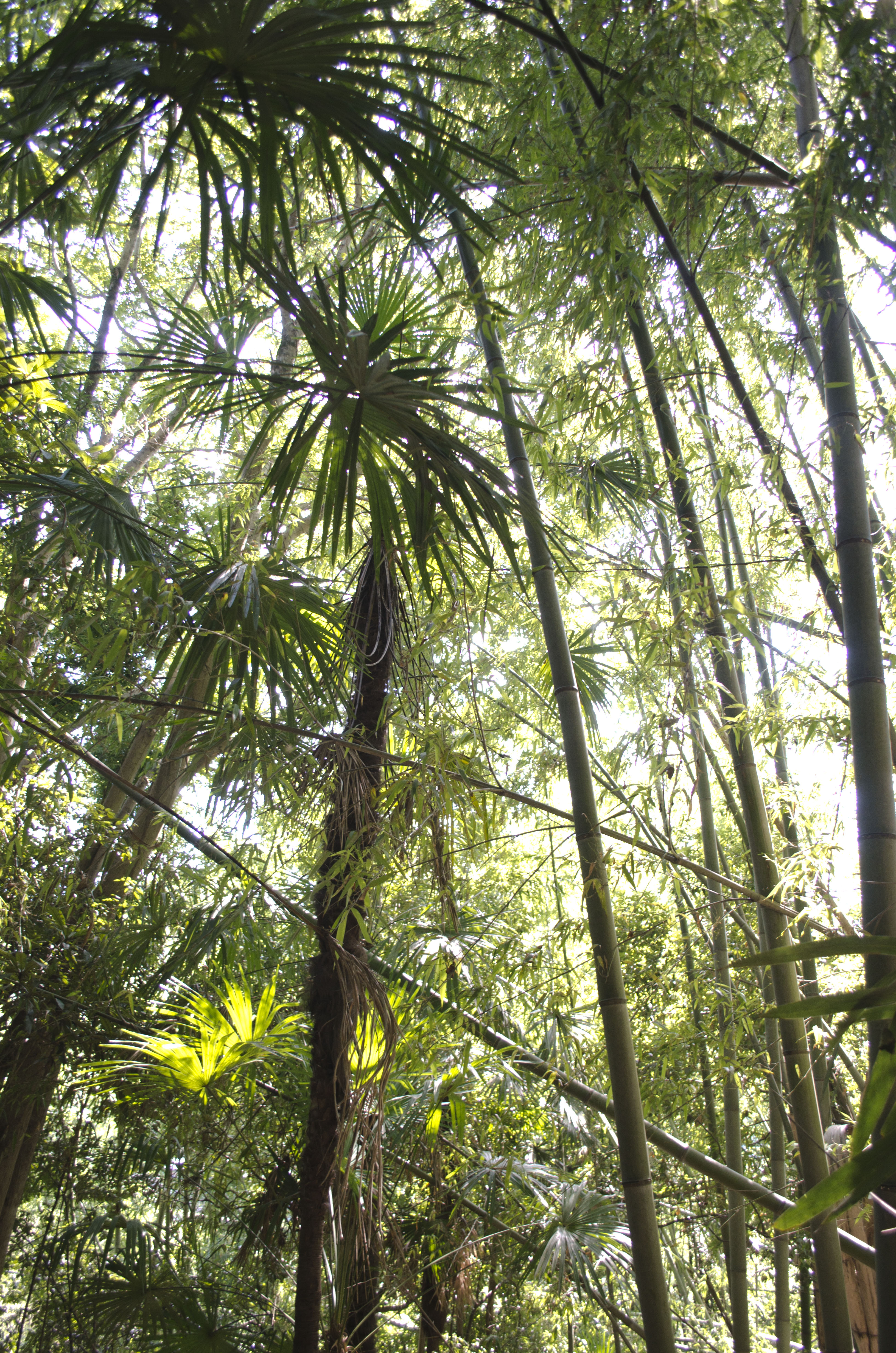
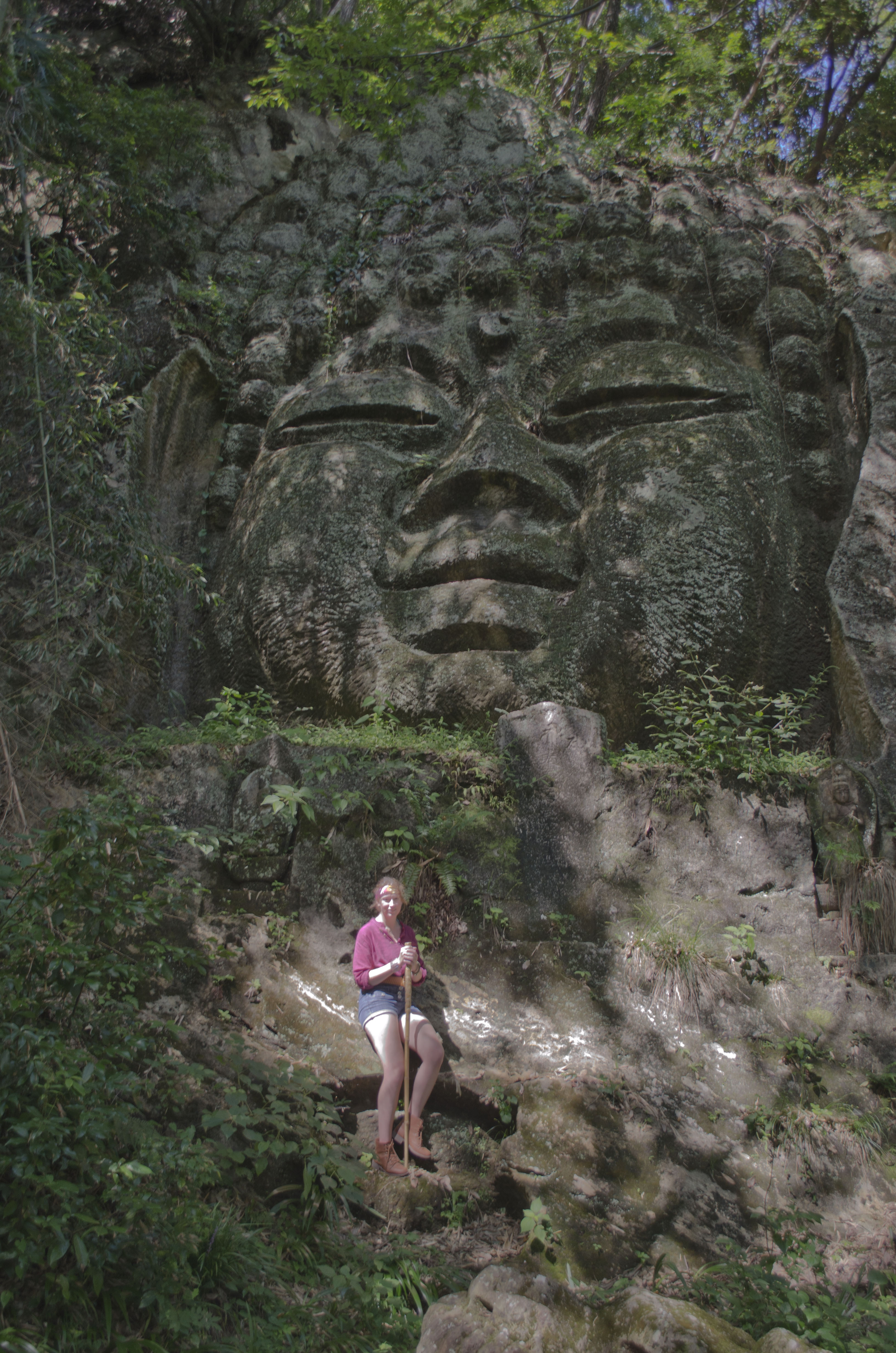
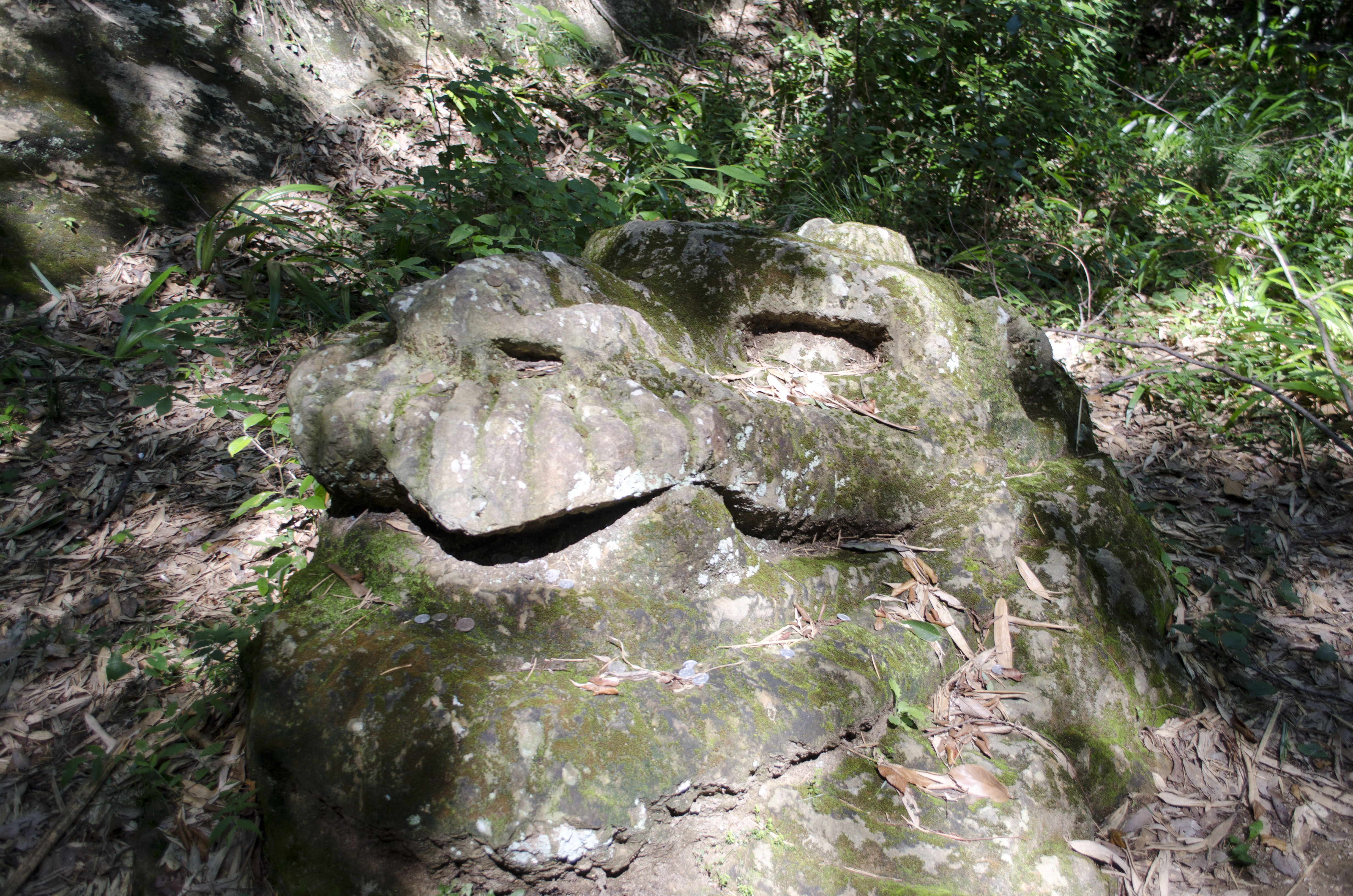
After our time in the garden, we went in search of the next “must do” on the list. Riding down side streets and over hills, we came to a small temple at a bend of one of the side streets. It looked much like the many other temples I had seen, and I nearly rode past until I noticed my co-worker had stopped and was parking their bike. It is only after I climbed the first set of stairs to the temple that I realized it is very much different. The old, worn wood door held a wooden fish sign like a welcome plaque, and the other side of the doorway was housed a trash-can type vessel stocked with walking-sticks of various sizes. Equiped with a walking stick and sense of adventure, we started up the thin overgrown path up the mountain behind the temple, and into the bamboo forest. When we had reached the top, what little breath was left from my hike up was taken away at the sight of the face carved into the mountain side. This shrine, which locally isn’t well known,  is littered with smaller statues and carvings along the path.

DSC_2935 DSC_2940DSC_2944

The door-hanging fish, the face in the mountain, and the bamboo forest.

In front of the face, there is a carved creatures head that protrudes from the ground by about a meter, and is about a meter and a half in length. and a turtle of about equal size to the right of the statue, that would be otherwise unseen by the amount of growth that’s growing the rock.

DSC_2951

The creature

Rapunzel has nothing on me; Mission to see the floating lanterns

I had been searching through Pintrest when I saw the picture of dozens of water-bound floating lanterns set adrift by people in rowboats during one of Japans floating lantern festivals. Naturally my curiosity took hold and I set out into the depths of the internet to find where these types of festivals are normally held. As the fates had aligned, there was a festival being held the night before I was to start training in Tokyo. It was their annual festival, and my travel karma came through, landing me in the same city, at the same time, as this festival.
DSC_1383

DSC_1382

DSC_1394

The work accommodation that I had moved into had me housing with 5 men from various parts of America and UK, whom I presented the idea of going to see the lanterns to. As we all seem to be adventurers in our own right, we set off into the heart of Tokyo in search of the floating lanterns.

DSC_1421 DSC_1384

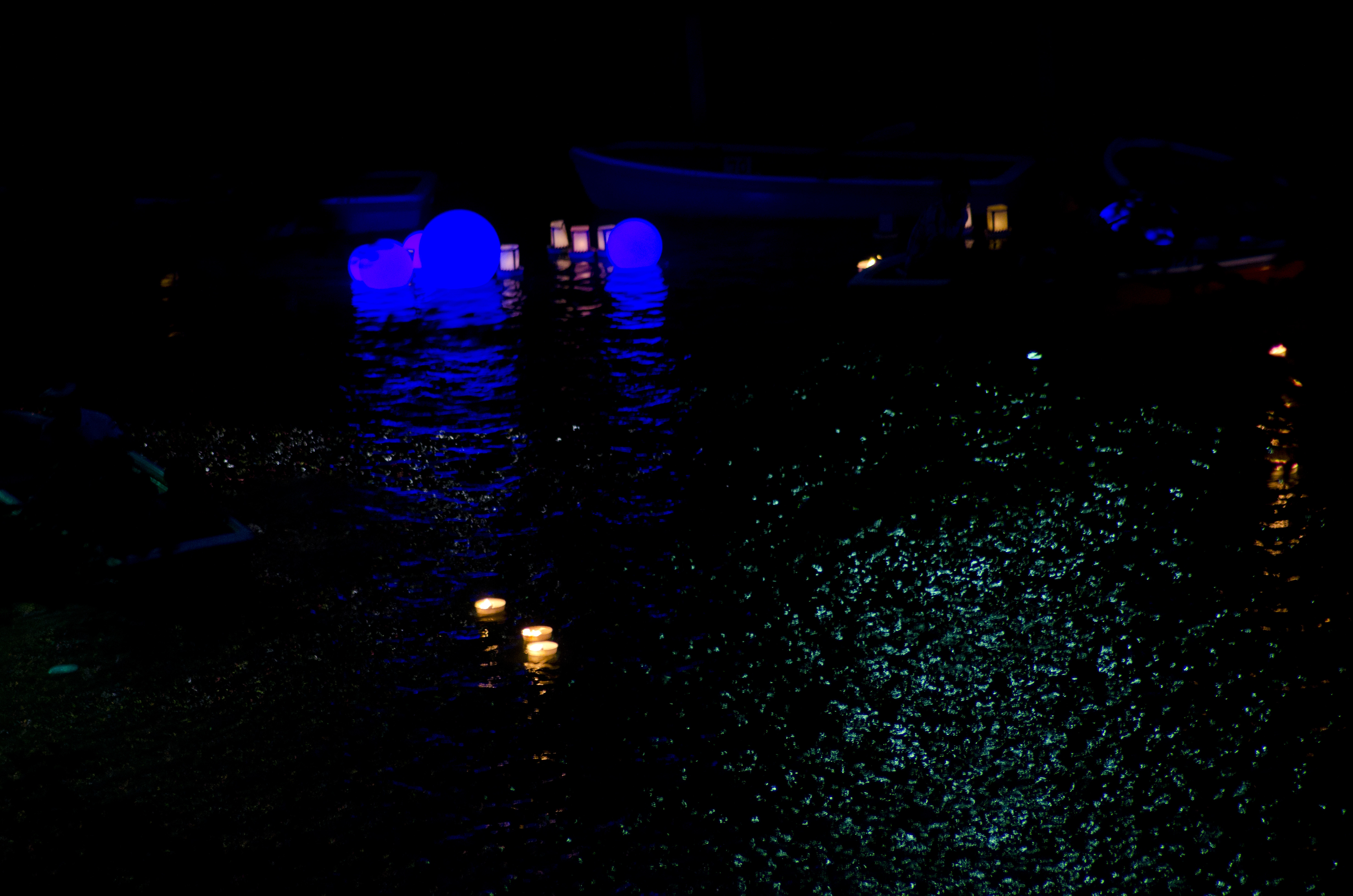
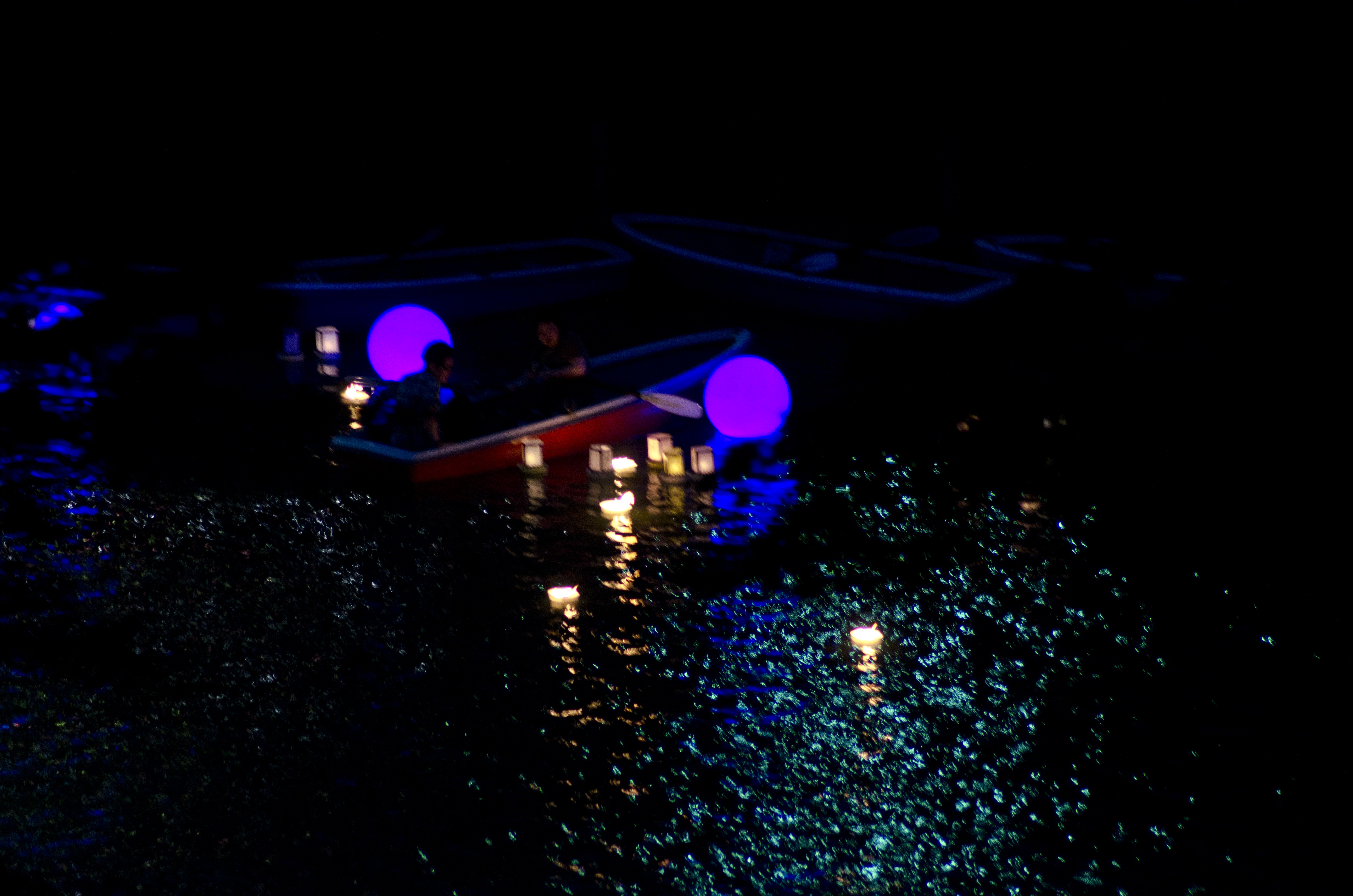
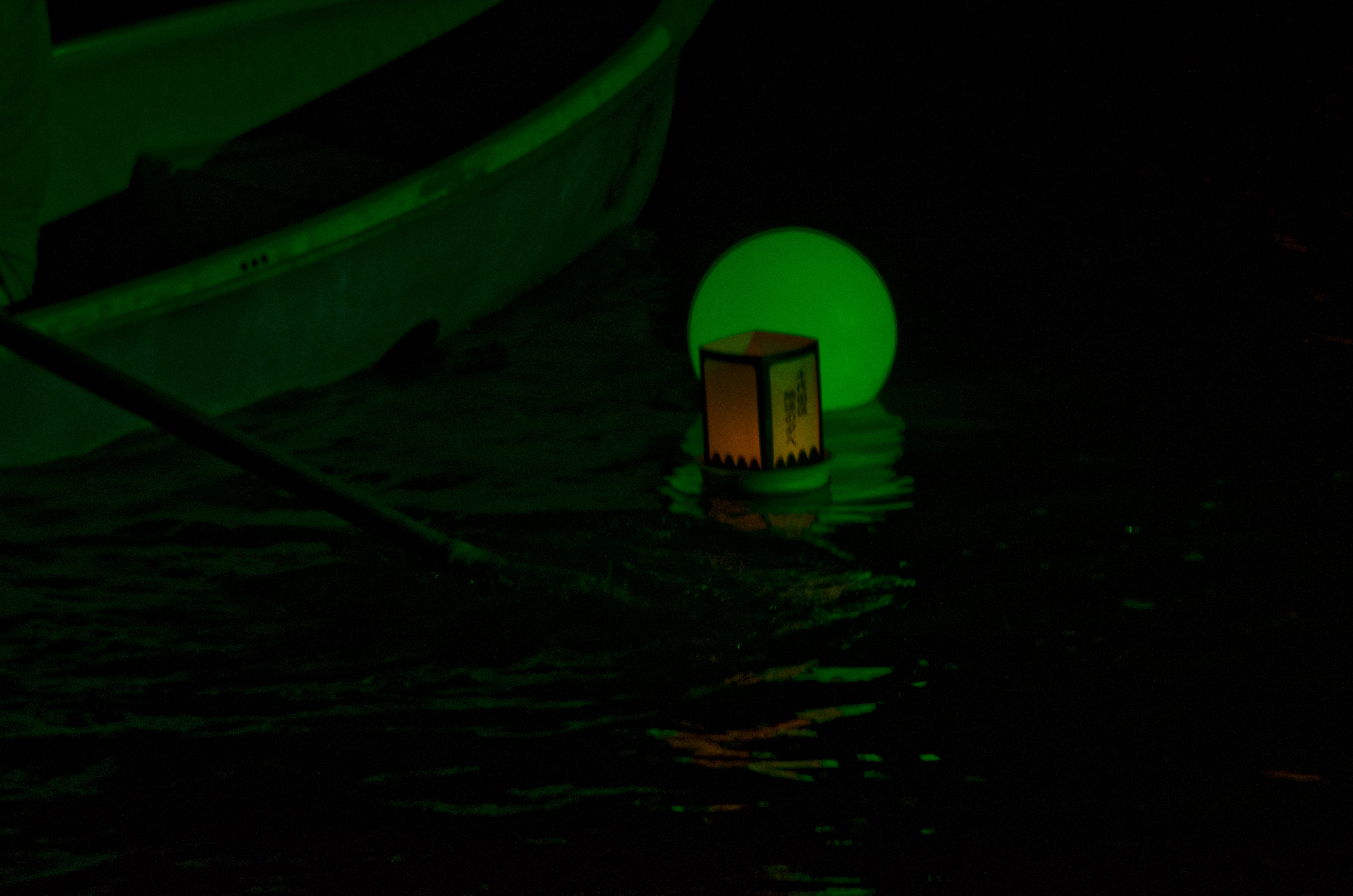
One long train ride later, we arrive at central station at Tokyos’ busiest time day. We made it to the palace just around sunset, arriving to the ceremony just after it started. Then dozens of rectangular lanterns were adrift down the palace moat, accompanied by what can only be described as color-changing orbs about the size of a beach ball. The participants and spectators ranged from fellow tourists to women and men in Kimonos and enjoying the cool summer night air.

DSC_1445 DSC_1447


After taking our share of photos, we ventured across the street, and shuffled our way through the hoards of people to indulge in the festivals food and drink.

We’ve All Got Motive

A couple months ago, I was sitting in the top bunk of my hostel, bundled under blankets and half hanging off the bed to chat with my English roommate. We noticed something; we are about the same age, and we are part of a small demographic of backpackers. Not only that, there seemed to be a correlation between age, and why you were traveling. Granted, those age lines could blur, such as having a ‘gap year’ before you start University, or after University, and before grad school or the dreaded real world.  In this episode of CSI: Travel, here are ‘6 Motivators’ that we came up with:

THE JOB SEEKER:

AGE: Late Teens to Late 20’s
REASON FOR TRAVEL: Usually on a Working Holiday trying to get some money together while they travel. Usually “saving” for something, or getting career experience abroad.

THE UNI STUDENT:

AGE: Early to mid 20’s
REASON FOR TRAVEL: Study Abroad, Learning a specific topic, or on a short travel stint between semesters.

ABANDON ALL:

AGE: Early to late 20’s
REASON FOR TRAVEL: Something went south back home (lost job, family member passed away.) On several occasion’s its been the ex caught with the best friend, where they go off to build/rebuild their life without the insignificant other.

PARTNER:

AGE: Mid to late 20’s
REASON FOR TRAVEL: Along for the ride! Significant other/family member/best friend planed the trip and wanted a travel companion.

SOUL SEARCHING:

AGE: All ages
REASON FOR TRAVEL: To discover something. They set out with no goal or destination, but want to explore who they really are, and search for truth (either on a personal or spiritual level.)

GOAL SETTER:

AGE: All ages
REASON FOR TRAVEL: Its been a lifelong dream to [fill in your deepest world travel desire here]. Be it see animals on safari in Africa, climb the Sydney harbour bridge, or learn to make pasta from an Italian chef in Italy, there is a reason you are in the area and a direct goal you are trying to achieve.

I would like to give a shout out to Oli, who spent an afternoon with me bouncing the ideas back and forth.