Tag Archives: History

12 hour Tokyo

Tokyo, where the future comes from. If it is cartoonish or technological, obscure modern fashion or traditional culture, you can find it in Tokyo. But what if your time to explore Tokyo is limited? what can you see/do that will result in the full Tokyo experience?

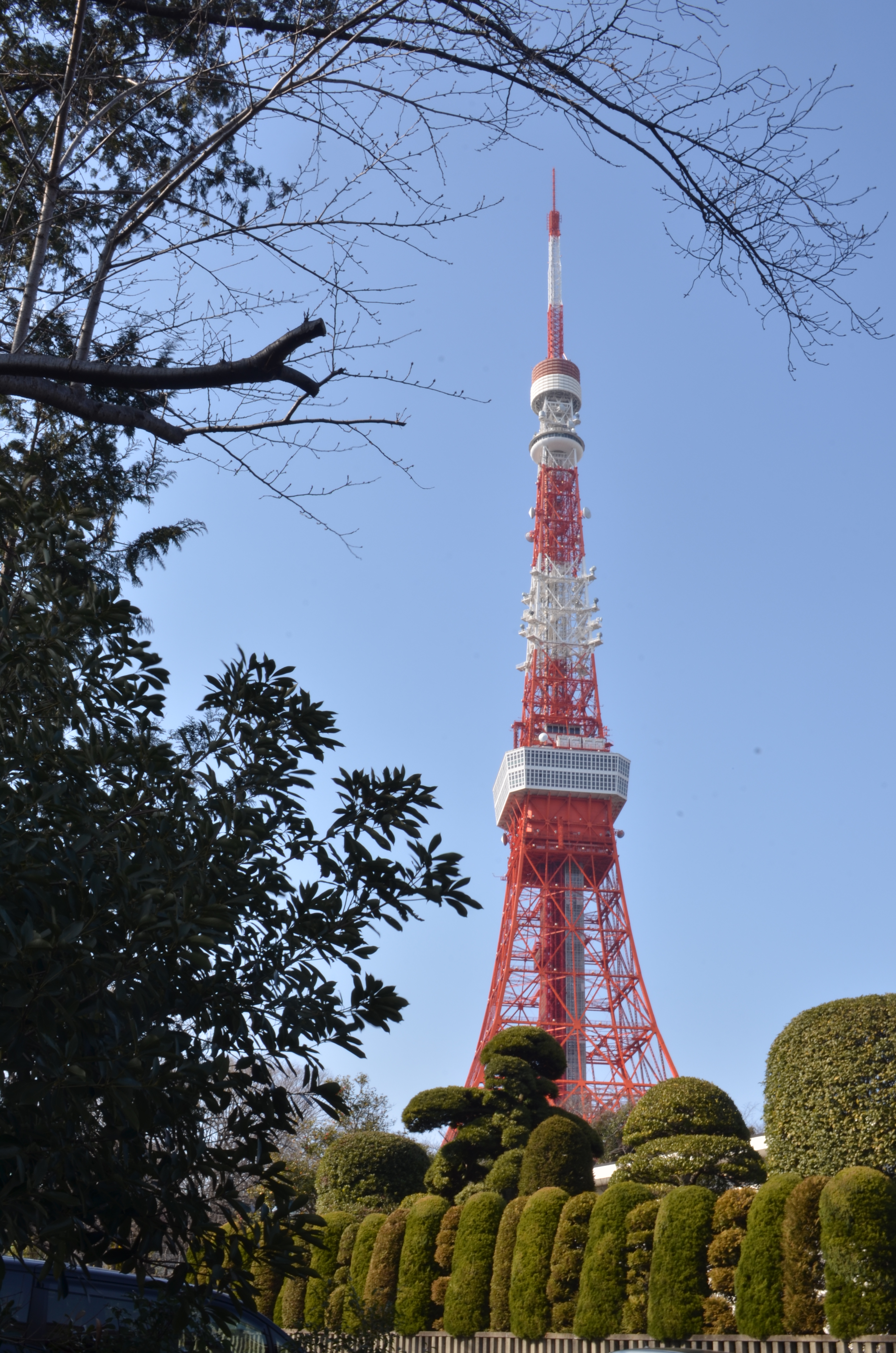
1. Tokyo tower

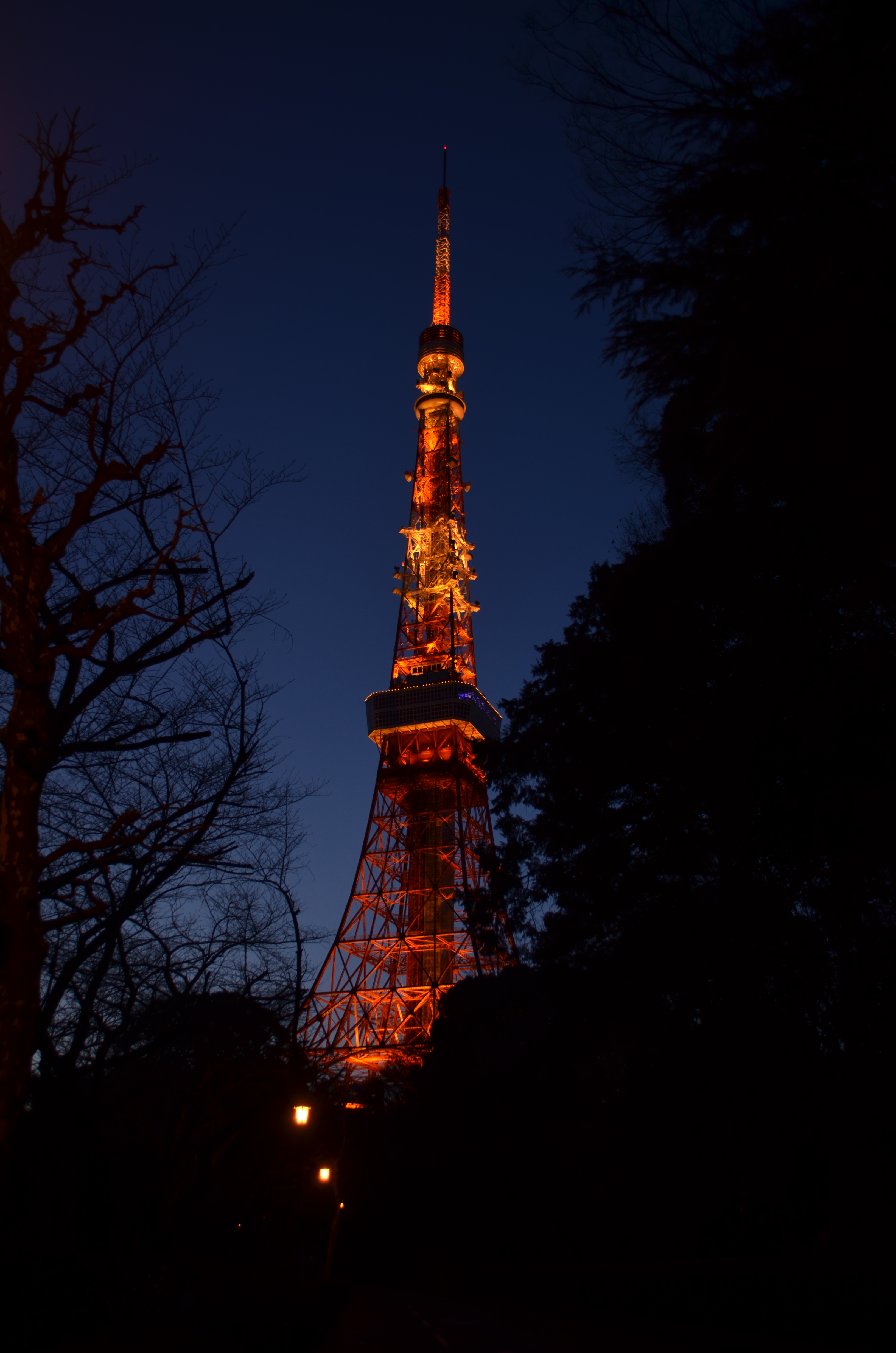
The red Eiffel-tower-looking structure in the heart of the city is a must, day or night. During the daylight hours you can take an elevator to the primary viewing platform which can see out over all of Tokyo (and on a good day, see Mt. Fuji). for an extra 700 yen (adult price) you can go up to the highest viewing platform.

Im not sure if you can take the elevator down, (im sure you can if you have a disability,) but I decided to put my young legs to work. Did you know that there are 600 stairs to come down from the main viewing platform. You need to go through the two layers of the 3 story platform, which house cafes and souvenir shops, and down a zigzagging red tunnel of stairs.

In the daytime, the tower is noticed soaring 333 meters (1,092 ft) above the surrounding buildings, and when coming from the JR train station or Dimon subway station, it can be seen accenting an old temple and gate that welcome you to the tower park area.  At night, the tower is lit up like a constant firework, seen throughout most of the city.
DSC_5763DSC_5699

2. The Hie Shrine

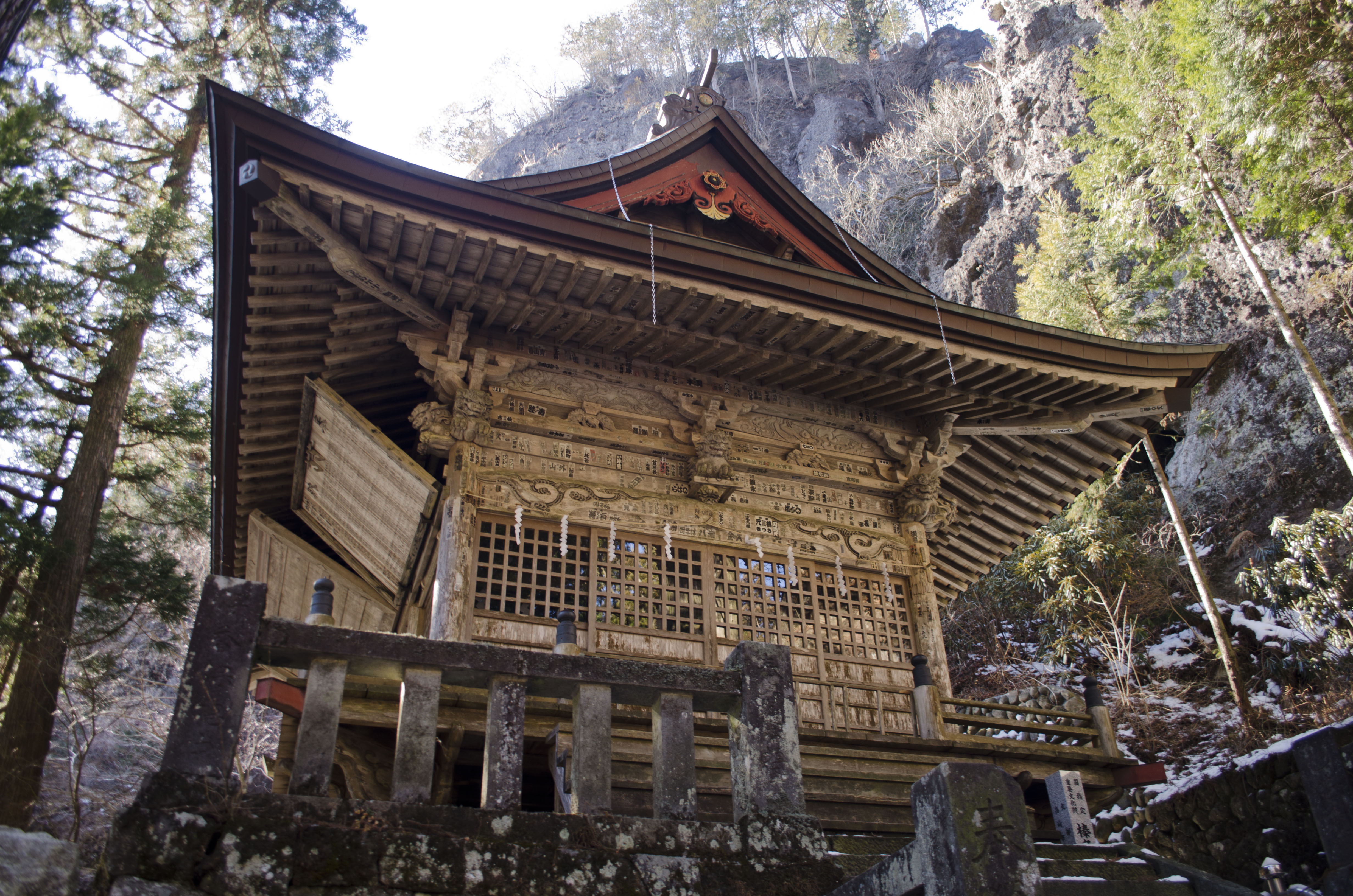
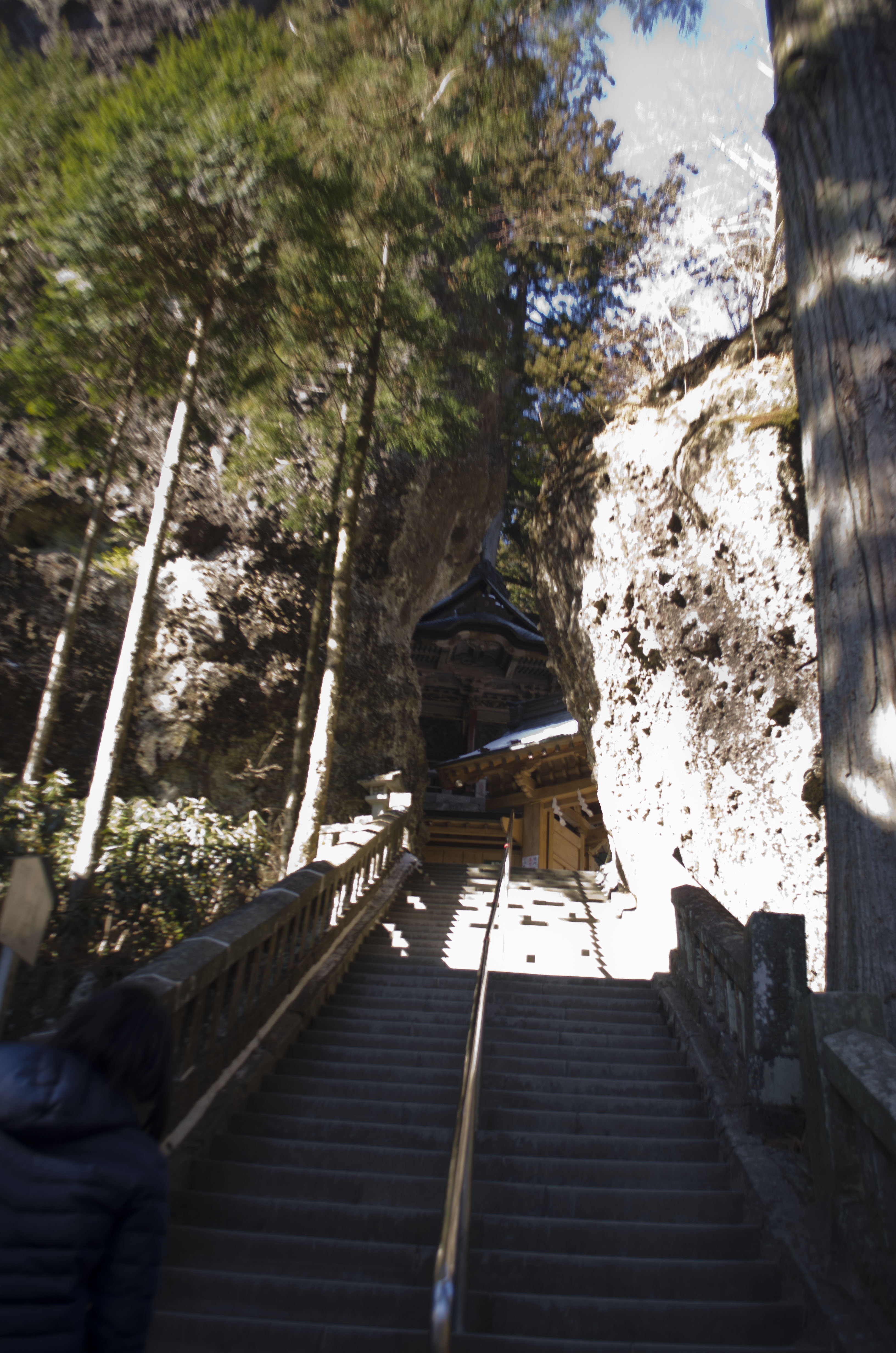
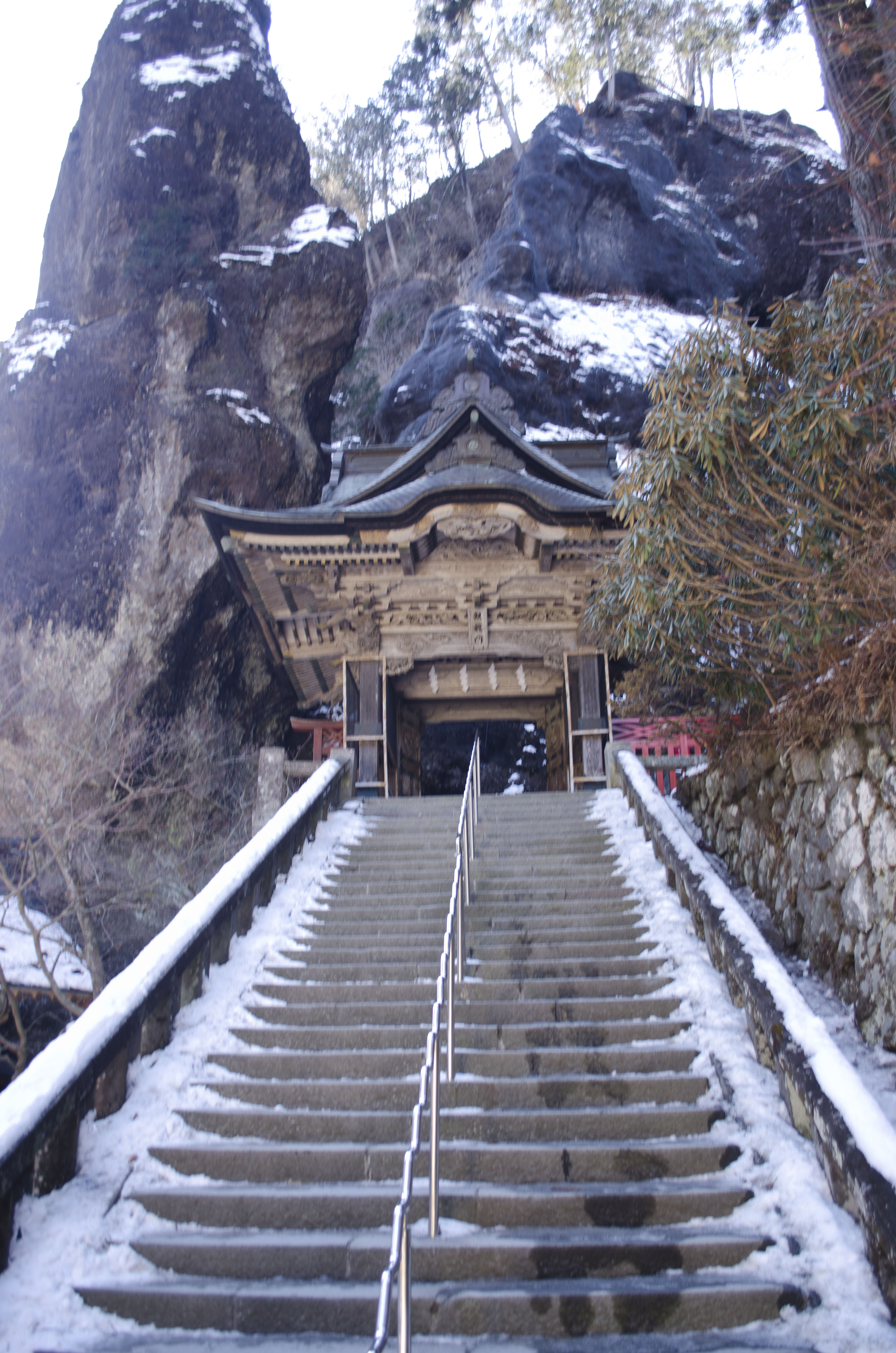
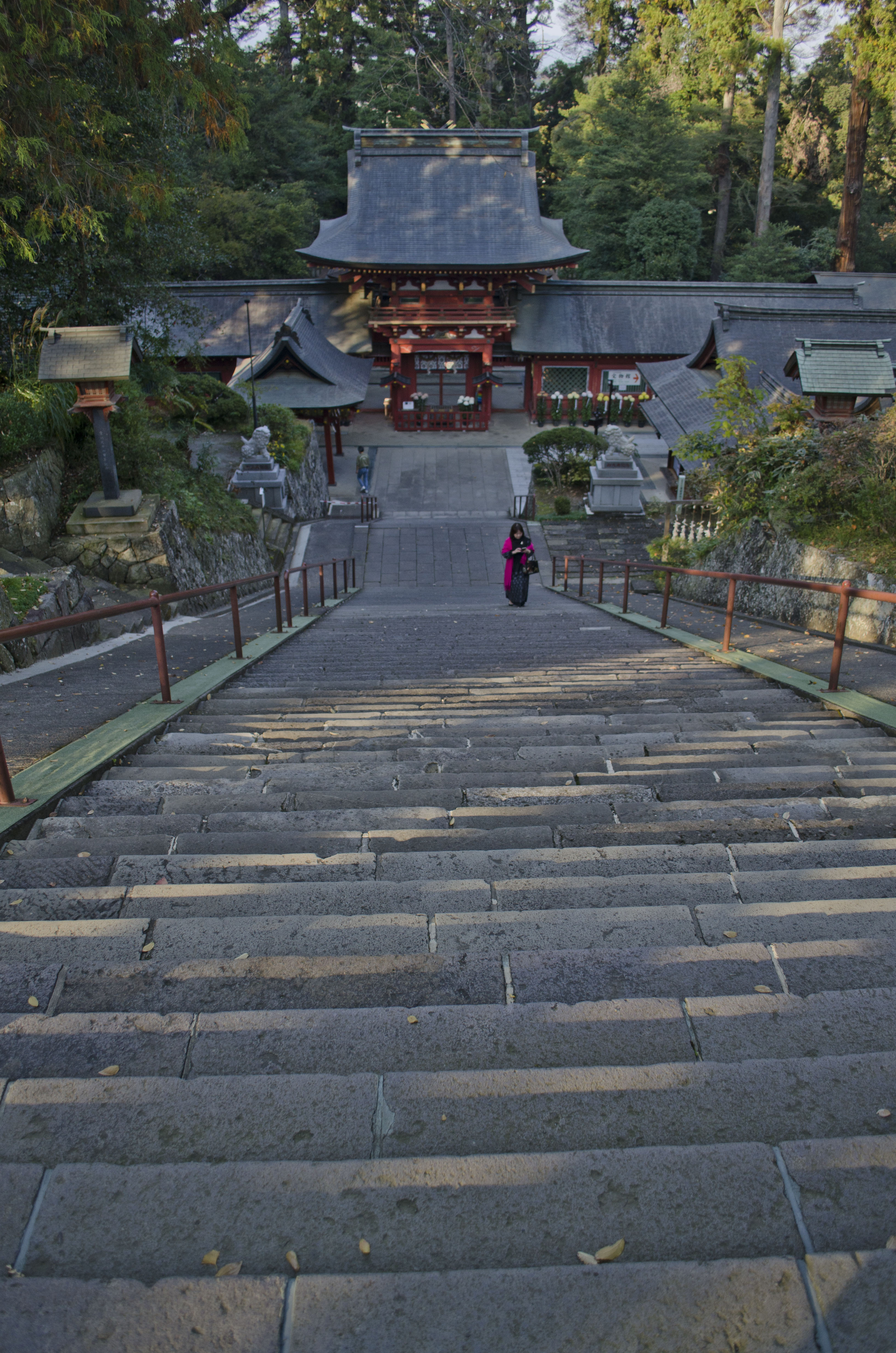
This underrated shrine doesn’t make it to a lot of guide books, and even many of my Japanese teachers hadn’t heard of it. about a thirty minute walk from Tokyo tower, the Hie shrine sits atop a hill in the middle of the city. The main gate and temple, which are ornately decorated and worth a visit themselves, block from view a photographers dream. The shrine, which cosists of many consecutive shrines that turn a stairway into a tunnel, was surprisingly not crowded. It is hard to that that “perfect picture” though, as many people do stick their head in on the opposite side of the tunnel to get a photo themselves. communication here is pretty universal, with waving to the other person then stepping out of the line of sight, and taking turns.
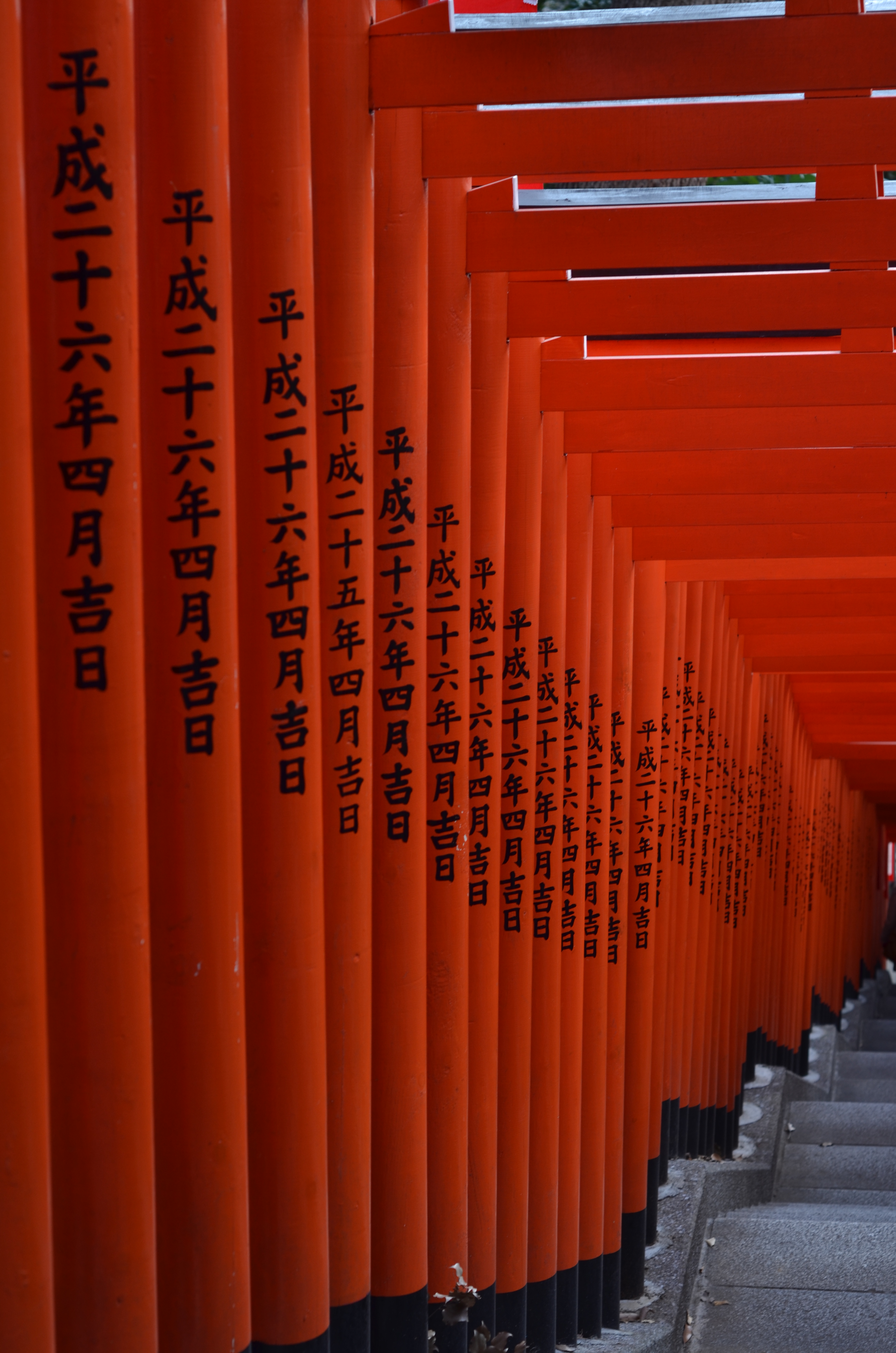
DSC_5719DSC_5720

3. Tokyo Sky Tree

So you were impressed with Tokyo tower, but feel that you werent high enough? well then, there is the Tokyo Sky tree, which is 634 meters (2080 ft) tall and towers over even the tallest office buildings in Tokyo. To go to the viewing platform is 2,000 yen (~20 usd).

4 . Asakusa Temple/Senso-ji

Fairly close to the sky tree is the Asakusa temple, or Senso-ji, which is the temple for the Buddhist goddess of mercy.

5. Capsule Hotel

You’re in Tokyo for 12 hours. Maybe you are spending the night, maybe you want some place to crash between flights. Try out the futuristic Capsule hotels. Sorry ladies, there are very few that cater to women, since the idea started as a cheap accommodation for businessmen traveling into Tokyo. With it being the 21st centery and all, but the number that have sections for women are growing.

6. The owl restaurant

This I haven’t been to personally, but was made aware of by a friend who had traveled in to Tokyo for a weekend of fun and exploration. The owl restaurant requires that you sign up ahead of time for a one hour time ut where you get to hang out with an owl. It opens at 10 and spots fill up fast.
Episode MMXV: Return of the Gypsy

With a month left before I journey back to the land down under, my busy schedule hasn’t allowed for much video editing. So here it is: TravelGypsea’s Japan, Episode 2. Im doing this one a bit different with an article to narrate, and instead of photos, a video to accompany.

At the end of last year my Japanese class that I have been taking arranged a small Christmas party and had a Christmas lunch of Mexican food for me on Christmas morning. At the Christmas party, many more students who attend the Thursday night class came. The girls from Singapore serenaded us with carols, and some of the ladies dawned their Hawaiian dresses for a hula which then taught to us. (Yes, I did ware a big poofy-skirt and lei. It was wonderful.)

About a week later, I had the opportunity to go to Nagano for a couple days to ski and see the snow monkeys. (I wrote a previous blog on the adventure.)

Last week my Japanese sensei’s surprised me again with arranging for a tea ceremony master/teacher to come in and perform a tea ceremony for us. Not only did I learn how the ceremony is conducted, but she taught me how to do it!

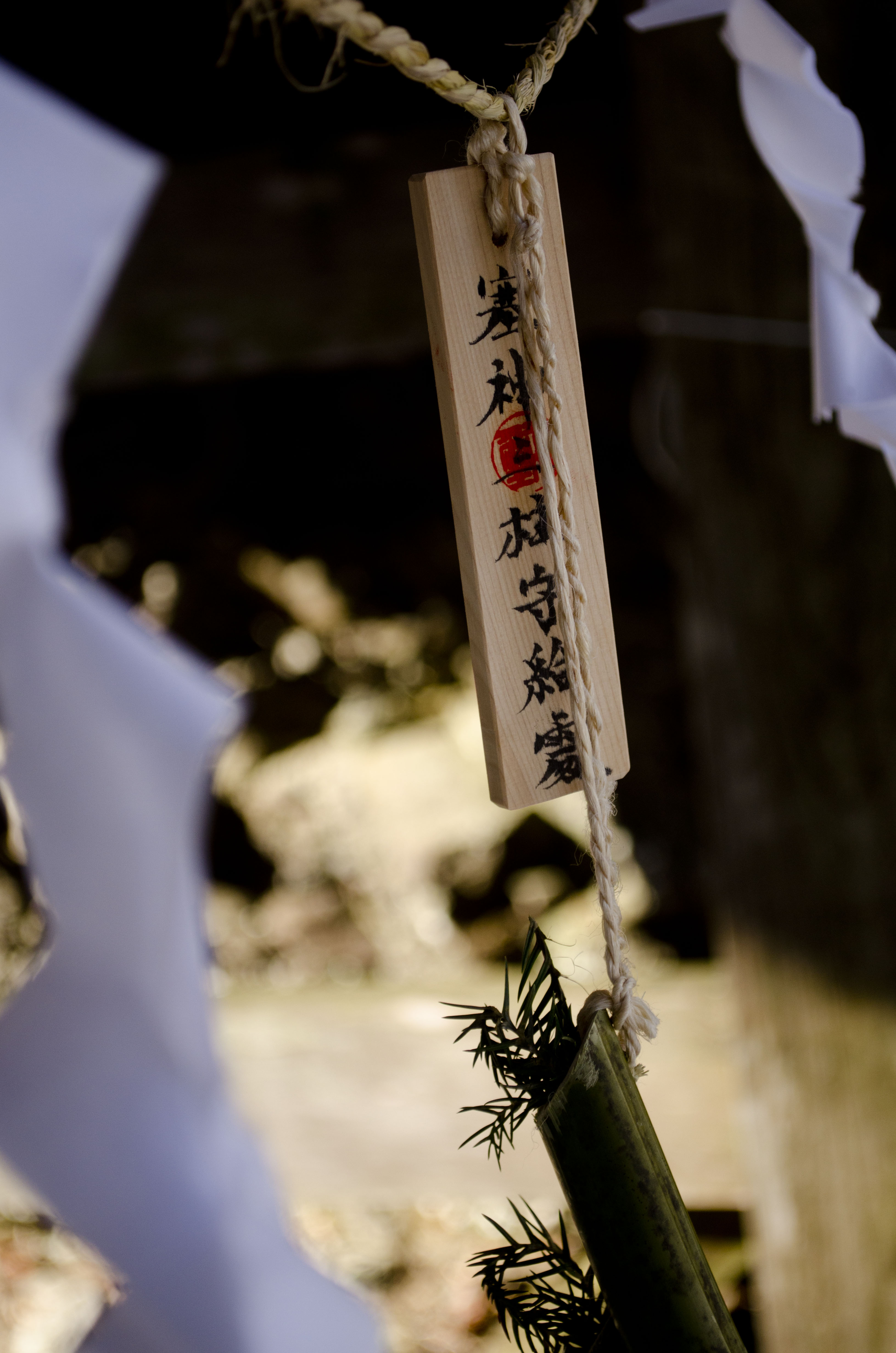
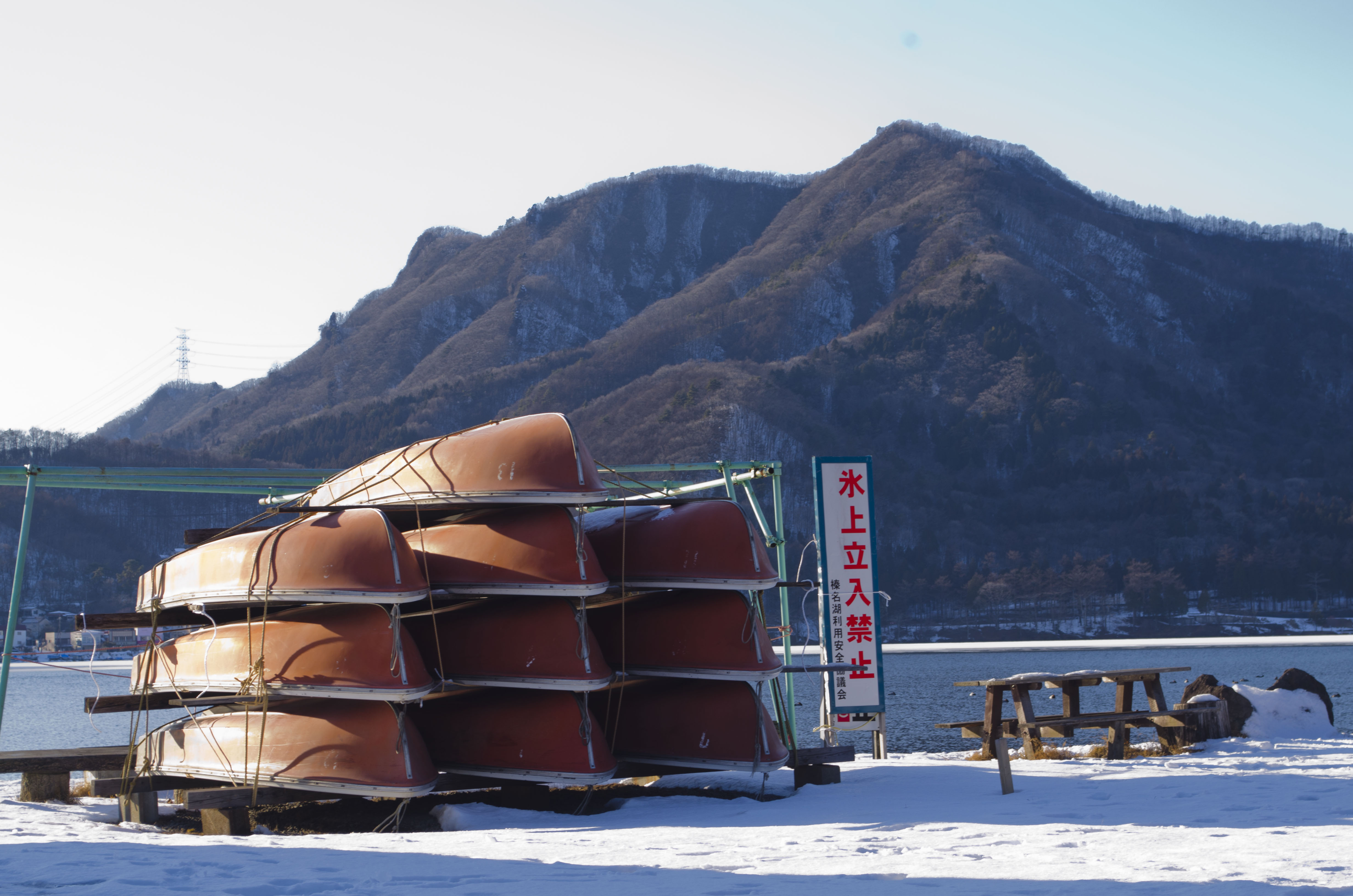
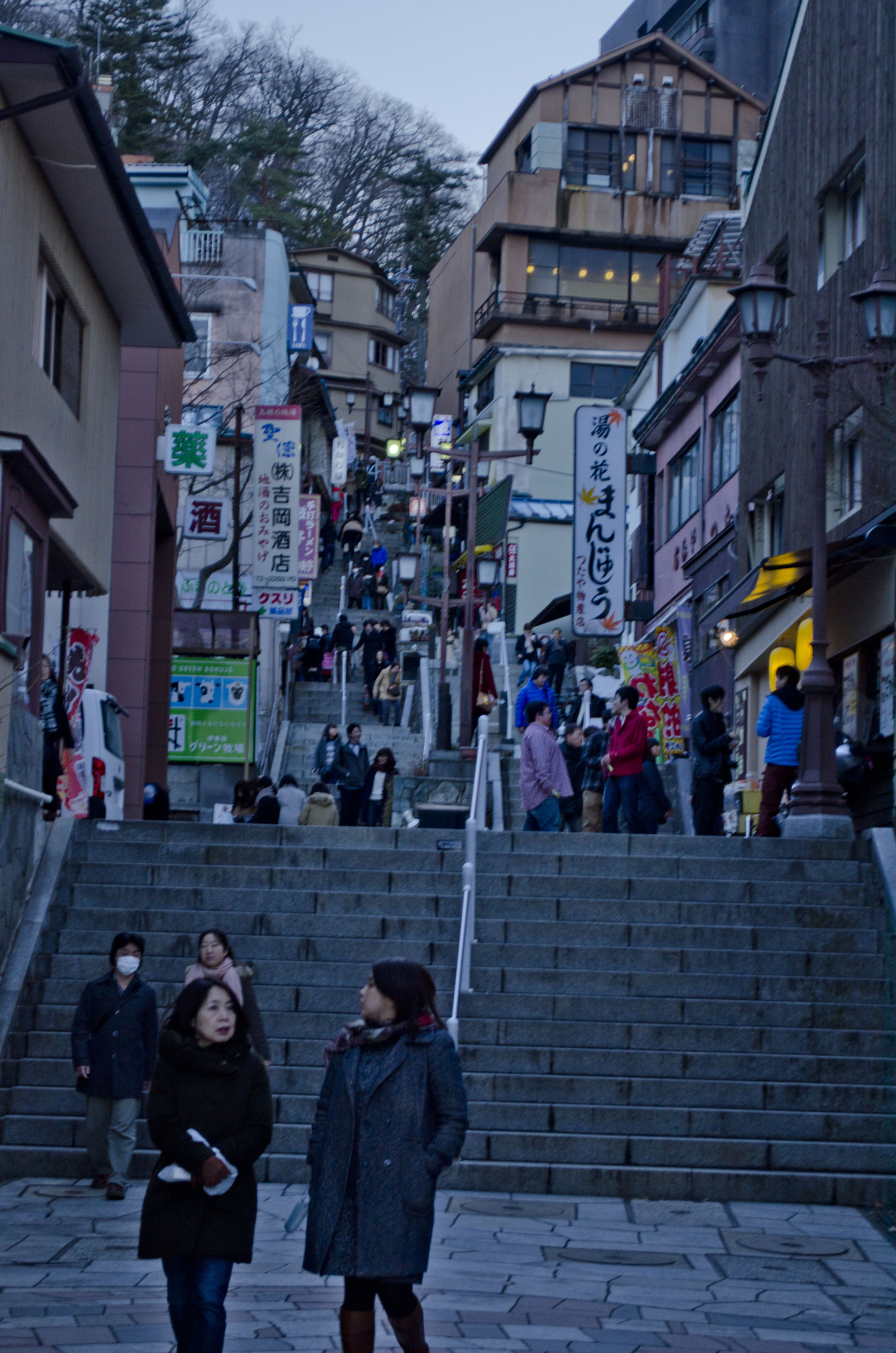
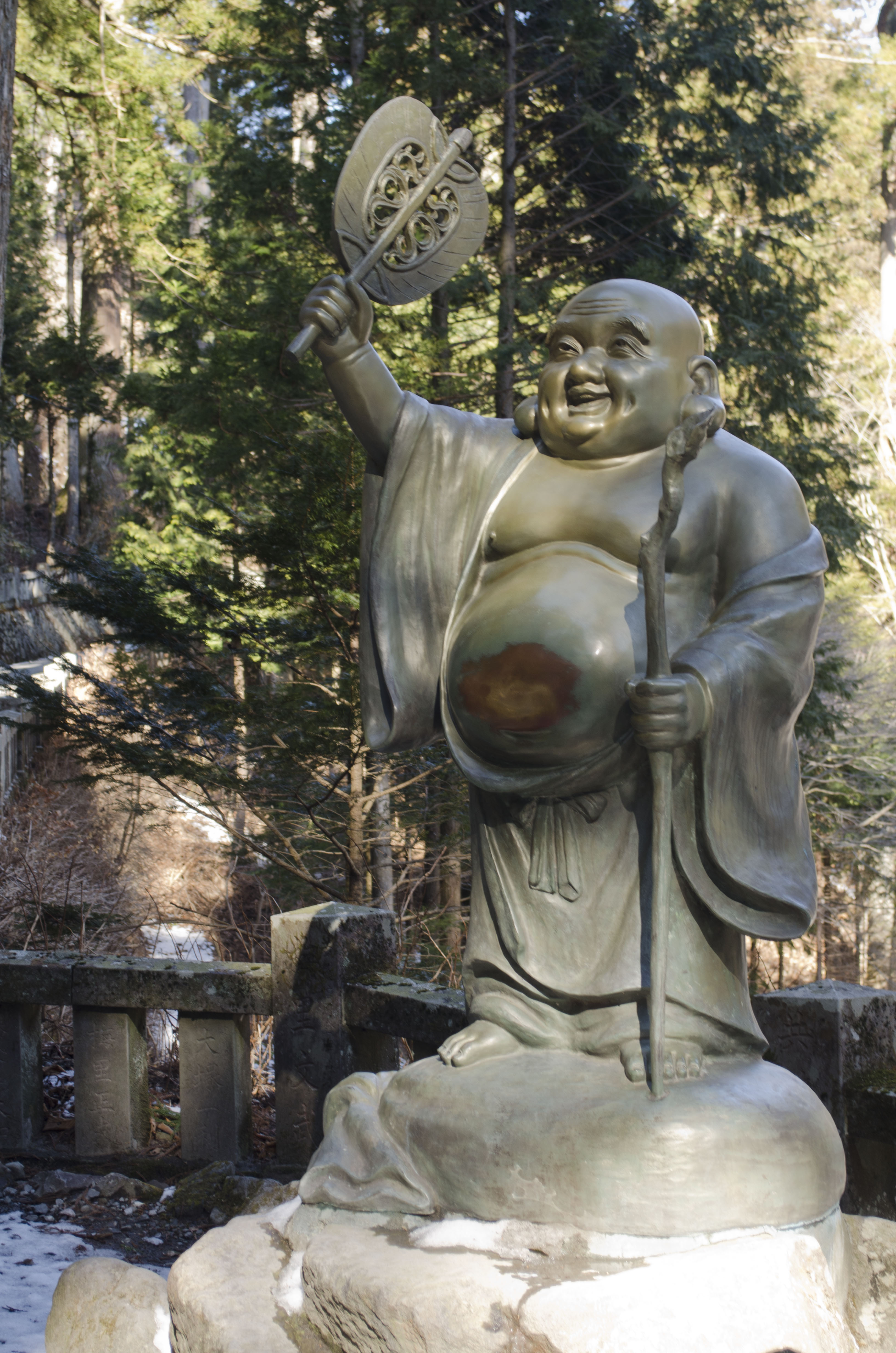
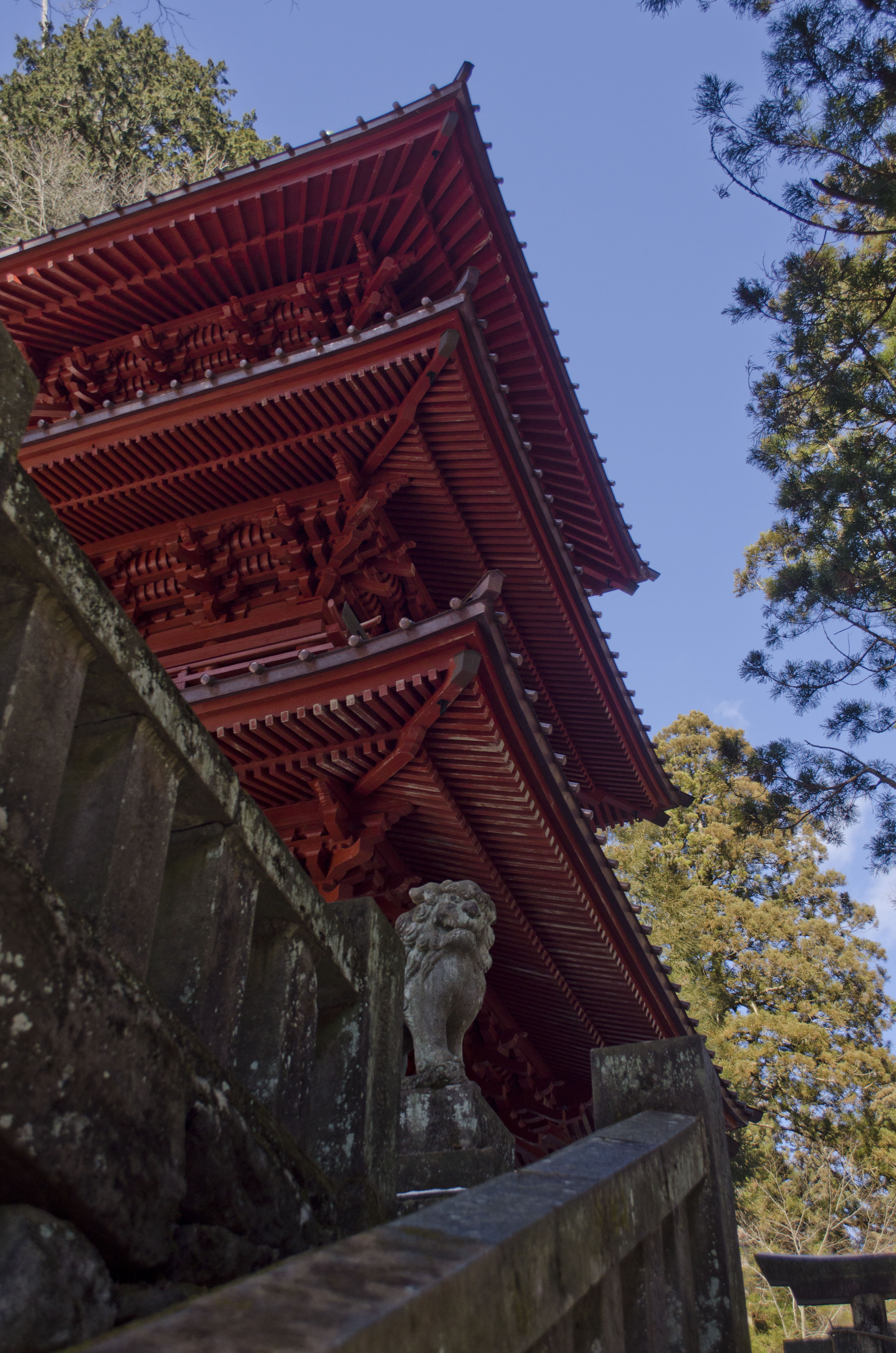
My adventures have continued with a wonderful photographic tour with a good friend and her little brother who both speak English. We went to two temples around the Takasaki area, and a wonderful lake. The recent snow that had detoured people from the outdoor sights created some breathtaking views and a magical photographers playground.

DSC_5371 DSC_5375 DSC_5416

DSC_5417 DSC_5418 DSC_5440 DSC_5443DSC_5517 DSC_5622

Like my facebook page for more photos and updates! http://www.facebook.com/kikilathropphotography

The Monkeyless Monkey Expedition

DSC_4345

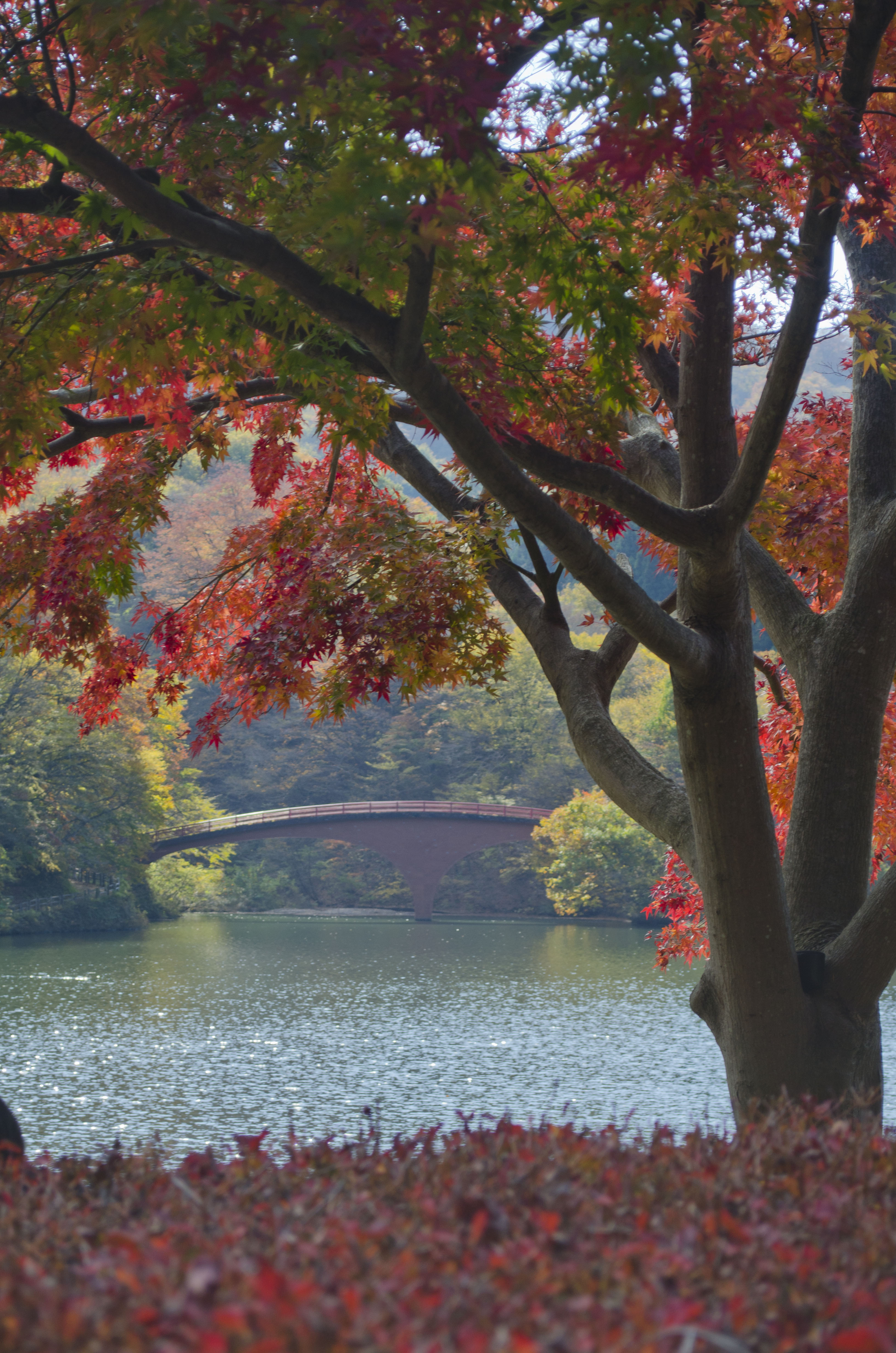
As you can imagine, both as a photographer and an anthropologist, the idea of my first sighting of wild primates had me excited all last week. The previous week there had been a family of just under a dozen spotted in a tree of a lakeside parking lot. My co-worker who had seen the fuzzy gang offered to take me to the distant lake this last weekend, in hopes that the band would be visiting again. Sadly, as we pulled in there was no sign of the monkeys, nor did they show for the rest of the day. What we did see was an amazing change of color from the trees that surrounded the lake, the bright red, yellow and green of the trees, and the blue of the water and sky. Usui lake, which is located a short drive from Tomioka, is surrounded in postcard scenery and and historic culture. The old railroad that ran beside the lake has long since been deserted, and was converted into a walking trail. The long, dark, hand built tunnels echo with the shuffling feet, with the ash stained roof overhead as a reminder of its original use. Along the path is the large railroad bridge, and the final stop of the trail is the old station.

When leaving the trail, you pass a visitors center/shop on the main highway. the shop houses a small food court that offers a rice dish that is comprised of many of japans cuisine staples. From shiitake mushrooms, to Japanese pickles, to the hard boiled quails egg, the sensation can only be described as a rush of flavors. (You even get to keep the ceramic pottery rice-cooking bowl, stamped with the station name in Kanji, when you are finished.)

After lunch, we ventured to some of the shrines, where my co-worker (and acting guide) taught me some of the customs of shrine etiquette, explained the telepathic relationship of the A-Um (‘ah-oom’, the two statues that protect the shrine. The open mouthed ‘A’ statue and the closed mouthed ‘Um’ ‘don’t need to speak to communicate. They understand each other.’) By the entrance to the shrine, are three large cedars that are designated a ‘power center’. wrapped around the trees was a cord with strips of paper attached. Those pieces of paper are fortunes, and when you are done reading your fortune, you tie it onto the cord.

Each temple has different gods that it is dedicated to, and since we were there, I was taught how to pray to the gods of health and well-being. At the entrance to the shrine, there is a wash basin, where you wash your hands and rinse out your mouth before approaching the shrine. standing in front of the shrine, you bow twice, clap your hands twice, silently say your prayer, then bow a last time.

At the last shrine we visited, there was a small girl dressed in a Kimono getting her photo taken in front of the shrine. My co-worker explained that there is a celebration that is held here for girls who are 3 and 7, and boys who are 5, to get dressed up and visit as many shrines as they can and take a photo.

DSC_4397

Tomioka Silk Mill; The UNESCO world heritage site

(Written for The Heritage Travels)

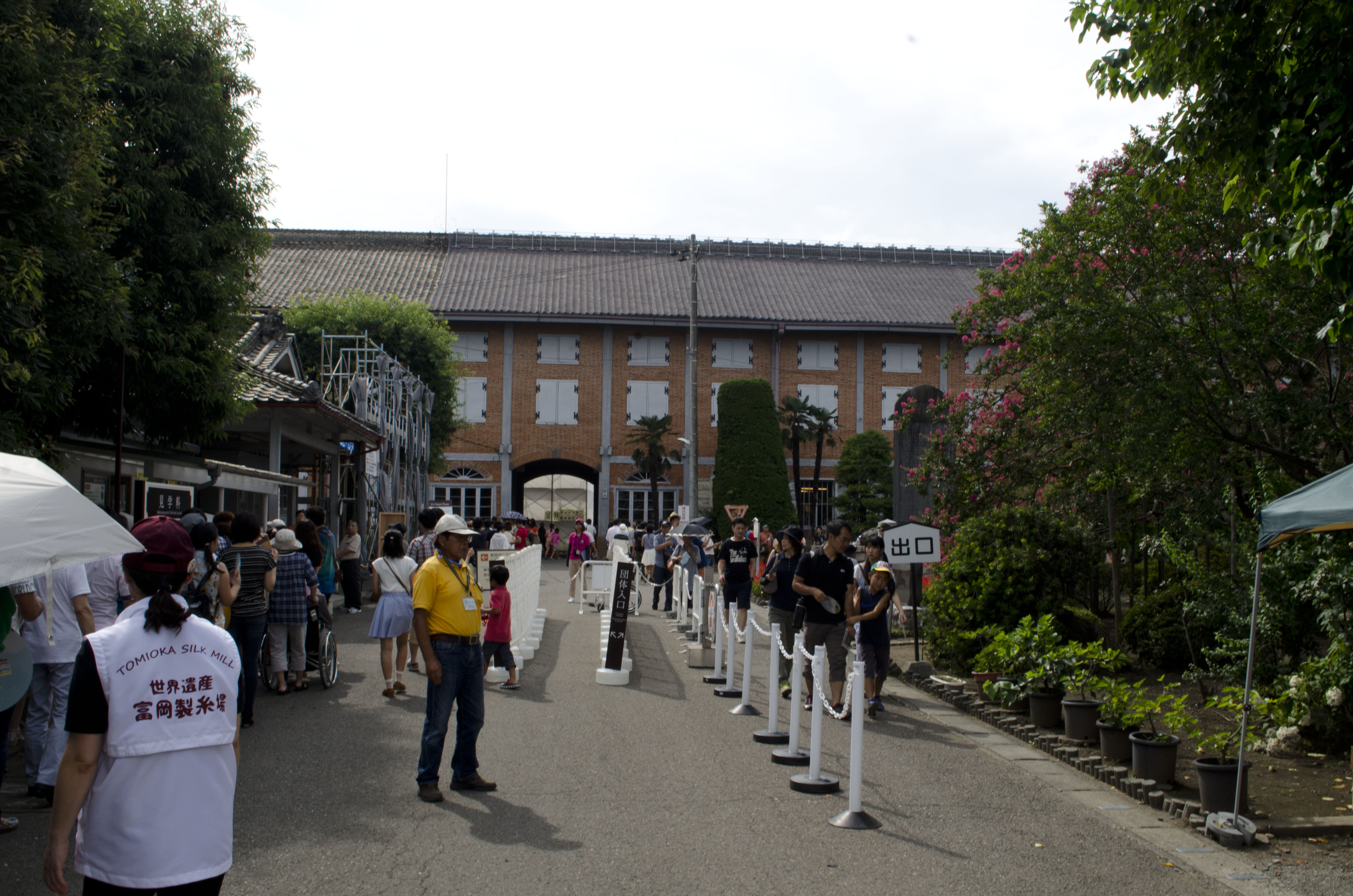
Tomioka Silk Mill, the latest UNESCO world heritage site in Japan, sits along the river in the south of Tomioka. When I sit at my desk, I can see the tall chimney from my window and with summer break, why not? It was only a few blocks away.

I loaded up my bike basket with my camera and a bottle of water, and rode in the direction of the mill. I could tell when I reached it, since the crowds became impassable. On my first pass the line to get in was building, and for lack of bike parking, I rushed to store the bike nearby and join the cue. The small admission fee (500 Yen for adults, 250 Yen for university and high school students, 100 yen elementary and junior high students, and 1 child/disability with 1 accompanying free,) goes to the preservation and restoration of the buildings.

DSC_2514

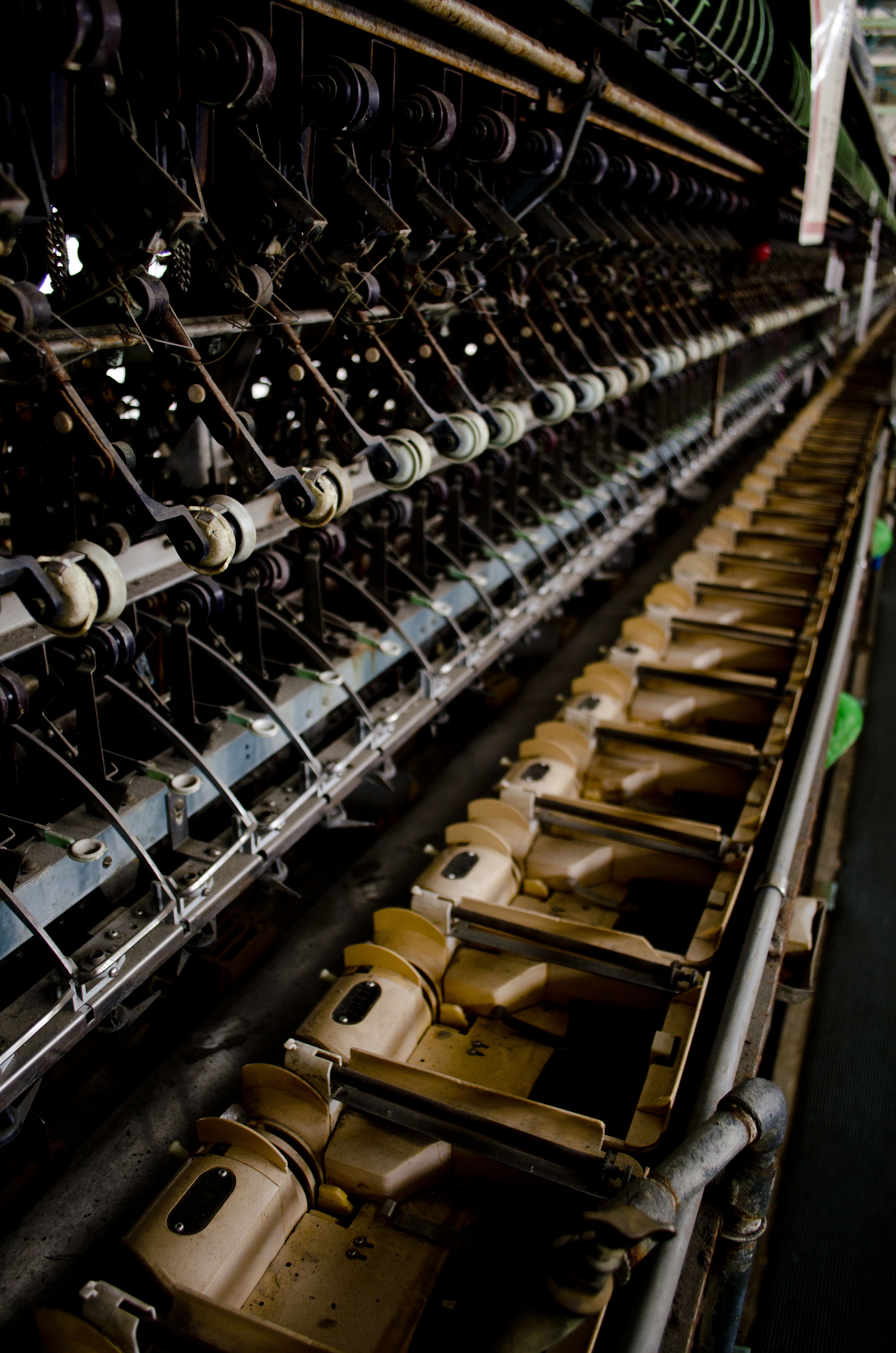
Constructed in 1871, the long buildings still house some of the equipment, and displays some of the machinery that was lesser used. While free Japanese tours are offered hourly, a self guided audio tour in English can be accessed via smart phone, using the QR code provided at the entrance. (Other languages offered include; Japanese, Italian, Chinese and Korean.) They also provide English maps upon entry, with the quarky historical facts such as the delayed employment to initially run the mill because there were French workers and their red wine was mistaken for blood. (I wouldn’t want to work with people who drink blood either.)

DSC_2495

The mill had shut down in 1987 after being in Operation for 115 years. With the loss of work in the area, Tomioka went from a factory town, to a sleepy mountain town until 2005, when the buildings were designated as a National Historic site, which increased the tourism in the area, giving the town new life. Two years later in 2007 the site was picked up by UNESCO as a world heritage site.


Written by Kiki Lathrop

Kiki is a writer, photographer and archaeologist from Colorado. Growing up on a sailboat in the Caribbean, she was introduced to different cultures early, and it fueled her passion to experience the world first hand. Over a year has passed since she set out a solo female traveler, only to discover that we in the travel community are never alone. You can read up on her stories and adventures at her website.

Please check out Kiki’s website, travelgypsea.wordpress.com, for more inspirational and educational posts!


Small town charm

The pub, which has a rich history in the community, is located at the main (and only) intersection in town.
Built in the 1920’s, it had undergone a few renovations because of fires and remodeling, revealing a spooky set-up. A room under the stairs existed since the building was rebuilt after a fire in the 1930’s, with no way in or out. Before tv and automobiles were in the area. During the latest renovation, that room was opened, as it had no way in or out, (it was effectively dead space) and inside was a stool, and a black and white tv.

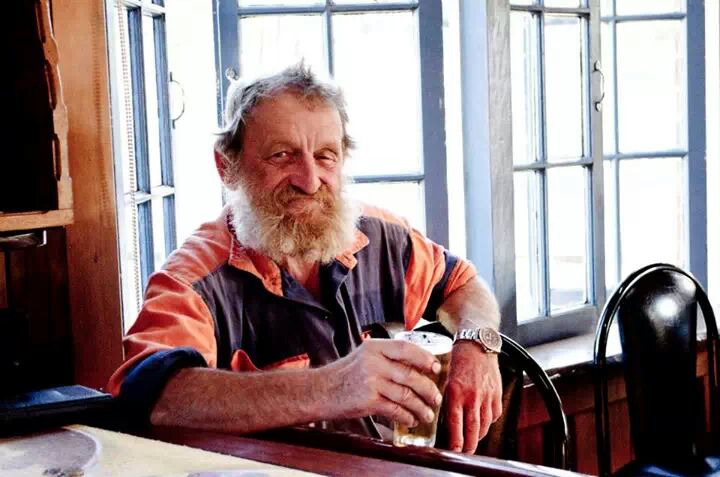
This, and other stories come from Trappa, the regular to the bar with his ‘spot’ along the counter, and knowledge of everything in the town. With a curly beard, age sunk cheeks, and blind out of his drooping left eye, he points at things around the bar, pictures, carvings, and sketches, and delves into their history. After all, he is the one who did the renovations.

image

Within a few weeks of being here, Trapper was sitting at the bar and said how he had two Koalas, a mama and baby, in the trees by his shed. (Just across the a street from the pub.) He called his wife to confirm they were still there. Within 5 minutes, I am fighting the approaching dusk to get as many photos of the koalas I can.

image

Another thing that I have been fortunate to learn from trapper was the histories about his father in law, a lieutenant in the royal Australian air force in WWII. The war hero J.H. Dixon had been shot down, not once, but three times, over both land and ocean. The day after telling me of the successful missions (and realizing my weakness for WWII history) he brought in a case of old photographs and memorabilia from Dixon’s flying days.  One of the items was in old map. While folded neatly and tucked into its plastic sleave, it looked like any other map, roads and cities plotted against the yellowing medium. But it wasn’t paper. The map was a silk scarf used by pilots who, if shot down, could use the maps for navigation, and conveniently, warmth.

image

The locals have been very generous with offering to show me around. From geological forms, to taking me to get photos of cattle being mustered, to giving me contacts for the quicksilver pro, the people here are as excited to show me the ‘real Australia’ as I am to see it.

image