Tag Archives: Cultural

Episode MMXV: Return of the Gypsy

With a month left before I journey back to the land down under, my busy schedule hasn’t allowed for much video editing. So here it is: TravelGypsea’s Japan, Episode 2. Im doing this one a bit different with an article to narrate, and instead of photos, a video to accompany.

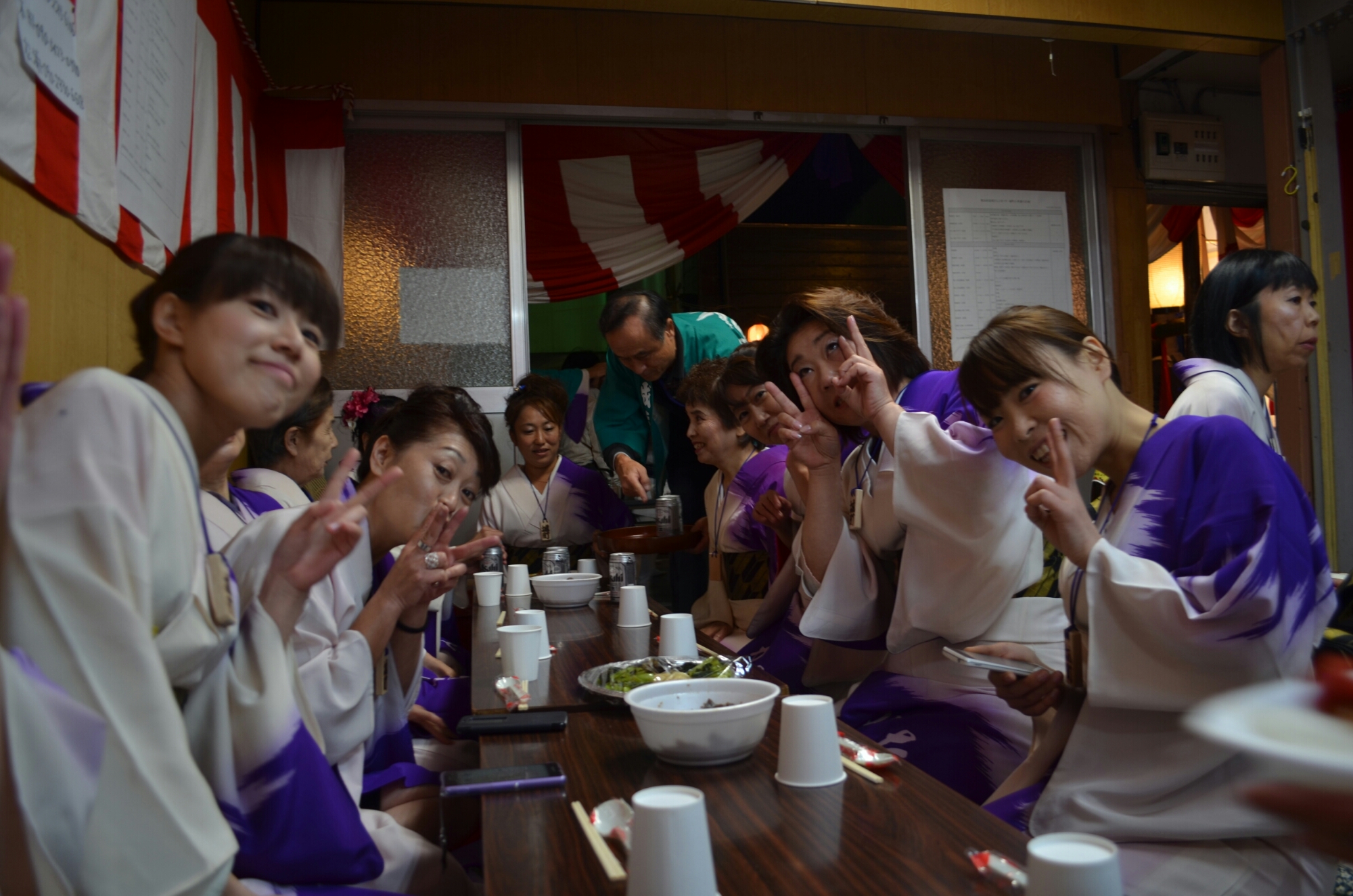
At the end of last year my Japanese class that I have been taking arranged a small Christmas party and had a Christmas lunch of Mexican food for me on Christmas morning. At the Christmas party, many more students who attend the Thursday night class came. The girls from Singapore serenaded us with carols, and some of the ladies dawned their Hawaiian dresses for a hula which then taught to us. (Yes, I did ware a big poofy-skirt and lei. It was wonderful.)

About a week later, I had the opportunity to go to Nagano for a couple days to ski and see the snow monkeys. (I wrote a previous blog on the adventure.)

Last week my Japanese sensei’s surprised me again with arranging for a tea ceremony master/teacher to come in and perform a tea ceremony for us. Not only did I learn how the ceremony is conducted, but she taught me how to do it!

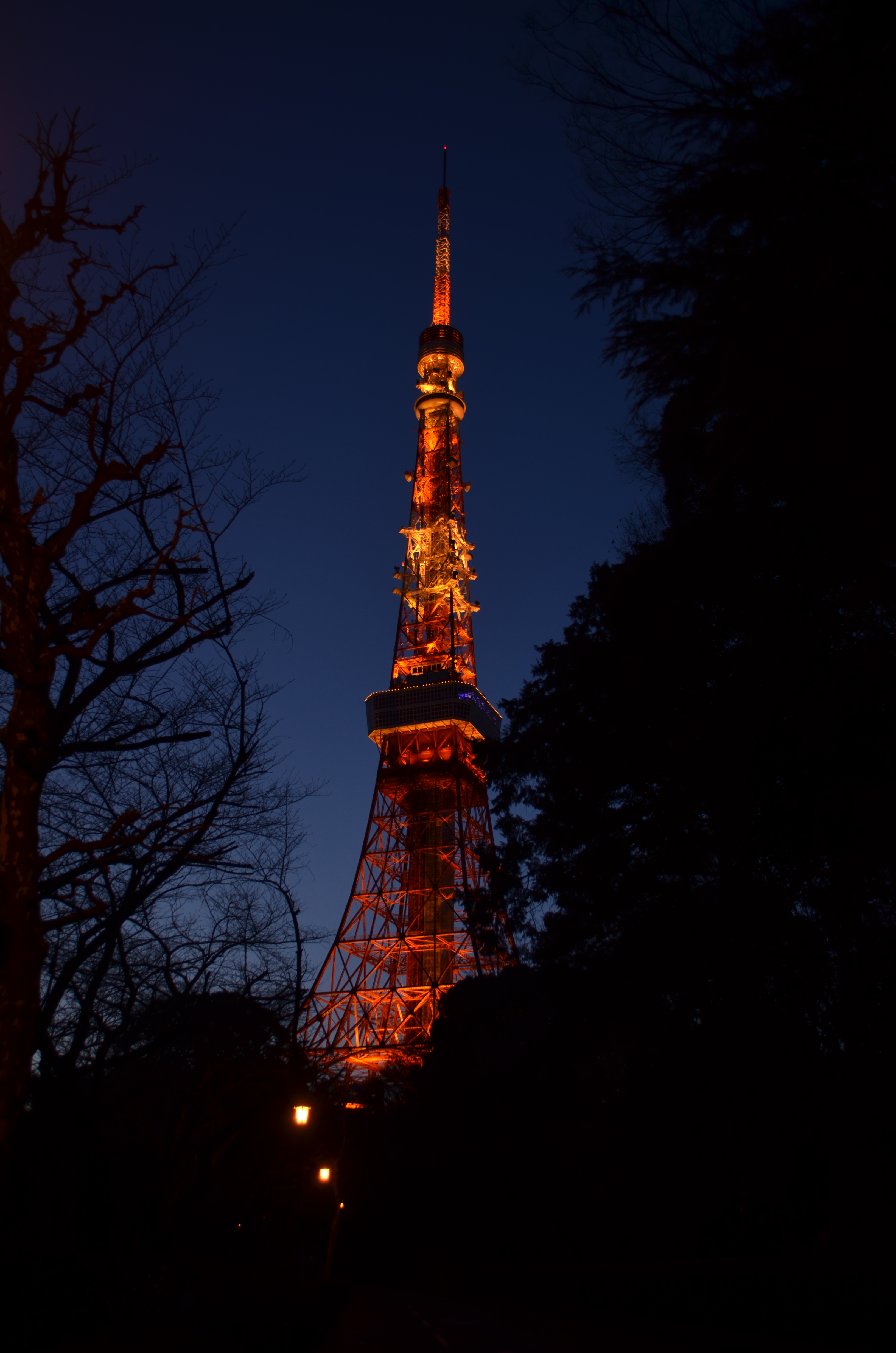
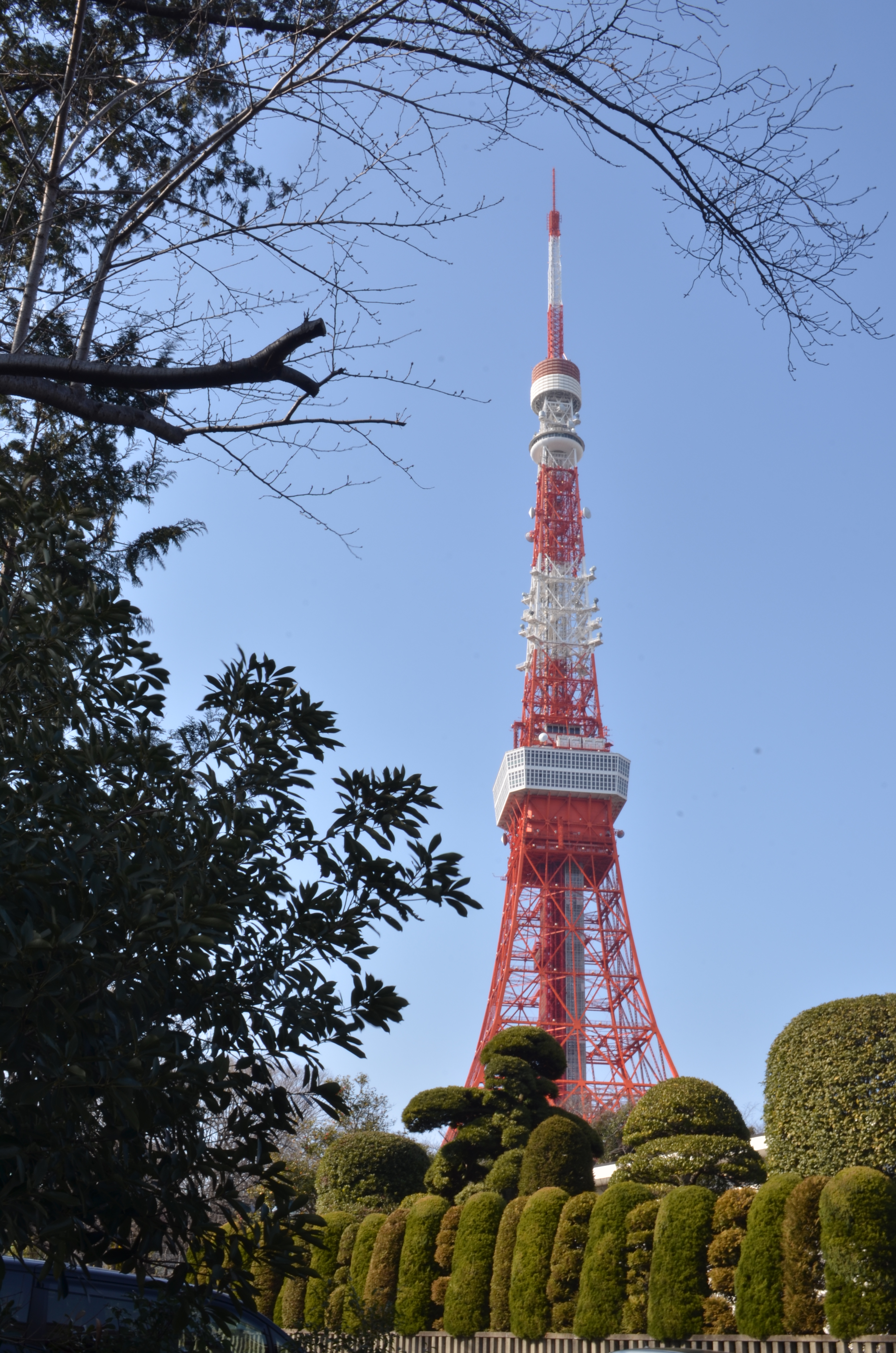
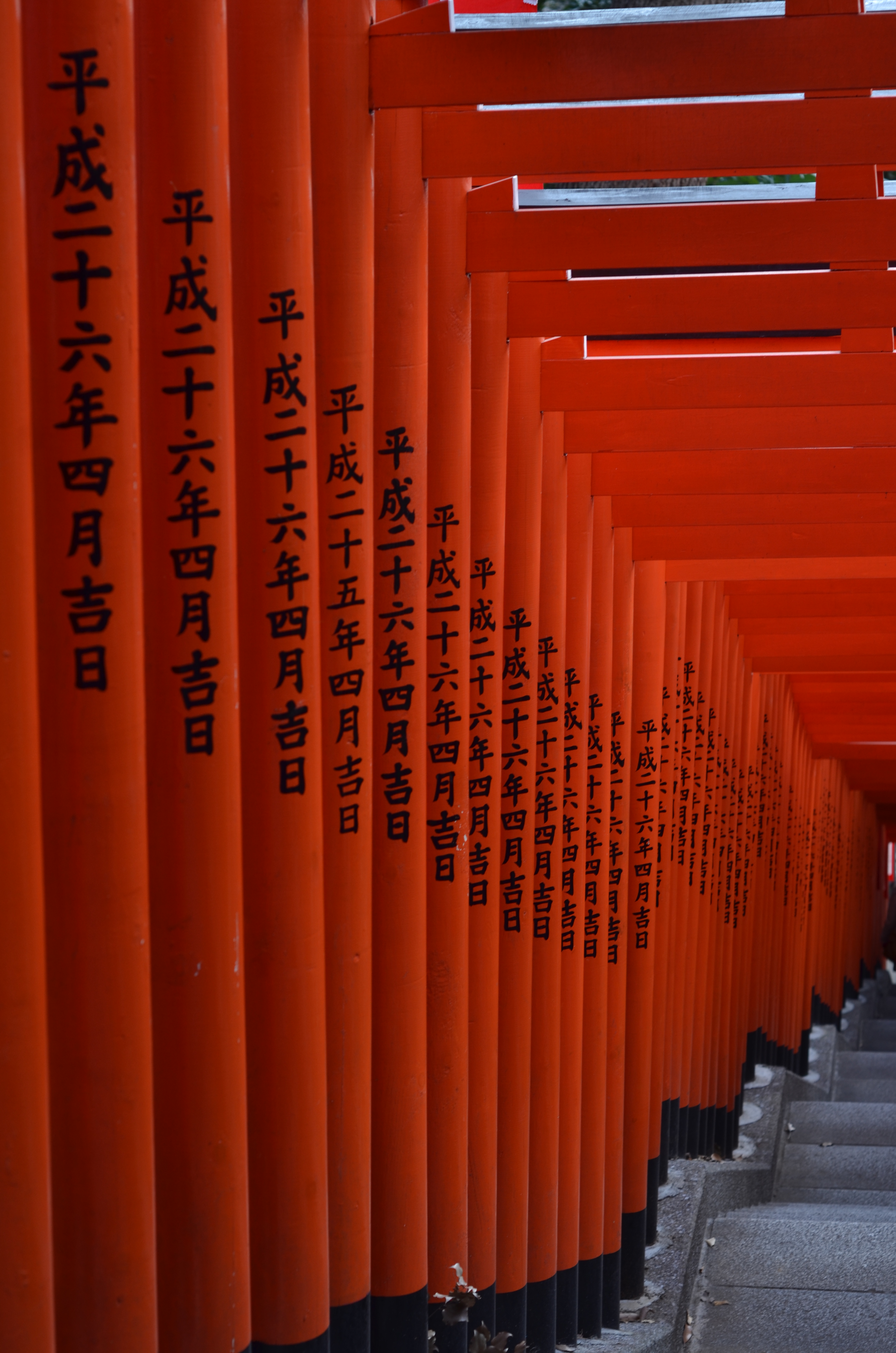
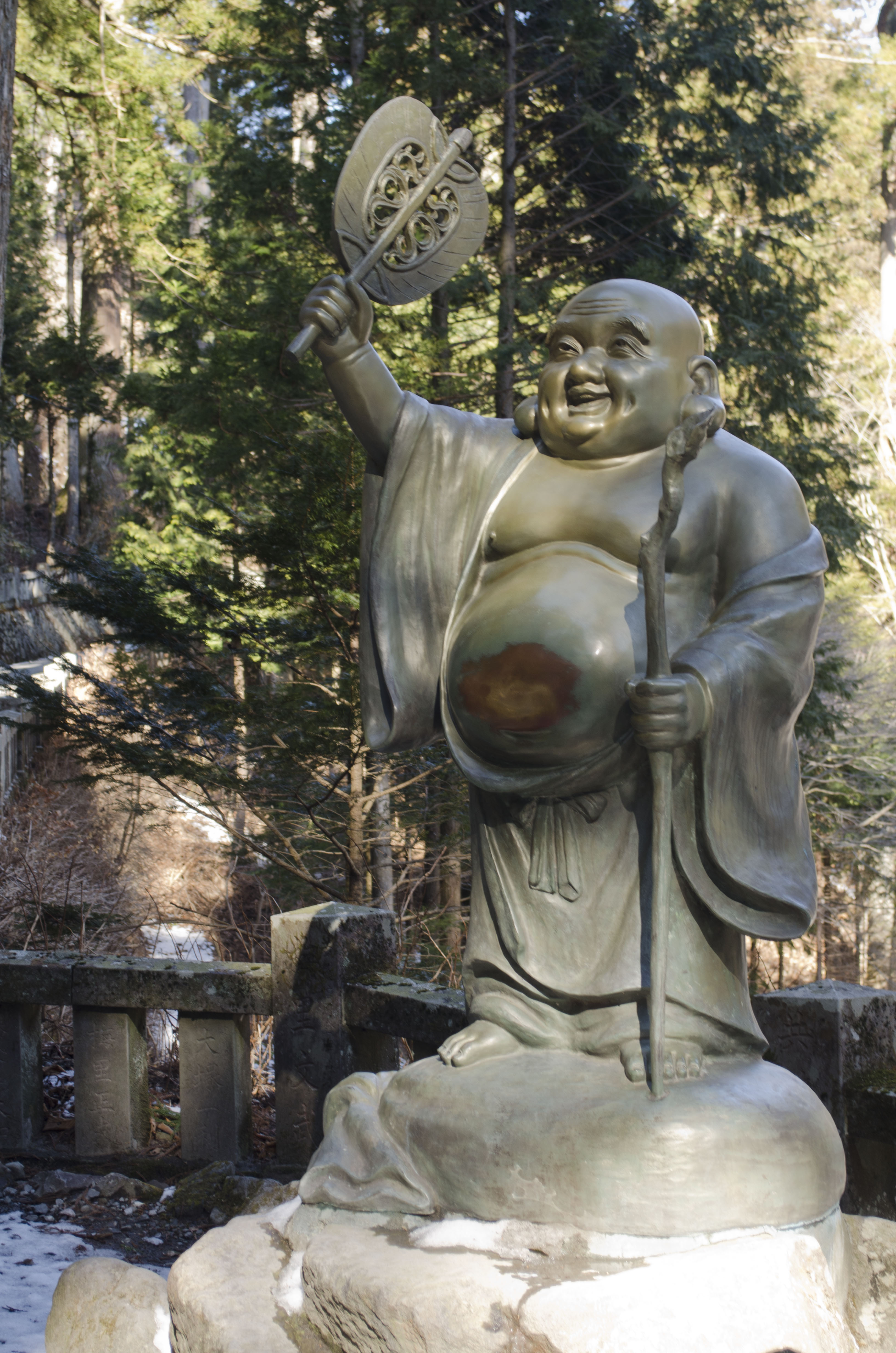
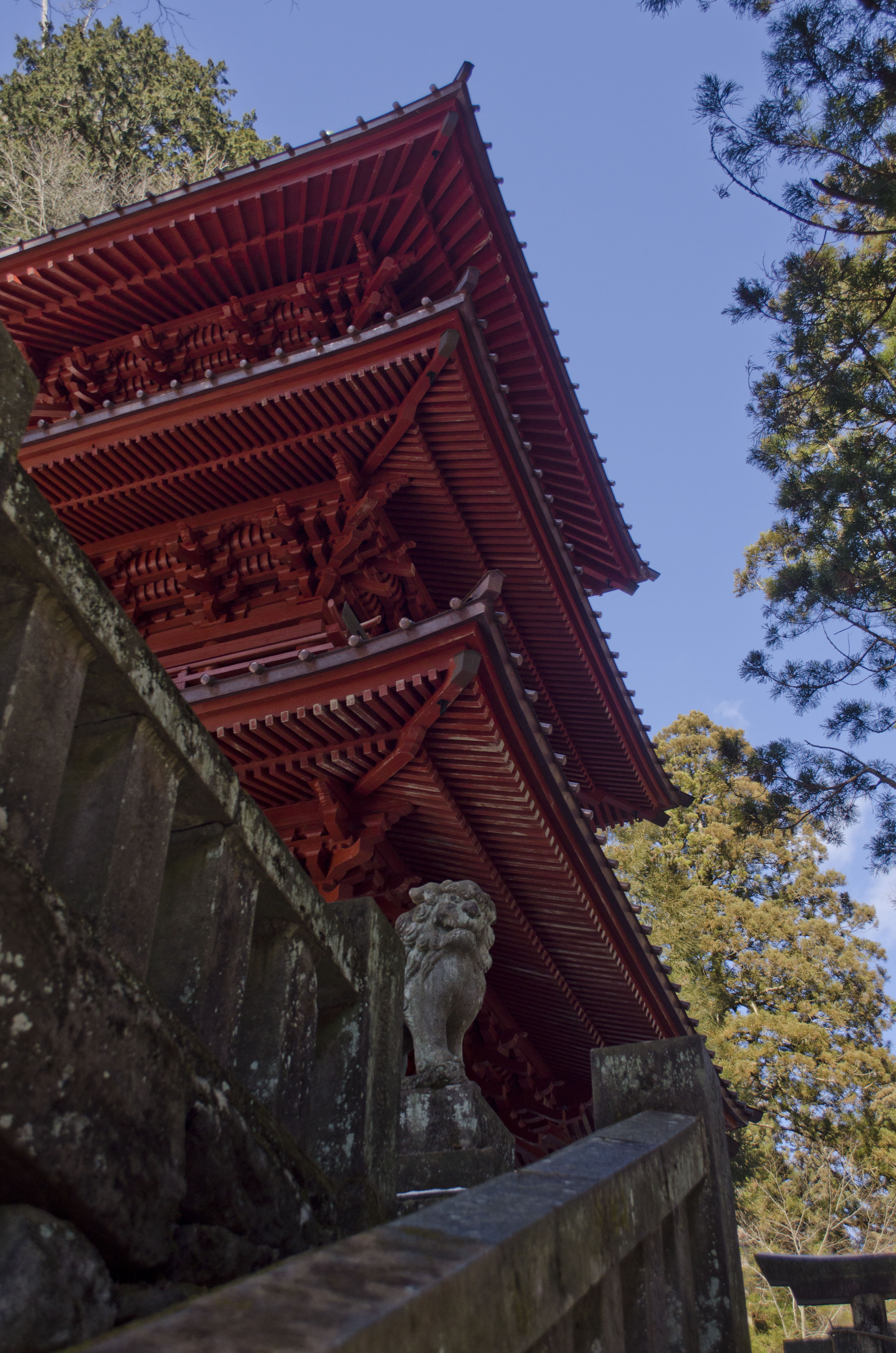
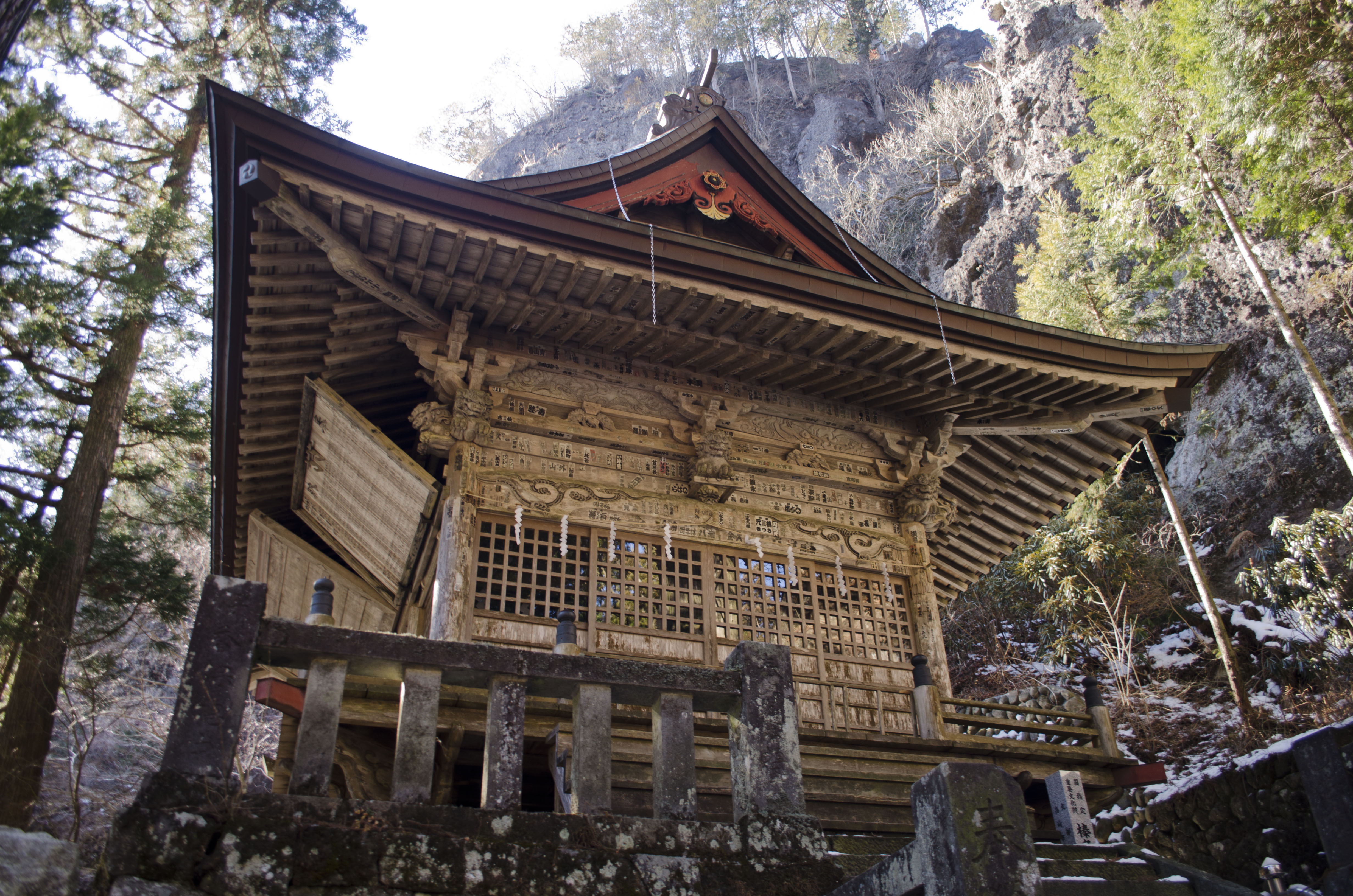
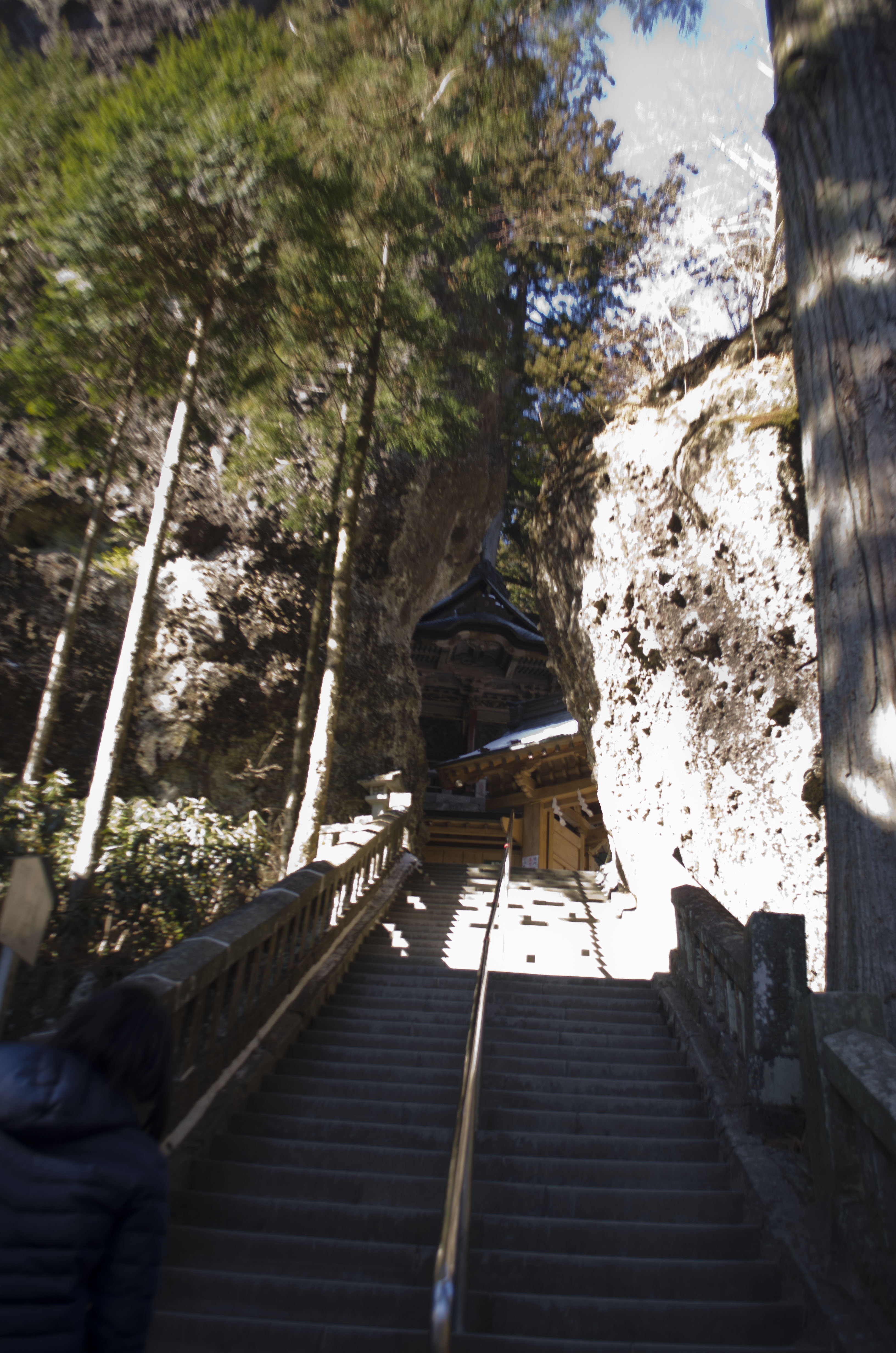
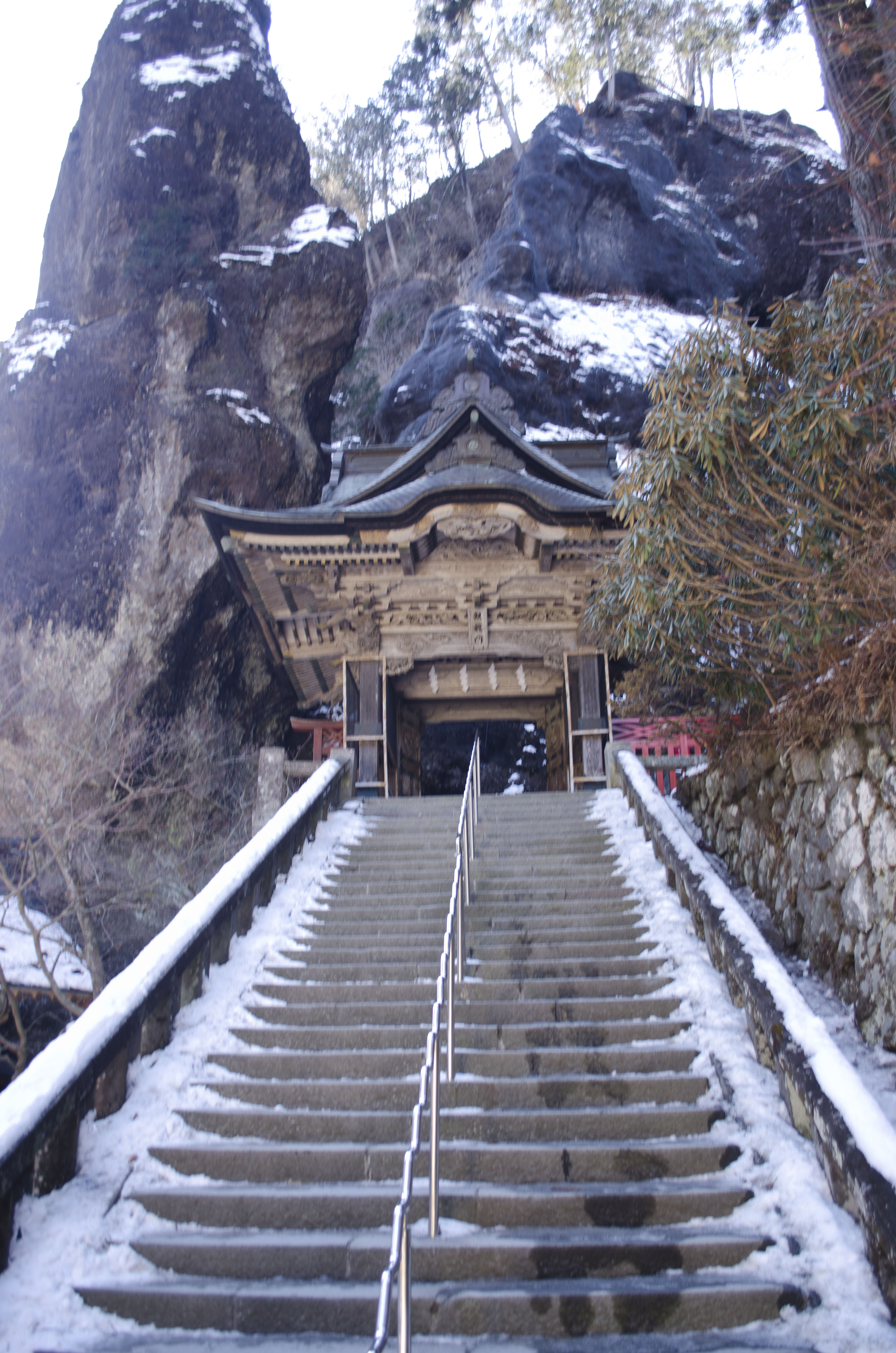
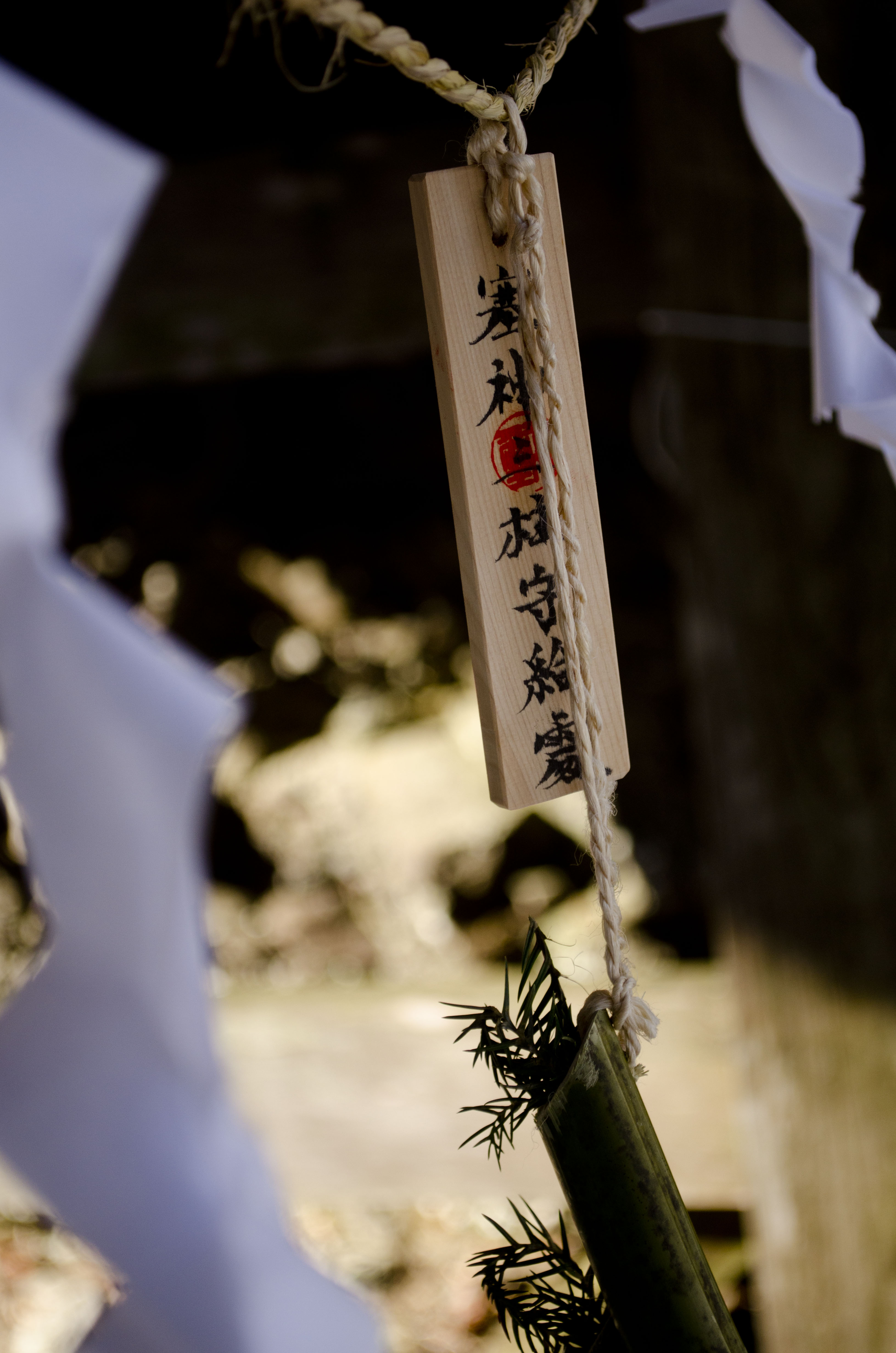
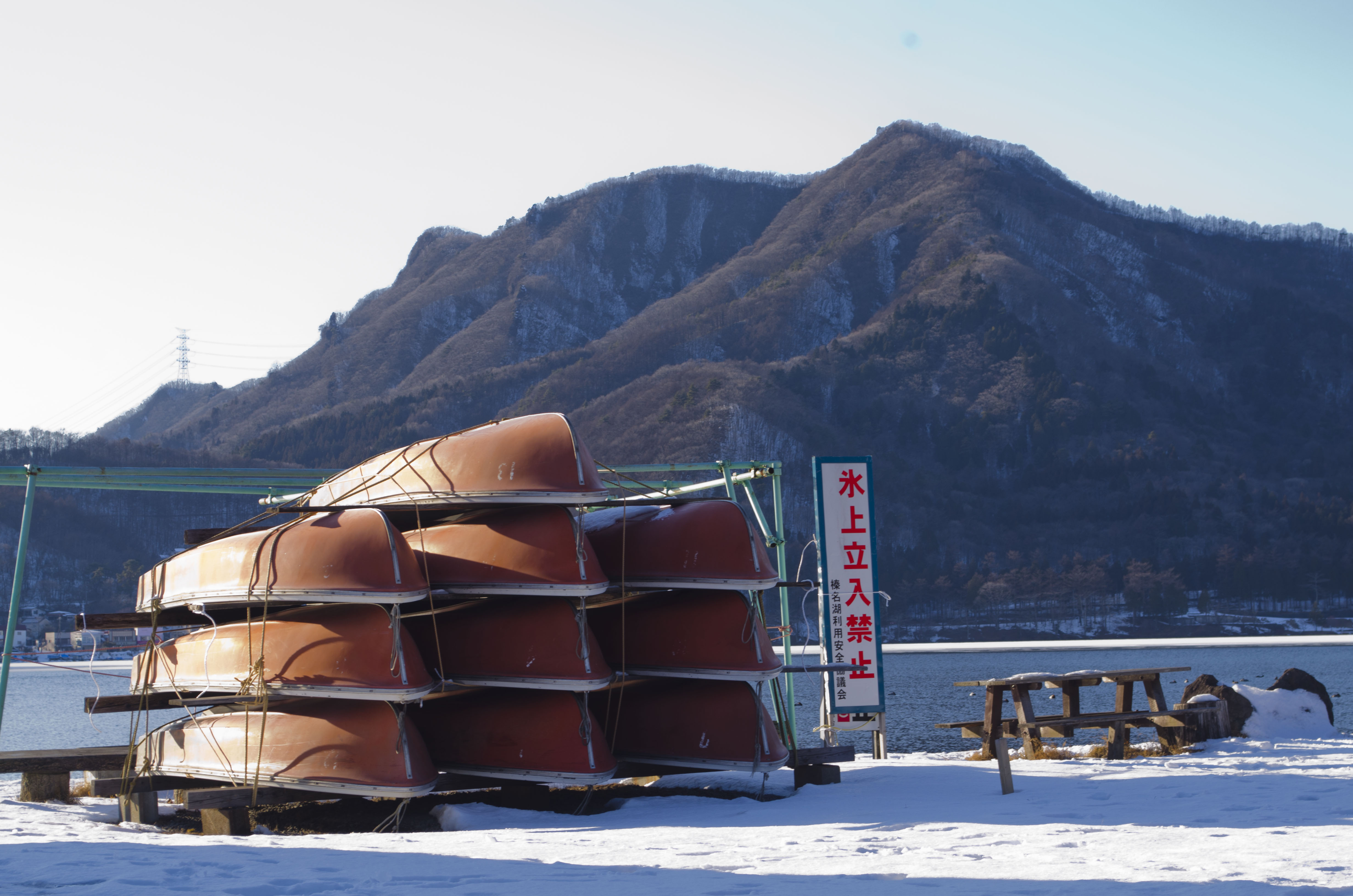
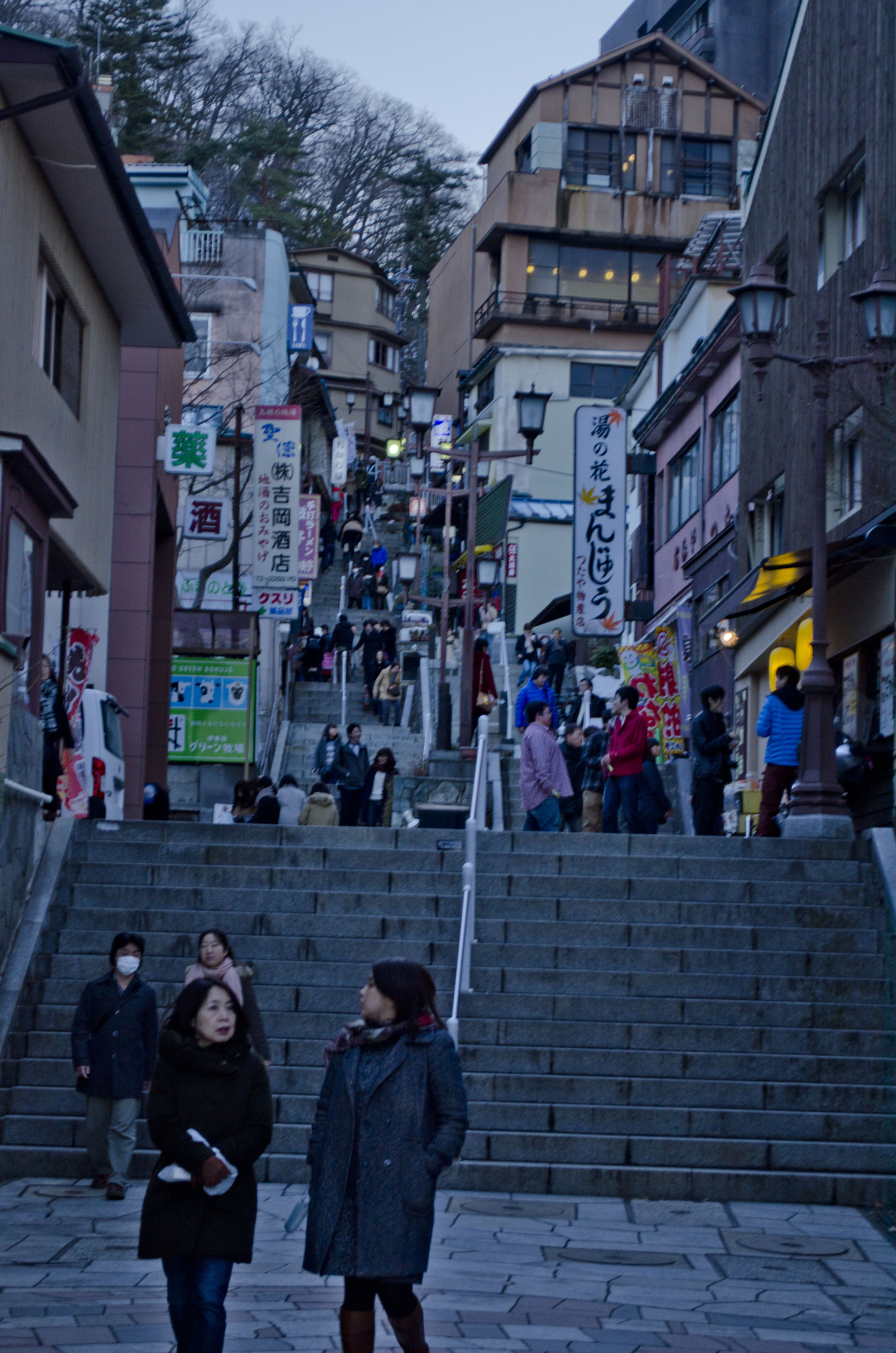
My adventures have continued with a wonderful photographic tour with a good friend and her little brother who both speak English. We went to two temples around the Takasaki area, and a wonderful lake. The recent snow that had detoured people from the outdoor sights created some breathtaking views and a magical photographers playground.

DSC_5371 DSC_5375 DSC_5416

DSC_5417 DSC_5418 DSC_5440 DSC_5443DSC_5517 DSC_5622

Like my facebook page for more photos and updates! http://www.facebook.com/kikilathropphotography

Nagano Adventures

After a rush of work, I wanted to make the most out of my winter vacation. Thanks to some new friends, I was given the opportunity to make it over to Nagano for a mini-vacation.

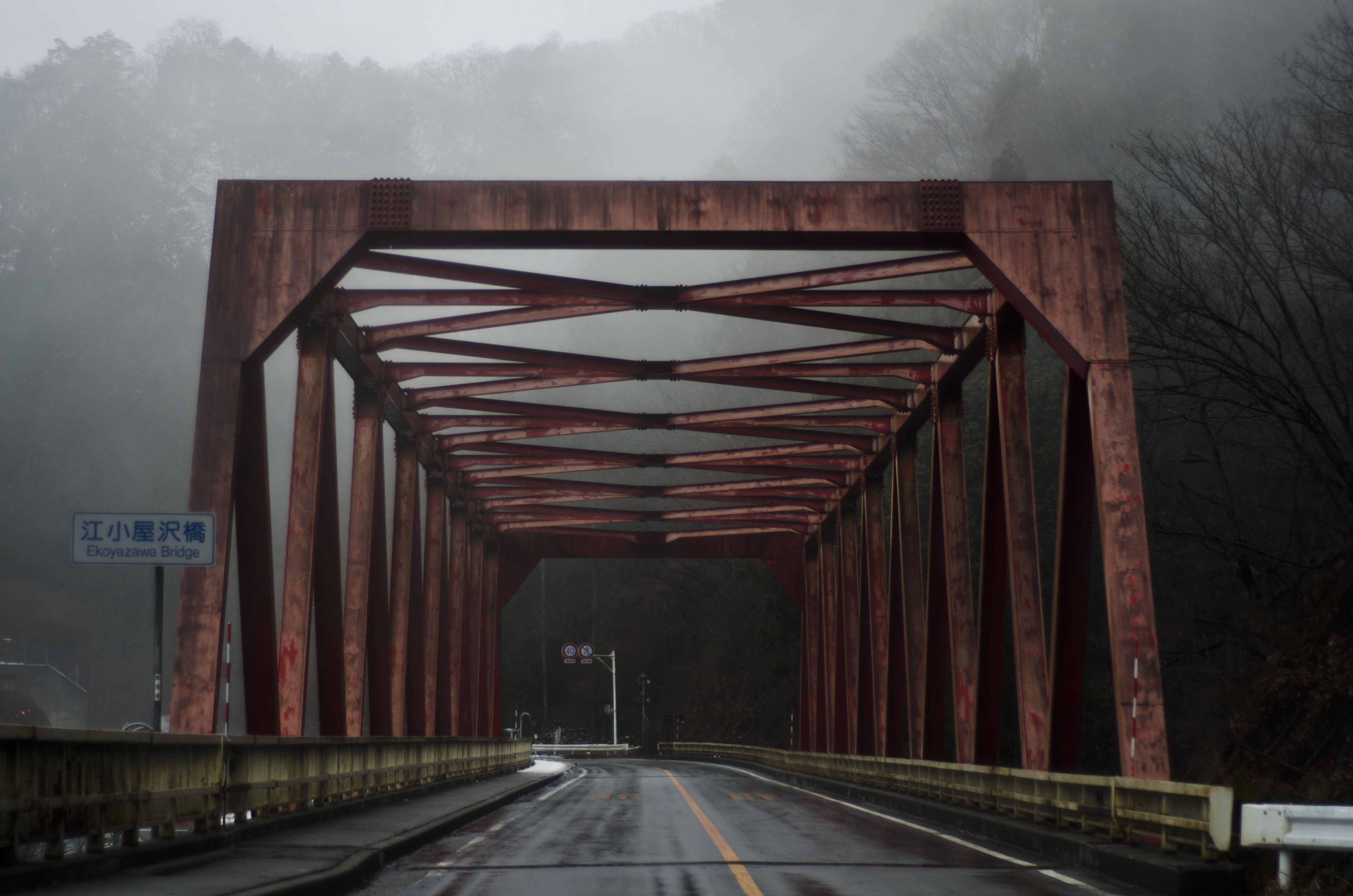
The spectacular drive from Gunma to Nagano was wonderfully scenic. The winding mountian road was flanked by misty, fog-covered mountians.

DSC_4922DSC_4900

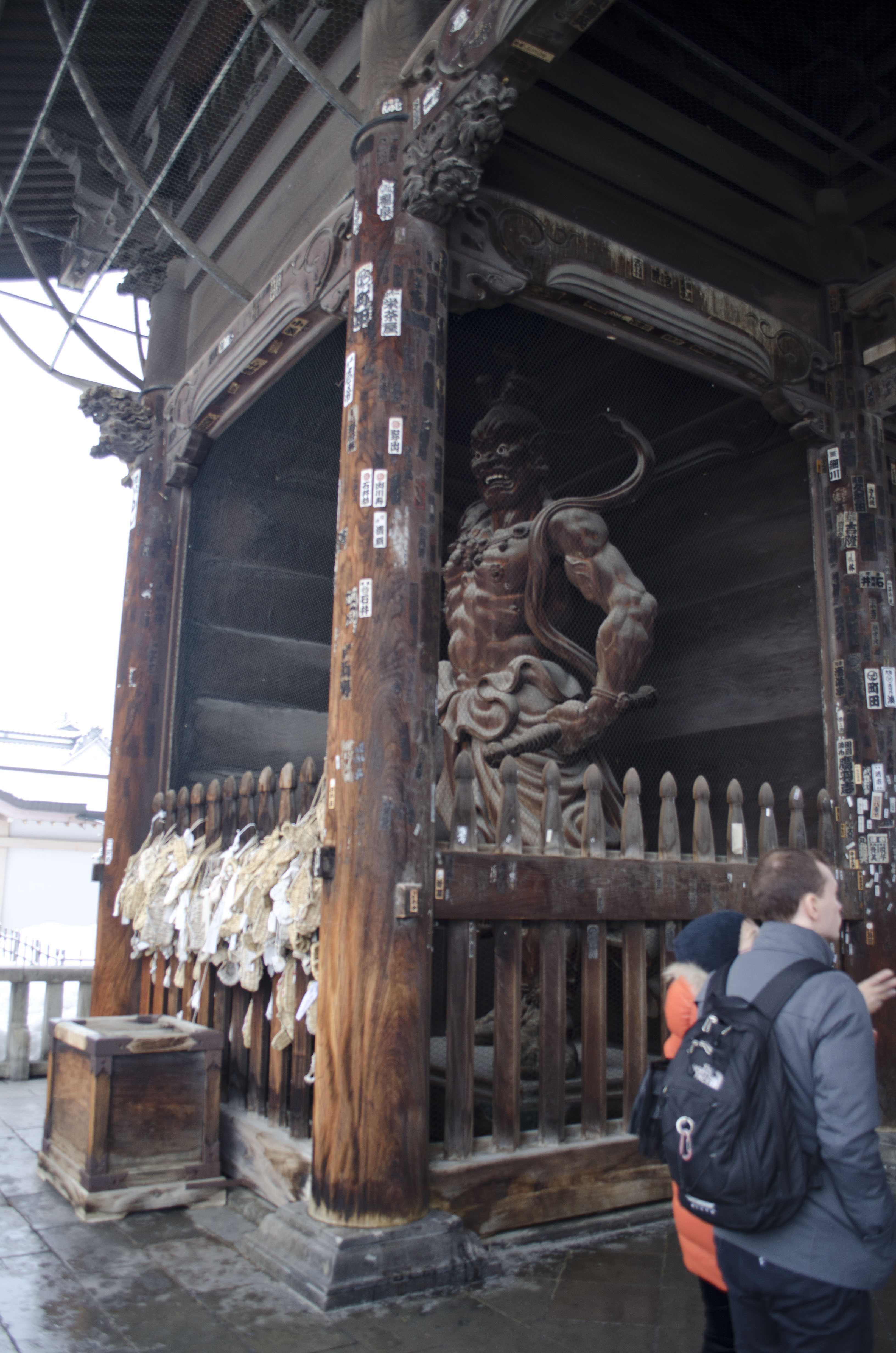
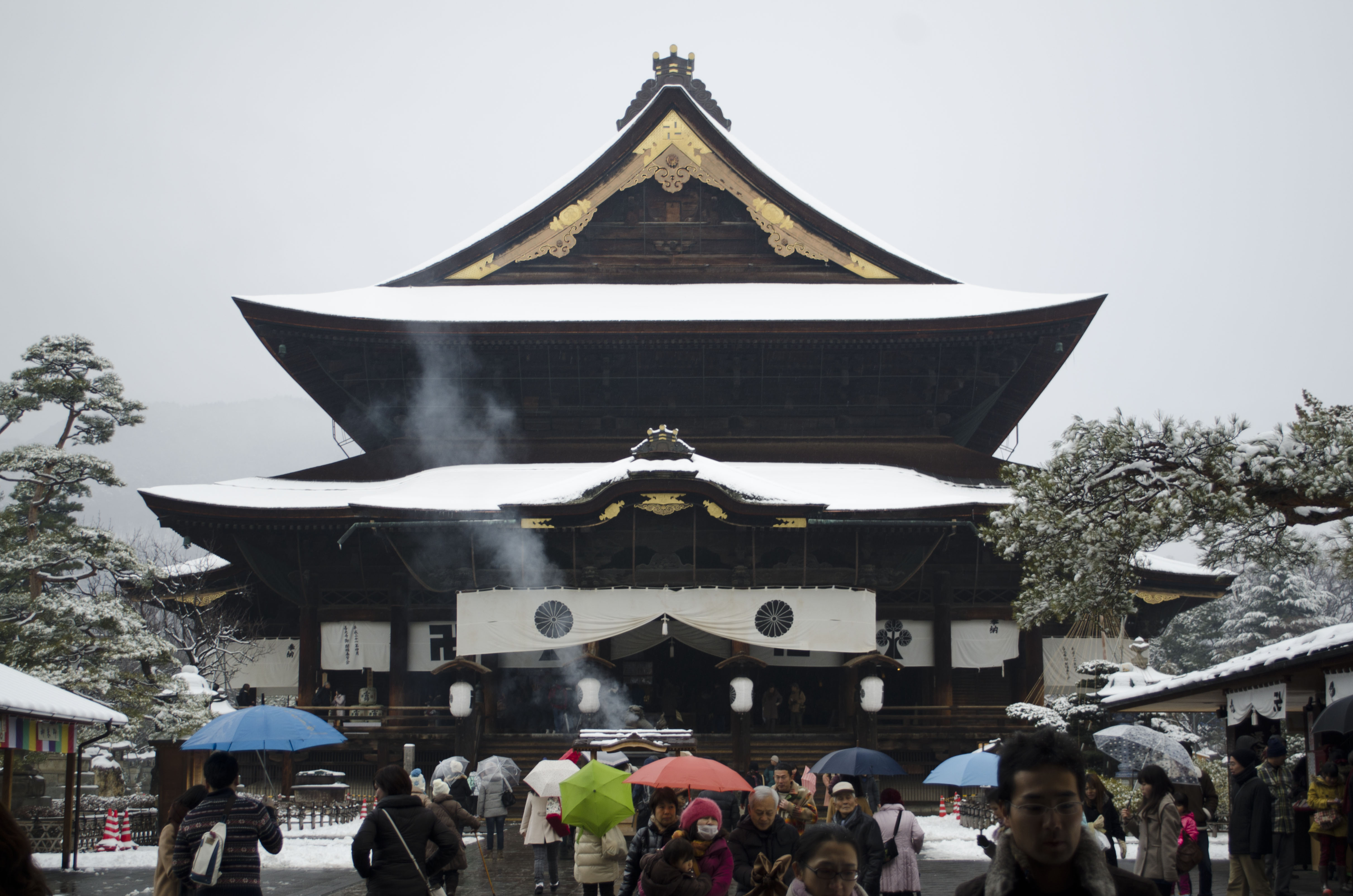
Once in Nagao, we stopped by Zenko-ji Temple, which houses one of the first wooden Buddha statues in Japan. Along the walkway to the temple, the pedestrian street is lined with souvenir stalls and small restaurants. Past these and through the Ah-um, the massive statues that protect the temple, is a large brass vessel, protected by a lion statue. This is used for ceremonial incense and for the price of 100 yen (~$1 USD), you can get a bundle of incense to put into the vessel, and use the smoke to heal any ailments you may have. Inside the temple, there are prayer areas, a statue of Buddha’s student of medicine (which you can rub for the healing of aches and pains), and what I call the “Labyrinth of darkness”. For 500 yen you can wonder the basement labyrinth of the temple. I put my shoes into the plastic bag they gave me, and made my way to the stairs. Instructed by the pamphlet that said to keep my belongings in my left hand and my right hand on the wall, I ventured into the darkness with my two new comrades and delved into the pitch black. I used to work at a planetarium, so darkness doesn’t scare me, but even at the darkest in the planetarium there were small lights that you could use for guidance. The darkness came in ‘levels’ that could guide you to where you were or needed to be. Not here. In the basement was nothing to guide me but the cold wood that trailed under my fingers as I wondered through the blackness. I noticed after bumping into my friend ahead of me a few times, even my sense of sound was off from the echoing of the wrinkling of plastic bags, the voices of people behind me and the indiscernible footsteps. But alas, I rounded the last corner to the the faint trickle of light coming down the stairs of the exit.

When leaving the temples we stopped briefly for some Soba noodles, which I flavored with the pepper spices that are the signature cuisine of Nagano.

DSC_4932 DSC_4939 DSC_4961 DSC_4964

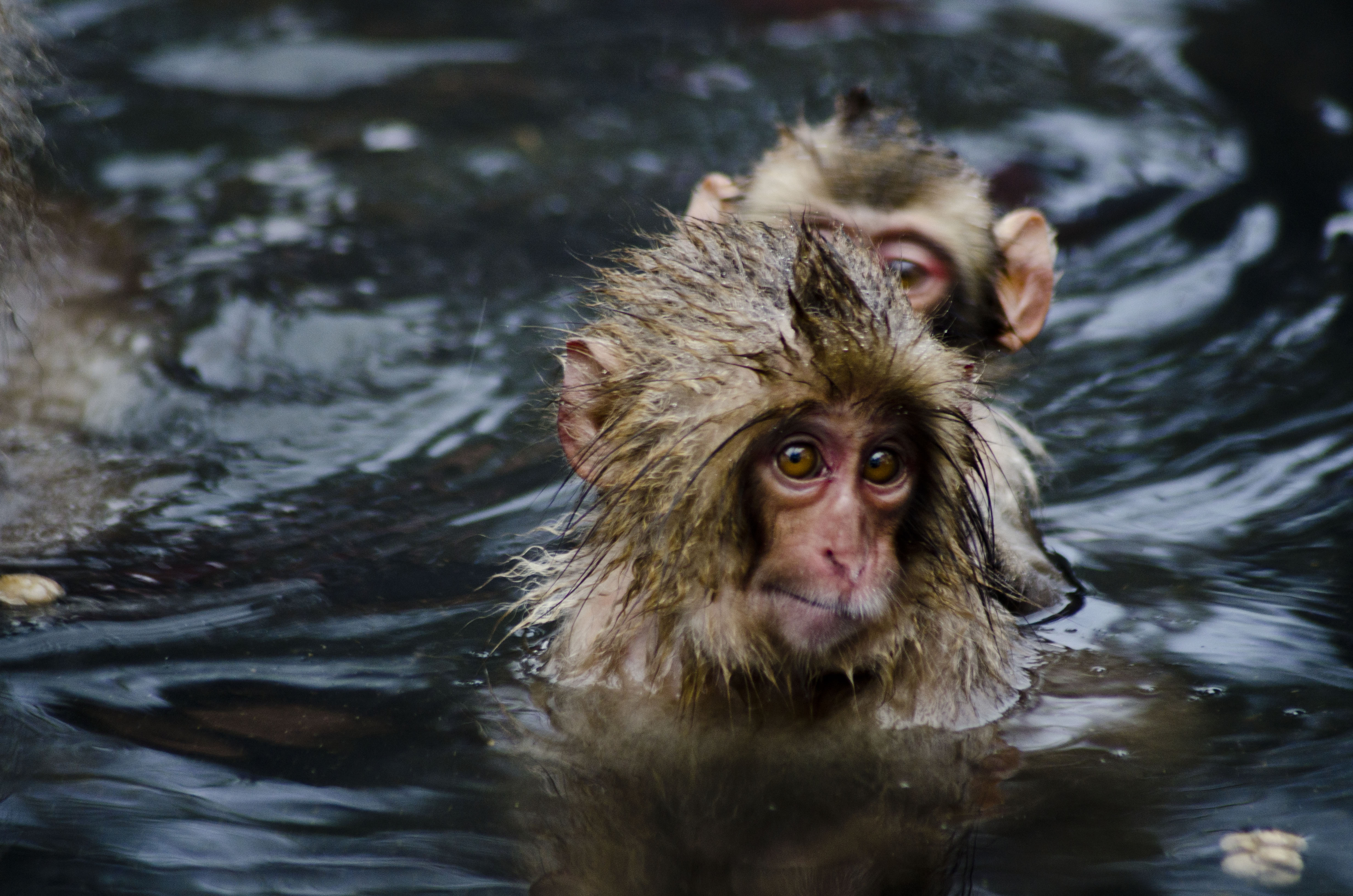
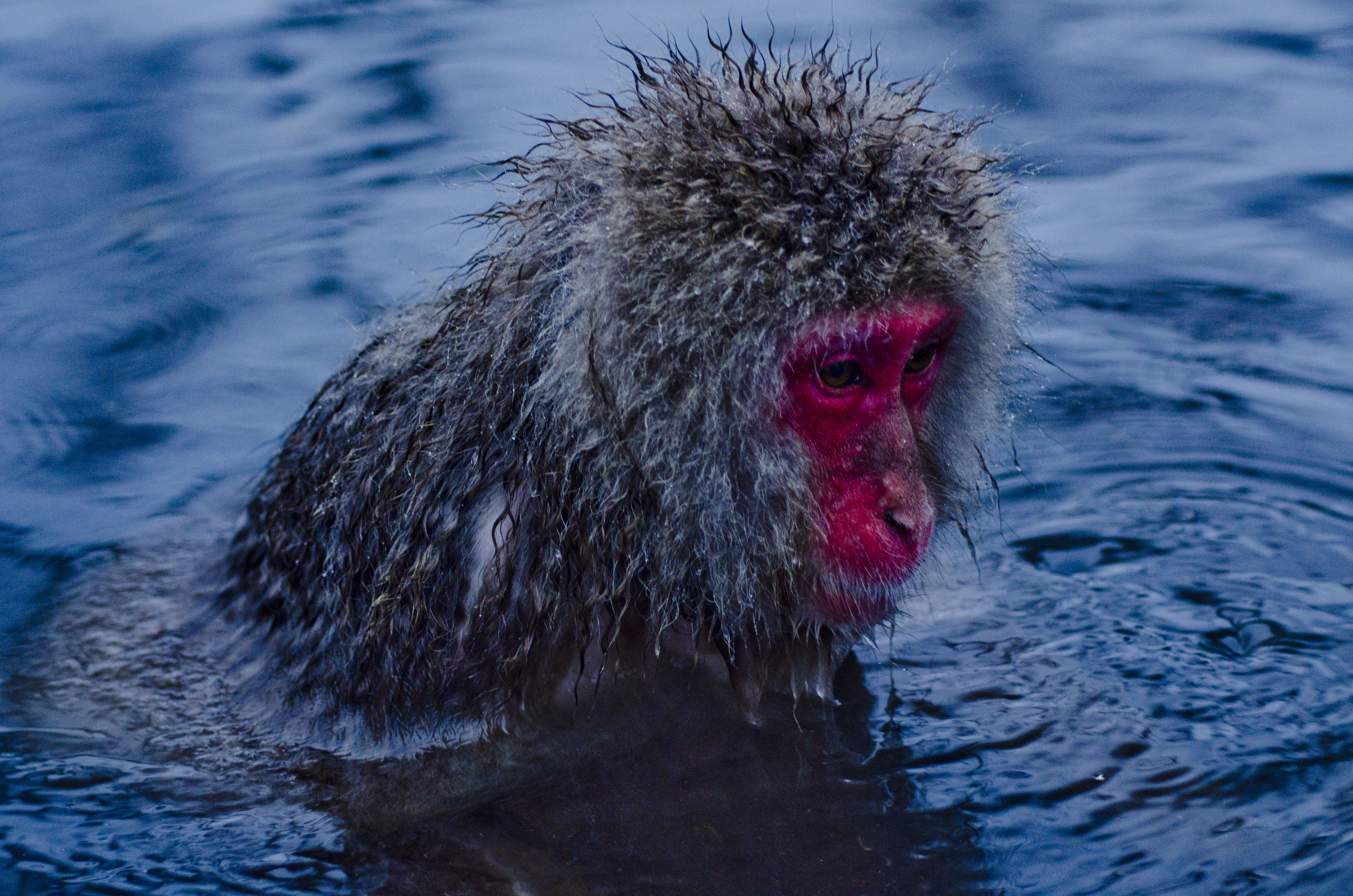
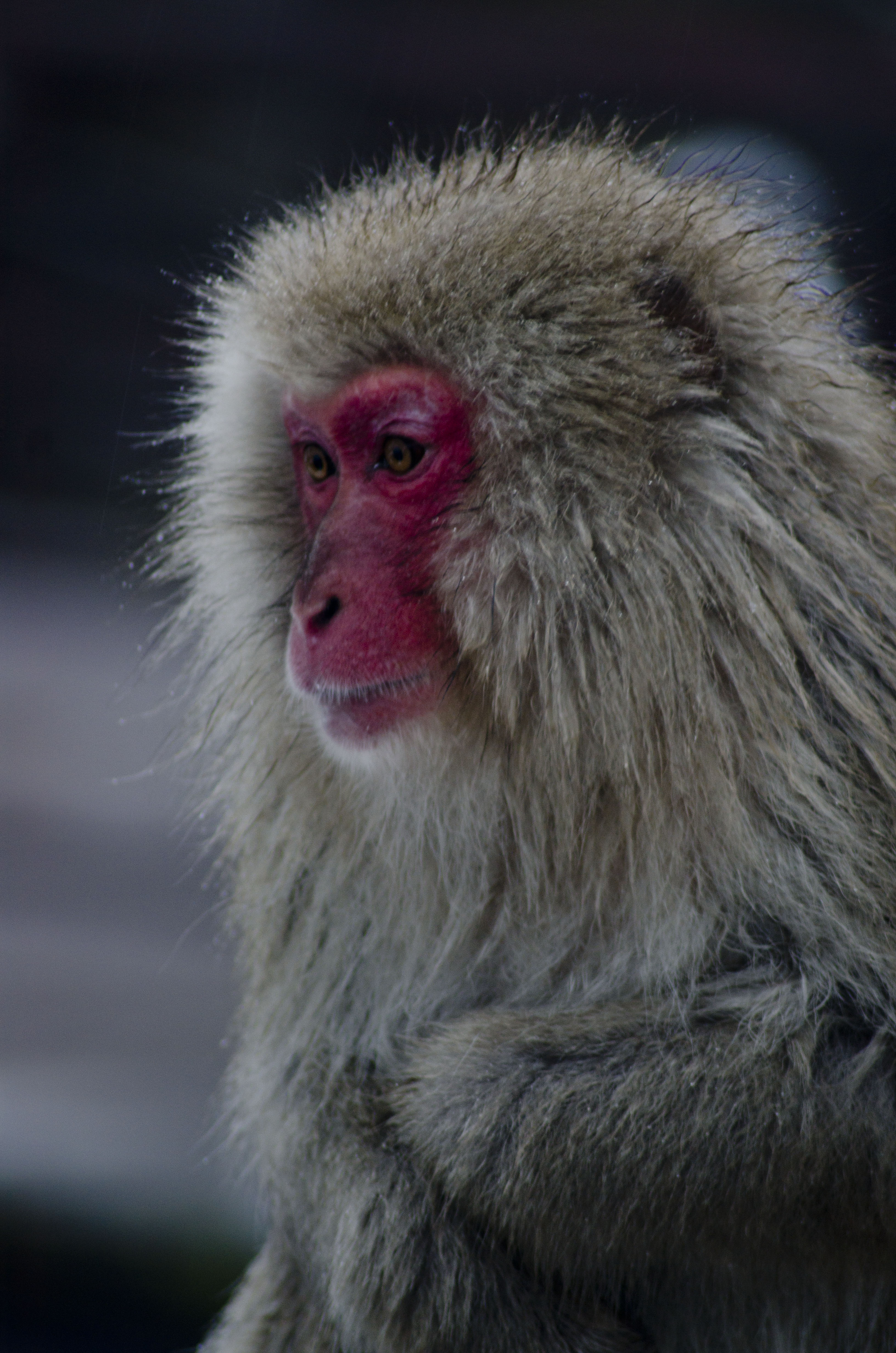
After the temple we made our way north to Nakano, which is famous for its Snow Monkey Park. The clan of 160 Japanese snow Macaques are unique for primates, as they are the only ones (other than Humans) that live at this latitude, bath in hot springs, and make snowballs to throw for fun. The Macaques have had 14 ‘bosses’, or alpha males since this clan started being observed and recoded for the park. The pictures of them can be found in the small gift shop/museum/place-to-warm-up near the onsen pools. The snow monkey park has an entrance fee of 500 yen, and it is recommended to go in winter, when the monkeys visit the pool to escape the cool air. We went in the late afternoon/early evening just before feeding time, and one of the park attendants was helping tourists take pictures with a macaque, using a call to get them to look at the camera. The first thing he said as I handed him my point-and-soot was “don’t look at him in the eye”. As an anthropologist, it think ‘duh’, but then I realize that many people probably haven’t read up on Diane Fossey and Jane Goodall, so here it is: Looking at a primate in the eye can be taken as a sign of aggression. If you challenge the wrong member of the group, it could get very dangerous very fast. With that safety tip out of the way, I highly recommend visiting this park, where it monkeys and humans walk amongst one another so easily and without fear.

DSC_5078 DSC_5163DSC_5190 OLYMPUS DIGITAL CAMERA
At the end of the day, we checked into our share house (Guest House in Sazuka, http://www.ghkura.com) which is very reasonably priced, very clean, and was wonderful to experience a traditional Japanese house. They offer free Wifi, a Cafe, Bike rental, parking, and a big garden for barbequing and tent camping. Dorm beds start at 3,000 yen and is well located for both the Zenkoji Temple and the Monkey Park. When we arrived, we were greeting by a very nice English speaking staff, and they had complementary tea waiting for us. They able to give us some good recommendation for dinner, and I had my first experience with a sushi restaurant that the sushi is served via a conveyor belt that runs by the table, and a train that comes direct from the kitchen.

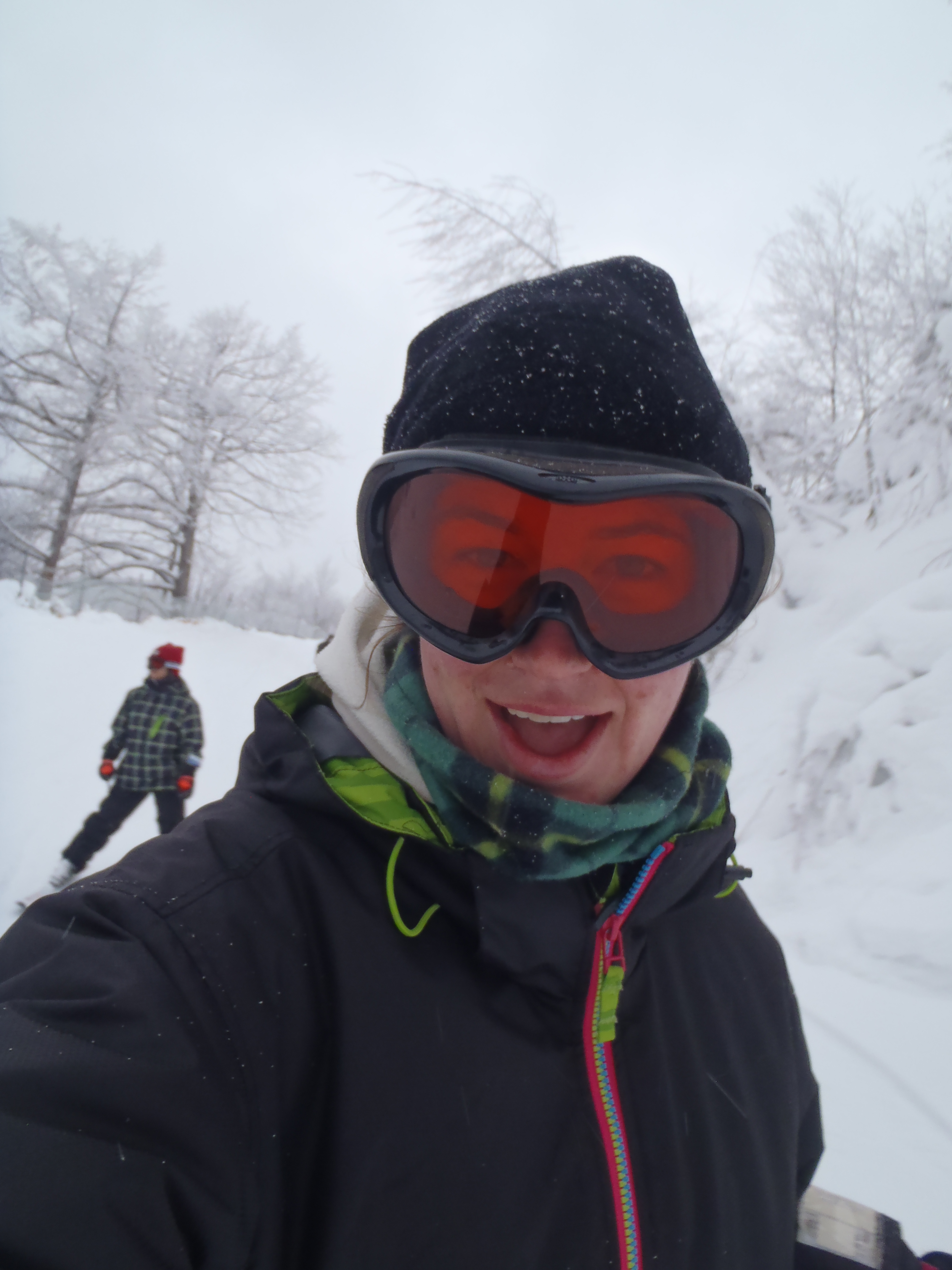
The next morning, we had a traditional breakfast at the guesthouse (300 yen) and then went to hit the slopes. In Sugadaria Kogen, the ski area of Nippon Davos (which is 3 smaller ski areas, Pine Break, Davos-Taro, and Davos) are located on the slopes of Mt. Neko-Dake (2,207m, or ~7,241 feet). A lift ticket (4,800 yen/full day) is good for all three areas, and offers an array of difficulty marked similarly to the states for easy, intermediate and difficult (green, red instead of blue, and black runs). Once we had our ski/snowboard rentals (3,800 yen/day) and all our gear to keep us warm (3,000 yen/day) we made our way to the lifts for some amazing powder, short lift lines and small crowds. To a ski junky, it was heaven.

OLYMPUS DIGITAL CAMERA

The Monkeyless Monkey Expedition

DSC_4345

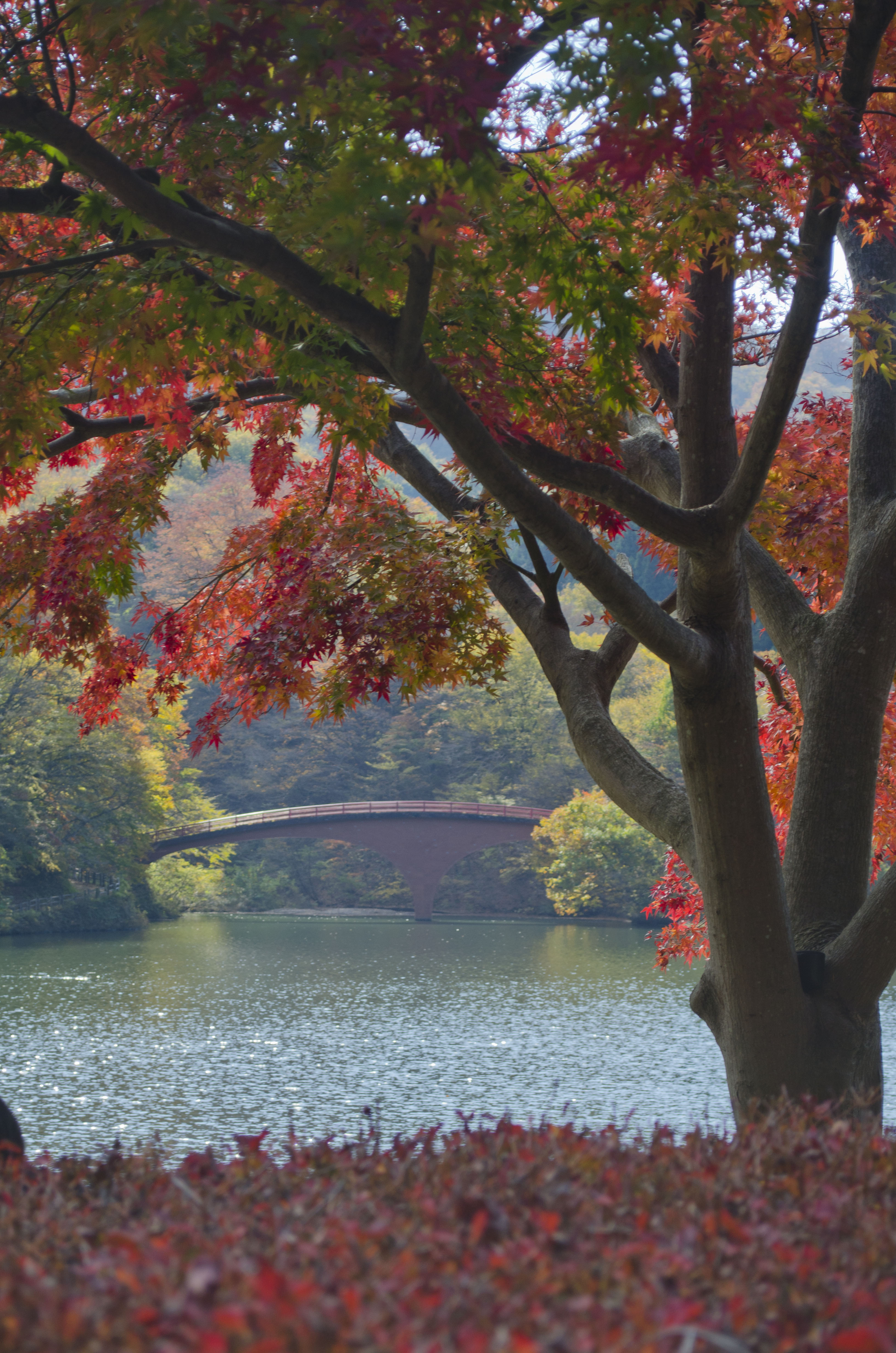
As you can imagine, both as a photographer and an anthropologist, the idea of my first sighting of wild primates had me excited all last week. The previous week there had been a family of just under a dozen spotted in a tree of a lakeside parking lot. My co-worker who had seen the fuzzy gang offered to take me to the distant lake this last weekend, in hopes that the band would be visiting again. Sadly, as we pulled in there was no sign of the monkeys, nor did they show for the rest of the day. What we did see was an amazing change of color from the trees that surrounded the lake, the bright red, yellow and green of the trees, and the blue of the water and sky. Usui lake, which is located a short drive from Tomioka, is surrounded in postcard scenery and and historic culture. The old railroad that ran beside the lake has long since been deserted, and was converted into a walking trail. The long, dark, hand built tunnels echo with the shuffling feet, with the ash stained roof overhead as a reminder of its original use. Along the path is the large railroad bridge, and the final stop of the trail is the old station.

When leaving the trail, you pass a visitors center/shop on the main highway. the shop houses a small food court that offers a rice dish that is comprised of many of japans cuisine staples. From shiitake mushrooms, to Japanese pickles, to the hard boiled quails egg, the sensation can only be described as a rush of flavors. (You even get to keep the ceramic pottery rice-cooking bowl, stamped with the station name in Kanji, when you are finished.)

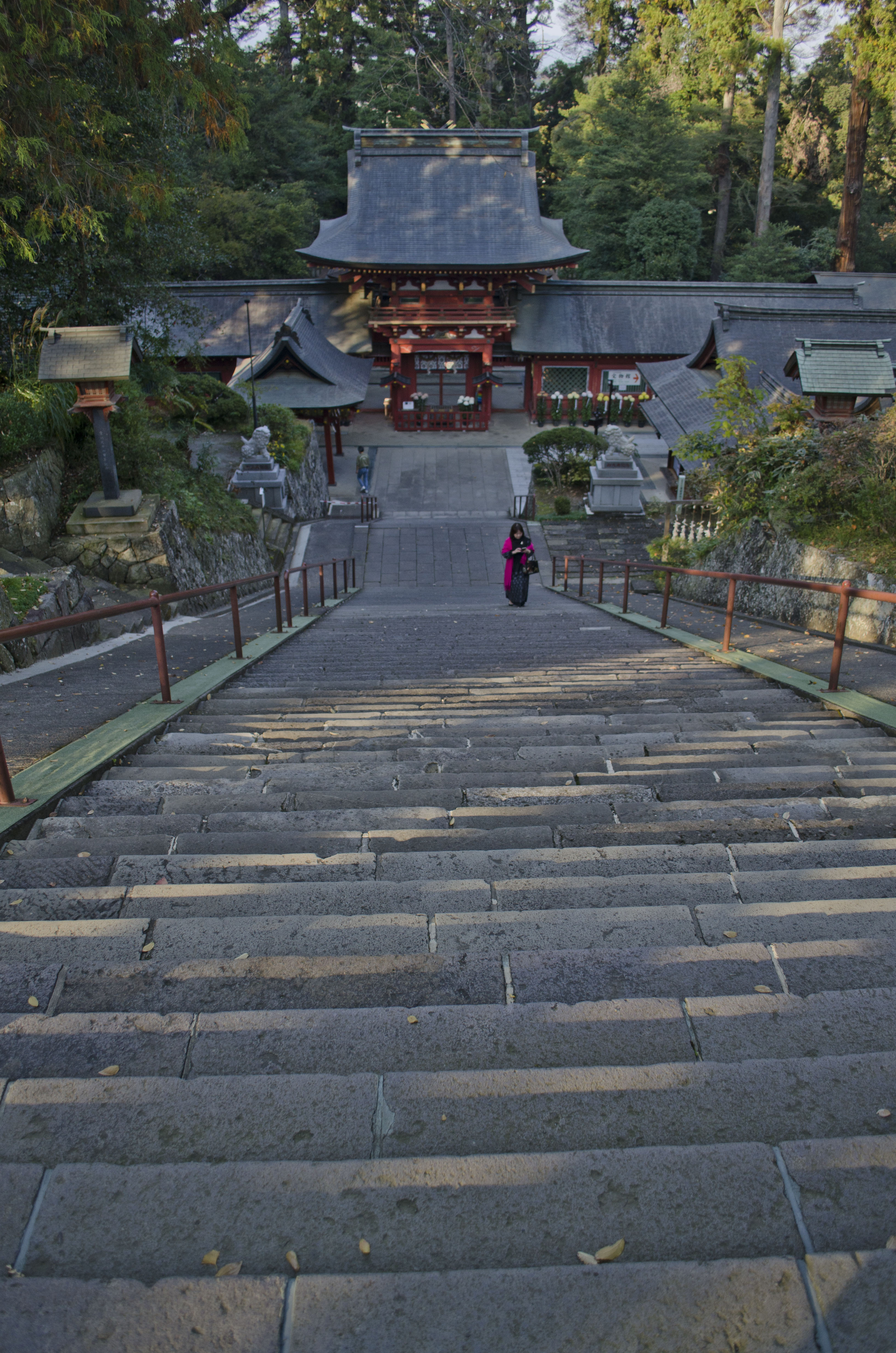
After lunch, we ventured to some of the shrines, where my co-worker (and acting guide) taught me some of the customs of shrine etiquette, explained the telepathic relationship of the A-Um (‘ah-oom’, the two statues that protect the shrine. The open mouthed ‘A’ statue and the closed mouthed ‘Um’ ‘don’t need to speak to communicate. They understand each other.’) By the entrance to the shrine, are three large cedars that are designated a ‘power center’. wrapped around the trees was a cord with strips of paper attached. Those pieces of paper are fortunes, and when you are done reading your fortune, you tie it onto the cord.

Each temple has different gods that it is dedicated to, and since we were there, I was taught how to pray to the gods of health and well-being. At the entrance to the shrine, there is a wash basin, where you wash your hands and rinse out your mouth before approaching the shrine. standing in front of the shrine, you bow twice, clap your hands twice, silently say your prayer, then bow a last time.

At the last shrine we visited, there was a small girl dressed in a Kimono getting her photo taken in front of the shrine. My co-worker explained that there is a celebration that is held here for girls who are 3 and 7, and boys who are 5, to get dressed up and visit as many shrines as they can and take a photo.

DSC_4397

10 Food Wonders from the Japanese World

image

We have all heard that dream from the avid travel bug-bitten nomad; “I want to eat my way through [insert far away country here]”. Most of the time these places include the pastas of Itally, or flatbreads of France, or in my case, the unusual dishes of Japan.

I hope this sparks some interest in the culinary marvels of Japan, and inspires you to try a few new dishes.

Here are 10 uniquely Japanese foods I tried;

  1. Sushi

Sushi isn’t only available in “raw fish”. Sushi, which says more about the style the food is presented in, is the wrapping of the contents in seaweed. It is the ever popular seaweed wrapped rice that the culture is famous for. Available with a wide array of fillings from eel to octopus, the contents of these bite-sized delights are diverse. But don’t get this mixed up with Sashimi. THIS is raw fish. With fish markets available in nearly every town, the custom of eating raw fish is still a large part of the culture. I have even found places where you can get a bowl of the delicacy, douse with some soy sauce, and enjoy.

2. Dango

This rice based desert is a rice-paste balls, dressed in a syrup like topping, and served on a stick.

  1. Miso Soup

The broth-y soup is rich from the flavors of the Japanese mushroom and Dankom, (a potato like vegetable, whose sliced form resembles swiss cheese in look.) often served as a form of “noodle soup”, it reminds me of a chicken noodle soup, if chicken noodle soup was made with strange (yet delicious) veggies.

  1. Yakisoba

Yakisoba has become a staple of my diet. The fried noodle dish was introduced to me at a festival, but is available at most grocery stores. (Out of al the places I have been, Japan has had the best street food so far.) The pasta, turned brown with the strong, aromatic, sauce, is mixed with cabbage and carrot and seasoned with a garnish of pickled ginger.

  1. Takayaki

Think ‘Octopus fritter’, (a ball of dough mixed with cooked octopus, and baked til perfection.) This, like the Yakisoba were introduced to me through festival street food. The one-and-a- half inch diameter balls are served with a glaze that could be compared to that of a barbeque sauce with a teriyaki ‘essence’.

  1. Kaki

Kaki, which resembles a peach on a tree, but when picked looks closer to a not-yet-ripe-tomato, is a small fruit that tastes a bit like a melon mixed with a peach.

  1. Taiyaki

Named after the fish shape that it is cooked in, Taiyaki is a waffle like breading filled with Hashi, a sweet bean that is commonly eaten for desert, and eaten for desert. This same fish shape is also used for icecream sandwiches.

  1. Yatsuhashi

Kyoto is known for its Yatsuhashi and it is common in gift stores and packaged to pick up for you souvenir needs. The type that I tried was in small, doughy triangles, unflavored, and flavored with green tea. Inside, they contained a dollop of Hashi, for the sweet, soft texture.

9. Nato

This smelly bean dish, which is easy to come by and acquired in taste, may not make the list of all time favorite foods, but I would classify it as “interesting”. The beans were sticky and smelled ripe, but with the addition of soy sauce, mustard and spring onion, it was a truly unique texture, with an almost ‘cheese’ flavor.

10.Umeboshi

A fomented, sweetened plumb ‘candy’ that comes in two types; a firm small plum that is salted and has a texture of a pickled olive, and a soft, (almost mushy) sickly strong, plumb. I tried both, and in all my adventures with cuisine (and I am NOT a picky eater) I still had troubles swallowing that 2nd one.

Authors edit – Orriginally #9 was Meat on a stick (posted below) but was changed after the very recent addition of Nato, which was further from anything I had back in western culture. Meat on a stick, at 2nd glance, is a little more widespread, and I felt it would be worth substituting for a more significantly cultural dish.

  1. Meat on a stick

I am not sure why, but there is a large amount of fried chicken on a shish-kabob spear at every festival I go to. Here in Tomioka, their signature cuisine is a fried slab if fish, battered and shish-kabobed, usually with some form of entrails.

Tomioka Silk Mill; The UNESCO world heritage site

(Written for The Heritage Travels)

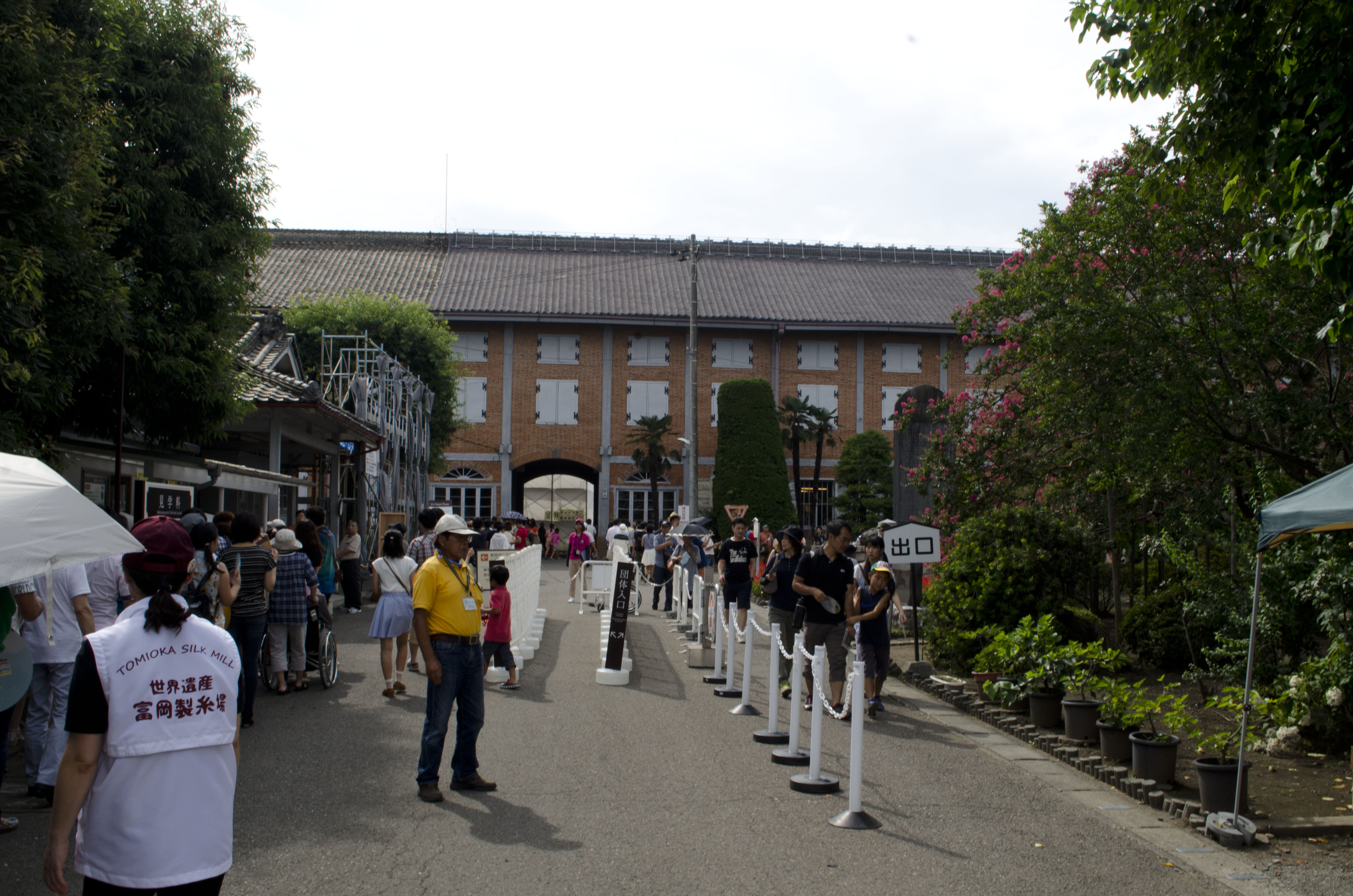
Tomioka Silk Mill, the latest UNESCO world heritage site in Japan, sits along the river in the south of Tomioka. When I sit at my desk, I can see the tall chimney from my window and with summer break, why not? It was only a few blocks away.

I loaded up my bike basket with my camera and a bottle of water, and rode in the direction of the mill. I could tell when I reached it, since the crowds became impassable. On my first pass the line to get in was building, and for lack of bike parking, I rushed to store the bike nearby and join the cue. The small admission fee (500 Yen for adults, 250 Yen for university and high school students, 100 yen elementary and junior high students, and 1 child/disability with 1 accompanying free,) goes to the preservation and restoration of the buildings.

DSC_2514

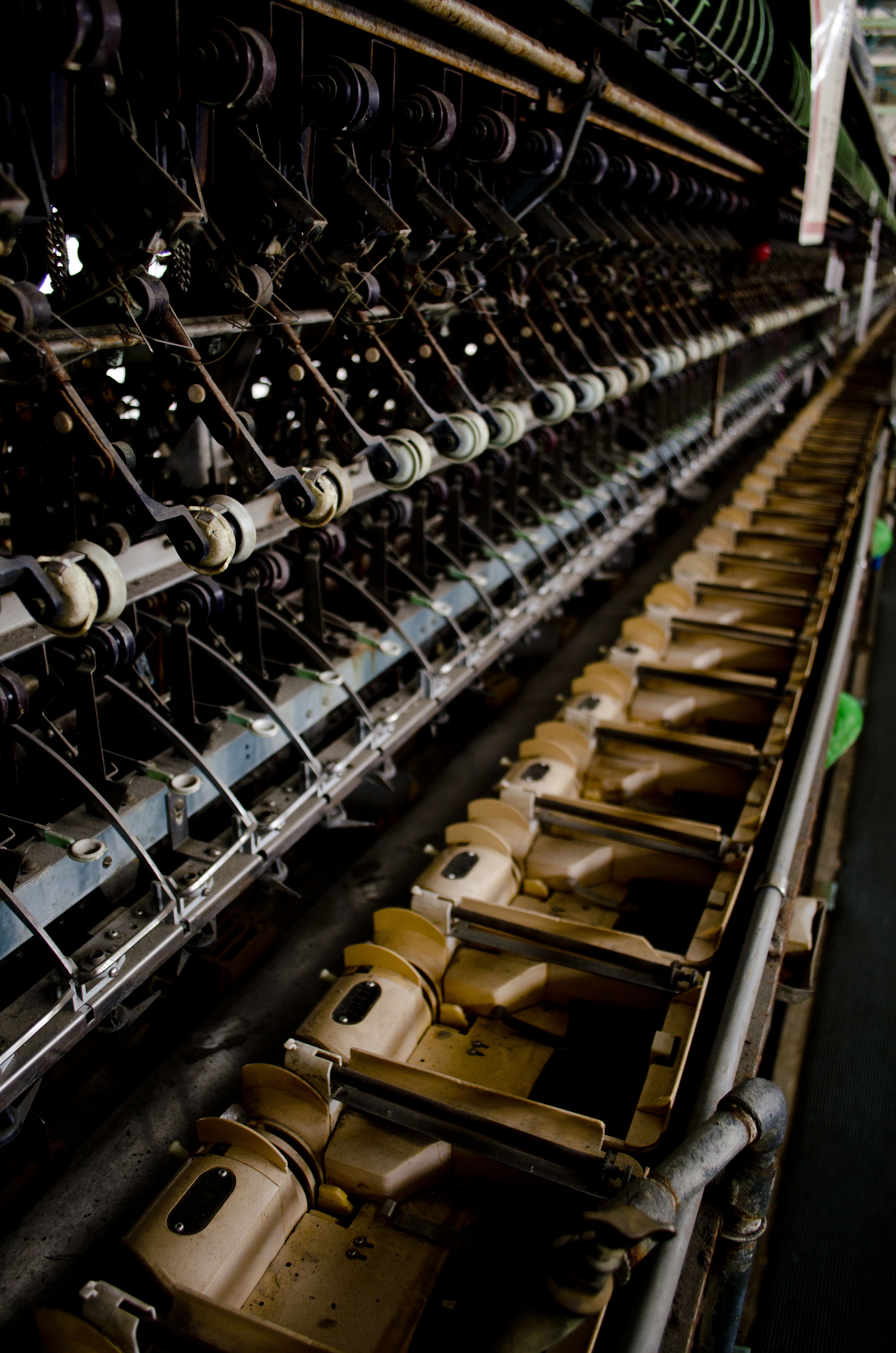
Constructed in 1871, the long buildings still house some of the equipment, and displays some of the machinery that was lesser used. While free Japanese tours are offered hourly, a self guided audio tour in English can be accessed via smart phone, using the QR code provided at the entrance. (Other languages offered include; Japanese, Italian, Chinese and Korean.) They also provide English maps upon entry, with the quarky historical facts such as the delayed employment to initially run the mill because there were French workers and their red wine was mistaken for blood. (I wouldn’t want to work with people who drink blood either.)

DSC_2495

The mill had shut down in 1987 after being in Operation for 115 years. With the loss of work in the area, Tomioka went from a factory town, to a sleepy mountain town until 2005, when the buildings were designated as a National Historic site, which increased the tourism in the area, giving the town new life. Two years later in 2007 the site was picked up by UNESCO as a world heritage site.


Written by Kiki Lathrop

Kiki is a writer, photographer and archaeologist from Colorado. Growing up on a sailboat in the Caribbean, she was introduced to different cultures early, and it fueled her passion to experience the world first hand. Over a year has passed since she set out a solo female traveler, only to discover that we in the travel community are never alone. You can read up on her stories and adventures at her website.

Please check out Kiki’s website, travelgypsea.wordpress.com, for more inspirational and educational posts!