Ho Chi Minh City / Saigon
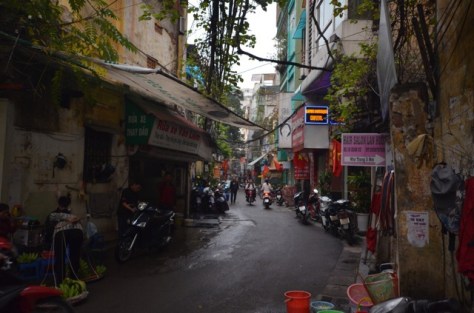
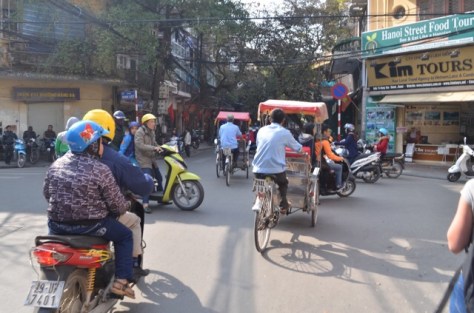
Saigon snapped me back into the mode of car dodging. The bustling city and flash night life was starting to draw on me, and the more active days with calm nights was a relief. Our first day of exploring took us into the Mekong Delta where we saw islands that were dedicated to different productions. One for coconut, one for honey, another for crafts. We were able to try fresh coconut candy, and were offered snake wine.
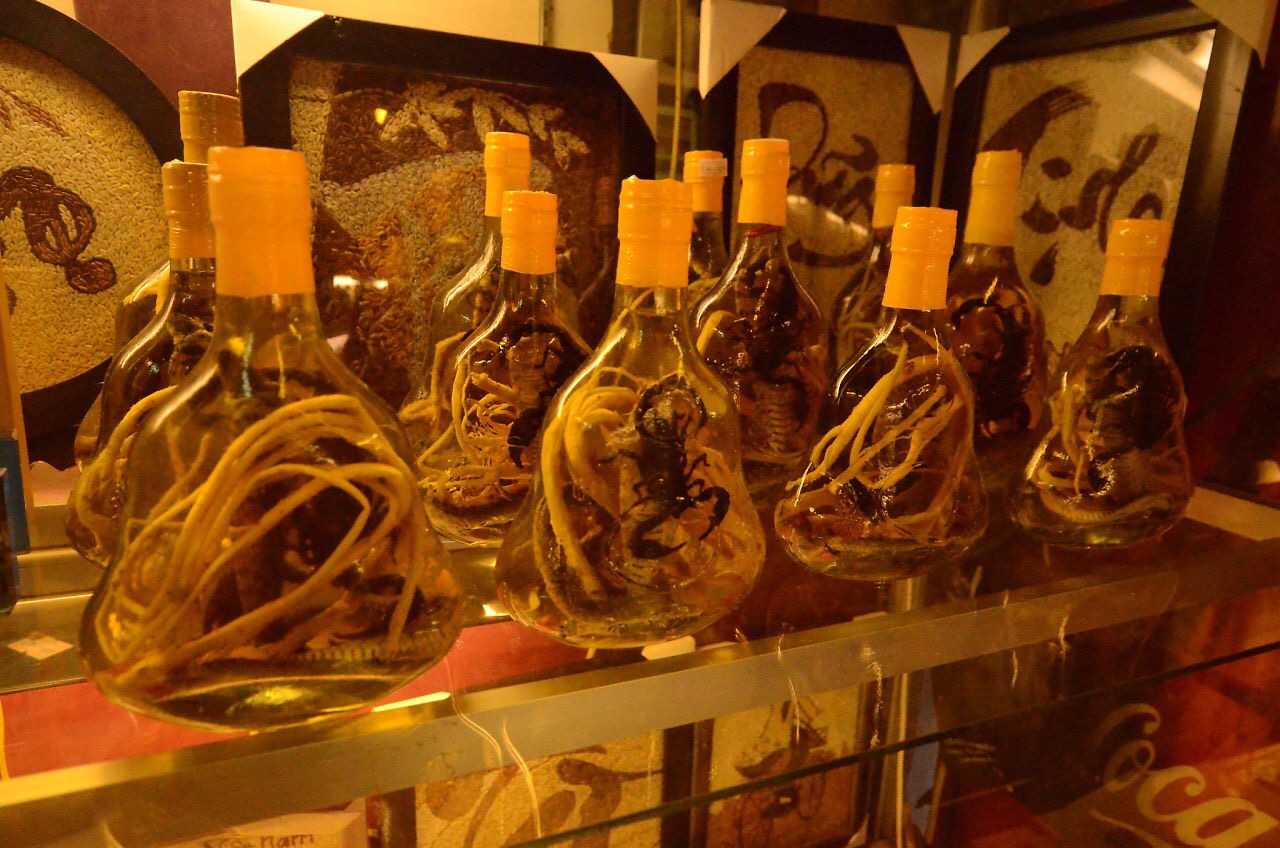
Snake wine, as some may know, is a harsh liquor that resembles cheap whisky. The triangular bottle houses bits of ginger root and a snake with a scorpion in its mouth. And it tastes exactly like what it sounds like. Sharp, spicy and strong.
Continuing on, we went to another island where we were paddled down a river in the small traditional wooden Can Tho small boats. We were making our way through the bamboo lined river when we noticed that all of the boats that were passing us in the opposite direction were waving at us and pointing to folded dong (the currency) in their hand. It took us a few boats to realise that they were signalling that we were supposed to tip our driver. If there is one thing I learned in Vietnam, nothing is free. Thankfully it’s all very cheap.

Cambodia – Phnom Penh
 We drove for about 8 hours the next day, which included the boarder crossing into Cambodia. The crossing was new for me, since we were coming in by coach and everyone on the bus had to give their passports to the bus driver who would give them to the customs official when we stopped. We had to take our valuable items off the bus and went into a large concrete ware-house looking building with the customs desks at the far end. We waited patiently as the customs official handed our passports back to our tour guide, who would call us forward and direct us to the bus that had moved forward to the buildings’ exit. I was nervous, as would anyone would be who has grown up knowing that it’s not the safest to part with your passport, especially in another country. Tom Tom, our guide, did a great job of reassuring us and definitely made the border crossing experience a quick and easy one. In Phnom Penh, we spent a day at the S21 prison and Killing fields.
Warning: the following may not be suitable for children to read. It was tough to visit. It was tough to write.
The bloody history of the Kumar Rouge regime is an unpublicised holocaust. The regime had gone around to the neighbouring areas and ‘recruited’ anyone who had a skill other than farming, knowing they would be a threat to the power of the Kumar Rouge. Trades people, and especially doctors and teachers, all brought to the prison under false pretence of jobs and a better life. Extending their reach, they decided to take whole families. After all a child could grow up to seek revenge. After being relocated to the S21 prison that was converted out of an old high school when the city of Phnom Penh had been deserted, the few remaining locals were resettled in neighbourhoods away from the school, and the screams. Millions of people were killed in that era. There were only eleven survivors; seven prisoners of the S21 prison, and four additional children who were smuggled and hiding in the kitchen. The others that were in the prison were executed quickly once the Kumar Rouge realised they were going to loose power, and took many of their prisoners the ten minute drive to the killing fields. The prison is renovated in some areas to show what it looked like before. Another area was converted to a museum area. And the last was left just as it was found, down to the occasional bloodstain. If the holocaust museum was built at Auschwitz, I imagine the tone would be close.
The killing fields, which are still not fully excavated, reveal bone and clothes after forty years. While walking along the raised boardwalk that winds through the fields, bones and bullets can be found within a foot on either side. In the middle of the field is a large memorial, where the skulls are displayed on shelves that create an encased pillar in the middle of the room, about 10X10 feet (3X3 meters).
I studied physical anthropology in my undergrad and we were able to work with bones of mummies that had been donated to the university. We learned how to determine gender, age, and certain causes of death that could be seen in bones. By the second panel of bones in the killing fields, I didn’t need to read the plaque. Adult, 25- 30, female, shot in the middle of her forehead. The next side of the pillar – children and under 20’s, some with their skulls not completely fused. After all, that only happens if you get the chance to grow up.
The history is dark, and for a few hours you feel any happiness sucked from you. Because of this repetition of history, I think if you are passing through Cambodia, you need to visit. Not because I want you to feel helpless to the carnage of the past, but because I really want people to remember, and not do insane atrocities again. At the least, the museum area has photos that the Kumar rouge had taken for records, which were the last many of the people had while they were alive. Personally, I like to learn about them so that they are not forgotten.
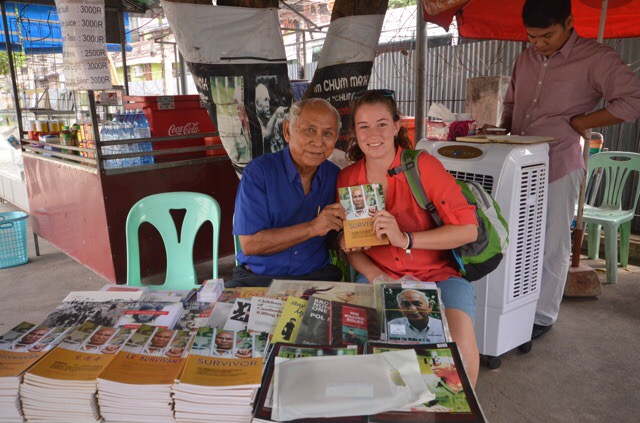 Me with one of the 7 survivors of S21, Chum Mey, selling autographed copies of his book “survivor”.
Siem Reap
Right. Back to the fun, not-so-depressing stuff!
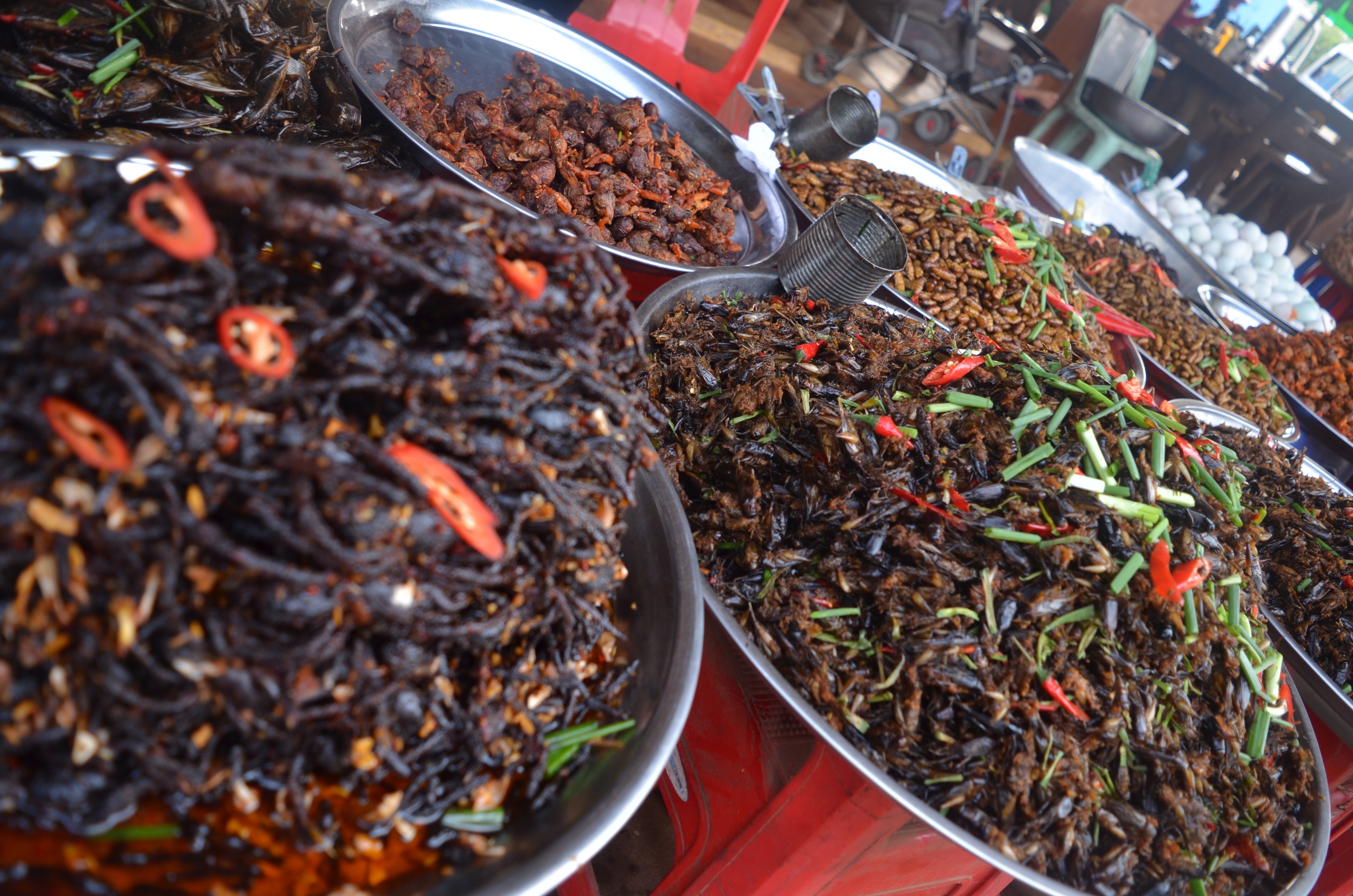
We drove in a small private bus from Phnom Penh to Siem Reap, stopping for a brief break at a roadside stand that specialized in a wide selection of deep fried creepy-crawlies. Of course, this is where my adventurous palette and I stepped up to the plate and ordered a tarantula and a few crickets. I have to say it – the tarantula tasted like chicken. It’s true. Like over fried, a little dry, crispy-breaded chicken. The crickets? Well, they just tasted like cricket. Not exciting in flavour other than the spices that it was cooked with. Just remember to take off the legs and wings, or you might find yourself with a cricket getting caught in your throat half-way down.
The next two days were spent at the Angkor Wat temple complex.
The first day we left the hotel at 4 am, clambering into the bus to go get our ticket and venture to the temple to watch the sunrise. As we made our way through the dark, I couldn’t even see the faint outline of any buildings. The new moon left the sky pitch black, with only a blanket of stars and plants to tell where – approximately – the sky ended and the horizon began. As the sun came up, the sky turned a faint pink, and the reflection created a magnificent silhouette of temple and palm trees against the dark plum of the cool morning sky.
Inside the temple walls we watched the sun rise, reflected in the small ponds that were originally built as water throughs for elephants. (Transport for the elite.)

The main temple was originally constructed with a mixture of Hindu and Buddhist architecture, and was meant as a communal worshiping place for both religions. There are monks that still practice here too.

The next temple we went to was the Bayon, also known as the face a temple. Each of the many rooftops has one face per a side, built to face the four directions. In the temple you can explore the maze of ruins, taking photos in the windows and has fewer visitors. The faces in the tops of the towers are kind of fun too.

We next visited the “Tomb Raider” temple, where the film was mainly shot, but between the heat and fighting a large crowd of people to get any photos, within an hour we were ready to move on.

The last temple we visited was “the hospital”, which was on an island that could only be reached by walking along a narrow wooden boardwalk above a bog. In Ancient times, they believed that the body ran off the four elements; fire, earth, wind, and water. The ‘hospital’ was five intricately carved stone pools, four on the outside and one large one in the middle. When you were sick, a medicine man would determine which of your elements was ‘missing’ and you would be ritually bathed in the coordinating pool to make you healthy again. If you were really close to death, you would be considered missing most of your elements and would be bathed in the large pool in the canter.

Our last night in Siem Reap, as part of our tour, we were taken to dinner at the New Hope restaurant. The New Hope Restaurant was created to give women working in sex work the opportunity to learn new skills and create a new life for themselves. The foundation grew and built a school that teaches English, a required skill for all the hospitality jobs. This was something that was organised as part of our GAdventures trip, and was amazing to be able to support.
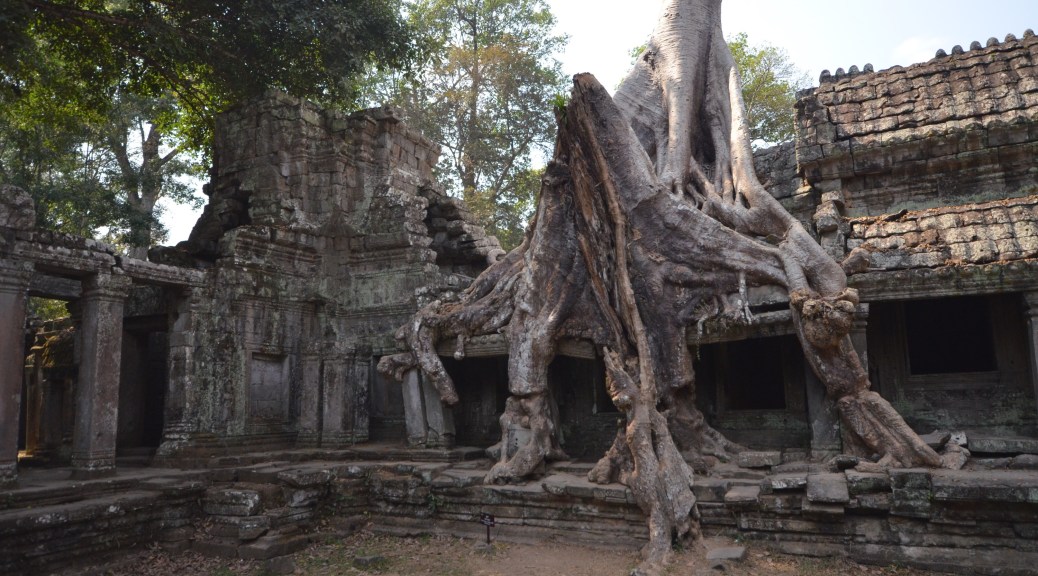
Fun fact: The elephant ponds at the main temple of the Angkor Wat complex were converted temporarily into a ‘fishing village’ in 2001 for the movie Tomb Raider. Restaurants in town still have their menus tagged with dishes that Angelina Jolie ordered when they were filming in Cambodia. The temple where they did most of the filming, the one with the trees growing into and around the buildings, is actually very small and very crowded. Be ready to have to fight your way through a crowd at any of the major temple sites.
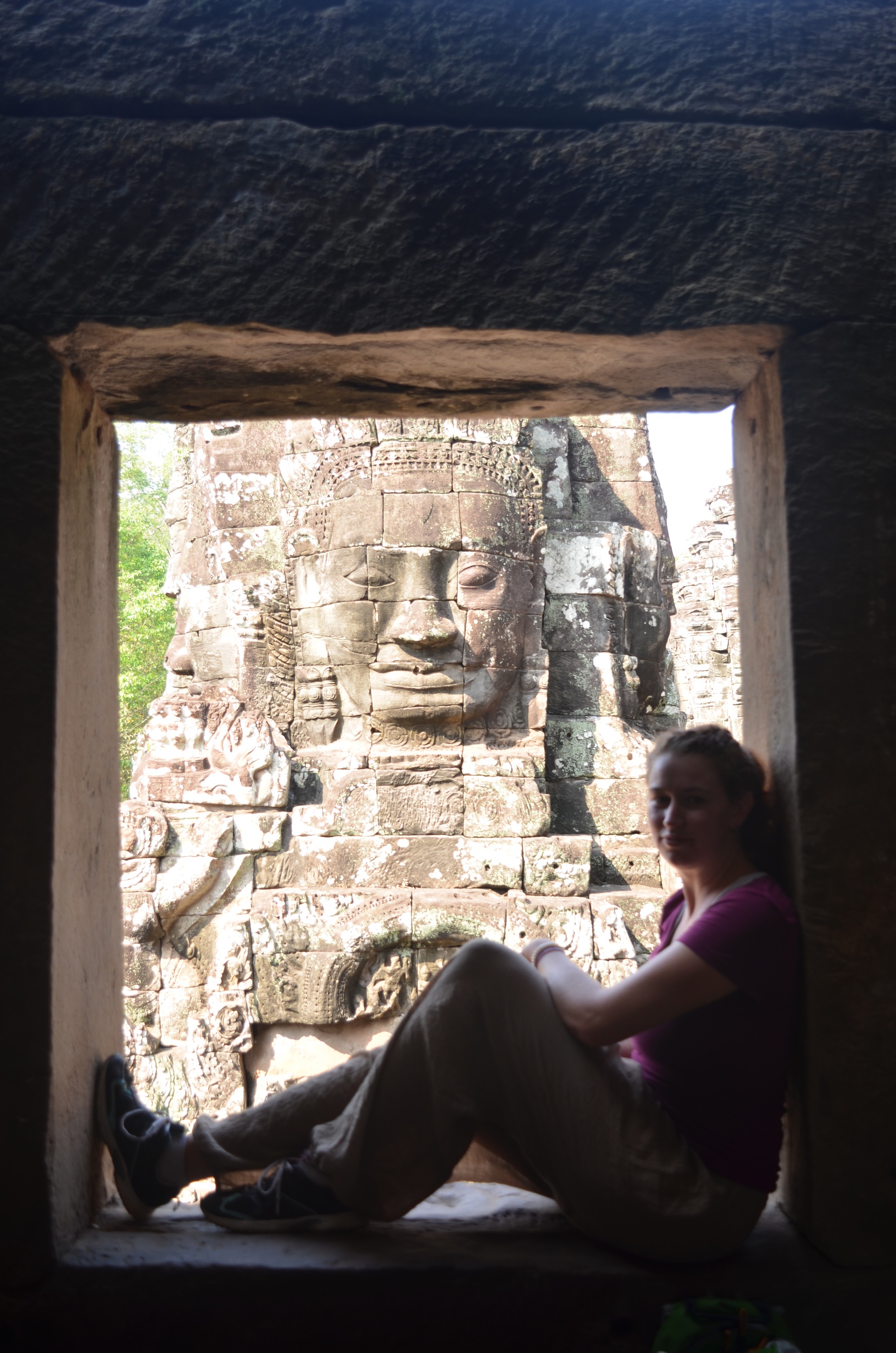
The smaller “face temple”, or the Bayon, is massively underrated, and really worth a visit.
Thiland – Bangkok
Bangkok provided us with our amazing race experience to the Wat Pho, the 600 foot Buddha statue.

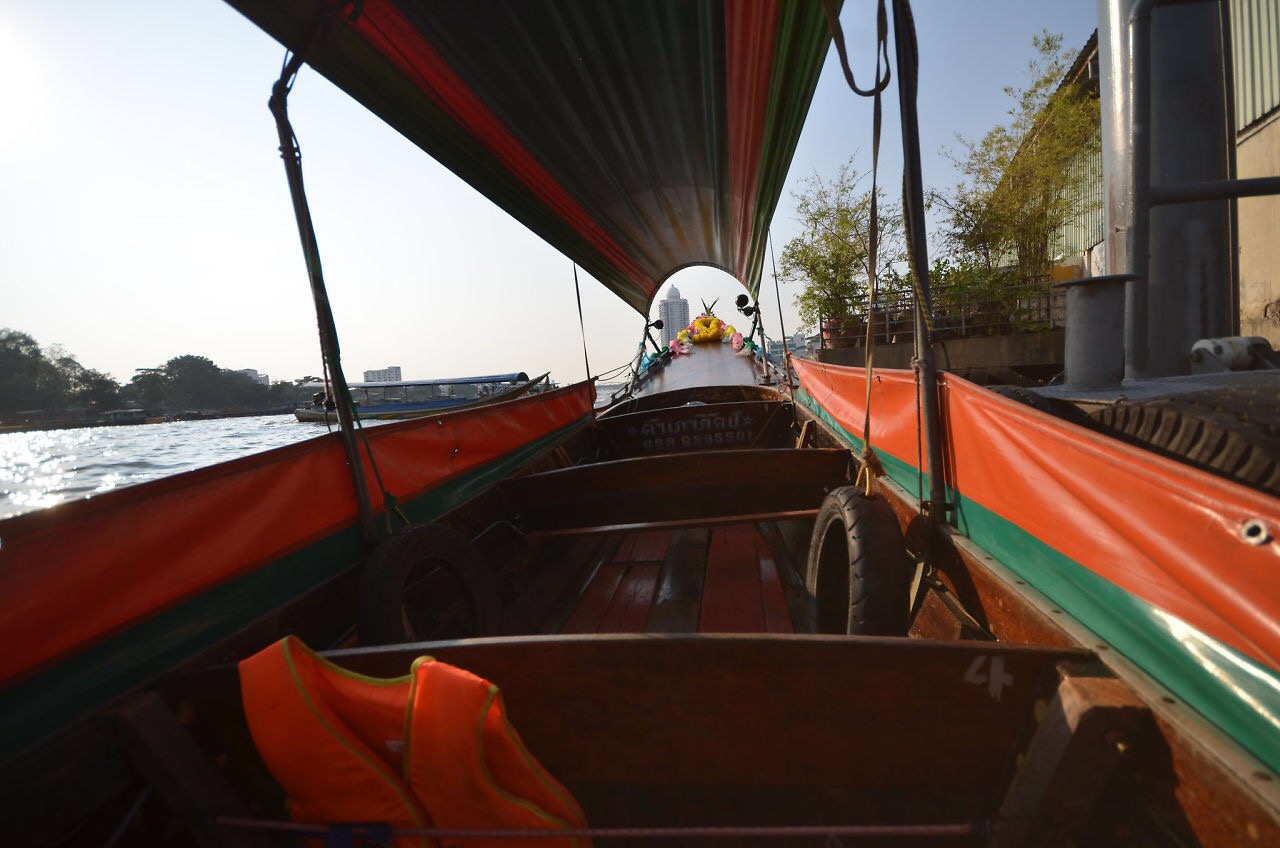
We thought it closed to the public at 5 pm. We arrived at our hotel by bus at 4, so four of us girls ran down and grabbed a tuk tuk. The guy said that he couldn’t get there because of construction and we would need to take a boat. He brought us to the ferry terminal and the boat man (who obviously knew him) waves us over and tries charging us $40 for a boat ride that we knew should have been $3 each at most. We talk him down to $7 each and then instead of taking the water bus, he flags down a “water taxi” which is one of the long skinny traditional boats. Note: It doesn’t do well on waves and every time we hit a wake I thought the boat was going to break in two. When we pull up to the dock and there is a lengthy line for the water bus that we had originally planed on. We realized that the little boat may have been the best option, as now it is 4:45 and Wat Pho closes at 5 PM, we had to hurry. There was a dock hand that was helping the long skinny boats dock then you had to pay a “docking fee” which was just another way to rip off tourists. We paid it just wanting to get out of there and get to the Wat before it closed and took off in the general direction. We made it to the main crossroads by a government building, and start to question our sense of direction. Thankfully many of the buildings in the cities are guarded by armed guards and we figured “Lets ask the men with the machine guns for directions”. They smiled and told us that it was just around the block “down and to the left”, so we took off in that direction. We reached the next corner where once again we couldn’t find Wat pho, so we ask another set of armed guards. They also tell us “Down and to the left”, so we continue on to the opposite corner of the complex from where we started, but arrived at 4:55. Frantic, we tried finding an entrance where we can get a couple pictures before getting kicked out, and I saw the open sign that displayed “hours 8am to 6pm”. We had a whole hour before it closed.
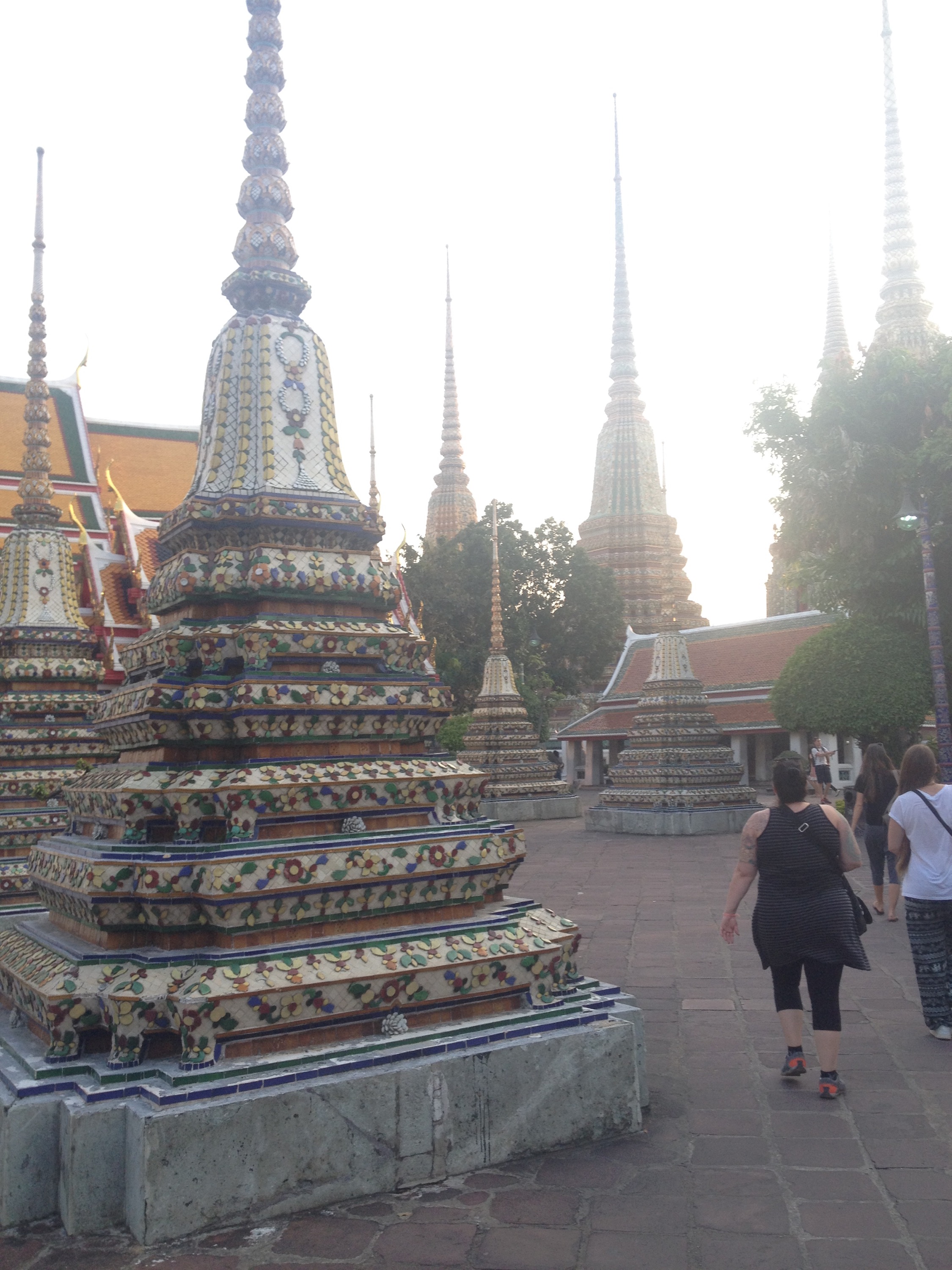
Inside the complex, there were several structures covered in a tile mosaics that made me think of something out of Willy Wonka. The big temple that houses the reclining Buddha is MASSIVE. The outside is stark white, while inside is reds and gold leaf decoration. The statue itself was gold, and hard to take in at any one location in the temple.
We wondered around the complex, and a group of the monks were just ending their prayers for the day and wondering around as well. When it was time to go we walked out the front door, and there was a tuk tuk that was able to bring us back to the door of our hotel… no construction to cause delays.
Chiang Mai
In Bangkok our groups parted ways. My ticket home was booked out of Chiang Mai, and I had no choice but to go look around. Still hesitant about traveling alone, I found that one of my fantastic new friends from the tour was also headed north to Chiang Mai, and we were going to meet a few days later.
While traveling through Cambodia, I discovered that Tom Tom, our guide, was from Chiang Mai and asked her for any advice about doing things and getting out on some adventures. She told me about an Elephant riding outfit that she recommended because they take care of their elephants, saying there are cheaper programs, but she wont vouch for the treatment of the elephants. (Elephants are the SE Asian equivalent to work horses, there is still much debate about the ethics in riding them. Not to worry, there are a number of tour companies in Chiang Mai that offer elephant programs where you don’t ride the elephant, and still get to feed, bathe and pet it.) I was also advised that riding bareback is easiest on the elephants rather than riding with “saddles”, much easier for the elephants to handle and get used to, and can be trained through rewards. (FYI, They love bananas.) The program we went on took us hiking to a waterfall, where we were given samples of edible plants along the way. When the guide, had a large ant trying to bite his thumb, I pointed it out, and he shrugged casually and said “Its an ant.” And ate it. We stopped for a more substantial meal after the waterfall and had a local lunch of a yellow chicken curry on rice. Another part of the tour was to visit the Hilltribe people. They are part of the same overarching tribe as the long necks, though the practice of waring rings on their neck is dyeing out.
Originally there was the belief that members of the tribe born during a full moon would be more likely to be attacked by a tiger, and since tigers will attack the throat, tribes people originally wrapped their necks in rattan. As rattan is easy for teeth to get through, the tribes people switched to copper rings, which would offer more protection against tiger attacks. The practice is fading out because of the dwindling tiger populations, and the fading of superstition that your chances of being attacked coordinate with the lunar cycle you were born under.
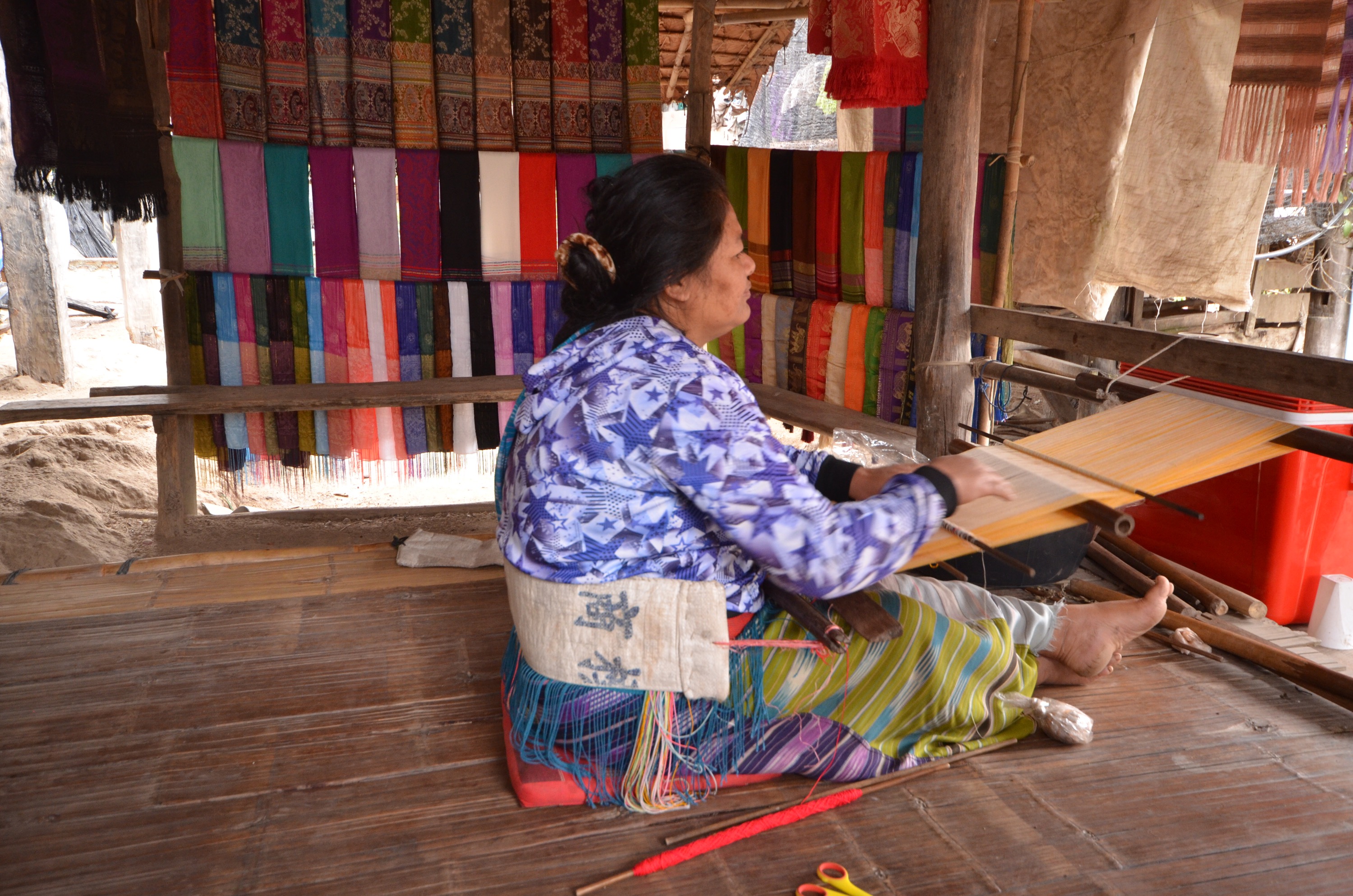
If you want to guarantee seeing the long neck tribes people, there are settlements that the Thai government established for tourism.
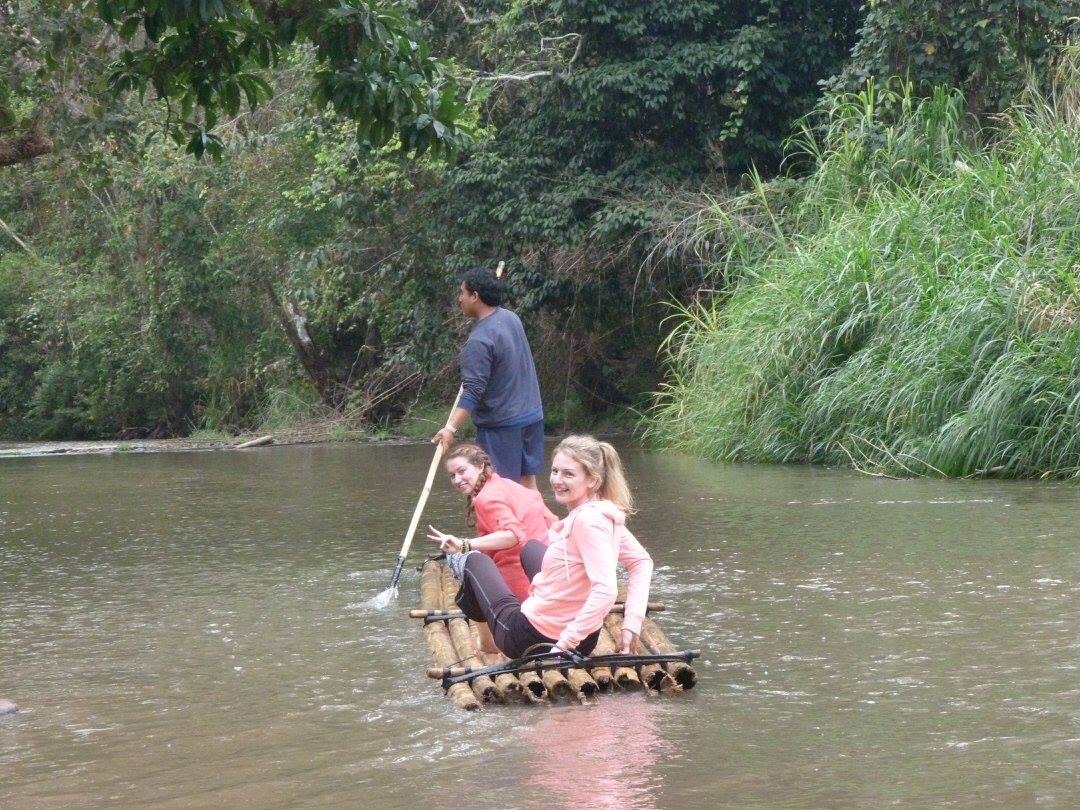
We continued into the forest to a farm where we rode elephants bareback for about an hour around the property. We walked down to the small creek where we were the elephants could swim, and then back to the farm. Before leaving our elephants we spent some time just walking with them, feeding them bananas as treats. Finishing off the day, we did some bamboo rafting down a river that was cool, and quiet.

Another aspect of what I have found to be deemed “questionable tourism” is tiger photos. I have heard of the Tiger Temple, which is notorious for drugging and abusing its tigers. So I researched, did some asking around and homework, and found another outfit – Tiger Kingdom – which is more popular for its cub photos, because they have a lot of restrictions on who is allowed to take photos with the larger tigers. Given the size and nature, and the lack of information surrounding the larger tigers, there is speculation as to if the tigers are drugged. The cubs however, were jumping and playing and each had 2 handlers on standby, with all of our moves guided by the handlers of what to do and when. Since this was a bucket list item, I brought my camera and got to spend a bit of time playing with some tiger cubs. When my travel buddy and I left the enclosure, we just looked at each other and asked “did that really just happen?”

Singapore
When traveling to and to and from the field school/Chiang Mai I flew in and out of Singapore. With a 9-hour layover on the way to Vietnam, I had booked a hostel in the city, and decided I was going to use my time wisely sight-seeing.
I was sitting at my gate in the Brisbane airport when I hear a familiar voice call my name. It was one of my classmates that, I admit, I didn’t hang out with very much outside of class. She and I discover that we were on the same flights, and I invited her to join me at my hostel if she was up for the adventure. She agreed and we navigated out of customs, (thankfully for both US and Australian passports, you do not need to apply for a tourist visa,) grabbed some fast food, and caught the bus that was hostel bound.
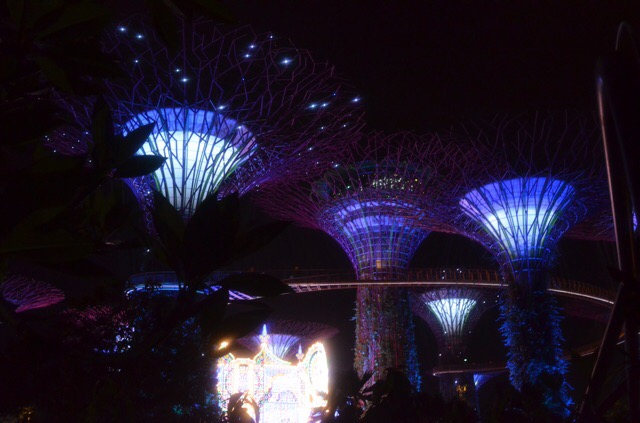
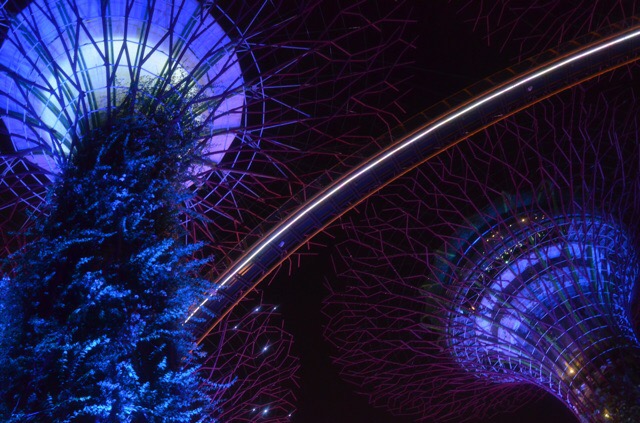
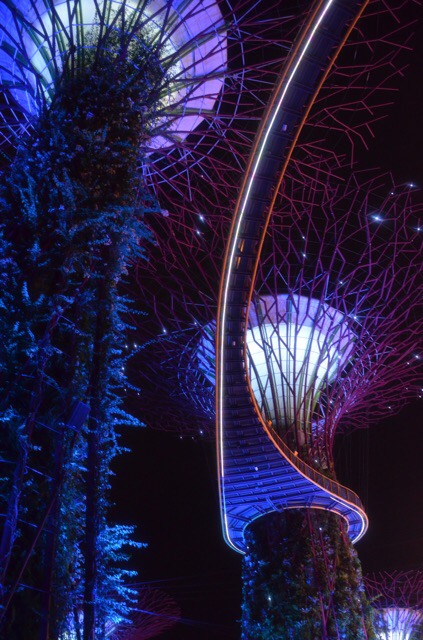
We checked in, dropped our stuff, and hailed a taxi to the Gardens by the Bay. The gardens have large greenhouse pavilions and a walkway through the manmade industrial trees, but they both close at 8 pm. We ventured along the walkways, finding an outdoor aquarium, and vantage points of the clusters of large plant-like structures. Lit in a neon blue, the structures resembled giant trees that mushroomed at the top, greenery growing up the sides, and white spots of light doted the tops like stars. A few hours of wondering around the gardens and it was time to attempt a few hours sleep before our morning flight to Vietnam.
On the way back from Thailand, again I had a lengthy layover. This time seven hours. Singapore airport has won multiple awards as the “Best airport in the world”. I took the time to wonder around and find what the hype was about.
The airport has a hotel, public pool, two movie theatres, a game centre, free Internet, free massage chairs, and so much more. Gym? Yup. Butterfly garden with a waterfall? You bet. I find myself wondering if I can book an international flight back just to visit the airport.









 TravelGypsea