Tag Archives: Archaeology

The Monkeyless Monkey Expedition

DSC_4345

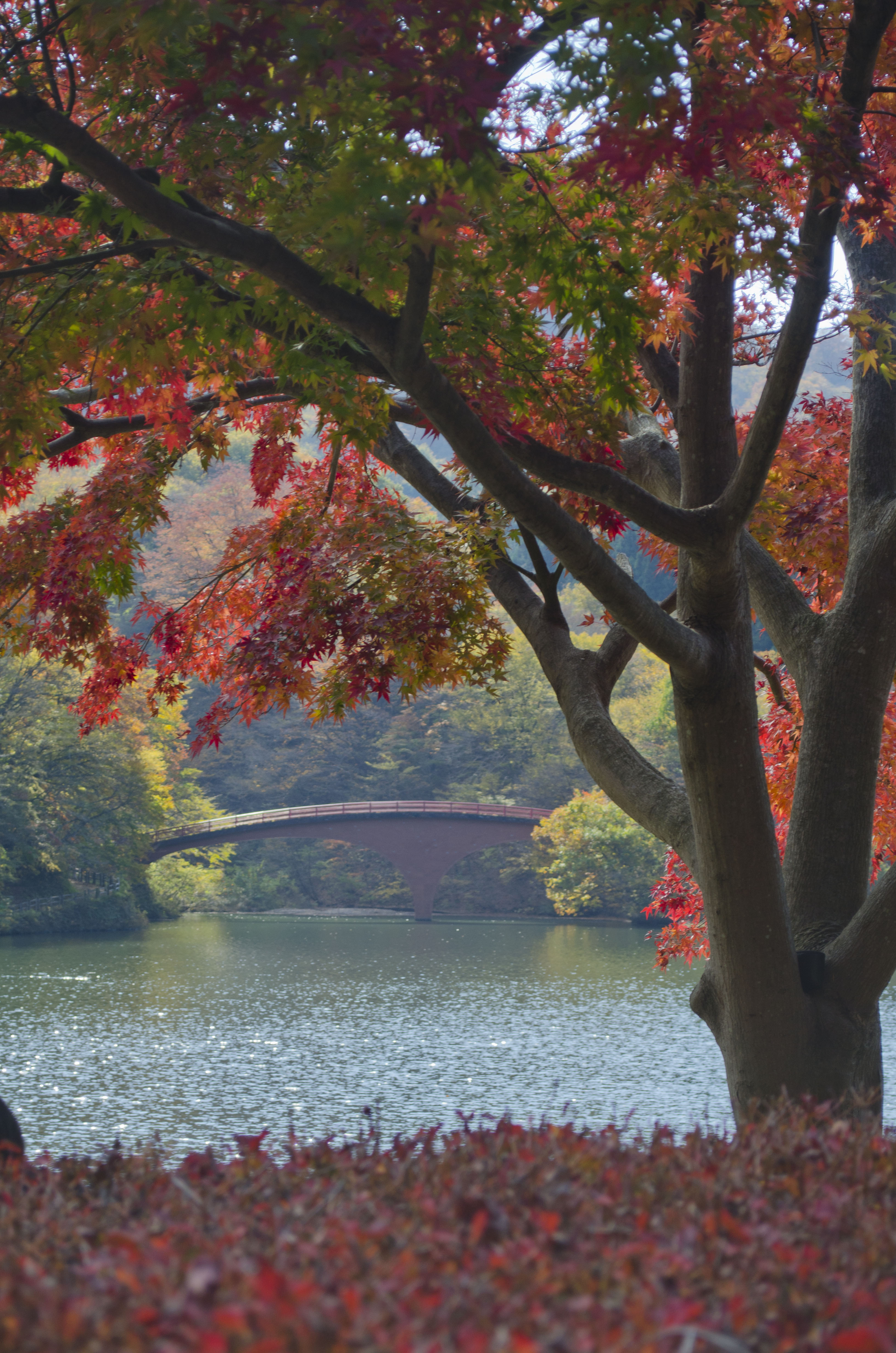
As you can imagine, both as a photographer and an anthropologist, the idea of my first sighting of wild primates had me excited all last week. The previous week there had been a family of just under a dozen spotted in a tree of a lakeside parking lot. My co-worker who had seen the fuzzy gang offered to take me to the distant lake this last weekend, in hopes that the band would be visiting again. Sadly, as we pulled in there was no sign of the monkeys, nor did they show for the rest of the day. What we did see was an amazing change of color from the trees that surrounded the lake, the bright red, yellow and green of the trees, and the blue of the water and sky. Usui lake, which is located a short drive from Tomioka, is surrounded in postcard scenery and and historic culture. The old railroad that ran beside the lake has long since been deserted, and was converted into a walking trail. The long, dark, hand built tunnels echo with the shuffling feet, with the ash stained roof overhead as a reminder of its original use. Along the path is the large railroad bridge, and the final stop of the trail is the old station.

When leaving the trail, you pass a visitors center/shop on the main highway. the shop houses a small food court that offers a rice dish that is comprised of many of japans cuisine staples. From shiitake mushrooms, to Japanese pickles, to the hard boiled quails egg, the sensation can only be described as a rush of flavors. (You even get to keep the ceramic pottery rice-cooking bowl, stamped with the station name in Kanji, when you are finished.)

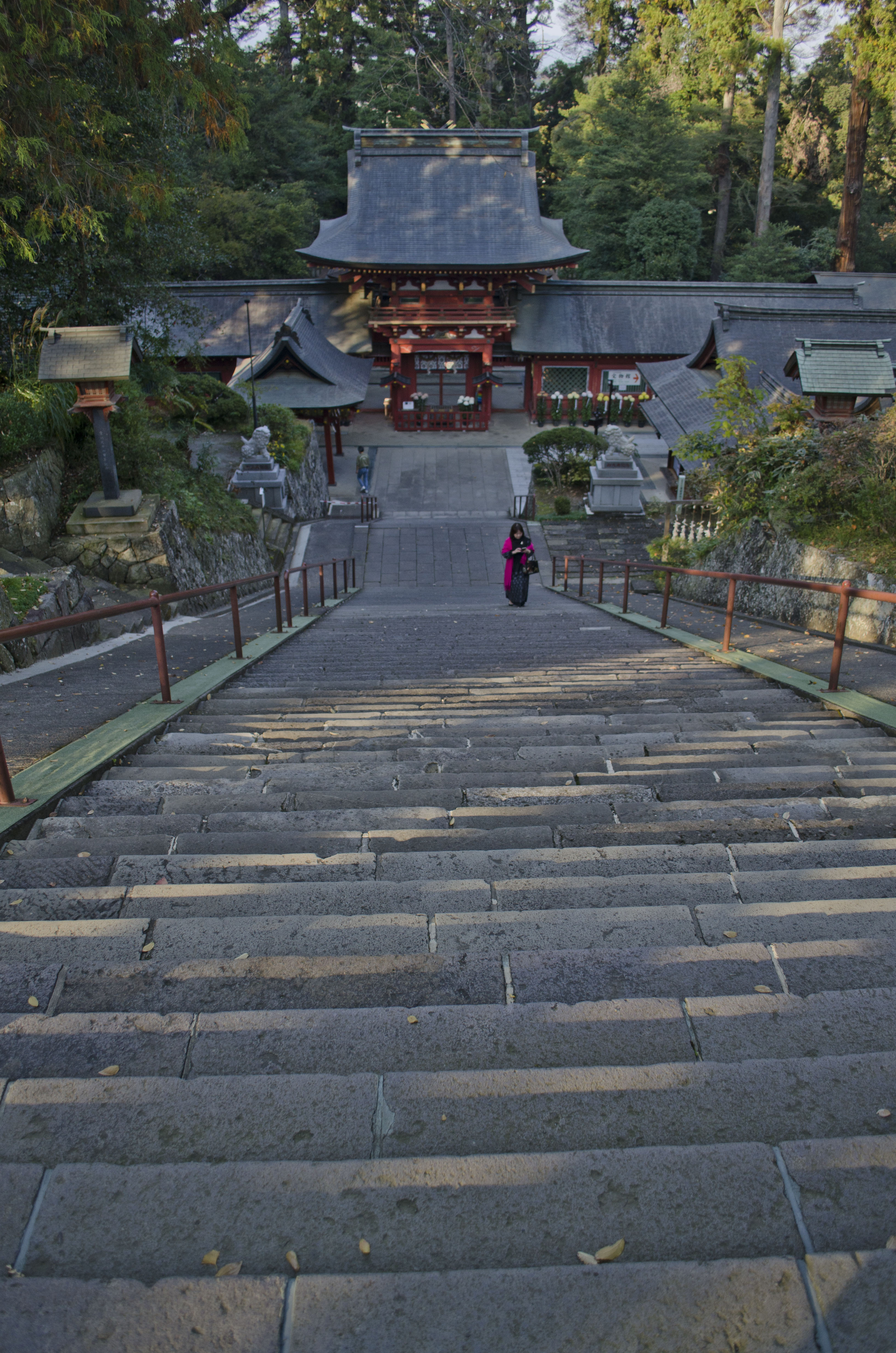
After lunch, we ventured to some of the shrines, where my co-worker (and acting guide) taught me some of the customs of shrine etiquette, explained the telepathic relationship of the A-Um (‘ah-oom’, the two statues that protect the shrine. The open mouthed ‘A’ statue and the closed mouthed ‘Um’ ‘don’t need to speak to communicate. They understand each other.’) By the entrance to the shrine, are three large cedars that are designated a ‘power center’. wrapped around the trees was a cord with strips of paper attached. Those pieces of paper are fortunes, and when you are done reading your fortune, you tie it onto the cord.

Each temple has different gods that it is dedicated to, and since we were there, I was taught how to pray to the gods of health and well-being. At the entrance to the shrine, there is a wash basin, where you wash your hands and rinse out your mouth before approaching the shrine. standing in front of the shrine, you bow twice, clap your hands twice, silently say your prayer, then bow a last time.

At the last shrine we visited, there was a small girl dressed in a Kimono getting her photo taken in front of the shrine. My co-worker explained that there is a celebration that is held here for girls who are 3 and 7, and boys who are 5, to get dressed up and visit as many shrines as they can and take a photo.
DSC_4397

Kanra; The hidden gem of Gunma

Kanra:

The area holds onto its history as the safe-haven for samurai after they were ‘disbanded’. Coming from Tokyo, Osaka, and Kyoto, they were able to use the rural environment to continue on with their horses and arts, which has made the area very rich for authenticity.To this day, the area embraces its martial arts of Judo, Kyudo (archery), Kendo (staff fighting) and Kendu (sword).

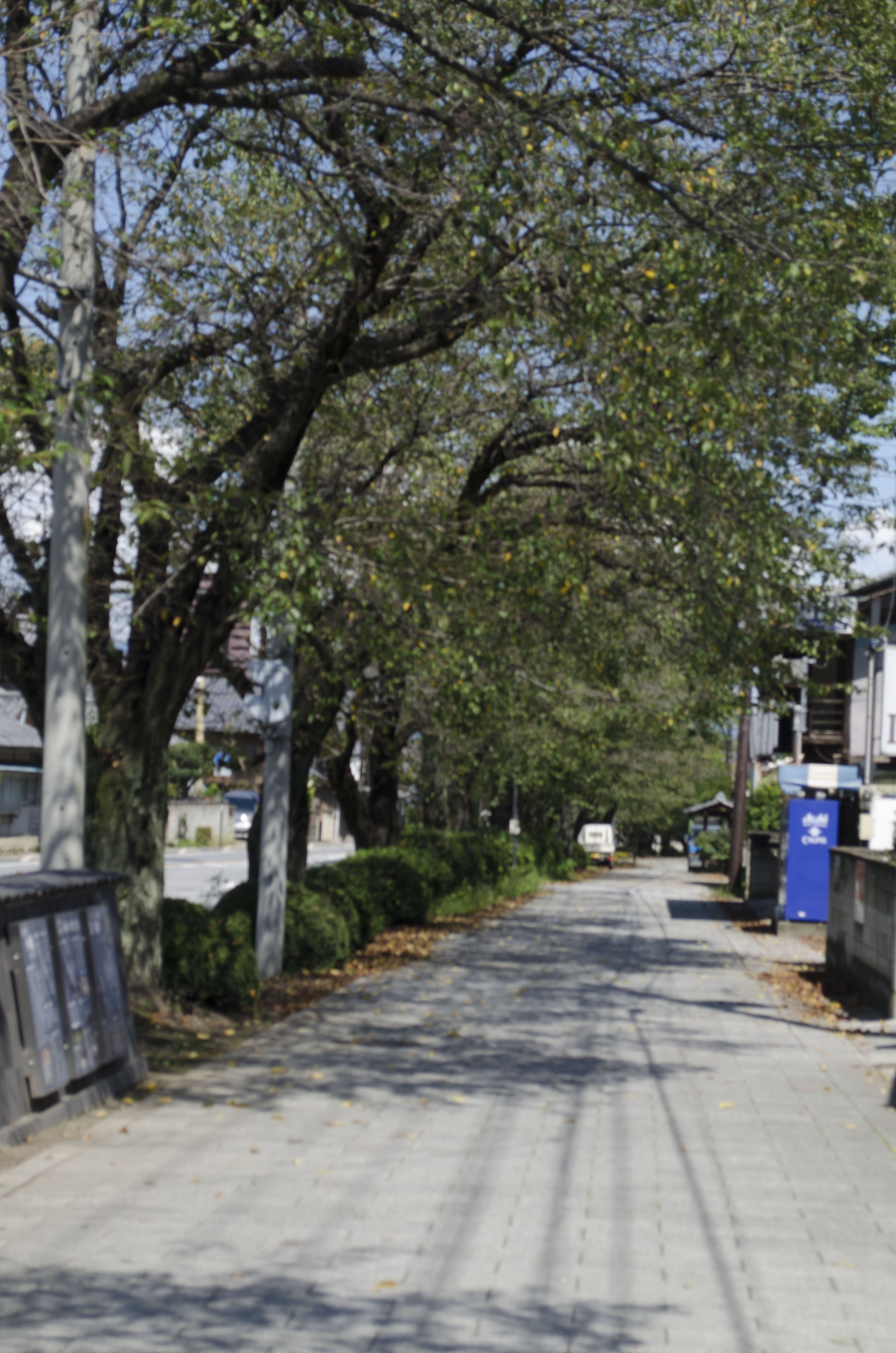
About a 30 minute bike ride from Tomioka is the small town of Kanra. Shougun (a Samurai chief), had lived in the small town, and his old house is marked with a plaque outside the front gate.  In the spring, during cherry blossom season, there is the Kanra samurai parade. This free event is held along the main road, flanked by cherry blossoms, and contains the authentic view of the samurai. Participants will dress to-the-nines in their samurai garb, women will dawn kimonos and paint their faces, and they will take to the cherry blossom lined road.

DSC_2752

Cherry blossom trees line the sidewalk in Kanra.

Kanra also houses many temples, shrines and gardens that are not to be missed. When my co-worker brought me into the small town, our first stop was a large temple that we saw as we entered the town. Hiking upto the building, we ventured up an over gown path to the top of the mountain behind the temple. Capped with a small seating area, stage and a few tree’s lining a meadow, the lush overlook provided a wonderful view of the surrounding towns and mountains.

DSC_2768A sample of the view.

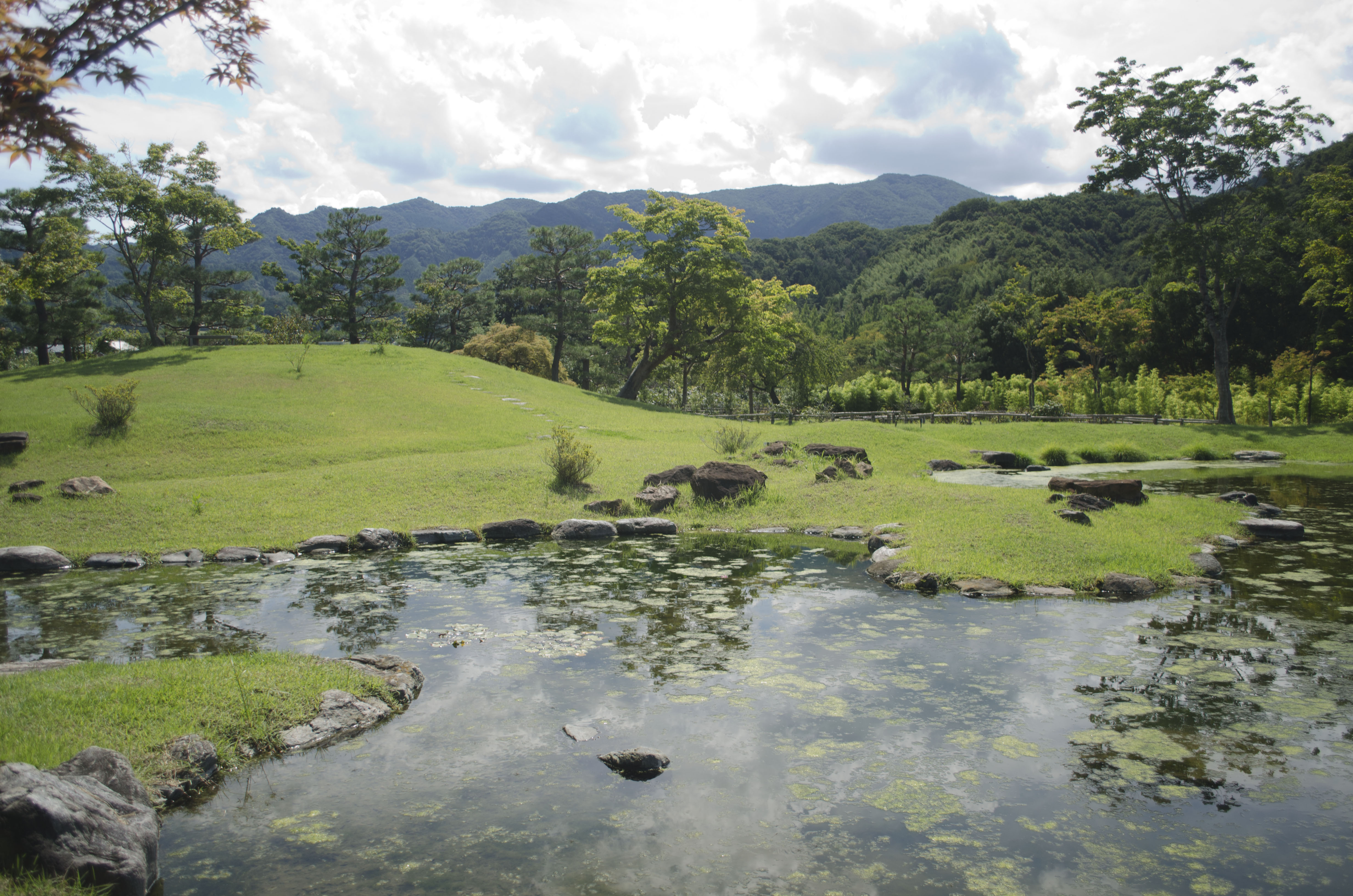
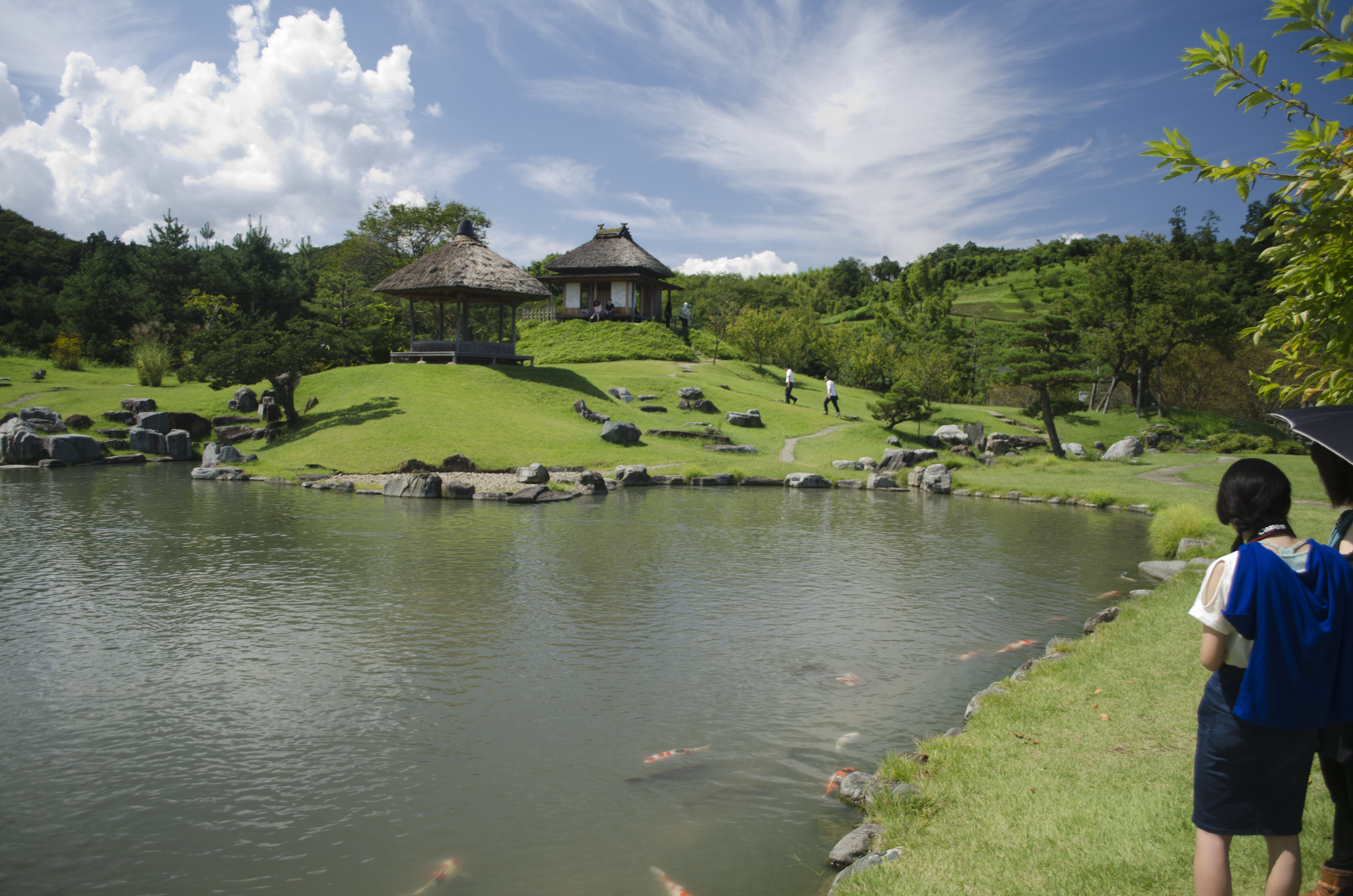
Our next stop was the gardens in the center of Kanra. The 300 yen ($3) entry price is well worth it to see the rolling green hills, and lounge pond side to large Koi fish. In the adjacent museum that shows what the Samurai houses used to look like, you can buy a bag of Koi food for 100 yen ($1). I highly recommend doing this.

DSC_2793 DSC_2789

The gardens in Kanra.

Wondering around the garden, we came across the local Kyudo club in their practice. On the other side of the garden from the museum is an archery range, which at the time was filled with archers dressed in traditional clothing, practicing their technique.

DSC_2972DSC_2975

Kyudo, unlike western archery, draws the arrow behind the head to sight down the arrow shaft.

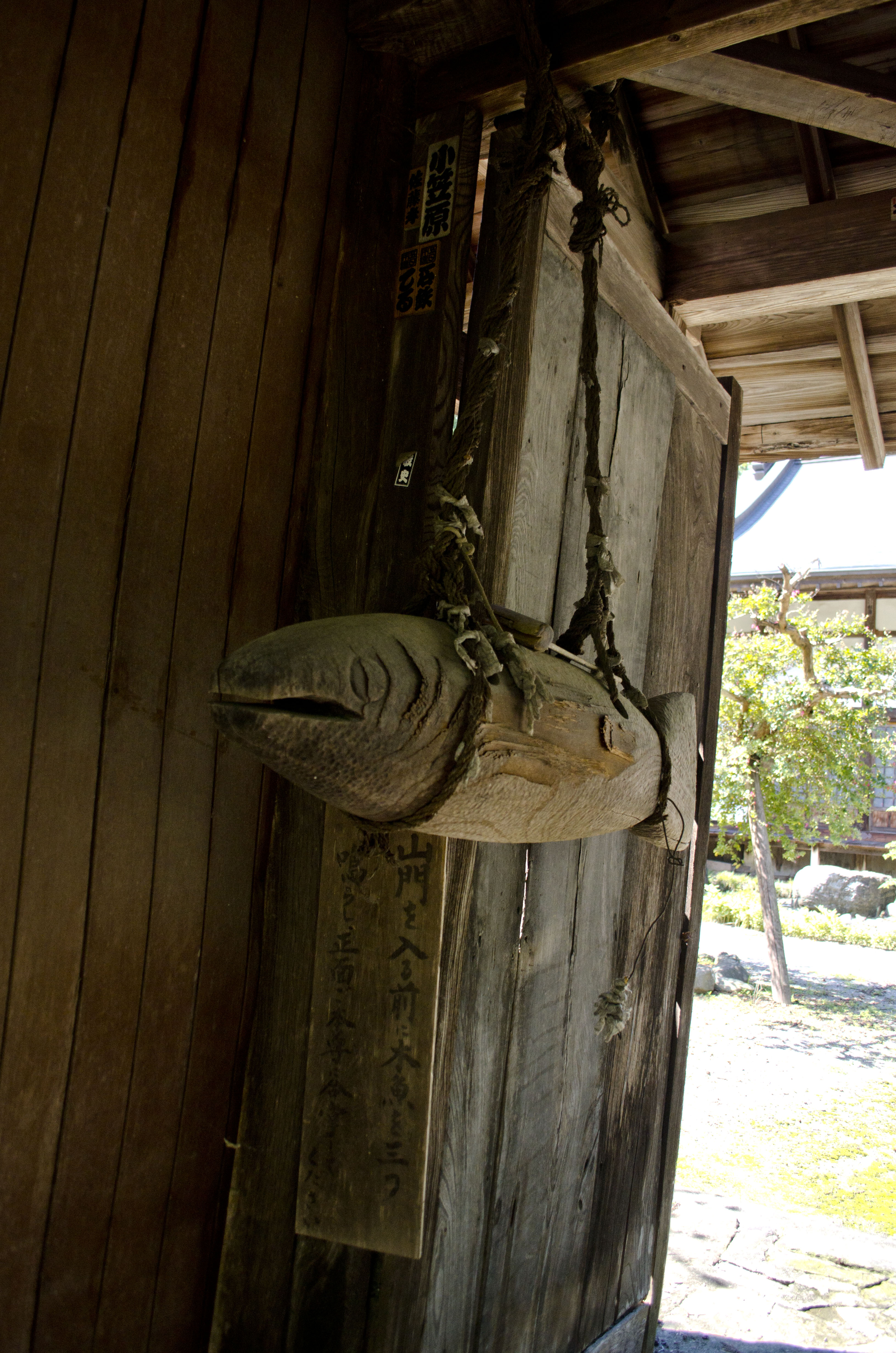
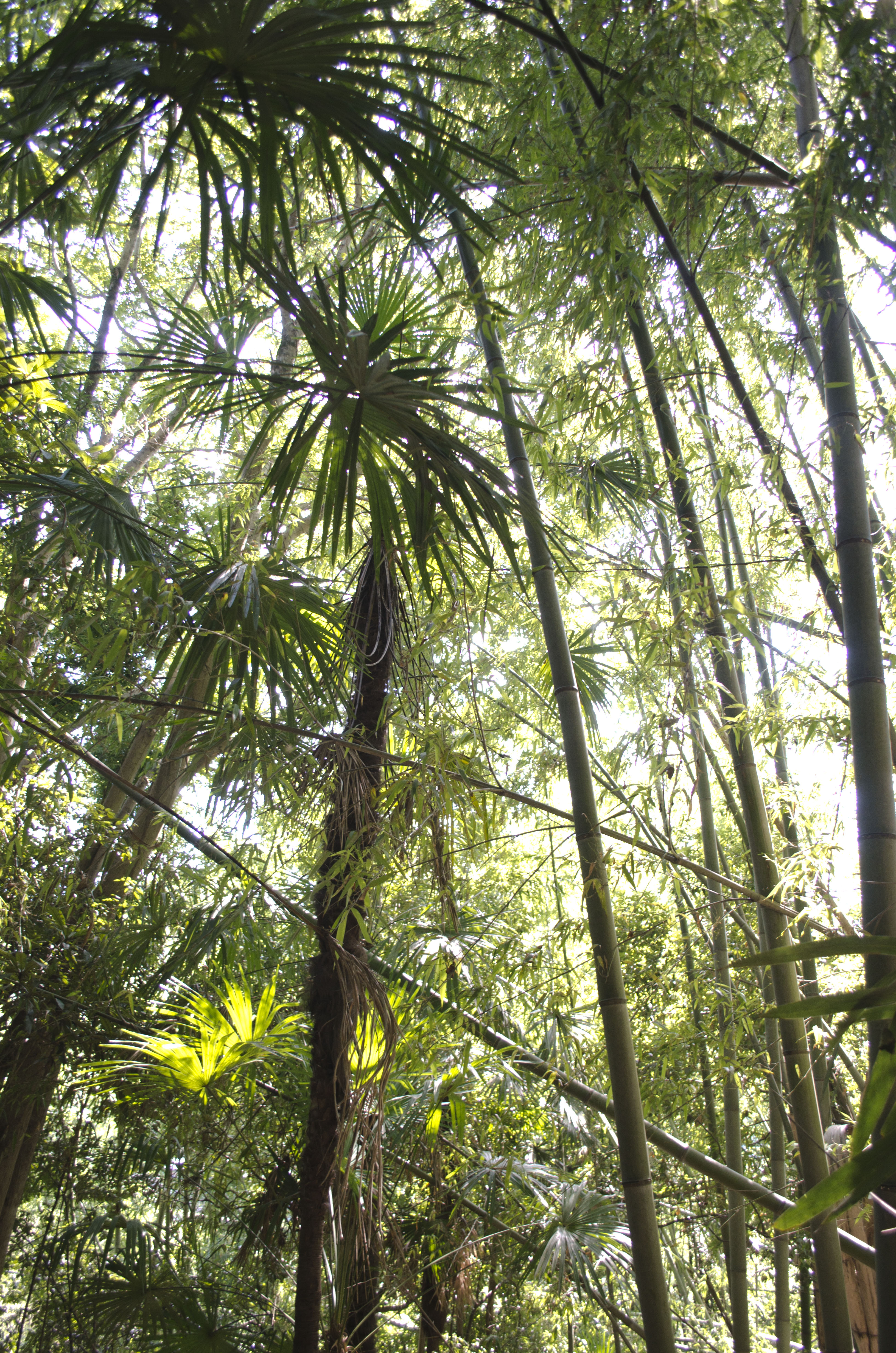
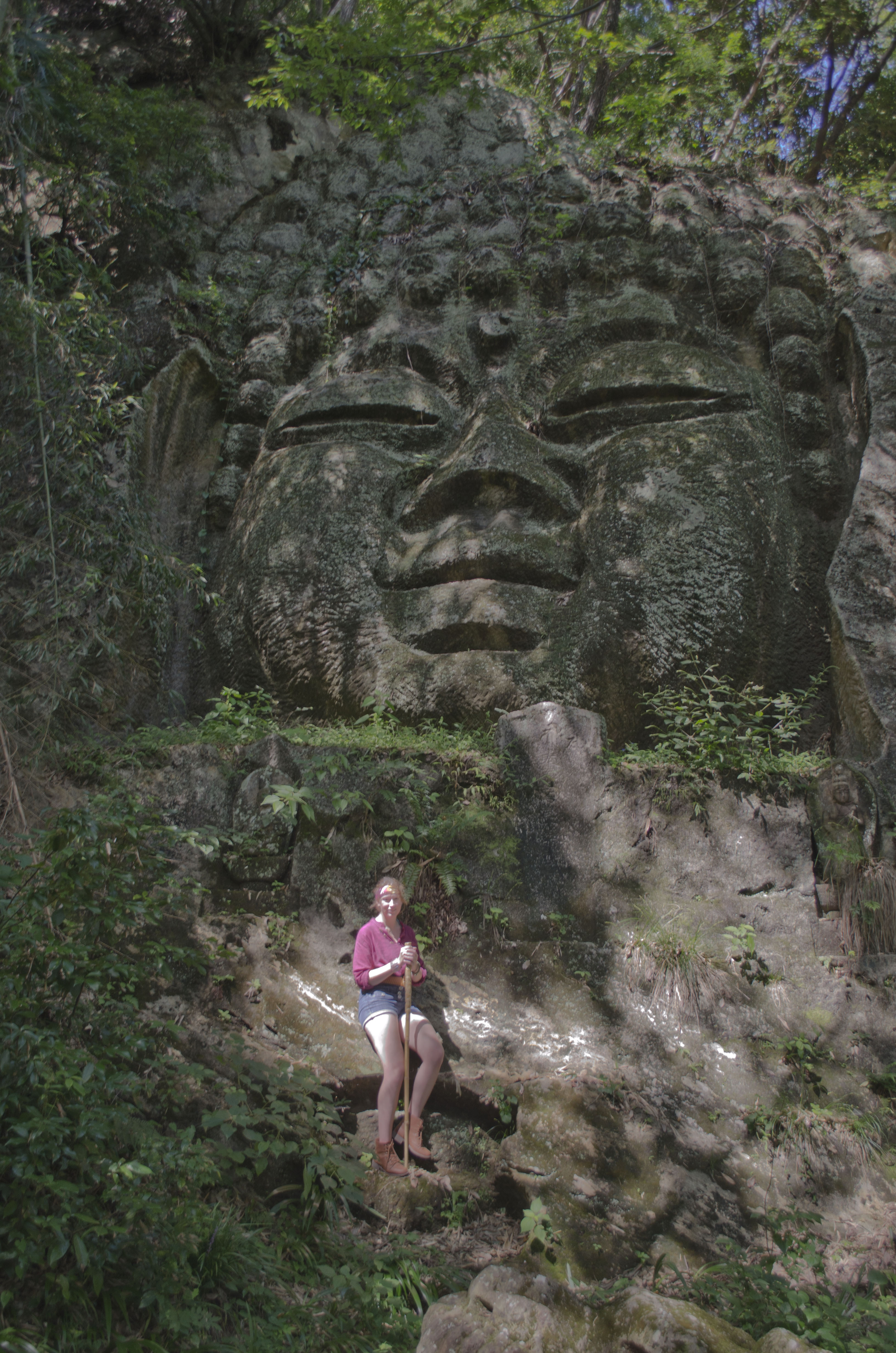
After our time in the garden, we went in search of the next “must do” on the list. Riding down side streets and over hills, we came to a small temple at a bend of one of the side streets. It looked much like the many other temples I had seen, and I nearly rode past until I noticed my co-worker had stopped and was parking their bike. It is only after I climbed the first set of stairs to the temple that I realized it is very much different. The old, worn wood door held a wooden fish sign like a welcome plaque, and the other side of the doorway was housed a trash-can type vessel stocked with walking-sticks of various sizes. Equiped with a walking stick and sense of adventure, we started up the thin overgrown path up the mountain behind the temple, and into the bamboo forest. When we had reached the top, what little breath was left from my hike up was taken away at the sight of the face carved into the mountain side. This shrine, which locally isn’t well known,  is littered with smaller statues and carvings along the path.

DSC_2935 DSC_2940DSC_2944

The door-hanging fish, the face in the mountain, and the bamboo forest.

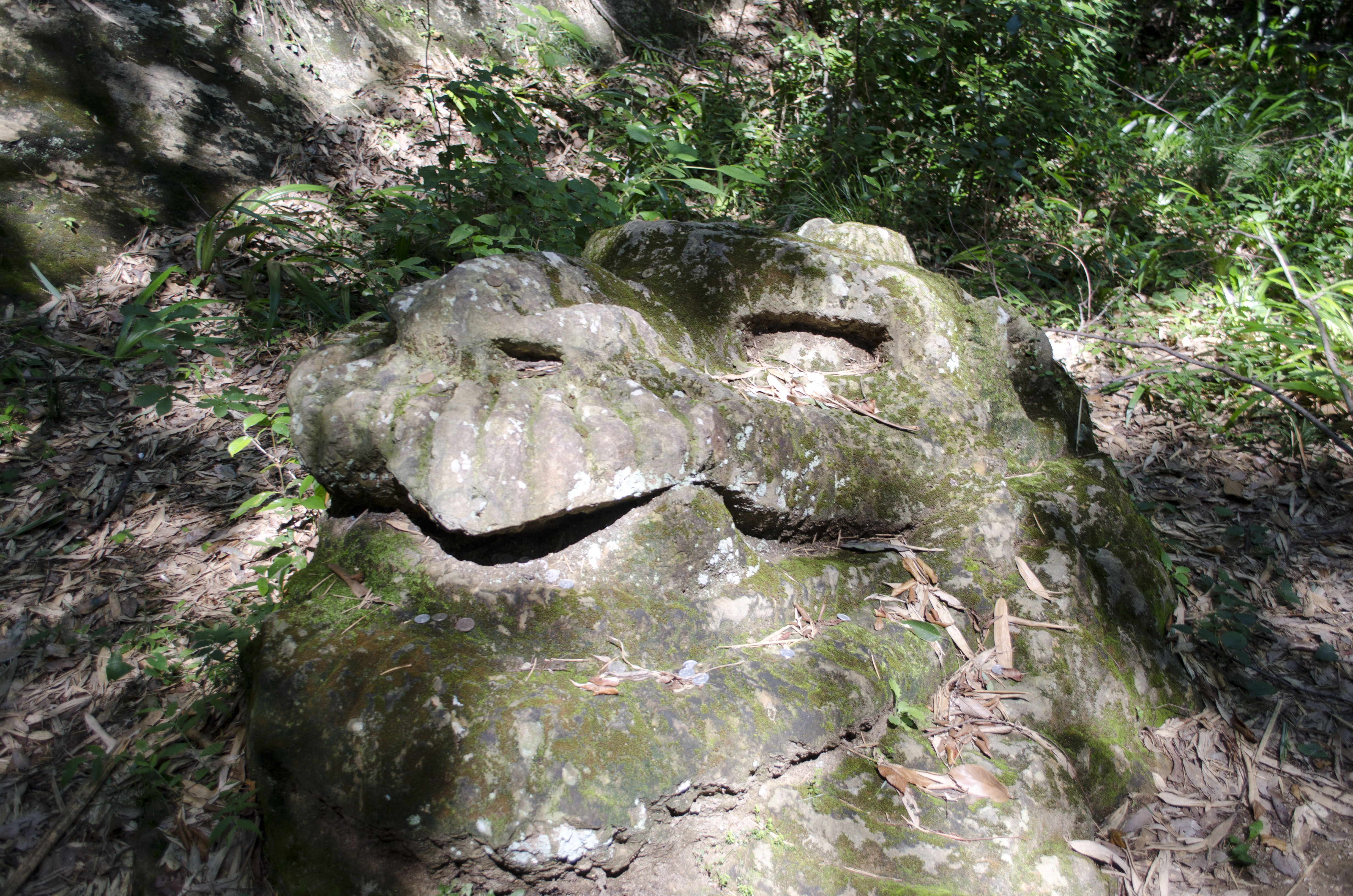
In front of the face, there is a carved creatures head that protrudes from the ground by about a meter, and is about a meter and a half in length. and a turtle of about equal size to the right of the statue, that would be otherwise unseen by the amount of growth that’s growing the rock.

DSC_2951

The creature

Tomioka Silk Mill; The UNESCO world heritage site

(Written for The Heritage Travels)

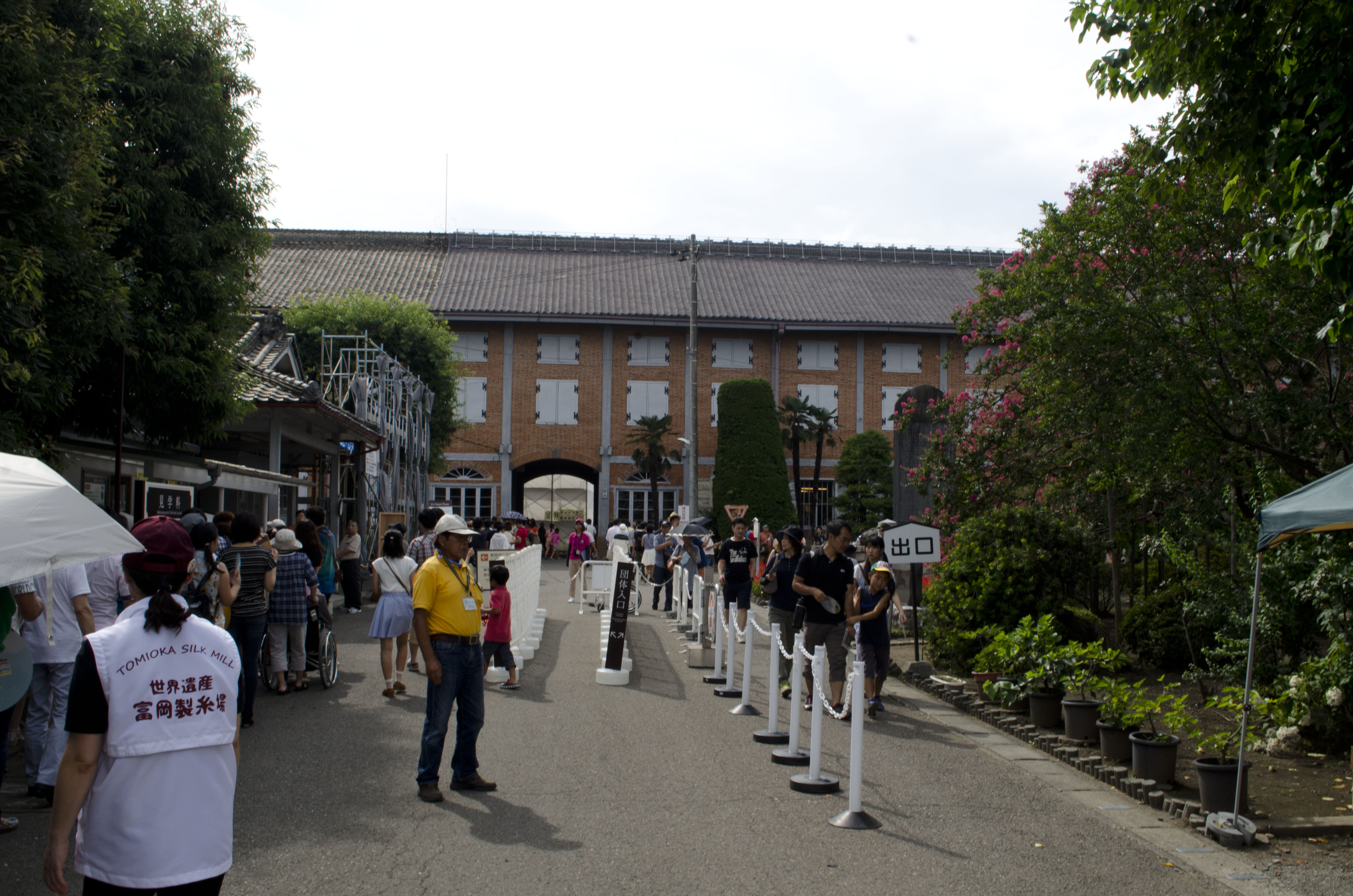
Tomioka Silk Mill, the latest UNESCO world heritage site in Japan, sits along the river in the south of Tomioka. When I sit at my desk, I can see the tall chimney from my window and with summer break, why not? It was only a few blocks away.

I loaded up my bike basket with my camera and a bottle of water, and rode in the direction of the mill. I could tell when I reached it, since the crowds became impassable. On my first pass the line to get in was building, and for lack of bike parking, I rushed to store the bike nearby and join the cue. The small admission fee (500 Yen for adults, 250 Yen for university and high school students, 100 yen elementary and junior high students, and 1 child/disability with 1 accompanying free,) goes to the preservation and restoration of the buildings.

DSC_2514

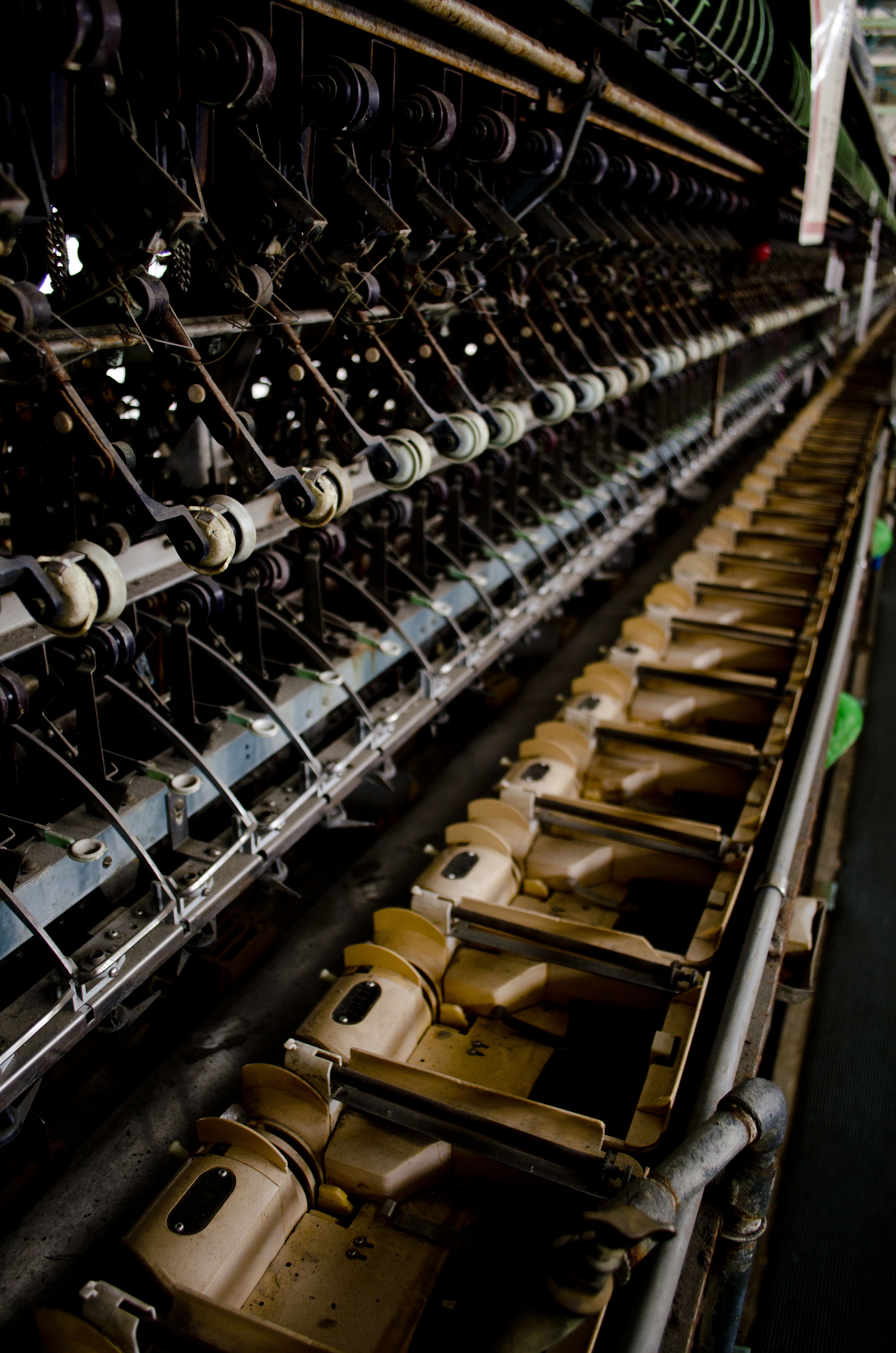
Constructed in 1871, the long buildings still house some of the equipment, and displays some of the machinery that was lesser used. While free Japanese tours are offered hourly, a self guided audio tour in English can be accessed via smart phone, using the QR code provided at the entrance. (Other languages offered include; Japanese, Italian, Chinese and Korean.) They also provide English maps upon entry, with the quarky historical facts such as the delayed employment to initially run the mill because there were French workers and their red wine was mistaken for blood. (I wouldn’t want to work with people who drink blood either.)

DSC_2495

The mill had shut down in 1987 after being in Operation for 115 years. With the loss of work in the area, Tomioka went from a factory town, to a sleepy mountain town until 2005, when the buildings were designated as a National Historic site, which increased the tourism in the area, giving the town new life. Two years later in 2007 the site was picked up by UNESCO as a world heritage site.


Written by Kiki Lathrop

Kiki is a writer, photographer and archaeologist from Colorado. Growing up on a sailboat in the Caribbean, she was introduced to different cultures early, and it fueled her passion to experience the world first hand. Over a year has passed since she set out a solo female traveler, only to discover that we in the travel community are never alone. You can read up on her stories and adventures at her website.

Please check out Kiki’s website, travelgypsea.wordpress.com, for more inspirational and educational posts!


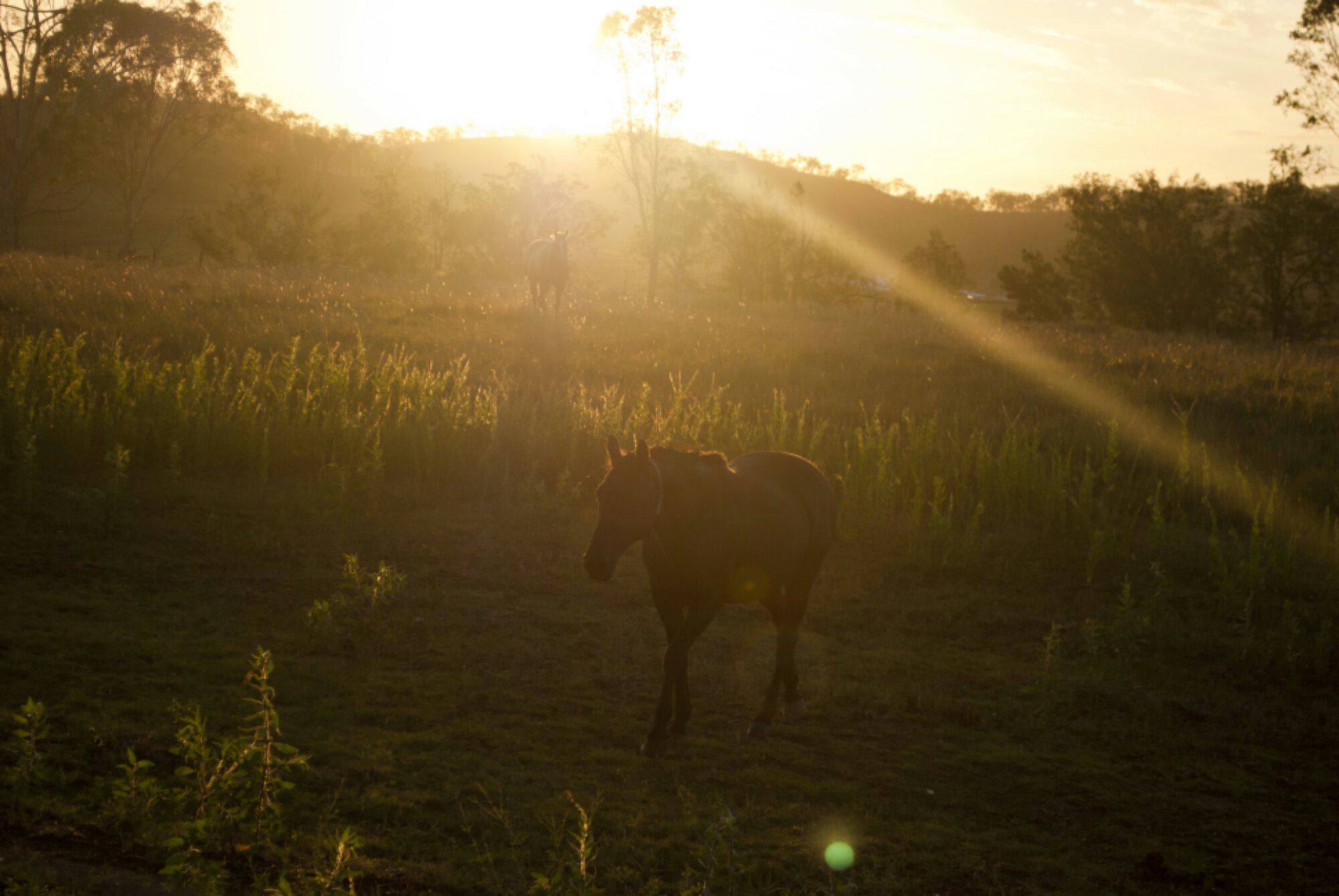
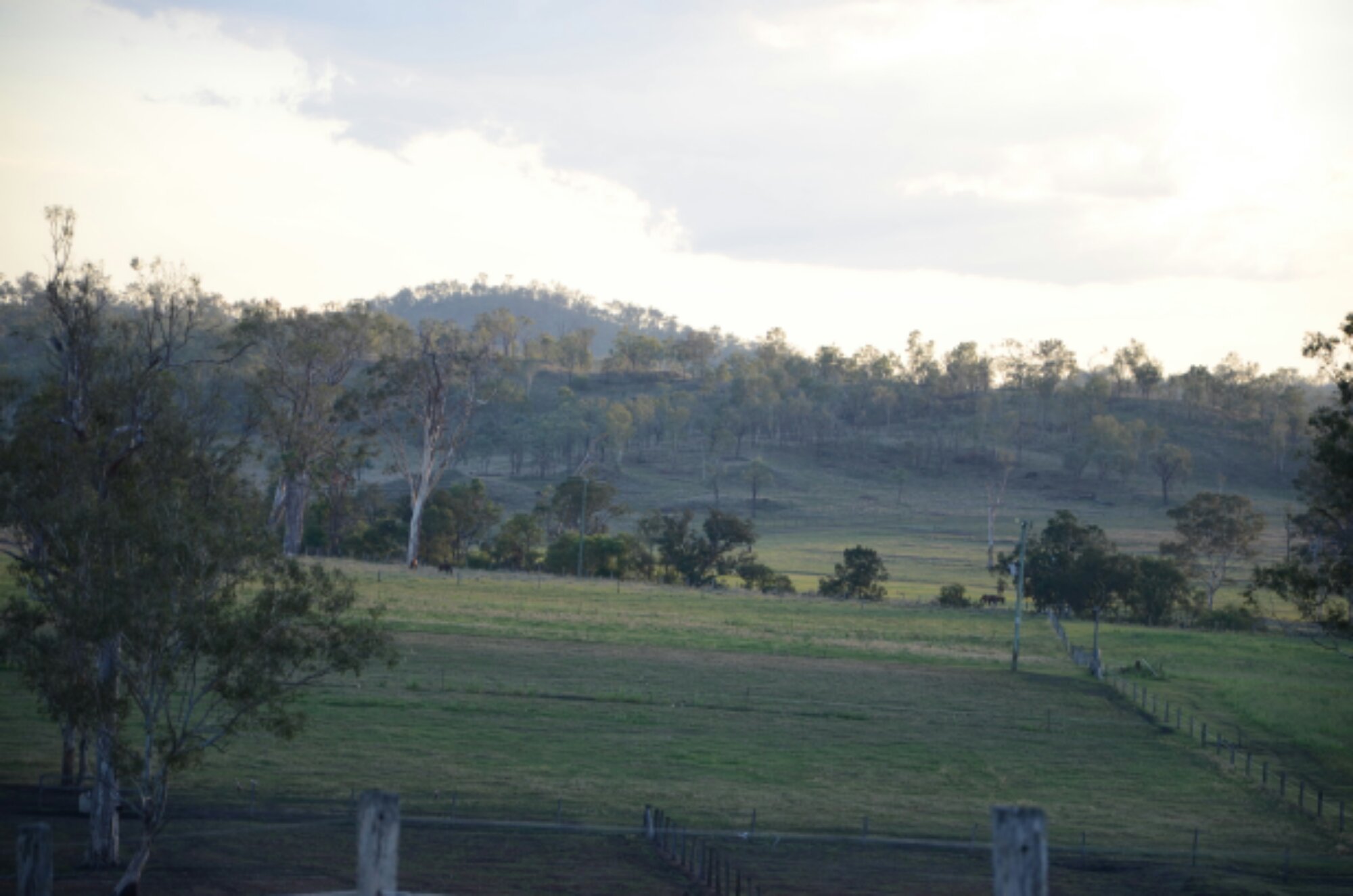
Endless sunsets, rolling hills, blistering heat. Yup, its Christmas.

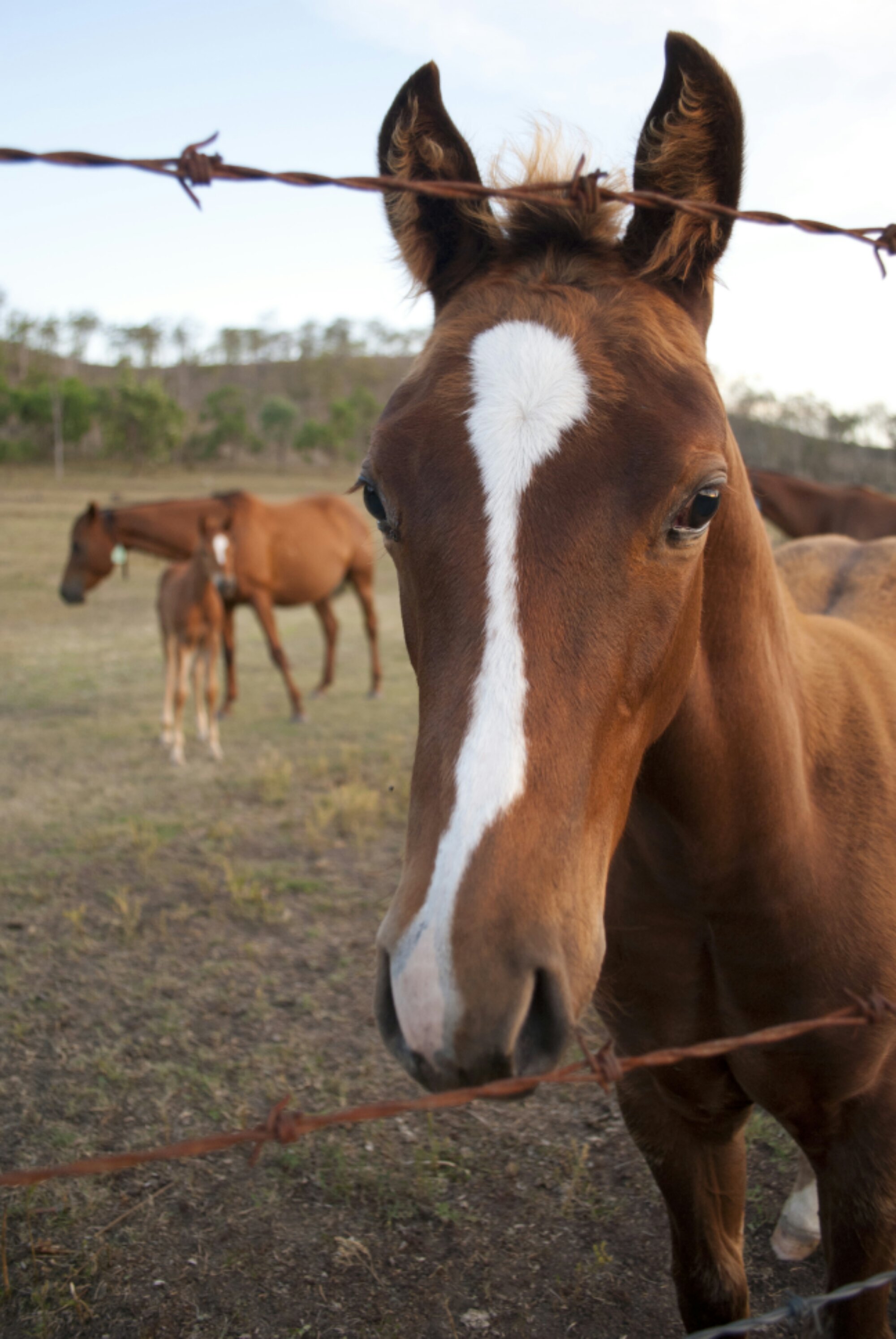
‘Twas the week before Christmas and all through the farm, everyone was busy with horses in the barn.
The toddler hung his paper snowflake with care, in hopes that chocolate biscuits were near.
Santa came early, with presents of joy! A flash green bike for a good little boy.
During the smoke’o, everyone gathered, enjoying shade and coffee, (or tea if they rather.)
There was a first gingerbread house for young and old. It was just like in the stories they had been told!

image

image

And because I like ‘getting in the spirit’ archaeological style…

On the twelfth day of Christmas archaeology gave to me,
Twelve trowels sharpened
Eleven students digging
Ten test pits surveyed
Nine sifters sifting
Eight hours sitting
Seven days of digging
Six ice cold beers
FIVE ARTIFACTS!
Four wall collapses
Three sore asses
Two stressed grads
And an A in archaeology!
image

image

More photos at http://flickr.com/photos/kikilathrop

and like Kiki Lathrop Photography on Facebook!