Category Archives: Gap Year Ideas

Nairobi to Arusha: Border Crossing Adventure

Our team had made it down to Arusha on a public bus, all of our gear strapped under tarps on the roof at the Heron Hotel in Nairobi, picking up a few people at the local stop before making our way out of Nairobi and to the Tanzanian border.

At the boarder we debussed and followed the assembly line, Departures from Kenya, Vaccinations, Arrivals, and Visa. The Covid vaccination requirement had just been lifted a month before my arrival, but I still carried my vaccination card with the rest of my vaccination information. The Yellow Fever vaccination was the biggest one they were looking for.

Before I had left home I had stopped by my county’s Public Health travel advisor; a Nurse who specializes in what vaccines and health advisories you want caught up in for each region of the world. I HIGHLY recommend this, as I was able to get caught up on a couple other vaccines that I may have let slide… but going to a third world country would definitely want. I also got my malaria tablets and found that there are multiple versions of such a beast. Some people on our trip had daily ones, where as mine was once a week and you take it a couple weeks before, during, and a couple weeks after your trip. I became the envy of the campground as others were constantly reminding each other “Did you take your malaria tablet today?”

Once through the vaccination line, the subsequent lines became longer and longer. If there were ever the description ‘organized chaos’, this would be it. Some people missed a line so had to go back, a local woman with a child skipped lines and just waited at the front until someone let her cut. The visa can be paid for at the boarder with a credit card, even though they will definitely tell you they prefer cash.

A story from one of my travel companions was that a member of their previous group was paying cash and told more than what the visa was supposed to be, the official pocketed the difference and issued the visa. Unfortunately this isn’t all that uncommon. Additionally as an American, the fee was already twice that of other nationals, so I made sure that I had that set aside with my passport for when it was time to go through it was already budgeted. You are also able to apply online and take care of every thing digitally before getting there, I would just make sure you keep good documentation of it.

The assembly line of customs took some time, and I was extremely grateful to my GAdventures guide who helped navigate the flow and help make the border crossing easy-peasy.

A note to the photograph savvy: it is highly illegal in both Kenya and Tanzania to take photos of government buildings, officials or signs. Thankfully I knew this before going, but you will be reminded. We drove through a military area and we’re warned not to take pictures until the guide said so.

Once back out at the bus with our luggage that was unloaded and brought in for collecting, we hoisted them back up to the roof attendant who strapped them back down under the tarps. Waiting for the last of our crew and bus driver to finish customs we were surrounded by Masai women selling trinkets, which were met with a solid ‘No thank you’, but they would still try their tenacious marketing methods.

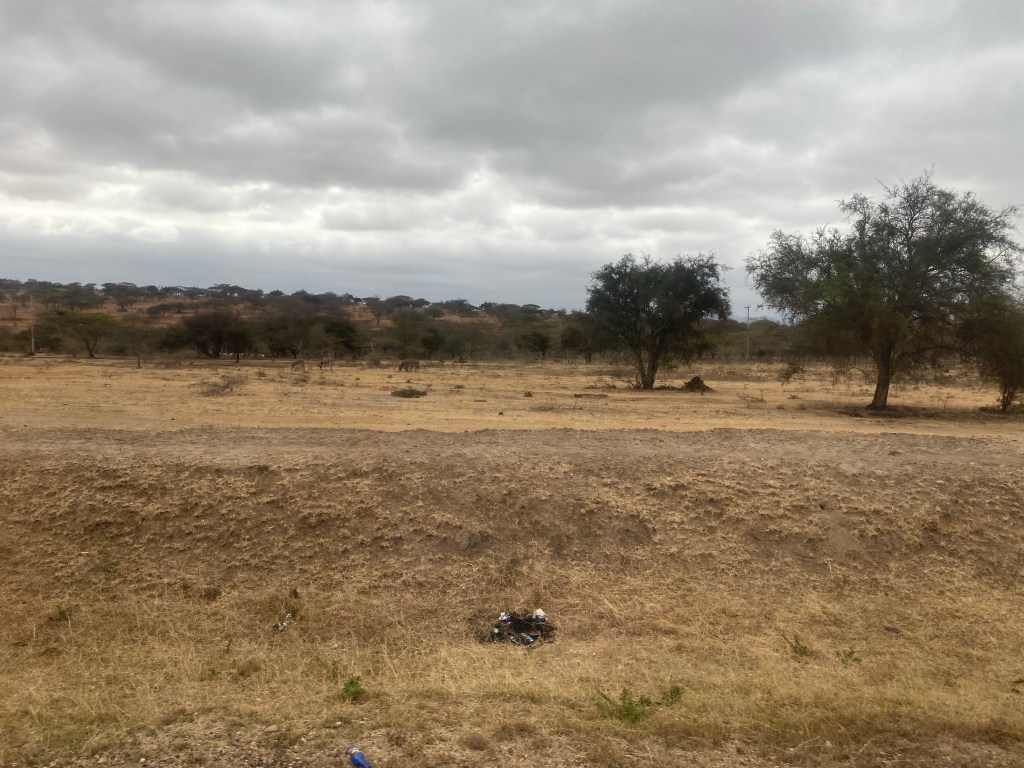
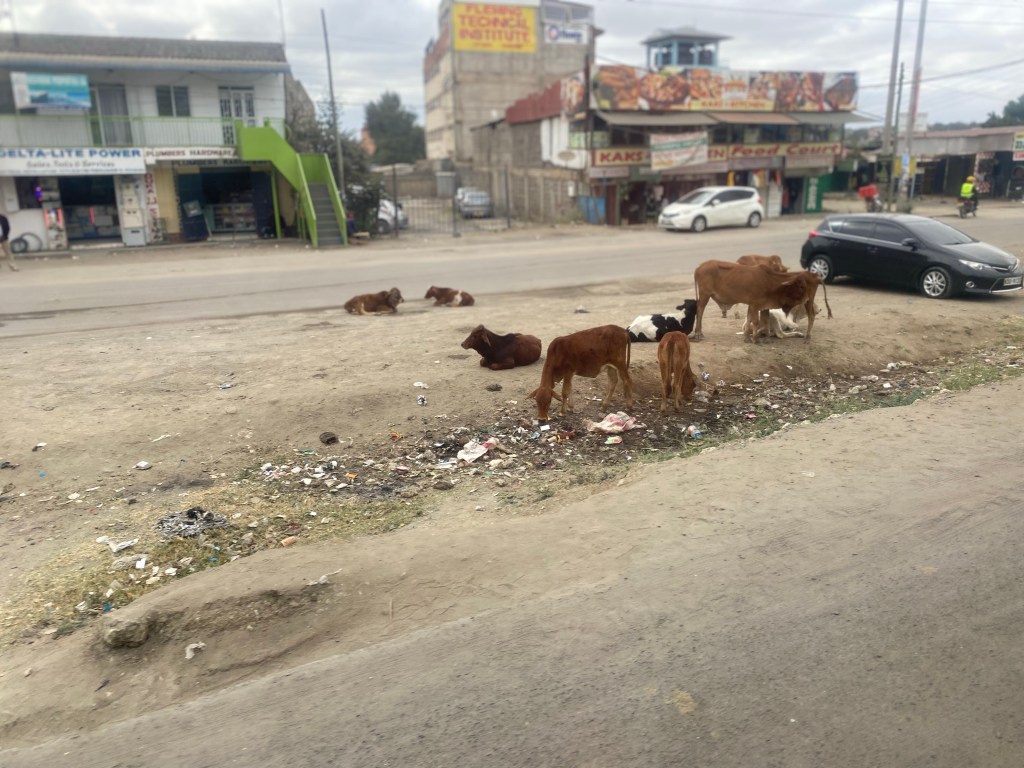
We reloaded onto the bus and continued our journey south. Some lulled, myself included, others gazed out the window at the passing villages and cattle farmer that were making use of the vast landscape. The occasional Baoboa tree amongst the Umbrella trees that speckled the landscape. At one point during the drive I saw a camel running down the side of the road. I didn’t get a chance to get a picture, but looked around the bus in an incredulous “did anybody else see that!?” only to see that there were only a few people left awake. I had asked Hamdam, our guide about it later, and he said that some of the people who moved down from North Africa would bring their camels with them.
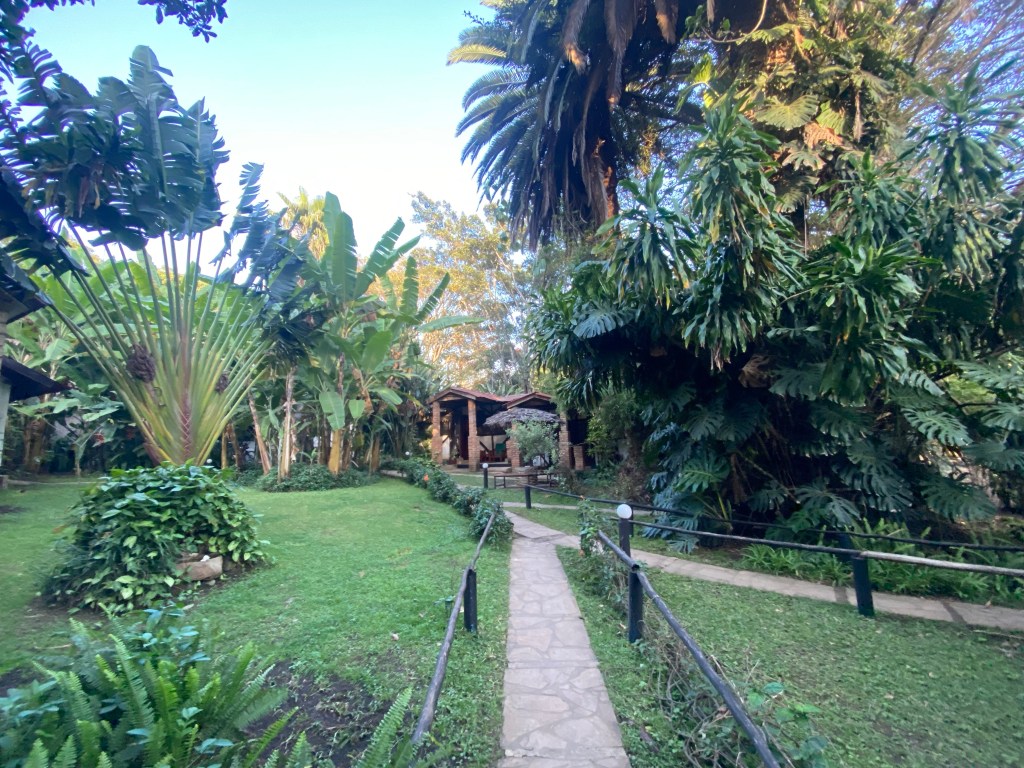
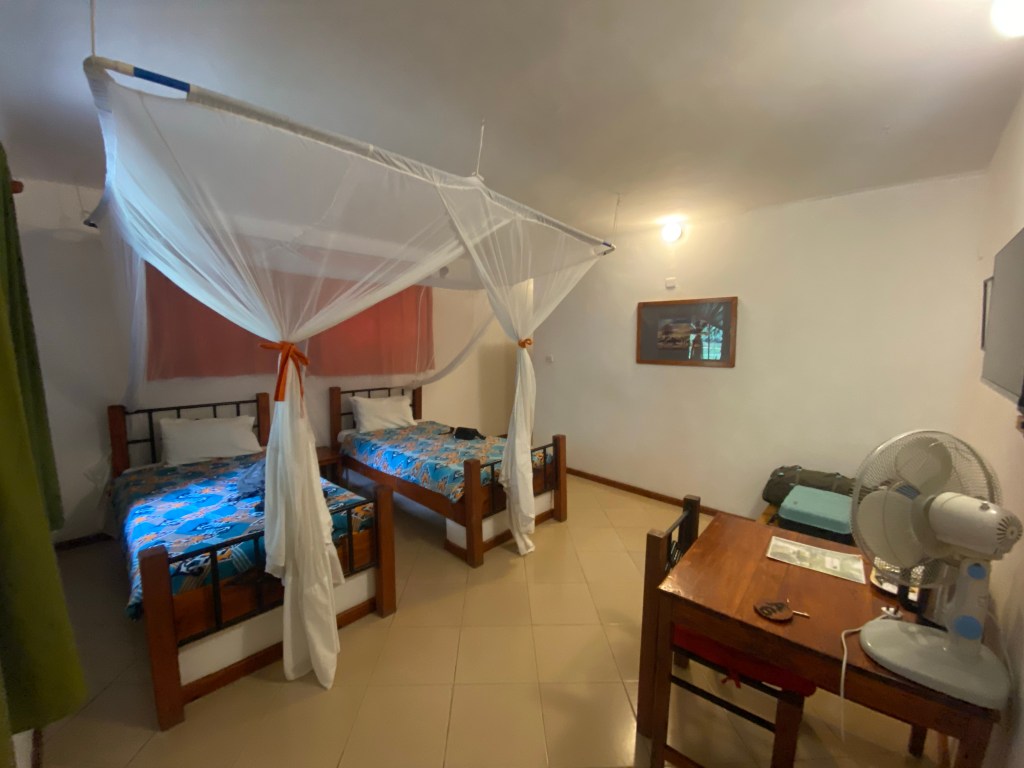
We eventually rolled into our gated hotel, the Outpost Lodge in Arusha and had a chance to settle in a little before our evening meeting.

The lovely lofted area that had a living-room feel is where we gathered for the run down of what the safari portion of the trip was going to look like. We met up with another group of 6, brining our total to 14. They had just finished climbing Kilimanjaro the day before, and slugged up the stairs to the loft. Coming from a mountain region where I am on search and rescue, they were the magnificent 6. I usually need motivation for a hike and do more hiking to lakes and landmarks, summiting isn’t something I’ve done in years… and here were 3 Aussies in their 20’s and 3 Canadian retired business guys who went to summit the tallest peak on Africa at 19,000 feet. All except one summited because of falling ill at basecamp. Every. Single. One. earned some serious respect from me.
Hamdam gave a similar spiel to the one he gave in Nairobi… Look for eyes before leaving the tent…

Yellow eyes are probably a herbivore, no worries. (My mind still narrated, ‘hah! large animals… I’m good with not trying my luck if I see eyes.’)

Red eyes, please, for the love of god, don’t leave your tent. Those are Lion.

Next time…

We load up the Pop-Top, meet our drivers for the next few days, and start in the village of Wto Wa Mbu.

SE Asia in a Nutshell: Part 1

Studying in Australia gives a few unique opportunities. For me, it included the chance to do field school through Vietnam, where we were privileged to work with some amazing people learning how the museum ‘does-what-it-does’.

However, outside of class I wasn’t expecting to see or do much, as my mental preparation had my mind thinking “business trip” rather than “vacation”. Those who know how I travel know that every moment I’m not trying to be a good student is spent exploring. (After all, I use academia as my excuse to go far away for long periods of time.) As South East Asia is in the news frequently for tourists getting in accidents, trafficking, or other not-so-pleasurable happenings, I didn’t think I would go there on my own, no matter how much solo experience I have. Two of my classmates who were also going to Vietnam agreed and the three of us decided to book a tour and continue through Cambodia and Thailand after our studies.


Vietnam – Hanoi

image

image

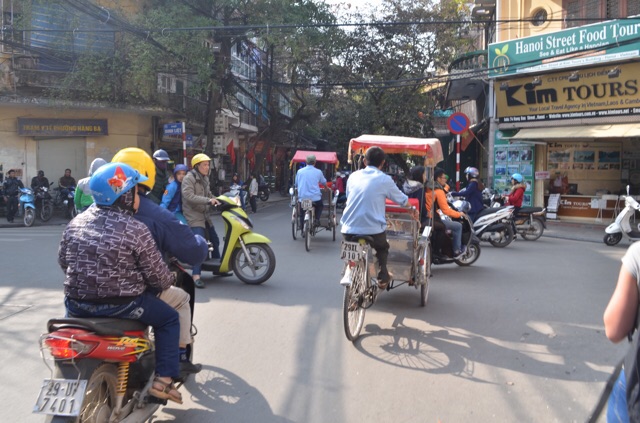
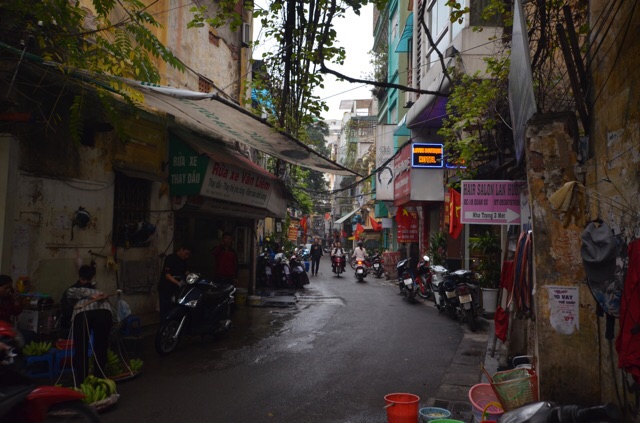
We started our two-week field school in Hanoi. The old quarter burst with life, vendors, pedestrians, and mopeds. Oh-so-many mopeds. The air was thick from humidity and exhaust in the narrow streets. The buildings, with their un-kept paint and traditional wood trimmings, towered multiple stories on either side. The ground floor housed open-front shops and restaurants with smiling and eager staff trying to wave you in for business.

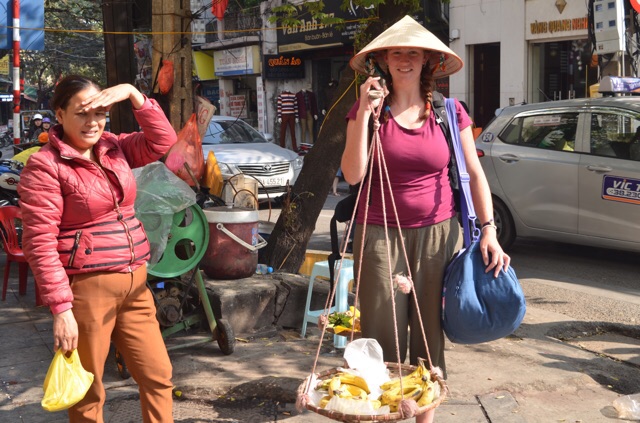
Walking along the streets, also be careful of taking pictures. We dubbed the women with the carrying baskets the “banana ladies” and developed the motto “beware of the banana ladies”. Within an hour of arriving in Hanoi I experienced my first of the photo cons. We were making our way to our hotel when a banana lady saw me taking photos and before I could get away, put her carrying stick on my shoulder and traditional hat on my head and kept pressing for me to take a picture. Me in my travellers hope that she just wanted to share her culture (after all that’s been my experience in most other third worlds) I passed my camera to my mate and had her snap the photo. As soon as the shutter snapped Banana Lady took back her gear and I thanked her and started to walk on now that she was, what I thought was obviously, done with me. That’s when she started yelling at me that I owed her 2 dollars. Ah hah! The next two weeks we had to deal with ladies following us down the street trying to put their carrying sticks on us as we would wiggle out from under them and continue on. Beware of the banana ladies.

image

Each street in Hanoi is delegated to different wares – tin, copper, glass, etc – and if there is something in particular you need, you can find shops competing on the same street.

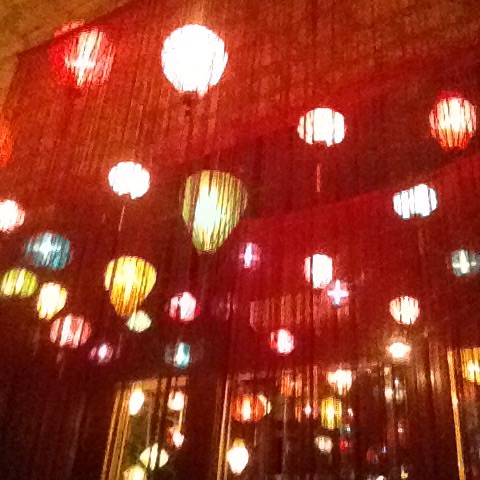
Food alley, while more expensive than the other shops that reside on another street, offers a multitude of options. In the heart of the city, the favourite of the field school was the Lantern Lounge, which could be identified easily at night by the plethora of lanterns that ornamented the face of the building. Once inside, you take of your shoes and sit traditional style at a table that is lit by many more paper lanterns draped across the ceiling. With free wifi and delicious vegetarian options in an English menu, we decided it was worth multiple visits. (When I travel I try to eat more vegetarian friendly because meat is usually harder to come by, and not always guaranteed fresh. So my rule of thumb is if you can’t read the local menu, don’t order anything unless you know what it is. I like to eat seafood in coastal towns, but since seafood can be temperamental I stay away from it if I have travelled more than two hours away from the shore.)

image

Another Hanoi specialty I highly recommend is the Egg coffee. It is the superhero of cappuccinos. A thickly whipped, sweet egg white topping layered on a cup coffee. That is a dissert in itself.

image

The Adventure to see Uncle Ho


While in Hanoi, morbid curiosity came over a few of my fellow classmates and I to visit the man we had learned so much about through our museum visits. After all, most of the museums in Vietnam display Ho Chi Minh as a larger than life demigod rather than the ruler of a country. His mausoleum is in Hanoi, and free to the public. Just remember the standard temple rule, dress modest, don’t lug giant bags in, and add that they don’t like you to take photos. That’s fine with me, I’m not too keen on photographing corpses, but the balmy heatwave in north Vietnam meant that one of my classmates and myself had worn shorts, which would have prevented us from getting past the many guards that were on the lookout for tourists that may be there to disrespect their highly regarded leader.

Once at the back of the 3 block line, we left our fellow classmates to find something to throw on over our shorts. The first shop we came across sold us a scarf to wear as a sarong and a pair of flow-y pants. We re-joined our classmates and continued through the line and past the video screens playing videos and testimony to “Uncle Ho”. When entering the mausoleum, you walk up stairs through small winding passages, designed to keep the climate-controlled room cool. Once in the room the whole experience felt surreal. The man in the open crypt in the middle of the room was stark white – no doubt due to multiple trips to be embalmed – and what interested me more than the marble looking man was the visitors that shuffled their way through with us. One older lady in front of us had streams of tears as she looked at him, and was offered tissues by who I assume was her grown daughter. Another man looked on in awe. I thought it was strange. It was strange to see how someone who has been long dead was displayed for the sake of his memory, and even stranger seeing the reactions to it. It was strange all around, but then, I’m not visiting embalmed leaders of countries every day.


Ha Long Bay

image.jpg

Though we stayed at a hotel for the duration of our field school, the trip I took to Ha Long Bay I booked a side trip through the FlipSIde Hostel. They were very friendly and if I were to do it again, I would stay there rather than our hotel. Options for Ha Long bay tours vary, but there is one for those who are just “passing through” and want a day trip to Ha Long Bay.

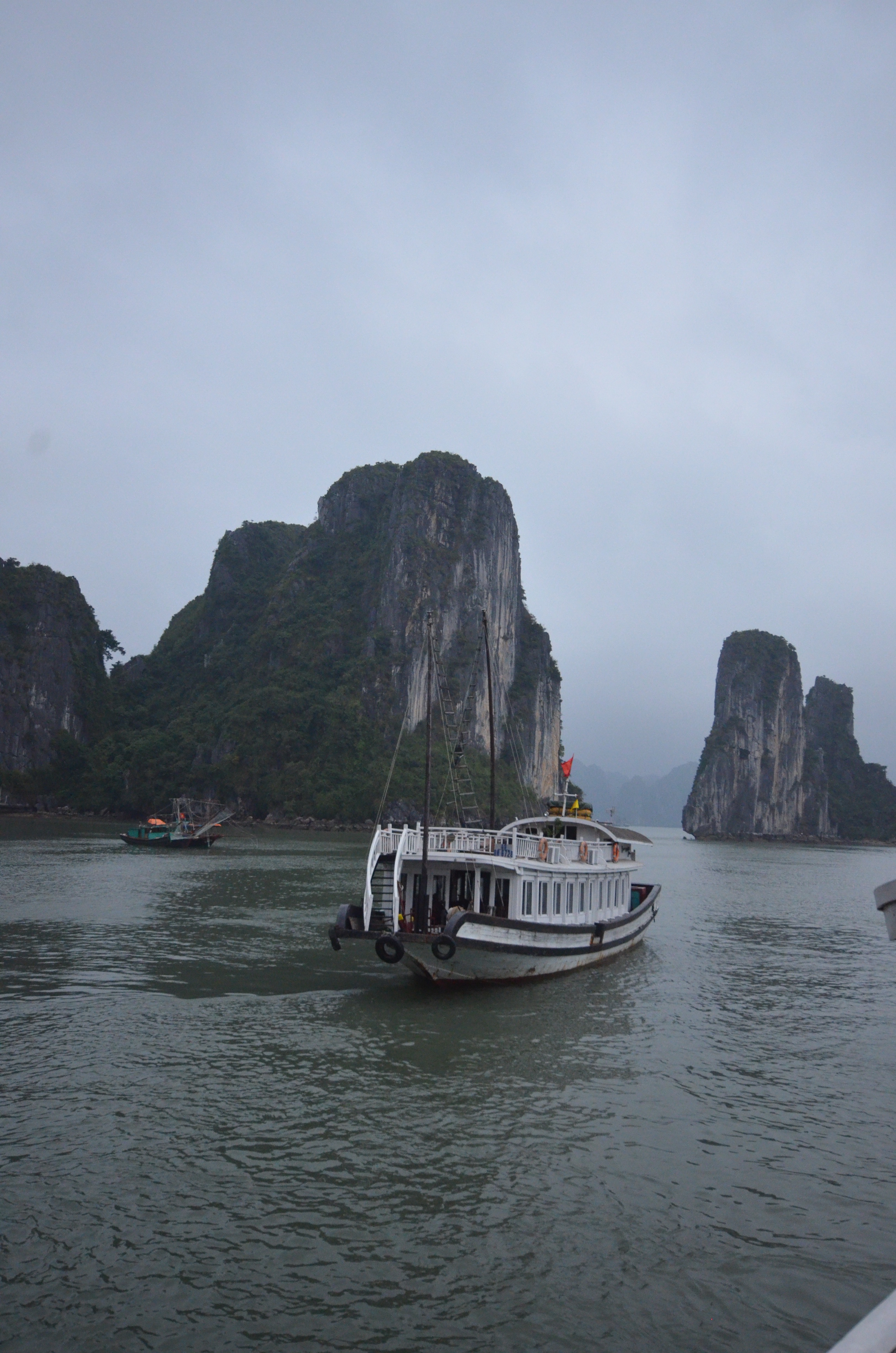
We left the hostel at 8 am, taking a small private bus about 4 hours to the bay, with a quick stop at a craft shop where all the craftwork is made by disabled locals. Once at the bay, we boarded a small motorised wooden cruise launch. A lunch spread of fresh seafood from the bay, with other additions, was provided for us to enjoy while leaving the harbour. In the bay, the sea cliffs rise straight out of the water, creating a maze of scenery.


Fun fact: James Bond “Tomorrow Never Dies” was filmed here.


Fun fact: Ha Long means ‘descending dragon in Vietnamese

image

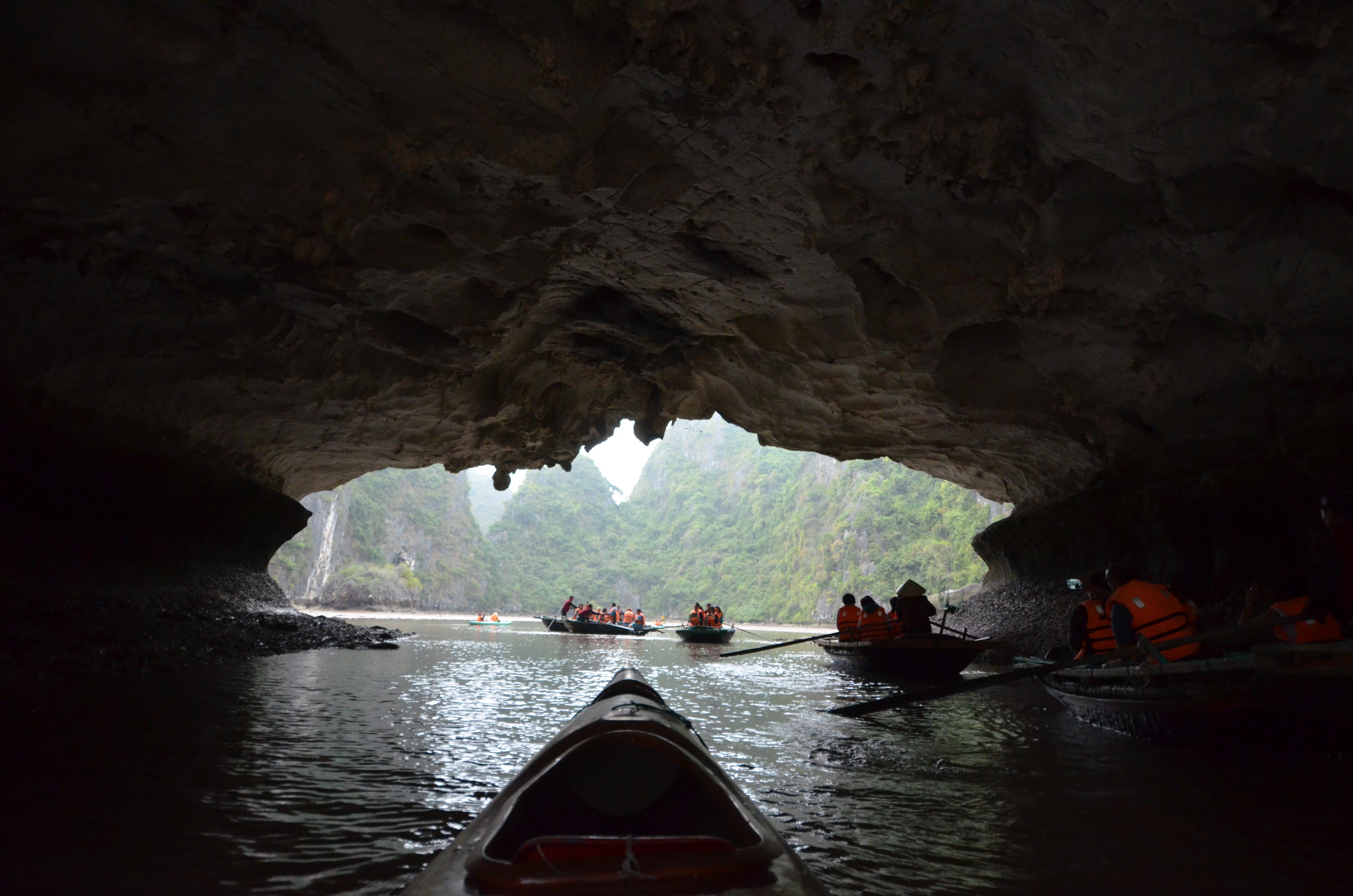
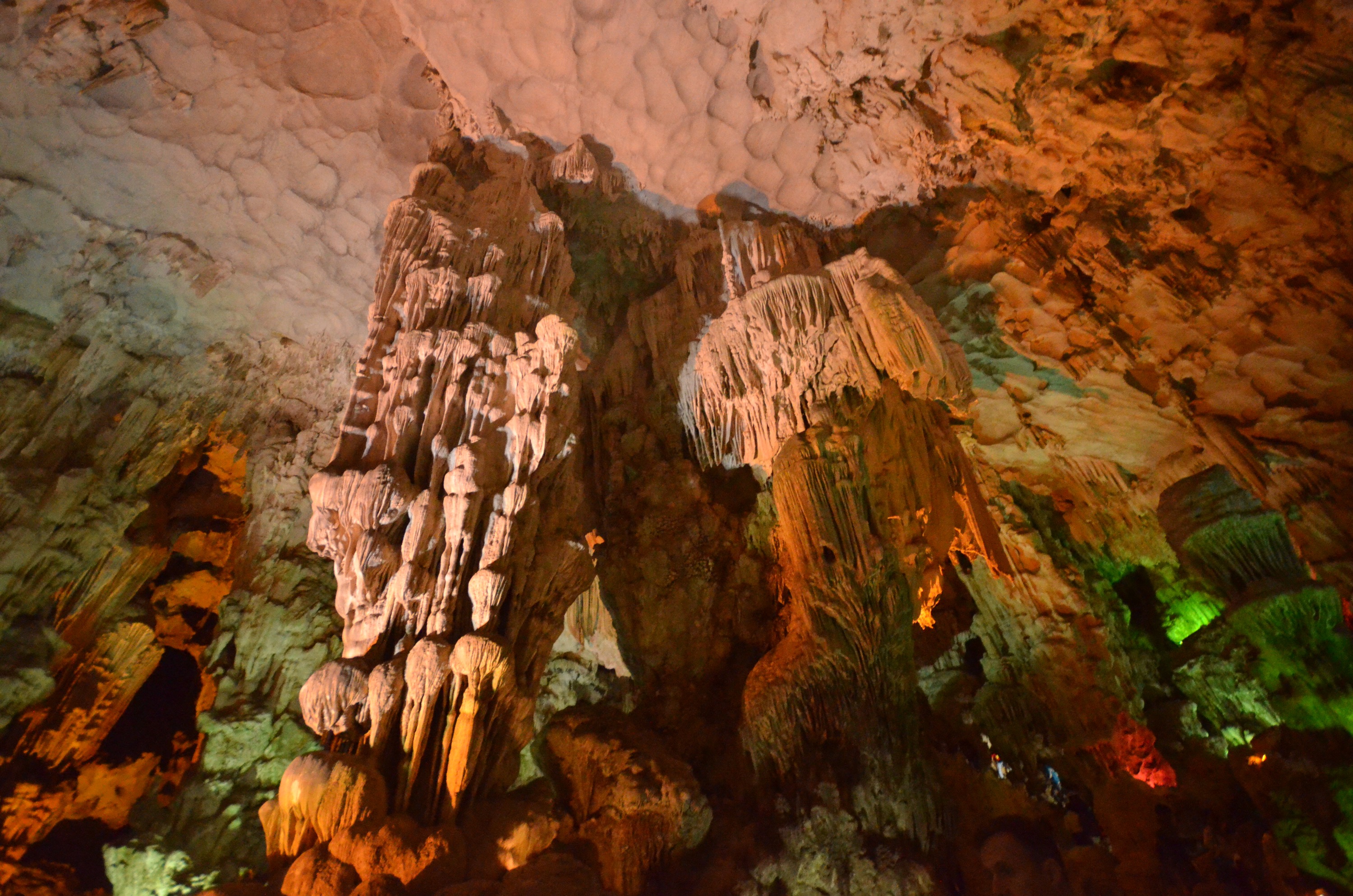
Our boat pulled into a little fishing village where we kayaked in a small bay area that connects to a couple saltwater pools via caves. After half an hour of paddling around, we made our way back to the dock in time to board the big boat again and go around the bay to a cave system that has been altered to hike through. The cave system is dressed with bright coloured lights that were put in to help show the contrast of the many layers of stalagmites and stalactites. One addition included a fountain in an existing pool. It was fun, beautiful, interesting, and no extraneous training was required to visit. But the complaint I heard most was it “looked like Ariels grotto at Disney world”, a bit cartoonish, and not authentic. In my opinion, it was an amazing day trip for less than $50. I would recommend it.


Da Nang

image

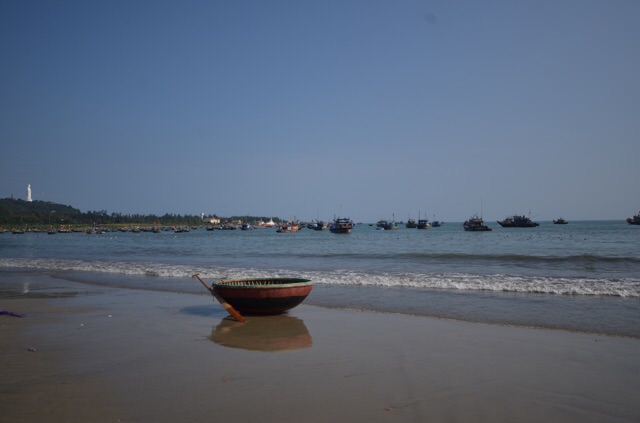
After Hanoi, we travelled to Da Nang. Da Nang has a slower pace than either Hanoi or Ho Chi Minh City /Saigon. With a beautiful river walk that exhibits local sculptures in a permanent art display, and the “dragon” bridge that shoots fire out of its mouth on the weekends, Da Nang is an amazing modern city to visit.


Hue

image

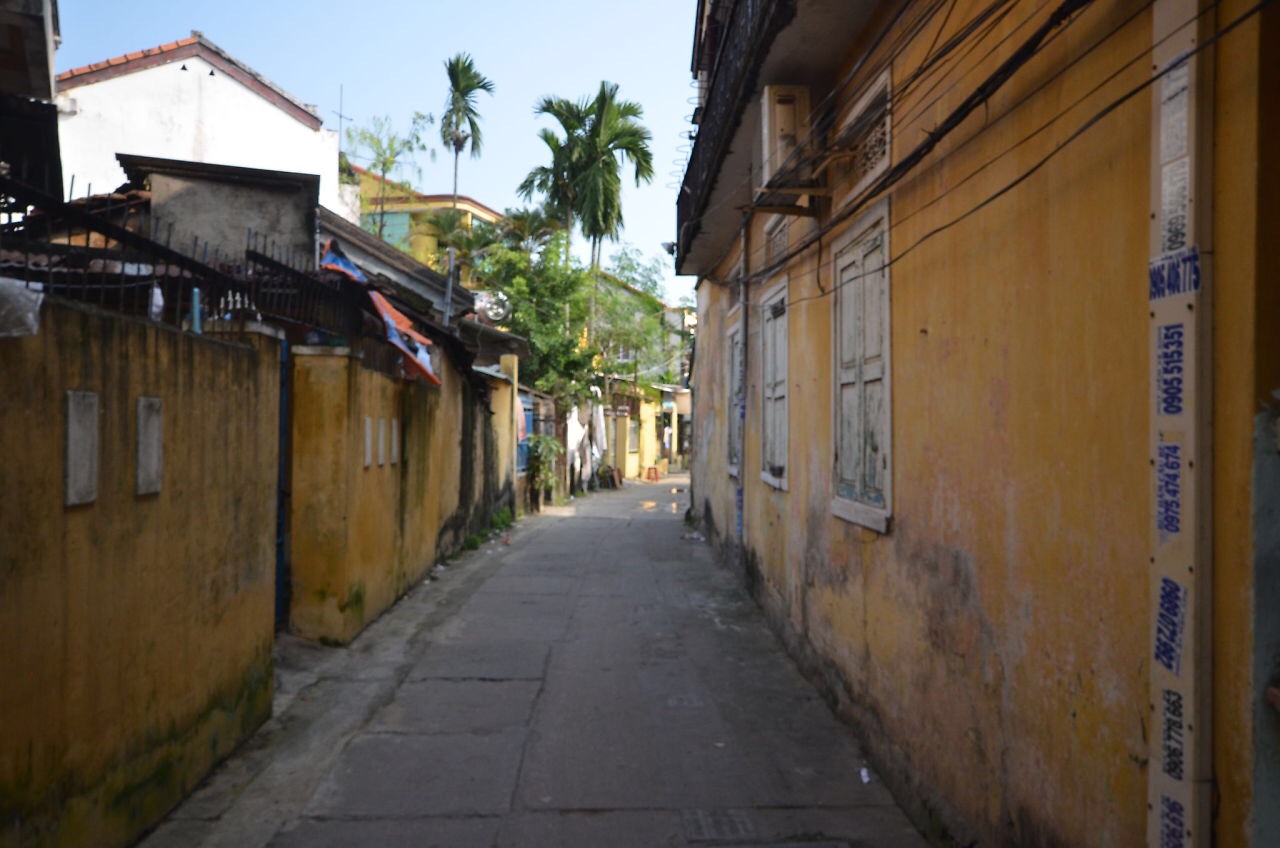
A day trip from Da Nang can land you in Hue (pronounced “way”), a wonderfully small tourist town. If you ever thought about getting something tailor made, this is the place to do it. The town is seaside, so the local specialty is oysters, and the seafood in the area is fresh from the boat.

After Da Nang, the field school was over. It was time to part ways with most of our classmates. My two companions and I went south to Saigon where we started our tour through the south of South East Asia with GAdventures.


New TravelGypSea podcast!

Hey everyone,

Its been way too long since I have had the chance to sit down to write, so I’m going to try something very new… A podcast. I have never done them am excited for this idea, since Im going to get other travelers I know to help with the making of it. This will be a weekly thing, where I pull in old info from past blogs, new info that could potentially be a new blog, and things that I just saw floating around the internet.

This week is Episode 1- General travel, where Natalie and I will be talking about some ideas for an upcoming trip. She has never solo traveled before and wanted some info for how to get started.

Podcast: Travelgypsea › Embed Code — Podbean

travelgypsea.wordpress.com

https://izi.travel/en/app

http://www.myisic.com

https://www.gapyear.com

12 hour Tokyo

Tokyo, where the future comes from. If it is cartoonish or technological, obscure modern fashion or traditional culture, you can find it in Tokyo. But what if your time to explore Tokyo is limited? what can you see/do that will result in the full Tokyo experience?

1. Tokyo tower

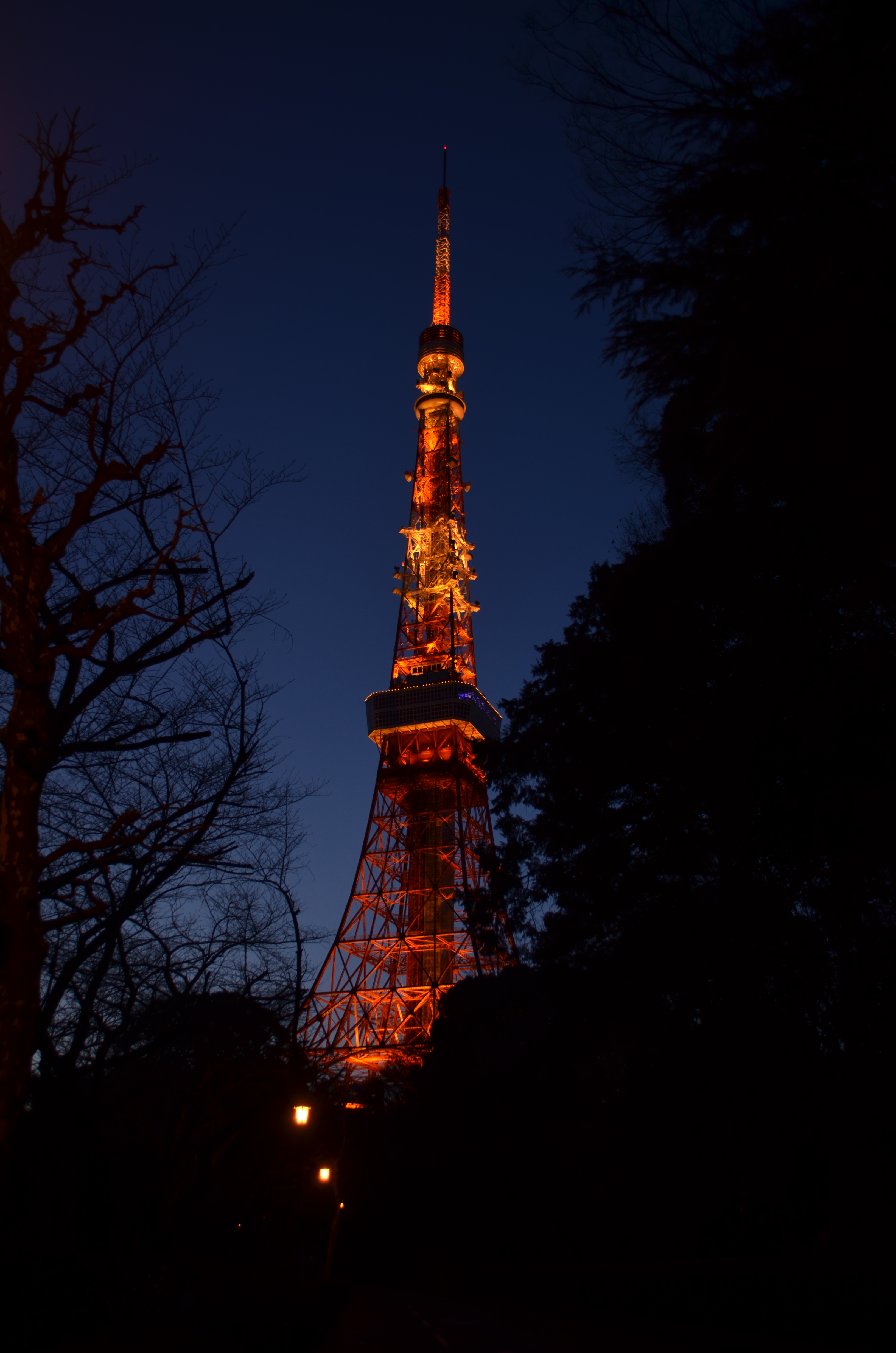
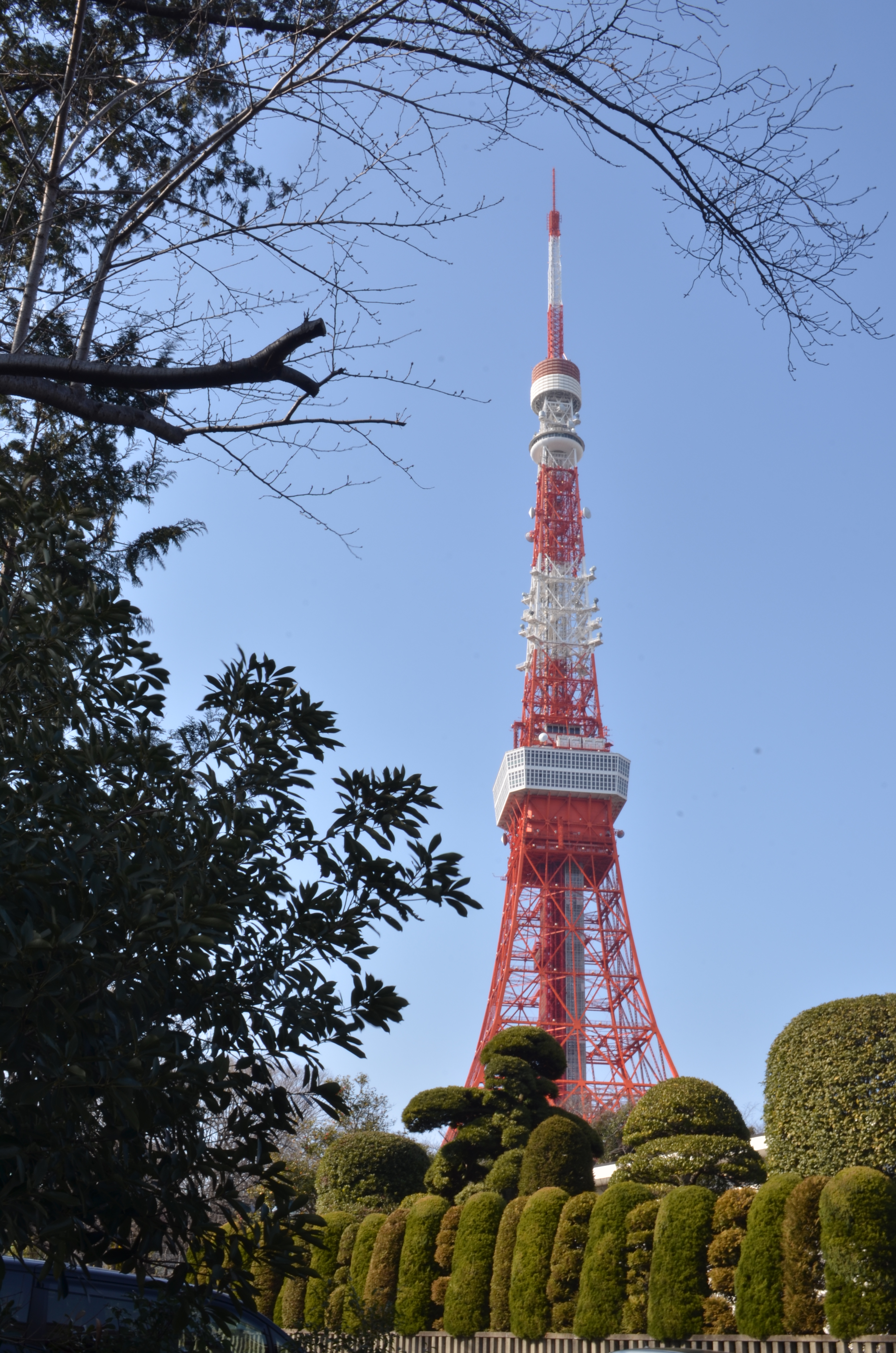
The red Eiffel-tower-looking structure in the heart of the city is a must, day or night. During the daylight hours you can take an elevator to the primary viewing platform which can see out over all of Tokyo (and on a good day, see Mt. Fuji). for an extra 700 yen (adult price) you can go up to the highest viewing platform.

Im not sure if you can take the elevator down, (im sure you can if you have a disability,) but I decided to put my young legs to work. Did you know that there are 600 stairs to come down from the main viewing platform. You need to go through the two layers of the 3 story platform, which house cafes and souvenir shops, and down a zigzagging red tunnel of stairs.

In the daytime, the tower is noticed soaring 333 meters (1,092 ft) above the surrounding buildings, and when coming from the JR train station or Dimon subway station, it can be seen accenting an old temple and gate that welcome you to the tower park area.  At night, the tower is lit up like a constant firework, seen throughout most of the city.

DSC_5763DSC_5699

2. The Hie Shrine

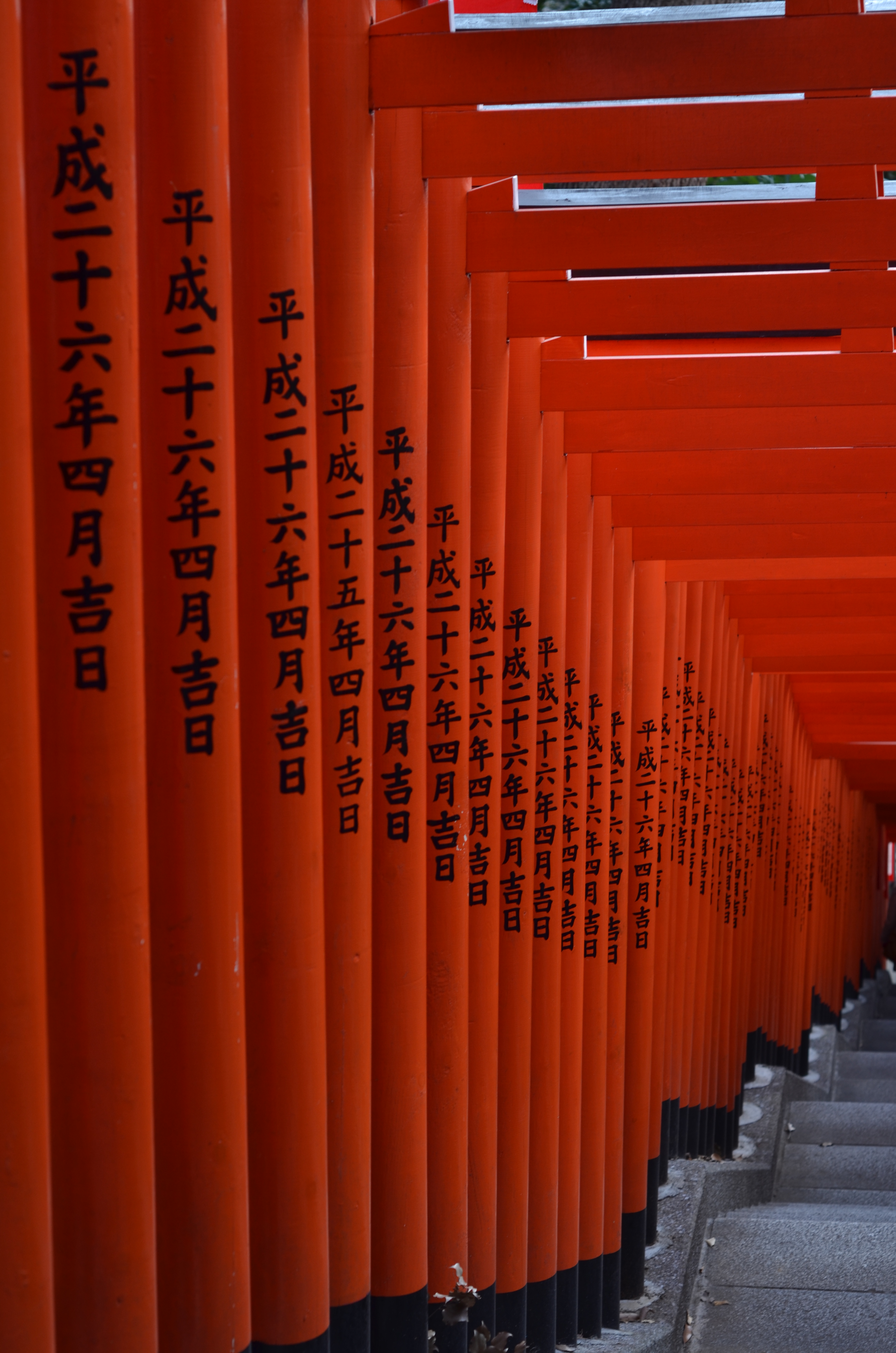
This underrated shrine doesn’t make it to a lot of guide books, and even many of my Japanese teachers hadn’t heard of it. about a thirty minute walk from Tokyo tower, the Hie shrine sits atop a hill in the middle of the city. The main gate and temple, which are ornately decorated and worth a visit themselves, block from view a photographers dream. The shrine, which cosists of many consecutive shrines that turn a stairway into a tunnel, was surprisingly not crowded. It is hard to that that “perfect picture” though, as many people do stick their head in on the opposite side of the tunnel to get a photo themselves. communication here is pretty universal, with waving to the other person then stepping out of the line of sight, and taking turns.

DSC_5719DSC_5720

3. Tokyo Sky Tree

So you were impressed with Tokyo tower, but feel that you werent high enough? well then, there is the Tokyo Sky tree, which is 634 meters (2080 ft) tall and towers over even the tallest office buildings in Tokyo. To go to the viewing platform is 2,000 yen (~20 usd).

4 . Asakusa Temple/Senso-ji

Fairly close to the sky tree is the Asakusa temple, or Senso-ji, which is the temple for the Buddhist goddess of mercy.

5. Capsule Hotel

You’re in Tokyo for 12 hours. Maybe you are spending the night, maybe you want some place to crash between flights. Try out the futuristic Capsule hotels. Sorry ladies, there are very few that cater to women, since the idea started as a cheap accommodation for businessmen traveling into Tokyo. With it being the 21st centery and all, but the number that have sections for women are growing.

6. The owl restaurant

This I haven’t been to personally, but was made aware of by a friend who had traveled in to Tokyo for a weekend of fun and exploration. The owl restaurant requires that you sign up ahead of time for a one hour time ut where you get to hang out with an owl. It opens at 10 and spots fill up fast.

Episode MMXV: Return of the Gypsy

With a month left before I journey back to the land down under, my busy schedule hasn’t allowed for much video editing. So here it is: TravelGypsea’s Japan, Episode 2. Im doing this one a bit different with an article to narrate, and instead of photos, a video to accompany.

At the end of last year my Japanese class that I have been taking arranged a small Christmas party and had a Christmas lunch of Mexican food for me on Christmas morning. At the Christmas party, many more students who attend the Thursday night class came. The girls from Singapore serenaded us with carols, and some of the ladies dawned their Hawaiian dresses for a hula which then taught to us. (Yes, I did ware a big poofy-skirt and lei. It was wonderful.)

About a week later, I had the opportunity to go to Nagano for a couple days to ski and see the snow monkeys. (I wrote a previous blog on the adventure.)

Last week my Japanese sensei’s surprised me again with arranging for a tea ceremony master/teacher to come in and perform a tea ceremony for us. Not only did I learn how the ceremony is conducted, but she taught me how to do it!

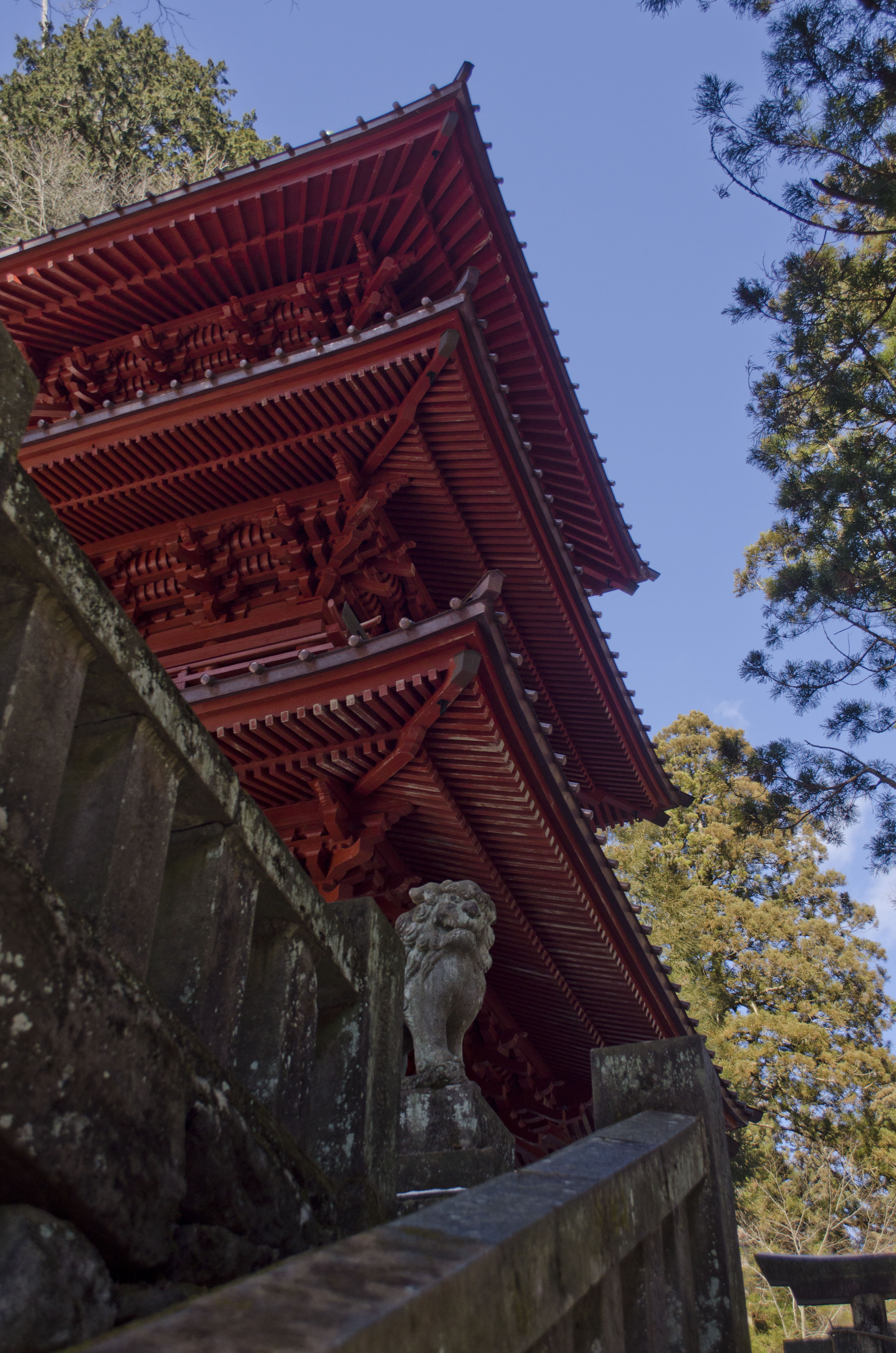
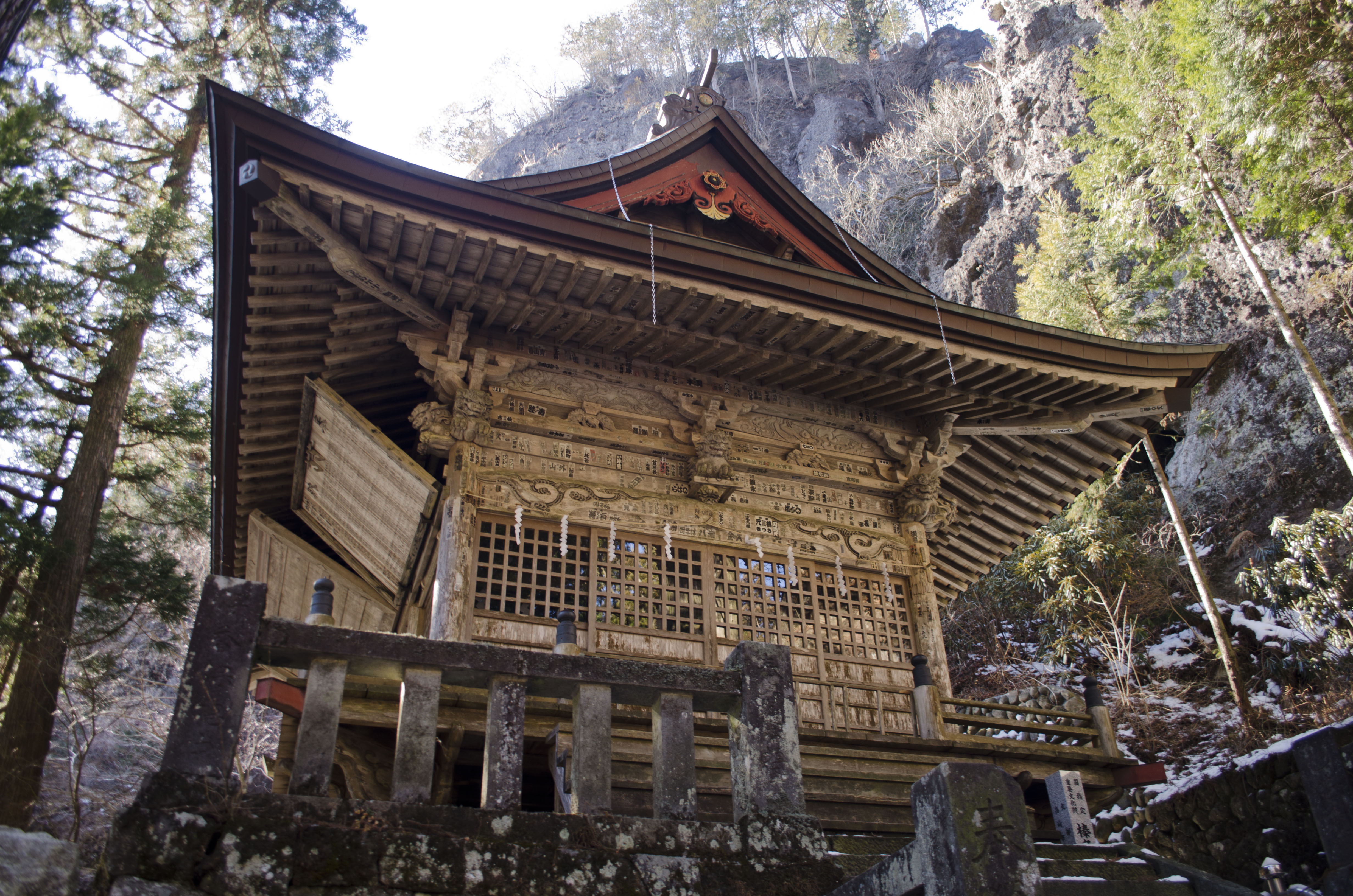
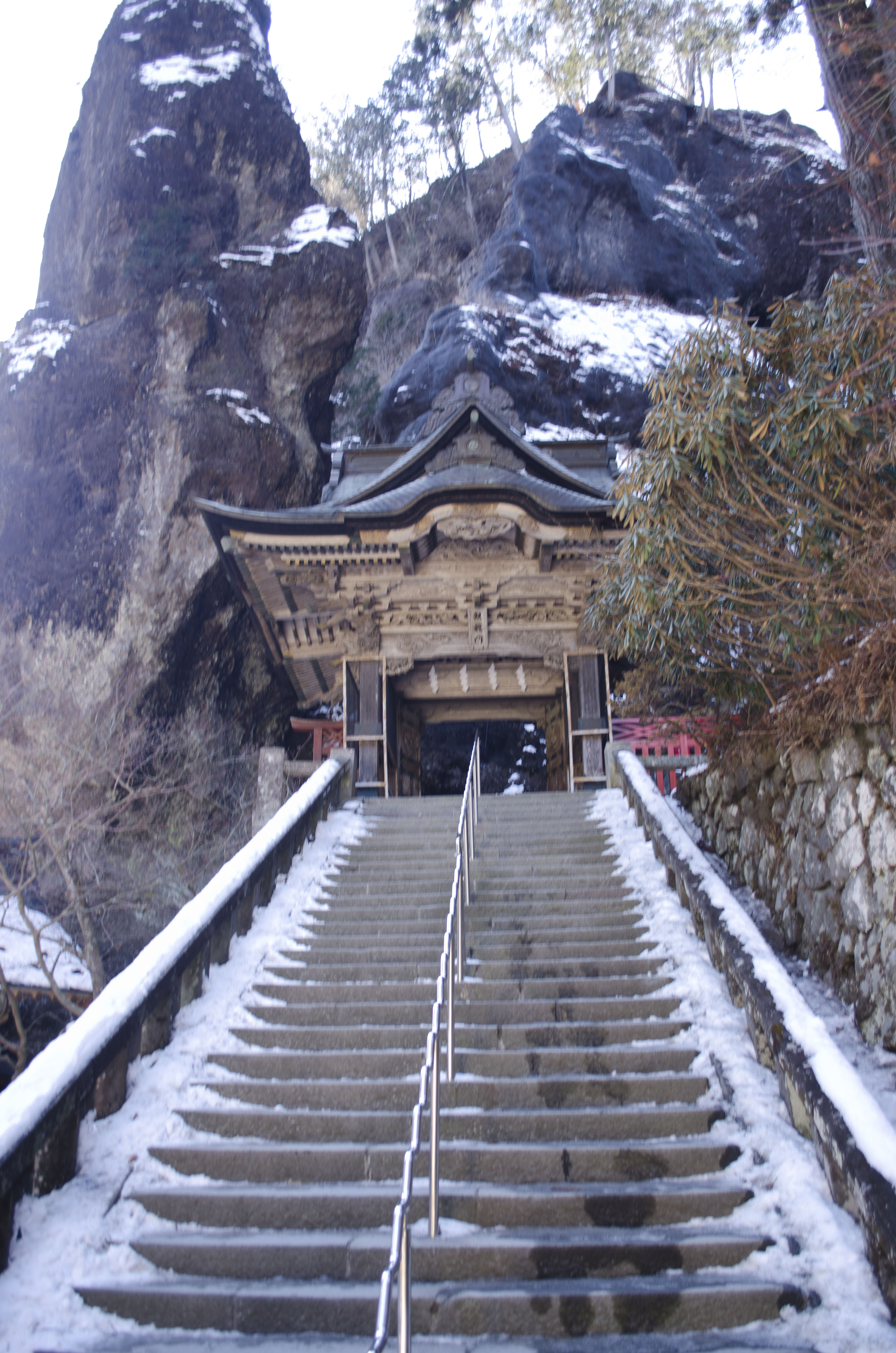
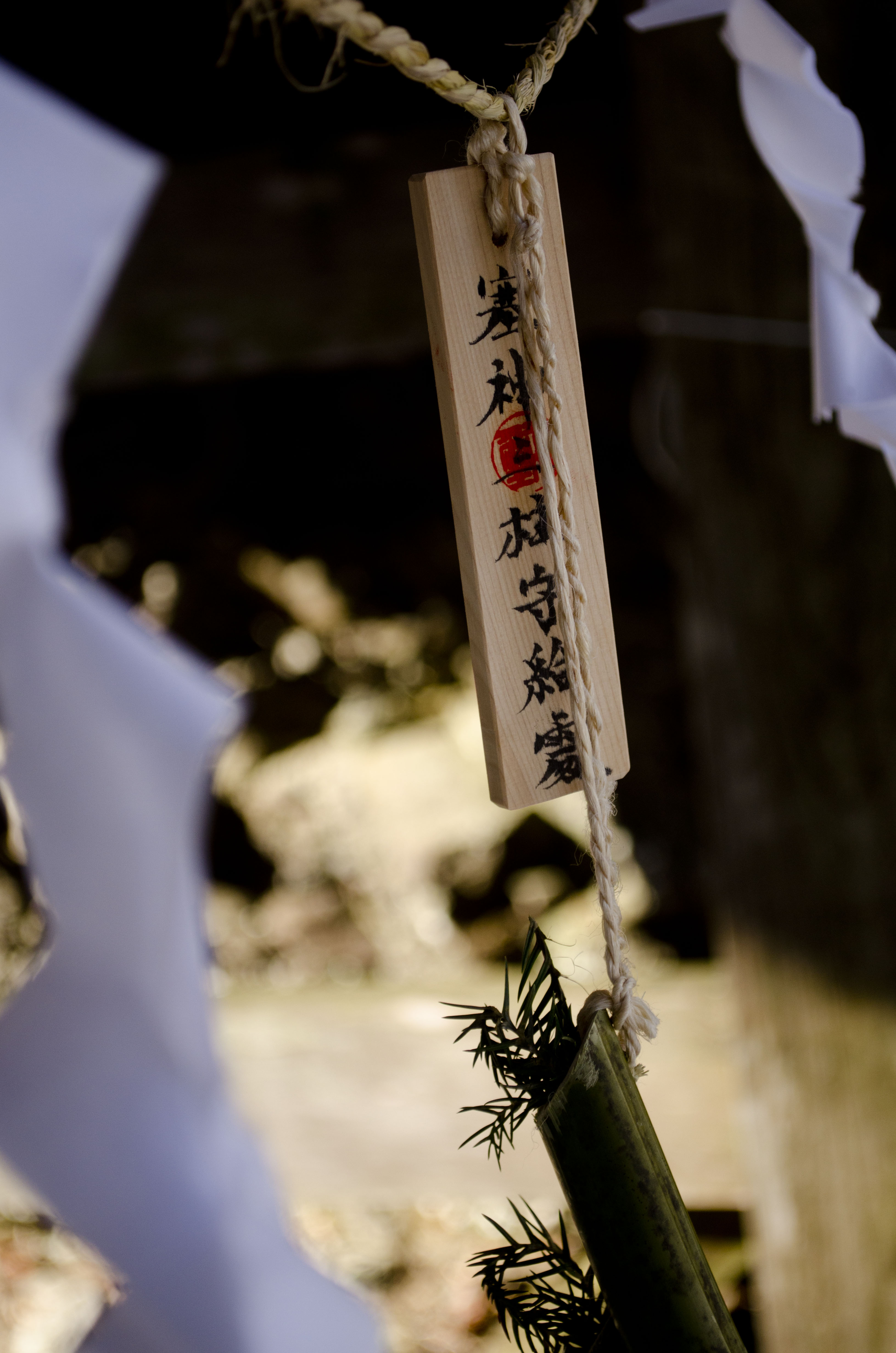
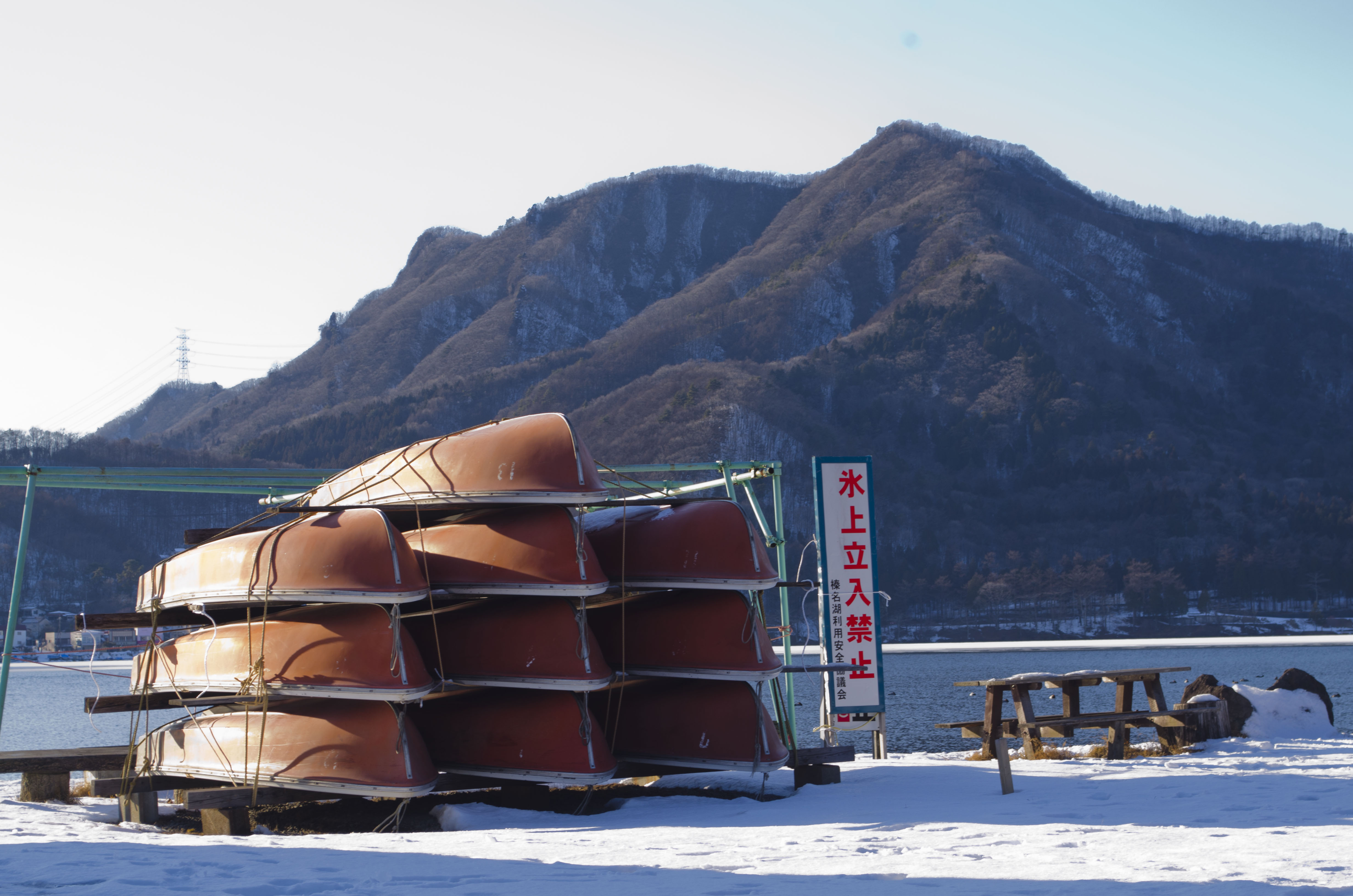
My adventures have continued with a wonderful photographic tour with a good friend and her little brother who both speak English. We went to two temples around the Takasaki area, and a wonderful lake. The recent snow that had detoured people from the outdoor sights created some breathtaking views and a magical photographers playground.

DSC_5371 DSC_5375 DSC_5416

DSC_5417 DSC_5418 DSC_5440 DSC_5443DSC_5517 DSC_5622

Like my facebook page for more photos and updates! http://www.facebook.com/kikilathropphotography

Nagano Adventures

After a rush of work, I wanted to make the most out of my winter vacation. Thanks to some new friends, I was given the opportunity to make it over to Nagano for a mini-vacation.

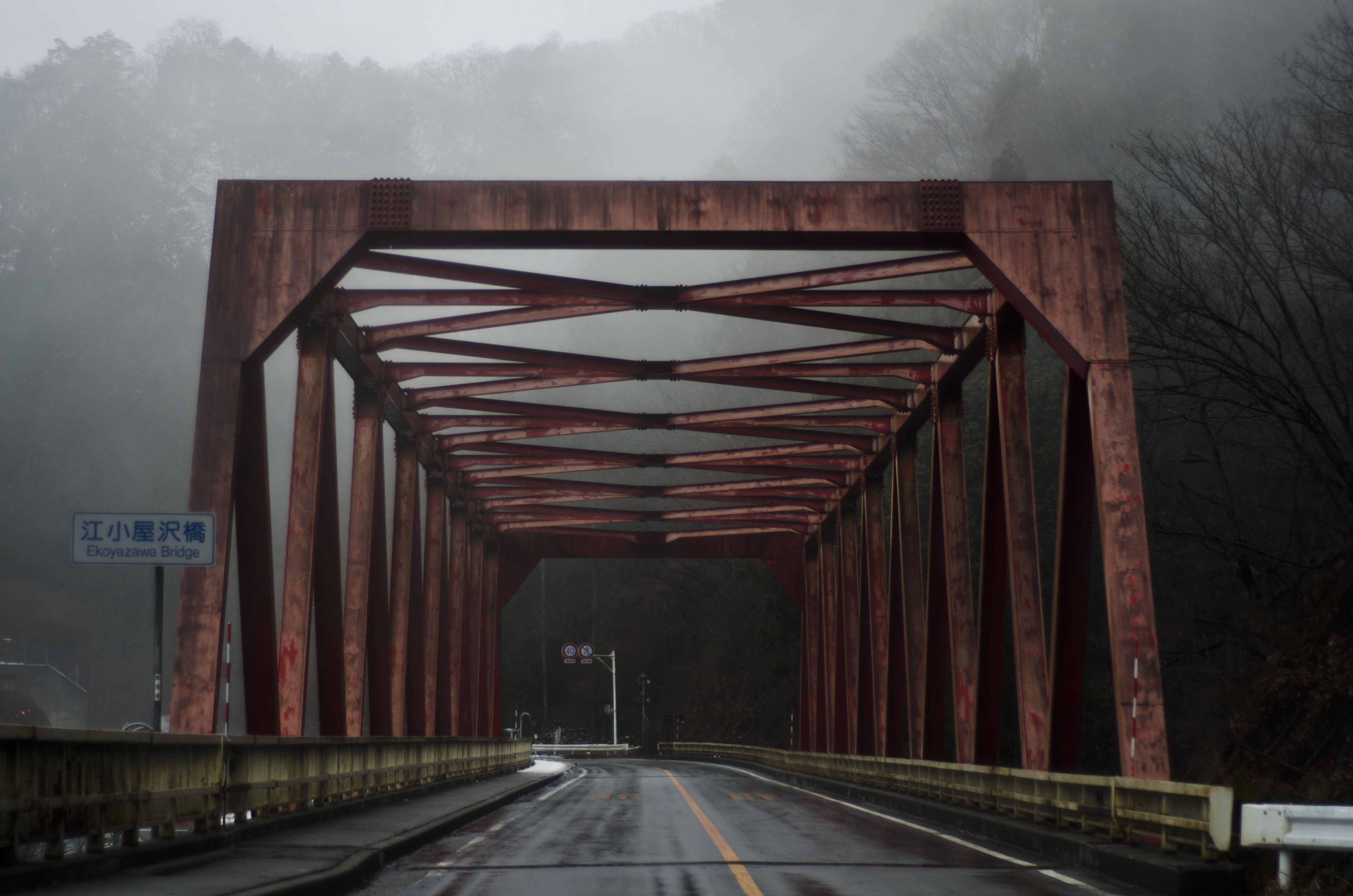
The spectacular drive from Gunma to Nagano was wonderfully scenic. The winding mountian road was flanked by misty, fog-covered mountians.

DSC_4922DSC_4900

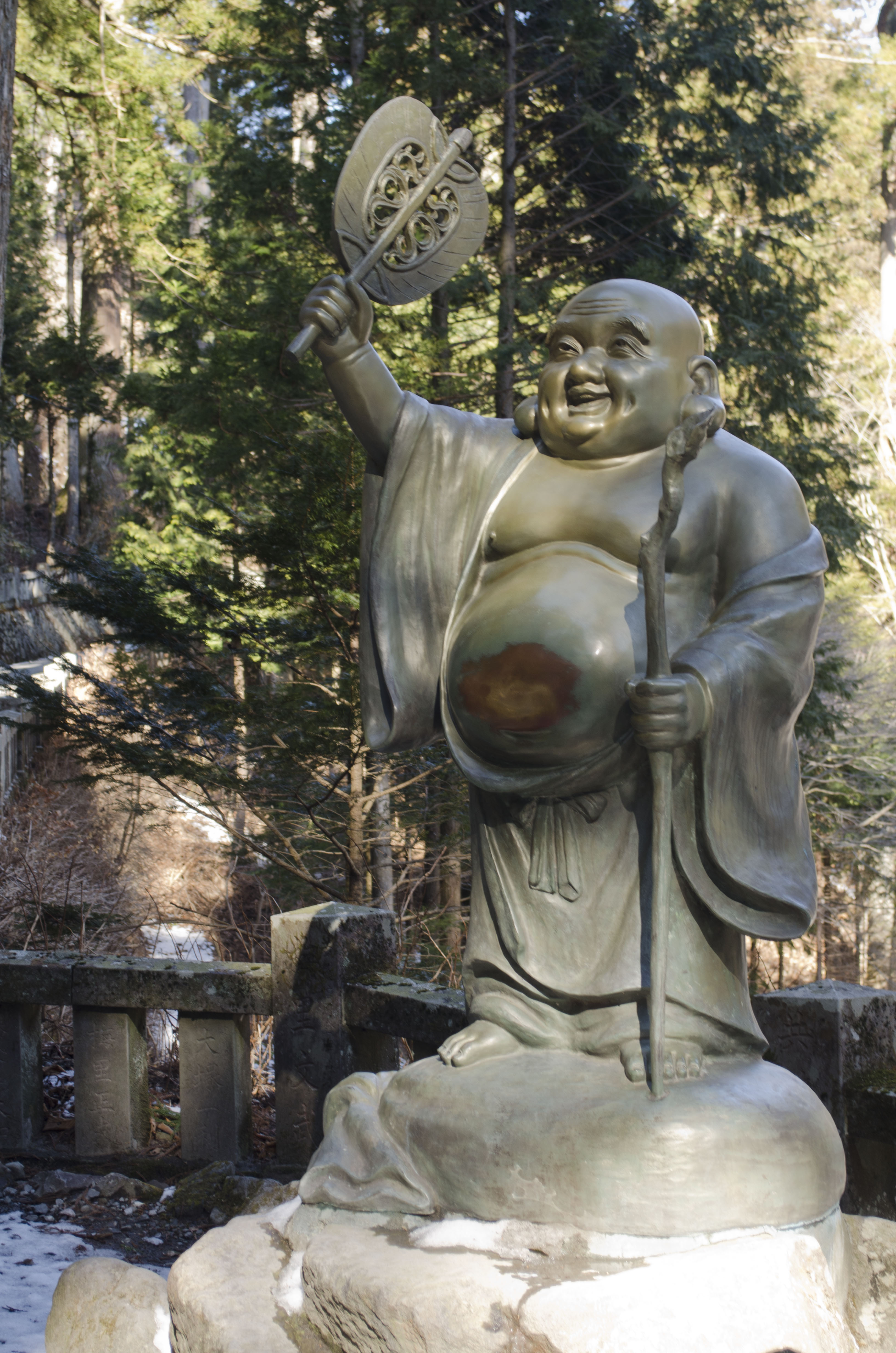
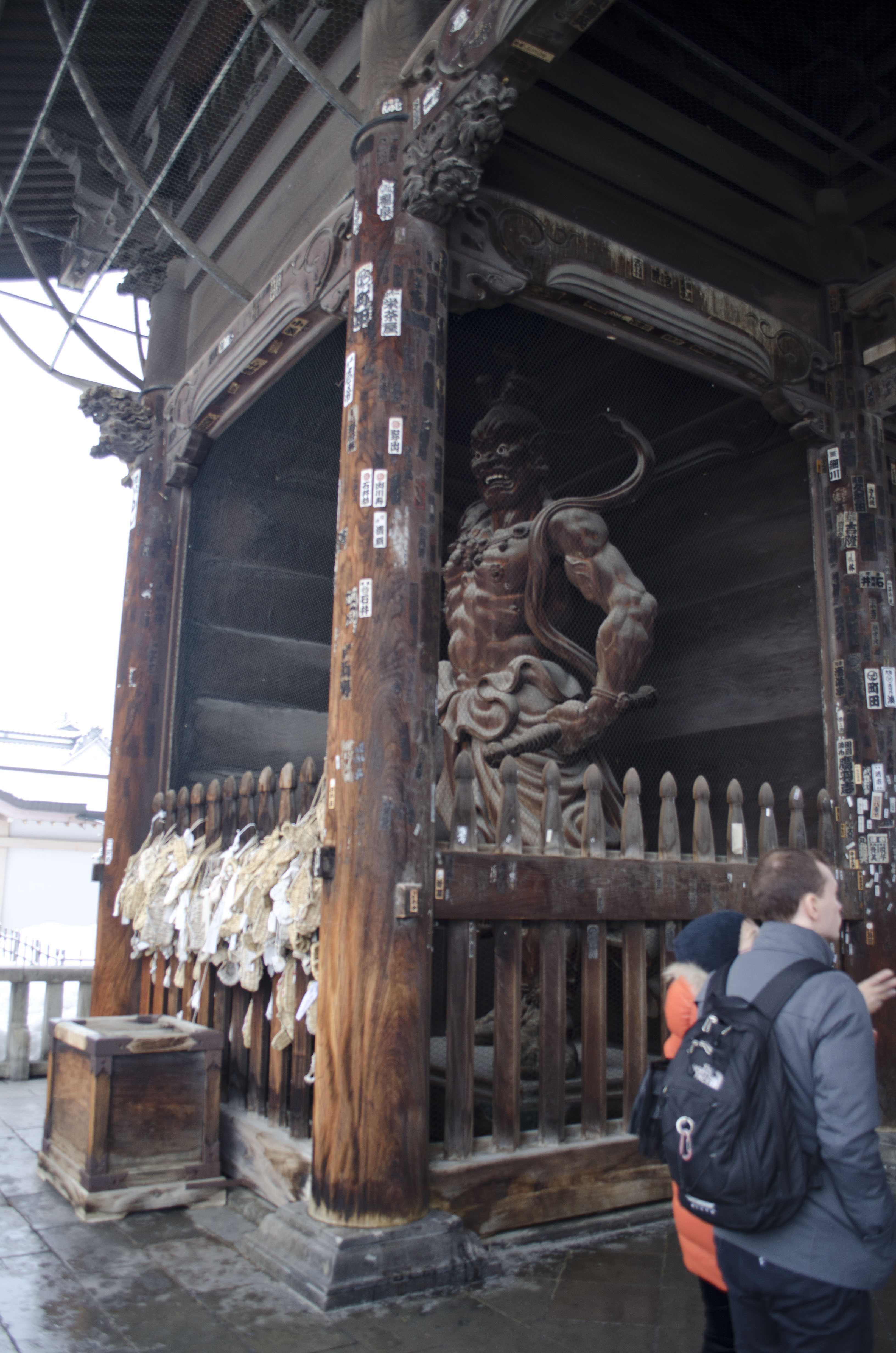
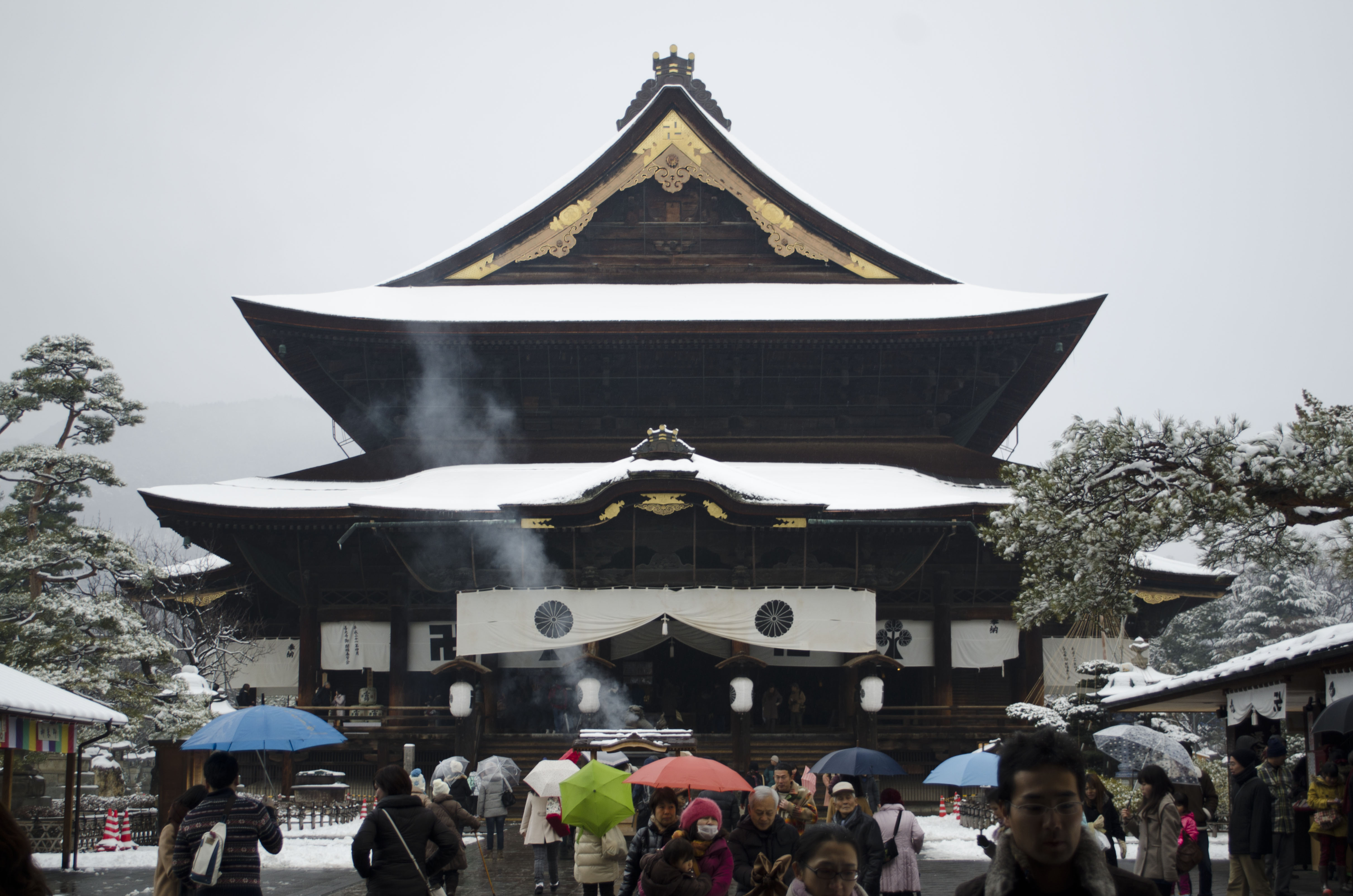
Once in Nagao, we stopped by Zenko-ji Temple, which houses one of the first wooden Buddha statues in Japan. Along the walkway to the temple, the pedestrian street is lined with souvenir stalls and small restaurants. Past these and through the Ah-um, the massive statues that protect the temple, is a large brass vessel, protected by a lion statue. This is used for ceremonial incense and for the price of 100 yen (~$1 USD), you can get a bundle of incense to put into the vessel, and use the smoke to heal any ailments you may have. Inside the temple, there are prayer areas, a statue of Buddha’s student of medicine (which you can rub for the healing of aches and pains), and what I call the “Labyrinth of darkness”. For 500 yen you can wonder the basement labyrinth of the temple. I put my shoes into the plastic bag they gave me, and made my way to the stairs. Instructed by the pamphlet that said to keep my belongings in my left hand and my right hand on the wall, I ventured into the darkness with my two new comrades and delved into the pitch black. I used to work at a planetarium, so darkness doesn’t scare me, but even at the darkest in the planetarium there were small lights that you could use for guidance. The darkness came in ‘levels’ that could guide you to where you were or needed to be. Not here. In the basement was nothing to guide me but the cold wood that trailed under my fingers as I wondered through the blackness. I noticed after bumping into my friend ahead of me a few times, even my sense of sound was off from the echoing of the wrinkling of plastic bags, the voices of people behind me and the indiscernible footsteps. But alas, I rounded the last corner to the the faint trickle of light coming down the stairs of the exit.

When leaving the temples we stopped briefly for some Soba noodles, which I flavored with the pepper spices that are the signature cuisine of Nagano.

DSC_4932 DSC_4939 DSC_4961 DSC_4964

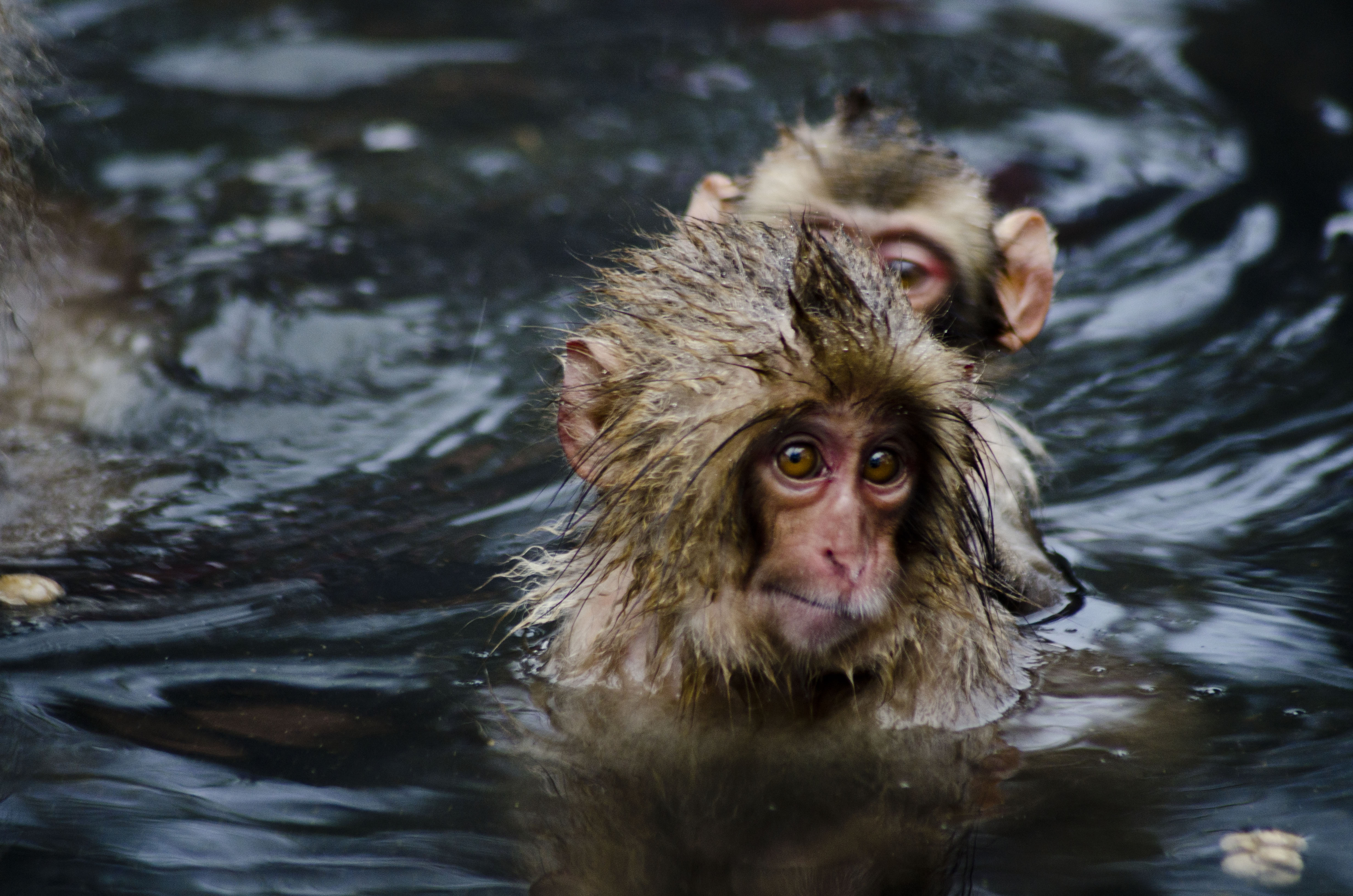
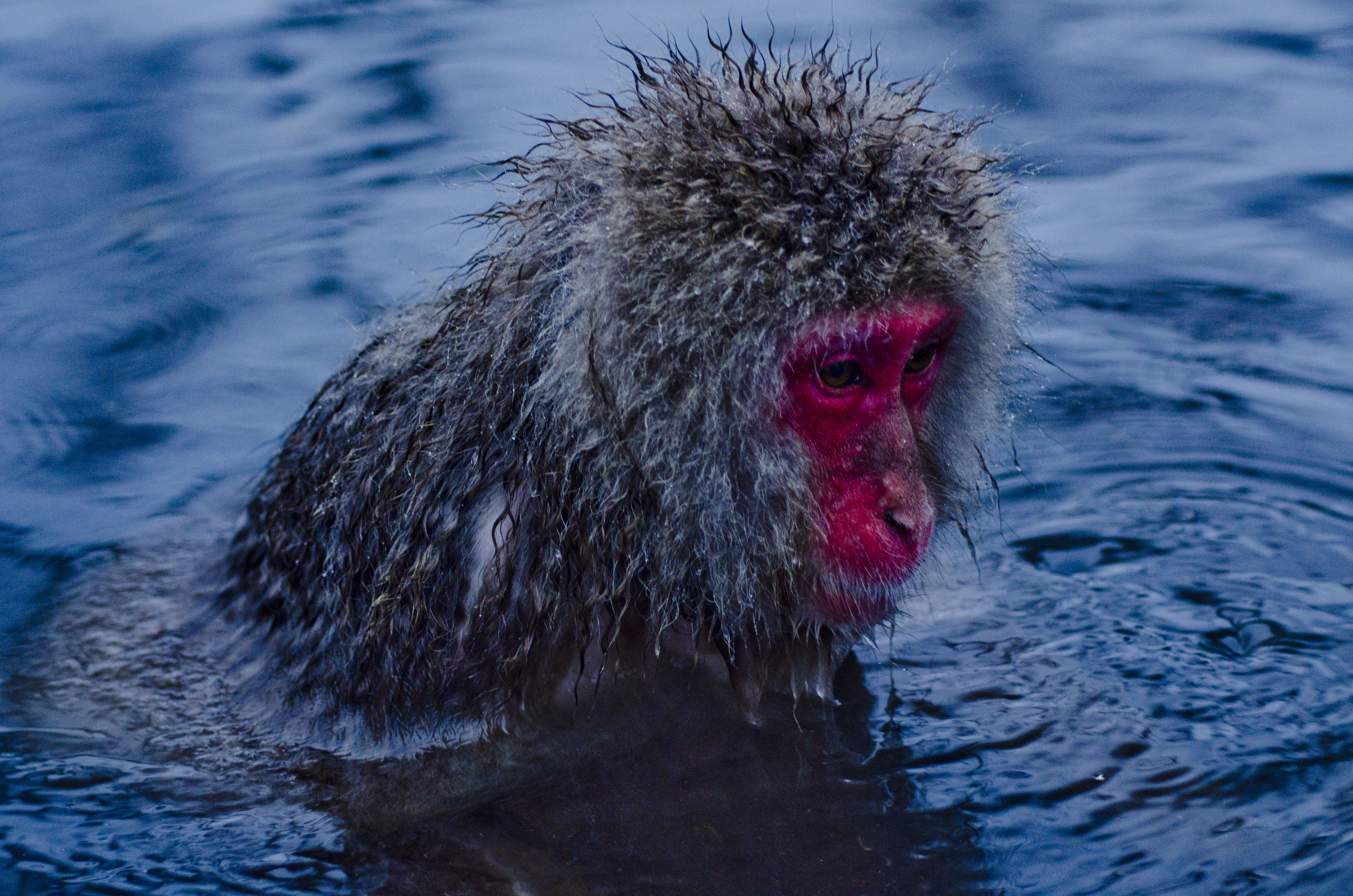
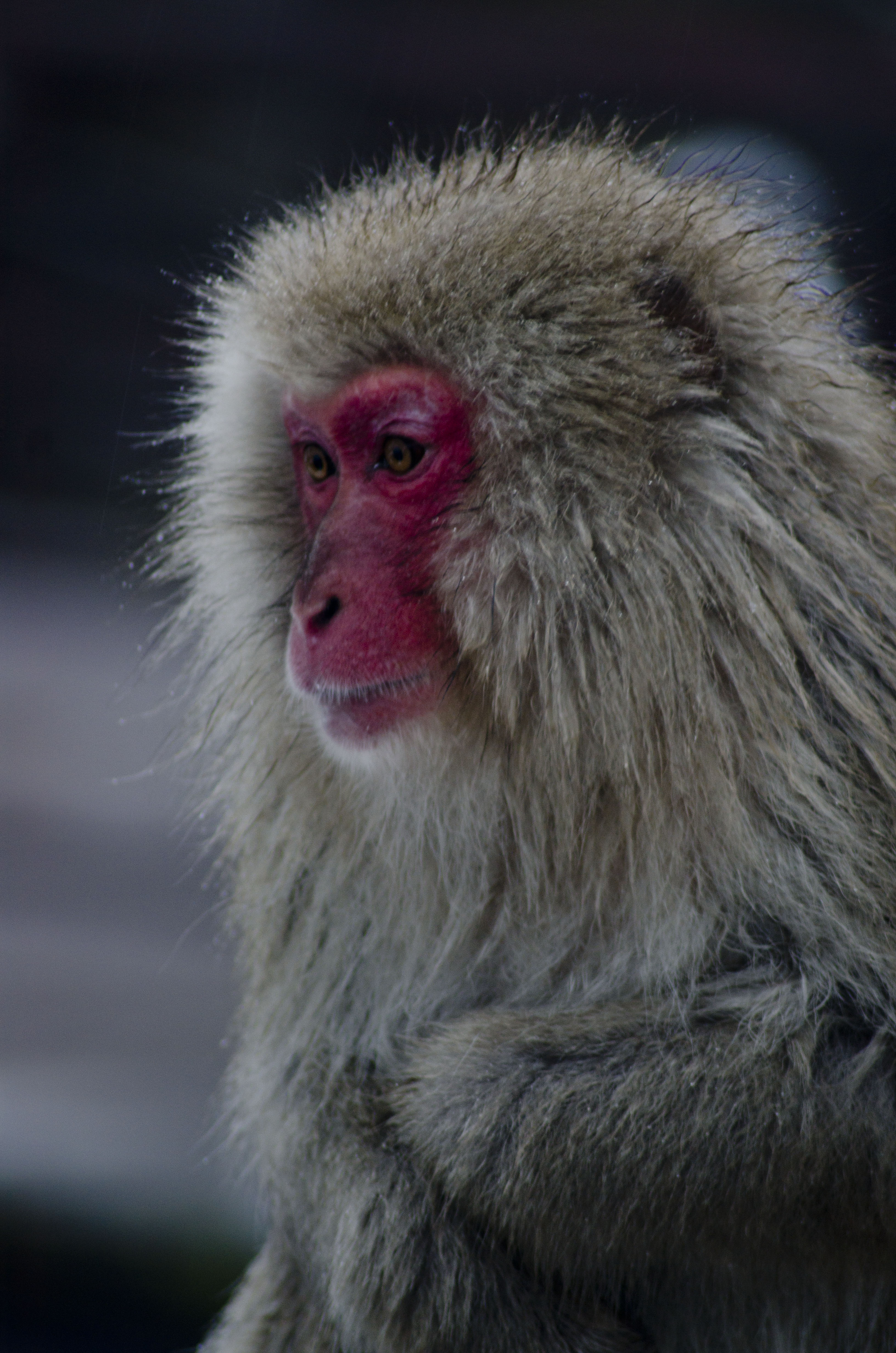
After the temple we made our way north to Nakano, which is famous for its Snow Monkey Park. The clan of 160 Japanese snow Macaques are unique for primates, as they are the only ones (other than Humans) that live at this latitude, bath in hot springs, and make snowballs to throw for fun. The Macaques have had 14 ‘bosses’, or alpha males since this clan started being observed and recoded for the park. The pictures of them can be found in the small gift shop/museum/place-to-warm-up near the onsen pools. The snow monkey park has an entrance fee of 500 yen, and it is recommended to go in winter, when the monkeys visit the pool to escape the cool air. We went in the late afternoon/early evening just before feeding time, and one of the park attendants was helping tourists take pictures with a macaque, using a call to get them to look at the camera. The first thing he said as I handed him my point-and-soot was “don’t look at him in the eye”. As an anthropologist, it think ‘duh’, but then I realize that many people probably haven’t read up on Diane Fossey and Jane Goodall, so here it is: Looking at a primate in the eye can be taken as a sign of aggression. If you challenge the wrong member of the group, it could get very dangerous very fast. With that safety tip out of the way, I highly recommend visiting this park, where it monkeys and humans walk amongst one another so easily and without fear.

DSC_5078 DSC_5163DSC_5190 OLYMPUS DIGITAL CAMERA
At the end of the day, we checked into our share house (Guest House in Sazuka, http://www.ghkura.com) which is very reasonably priced, very clean, and was wonderful to experience a traditional Japanese house. They offer free Wifi, a Cafe, Bike rental, parking, and a big garden for barbequing and tent camping. Dorm beds start at 3,000 yen and is well located for both the Zenkoji Temple and the Monkey Park. When we arrived, we were greeting by a very nice English speaking staff, and they had complementary tea waiting for us. They able to give us some good recommendation for dinner, and I had my first experience with a sushi restaurant that the sushi is served via a conveyor belt that runs by the table, and a train that comes direct from the kitchen.

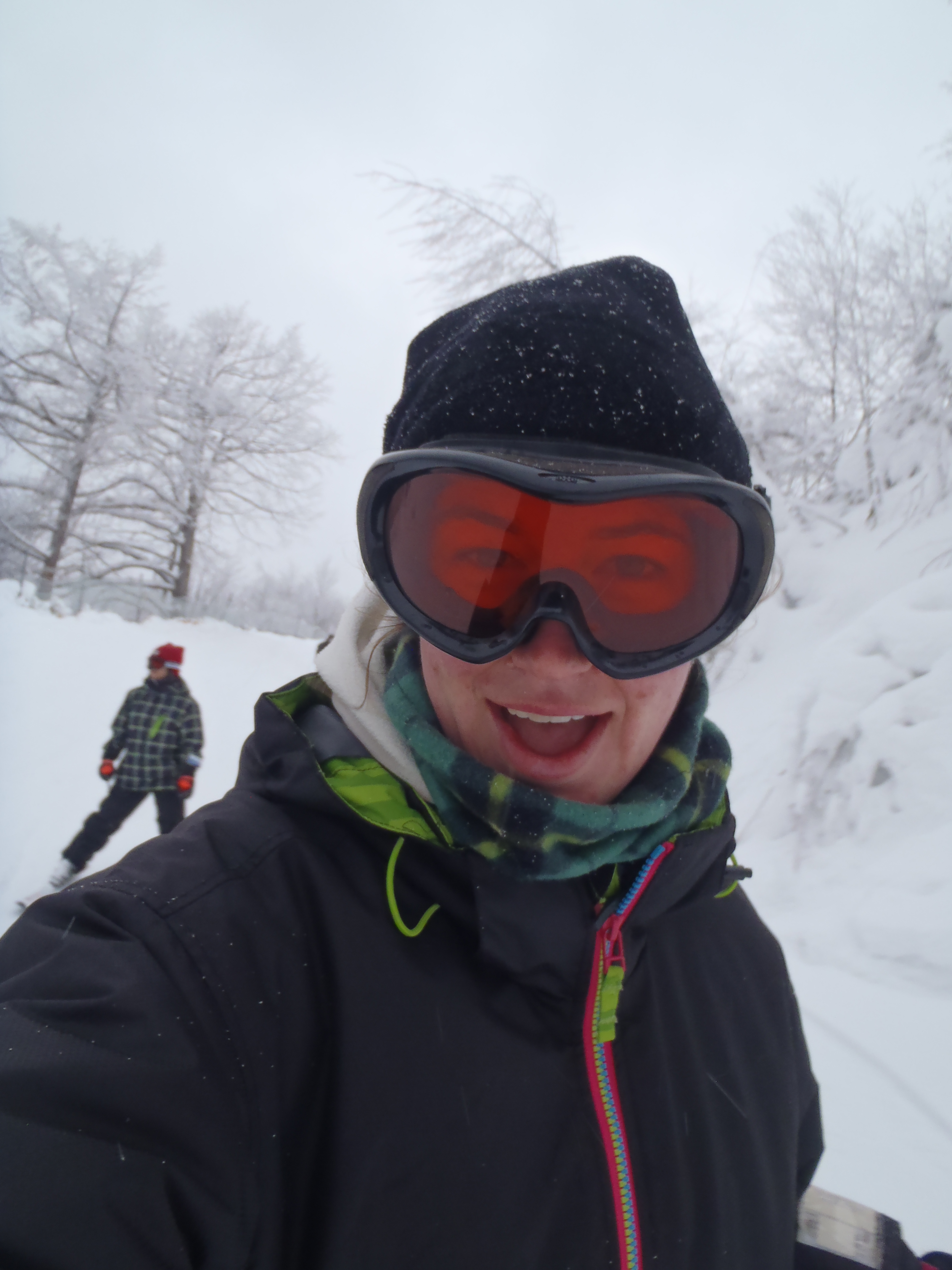
The next morning, we had a traditional breakfast at the guesthouse (300 yen) and then went to hit the slopes. In Sugadaria Kogen, the ski area of Nippon Davos (which is 3 smaller ski areas, Pine Break, Davos-Taro, and Davos) are located on the slopes of Mt. Neko-Dake (2,207m, or ~7,241 feet). A lift ticket (4,800 yen/full day) is good for all three areas, and offers an array of difficulty marked similarly to the states for easy, intermediate and difficult (green, red instead of blue, and black runs). Once we had our ski/snowboard rentals (3,800 yen/day) and all our gear to keep us warm (3,000 yen/day) we made our way to the lifts for some amazing powder, short lift lines and small crowds. To a ski junky, it was heaven.

OLYMPUS DIGITAL CAMERA

Its those small towns you have to watch for; My first month in Japan

It seems like yesterday I was taking the clunking, grumbling train from Tokyo out into the countryside. The bright blue sky and rolling green hills that meet with the blue grey silhouettes of the humidity shrouded mountains welcomed me across the interchanging fields and clusters of houses. For being part of the small school, my co-workers took me in to show me the local sights, and tell me of a few places to explore.
image

Every Friday night after work, the crew gets together and we would go out to the local sushi restaurant. The small wooden paneled room opens by a thin sliding door to the small sushi bar displaying the catch for wanting customers. In the adjacent portion of the room is an elevated wood platform, where as custom requires, we take off our shoes to sit on the floor around the low table. The man who runs the shop is nearly always smiling, and excited to try his English on us as a captive audience. It doesn’t take long for the place to get under your skin. As my co-worker said, the crowd there had developed the feeling of Cheers.

image

August through October is Festival season, which provides an excellent time to see the culture at its richest. Tomioka, Takasaki are two of the more popular towns for parades, fire works, dancing and street food.

image

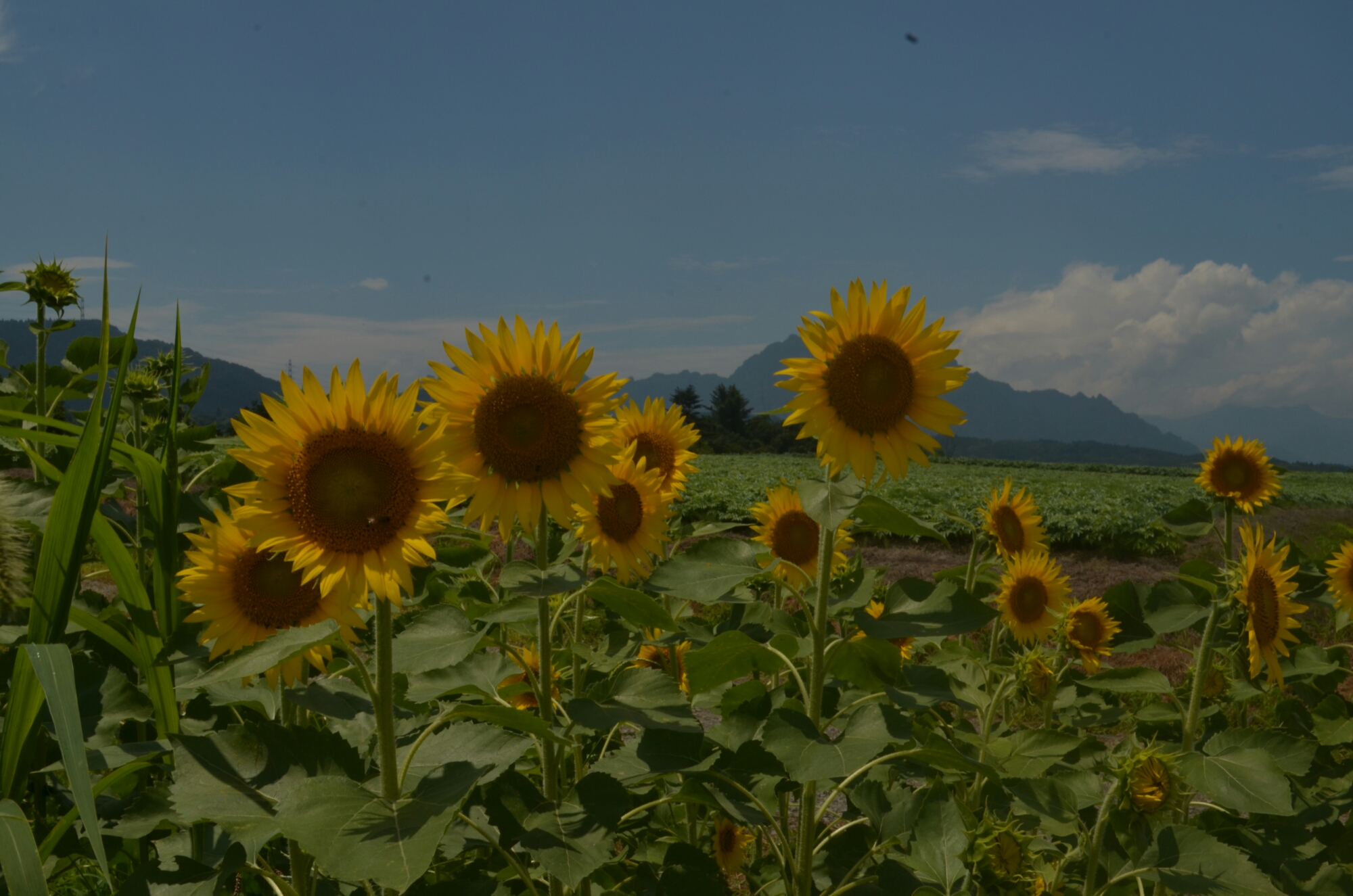
Being mid-late summer, there is plenty to see and do in the surrounding area of the stat of Gunma. Known for hosting the 1998 winter Olympics, the mountains that offer skiing in the winter also offer exceptional trails for the summer. (And as a Colorado native, I’m picky with my trails.) The only disappointment that I encountered was that I didn’t get to see one of the indigenous primates – the Japanese Macaque. (I will just have to go find one at the famous monkey park this winter, which supplies hot springs specifically for the monkeys, where they swarm to bath in the masses during the snowy months.) Additionally in the area, mid summer offers sunflowers in full bloom. The fields, which are back-dropped by the luscious green mountains and sometimes blue sky offer a breath-taking photo to send home to make the friends jealous.
image

As far as the language barrier, most towns offer free Japanese lessons at the community centers or town halls. If you are planning on coming over to improve your Japanese (no-matter how much or little you know), these lessons could be bennificial.


Stay tuned as I check out the towns recently UNESCO world heritage site listed Silk Mill.

Rapunzel has nothing on me; Mission to see the floating lanterns

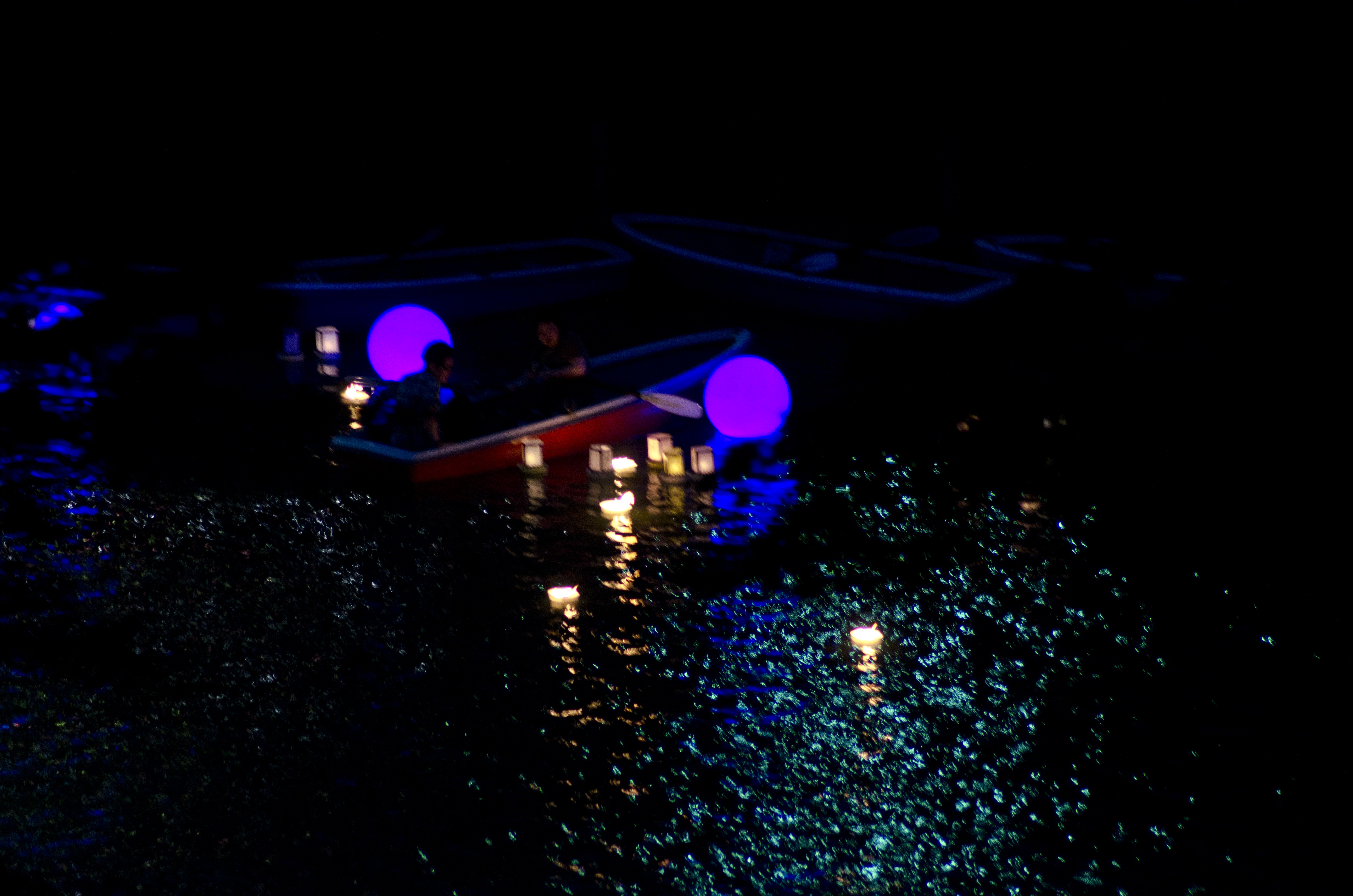
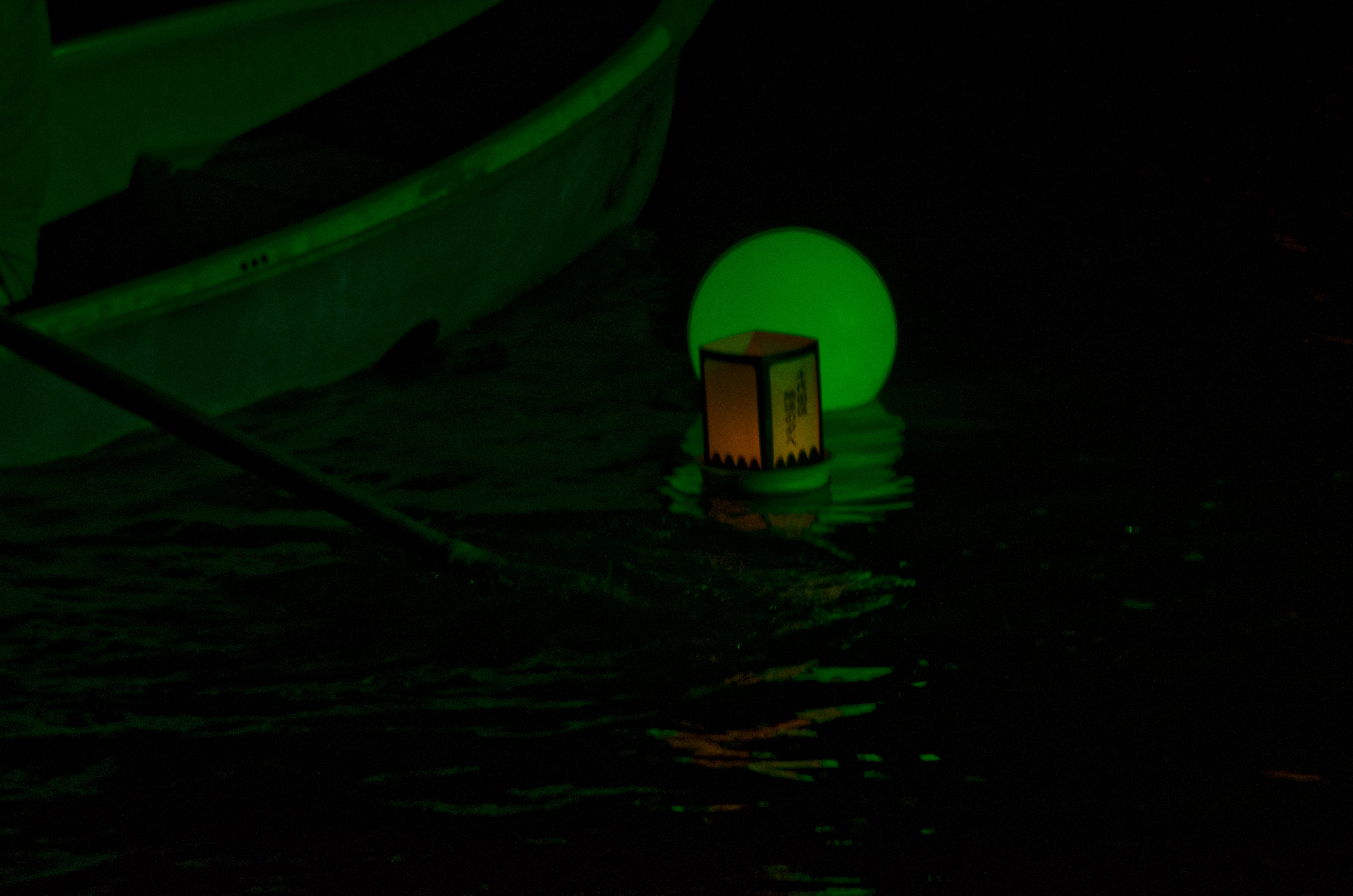
I had been searching through Pintrest when I saw the picture of dozens of water-bound floating lanterns set adrift by people in rowboats during one of Japans floating lantern festivals. Naturally my curiosity took hold and I set out into the depths of the internet to find where these types of festivals are normally held. As the fates had aligned, there was a festival being held the night before I was to start training in Tokyo. It was their annual festival, and my travel karma came through, landing me in the same city, at the same time, as this festival.
DSC_1383

DSC_1382

DSC_1394

The work accommodation that I had moved into had me housing with 5 men from various parts of America and UK, whom I presented the idea of going to see the lanterns to. As we all seem to be adventurers in our own right, we set off into the heart of Tokyo in search of the floating lanterns.

DSC_1421 DSC_1384

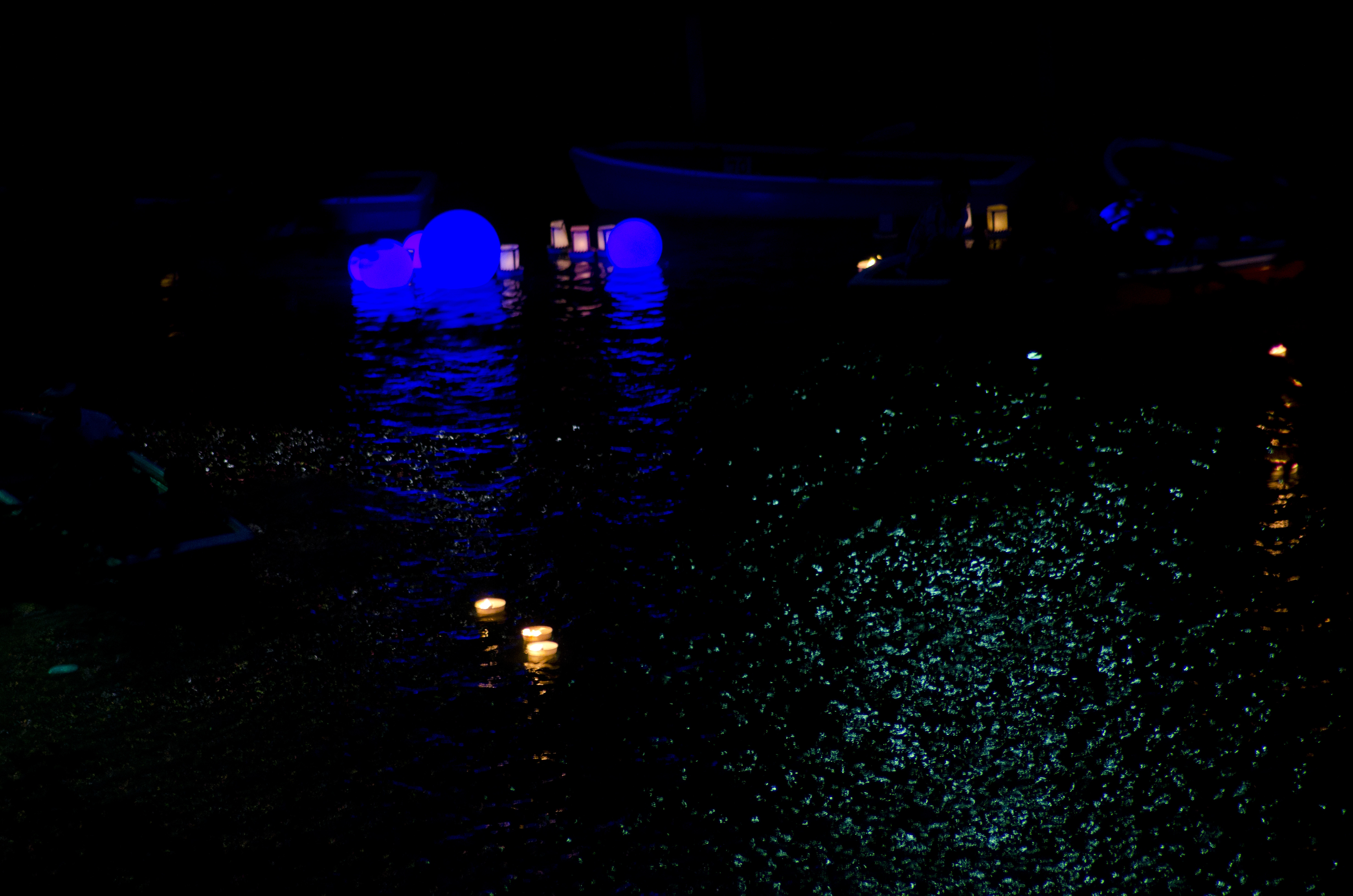
One long train ride later, we arrive at central station at Tokyos’ busiest time day. We made it to the palace just around sunset, arriving to the ceremony just after it started. Then dozens of rectangular lanterns were adrift down the palace moat, accompanied by what can only be described as color-changing orbs about the size of a beach ball. The participants and spectators ranged from fellow tourists to women and men in Kimonos and enjoying the cool summer night air.

DSC_1445 DSC_1447


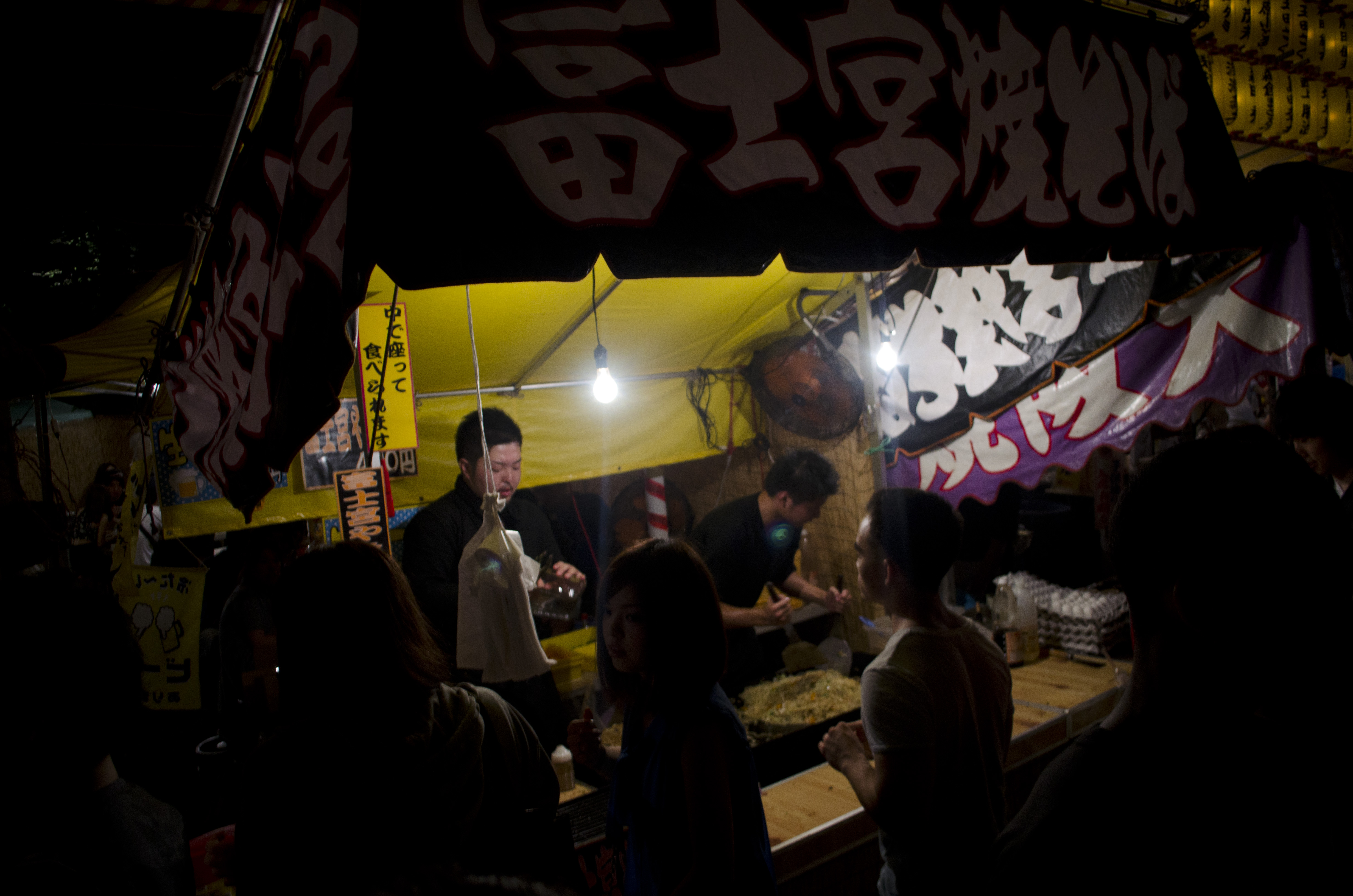
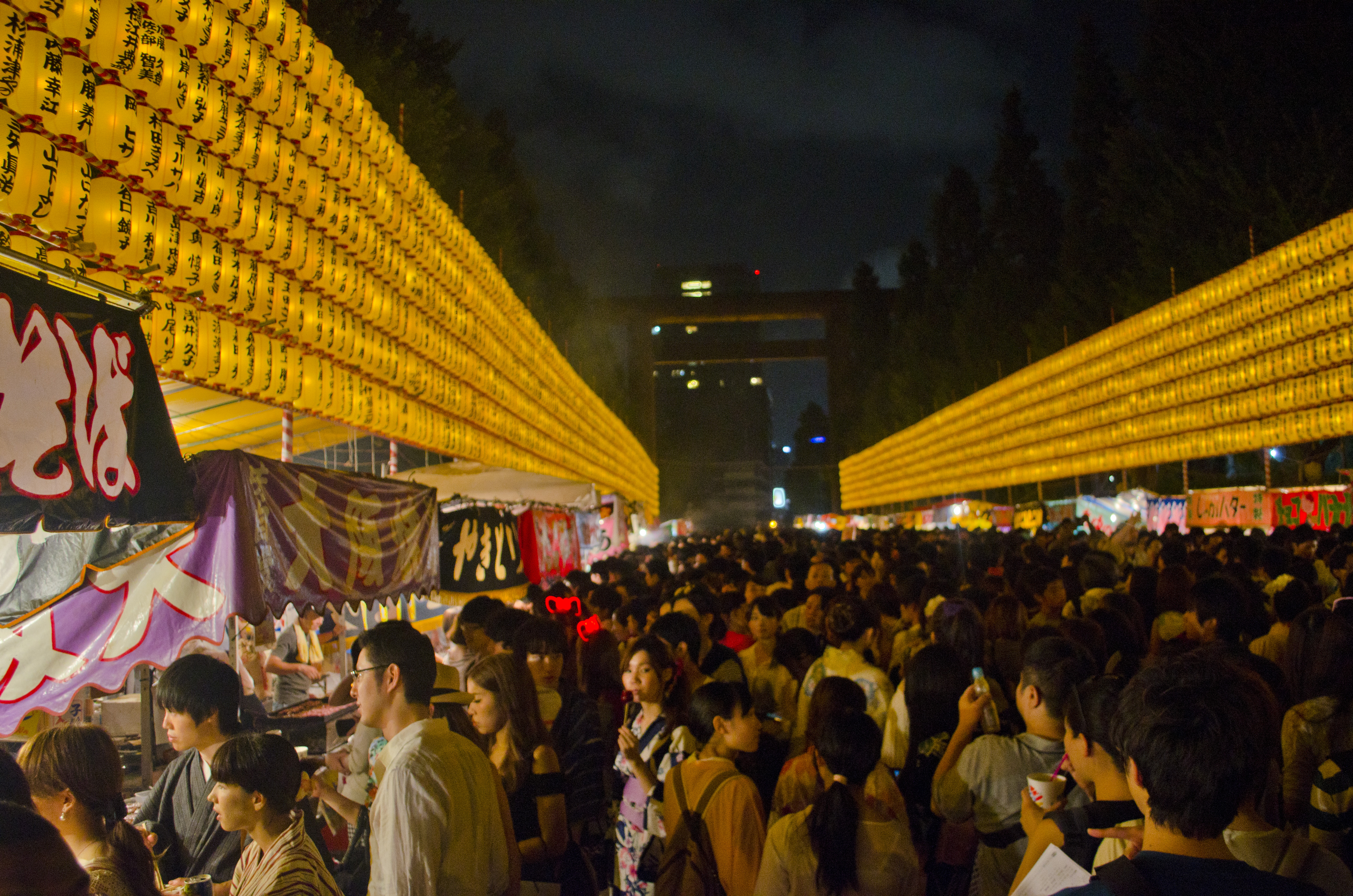
After taking our share of photos, we ventured across the street, and shuffled our way through the hoards of people to indulge in the festivals food and drink.

Culture shocked and lots of squiggly lines; Reasons I need to learn a new language.

I was checking onto my flight, mentally reducing the weight of my bag, and hoping it was under the weight limit. Since I had shoved the last few items in that morning, I figured it HAD to be over weight. I gave the ticket lady my passport and start through the pocket of my bag for the itinerary printout when I hear a mildly shocked “you’re kidding”. I stop the hunt for the paper and a million scenarios run through my mind. Is my bag that over weight? What if its my passport? Please don’t let there be something wrong with my passport. Maybe their computer is having trouble reading it. In the 1.5 seconds it takes for all of this to stream through my thoughts, she follows it up with ‘you have my name’. Tilting my head in genuine curiosity, all those scenarios disappear in a cartoon cloud of dust. We proceed to chitchat about how strange that I happened to end up in her line, when she looks back at my passport, then to me and starts to laugh. Tilting my head in question again, she clarifies ‘and we have the same birthday. Not the same year, but the same day and month’.

DSC_1274
Once on the plane to Japan, knowing very little of the native language and with big plans to travel and sight see, I start to question how prepared I was. It turns out though, I wasn’t the only one on the plane with the “let’s wing it” view of language. With a sparse plane, I had a row to myself. Forehead pressed to the plane window, sprawled across two seats, looking down on the turquoise water of what I told myself was an uncharted island, I had my playlist for traveling drifting me into a whole story of castaways on that island. My fantasy was interrupted by a quick tap on my shoulder. Venesa, an Aussie taking a few weeks of her school break to go visit Japan, was in the row directly behind me, and thought that I looked to be a bit adventurous, and wanted to see what I had plan for my excursions. An hour later she had taken photos of my tablet and notebooks on her iPhone, and we were discussing the Mayan ruins she visited. We bonded a bit over the fact that neither of us knew that much Japanese. I downloaded a number of programs, and have picked up the very basics to get around town. (Your standard Hi/Bye, Please/Thank you/Excuse me,) and thanks to Naomi, learned to count to ten. (I owe you one Naomi, since that will come in very handy when finding train platforms.)

Pub Snack
I had my first “crash course” today, going into the massive 7and i, (a 7eleven that rivals super Wal-Marts and is more like a 3+ story mall,) in search of food for the week and a notebook for my upcoming teacher training. It was somewhere in the rice isle that I started to panic. What was I doing!? I have no idea if that is a cooking sauce or a whole meal in the packet with the cartoon yellow rabbit smiling at me. And how do I find something that I know how to cook? I start to laugh (since really when I’m starting to have anxiety, what can you do about the situation but laugh it off,) and decide to put on my big-girl-adventurer pants and do what I can to find food, and pull it together and be willing to try something new. I decide on the minute noodles with the shrimp on the picture, and go in search of the other items on my list, agreeing to settle for the cultural equivalent. With the help of free WiFi and Google translate, I decided to stuff my pride and ask for help. The lady stocking shelves was very nice as I gesture to my phone with the translation of one of the items on my list, and am whisked off into the middle of the store. Once all my items had been gathered, I aim for the checkout. Turns out there are a lot of questions at a checkout counter that we take for granted when they are in our language. There was a question about getting a bag, and a surcharge for using a credit card. I can only hope that what I was understanding and agreeing to was what I thought it was.

DSC_1283
My second challenge was the notebook. This I was a little better prepared for, but had to wonder around the store none the less. Saying the equivalent of “excuse me, notebook, where?” while miming writing on my hand I was directed from one store to another, with one girl knowing enough English to help me out. Before long I was in the stationary store.
My adventures of the day were successes and I learned about a dozen more words. I have high hopes for this adventure.

DSC_1290

Update: I would like to recommend Byki Express for a free language learning program. If you need to learn it fast and be able to get the basics to get around, its the best program I’ve found.