The morning started with the sense of adventure. All my camping gear that had been in my check on was redistributed on, in and around my backpack, a blue rain cover providing a small amount of protection from the dust we were told we would be encountering on the way.
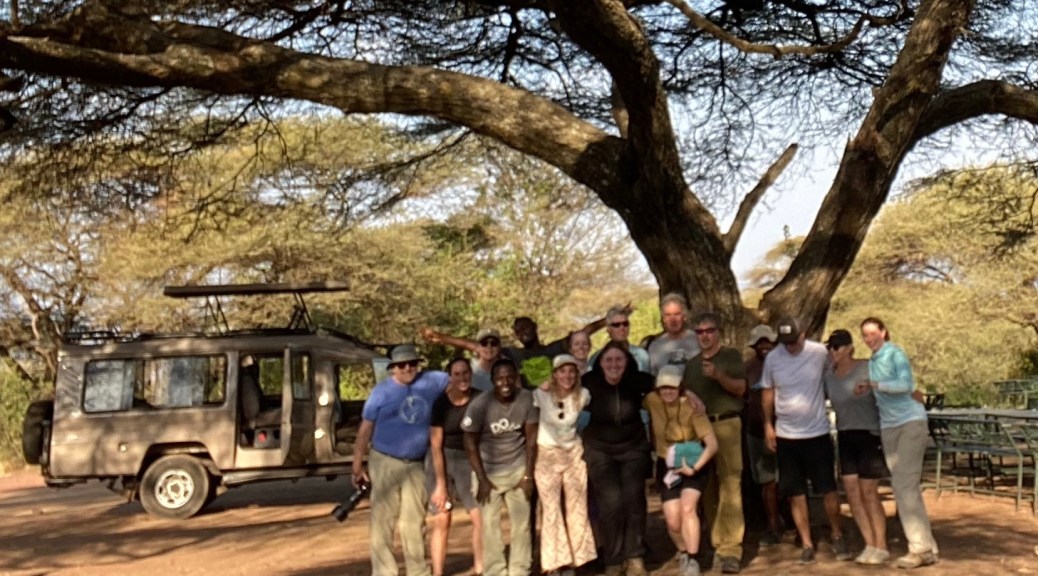
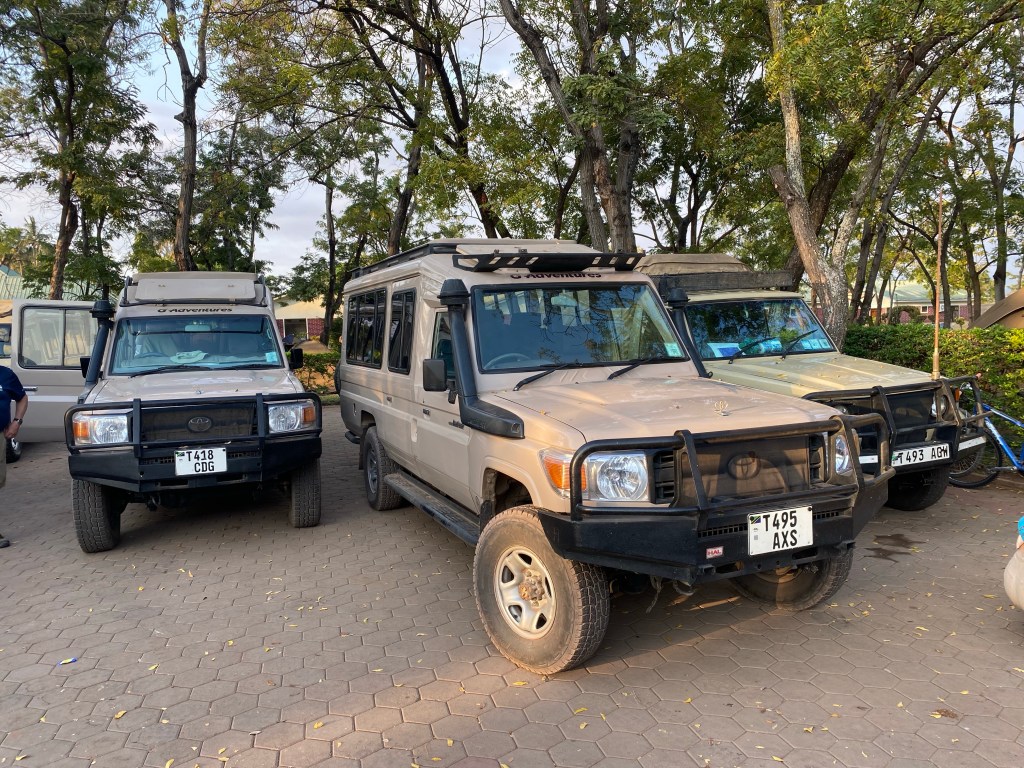
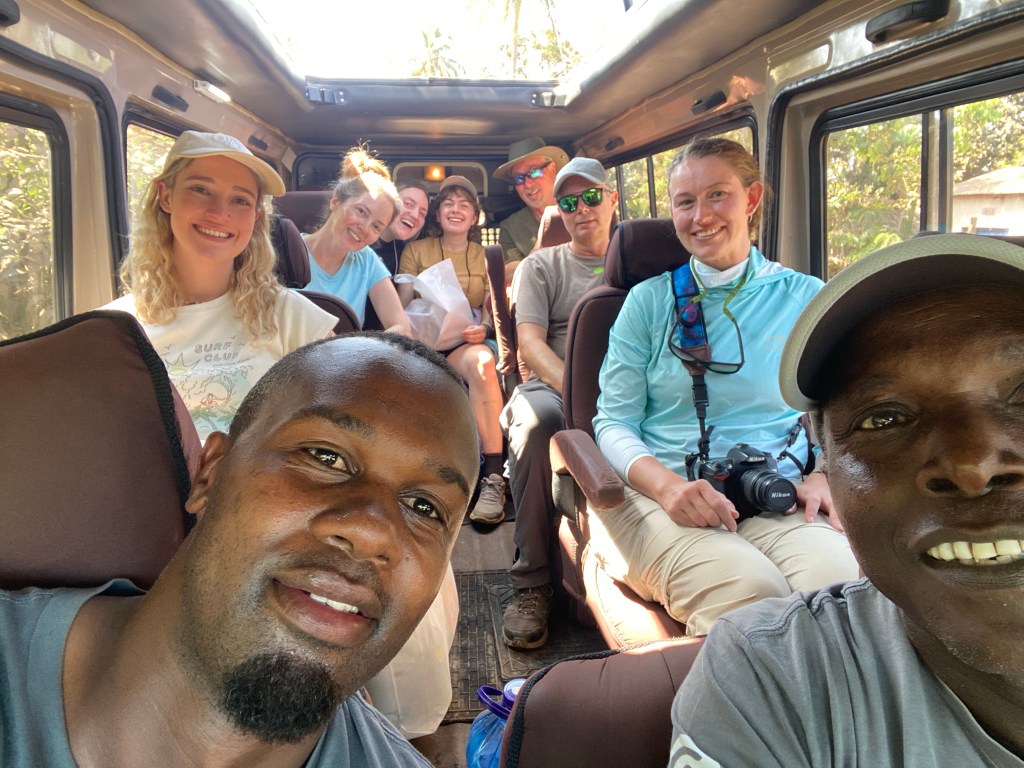
Checking out of the Outpost Lodge, our group convened in the small parking lot where two pop-top safari vehicles waited. Our drivers Valance and George greeted us and helped us load up. We split into two groups and made a quick supply run.
The local grocery had everything we could need for road-trip snacks and we loaded up with water. We were going to be camping and not able to access a lot of water for 5 days, and I figured that my own water amount was about 2 liters a day, and grabbed 3 – 2 liter jugs. My estimate was generous, and I didn’t get into the 3rd jug, but in 20/20 hindsight and a background in search and rescue, I appreciated having it to offer if anyone needed a water bottle refill towards the end of the trip.
Pro Tip: a week or so before traveling try to gauge how much water you drink normally, and then look at how much you drink the first couple days in East Africa. After being there a couple days you should get a good idea of how much water you will need to plan on.
Before setting off from the store, one of my travel companions tried the ATM to get some cash before leaving the city. The ATM ate her card. A few minutes of calling the 1-800 numbers in the states and the assistance of Hamdami in calling the bank of the ATM, and it was worked out that she would be able to pick up her card when we return to Arusha after the safari part of the trip.
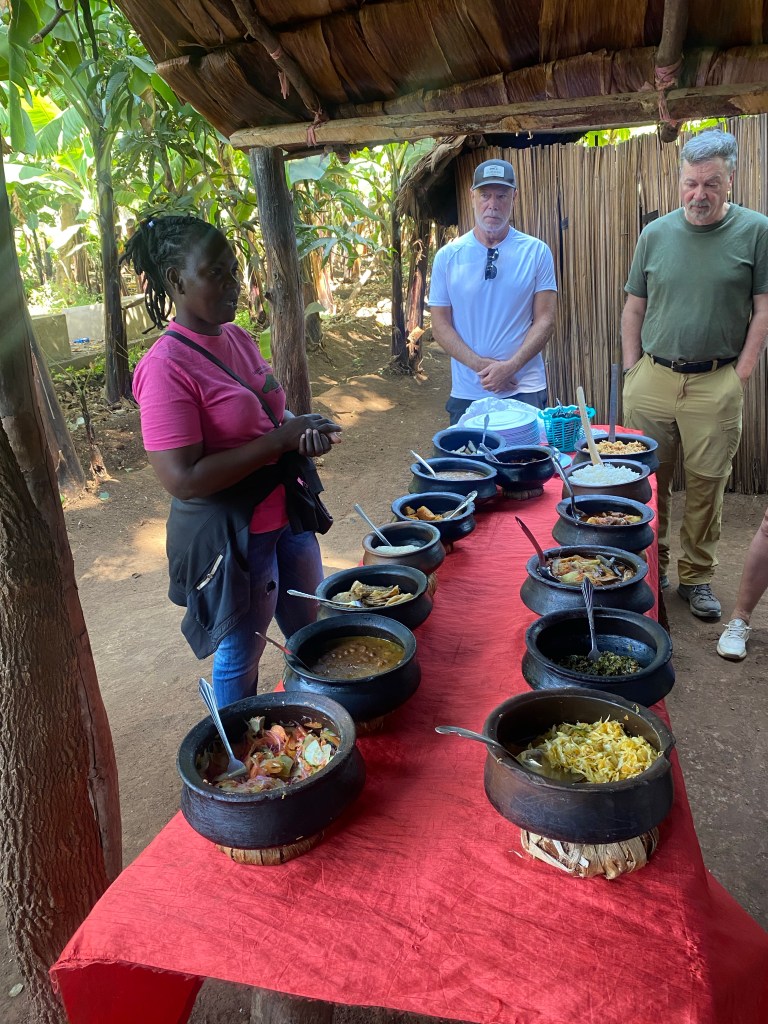
In the village of Mto Wa Mbu we visited a local art co-op, filled with a few artistic styles, and a banana plantation. Here we were treated to a lovely local meal with a diverse spread of flavours and options.
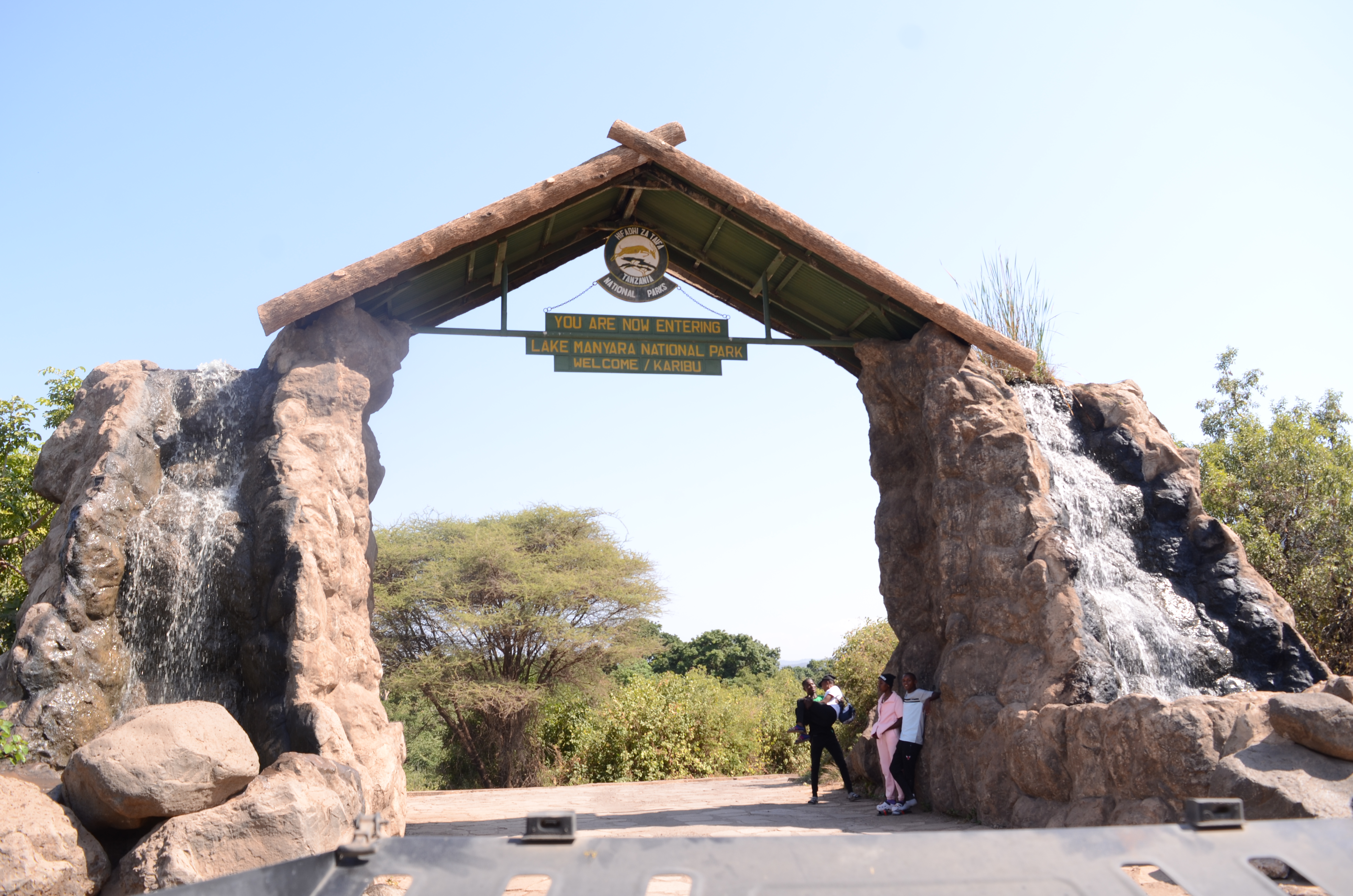
The first day of the trip we went right to Lake Manyara National Park. The entrance way was mesmerising, instantly cueing the Jurrasic Park Theme to come to mind. A magnificent archway supporting two waterfalls.
Just outside Mto Wa Mbu is Lake Manyara. Home of tree climbing lions. Though we didn’t see lions on this portion of safari, we did get an amazing experience with some of the elephants, who walked right up to, and around, our Safari vehicles.
The myriad of wildlife of the park was a fantastic kickoff to inland Tanzania. The baboons, water buffalo, and a particularly angry Zebra who had it out for a specific group of impala, gave the area a vibrant personality that, when looking back, was so unique. Neither Serengeti nor Ngorongoro Crater, yet somehow still with a sense of familiarity between the two.
While we would be traveling through the park, our supply car would beat us to the campsite and begin setup and cooking. By the time we roll in, dusty and shaken by the bouncy dirt roads, we had a little down time to freshen up and meet at the mess area for dinner.
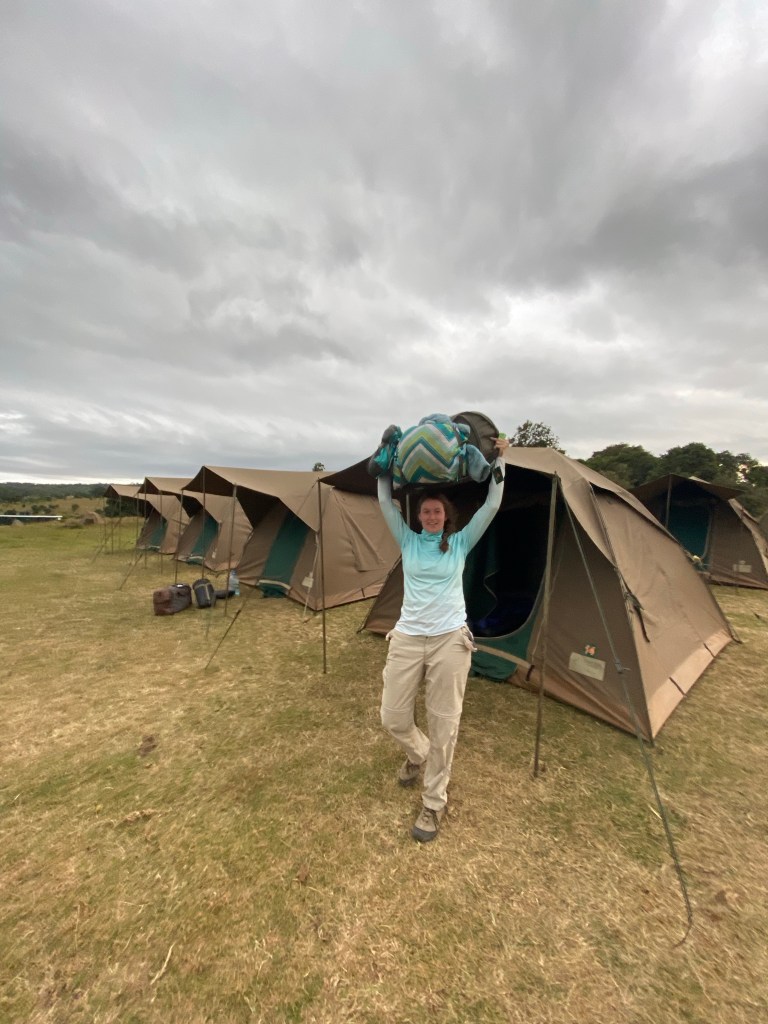
The Twiga Campsite is a lush, secure, campground within Mto Wa Mbu. Our tents, definitely larger than some of the other groups, were spacious and we could even stand up in them. Not quite ‘glamping’, but to my outdoor experience, not ‘roughing it’ either. I would say this was a very accommodating camping experience for anyone who hasn’t been camping before, or wants the camping trip style, but the tents already set up for them ‘vacation style’. A cold shower and frequent power outages that hit the small camps added to the sense of adventure.
The camp dinners were delicious 3 course meals. Shout out to Saranne, whose birthday it was and the camp crew came out singing a birthday song, equipped with cake, unphased by the power cutting part way through their melody. Power came back, celebrations continued, and it was a wonderful night at the campground.
Before bed I spent some time in the mess area charging my camera gear and batteries. My Nikon D7000 and D500 take the same kind of battery, so having just a couple extra made it easy to switch out. I highly recommend a multi port USB charger for the safari cars, and a usb charger for all electronics, including camera batteries.
The quiet of the camp in the evening and in the early morning was magical. Brushing my teeth I would stop, wide-eyed, realizing the far off sounds of lions roaring and hyenas chattering. This… the sounds, the feeling, of being surrounded by wild. This is what I came for.
Next time….
We journey deeper into the heart of Tanzania, passing through the Ngorongoro Crater conservation area and into Serengeti National Park.
If your interested in seeing some of the posts from one of my guides? Valence has an instagram! his adventures can be followed at @vah_ley_tz
It all started with a notification that there was an open spot on a tour through east Africa. Arriving Nairobi, camping in the Serengeti of Tanzania, and ending beachside in Zanzibar. The Classic Serengeti and Zanzibar tour was the icon of my childhood dream of east Africa. When I was 4 I had a Lion King birthday party, by 10 I started teaching myself Swahili, and at 19 I was taking a sign language class in Boulder where I learned about my teachers-friend’s effort to start the first deaf school and orphanage in Kenya. The periodic planting of “you should really go see it” finally peaked.
Thanks to GAdventures, most of the legwork of the logistics of the trip itself was taken care of. After 10 years of solo traveling, being able to know that I just have to get myself there and then everything else falls into place is a really nice perk of going with a tour company. So far I have been on a couple GAdventure tours, and have decided that their mindfulness about giving back to communities, seeking local guides for their tours (known as Chief Experience Officers, or CEOs), and helping ensure that the tourism is ethical has made it one of my favorite companies so far.
I had researched everything I was going to need for this upcoming trip, exchanging clothes for more camera equipment, nearly telling myself “ehhh who needs clothes anyway?”, and decided that the rule of 3 was probably the best to keep my supplies fresh. (1 to wear, 1 to wash, and 1 in waiting.) I expanded this and would triple check weather predictions and our perspective camp sites to assess ‘do I really need that jacket?’ (the answer was yes.)
My favourite pack, the Osprey Fairview 55 with detachable daypack, has been updated by osprey.
This made a great system for being able to pack what I needed as a carry on, like my lenses, and have my small daypack for under my seat on the plane. Once I got to Africa, I could switch around some things and have my daypack ready to go!
Additionally, I had a small collapsible duffle that I used to transport my sleeping bag and pillow down, and used as check on, but could collapse on itself and be taken out of the equation for transport from one site to the next.
The Packing List
Photography Gear
Nikon Bodies; D500 and D7000
Rain Cover/Buffs
Lenses; Kit, Wide angle, and 150 – 600 telephoto
D500; CFExpress (512 gb), SD card (512gb)
D7000 (64gb) eyefi card (64 gb) SD.
Mono Pod, Gorilla Pod
Binoculars
In late July/early August in the Serengeti, the dry months mean a lot of dust, but the trade off was that the low vegetation meant some amazing viewing of the Lions stalking in the grasses. The amount of dust in the air though can be ROUGH on camera lenses. Because of this I brought a couple extra buffs I had left over from the COVID era. They made wonderful dust guards, able to slide over the lens and body of my camera
I kept my kit lens on the D7000 and my 150 – 600 on the D500. This worked out great to reduce the amount of lens changes in the field. When I got back I ended up buying a Sigma 18 – 200 lens, which is now a staple of the lenses and replaces the kit lens for field photography.
The monopod was only used one day of the whole trip, and the Gorilla pod wasn’t used at all. They could have stayed home. The binoculars though would get passed around the safari vehicle. It was a great way to make friends, or just scope out that animal before you took a picture. For the most part, if you have a lens over 200 mm, the camera can double as a binocular, but when your driving its nice to have something shorter in length. (I definitely slammed my eye into the camera a couple times using my camera instead of the binoculars on VERY bumpy safari roads.)
First Aid/24 Hour kit/Camping gear
Malaria Tablets
Bandaids
Med Tape
Antiseptic
Alcohol wipes
Ibuprofen
Asprin
Imodium
Bleed Stop
Hydration tablets
Bug Spray
Rx’s
SPF lip balm
Sunscreen
Whistle
Water Purification Tablets
Sewing Kit
Sleeping Bag
Bag Liner
Pillow Case
Pillow
Torch/Headlamp
Compass
Fire Starter
Space Blanket
Multi Tool
Rain Coat
Rain Pack Cover
Water Bottle
Day Pack (which was part of the Fairview system)
The lip balm I only needed a little, as someone who really doesn’t ware it often, I only used it 1 day. I did only pack a travel size sunscreen and really should have packed a lot more, especially for Zanzibar.
When we would pack up camp and my sleeping bag and pillow would be strapped to the outside of my Fairview, I would use a simple pack rain cover to put over everything before we would load it into the safari vehicle. This really helped keep my bedding from getting super dusty on our drives.
I got a cheap throw pillow that was my level of soft and used the travel pillow case on it. At the end of my trip I left my sleeping bag and pillow with our guide to reduce the check-on bag space. Check with your guide early to make sure that they have recommendations on where to donate/leave it. I ended up just giving it to him since he was needing a new one.
Most of this stuff wasn’t used, but as a Search and Rescue member, I am a big advocate for being prepared. This is the list of ‘better to have it and not need it than need it and not have it.’ When you get out into the rural areas, there are not a lot of options for what you can get for medicines.
Accessories
Scarf
Gloves
Warm Hat
Sun Hat
Sunglasses
Face mask
Jacket
Thermals/sun shirts
sleep mask
money belt
journal
pens
locks for bags
The jacket I liked having on the plane and at Ngorongoro Crater. I think I used multiple layers while we camped on the crater rim, and the hat was great overnight.
The face mask and buffs that I brought along were a massive help with the dust, likewise the sunglasses kept the dust out of my eyes.
Most hotels had safes in the rooms, but when camping it was a great ease of mind to be able to lock up my bag with the important stuff in it. My locking day pack was also nice for keeping everything secure while walking around bustling cities.
Dingbats just happened to make the BEST journal for my Serengeti trip. I ordered it for a nice themed journal that I could have in route without the bulk of my daily journal. Sure enough when it got here I realized that the whole front cover is FULL of Serengeti information!
I found that I really didn’t use the extra colourful pens, but I did use the printer! I would recommend bringing 2 extra black pens for when you run out while journaling.
Electronics
Phone
Watch
Tablet
Chargers
Battery packs
Solar Charger
Power bar
Earbuds
Card adapters for tablet
2 USB power adapter
Canon Ivy printer & paper
I have a NetZero charger that I was planning on bringing for our time at camps in the Serengeti, as power would randomly cut out. At the very last minute stateside I took the charger out of the bag, and I am kinda glad I did. The safari vehicle had charging ports throughout the back seat. And more than a solar charger, having a double usb plug in was perfect for extending the number of ports in the car and I could offer to charge someone elses phone at my seat while also charging the camera batteries.
I really didn’t use my tablet for photo processing. From the minute I got there, I found that the best thing I brought to fill time was my journal. Using my wifi enabled cameras allowed me to pull up the pictures on my phone, and then I could print the photo on the ivy to put in the journal as I went. I think that made the journal even more special. During the planning I could also add print offs of factoids and maps that really made my journal go the extra mile.
Toiletries
Covid Test
Muchinex
Hand sanitizer
Travel towel
Shampoo
Conditioner
Spf moisturizer
Makeup
Face wash
Contacts
Solution
Glasses
Q tips
Toothbrush
Tooth paste
Clothes wash
Pads
Lume
Wash cloth
Wet Wipes/Camp Wipes
Eye drops
I used Dry Shampoo and Dry conditioner, which is just bar soap for your hair. I got some travel cases for them so that they didn’t muck up my shower kit.
For my makeup, I use bare minerals. I got some small tubes of the tinted SPF moisturizer and used standard little travel containers for my nighttime moisturizer and foundation. I only really wore makeup when we were in some of the cities, but even then the tinted moisturizer did the trick and was nice enough for pictures.
I talked with my optometrist about my contacts, and having good contacts to sleep in. I have Acuvue Oasis and slept in my contacts for a couple days, using eyedrops daily and making sure they had a good rinse before and after the trip. I did bring spare sets of contacts incase any rip or fall out, etc.
Documents
Passport
Insuance
Visas
Flight info
Vouchers
Vaccination card
2×2 passport photos,
Packing list
Scuba Cert
Credit cards
Cash
Itinerary
I kept everything organized in my travel wallet that I’ve had since I studied abroad in 2011. This way I didn’t need to hunt down everything when we got to the hotels and I needed to put things in the safe – they were all together. I took photos of everything too and kept them in an album on my phone, that way if anything happened I would have record of them. The packing list was a new one for me, but I was told that if anything happens and I need to get something from travel insurance, I will have a record of what was in the bag that was lost. This travel wallet was always kept locket up or on my person.
Clothes
Convertible Pants/shorts
convertible pants/capris
Maxi skirt
Leggings
Tanks (x2)
T-shirt
Long sleeve sun shirts (x2)
Long sleeve
Sandals
Flats
(2)Sports (1)town bras
Undies & Socks (3 each)
Bathing suits (2)
Sleep ware
Hiking Boots
Hiking boots were a MUST for the Serengeti. I should have left the flats at home since I had a nice pair of sandals that could be dressed up with the maxi skirt.
The leggings were great for camping on the crater rim, and I wore them under my sleep ware and the long sleeve over as an extra layer.
I had 2 swimsuits for Zanzibar, which I would rotate out. I guess it made me burn a little more evenly? Seriously though, I had a two piece and a one piece and it was nice to be able to alternate depending on the activity.
It was 3 days of pure travel. DEN to NBO via Dallas and Qatar. It was only during that last lag from Qatar to Nairobi that I realized that the trip I was taking landed me almost smack on the other side of the world. In flight movies and the super power of sleeping on planes allowed me to set my ‘sleep schedule’, and when I arrived in Nairobi, was able to sleep when I got to my hotel.
At first when I arrived, I was greeted at the door of the airport by all the taxi people looking to gather me as a client. Thankfully I had pre-booked my taxi with the tour company (Shout out to GAdventures!) and that helped me when the taxi driver who told me she was my ride sent for me, I told her I had my voucher, and instead my GAdventures driver swooped in. Another traveler from a different tour of Gadventures arrived around the same time and we shared the ride to the hotel. Alex and I quickly hit it off and decided that we would venture into Nairobi for some of the fun day things the next day: both of our free day before starting our perspective tours.
The Heron Hotel is a well situated, gated hotel with a lovely outdoor bar/restaurant area. The friendly staff showed us to our rooms which were cozy and stocked with drinking water.
Travel Tip: I had a collapsable water bottle that I would refill and could keep the larger water bottle in my pack, with the smaller one strapped to the outside of my daypack.
First think in the morning we tried to get to the elephant orphanage. It opens at 11 and requires an advanced booking. When I had asked in advance about the elephant orphanage I was told that it was something that would need to be arranged when I got there. Advice: that isnt the case and here is a link to the website that allows you to make the booking. 1. you need to book pretty far in advance, and 2. the uber location for the actual enterance to the elephant orphanage is not the initial place listed.
and the Sheldrick wildlife trust is much further south than what uber lists.
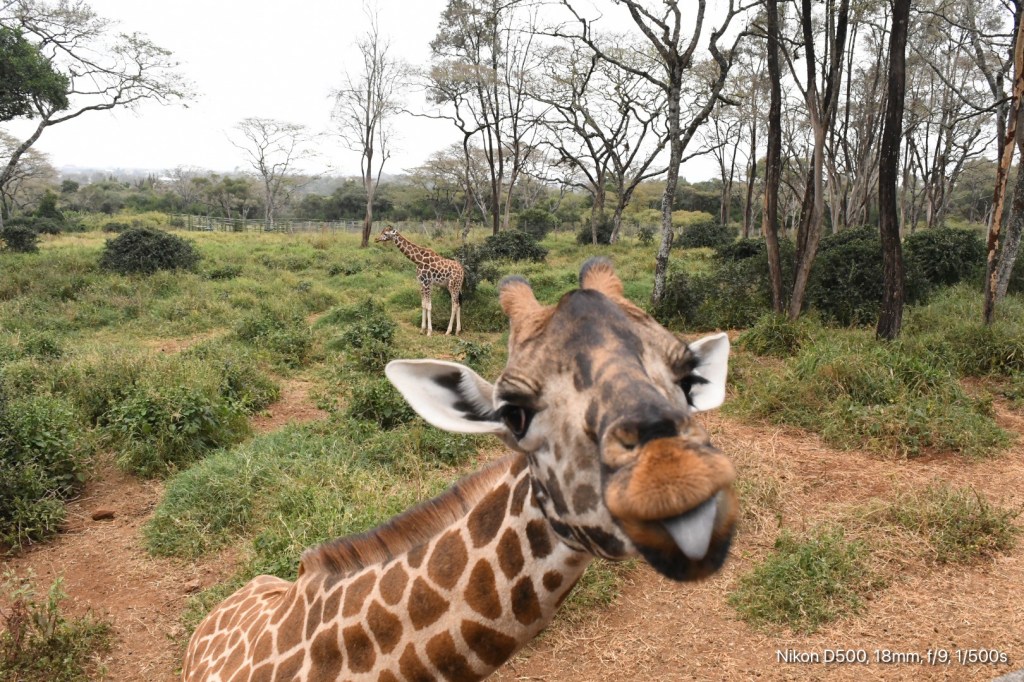
While we were unable to go to the Elephant orphanage, we did get to visit the giraffe centre which allows walk-up tickets. This was a wonderful experience where we were able to walk along a boardwalk and feed a number of giraffes. After about 2 hours of womderful photographs and selfies with the giraffes, we decided to try our luck back at the orphanage to see if we could squeeze in with a group that had cancellations.
Weventured back to the elephant orphanage and hoped to arive early and scope out if any groups had a cancellation, but due to the Uber address being off we ended up getting tere to late. No such luck this time.
If you would like to book a tour that hits both and picks you up from your hotel, Trip advisor does have tours that you can book ahead. I found this one which if I did the trip again, I would probably book with ahead of time.
We ended up being right at the opening of Nairobi National Park, and while we werent able to get into the elephants, we arranged for a driver through the park and was able to spend a good couple hours driving around in private-safari-style. We were a little worried that we souldnt see anything, and we would just be driving around for a couple hours… oh boy, were we happy when we saw cape buffalo within the first few hundred meters into the park!
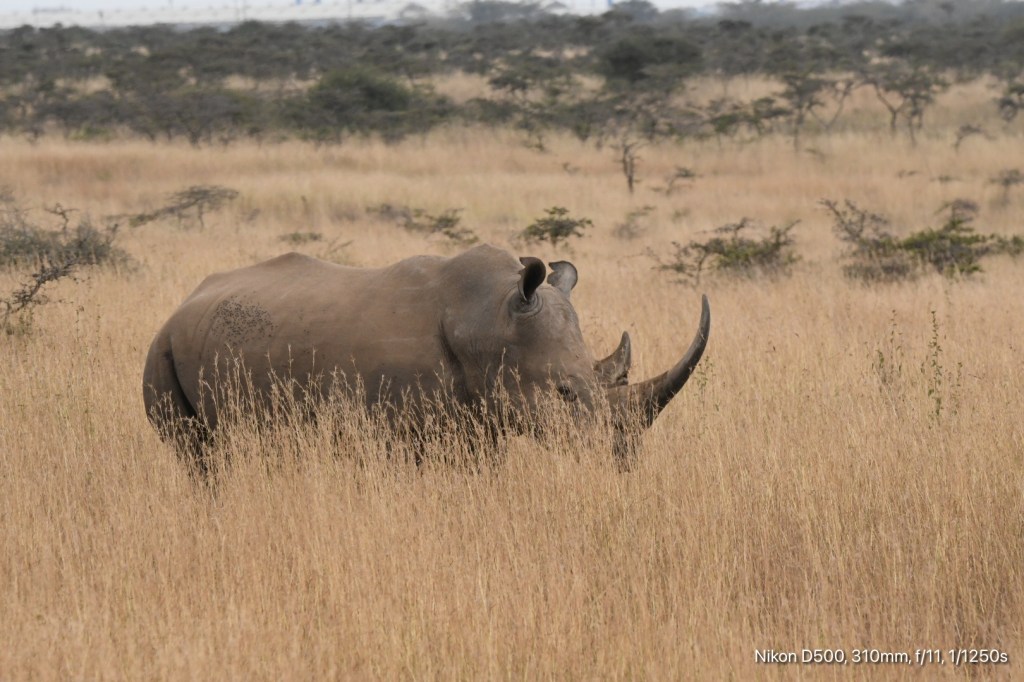
Inside the park there were rino, hippo, lion, warthogs, ostritch, zebra, andtelope and a veriety of birds. Fred (our driver) was really great at getting us up-close-and-personal with some of the wildlife, and as a photographer, was a GREAT kickoff to the trip.
A sim card that works in Europe, Check. Camera lenses, Check. Journal, Check. A timelapse of my suitcase packing itself, Check.
I was ready to go to Europe weeks in advance. This would be my big trip ending with the milestones and the age “30 by 30”. My 30 countries by 30 years old.
There were rumblings through the news of some strange virus spreading into and through Europe, Covid-19. Two weeks before my trip Venice is quarantined. We received the notification that it would be affecting the trip for all Americans. Then Italy was a “no-go”. Ok, I would travel with the group as far as Solvenia and then make my own way around Italy going north. I’ve soloed over 10 years, one week on my own is really easy to manage.
I catch my flight to London, as my flights are not cancelled and the UK is still considered open for travel.
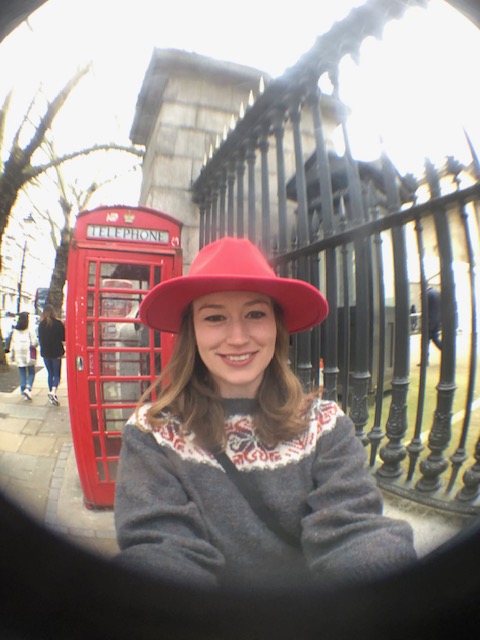
Having Just arrived, I was recommended to take the tube, that almost anything can be accessible by tube. There was even a stop just a bock from my hotel. Jet lagged and adventurous I make my way to Piccadilly, and going by ‘when in Rome do as Romans do’, minded my own as I rode in silence. Then a very welcome interruption got my attention. One of the fellow passengers had gone to the University of Colorado, and had seen my CU patch that I had put on my bag with my world flags that has become a ‘souvenir’ while simultaneously decorating my luggage. We chat presently to the station, got a few tips of things I must see. Small world making for fond travel memories.
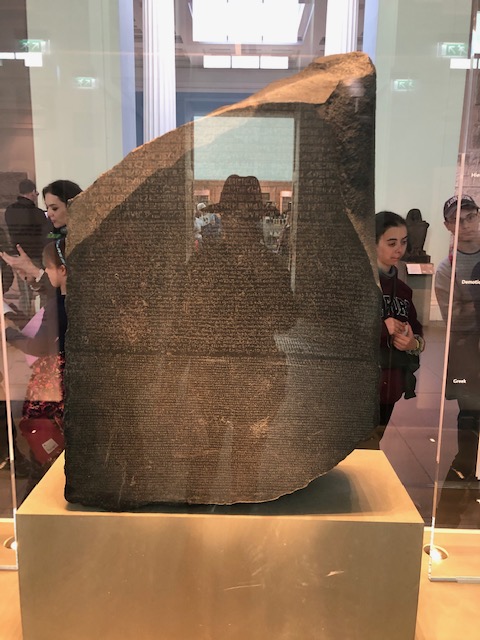
Once at my hotel and checked in I hit the town running. The British museum and its virtually empty exhibits. I stood in front of the Rosetta Stone unobstructed by any other visitor. Saw Cleopatra, and the Greek marbles that were the subject of so many of my museology classes. A segment of the Egyptian book of the dead, and viking chess pieces. Even a Merman, (which was claimed to be caught in Japan, but was later revealed to be the top half of a monkey sewn onto the bottom half of a fish. This ‘curiosity’ is still in the museum and is part of a great narrative about the collection of specimen.) This museum has been a dream of mine to visit. The stories of splendors, the treasure looted during the British empire, gifted during explorations for the knowledge of the world, making way for the idea of the ‘other’. Rooms having free tours hourly, and very specific curated tours and talks for an additional ticket.
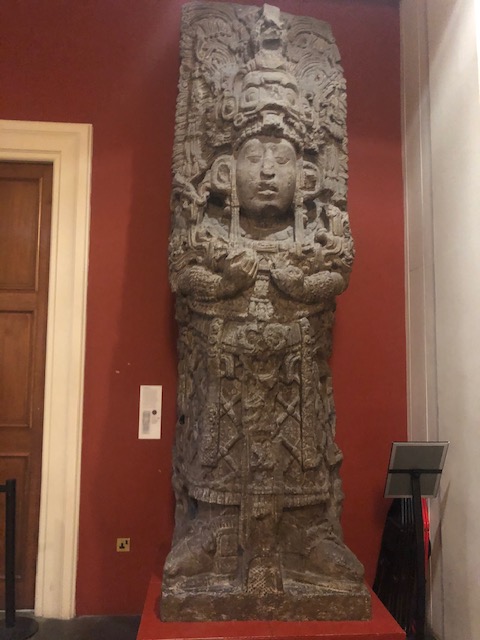
The Maya Stelae that captured my love of archaeology, that I had translated in undergrad with who I considered my mentor in the field (shout out to Dr. Inga Calvin) sat before me, adhered to the walls under angled lights to show the texture in their carved surface. The grey stone I started to imagine in the colours that Inga had us apply to the different parts of the text. I was reading the hieroglyphs in front of me. Dates, rulers, and intricate images of the bloodletting. The sculpture of the ruler Waxaklajuun Ub’aah K’awiil, or “18 rabbit” whom was the basis of much amusement in my Mayan classes, sat just outside the room with the Mayan figures.
I retreated back toward the hotel to call it a night and the whole world changed.
The next morning my phone was blowing up with new alerts, the US was closing down travel with Europe. There was no warning for Americans abroad and no way to contact the American consulate, as their phone was in a constant state of ‘busy signal’. (Later I heard that the announcement resulted in a wave of American tourists fleeing to the airports in fear that they would not be allowed back home unless they left immediately.)
I am very much a “if its out of your control, don’t worry about it, plan for it” traveler, I figured I would give it a few hours, come up with plans, and then act accordingly.
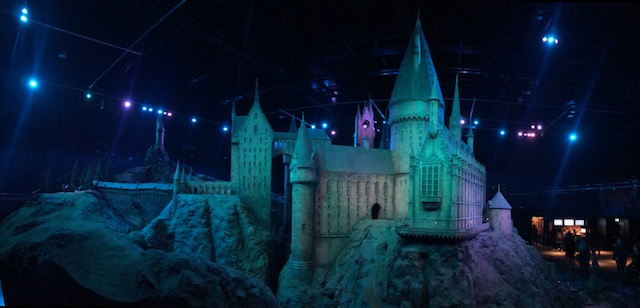
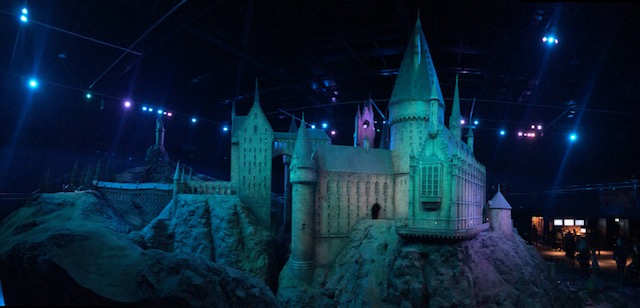
I went on my previously scheduled tour of the Harry Potter Studios, reliving my childhood and hopes of receiving my owl as I was re-reading the first book as I turned 11. Much like the British Museum, the studio wasn’t crowded, though there were plenty of other Potter nerds like myself to bask in the glory of both the books and the films, and this wonderful place where those worlds merged. The goblet of fire shot out a piece of paper the tour guide put in, and as it rolled away the small group just watched. After her demonstration was over I walk over and pick up the paper to hand back, which she then tells me I can keep. I unroll it and it has the messy hand writing “Harry Potter”. Tour guides keep these papers for the demonstration, and all those that thought it was just a scrap piece of paper missed out on a really cool souvenir. I flew over the streets of London on a broomstick, Washed down lunch with a butter beer, then boarded the bus back to reality. My advice for anyone that goes, the tours are about 5 hours. Take your time! and don’t forget your Harry Potter passport to get stamped in the different areas around the tour.
When I walk into the hotel room, a new suitcase is laid out on the bed, and I meet my assigned roomate for the night. We do a quick greeting and then I’m asked “have you heard the news?” This was a phrase that is now burned into my brain. They had cancelled ALL tours that day at lunch time. I quickly make my way towards the tour desk, on my way seeing another traveler smoking on the picknic table outside. I know the gist of whats happening, this confirms it. “That bad?” She replied between puffs of smoke “Worse.”
While on the bus back to the hotel, I had a inkling this could happen. I tried to come up with plan B. And C…. And D
Plan B: Make my way through Europe on my own. My flights were in and out of London, my roommate and new friend was equally as adventurous to the idea of making our way.
Plan C: going to my 30 countries, calling the trip a little early, and see about changing return flight home.
I went to see Tower Bridge, walking a good portion of London.
Overnight the announcement was made that the UK would join the list of Europe to be cut off from the US.
Plan D… My Month long Europe trip was reduced to a 4 day weekend. I changed my flights and was able to get one leaving Monday morning direct from London to Denver.
While wondering around with an Australian and Canadian, we stopped for some fish and chips at Ben’s Traditional FIsh and Chips, where the shop runners were pleasant men, originally from Turkey. I started to be told about an amazing church structure that was in their hometown that is from 10,000 BC. Gobekli Tepe. My go-to travel list just got longer, and over all, it was a very pleasant short trip to a big city that, while I have visited before, Now had more time to explore. I was going to make the most of my couple of days in London, and went to explore a few places that had been on my “if I’m ever in London again” list, and discovered a magnificent chain of coffee shops. Pret A Manger. French for ‘ready to eat’. This became my staple coffee place, and where I would take the Australians I met along the way. We did the hop-on-hop-off bus tours, went up the Shard to look out over London, and had drinks at the rooftop of the Tate Modern (a museum nerd checklist item).
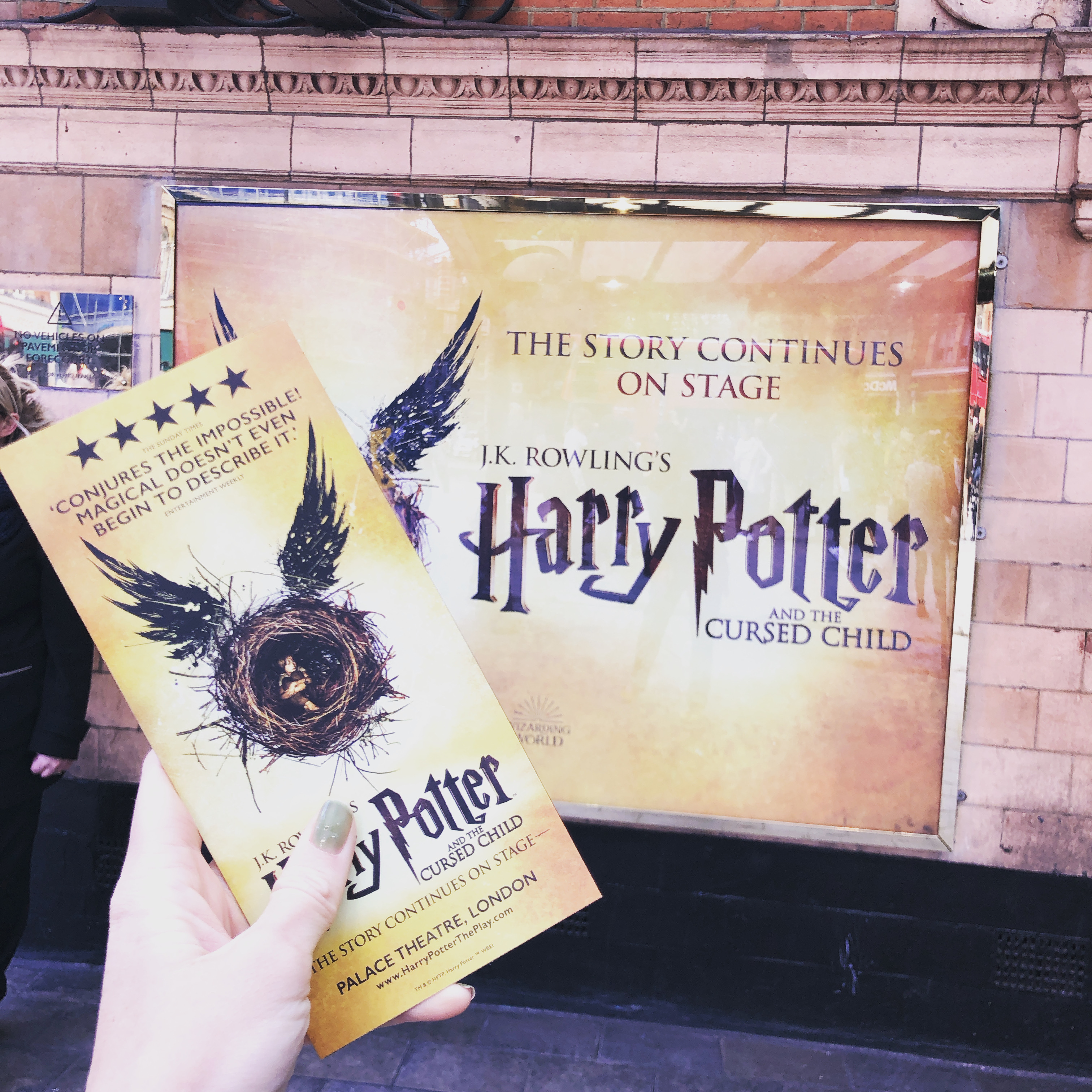
The next day, I met up with my Aussies and we continued to make London ‘magical’ with Parts 1 & 2 of Harry Potter and the Cursed Child at the Palace Theater. The effects, the cast, and the atmosphere of the theater experience added an aspect to my trip that I didn’t realize I was missing. If you’re a fan of Harry Potter, you may not have seen yourself cheering for a Slitheryn any time in the near future, but alas, J.K. Rowling made it happen.
Monday morning I was packed and made my way to the airport, this time much more familiar with the Tube. This turned out to be the LAST flight that was being allowed to go into Denver from London. Everything else was going to have to go through a CDC approved airport. The flight attendants had already had their flights home cancelled. The previous panic had resulted in this flight being empty enough that everyone had their own row. The overarching sense of fear, the questioning about had any of us been to anywhere else in Europe, gave way to the pleasure of having a full row to lay down in while I watched my inflight movie with a complementary glass of wine.
In the words of Dumbledore “Happiness can be found, even in the darkest of times, if one only remembers to turn on the light.“
I am approaching the benchmark that society has been telling me to fear. The big 3-0. The era of the end of youth rates for travelling, and being grilled at every potluck by women twice my age why I don’t have a husband/kids/house.
That was never my goal for 30.
Instead I have been in the search for an adventure. An epic tale where I fall off the earth and into the stories most only read about/watch on TV. I want to be the Josh Gates from expedition unknown (hey josh, if you need an assistant, I come with a degree in archaeology, and masters in museums.)
I’ve been chasing the latest dream since I moved back to the US 3 years ago; to have traveled to 30 countries by the time I’m 30. In these 3 years I’ve done the grow-up thing, went to open houses for places for sale, been shaping my career, and paying student loans.
I’ve also been putting money aside for my 30-by-30.
With six months till my 30th, I bought myself a 13 country Contiki tour of Europe. I know- I know… almost every other country I’ve been to has been a solo excursion of mishappening and heartfelt realisation. But this spring I will be on a time crunch. I only need 8 more countries.
I work 2 jobs that have both been amazingly good to me, and I’m lucky that I will be getting 3 weeks off to whirlwind through Europe.
I feel guilty that in these last three years I’ve save up content to write on, from practicing my French in Quebec to drinking a “Funky Monkey” on a beach in Mexico eating fish tacos and visiting Mayan ruins. I sat on swings drinking margaritas with the girls, and (tried and failed to) run up a mountain in Tuscon. I have explored more of the US from DC to Seattle with some of the key people in my life.
The Braid bunch
I’ve realised THAT is the kind of travel most get to experience. That is the family weekend trip, the get away with the girls, the short epic adventure that feeds the soul.
Now comes the “how do you do it!?” list:
1. SkyScanner
The App that finds every deal, sale and transfer that makes the flight a little cheaper.
2. Plan ahead, but adapt
I research the best time to buy tickets and book tours. I plan when work is slow enough to take 3 weeks off. I plan when to have my planning sessions. It keeps costs down. But when you’re travelling, there is the stand by- even the best laid plans often go astray. Go with the flow, think on your feet, plan two steps ahead so whichever direction the next step makes you, you’ll be ready.
3. Time is money
Staying in a hotel or a hostel, each day costs. Plan a per a diem. The tour of Europe I will be on has pretty much everything planned out with a few meals and excursions that I’m on my own. With being busy with that “adulting” thing I’m trying out, a tour is a good option for me. A few countries on the tour I’ve been to before so instead of the tours that I’ve done before I might go see another part of the city. But having the plan in place has saved me a lot of time at home. Now I can plan things like…
4. International Sim Card
I’m going to post on social media. I want to send photos and brag about the delicious food. And I don’t want to be constrained to the hostel wifi. Check out simoptions.com, I’ll let you know how my experience is once I get to use the sim I bought about 2 hours ago.
5.Pack light
I have been living by the Pinterest boards for “Europe in a carry on” and other packing tips that has me already planning my full 3 weeks from biking the Netherlands to a nice birthday dinner in Italy. All in a duffle carryon with room for souvenirs.
There is much more where this came from, keep an eye out for more updates as I get ready, and especially as I embark on epic adventures.
The last stop on our Round-The-World-From-Scratch included a week in Iceland. Iceland Air offers a deal, when traveling from North America to Europe, to have a free stop over for up to 7 days.
Making the most of our time there, while still allowing ourselves to relax and enjoy the last of our travels, the Reykjavik city pass allows you free entry to some of the city hot pools and many of the museums, with discounts to other museums, hot pools, and restaurants. (available at the tourist info centre, by the Knitting association shop where you can pic yourself up a nice Icelandic jumper.)
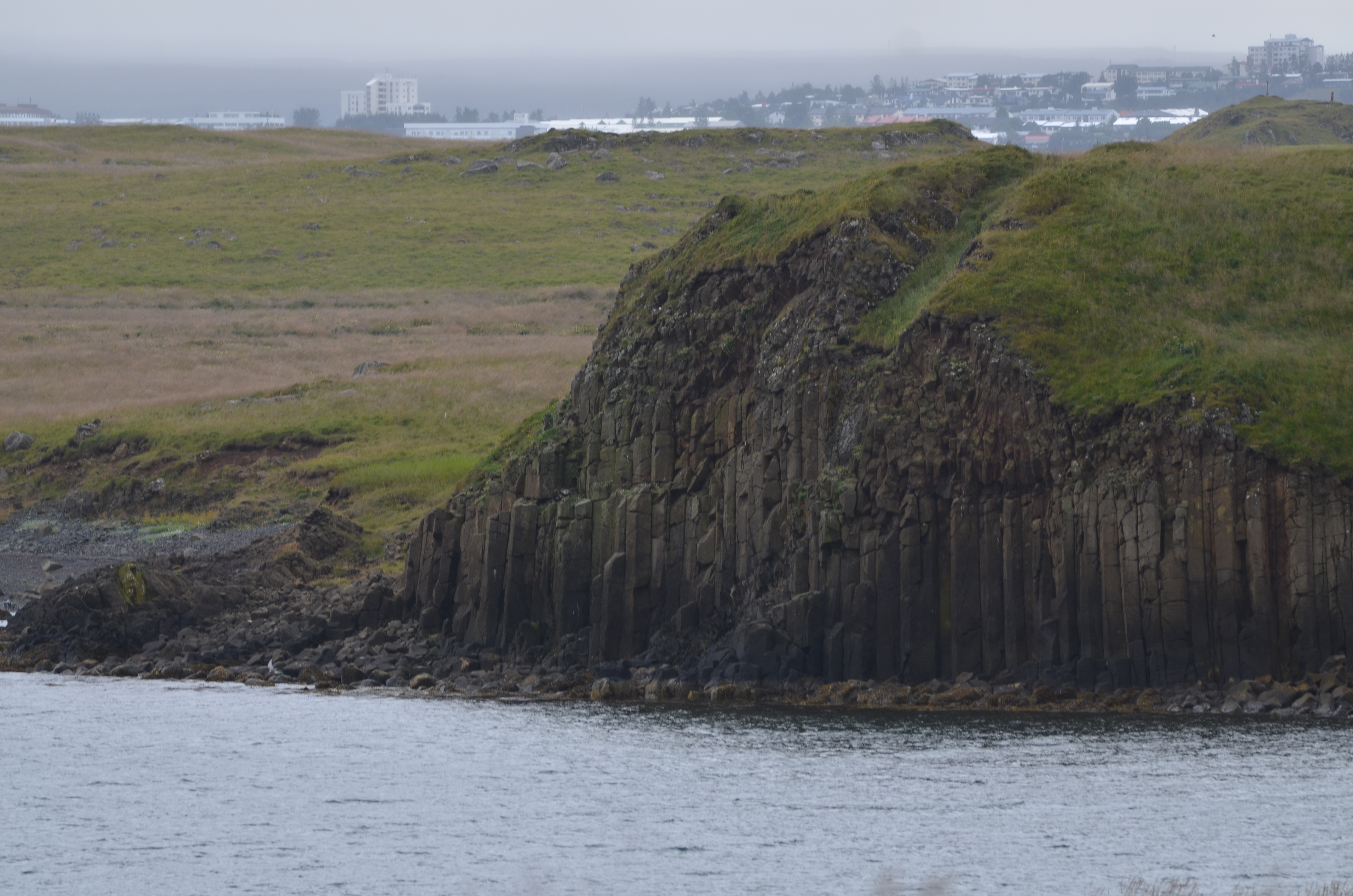
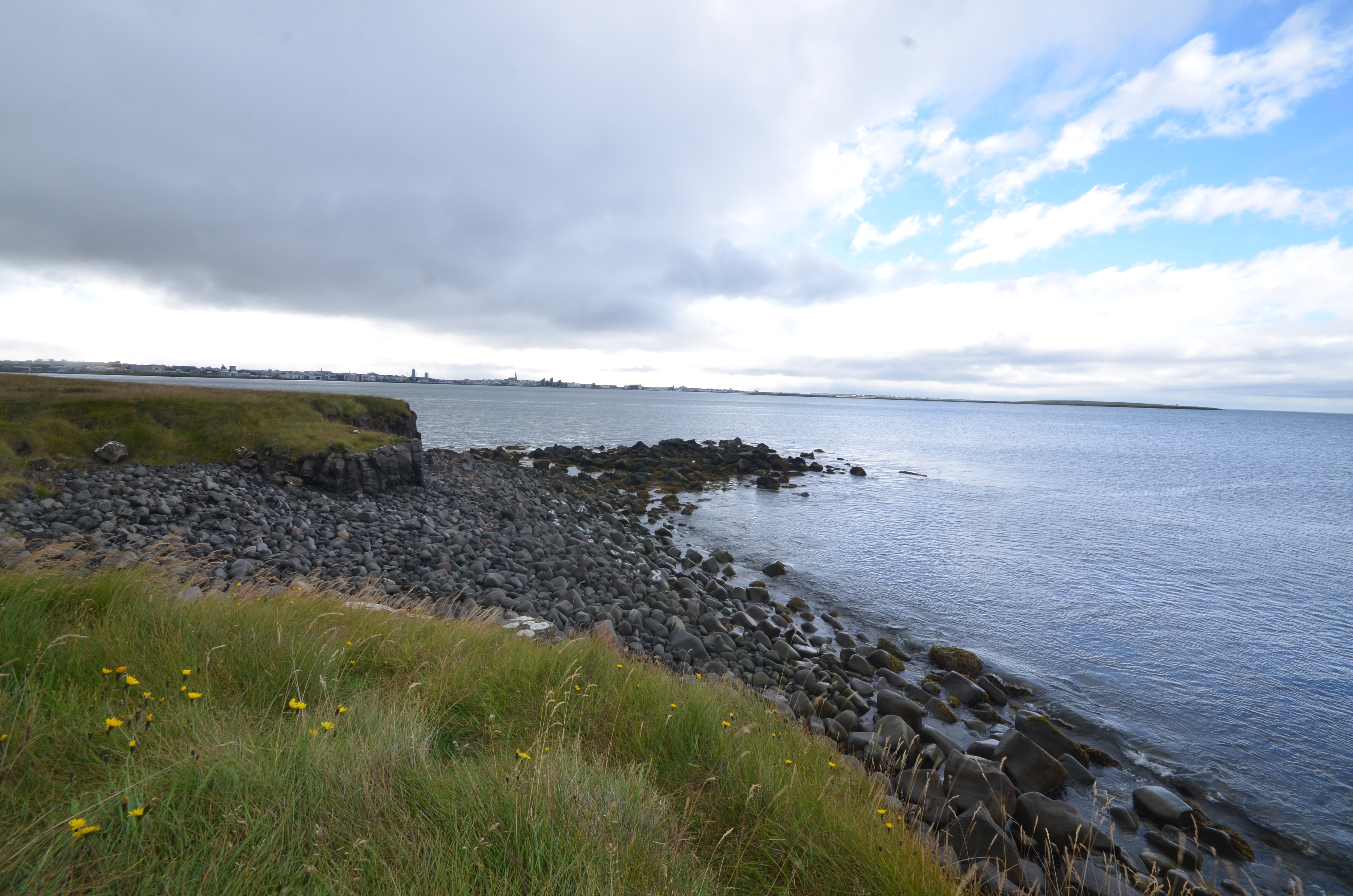
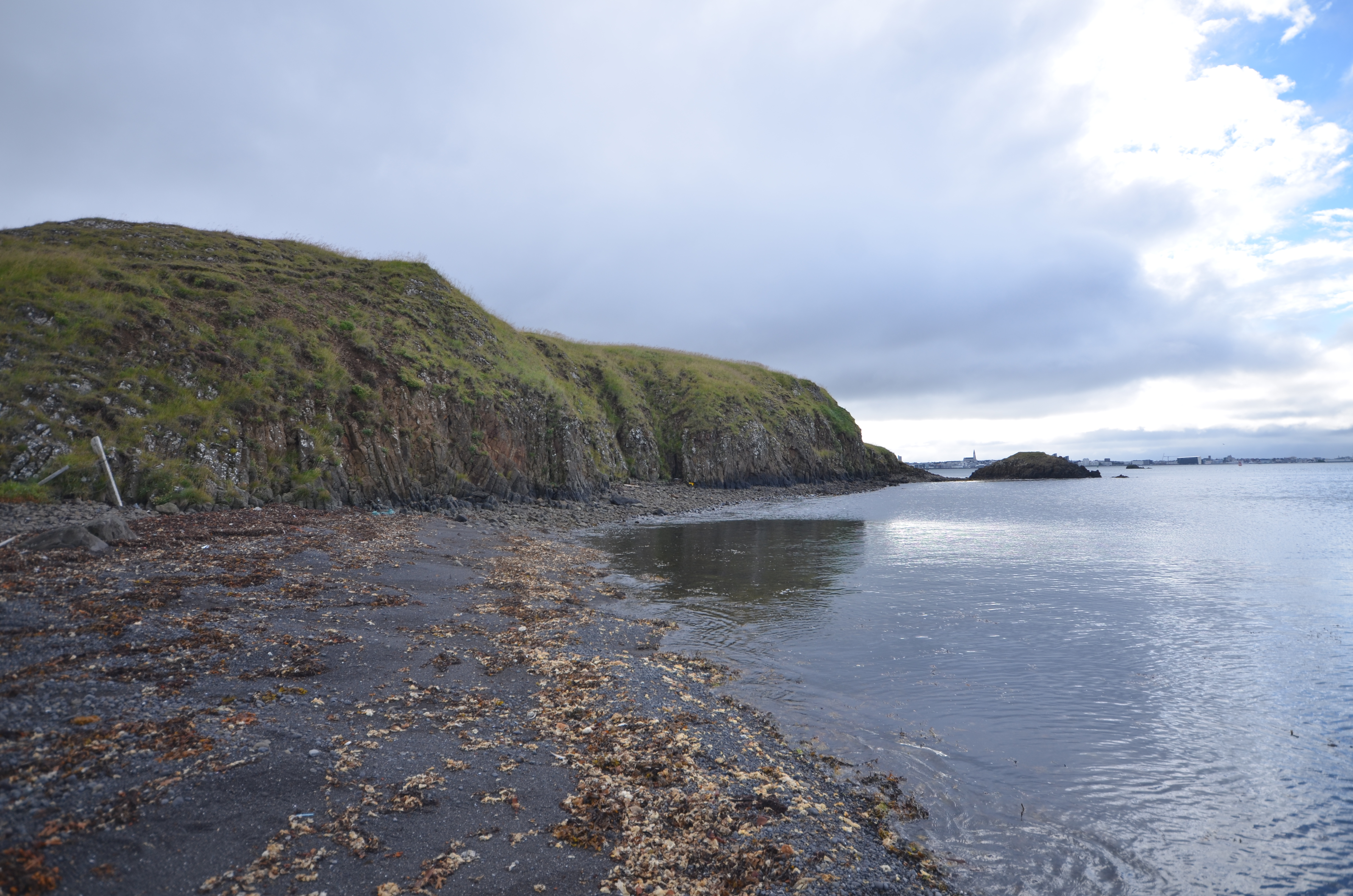
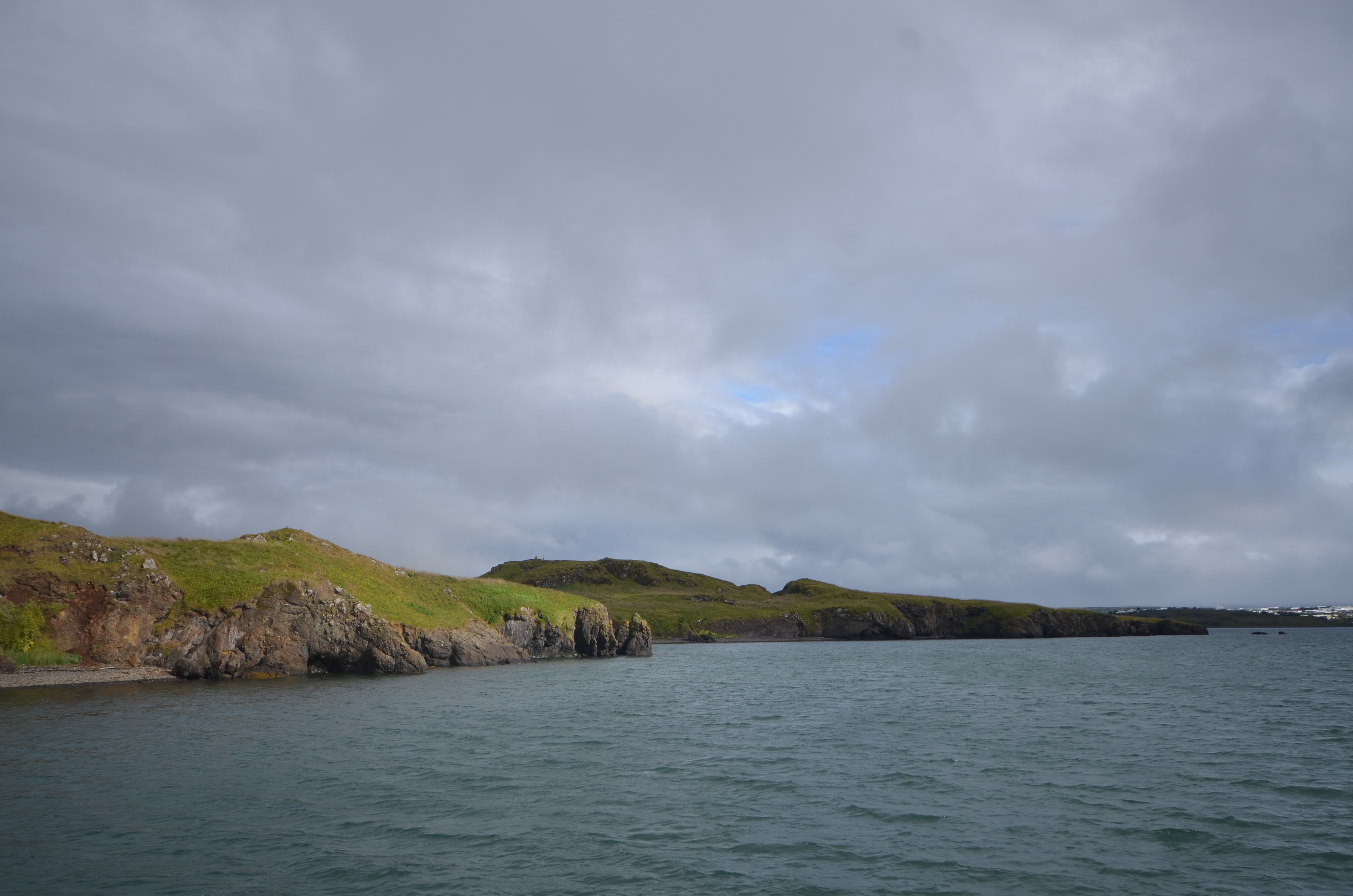
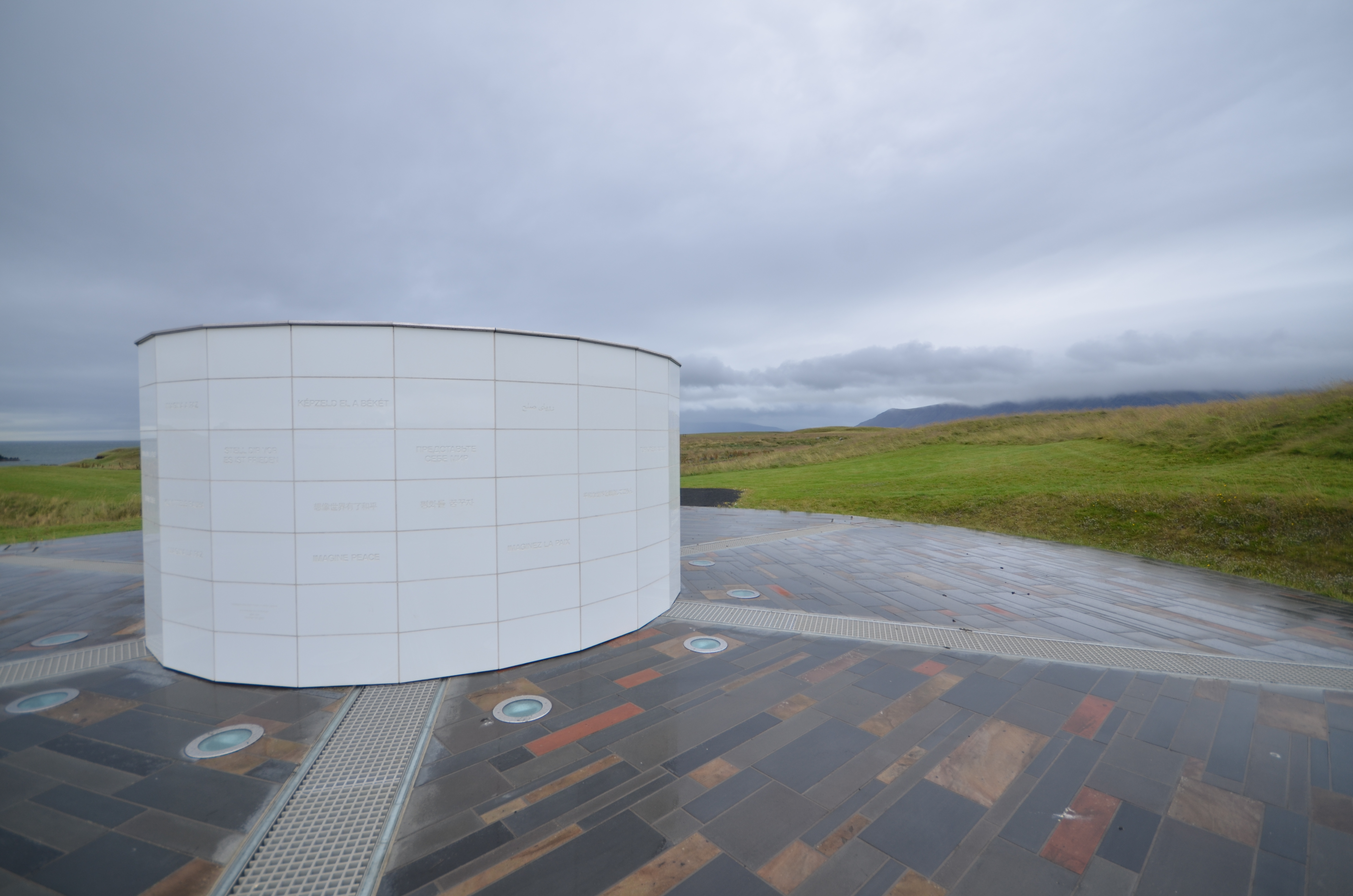
One of the free things to do is to take a ferry over to Viðey island just off Reykjavik. Once on the island, the small hiking trails take you on a maze of the small island where you can see artwork my various artists including Yoko Ono’s Imagine Peace Tower.
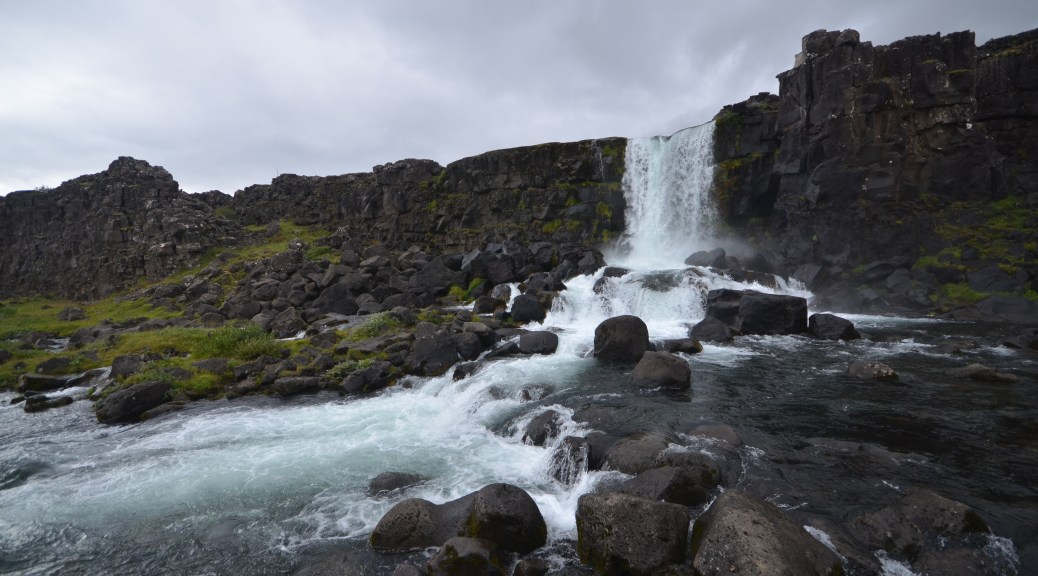
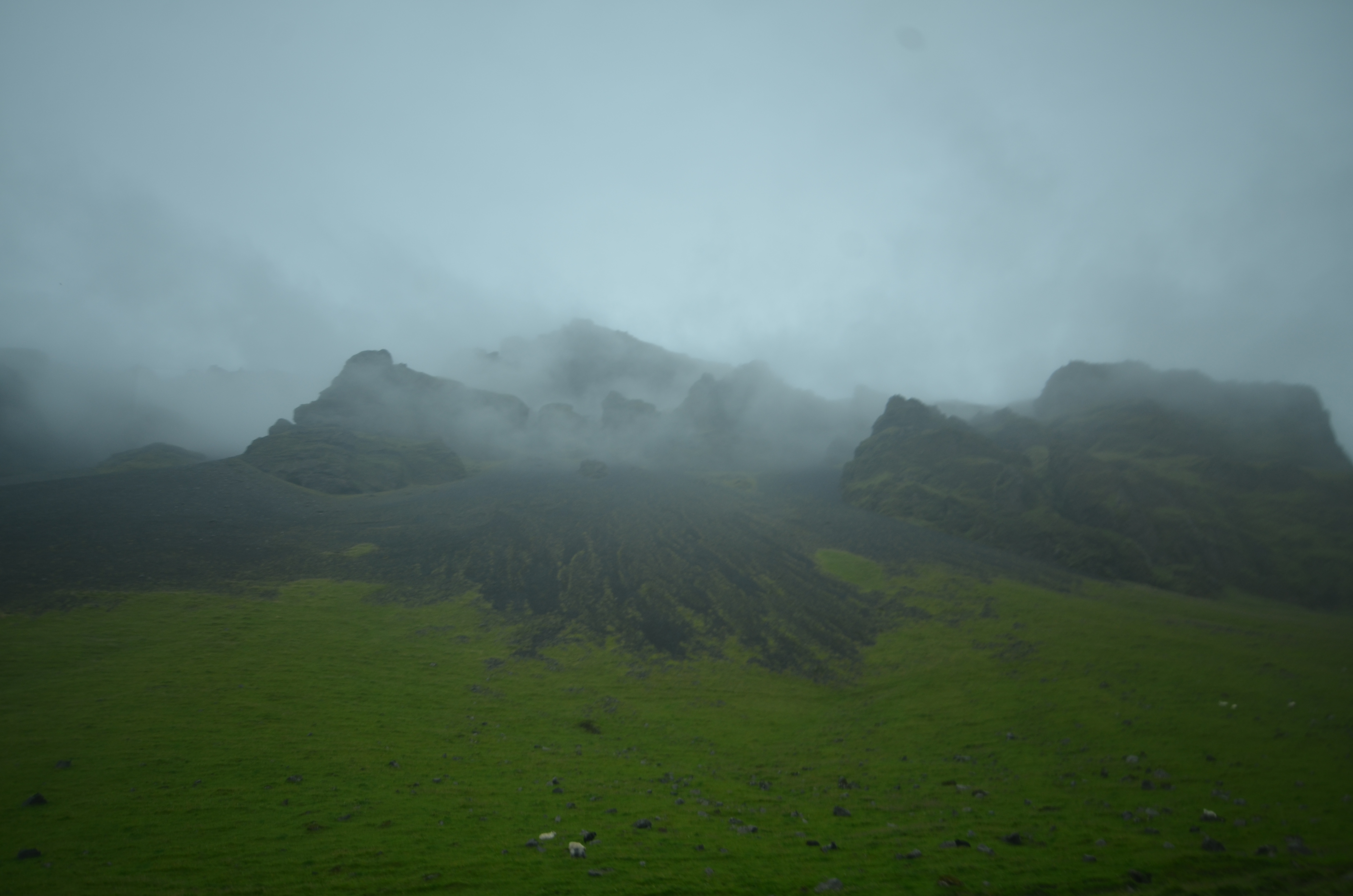
Beyond the city, which is home to 2/3rds of the population of Iceland, remains the almost desolate expanse of green and black (the remnants of lava flows) with the occasional waterfall, (10’s of thousands just that are known by locals, not including the ones inland or away from popularly traveled routes.)
The two most popular tours through many of the tour companies include the Golden Circle, And the South Coast.
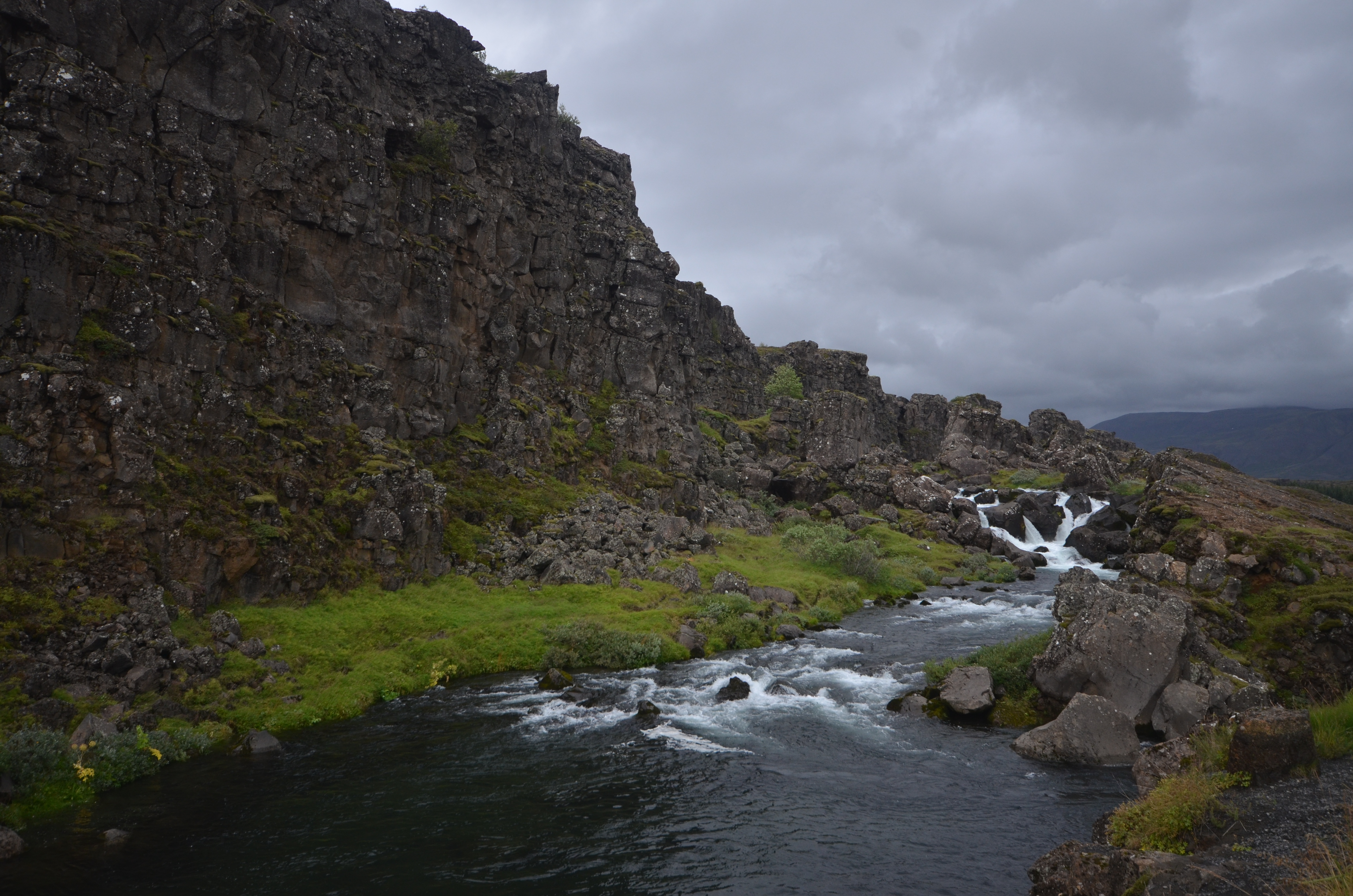
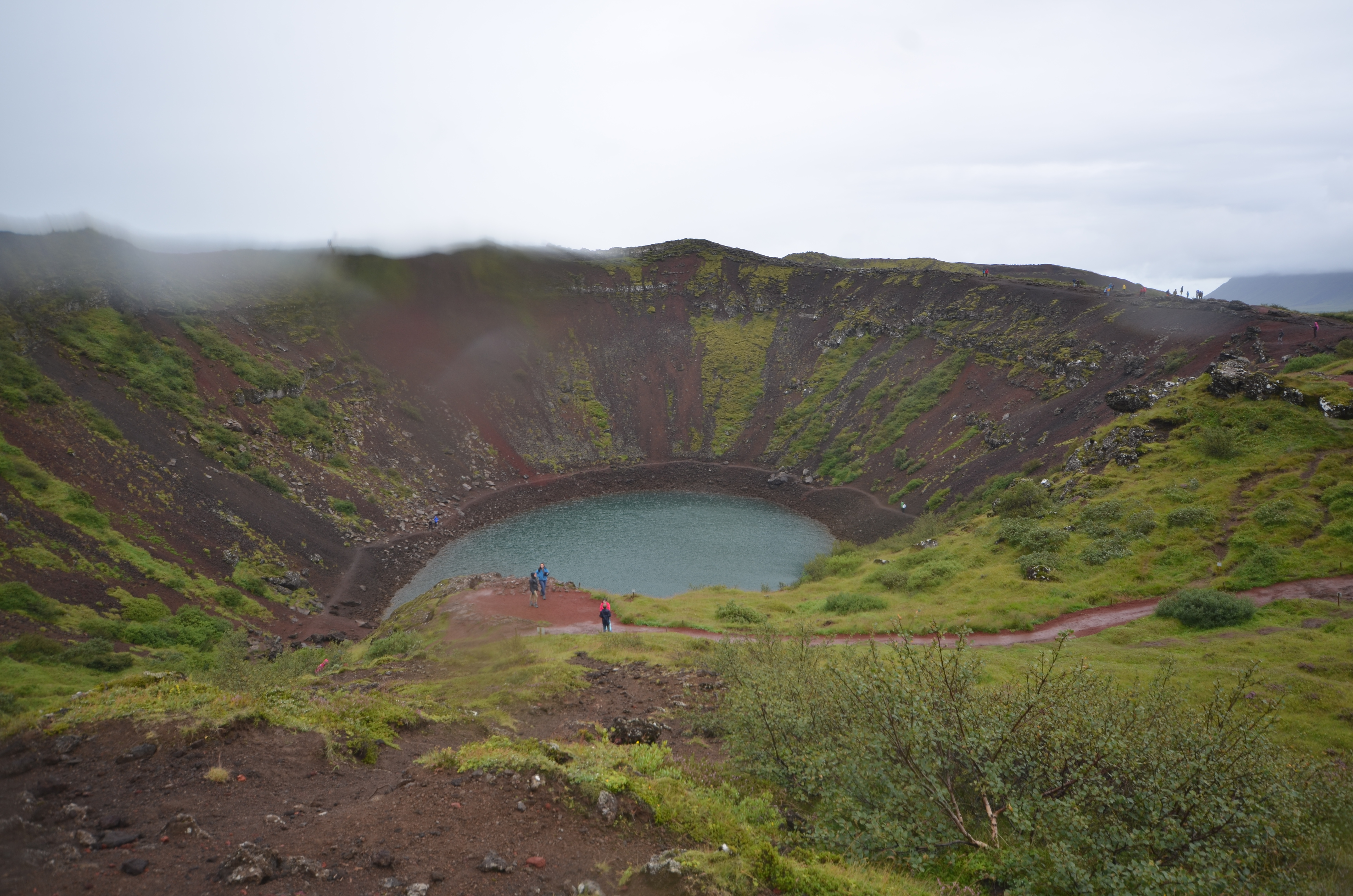
The Golden Circle journeys inland and will normally stop at the Geothermal Powerplant (which powers the nation), The National Park (the location of the first parliament, the rift between the North American and European plates, and filming location for Game of Thrones), Two of the major waterfalls, The geysers (including ‘Geyser’, the one that we got the name from,) and the crater lake in the sunk-in remains of a volcano.
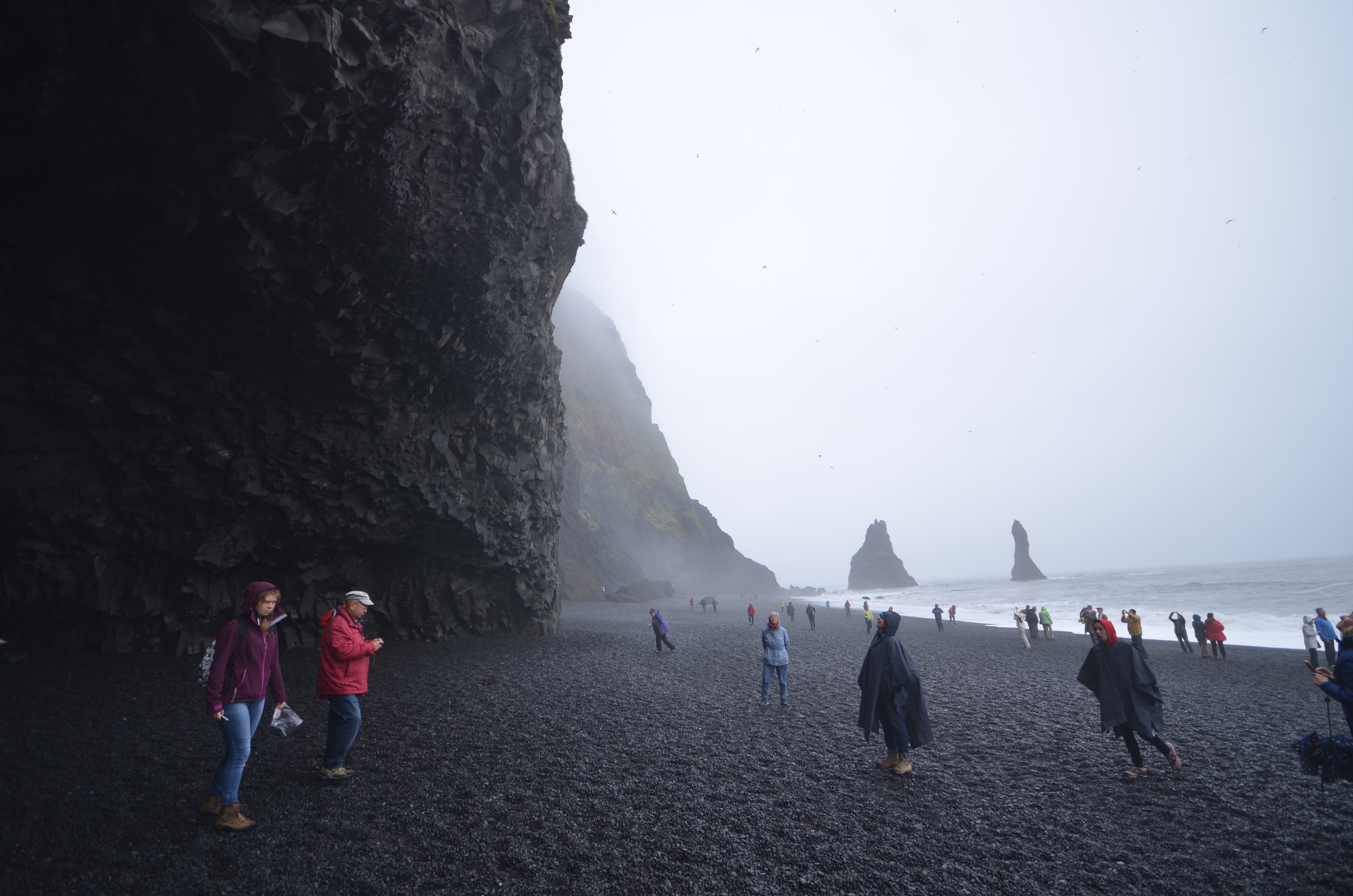
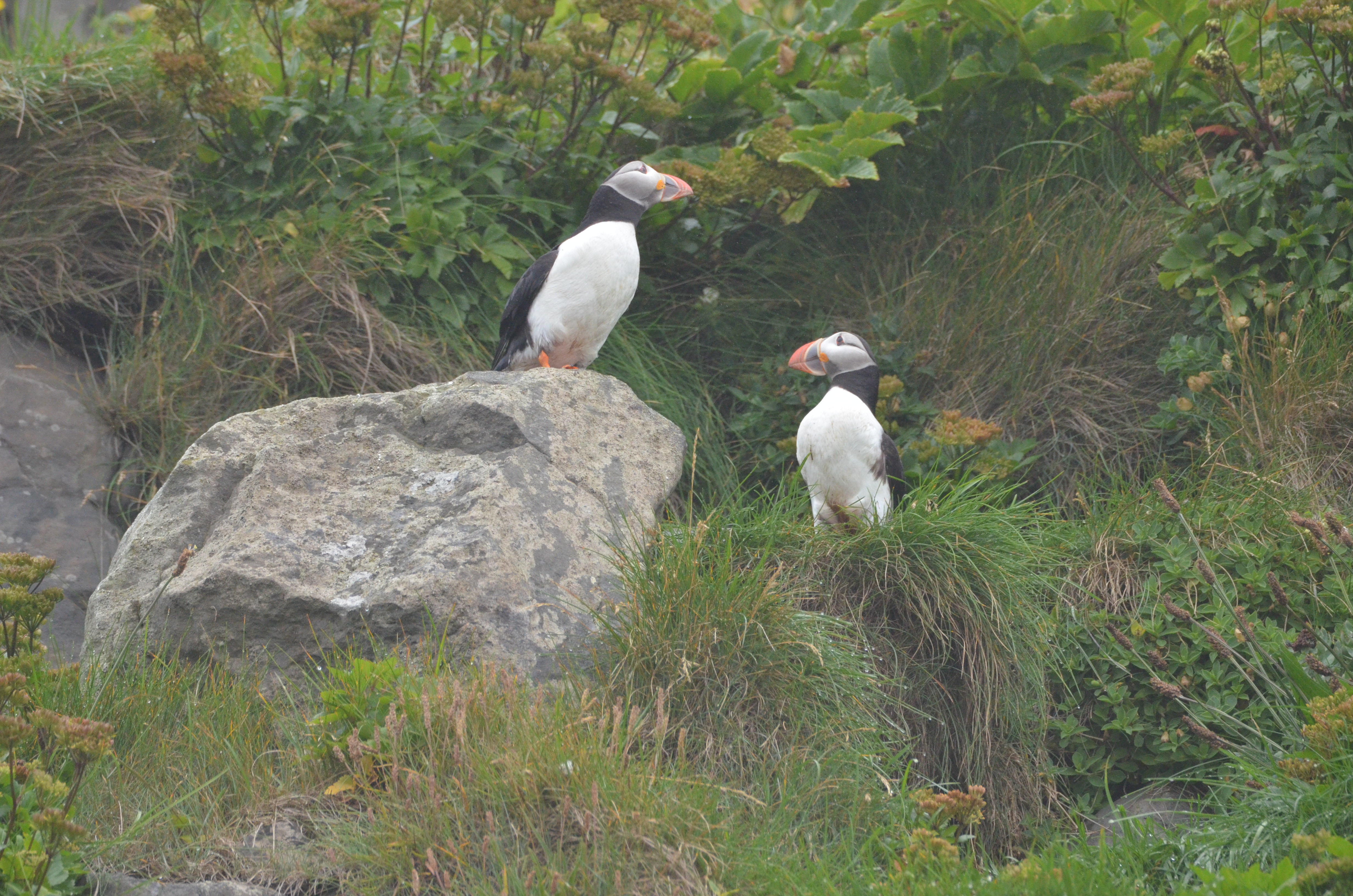
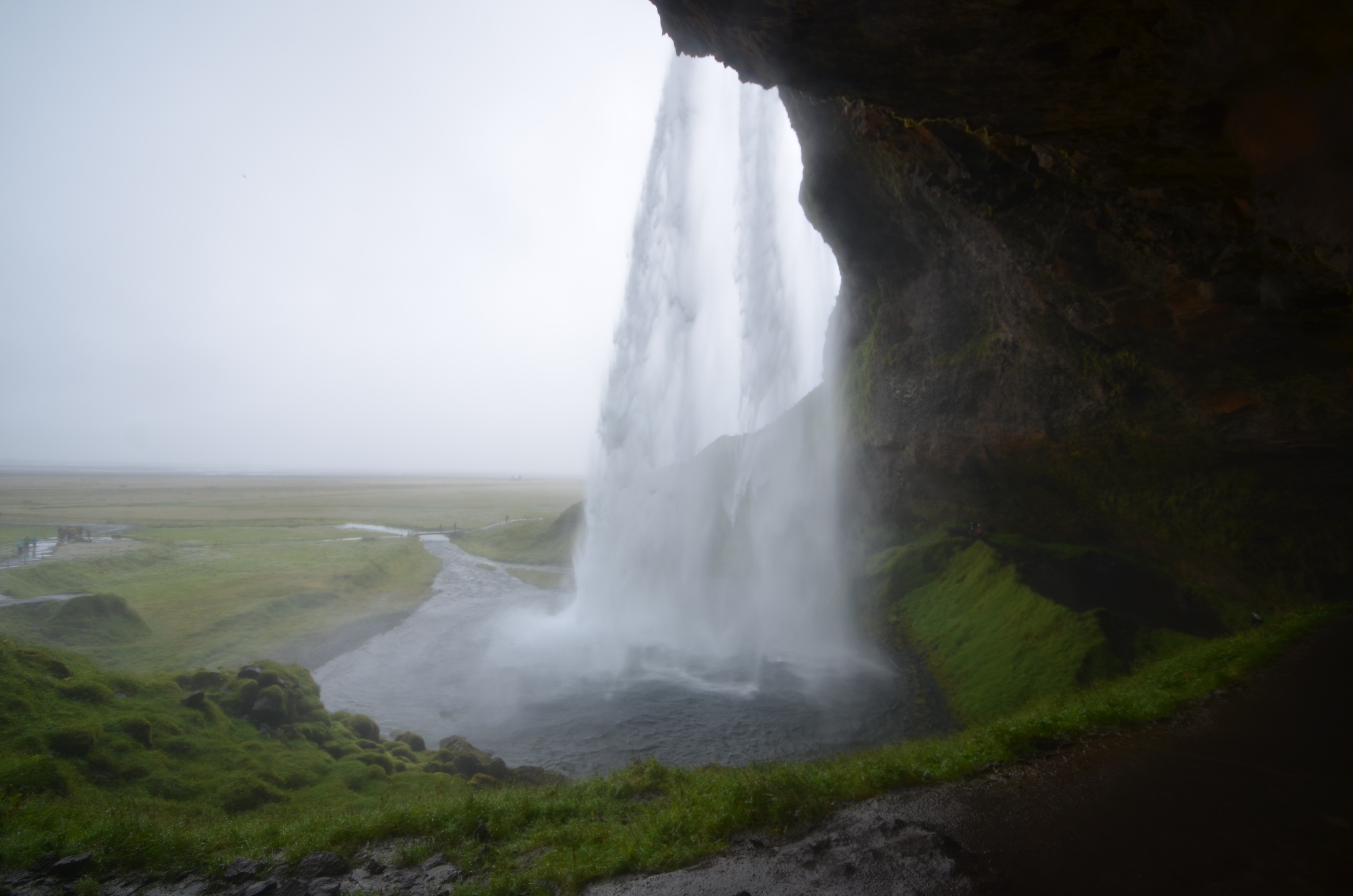
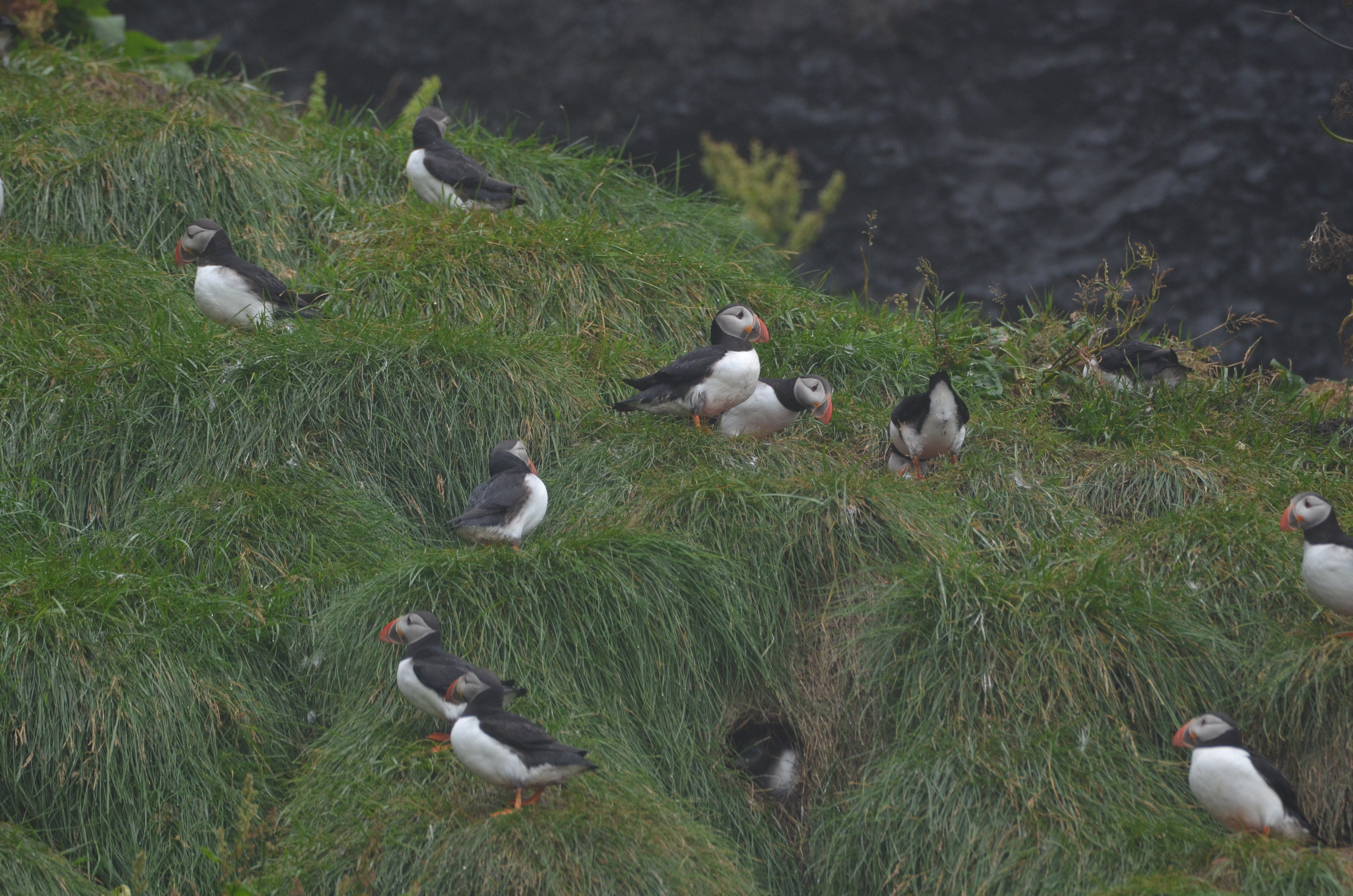
The South Coast goes, you guessed it, along the Southern coast. The Highlights include The Black Sand Beach, Eyjafjallajokull (‘ay-ya-fall-ya-yoke-ul’, the volcano that stopped the world in 2010), Seljalandsfoss (the waterfall you can walk behind), The glacier, and Vik (a small farming town along the south coast.) We got lucky, and at the Black Sand Beach, even though it was foggy and rainy, there were more puffin than our guide had ever seen before!
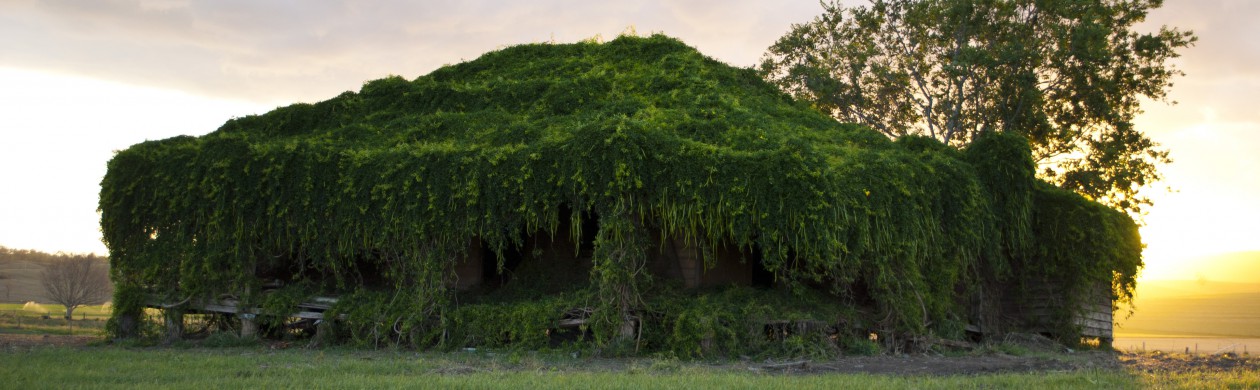
And bonus! We got to see an elf rock, and some of the Icelandic horses.
After Bergen we needed to make our way to Flam, where our reservation was for the night. We needed to make the trains that the previous day we were told were booked out.
Arriving at the train station early, a Bergen-Oslo train was leaving in a few hours, and it was a train that didn’t require a booking. We booked our onward tickets, strapped on our bags and began the next leg of our journey.
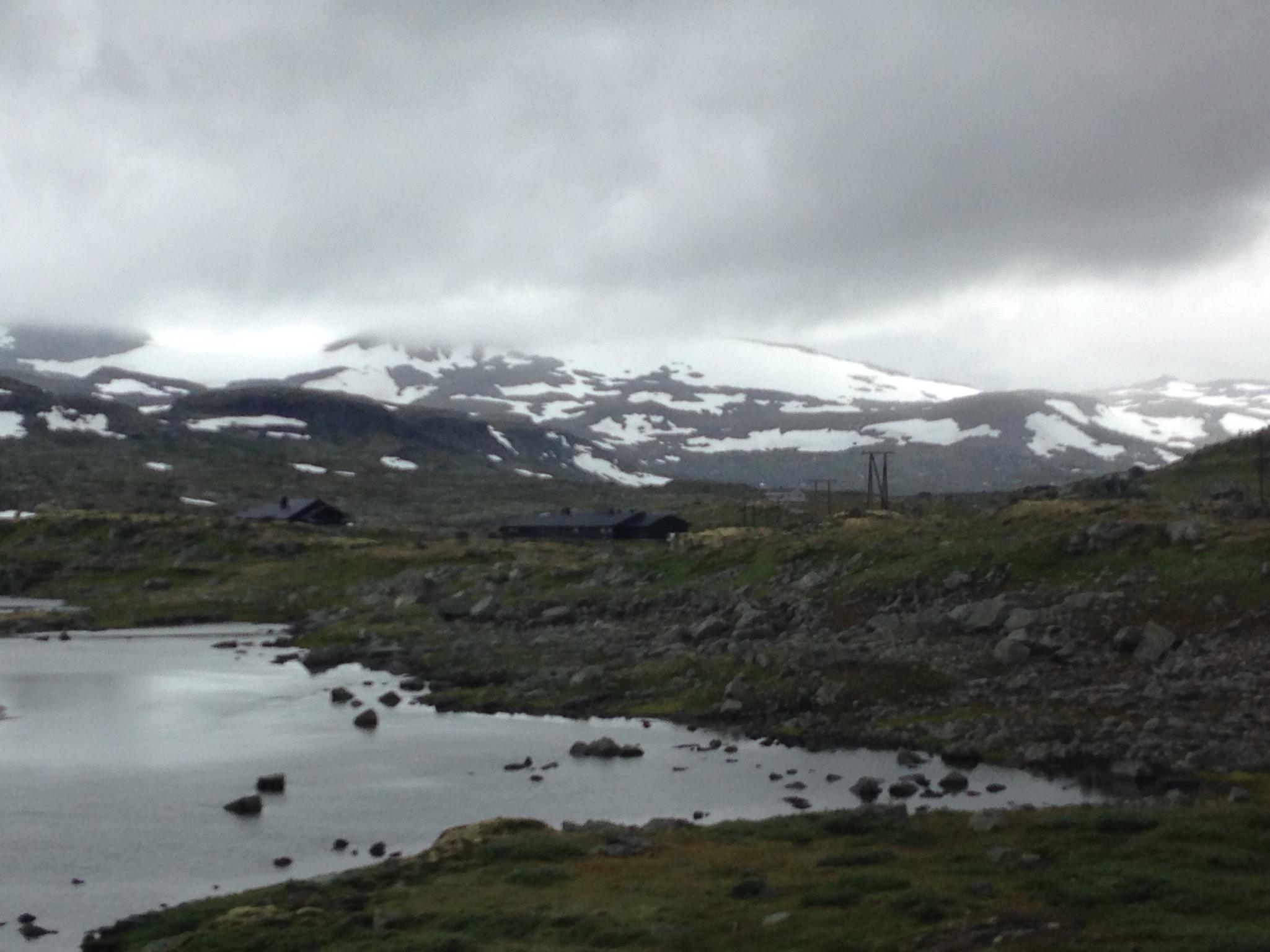
The journey is the most scenic I have ever taken. Waterfalls around every corner and the flora in multiple shades of green around the still lakes, lined with fishing cottages. Avalanche shelters shield the winding tracks from the steep mountainsides which in winter become slick with snow.
It snowed in the western highlands.
From Myrdal we ran onto the Flam railway which was leaving a few minutes later. Tip: when booking tickets, leave some time between connections. The Flam railway is very popular and fills up quick, so arriving early for a window seat is recommended.
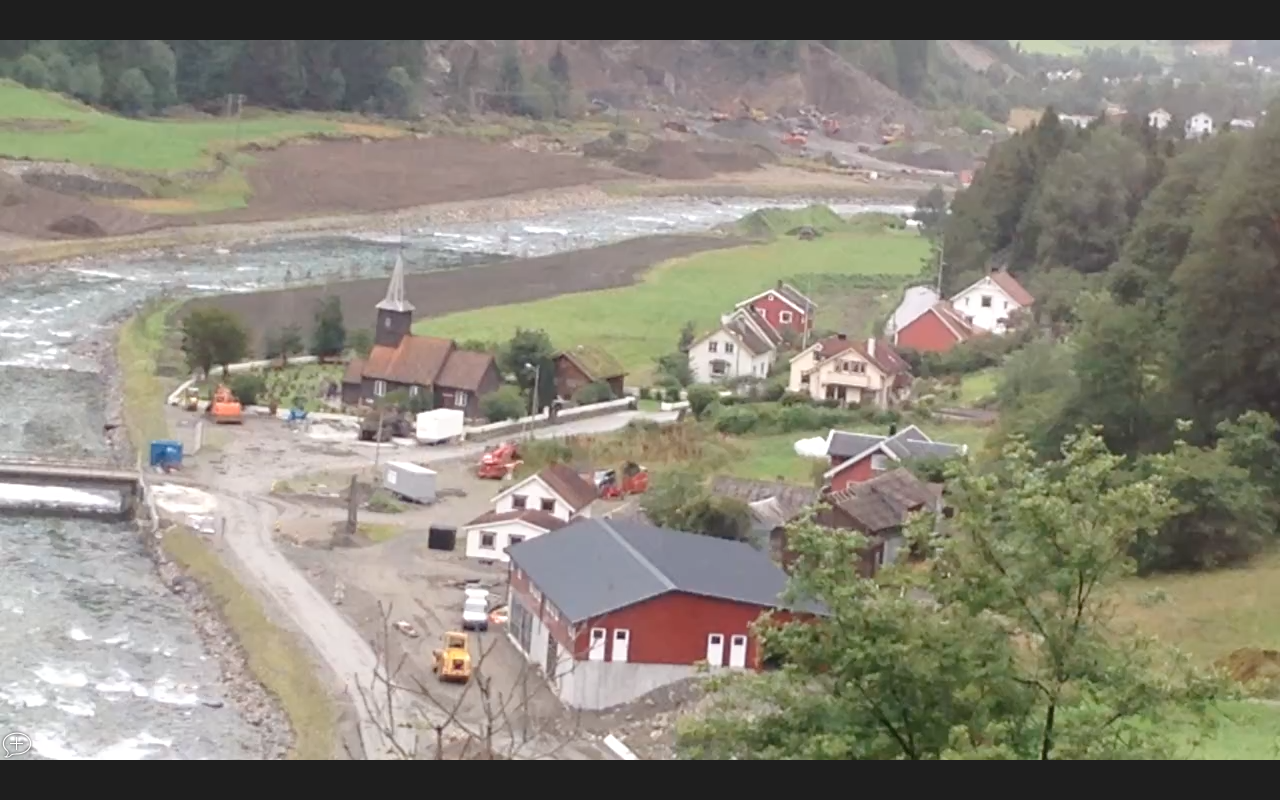
The Flam railway runs from Myrdal to Flam, and boasts being the steepest railway in the world with a 1 to 18 slope along the side of the mountains, into a valley, ending at the beginning of the Fjord. Flam, the small town at the end of the line, is a tourist destination that caters for fjord cruises, and the railway. If you want to get out of town, the Brekke Guard Hostel is a quite series of cottages about a half a kilometre out of town. The cottages provide shared or private rooms with a communal kitchen. If on a budget you can get groceries at the local store in the town, or if you feel like treating yourself, the local restaurant and brewery is made to look like a viking lodge.
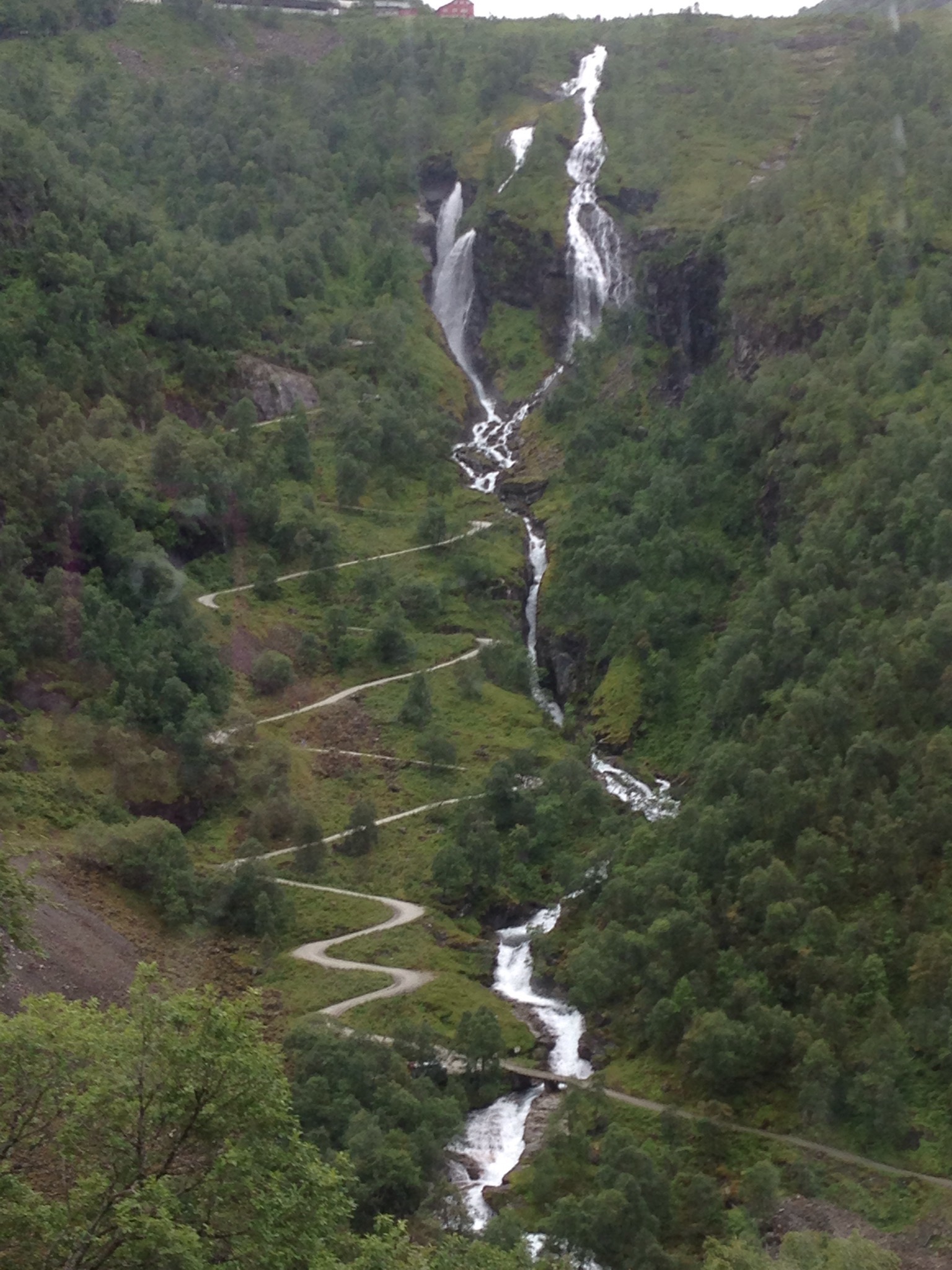
Switchback and waterfall in Flam
The old town of Flam as seen by the Flam railway.
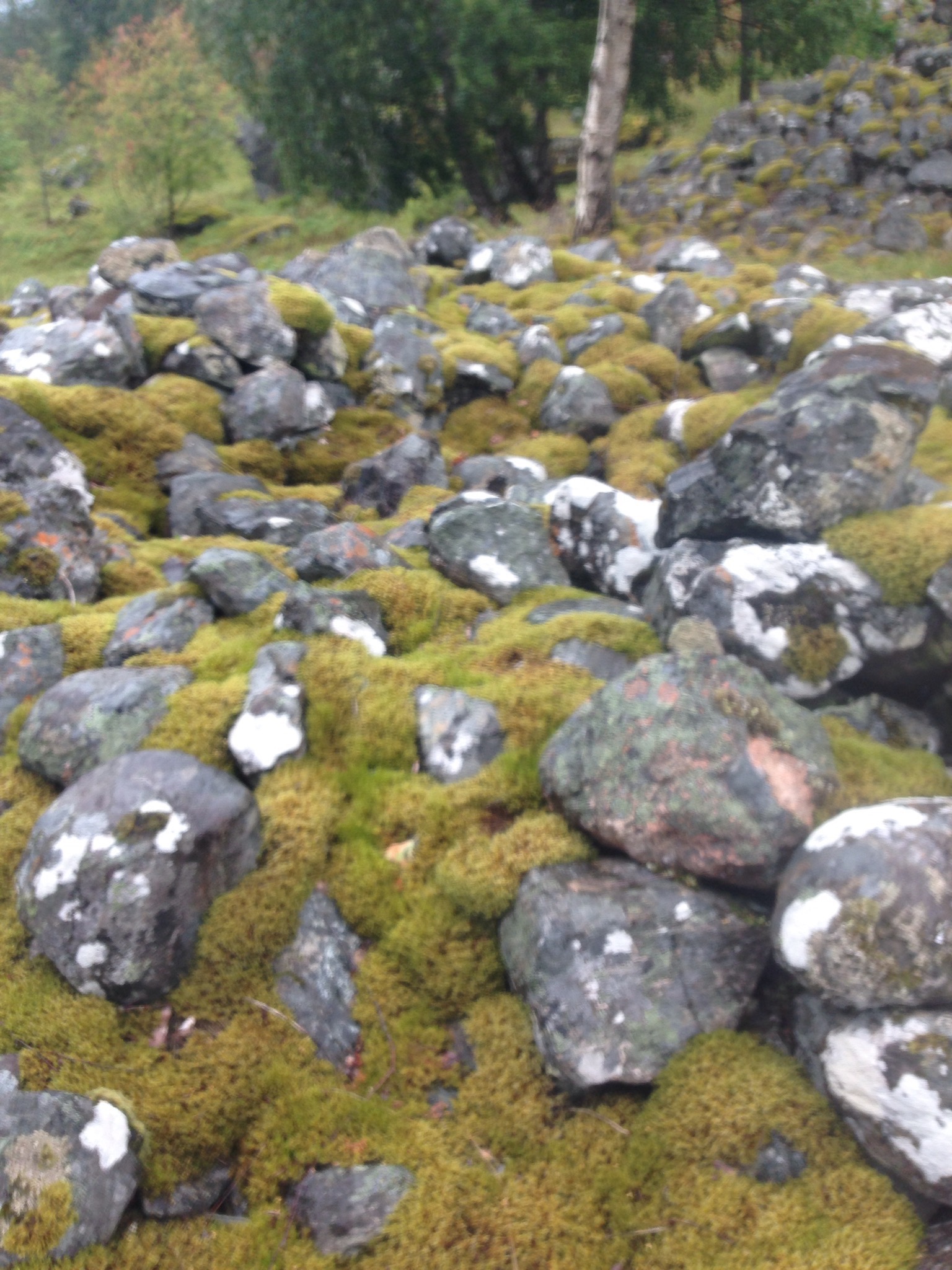
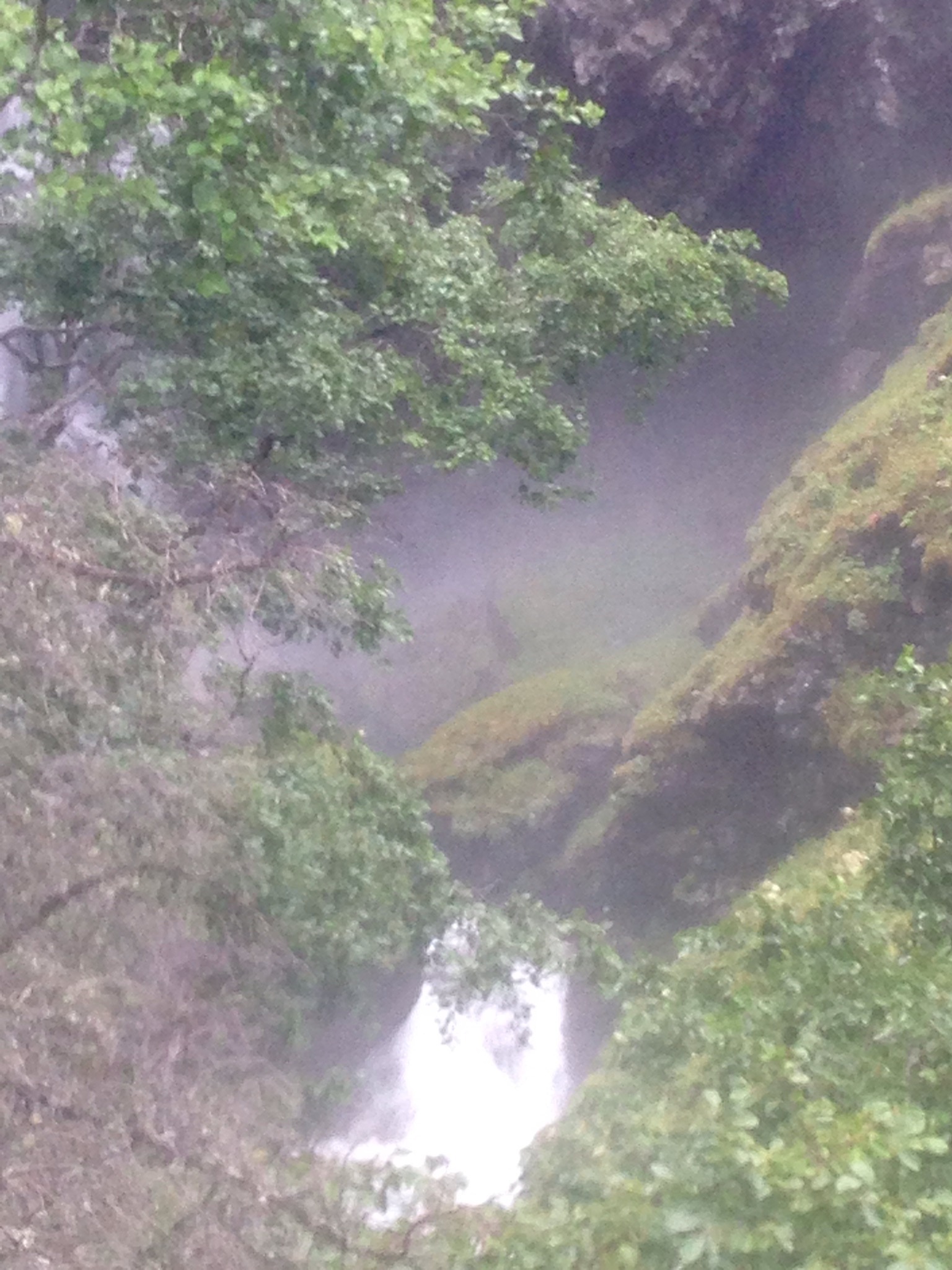
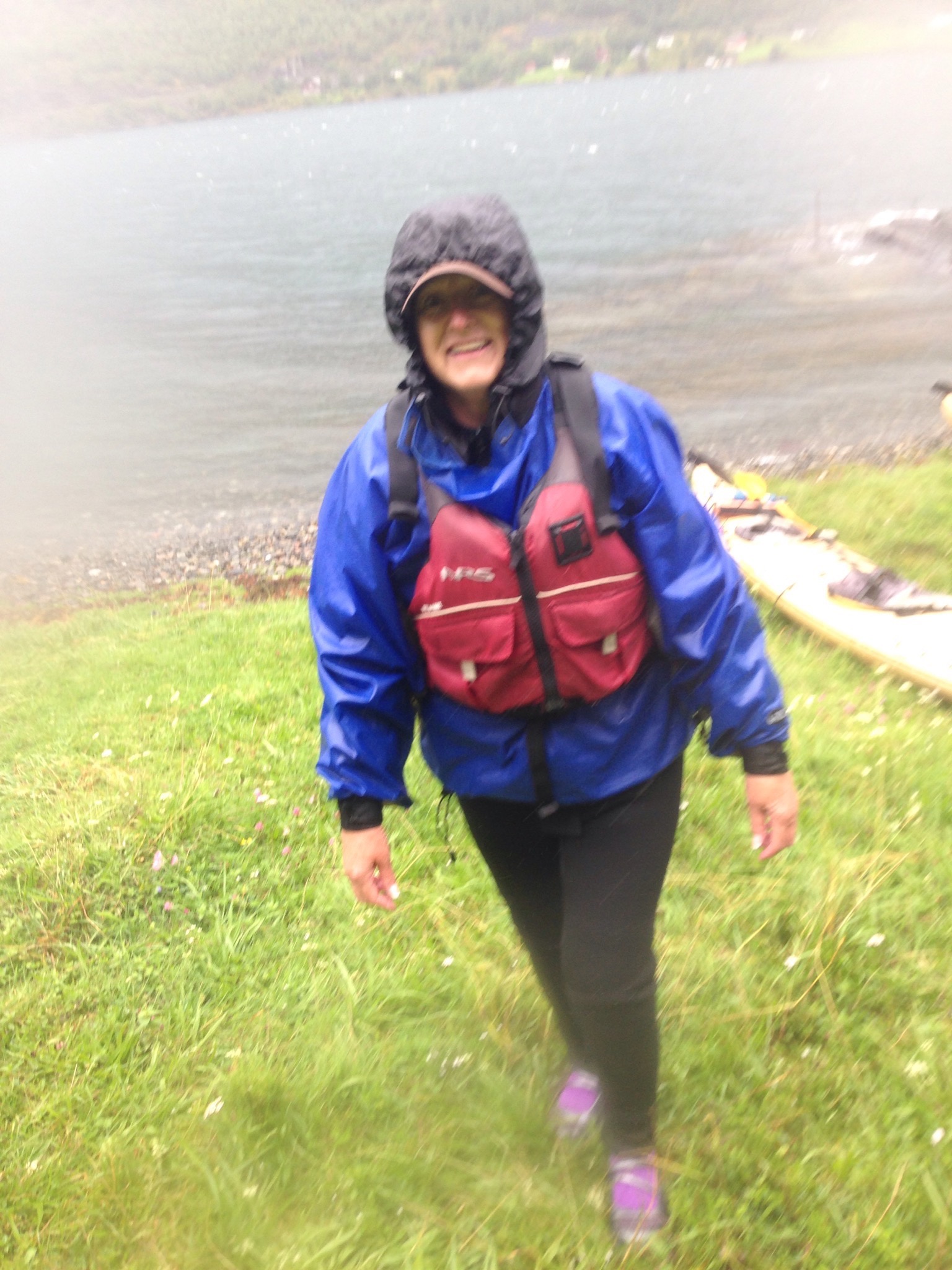
For the adventurers out there, I highly recommend taking a Kayaking tour on the fjord. Before arriving, I had my heart set on getting out paddling around the fjord. The smaller trip (3 hours) was already sold out, and the longer (4 hour) tour included a hike, which was even more appealing to me. The morning started clear, but some rain moved in, and thinking ‘well, were going to be in Kayaks on the water’, rain didn’t change our decision to go on an epic adventure. And Epic it was. Our guide, Marta, was full of wonderful local tales and knowledge about the area. We Kayaked to a small beach and began the hike to a waterfall, the trail lined with wild raspberries and edible mushrooms. Just above the beach along the cliff face are small rock mounds amongst the bright green moss. The boulder on the side of the trail hosted a small sign that points out that these mounds are part of a UNESCO world heritage site. The mounds are the remnants of burials of prominent vikings of the time. The seven mounds ran along the ridge, with the boulder separating 2 from the other 5. Automatically the archaeologist in me asks if the boulder may have always been there, or if it was a recent addition, and if there may have been a grave under it. Its unsure if there is another grave, but if there was, it would be squished by the 4mX4mx4m boulder.
Viking burial mound and the waterfall we hiked to.
Mum all geared up for our adventure!
Even with the rain, the small group we were in had an amazing time. we ate a snack by the Viking graves, swapping stories of our travels, and looking out at the scenery of the surrounding fjord. On the way back into the town, a seal made an appearance bobbing around the harbour.
We made our way to the train station and grabbed our 2 round trip tickets to Naples from Rome Termini station (be warned this is the expensive part, though prices vary by the train line, times, and location on the train.) With over an hour till the next train, we grabbed some breakfast and socked up at the small grocery that is in the station. (I recommend grabbing snacks, since Pompeii does have a restaurant but its really expensive. Don’t take sandwiches because they get super soggy. Fruit and Focaccia bread pizzas are prime.) The Bullet train got us there in an hour direct where we had to change trains to the Circumvasuvio line (which is down a floor from where the log distance trains stop.Follow the signs to get to the ticket office, where for only 2.90 Euro each way you can get a round trip ticket that is valid for any time.)
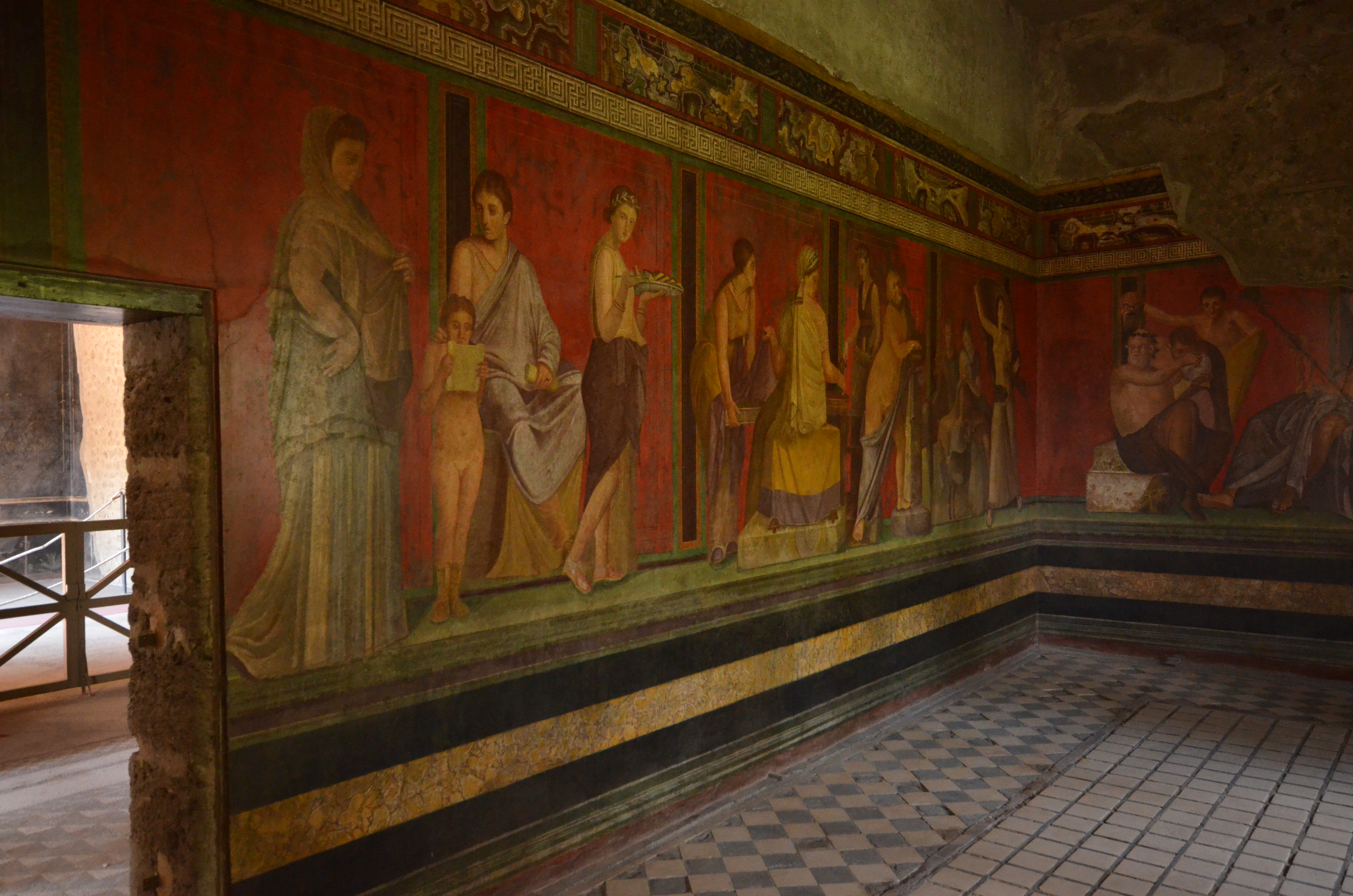
Villa of the Mysteries
The train, which was 15 minutes late, was preceded by three other equally late trains, which meant many of the fellow tourists that waited to be Pompeii bound with us jumped onto trains that we are still unsure where they went. Once we figured out the board, we realised that the times being posted with the train destination were the times that the train was supposed to arrive (which is how we knew it was 15 mins late). We realised this and explained it to a family that was waiting on the platform with us and had tried getting on one of the previous trains before being told it didn’t go to Pompeii.
Once on the train, the half hour ride was crowded, but offered some amazing scenery of Vesuvius and the Island of Capri before dropping you off nearly at the gate for the site of Pompeii (which is marked Pompei Scavi, you would need to keep an eye open for it, since the stops are not announced.) For us it was pretty easy to find because that is where the entire train emptied in a flood of tourists onto the platform.
Courtyard in residence near city centre
Getting off there train, ticket offices and shops are just to the right as you get off the platform. Right away we were asked if we would want to join a group, and we thought we would just want to do an Audio guide to go at our own place and hit the places we would find most important. We bought our tickets to the site and the museum for 15 Euro, and went to look for the audio guide. In the building behind the ticket office, up a flight of stairs, is the audio guide office. The guy at the counter informed us that the audio guides were only in Finnish, and we would have to join an English speaking tour. As I turned around, I saw guidebooks. I highly recommend getting one.
The guide book, which is offered in many languages, comes with a pullout map labeled with the different attractions, which have a short paragraph that tells you about them. For 10 Euro in the guide office, this is also a wonderful souvenir.
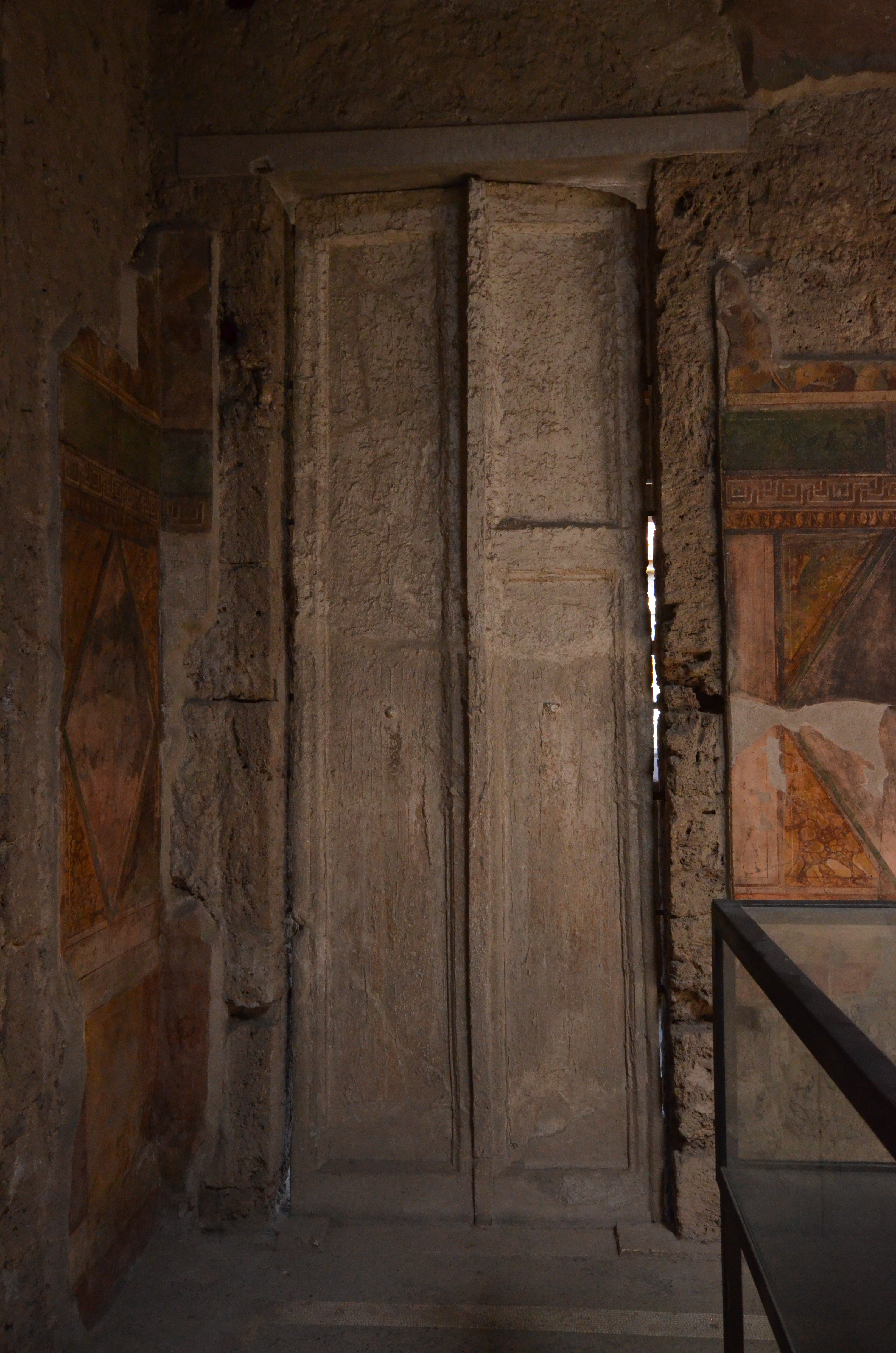
Original door in the Villa of the Mysteries
Pompeii is big. Once you’re in the site, its almost a lot to take in. Its best to have a list of about 5 things you really would like to see, and then spend the rest of the time wandering. We had little idea where to start, but I have made a list of some key places of interest
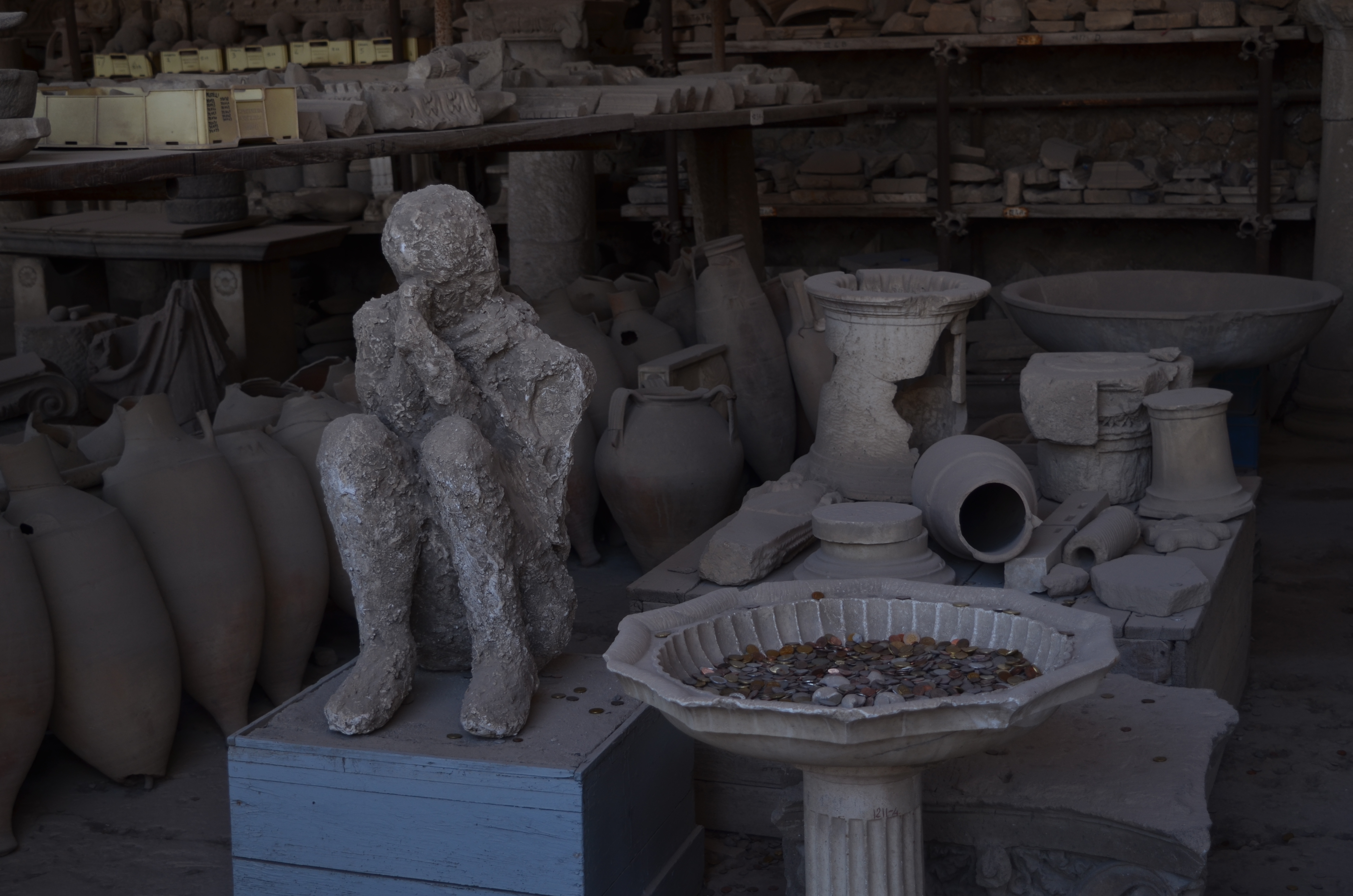
Villa of the Mysteries, with a great preservation of the art on the walls and a couple bodies in the lobby.
Temple of Apollo, The statues and the view. You really feel like you’re in the heart of Pompeii.
Garden of the Fugitives, An example of how devastating the site was. (We were rained out in the late afternoon, and didn’t make it.)
The Brothel, which has some raunchy pictures on the wall. (When we were there they were excavating that area, and it was blocked off.)
We left early because a thunderstorm rolled in, but that turned out to be a good thing.
Tip: The train to Pompeii, and the train back to Naples from Pompeii, is usually late. If you have a return ticket, it is a good idea to look at the time table, find the train that gets you to Naples before your train to Rome, and leave a train earlier.
The site is massive. We could easily have made a weekend out of it. Wear good walking shoes, bring a water bottle, and plenty of sun screen. (Mum brought the umbrella, and she recommends it.) Also, with the enormity of the structures, I recommend a wide angle lens for photography.
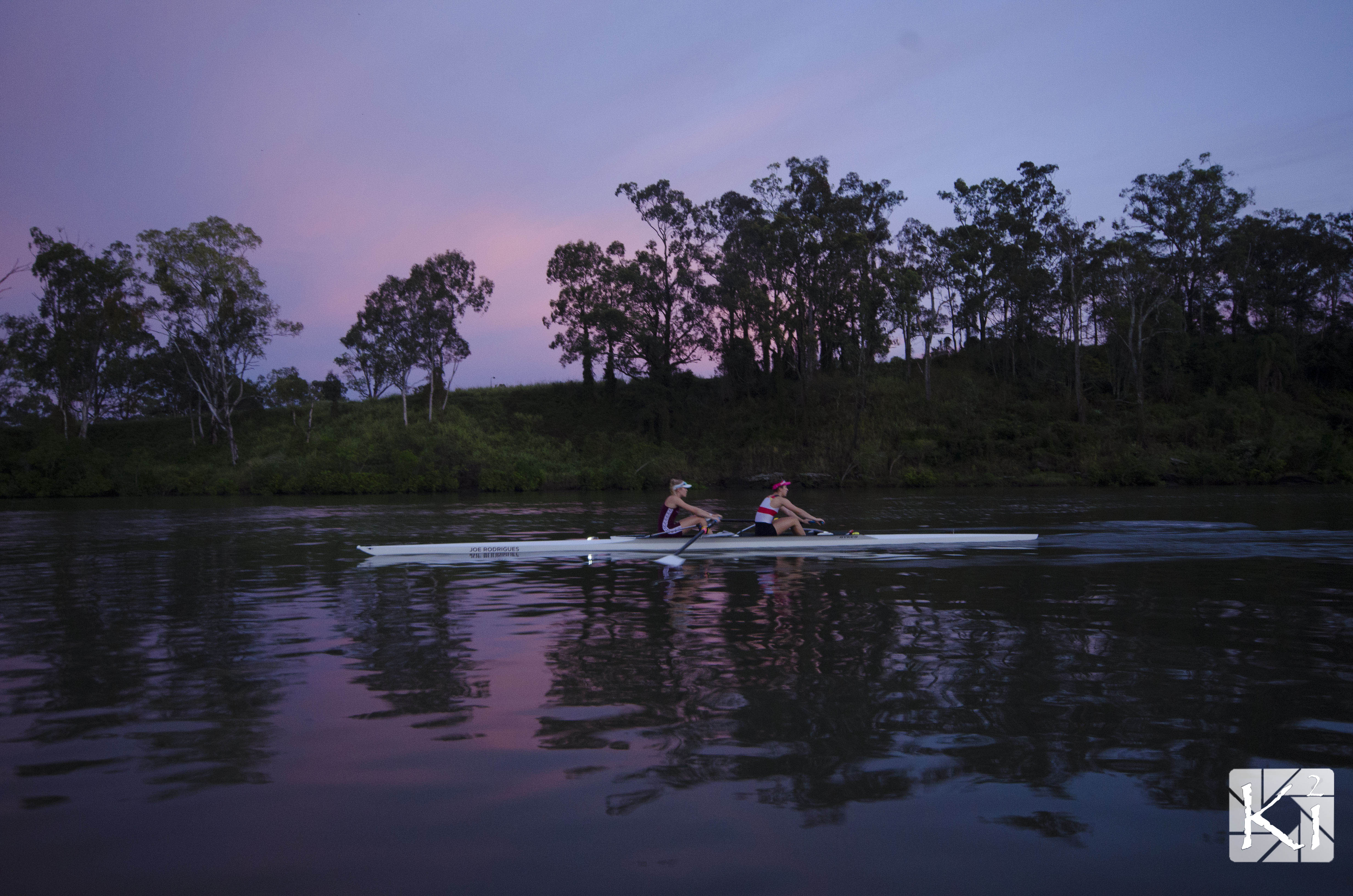
I had an amazing day out with the UQ boat (rowing) club! Caught an amazing sunrise with some excellent athletes. Click the link to see the album on my FB page.
In the last couple weeks I have been fortunate to line up a future job in ESL after I graduate. The problem? It’s in Iceland, and I know nearly NOTHING in Icelandic. This doesn’t stop me though. Before moving to Japan I only knew “konichiwa” and “arigato” (which to this day only rolls through my mind to the tune of ‘domo arigato mr. Roboto’.) Otherwise my Japanese skill was limited to ordering from a sushi menu. How then, you may ask, did I survive going solo to foreign lands, and living for the better part of a year? In addition to embracing the adventure, I learned.
About a week before flying to Tokyo, I pushed myself to learn to count to ten, say ‘yes’ and ‘no’, and the rest I would have to figure out later. After settling in to my town to teach I enrolled in free language lessons in the community centre, and was “fully emersed”.
Now, seeing the benefit of having more than a week to prepare, I have downloaded some free language learning apps to review. I will be trying to learn Icelandic, though if an app doesn’t have it, Ill give French a go.
1. DuoLingo
Pros: COMPLETELY FREE! Offers the main popular languages (German, Spanish,more challenging etc.) and even Klingon is “Hatching”. (Yes my Trekkies, you too will be able snarl with proper grammar.) When signing up for the app, you can connect to your friends from social media and challenge each other in your progress, and you can log in on their website, or the app and continue your progress. DuoLingo will send you “reminders” to do your daily lesson and stay on your streak, and you can link your language ability to your linkedin profile. Additionally, it is set up like a came, where you earn “Lingots” by completing lessons to buy a one day ‘streak freeze’, outfits for the cartoon owl, and bonus lessons (eg. how to flirt, or idioms).
Cons: limited selection of languages available. While it does help with the ability to remember vocabulary, the voice recording is not sensitive enough to tell if your pronunciation is ok, and if you fall out of your “daily streak”, you don’t feel as motivated to start again. All work has to be done online.
Languages:
(for English speakers available on app) Spanish, French, German, Italian, Portuguese, Dutch, Irish, Danish, Swedish, Turkish, Esperanto, Norwegian, Ukrainian, Russian, Polish, Welsh.
Overall ****
2. Memrise
Pros: Tracks daily progress, and lessons can be downloaded for offline learning, and the language list is extensive. As an archaeologist, I really like that it has ancient and dead languages, and there is even ASL for me to practice my signing. Pneumonic devices are suggested, and there is an emphasis on sight words. It’s a very easy program to figure out. Hints and tips for remembering words have been provided by fellow users, and give tricks for figuring out the pronunciation, which make the app feel more like a community.
Con: If you don’t do well with sight words this may be tough, as you have to remember how to spell them a short time after seeing them. The free edition has plenty of free modules to learn the basics of a language, and to get progress tracking and unlimited access to all modules you would need to subscribe. (Though its not necessary.)
Languages:
English, French, German, Italian, Japanese, Korean, Chinese, Portuguese (Brazil), Russian, Spanish, Afrikaans, Akan-Twi, Albanian, American Sign Language, Ancient Greek, Anglo-Saxon, Arabic, Armenian, +about 80 more. Has dead languages and 3 types of sign language. Creek was the only First Nation language that I saw, But I was impressed with the variety.
Overall ****
3. uTalk
Pros: Vast majority of the languages needed for traveling. (136 including variations in the same language. eg. Portuguese for Portugal vs Brazil, or US English vs UK English.) It is set up similarly to Rosetta Stone, though much cheaper.
Cons: The first module is free for all languages, then you need to purchase a module that goes beyond the “starter pack”. The starter pack just gives you a taste of the language, (“Hello”,”Goodbye”, “Help!”) though it is good to see if you want to continue on that language.
Languages: 117 common languages.
Overall: ***
4. FluentU
Pros: language learning in increments by ability. Uses video which is good for audio visual learners. Songs and videos can be downloaded to play offline.
Cons: Limited languages available.
Languages: Chinese, Spanish, English, French, German, Japanese
Overall: ***
5. Babbel
Pros: Downloadable for offline use. Uses learned language in a conversational setting.
Cons: After the initial “starter” lesson, you have to subscribe to access further lessons. The microphone for speech recognition is quick and you need to have a rhythm or you may miss it recording.





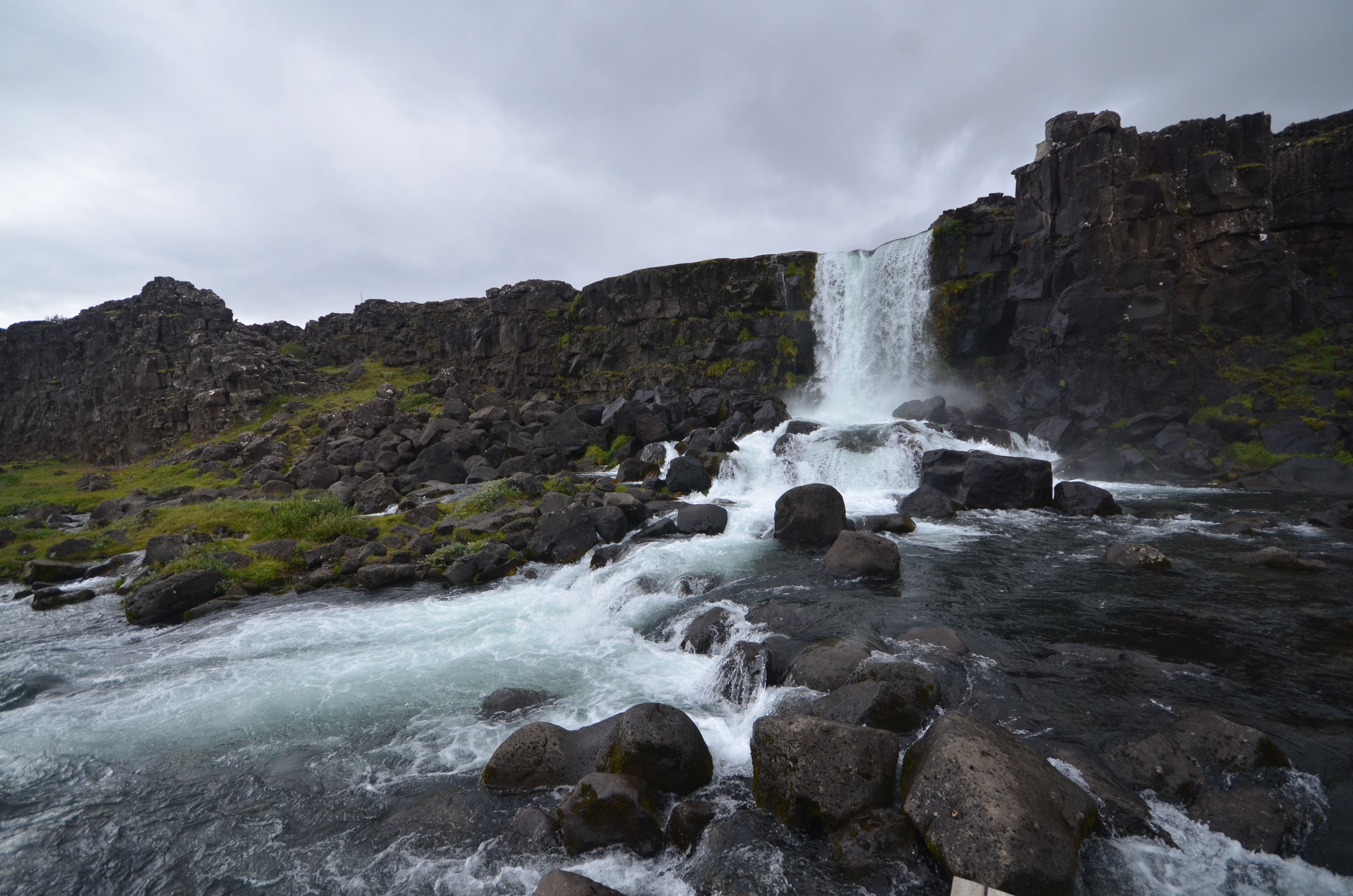
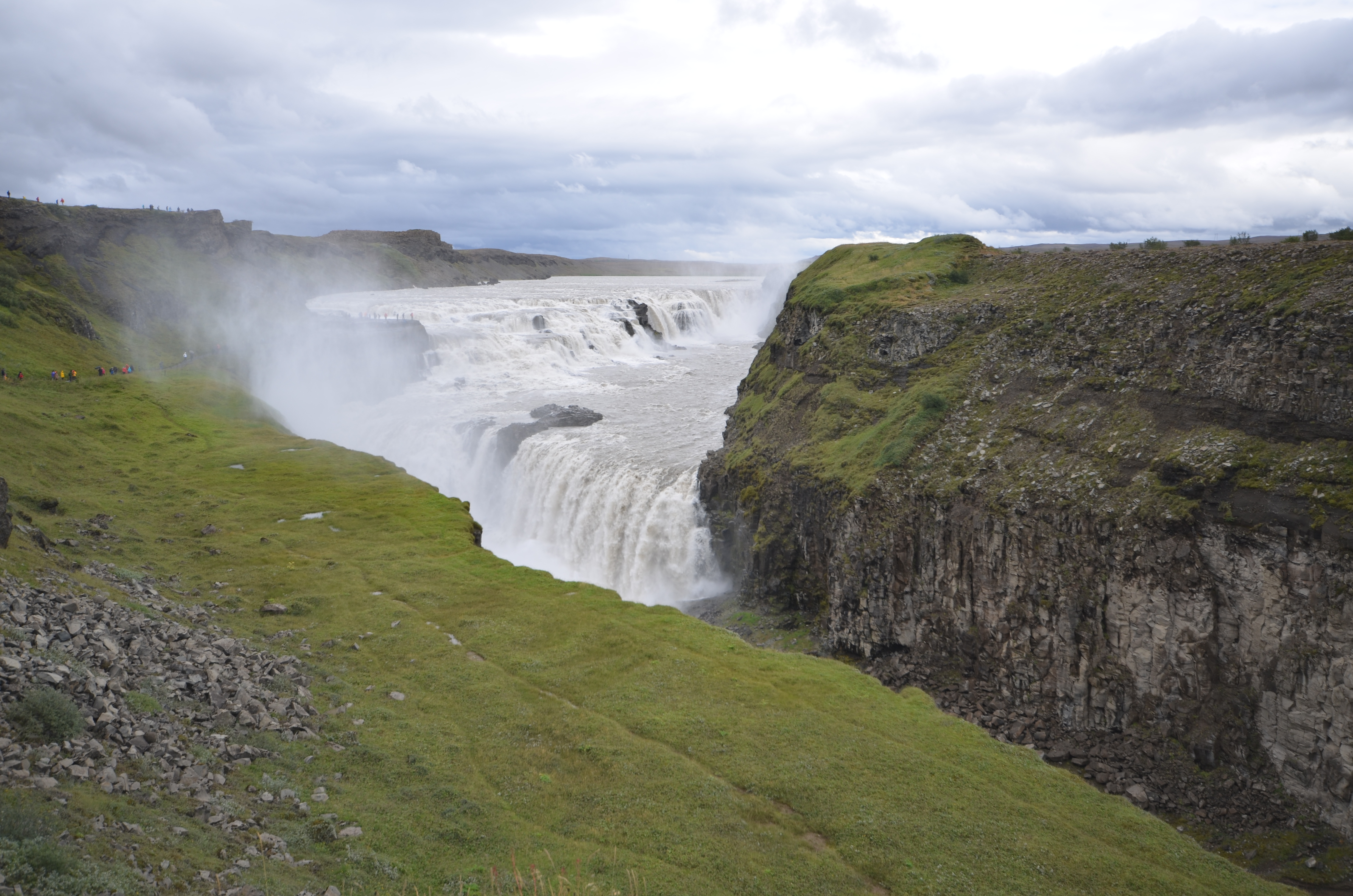
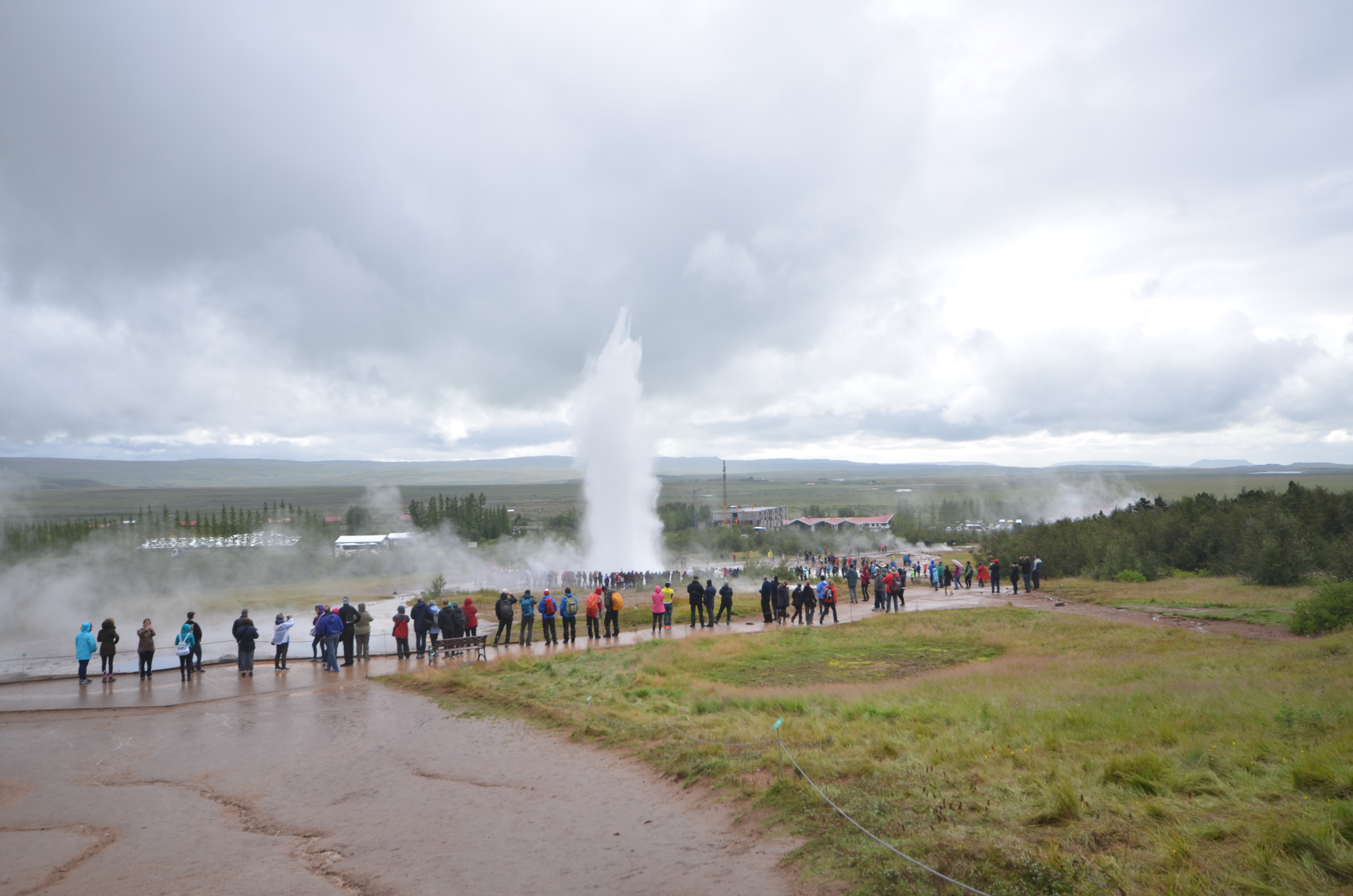
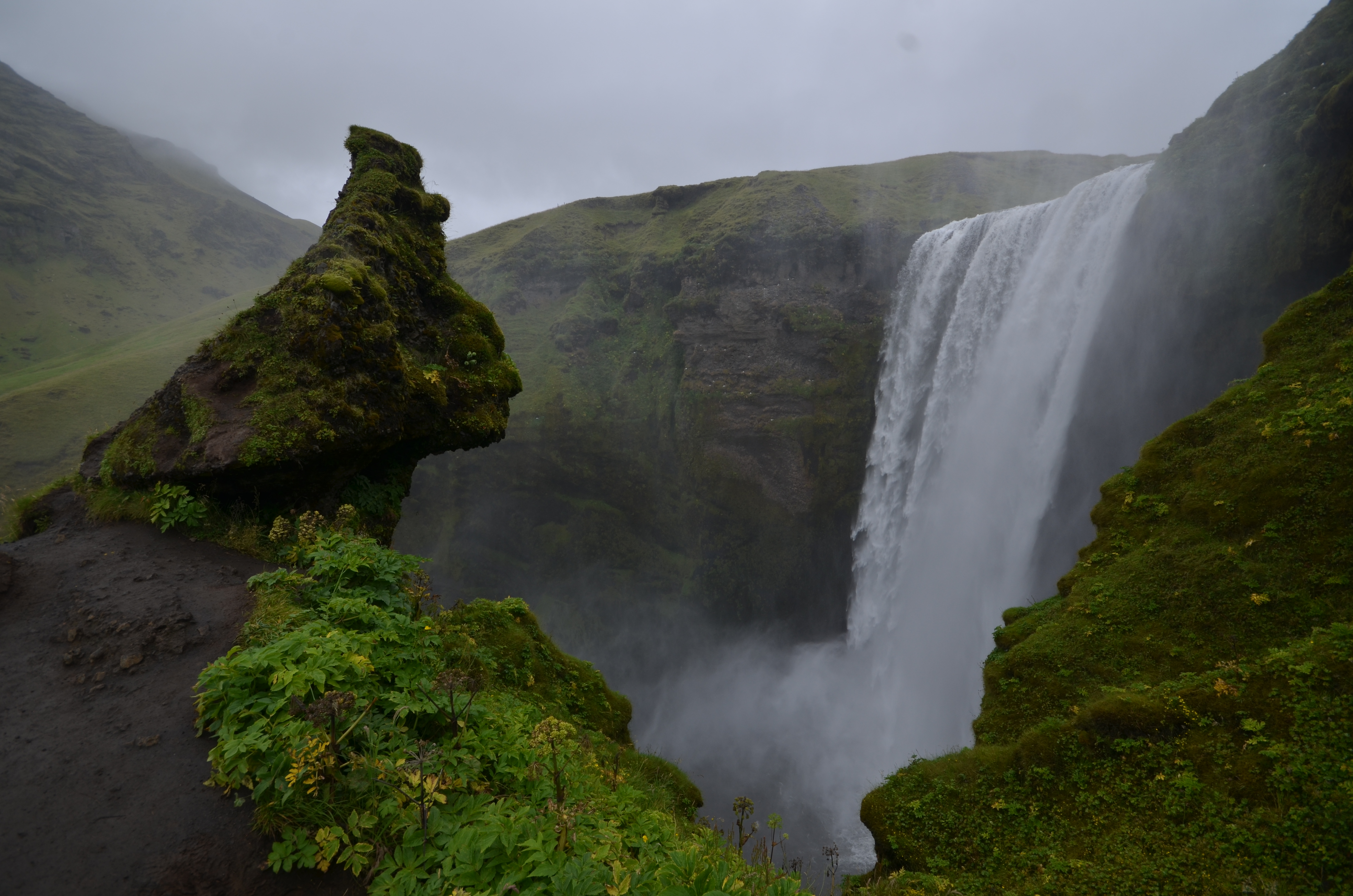
 And bonus! We got to see an elf rock, and some of the Icelandic horses.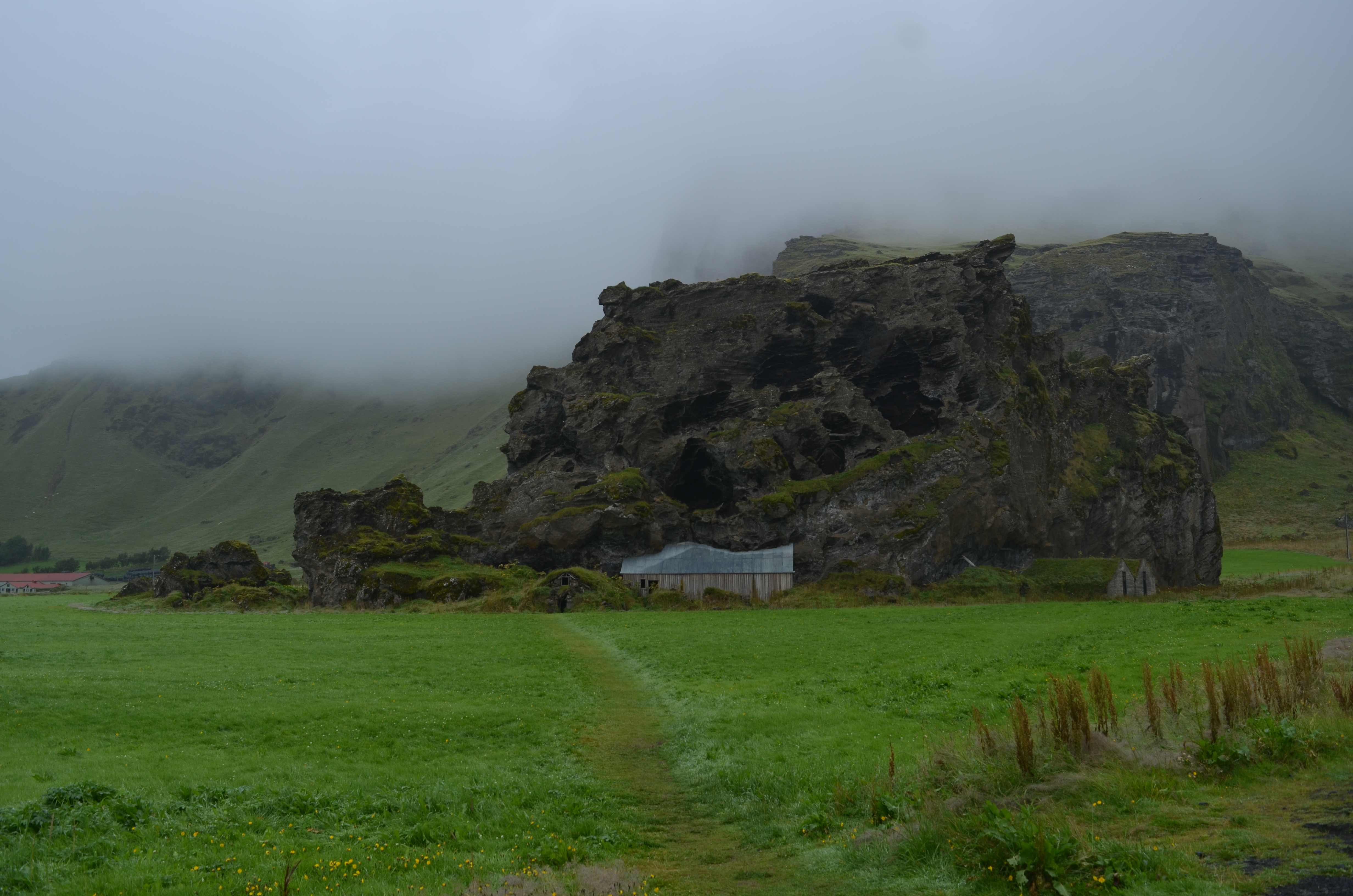

 Villa of the Mysteries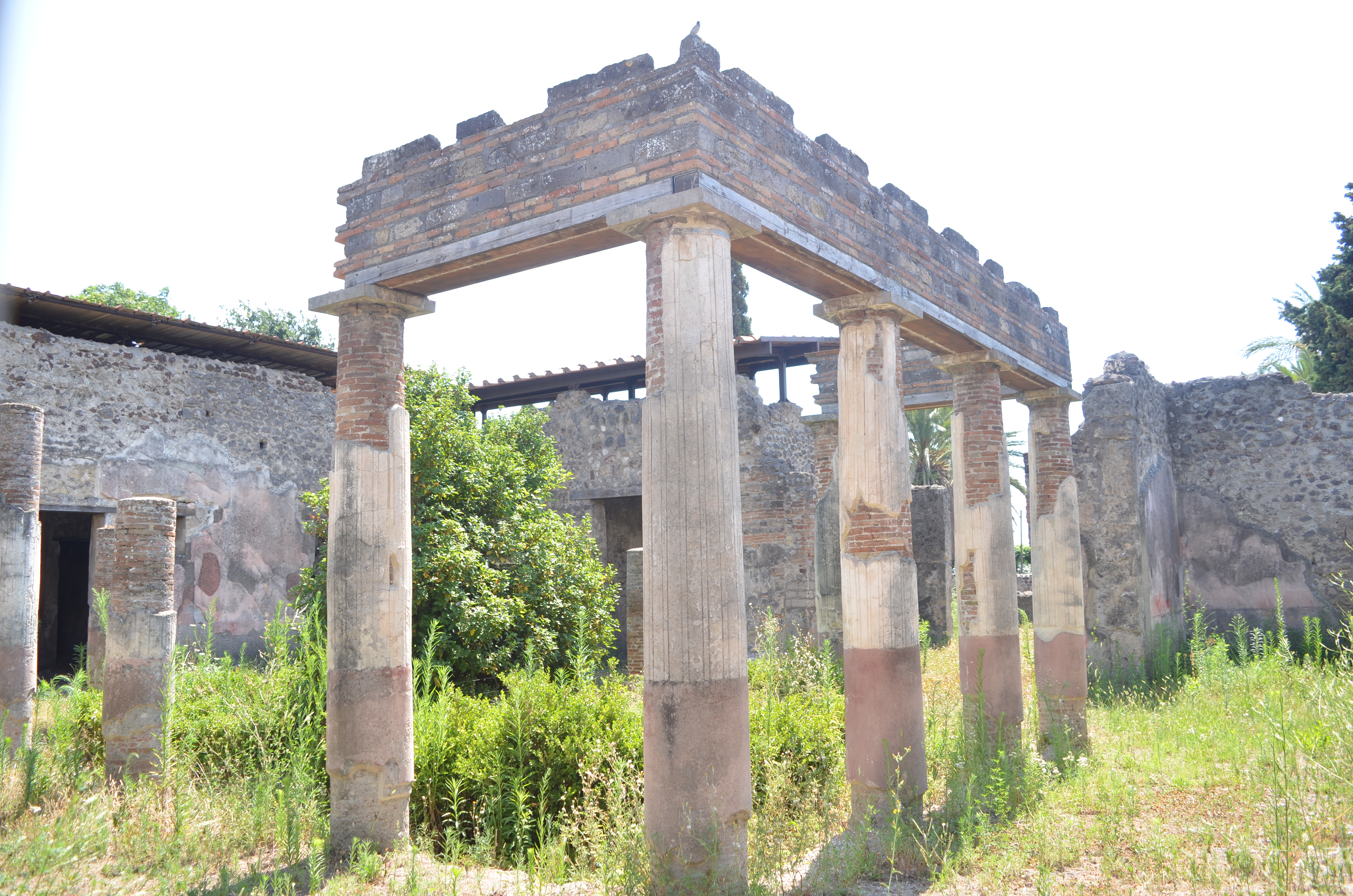
 TravelGypsea