Tomioka Silk Mill; The UNESCO world heritage site

(Written for The Heritage Travels)

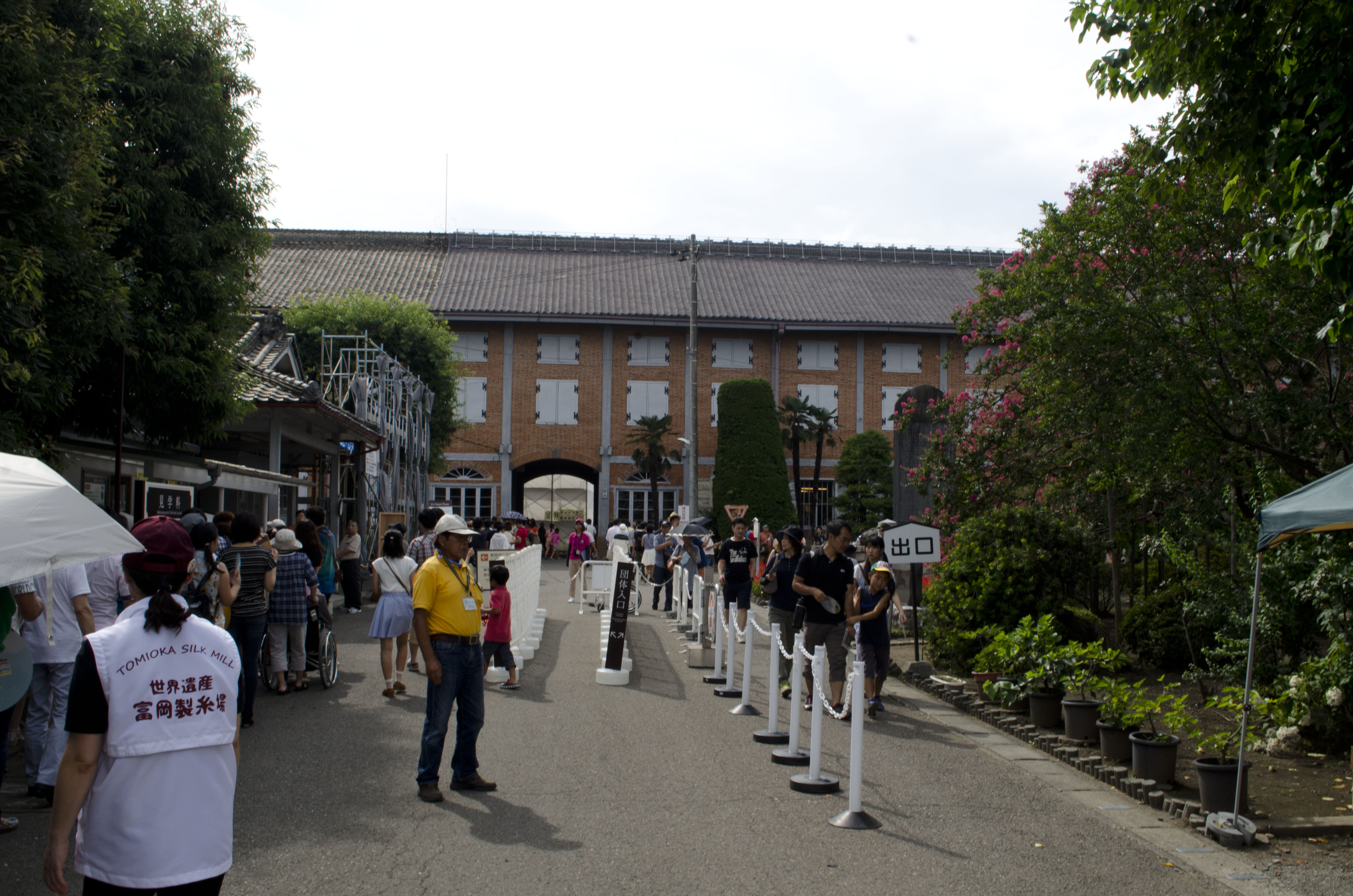
Tomioka Silk Mill, the latest UNESCO world heritage site in Japan, sits along the river in the south of Tomioka. When I sit at my desk, I can see the tall chimney from my window and with summer break, why not? It was only a few blocks away.

I loaded up my bike basket with my camera and a bottle of water, and rode in the direction of the mill. I could tell when I reached it, since the crowds became impassable. On my first pass the line to get in was building, and for lack of bike parking, I rushed to store the bike nearby and join the cue. The small admission fee (500 Yen for adults, 250 Yen for university and high school students, 100 yen elementary and junior high students, and 1 child/disability with 1 accompanying free,) goes to the preservation and restoration of the buildings.
DSC_2514

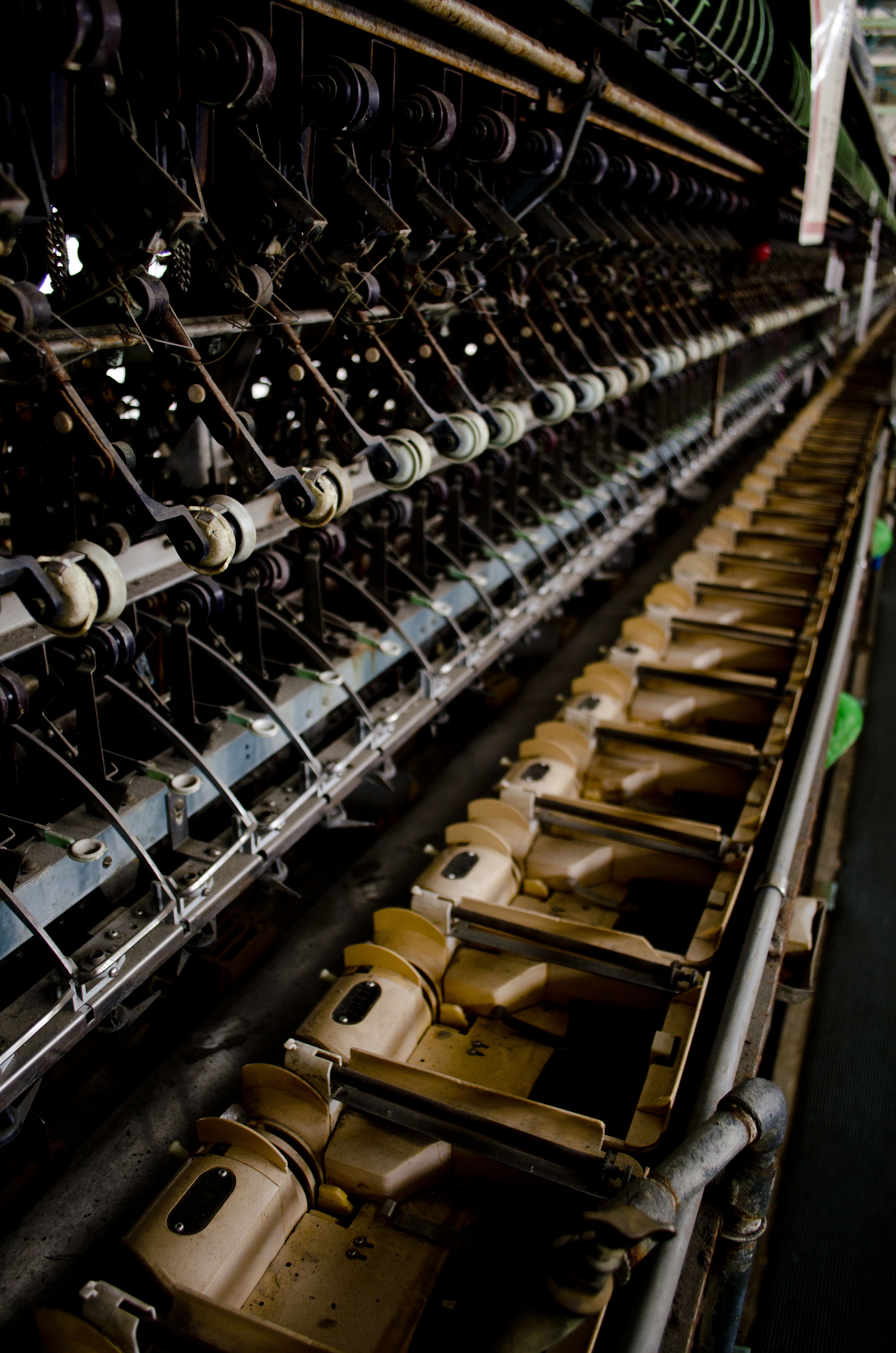
Constructed in 1871, the long buildings still house some of the equipment, and displays some of the machinery that was lesser used. While free Japanese tours are offered hourly, a self guided audio tour in English can be accessed via smart phone, using the QR code provided at the entrance. (Other languages offered include; Japanese, Italian, Chinese and Korean.) They also provide English maps upon entry, with the quarky historical facts such as the delayed employment to initially run the mill because there were French workers and their red wine was mistaken for blood. (I wouldn’t want to work with people who drink blood either.)
DSC_2495

The mill had shut down in 1987 after being in Operation for 115 years. With the loss of work in the area, Tomioka went from a factory town, to a sleepy mountain town until 2005, when the buildings were designated as a National Historic site, which increased the tourism in the area, giving the town new life. Two years later in 2007 the site was picked up by UNESCO as a world heritage site.


Written by Kiki Lathrop

Kiki is a writer, photographer and archaeologist from Colorado. Growing up on a sailboat in the Caribbean, she was introduced to different cultures early, and it fueled her passion to experience the world first hand. Over a year has passed since she set out a solo female traveler, only to discover that we in the travel community are never alone. You can read up on her stories and adventures at her website.

Please check out Kiki’s website, travelgypsea.wordpress.com, for more inspirational and educational posts!


Its those small towns you have to watch for; My first month in Japan

It seems like yesterday I was taking the clunking, grumbling train from Tokyo out into the countryside. The bright blue sky and rolling green hills that meet with the blue grey silhouettes of the humidity shrouded mountains welcomed me across the interchanging fields and clusters of houses. For being part of the small school, my co-workers took me in to show me the local sights, and tell me of a few places to explore.
image

Every Friday night after work, the crew gets together and we would go out to the local sushi restaurant. The small wooden paneled room opens by a thin sliding door to the small sushi bar displaying the catch for wanting customers. In the adjacent portion of the room is an elevated wood platform, where as custom requires, we take off our shoes to sit on the floor around the low table. The man who runs the shop is nearly always smiling, and excited to try his English on us as a captive audience. It doesn’t take long for the place to get under your skin. As my co-worker said, the crowd there had developed the feeling of Cheers.

image

August through October is Festival season, which provides an excellent time to see the culture at its richest. Tomioka, Takasaki are two of the more popular towns for parades, fire works, dancing and street food.

image

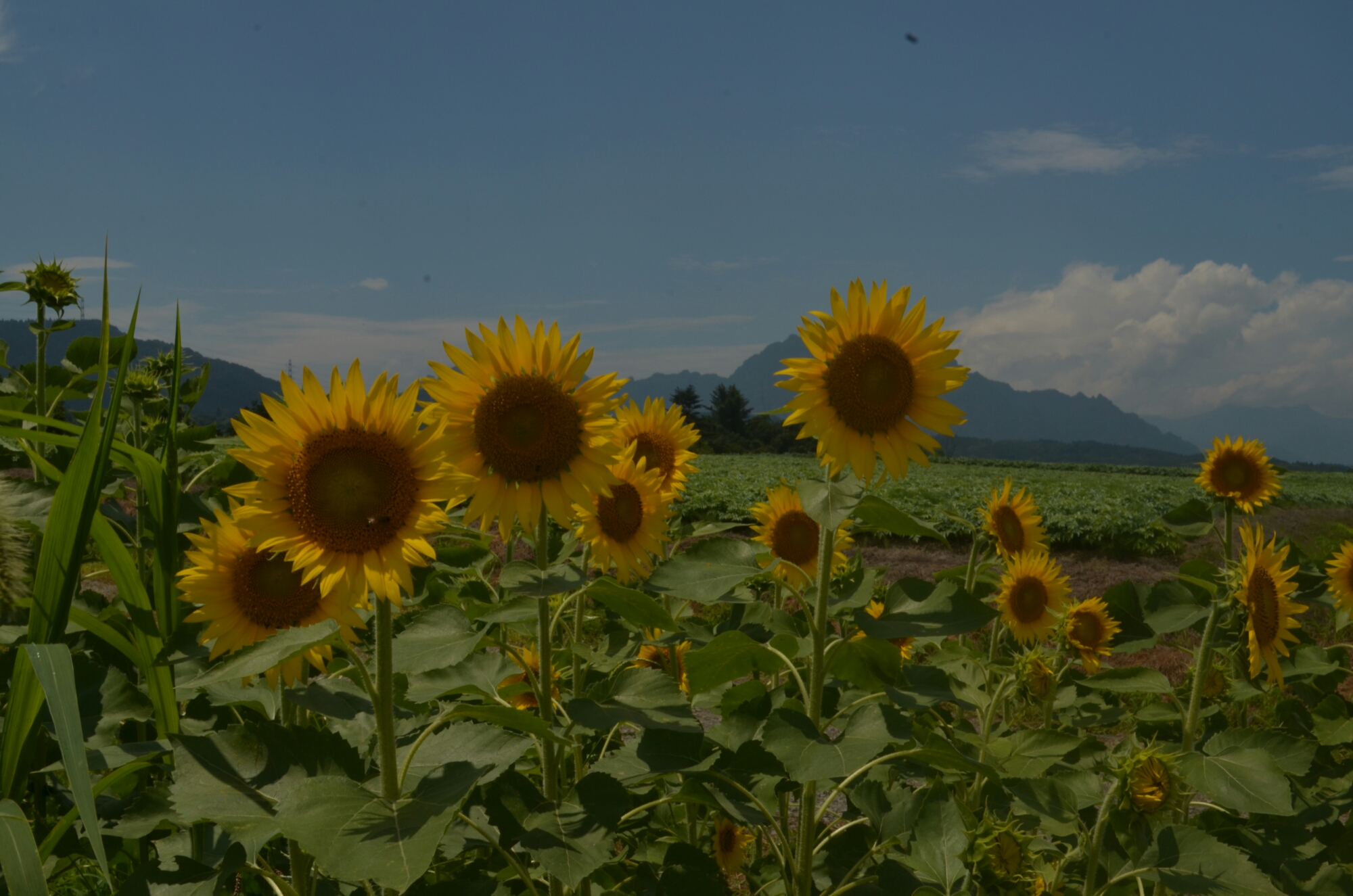
Being mid-late summer, there is plenty to see and do in the surrounding area of the stat of Gunma. Known for hosting the 1998 winter Olympics, the mountains that offer skiing in the winter also offer exceptional trails for the summer. (And as a Colorado native, I’m picky with my trails.) The only disappointment that I encountered was that I didn’t get to see one of the indigenous primates – the Japanese Macaque. (I will just have to go find one at the famous monkey park this winter, which supplies hot springs specifically for the monkeys, where they swarm to bath in the masses during the snowy months.) Additionally in the area, mid summer offers sunflowers in full bloom. The fields, which are back-dropped by the luscious green mountains and sometimes blue sky offer a breath-taking photo to send home to make the friends jealous.
image

As far as the language barrier, most towns offer free Japanese lessons at the community centers or town halls. If you are planning on coming over to improve your Japanese (no-matter how much or little you know), these lessons could be bennificial.


Stay tuned as I check out the towns recently UNESCO world heritage site listed Silk Mill.